


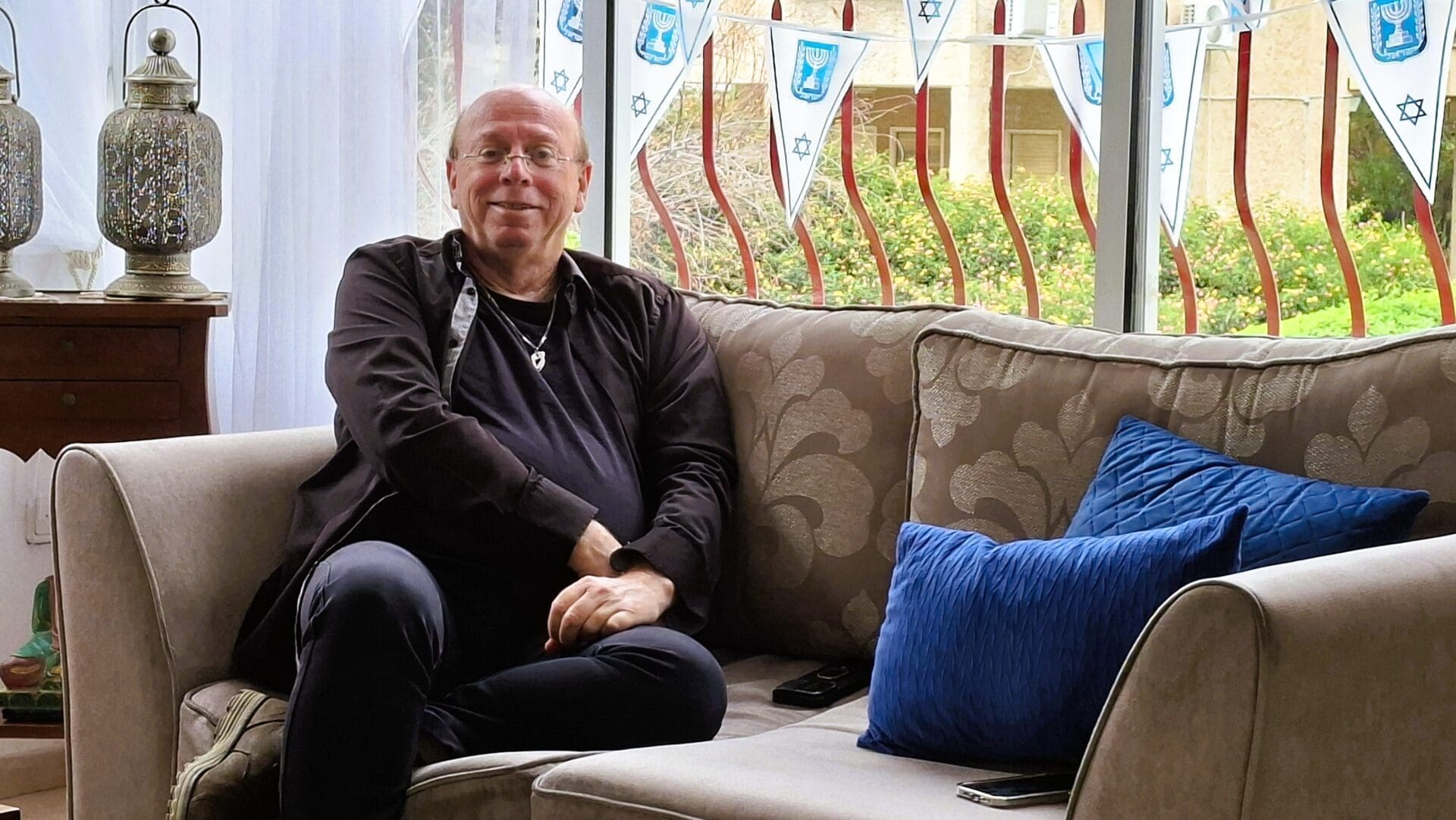
Some life stories read like a list of accomplishments. Others, rarer, read like a record of persistence and dedication to purpose.
Shlomo Abramowitz's story belongs to the second type: not a career that moved in a straight and safe line, but a life path that was like a taut arc.
Every arrow sent from her made its way to the target, despite the winds, obstacles, and tremors along the way. This is how Shlomo Abramowitz's path was shaped, Investigative journalist, writer, poet and photographer, whose work was born from the constant encounter between sharp observation, persistent investigation, and human sensitivity.
Early Start: The Child Who Wrote Before He Understood Why
Shlomo Abramowitz was born on June 1, 1957, into a young country that was still formulating for itself a language of memory and power. In many ways, it seems that Abramowitz has dedicated his life to trying to understand the nature of that language, and at times to violate it.
Writing came to him early, almost too early. At the age of ten, he was already writing poems and even won a school competition. It wasn't just a matter of talent but of inclination, perhaps even necessity.
Poetry, in the future, will not disappear. It will retreat, wait, and return later when reality becomes too complex for mere journalistic prose.
"I live here too"
Here, the section seeks to open doors, not only of homes, but of souls. This is a section that brings you fascinating Haifa characters, straight to their living spaces, with the belief that true acquaintance is forged through stories, life lessons, and unique perspectives.
Thus, the rich human mosaic of our city, Haifa, a city of voices, memories, and living, breathing identities, gradually unfolds. A section about women and people who live here, as the section's name suggests: "I live here too."
In the section, we meet these characters inside their homes, but not as a purely physical space, one measured in square meters, real estate valuations, or design aesthetics. The home is described here as a space filled with meaning: a treasure trove of memories, evidence of life stories, and a space charged with emotion. Through the home, we get to know its inhabitants, not from the outside, but from the inside: through an intimate, one-time lens that reveals their world as it is experienced from the inside.
This time we will enter the home of journalist, writer and poet Shlomo Abramowitz.

On the Mountainside: Shlomo Abramowitz's Childhood Between Poverty, Violence, and Survival
In the summer of 1957, in the Halisa neighborhood of Haifa, in a half-abandoned stone house on the hillside in what would later be called David Raziel Street, Shlomo Abramowitz was born.
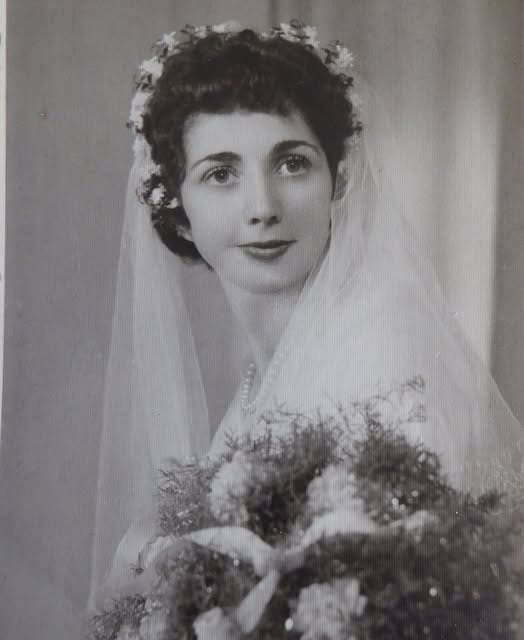
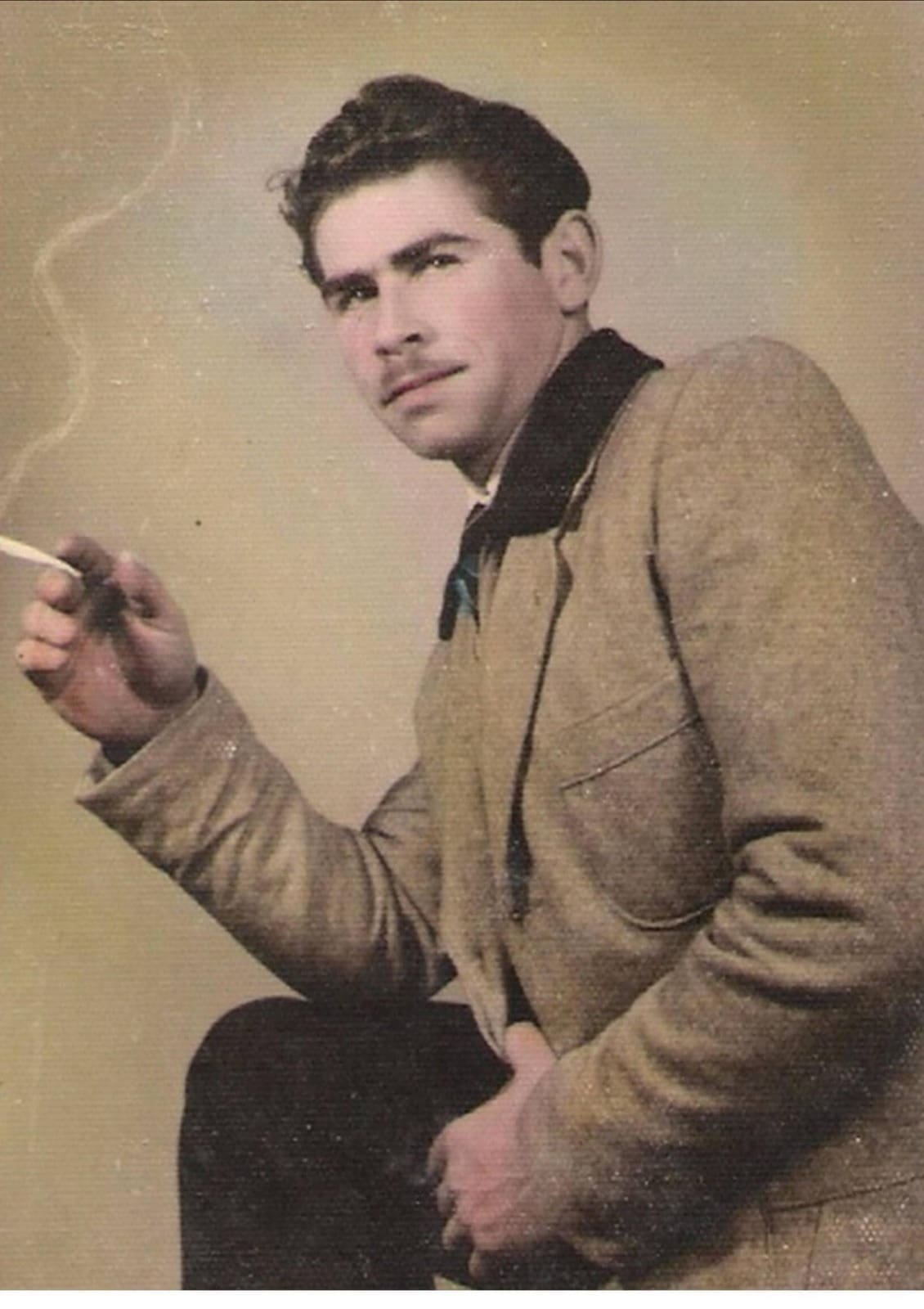
It was not a beginning that marked life, but rather survival: without electricity, without running water, in a material reality that had difficulty being called home. His father, Moshe Abramowitz, worked as a porter in a "Shemen" factory, and his mother, Hanna, née Ashkenazi, was a manicurist. Both were uneducated, immigrants from Romania who arrived in 1947 on different illegal immigration ships, on parallel paths that met only in the new land.
The house he was born into was a cramped stone structure of two rooms, each of which was used by a different family.
One kitchen was shared by all, improvised in a narrow hallway with a piece of marble and a single sink. The toilets were outside the building, about thirty meters up the mountain, exposed to the wind and the coolness of the mountains. A makeshift shower with a tap provided only cold water, and a temporary bathtub was built in the yard as a makeshift solution to a reality that has no real solutions.
The family's move to Kiryat Yam
Shlomo grew up with his sister, who was three years younger than him, Meira, who would later live in Kiryat Yam and work in communications. He lived in this neighborhood until first grade, and from there the family moved to Kiryat Yam.
But the move did not change the nature of the environment, only its address: a neighborhood of crime and poverty, extreme ignorance, streets like Sprinzak where drugs, crime, and violence existed as an almost self-evident daily reality.
Within this space, Shlomo was almost the only Ashkenazi child, a fact that immediately made him an exception.
This exception did not bring with it an advantage, but a price in the form of beatings, boycotts, and the theft of glasses as a form of daily humiliation.
In a world where survival was an unwritten law, he found himself drawn into petty theft, not as a choice but as a defense mechanism, a way to belong, to avoid harm, to survive within a cruel social order that left no room for weakness.
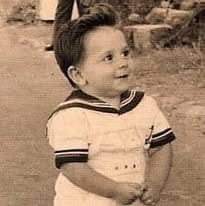
The "Road of Sands": A Childhood of Violence, Loneliness, and Survival in Kiryat Yam
Shlomo Abramowitz grew up in Kiryat Yam B, but the school he was sent to, "Urim," was in Kiryat Yam A, a distance not measured only in kilometers but in the daily experience of struggle.
Every morning and every afternoon, he had to cross an open expanse of dunes alone, between which stretched a long path of about half an hour's walk, while he was exposed to the wind, the sand, and other children. He describes the period between first and fourth grade as a period in which he was burned by a chain of severe physical and mental abuse by his peers: rolling in the sand, humiliation, urinating on him, and burying his body in the dunes as if he were part of the landscape and not a child within it.
The way to and from school became a constant path of fear. A daily return to a situation that he himself calls in retrospect "a continuous nightmare."
In contrast, within the same family home, a different reality existed: his younger sister, Meira, did not experience the same violence. She was considered the most beautiful girl in Kiryat Yam, a figure almost the opposite of her brother's transparency and vulnerability. The gap between them only emphasized Shlomo's loneliness within the space in which he grew up.
In retrospect, he also recognizes in those difficult years what was building beneath the surface: a deep, almost instinctive desire to move from the losing side to the winning side, to no longer remain in the position of the victim.
When he transferred to the "Alumim" school in sixth grade, his social status improved somewhat, but the academic wounds did not heal to the same extent. His grades remained exceptionally low, a silent echo of those early years when the road to school was much longer than the distance itself.
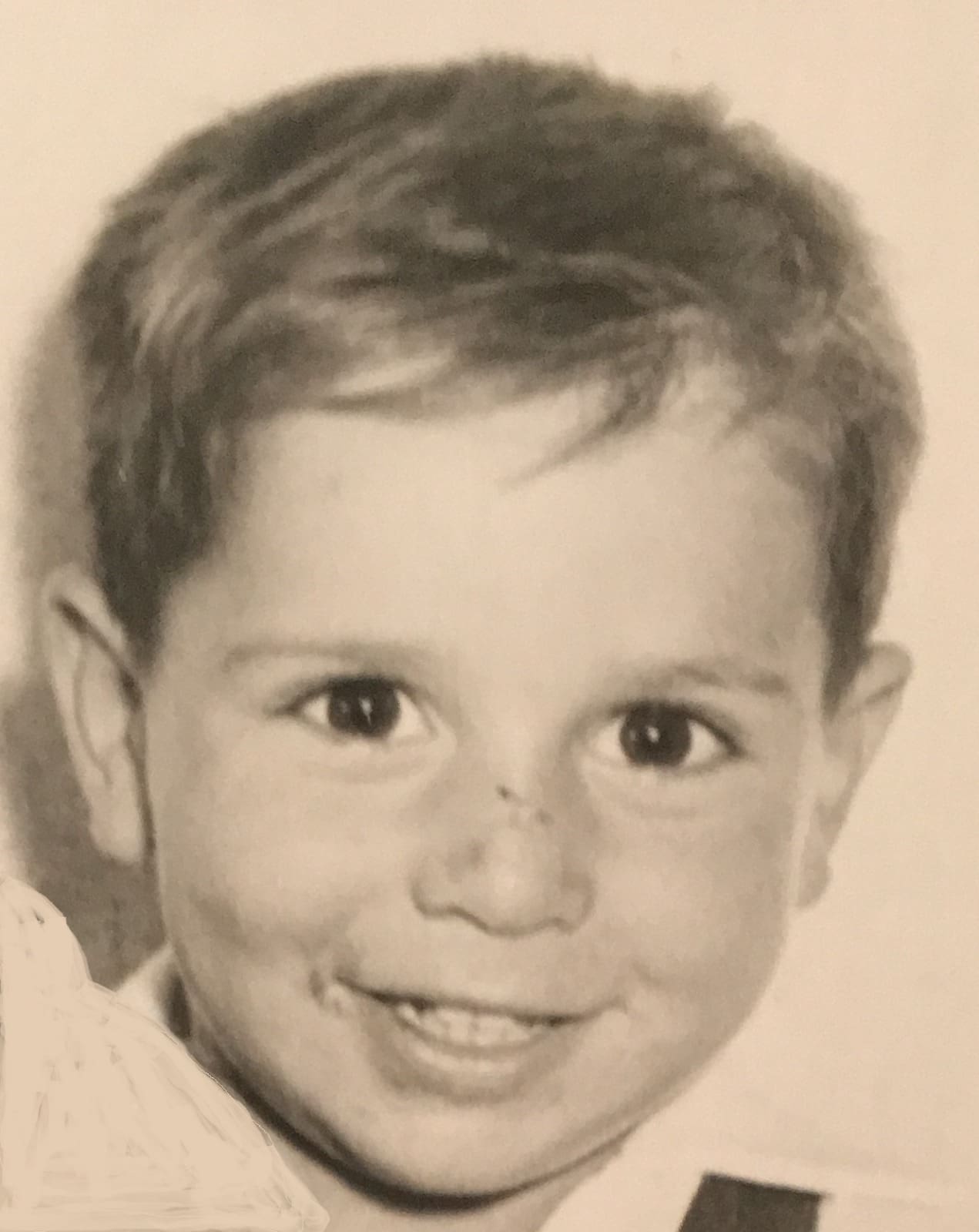
Books as an Escape Line: The Boy Who Chose Words and Overcame the Noise
Even when he was at the "Alumim" school, there was no one to hold the boy's hand against the world that was pressing in on him. His father, Moshe, did not intervene or protect him, but instead sent him out into the street again and again to deal with those bully boys alone, as if the struggle was a necessary lesson and not a lasting wound.
From this absence, from the space where there was no guiding or protective hand, Shlomo developed a sharp inward turn: he became a "bookworm." He read two to three books a week, regularly replacing them at the "Borochov Library" in Kiryat Yam, as if each cover was another exit door from the reality that had closed on him.
His thoughts began to exceed the level of his peers: the verbal ability that developed in him carried one persistent, almost existential question: "Can I break out of the vicious circle of poverty, bullying, and ignorance?"
Ideas, formulations, the beginnings of writing, began to seep into his consciousness even then, and not always in conscious ways, like that distant echo that Amnon Shamosh formulates in his poem "A Big Confession" with the words: "And maybe things seeped through in a different way."
But even as the words multiplied, the path to them was not smooth.
Shlomo, who struggles with attention deficit disorder, also struggled with many spelling errors. It took him an almost continuous effort to write, sometimes as if he was working against himself. But it was precisely from this struggle that he developed an extraordinary tenacity.
When it came time for the school talent show, an arena usually dedicated to dance, singing, or physical performances, he chose the complete antithesis: to submit a poem.
At first, he responded with laughter, an almost expected reaction to a child who didn't fit the mold. But in the end, it was precisely the unusual choice that tipped the scales: Shlomo won first place. That song didn't just remain in that fleeting moment, but continued to accompany him for years afterward. When Nathan Zach read the song, he lingered over it and said: "Just for this song alone, it was worthy that you came into the world."
Indeed, that song never ceased to accompany Shlomo throughout the years, until it found its natural place in his book of poems.
Shlomo Abramowitz recites his first poem "Sudden Aging" ► Watch
Three days in the hallway: The moment when refusal became a breakthrough
Shlomo Abramowitz's parents wanted a stable future for him, one in which he would have a "profession in hand," and sent him to study at Rodman High School, majoring in electricity. But there too, as at previous stations, he had difficulty keeping up and was considered a weak student.
In the tenth grade, an unusual decision was formed in him: to move to the theoretical stream, to the world of words, an idea that was already burning within him beneath the surface. The school principal at the time, Avraham Bar-Am, firmly rejected him. In his eyes, there was no possibility of such a transition; the division between "strong and wise" and "lesser" was, seemingly, final, and Shlomo was clearly placed on the wrong side of it.
But it was precisely this refusal that gave rise to a moment of unique insistence and a clear refusal to break. The boy who left the principal's office did not return to his classroom or even go home, but "went to be punished." That is, he sat down in the hallway in front of the door, with his bag by his side, and remained there for three consecutive school days. It was a quiet but unmissable presence.
By chance, on the third day of the "strike," an inspector from the Ministry of Education passed by and asked about the unusual spectacle. At his request, the voice of the student Shlomo himself was also heard. In the conversation with the inspector and the school principal, Shlomo did not ask for concessions, but rather offered a deal: to take full responsibility and promise that if he did not meet the requirements of the academic major, he would go back a year.
This experiment, born from stubborn standing in the hallway, was successful.
By the end of that school year, Shlomo had managed to integrate well into the theoretical class. After all, subjects like history, Bible, composition, and literature were already close to his heart, almost homely to him, while in mathematics he found himself in a surprisingly advantageous position, since the electrical major he had studied previously had advanced the material beyond the theoretical one.
Thus, within a system that defined him from the start as someone who was not suitable, he managed to chart a different path for himself, one that was born less from recognized talent and more from determination that refused to be rejected.
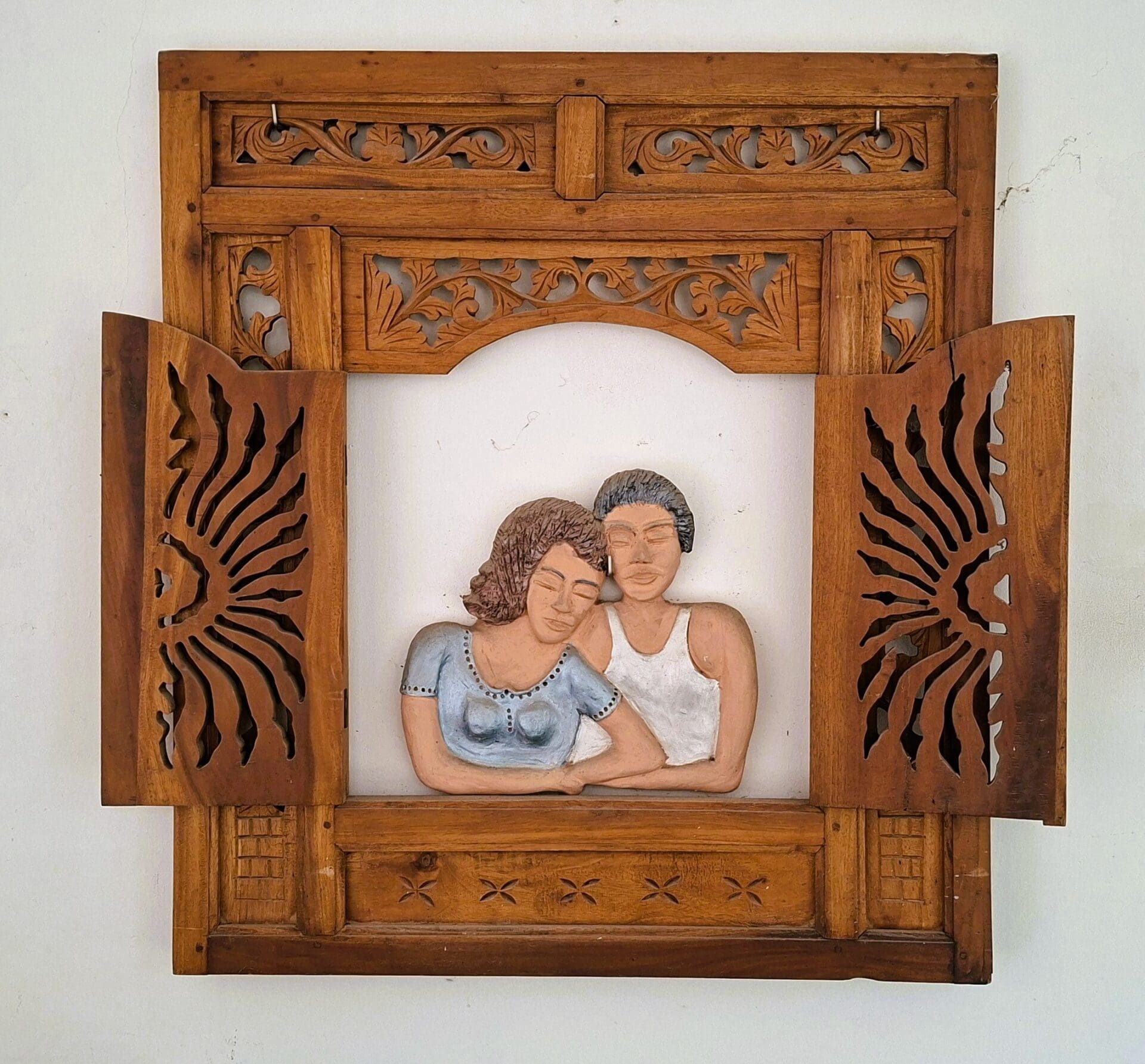
From the Margins to the Voice: The Boy Who Became a Rebel Leader
As Shlomo Abramowitz integrated into high school, a new space began to form around him, one that allowed him not only to be heard but also to speak.
He first wrote for the school newspaper, and soon found himself in the position of editor, responsible for the collective voice of his peers. At the same time, he was elected to the student council, thus breaking out of the circle of anonymity and into center stage, to the possibility of leading and influencing.
But his leadership was not just comfortable or disciplined. It carried a rebellious character, one that challenged the obvious. In one of his formative moments, he organized a demonstration against the collection of high school tuition fees, precisely within a system that a compulsory education law was supposed to protect. The demonstration took place near the Kiryat Yam Council of those days, a body that would become the city, and had a tangible result: the abolition of the requirement to pay high school tuition fees.
At the same time, Shlomo was active in the Labor Youth Movement, and even took a course in leadership, another step on the path of taking responsibility and leadership.
Amidst all this, he seemed to not only fit in but to open up, expand, and flourish. The boy who once walked alone among the dunes, his voice swallowed by the wind and sand, suddenly found his place as someone capable of shaping reality and not just surviving within it.
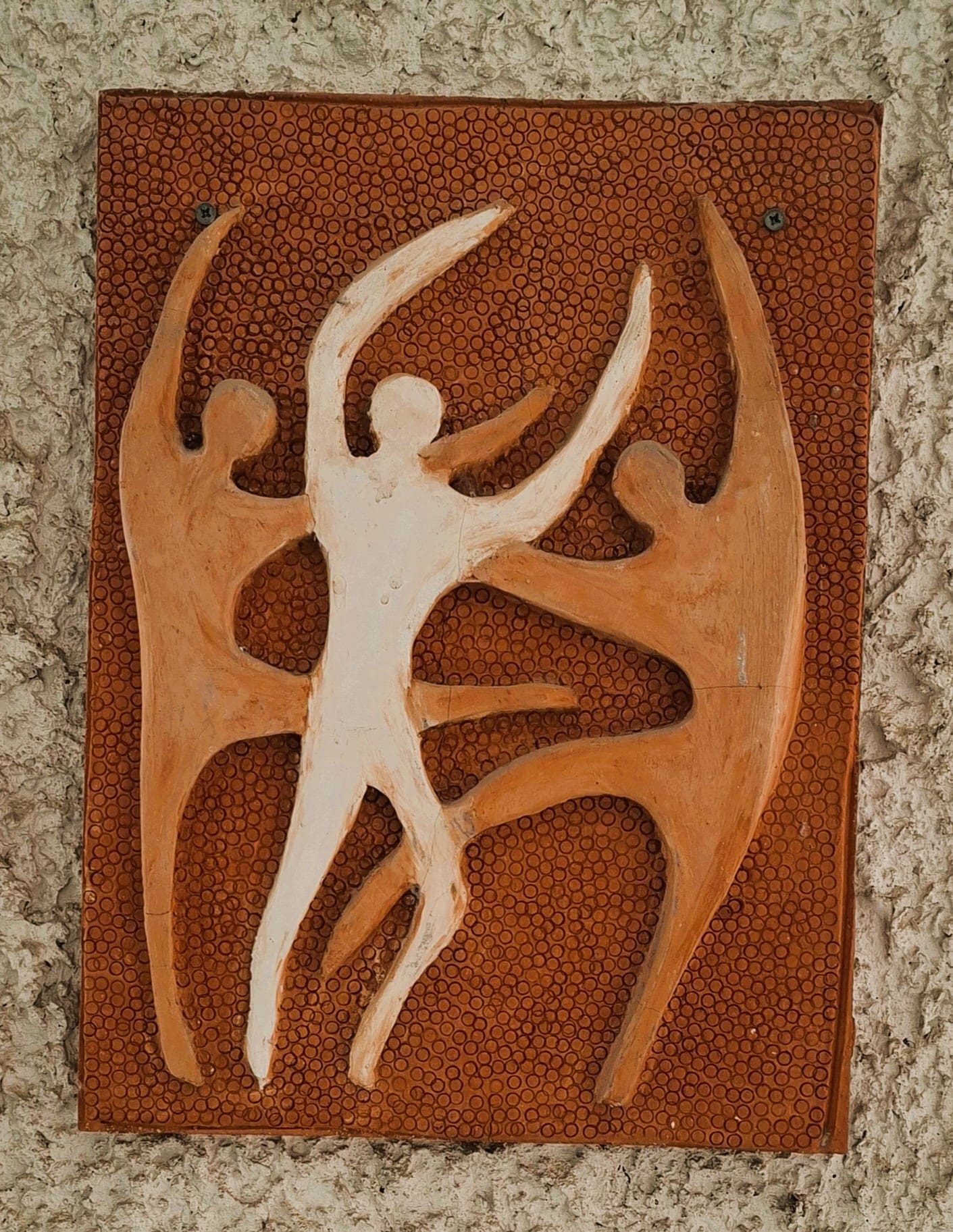
Between Manara and the battlefields: the broken body and the determination not to
Shlomo Abramowitz did his military service as part of the Nahal, a 5th-grade class designated for Kibbutz Manara, one of those tracks in which the ideal of settlement is intertwined with combat service.
Like many of his classmates, he was part of that quiet reserve from which fighters were selected for the paratrooper units, and he was indeed taken to the non-commissioned officer course, the first step on the path to command.
But there, at the moment when he was supposed to mark his ascension, the breaking point came: during a skydive he was seriously injured, his ankle shattered and his twenty-year-old body suddenly stopped. In 1977, he underwent a series of surgeries, a physical and mental experience that left no room for illusions.
But here too, as in previous stations in his life, he did not accept the limit that was set for him. Through a stubborn struggle, he raised his medical profile again, and returned to serve in the Paratroopers, as if his body was nothing more than another obstacle that had to be negotiated with.
He later participated in Operation Litani and fought in the Lebanon War, where his personal struggle became part of a broader campaign. Between the fields of the north and the tense border, the same inner movement that had accompanied him since childhood was once again manifested: The ability to break, but not stay broken.
A love story written with perseverance and words
Mali, Shlomo's eternal bosom friend, entered his life while he was still at Rodman High School, when she was only fifteen years old. She was a ninth-grade student and he was seventeen, an eleventh-grade student.
One summer day on the beach, he noticed her, and she immediately struck him as one of the most beautiful girls he had ever seen. But the path to her heart was not short or obvious.
For a whole year he doggedly courted her, writing her many poems, almost as if he were trying to build a bridge of words to a place that was not easily opened. He himself testifies with almost cruel simplicity to the gap as he saw it then: he, "ugly," and she, a real beauty, a description that has not cracked in his eyes even with the passing of the years. Between them a half-amused, half-painful nickname was coined for that period: "Beauty and the Beast."
But behind the humor was a deeper realization. In his eyes, Mali was the best writer he had ever met, someone for whom words were not just a means but an essence. She later became the linguistic editor of the newspaper "Kol Krayot", after graduating in linguistics and Middle Eastern studies at the University of Haifa.
Military service didn't make their relationship any easier either: she served in Unit 8200 and he in the paratroopers, so the gaps in their schedules made meetings rare, almost impossible. It was precisely out of this difficulty that they made a sharp and clear decision. They chose not to wait any longer, and got married when Meli was nineteen and Shlomo was twenty-one, as if they understood even then that their love was meant to exist under more favorable conditions and be built without the distance, time, and chance for rare meetings.
A house built long ago, and a family that stayed close
After they got married, they began their journey in a rented apartment, modest in size but full of the promises of a new beginning.
Over the years, as if from a quiet but determined movement of lives insisting on settling down, they settled in Kiryat Haim. In their current residence, a spacious house, where they have lived for 32 years.
This is a house that has absorbed the childhood voices of their children, the noises of everyday life, and the thin layers of time that have accumulated between its walls. Not just a roof, but a space in which their lives were woven, between small and large memories, between a past that was gradually built and a present that continues to cling to the place, as if the house itself preserves for them what can no longer be recreated outside of it.
Mali and Shlomo Abramowitz had three children. As in the almost circular movement of lives seeking correction, all three chose to remain close. Really close: they all now live within about 700 meters of their parents' house in Kiryat Haim, each in a different direction, but all within the same radius of belonging.
Dana, forty years old, mother of two, is a graphic designer and digital creator, who also works on campaigns in the online world. Yaron, thirty-five years old, married, works in the field of social media promotion, a space where new connections of a different kind are built. The youngest of the three, Noam, twenty-seven years old, works at Check Point.
Between the screens, the campaigns, and the code, there exists a family in which physical distance is almost nonexistent, as if from their parents' past, a past of dispersion, struggle, and wandering, a conscious choice was born to remain close, not only on the map but also in the heart.
A house that contains the world and within its walls the family gathers
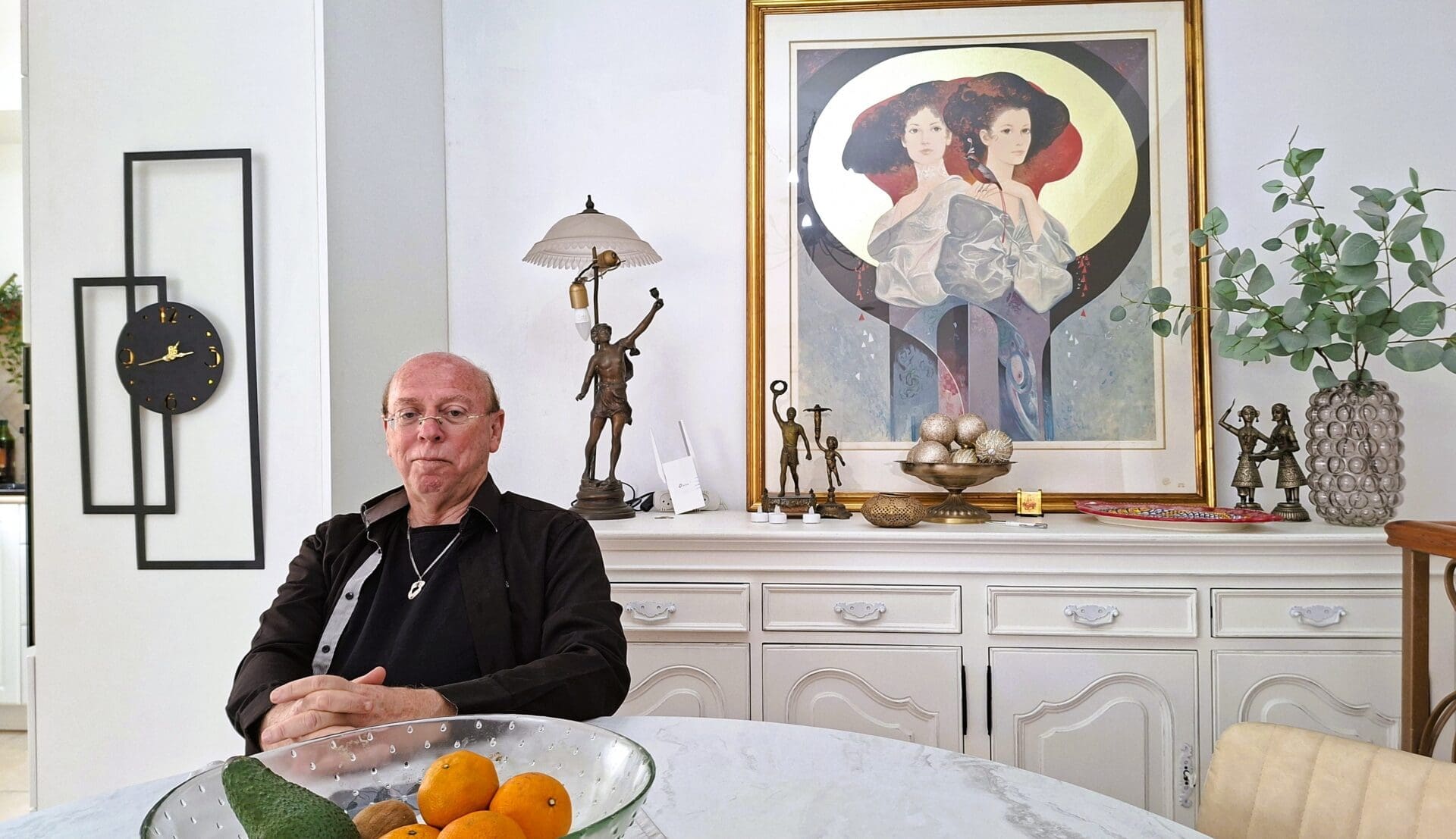
In Kiryat Haim, in a two-story house built in layers of life, Mali and Shlomo live in a space that tells their story no less than their words.
On the first floor, the children grew up, among rooms that absorbed laughter, fights, and childhood memories that remained hanging in the air, while on the second floor, present life is concentrated: the kitchen, the living room, and the parents' space, like a beating heart that continues to nourish the entire house.
Shlomo describes his home simply as a "wonderful house," but behind his words lies the reality of a large and generous space, which also includes a dormitory that has recently become a focal point for family gatherings. Recently, during the war, in moments of uncertainty and national chaos, all the family members gathered under this roof, with the dormitory functioning as a containing, embracing and protective envelope, a kind of makeshift womb within the turbulent reality of the Krayot.
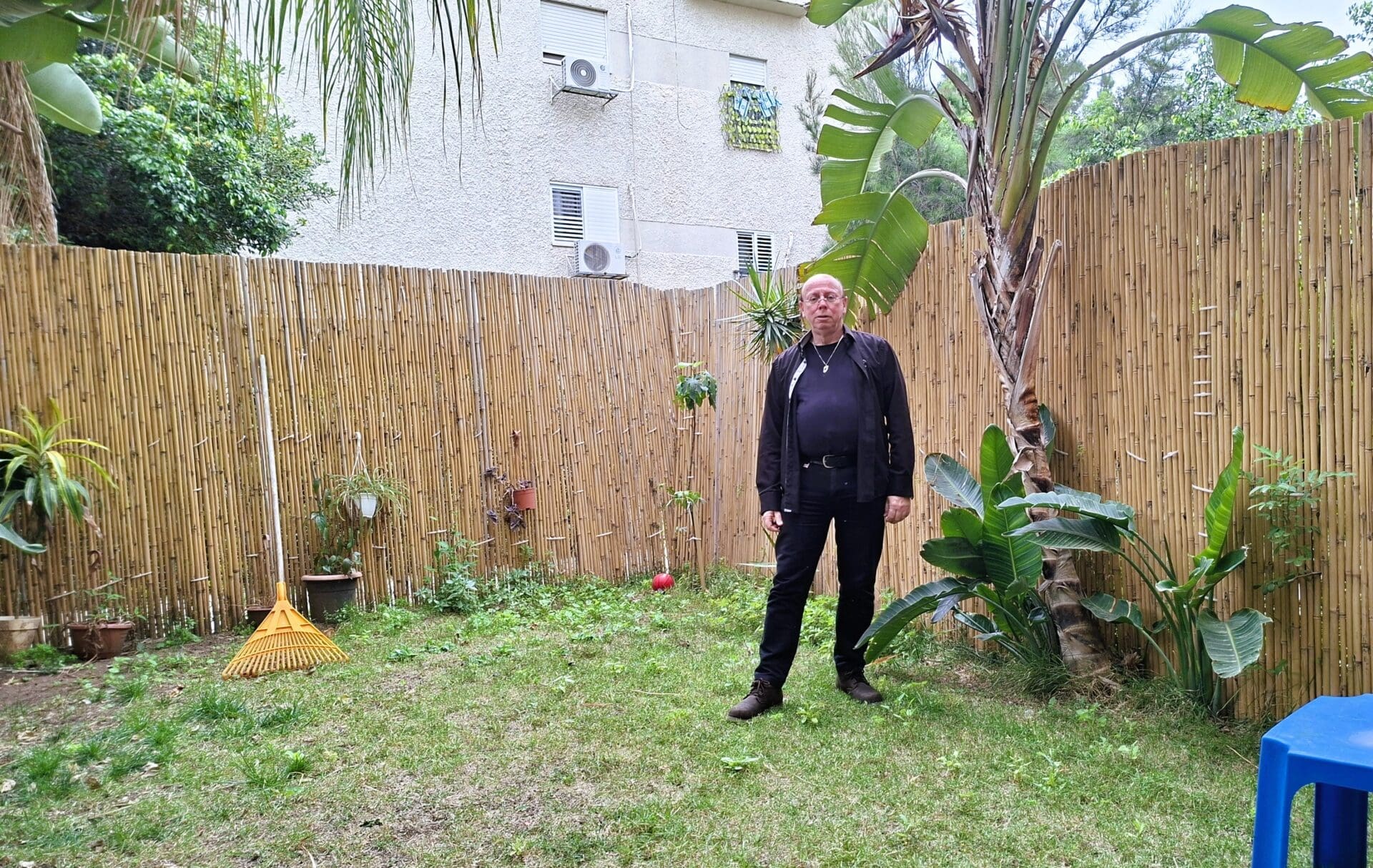
And at the same time, outside, in the spacious garden, the grandchildren continued to run around and play, as if time itself was marching on and insisting on maintaining a childhood routine within a world that repeatedly seeks to crack.
The room where thoughts take shape
Among the spaces of the house, there is one place where Shlomo returns and gathers in himself, as if to an inexhaustible source of inner movement: the study.
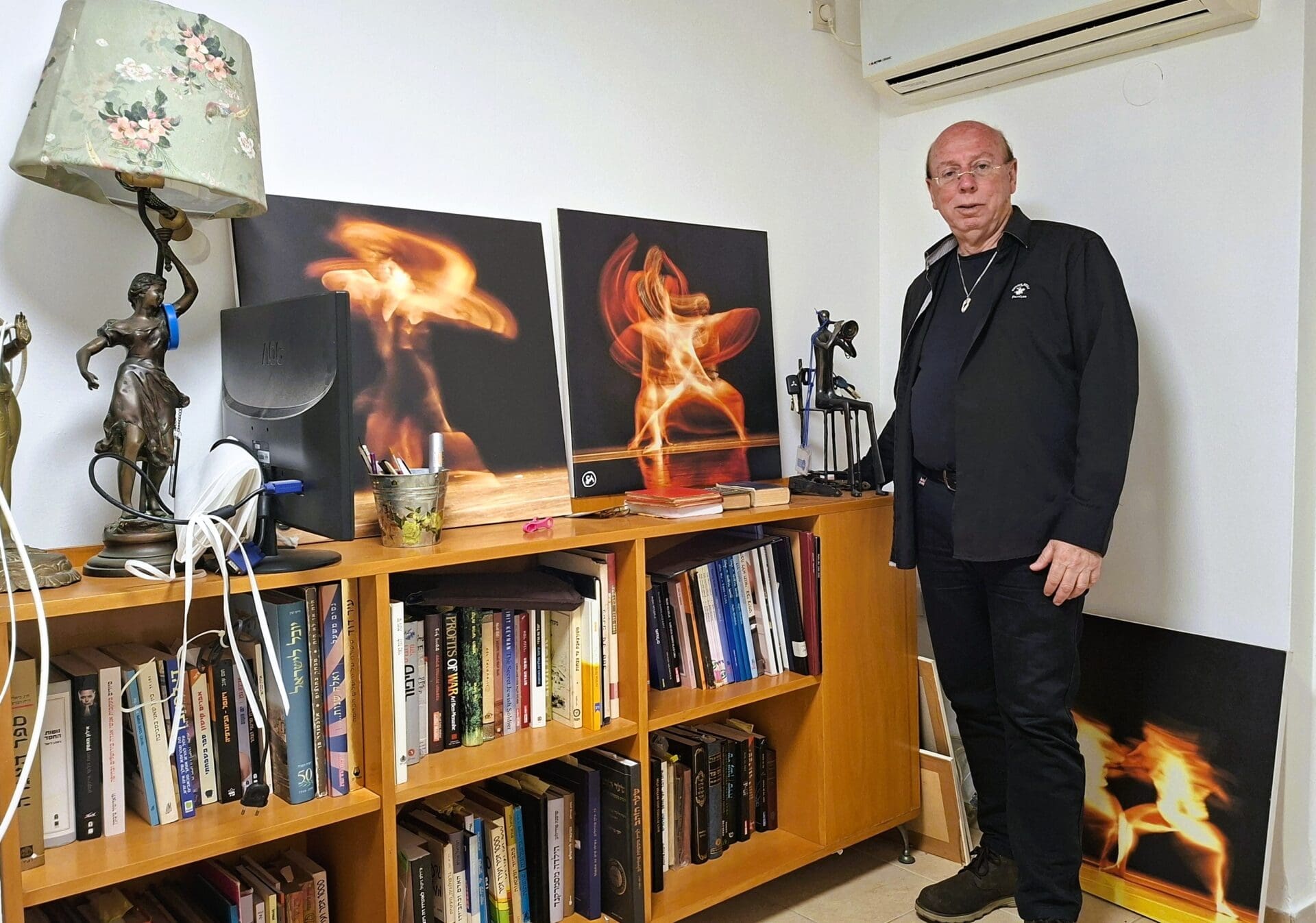
There, between a computer and recording equipment, his articles, research, books, and poems take shape and are woven, as if the walls themselves are imbued with the concentration and silence necessary for creation. He often stays there, polishing and refining ideas born from his incessant, almost feverish thought, giving them body and words.
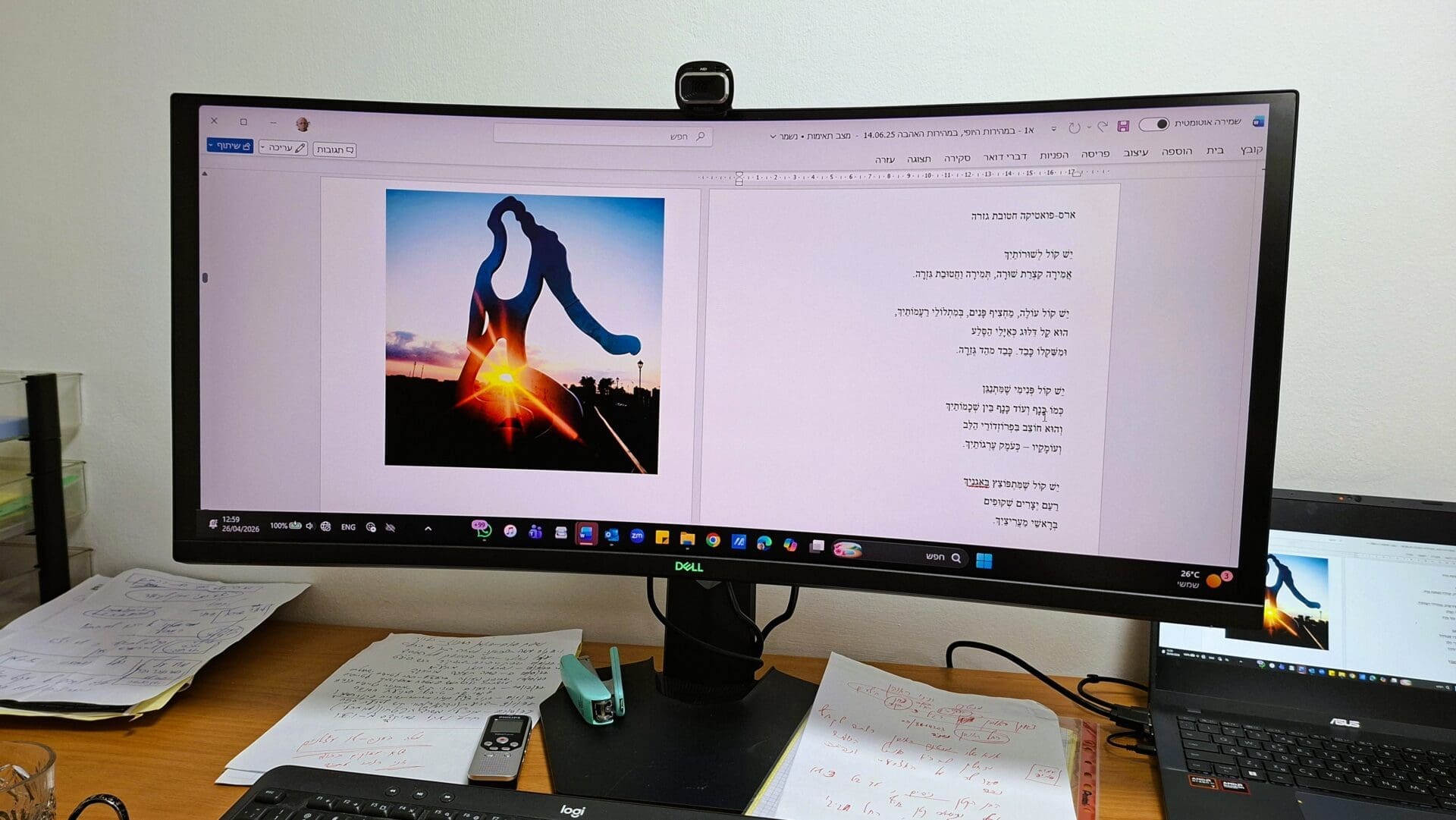
The computer screen, which is exceptionally wide, opens up before him as a double space of observation, one that allows him to move simultaneously between text and image, between abstract thought and visual representation, and transform the fleeting moment into a text that can be grasped.
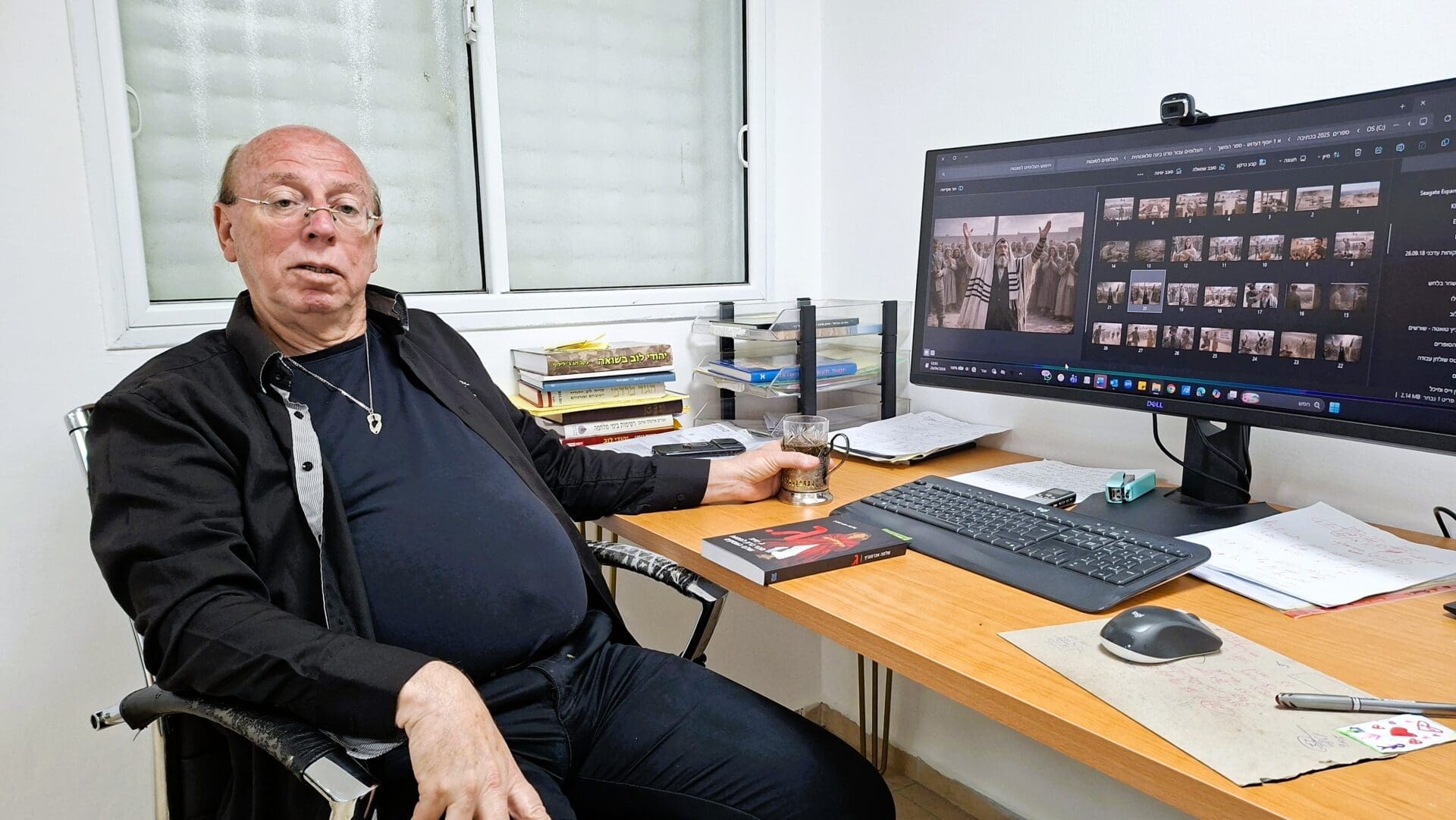
The ability to capture motion and anchor time in a single frame
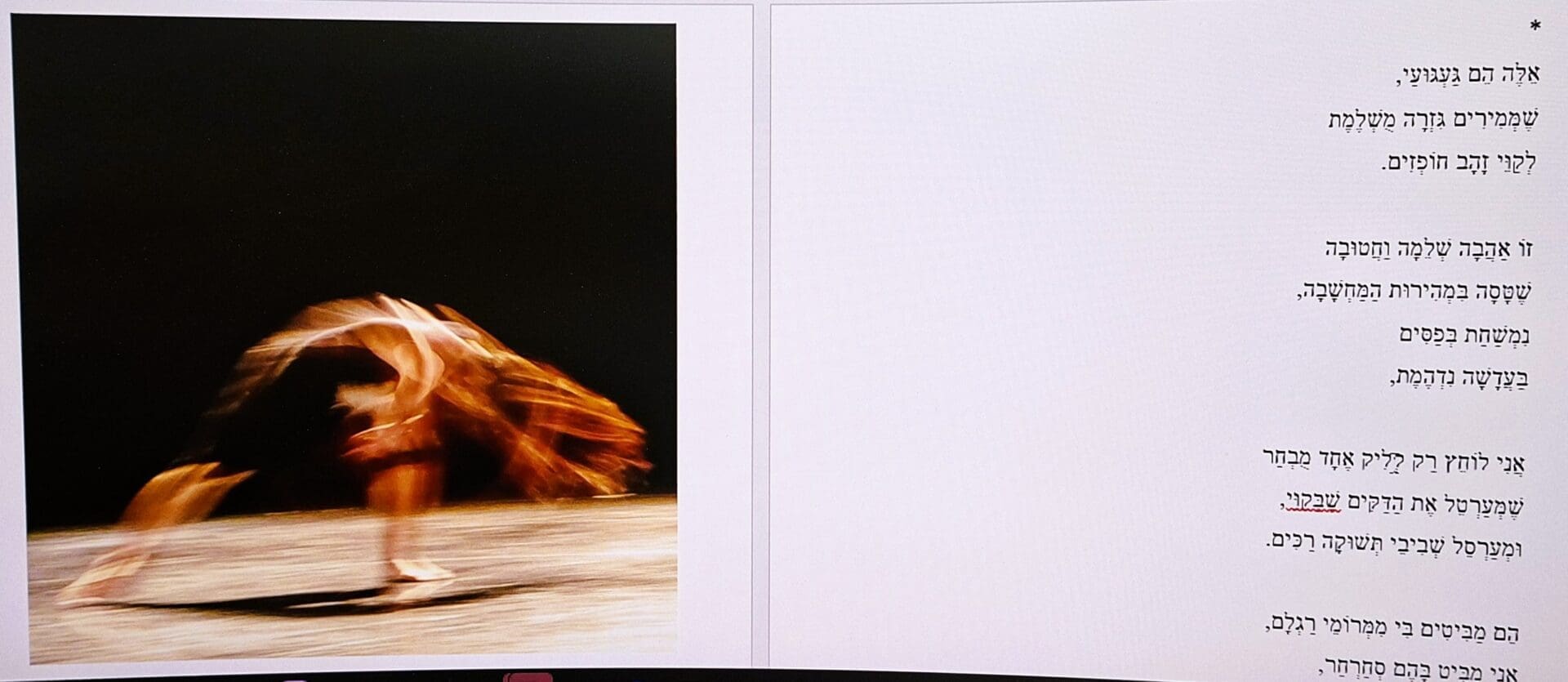
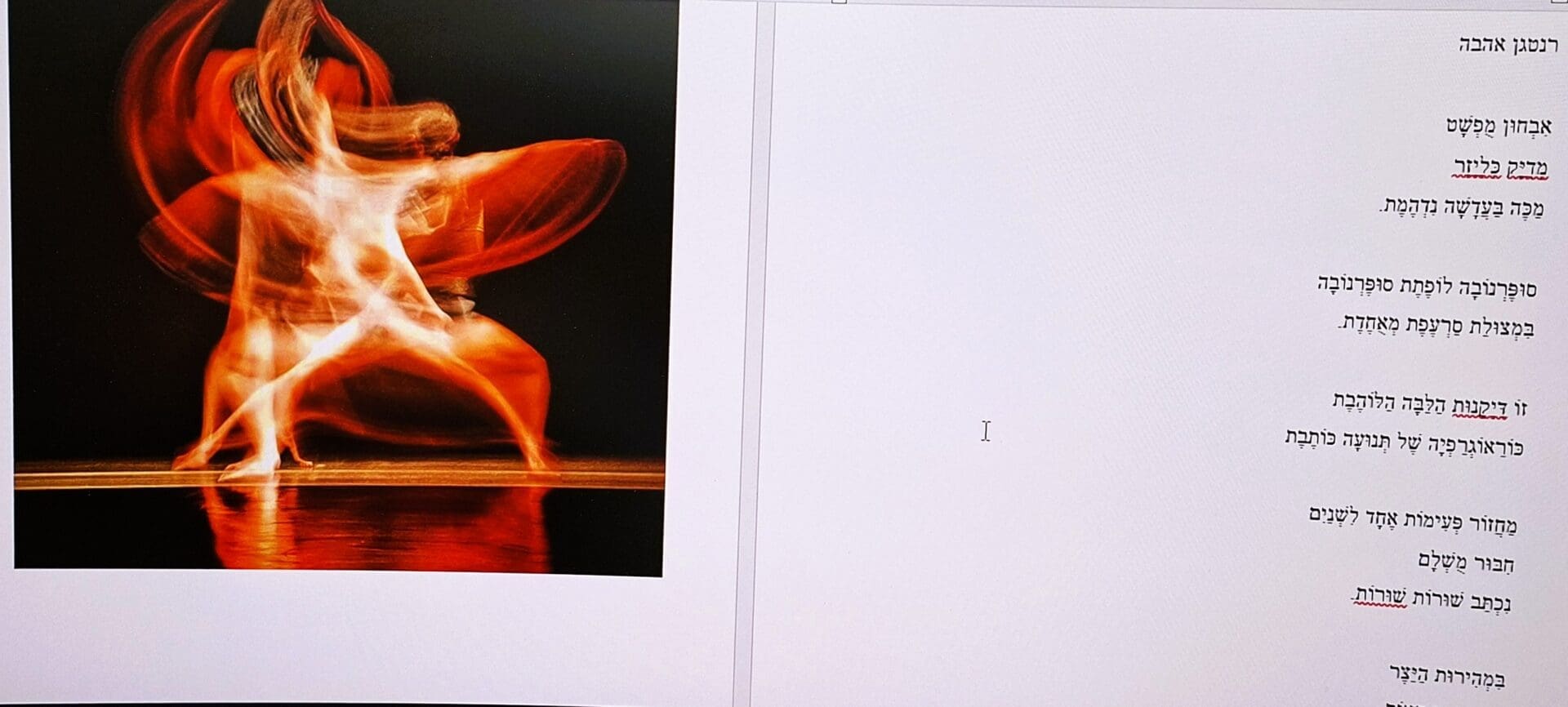
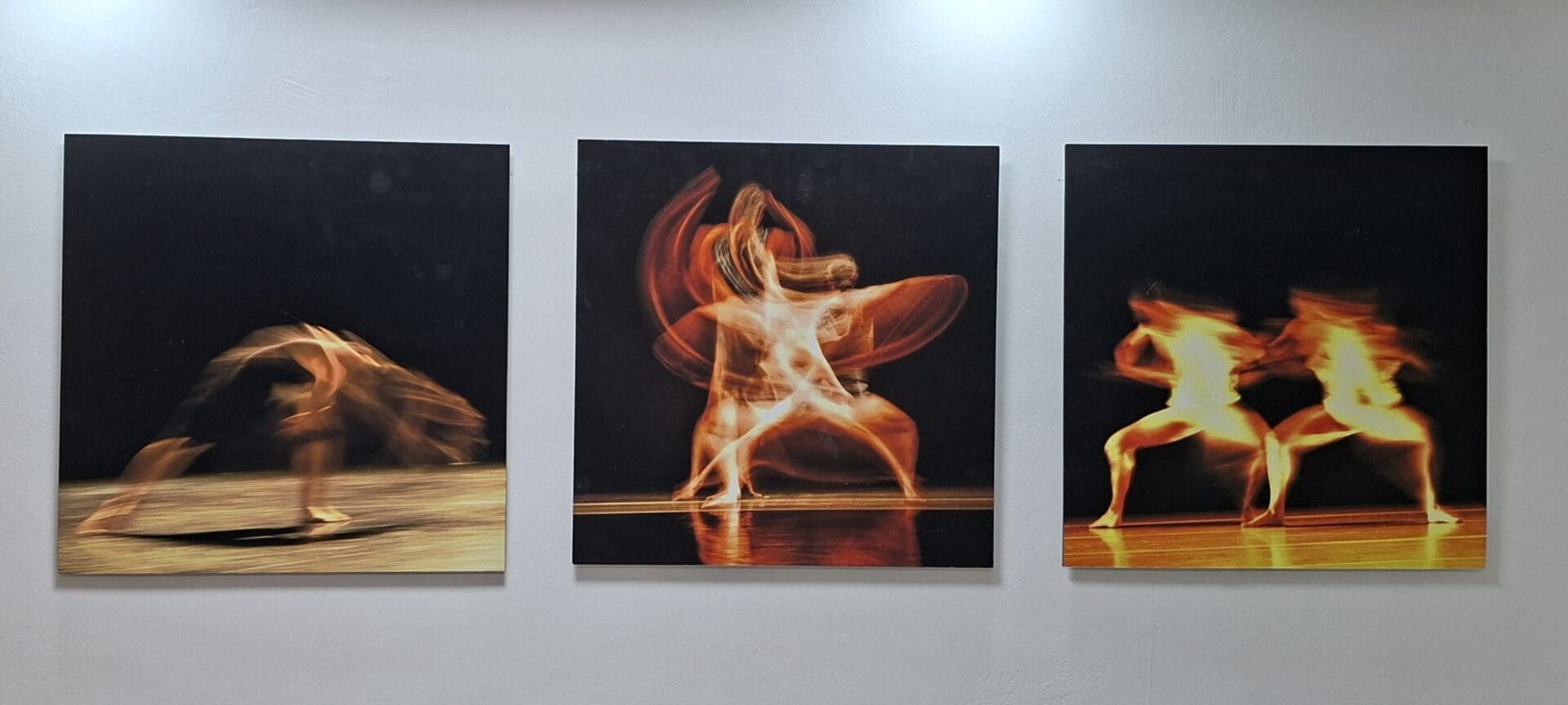
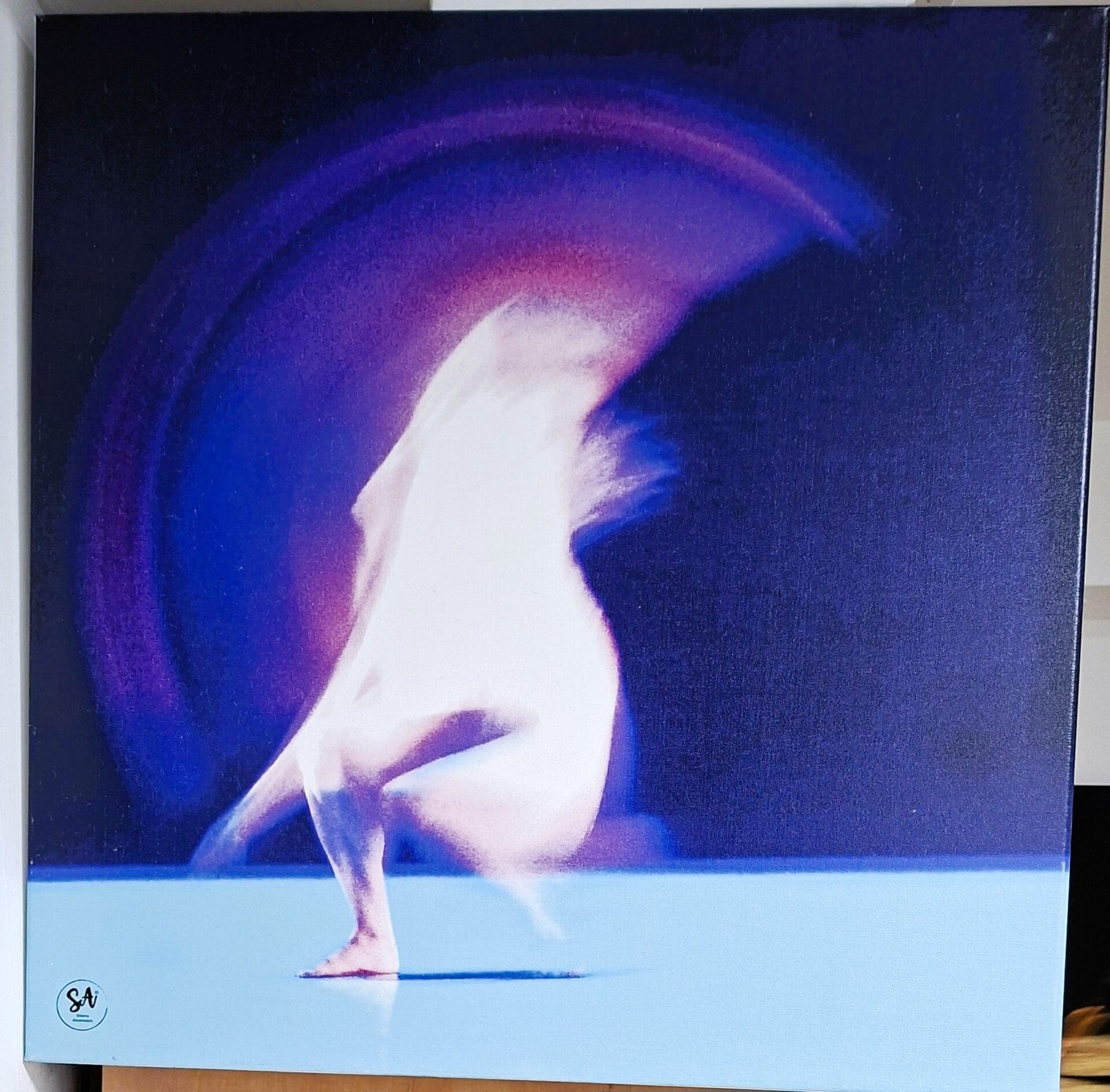
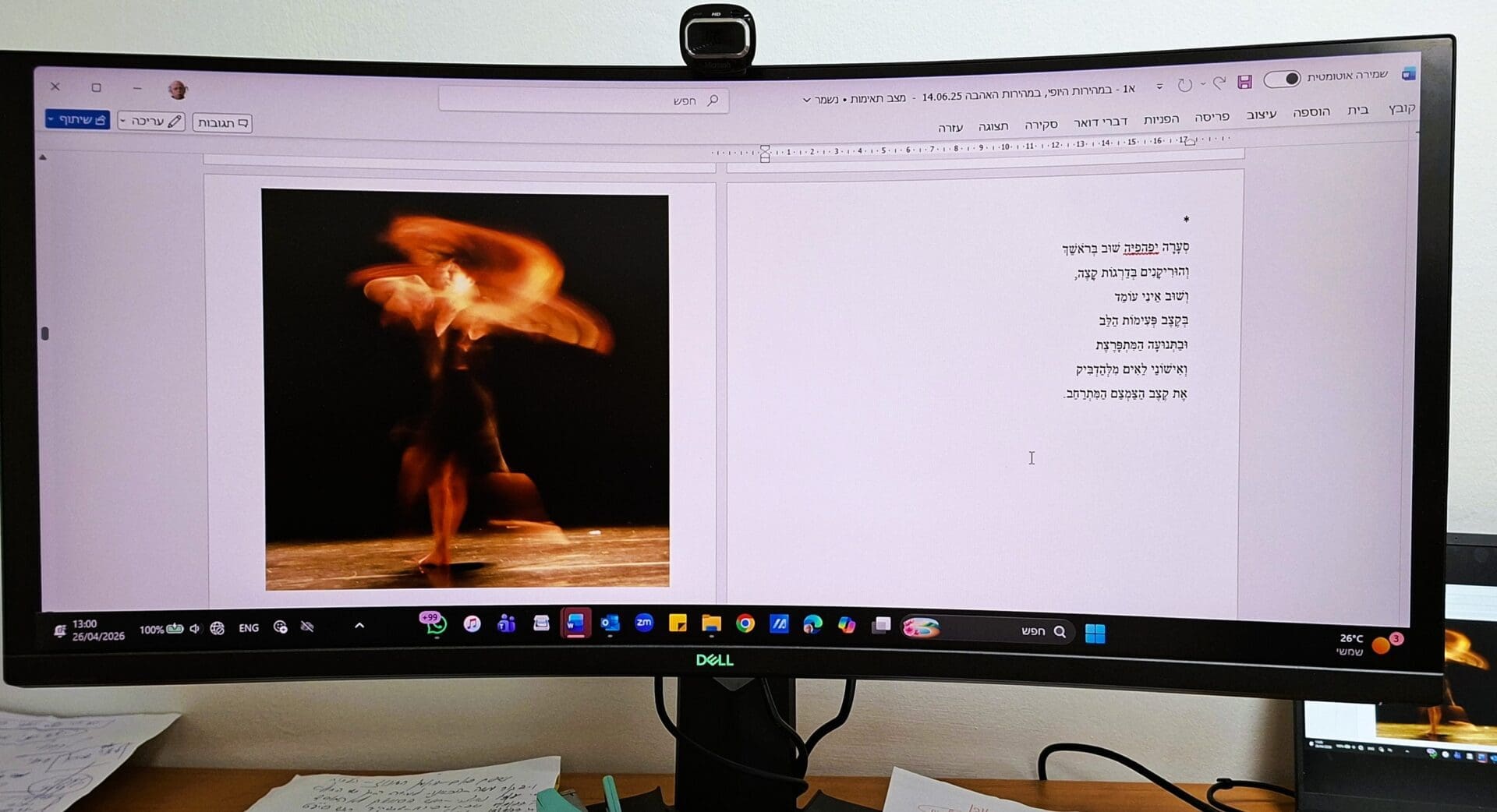
Alongside his abundant writing, a new layer has been added to Shlomo's world in recent years: the photographed gaze. Not as a distraction from writing, but as its natural continuation, almost a visual whisper of that inner voice that seeks to capture a moment before it passes.
This is a natural extension of his observant gaze, which seeks to capture momentary movement and turn it into testimony. He creates large-scale series of thousands of photographs woven into an almost choreographic sequence, most of which deal with dance and movement, as if seeking to freeze what is inherently elusive.
He focused his lens mainly on the dancers of the "Kibbutz Dance Company", where he found the precise tension between body and space, between control and liberation.
Although the equipment he has is basic, and the photography was done with a mobile phone, the results are surprisingly powerful, sometimes even spectacular, and indicate that it is not just technology that is at issue, but an especially sensitive eye that knows how to recognize the moment when movement becomes a story.
An Encounter Burned in Color: One Sheep and an Enduring Memory
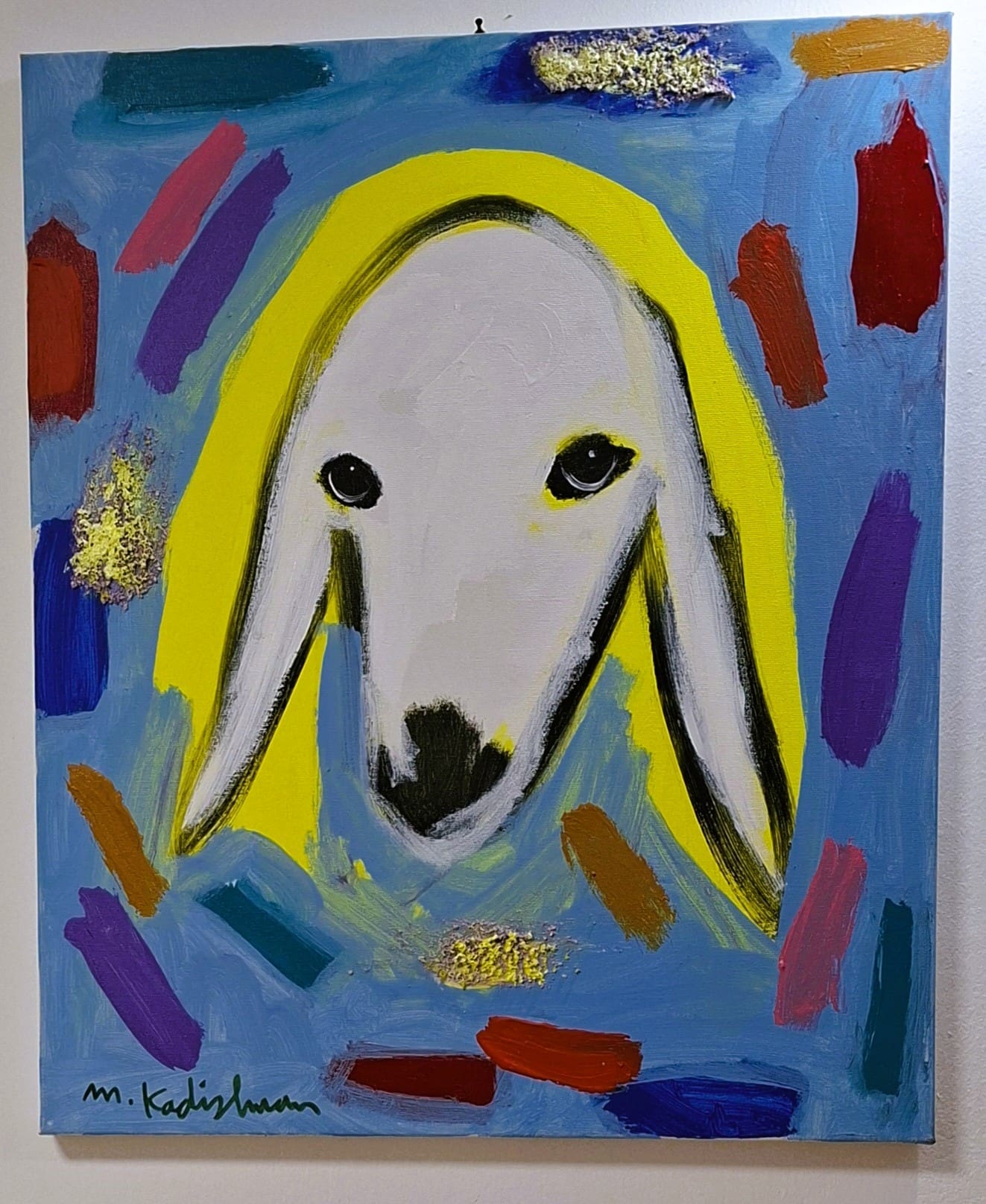
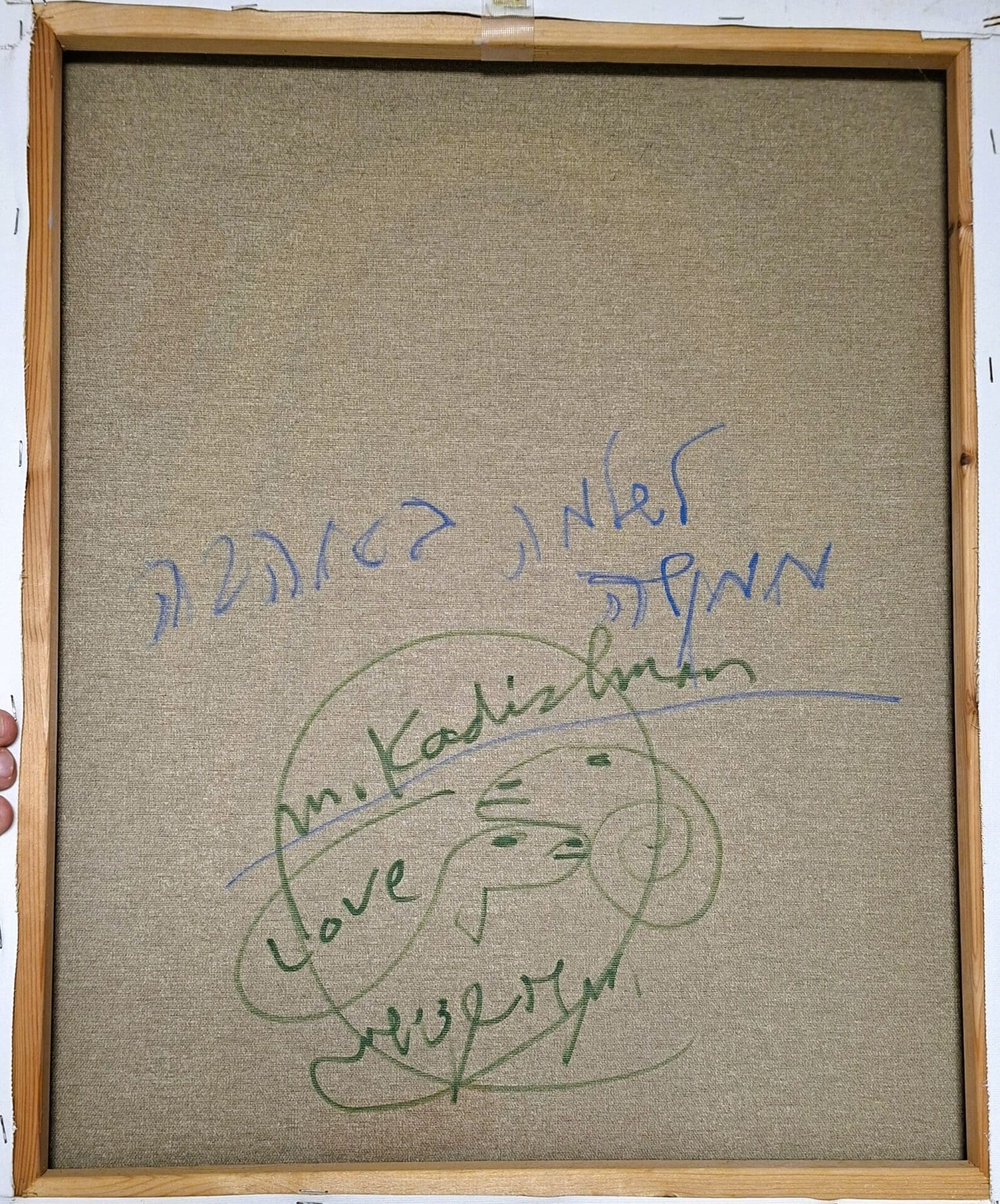
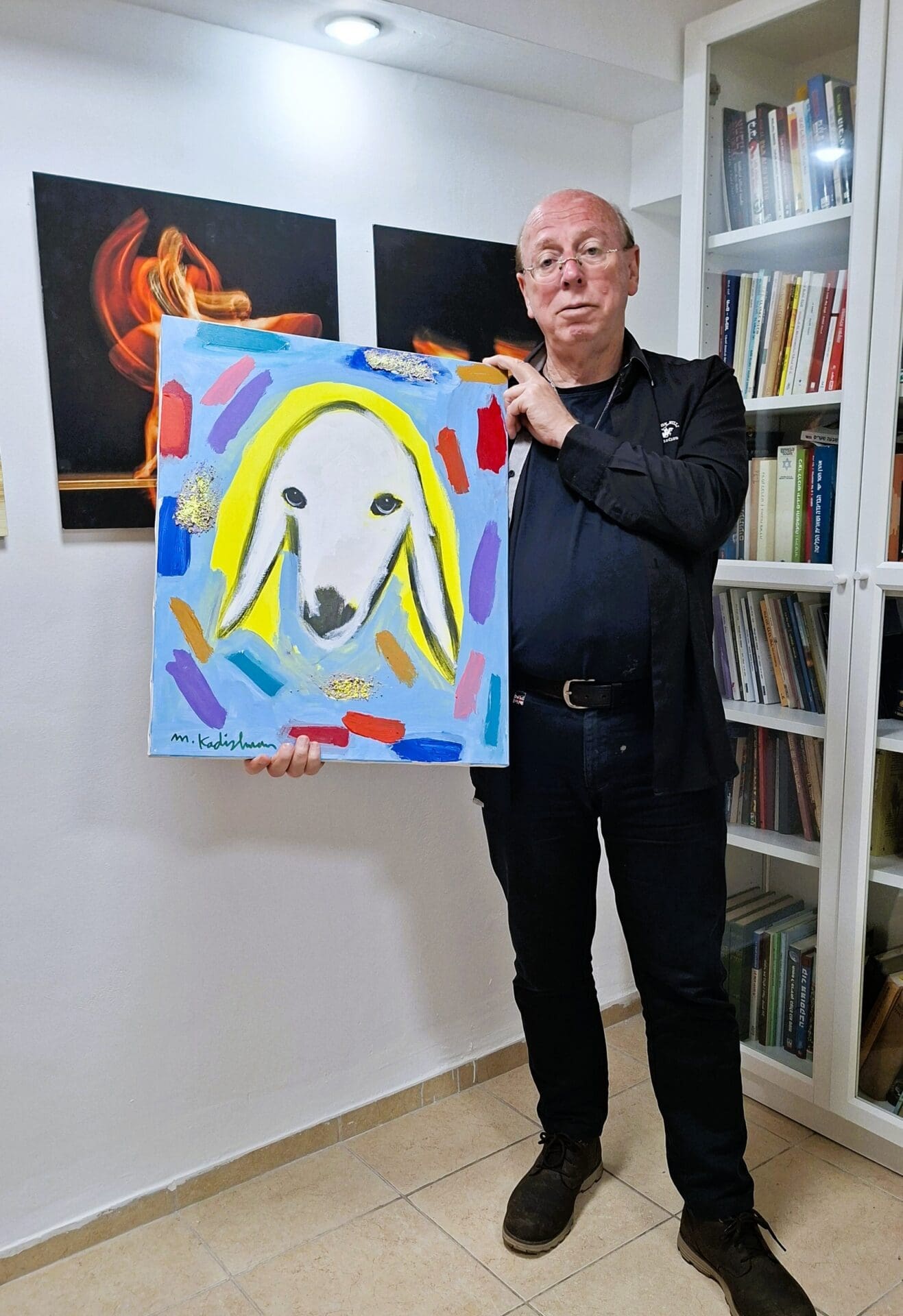
Shlomo met the artist Menashe Kadishman at an event in honor of his book "Riklis," a meeting that began as a social moment and quickly turned into a human and intellectual connection of surprising depth.
An almost immediate rapport developed between the two, one that even gave rise to a shared thought about creating a book that would deal with Kadishman's own life. But as is often the case in the lives of creators, reality preceded planning and the idea remained a possibility that never materialized.
Nevertheless, something of this connection was embodied in a tangible gesture: Kadishman gave Shlomo a painting of… a sheep, accompanied by a personal, particularly intimate dedication.
For Kadishman, the sheep is not just an image but a living memory that has become a complete artistic language, rooted in his youth as a shepherd on Kibbutz Maayan Baruch as part of his service in Nahal. In his works, it is embodied as a distinct entity, almost a portrait, through which he examined questions of beauty, existence, and the passing of time.
Menashe Kadishman's connection to nature has a distinctly Israeli touch, which reached its peak in 1978, when he presented an exhibition at the Venice Biennale that included live sheep. It was an attempt to break through the boundaries of art and bring the pulse of life itself into the exhibition space.
Amidst all of this, the painting he gave to Shlomo is not just a gift, but a testament to a rare connection between two creators, a small moment in which art and memory met and left a mark that remained.
The garden where memory grows a future
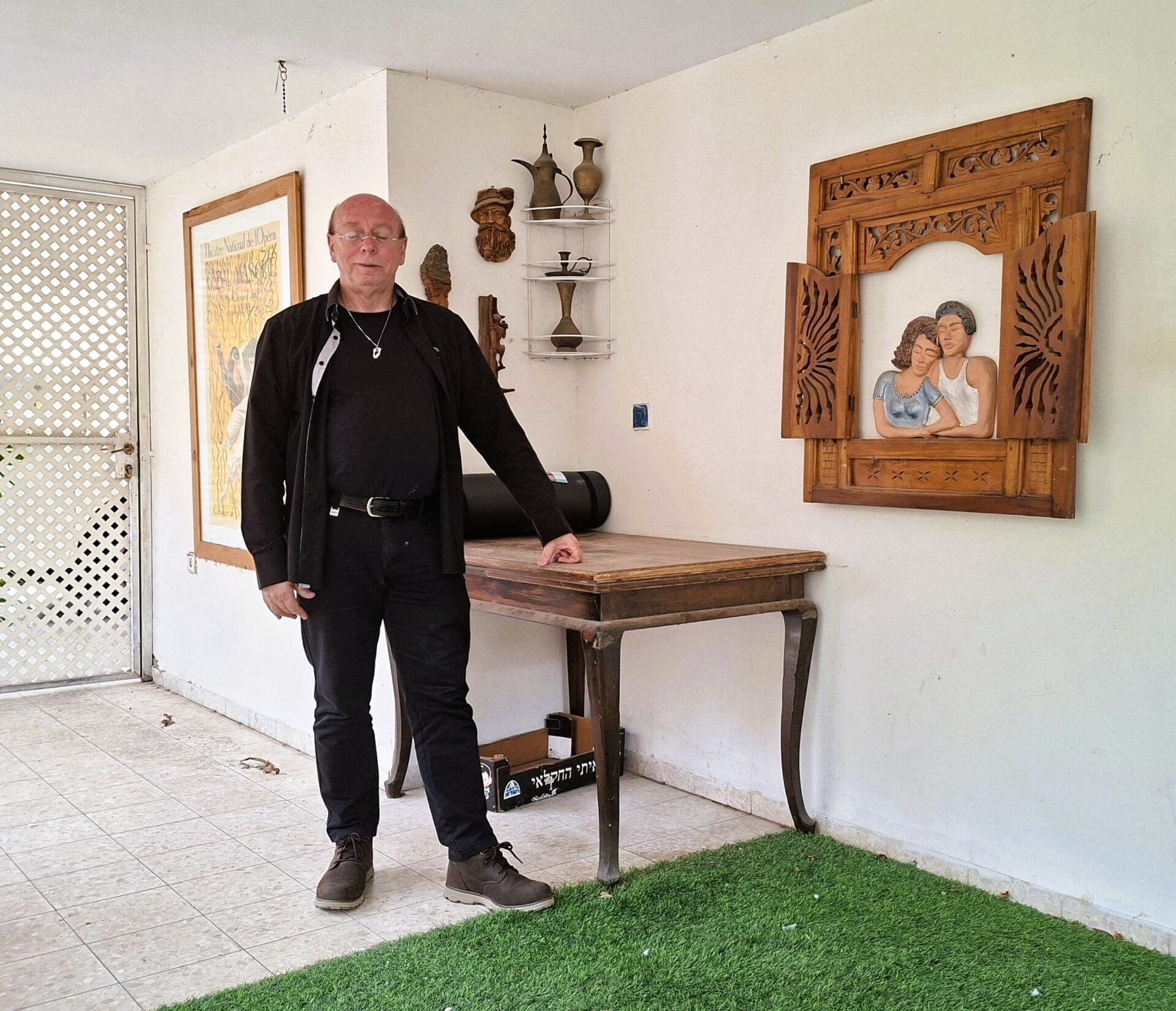
Like his study, the garden in Shlomo's home is also a space of gathering, but unlike the enclosing walls, here memory opens to the light.
Among the place, the land, and the plants, the image of his grandfather, Eliezer Ashkenazi, who was his mother's father, is present. This is the man who left a deeper mark on him than any other teacher.
Grandpa Eliezer served as a gardener at the Ilin family estate, which was located in the Ahuza neighborhood of Haifa, and within his humble work routine, a kind of quiet nobility was embodied. For his grandson, he was a figure of unapologetic dedication, of beauty that stems from precise and patient manual labor, one that does not seek recognition but leaves a deep mark.
He was a loving grandfather, present in his restrained way, but he also carried with him a past that could not be silenced. During the war years, in concentration camps in Romania under Nazi rule, he was brutally abused. A ruthless, vicious, and violent Nazi officer crushed Eliezer's face with both hands until his eardrum ruptured and he lost his hearing.
Since then, it seemed that his life was conducted in the delicate tension between imposed silence and chosen silence, between a memory that has no voice and beauty that continues to grow from the earth despite everything.
Still, it is not the pain that is burned into the boy Shlomo's memory, but rather Grandpa Eliezer's rare ability to return evil for good, to insist on a gaze that does not yield to anger. The grandfather's motto was "Return good for evil."
Even as a seven-year-old child, Shlomo took care of his grandfather with devotion, and later especially in his final years when a serious illness gradually weakened his body. Thus, Shlomo instilled a worldview that seeks to see light even where it seems there is none.
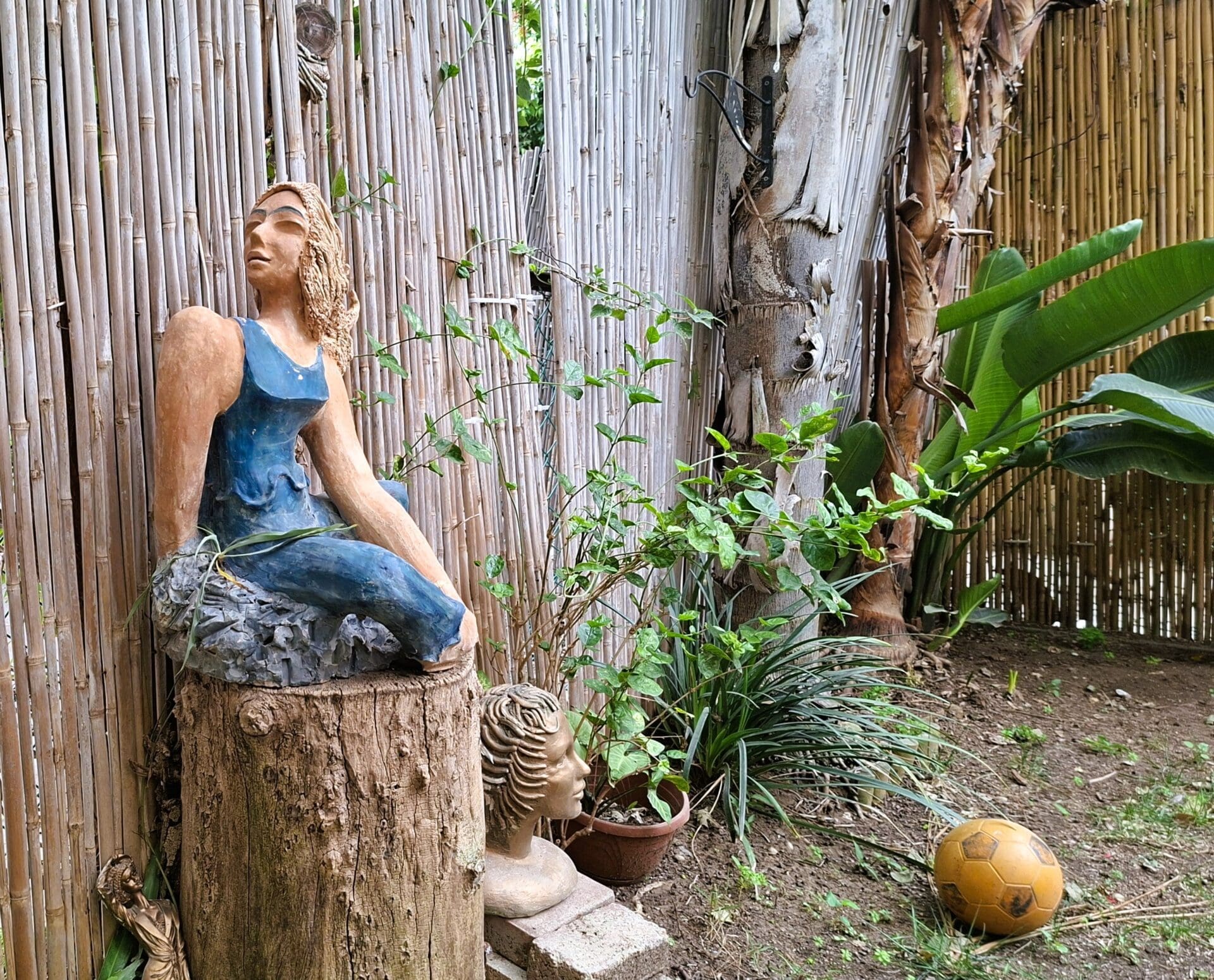
Today, as he walks through his garden, it seems that that legacy continues to sprout: Towards spring, Shlomo plans to renovate, plant trees and plants, and even convert an unenclosed part of the garden space into another study, a kind of bridge between land and thought.
Meanwhile, among the leaves and the soil, his mother's ceramic works stand, her memory blessed, like silent testimony that memory, like the garden itself, never stops growing.
Between certificates and the street: the man who knew the neighborhood inside out
After his discharge from the IDF, Shlomo Abramowitz turned to his first civilian position. Not in the office, but in a local community center, he applied for a position as a youth coordinator and guide for the "Sprinzak Street Groups," one of the tough but painfully familiar neighborhoods.
These were not "complex audiences" for him in the theoretical sense, as he knew the families, the streets, the unwritten language of the children and teenagers, who were only slightly younger than those friends with whom he shared a common past.
But the system demanded what he didn't have: years of experience and a bachelor's degree. Shlomo arrived at the admissions interview with a well-organized and detailed work plan, one that managed to arouse immediate enthusiasm among those sitting across from him, until the moment he was asked to present and show the formal proofs, diplomas, and documents. When he was forced to admit that he had none of these, the atmosphere turned upside down.
The anger was immediate, almost principled. In the midst of this tension, he answered them with a simple and sharp question: What is more important, someone who grew up in the neighborhood and knows it inside out, or someone who only has certificates? His answer was not convincing at the time, and he was fired. But the story did not end there. The next day, almost as a silent surrender to a different logic, the secretary of the community center called and informed him that he had been hired.
For three years, he served as a youth coordinator and street gang leader, returning, day after day, to the places from which he grew up, but this time from a role of guidance rather than survival.
At the same time, he began writing for the local newspaper "Hed Krayot", which was then the only local newspaper in Israel, thus opening up another, literal, path for him to process that reality.
There, too, as in the community center, he was asked to present experimental works, a demand that continued to present him with the same constant tension between the life he had experienced and the need to prove it on paper.
A young man in a turbulent system: Between personal initiative and the local revolution
As mentioned, Shlomo was accepted into the local newspaper "Hed Krayot" without any prior experience, but within only six months as a reporter he found himself in the position of deputy editor, a position he held for three years, as if he learned the craft from the inside on the go.
In 1983, the entire system cracked: an internal revolt led to the resignation or dismissal of 25 editorial staff, leaving behind a void both professional and human. From this charged moment arose an initiative to establish a competing newspaper in a cooperative format, with Shlomo being the one who proposed a partnership to Noni Moses, in which he would own 60% of the venture and the reporters 40%.
However, Noni Moses ultimately chose to take on the full task and ownership, a move that made Abramowitz an employee of "Yediot Aharonot."
Within the emerging fabric of local journalism, he wrote and worked in "Kol Krayot", in the newspaper "Kol Haifa" which later became "Yediot Hamifratz" and in the background also "Kol HaEmek Veh Galil" and "Kol Hatzafon Western Galil". For three years he served as editor of "Kol Krayot", and at the age of only 24 he was already at the head of an editorial staff of about 40 employees, carrying on his young shoulders a broad responsibility, almost extraordinary for his age, for shaping the voice of an entire community.
The formative years in "Headline" and Yedioth Ahronoth
He began his well-known professional career at the weekly "Koteret Rashit", but it was at "Yediot Aharonot" that his unique voice took shape. There, among the editorial corridors and urgent daily reports, he became the kind of investigative journalist whose reputation precedes his appearance, almost like a mythological shadow that accompanies the name even before it is written.
For nearly twenty years, he wrote in the supplements "7 Days" and "Hamosaf Shabbat," two arenas that were then the heart of journalism. Two journalistic spaces that have almost been forgotten. Ones where the possibility of long, slow, and in-depth journalism still existed, one that does not succumb to the urgency of the moment but seeks to observe it over time.
He didn't write to fill pages. He wrote to dismantle systems.
In 1996, he received the "True Sign" - an award given by the OMTZ (Citizens for Proper Administration and Social Justice) association to people who have distinguished themselves in their fight against corruption or moral purity. An award given to Abramovich not only for a specific achievement but also for a pattern of action, exposures of omissions and corruption, rare journalistic courage and adherence to the principle of fearless reporting.
As we know, the investigative journalist's dilemma is ever-present: he is required to uncover a hidden truth, but at the same time guard against distorting it. It is a delicate balance between the urgency of discovery and the responsibility of accuracy, between the need to shake up reality and the obligation not to distort it.
Architecture of exposure of cases, investigations, and pursuit of a big story
Abramowitz's list of research is not only long, it is also unusually diverse, as if every topic he touched on was a gateway to another world:
- He dealt with the Hapel Kal affair, about a year before the Versailles disaster, thus placing an early question mark on lax safety mechanisms.
- He investigated the "little Shin Bet affair" in Lebanon, an area where truth and lies tend to mix to the point of indistinguishable.
- He returned to the story of the ship Egoz, and to the death of Mossad agent Haim Tzarfati, a story in which heroism and tragedy are intertwined.
- He devoted four years of work to researching German pensions, a series of articles that became a historical, cross-border bureaucratic journey.
- He revealed a leak of radioactive water from the Dimona reactor into the small crater, an investigation that touched on the most primal fears of modern society.
- Abramovich published a series of 12 articles on the Russian mafia's attempts to infiltrate Israel, pointing to global processes that are beginning to take root locally.
- He also worked outside of Israel: he exposed the radiation in the Bijlmer neighborhood in Amsterdam after the El Al plane crash, and dealt with the affair of the Yugoslav brain surgeon Vinko Dolenz, a story that moved between medicine, morality, and power.
It wasn't just a variety of topics. It was a method.
Abramovich looked for places where reality falls apart, and that's where he chose to stay.
The investigation "Shame", published in the "7 Days" supplement, dealt with the living conditions in the caravan sites of immigrants from the Soviet Union and Ethiopia.
But here something rare happened.
The article did not end with just reading, but became action. It led to the establishment of children's clubs, and later the social movement "Ach-Shav." After the assassination of Yitzhak Rabin, the initiative became a broader movement, "Zionism 2000."
Many journalists hope to have an impact. Few manage to measure the impact in real time.
Beyond the System: Consulting, Recordings, and Political Reverberation
After retiring from the newspaper, Abramowitz moved into the world of media consulting, and today he works with major entities, including the Israel Electric Company and the Taro Pharmaceutical Company.
But even here, the story did not calm down.
In 2004, he obtained a recording in which Minister Yosef Pritsky was heard expressing a willingness to find incriminating material on his colleague Avraham Porez. The recording was exposed by Ayala Hasson, and led to Pritsky's dismissal at the initiative of Tommy Lapid.
Even outside of journalism, Abramovich continues to create reality.

The Poet Returns – Between Natan Zach and Bestseller Shelves
At the same time as all this, literary writing increasingly took on a central place.
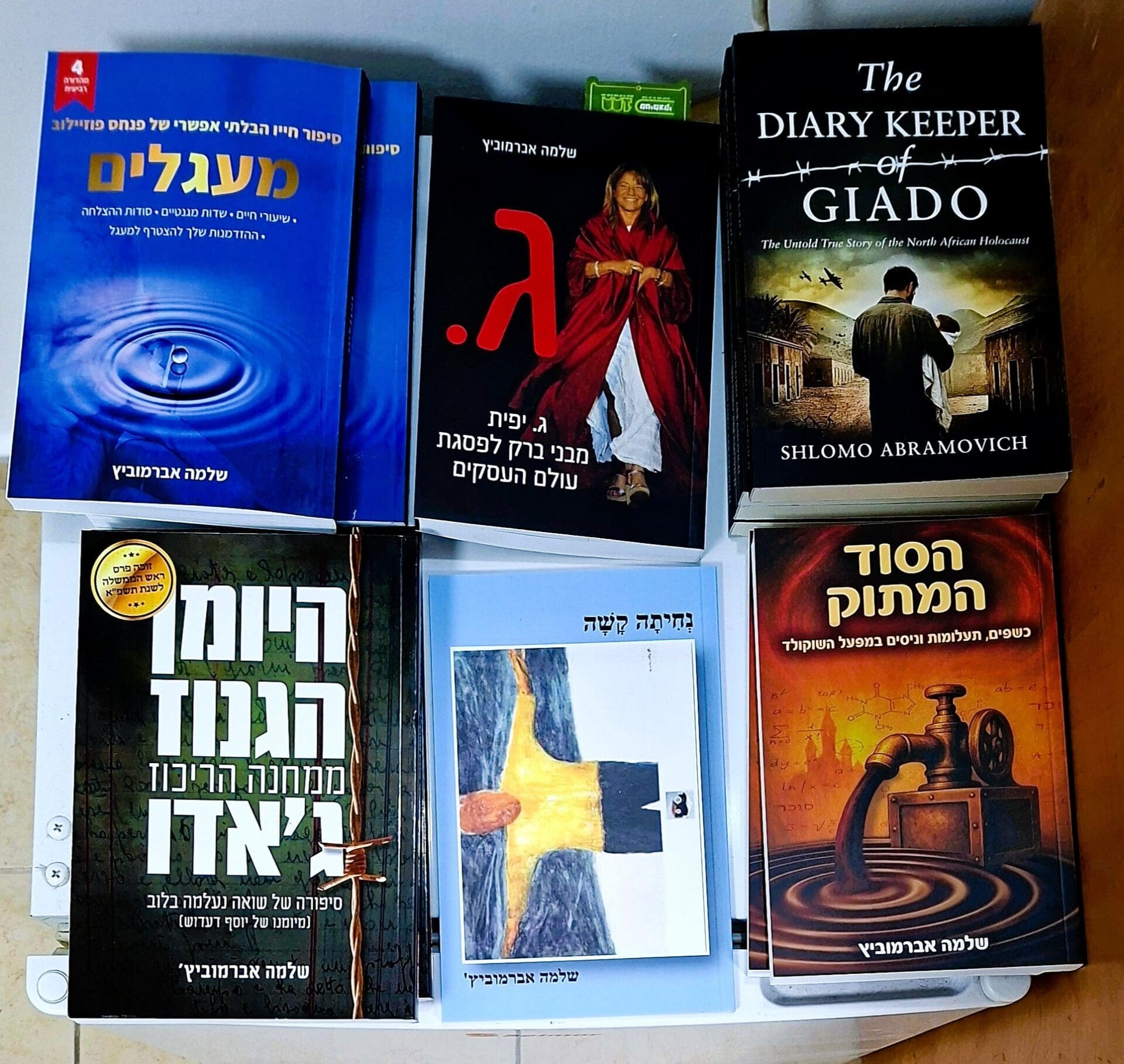
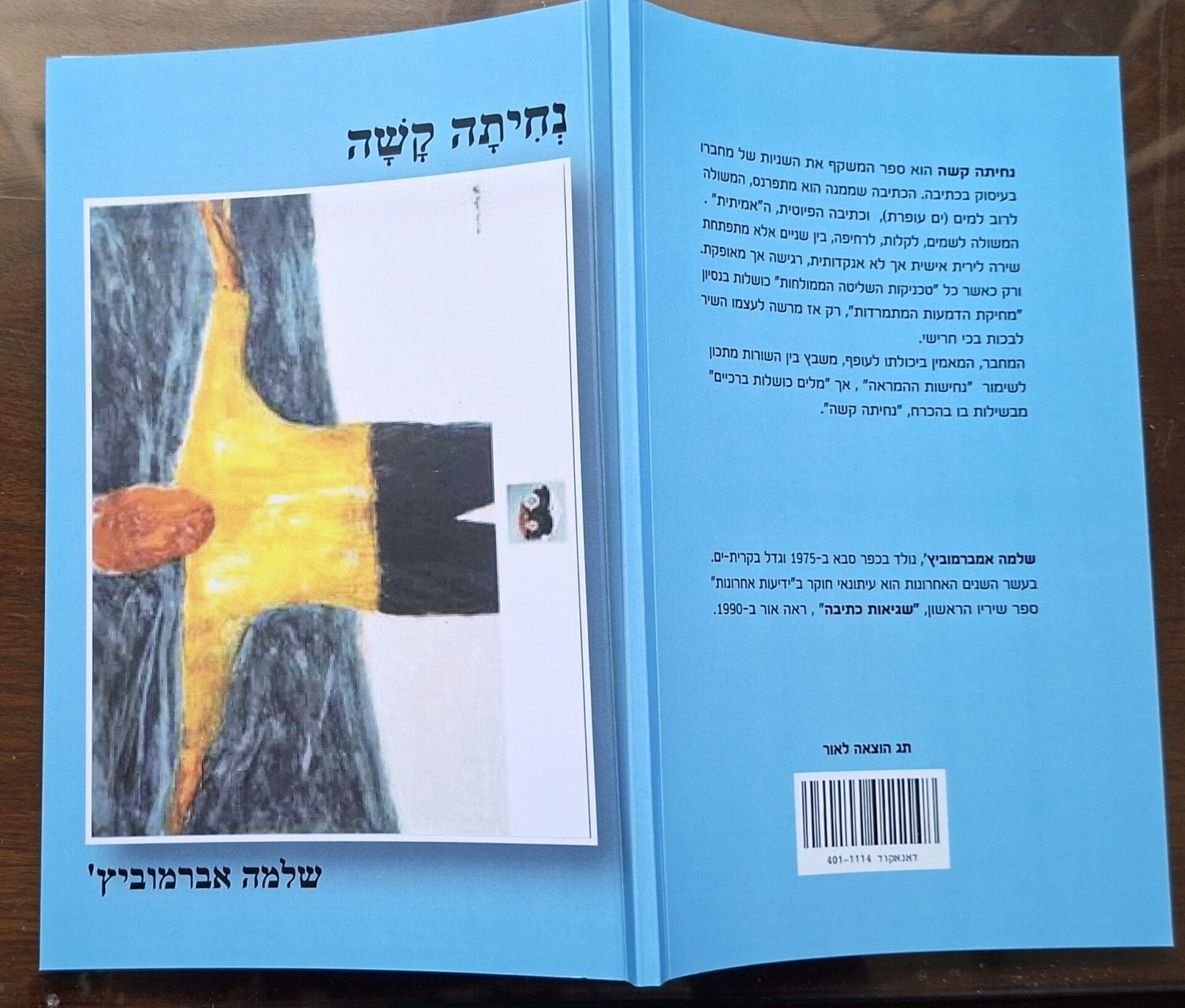
He won the Rachel Poet Prize for his book "Writing Errors," a book whose title already suggests a complex relationship to language and precision.
His book "Hard Landing" was edited by Nathan Zach, a literary partnership that gave his work additional depth.
But Abramowitz was not satisfied with poetry. He turned to biography, history, and extensive documentary writing.
His book about Meshulam Riklis became a bestseller and was translated into English.
"The Hidden Diary from the Jadow Concentration Camp" received state recognition, was included in school curricula, and earned him the Prime Minister's Award for Research on Israeli Communities.
"Circles" reached four editions and was officially welcomed at the home of the President of the State, Yitzhak Herzog.
His books range from personal memory to collective history, from the Holocaust to economics, from family to ideology.
Between Water and Sky: The Tension That Gives Birth to Poetry
As mentioned, Abramowitz wrote his first poem when he was only 10 years old, and as is well known, this poem won first place in the talent competition of the "Alumim" elementary school in Kiryat Yam. Later, Nathan Zach, who edited the book "Hard Landing", said: "Just for this poem alone, it was worth coming into the world."
Shlomo Abramowitz's book, "Hard Landing," is interpreted as subtle and precise evidence of an internal split that exists in the author between two writing worlds that are almost essentially opposite.
On one side stands everyday writing, the one from which he makes a living, flowing, necessary writing, like water moving in known channels and fulfilling an existential need, and on the other, poetic, rare and sincere writing, the kind that is not subject to the laws of utility but rather floats like the sky, light, free, almost weightless.
In the tense space between these two poles, a very personal lyrical poem is woven, saturated with emotion yet restrained, one that manages to contain within it memories, childhood landscapes and contemplative interiority, without being drawn into excess. It is a voice that moves between ground and sky, between survival and beauty, and it is precisely in this tension that its power is revealed.
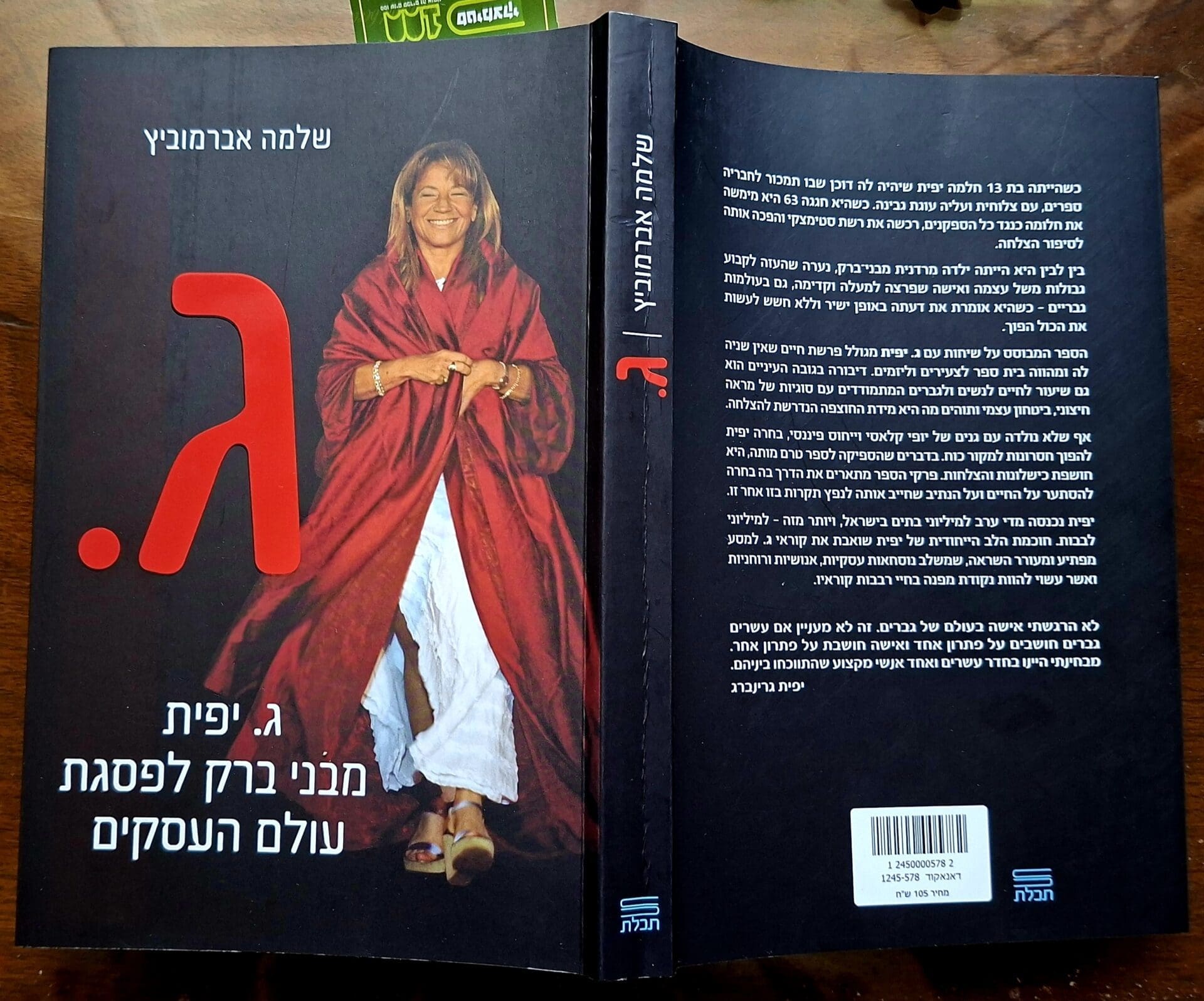
Between a cheesecake and a big dream – G. Yafit, a woman who shaped an empire
His list of books is long and varied, and his books are like a living archive. From poetry ("Writing Errors", "Hard Landing"), through life stories ("Unconditional Love", "A Life of Memories"), to biographies and historical investigations ("From Joseph to Joseph", "The Sweet Secret", "Riklis") and more.
They also have books about football, about industry, about families, and even an interactive children's book. This is not a random variety. This is a consistent attempt to capture life from every possible angle.
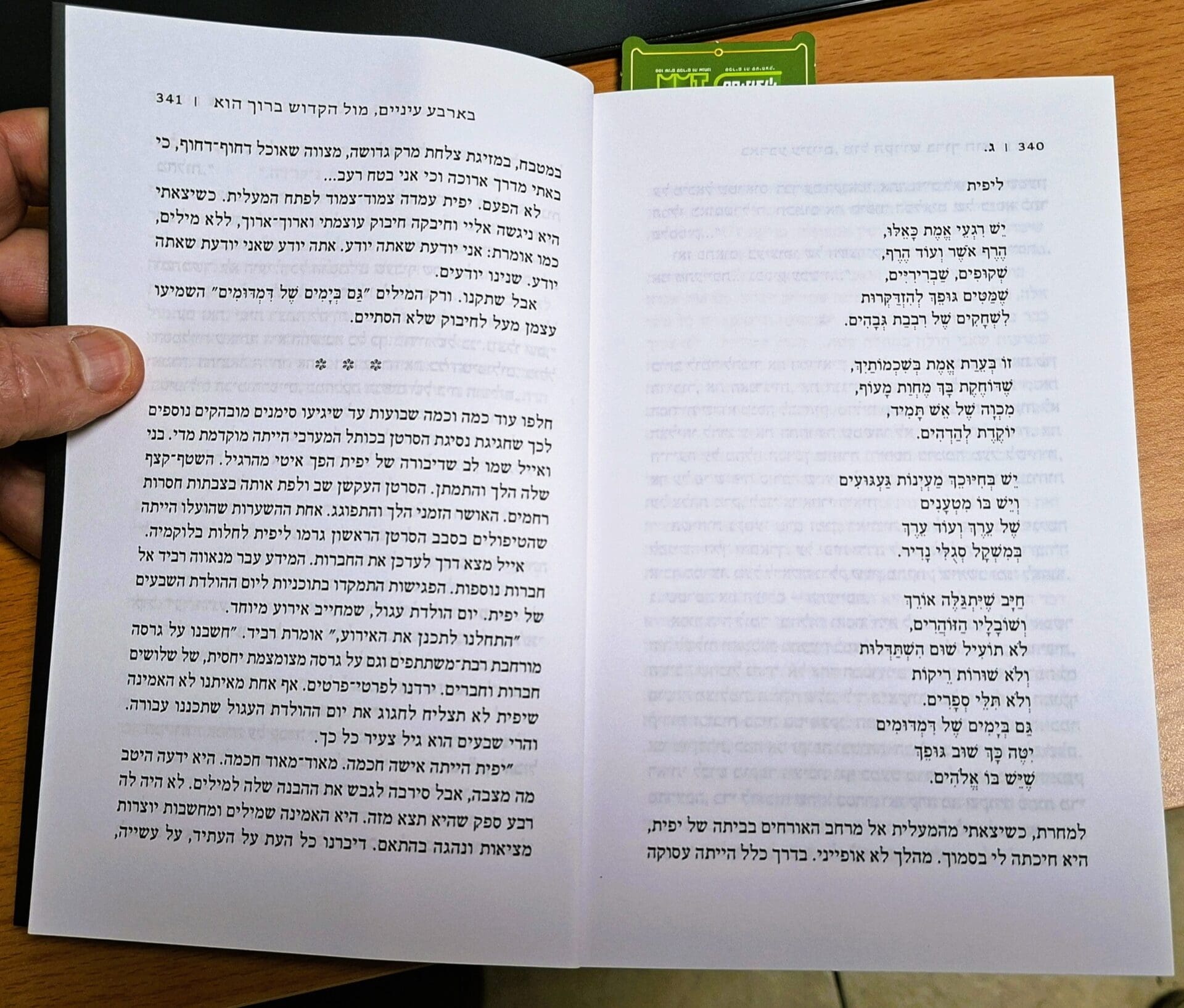
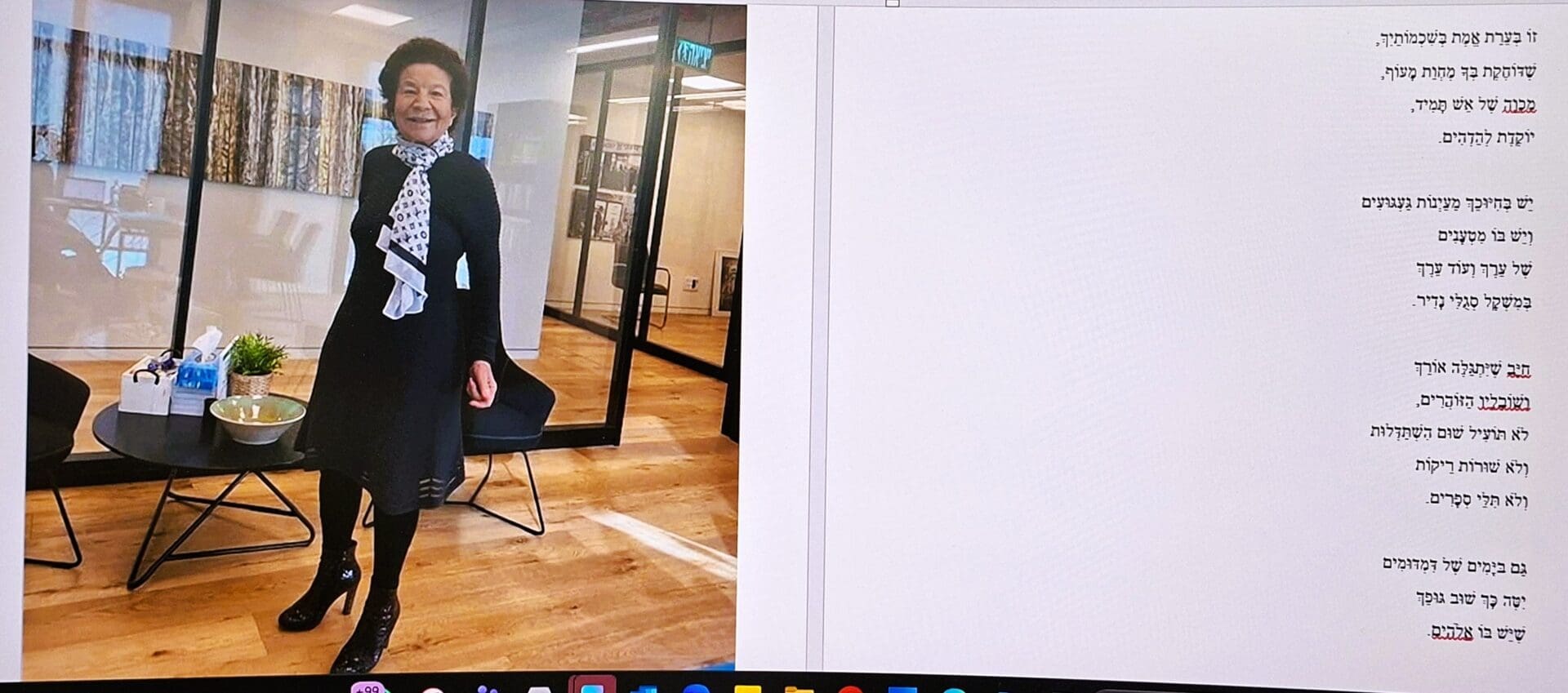
Yafit Greenberg's story, as it unfolds between the pages of the book "G. Yafit" by Shlomo Abramowitz, reads like a gentle and moving chronicle of childhood, ambition, and almost poetic stubbornness: a thirteen-year-old girl, who imagines a small stand with books and a plate of cheesecake, becomes a woman who, at the age of sixty-three, acquires the Steimatzky chain and reshapes the map of business culture in Israel.
This is not just a success story, but an inner journey filled with moments of doubt, criticism, and sometimes loneliness, which converge into a clear, determined, and unapologetic female voice.
Through the stages of her life, a narrative is woven in which shortcomings are revealed as raw materials for strength, and fears become milestones in building identity.
The book, based on intimate personal conversations, does not just offer formulas for success, but invites the reader to listen to the deep resonance between a childhood dream and its realization in a tough and competitive world, and to dare to believe that even within the most everyday reality lies the possibility of breaking forward.
The Borshchev gang and the truth revealed too late
One of the extraordinary chapters in his work began with a Facebook post. While working on the tragic love story of Yehoshua Zucker and Nusia Zimet, he began an international investigation that spread to nine languages and 27 countries.
This is how the story of the Borshchev gang was revealed.
It is about 16 partisans, including a pregnant woman, who fought for about four hours against a German force of about 1,600 soldiers, tanks, and armored vehicles. They managed to damage a tank and kill dozens of soldiers, but ultimately chose to commit suicide so as not to give away the hiding place of Jews hiding in the forest.
The story became the documentary "Image Generation 3," directed by Amalia Margolin, and has been described as the first Holocaust study of its kind. It is a moment when journalism, technology, and historical memory meet, not in the archive, but in real time.
Open Summary: Between Research and Poetry, About a man who never stopped asking
Shlomo Abramowitz is a figure that is difficult to summarize.
He is a journalist who exposed shortcomings, but also faced the limits of exposure.
He is a writer who wrote about others, but in fact he also wrote repeatedly about himself.
He is a poet who remained faithful to the language, even when reality required him to be sharper.
Ultimately, this is a story about a man who never stopped asking, even when the questions themselves long ceased to promise a clear answer.
And no less, this is also A story about someone who never stopped writing the answers, even when they were partial, even when they were hidden in a thin, almost imperceptible fog, and especially precisely when they seemed to be most vital.
From someone who knows Shlomo personally, every word in the rock, I enjoyed reading and remembering.
Congratulations to Shlomo and Rachel.
To Ricky Hirschfeld,
It's exciting to read your words, especially from someone who knows Shlomo closely and can testify to the person behind the words.
Thank you very much for the warm reading, for the memories you shared, and for the generous support for Shlomo and me.
It's wonderful that things touched you.
Dear Rachel
Thank you for an instructive article written by a sensitive artist.
In a meeting of just a few hours, you learned to penetrate all the layers of the character and weave his life story in beautiful and precise words.
This isn't just another article. This is storytelling at its best!
To Mali Abramovich,
Your words moved me very much.
There is something rare about an encounter where a person allows themselves to truly open up, and from this listening the story is born. If I was able to touch the deep layers of the character and convey something of the human, delicate and complex in her, then that is a great privilege for me.
Thank you for your attentive reading, your generosity, and your subtle discernment.
Your response strengthens my belief in the power of writing not only to describe life, but also to illuminate it.
Comprehensive, thorough, impressive and awe-inspiring
to Uri Sharon,
Thank you very much for the warm and generous words.
It's exciting to know that the writing was able to inspire in you a sense of depth, thoroughness, and respect for the subject and the person behind it.
Your appreciation is very meaningful to me.
I feel a pleasant but binding obligation to express my admiration for the article about me prepared by Rachel Orbach from Haifa. I never imagined that the conversation we had at my home would turn into such a broad, deep and full article about my childhood, youth, adulthood and writings. Huge thanks to Rachel for the investment and the result.
Dear Shlomo,
I read your words with deep emotion and a heart full of gratitude.
Rarely do I encounter a person whose life story, spiritual world, and writing are intertwined in such a human, honest, and thought-provoking way. Meeting you left a profound impression on me far beyond the hours of conversation itself.
When I sat down to write this, I felt that I was not just documenting a life story, but rather trying to gently touch on the journey of a person who knows how to observe his life with honesty, sensitivity, and rare depth. Therefore, it was important to me to devote all the attention, listening, and heart I could to the article.
Your openness, the memories you shared, the painful moments alongside the moments of light, and the way all of these continue to resonate within your writing, created an encounter for me that will not soon be forgotten.
Thank you for your trust, your hospitality, and the warm and moving words you wrote.
There is no greater joy for me than knowing that I was able to reflect, even slightly, the journalist, researcher, writer, photographer, and creator that you are.