


Premiere at the Haifa Festival
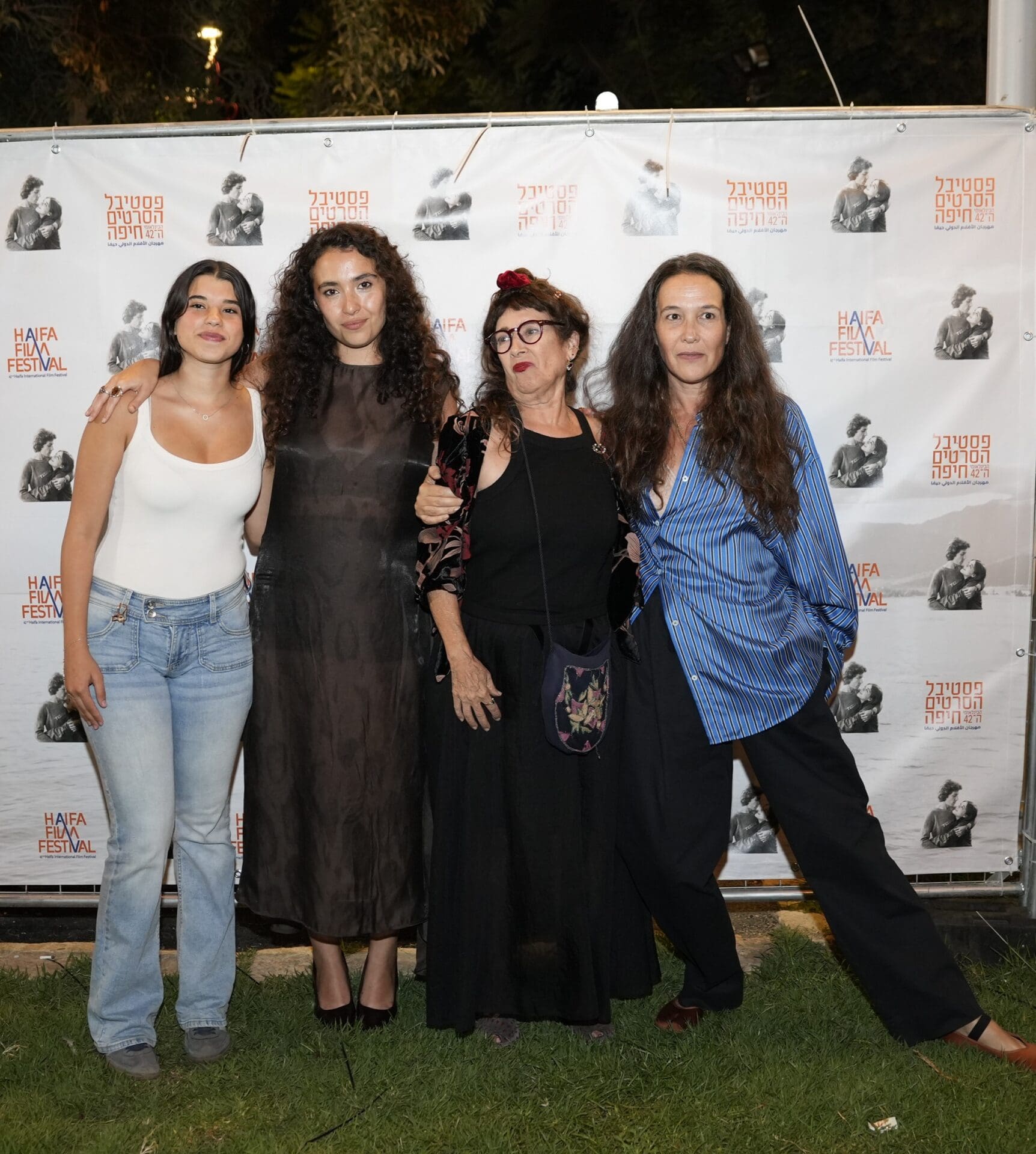
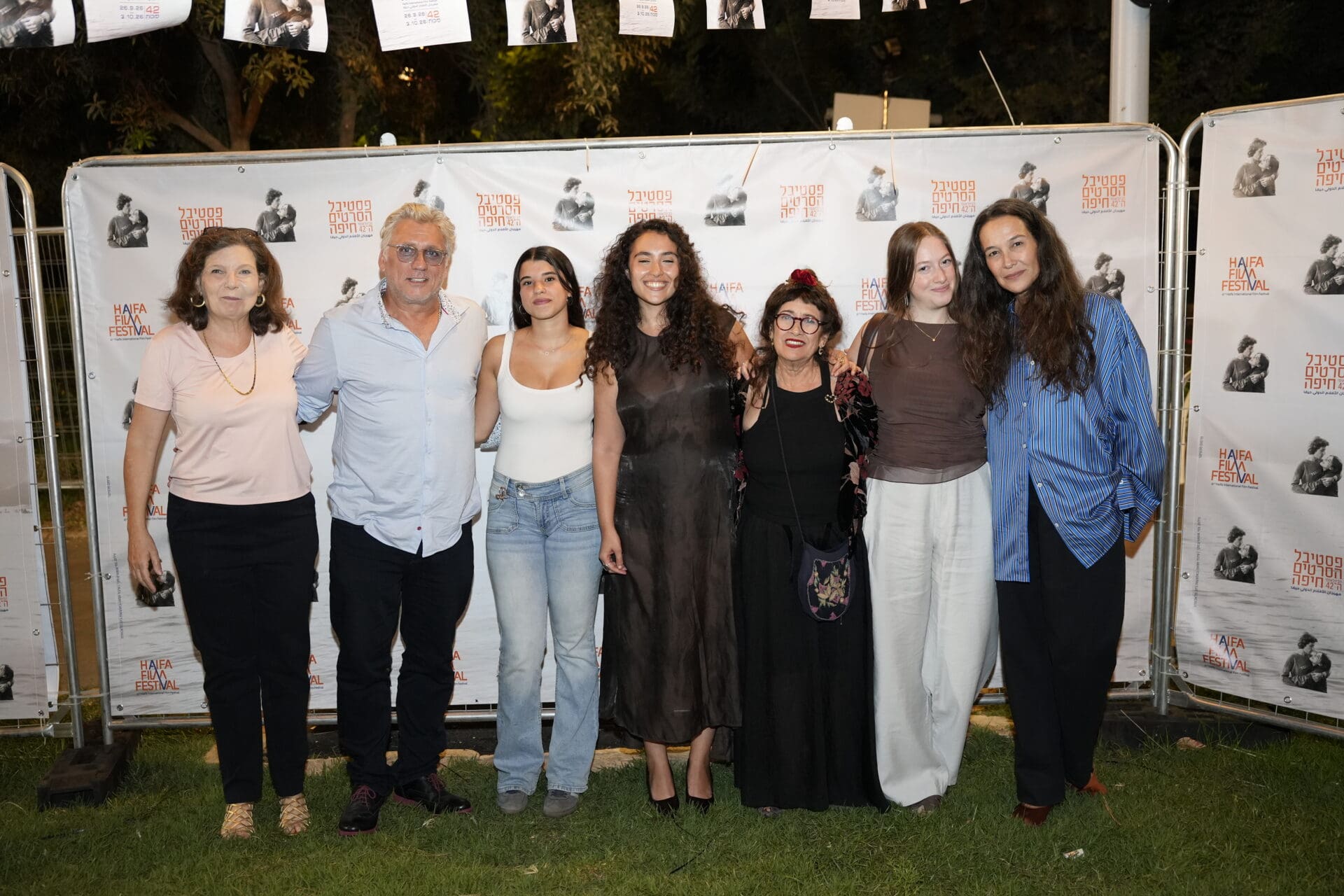
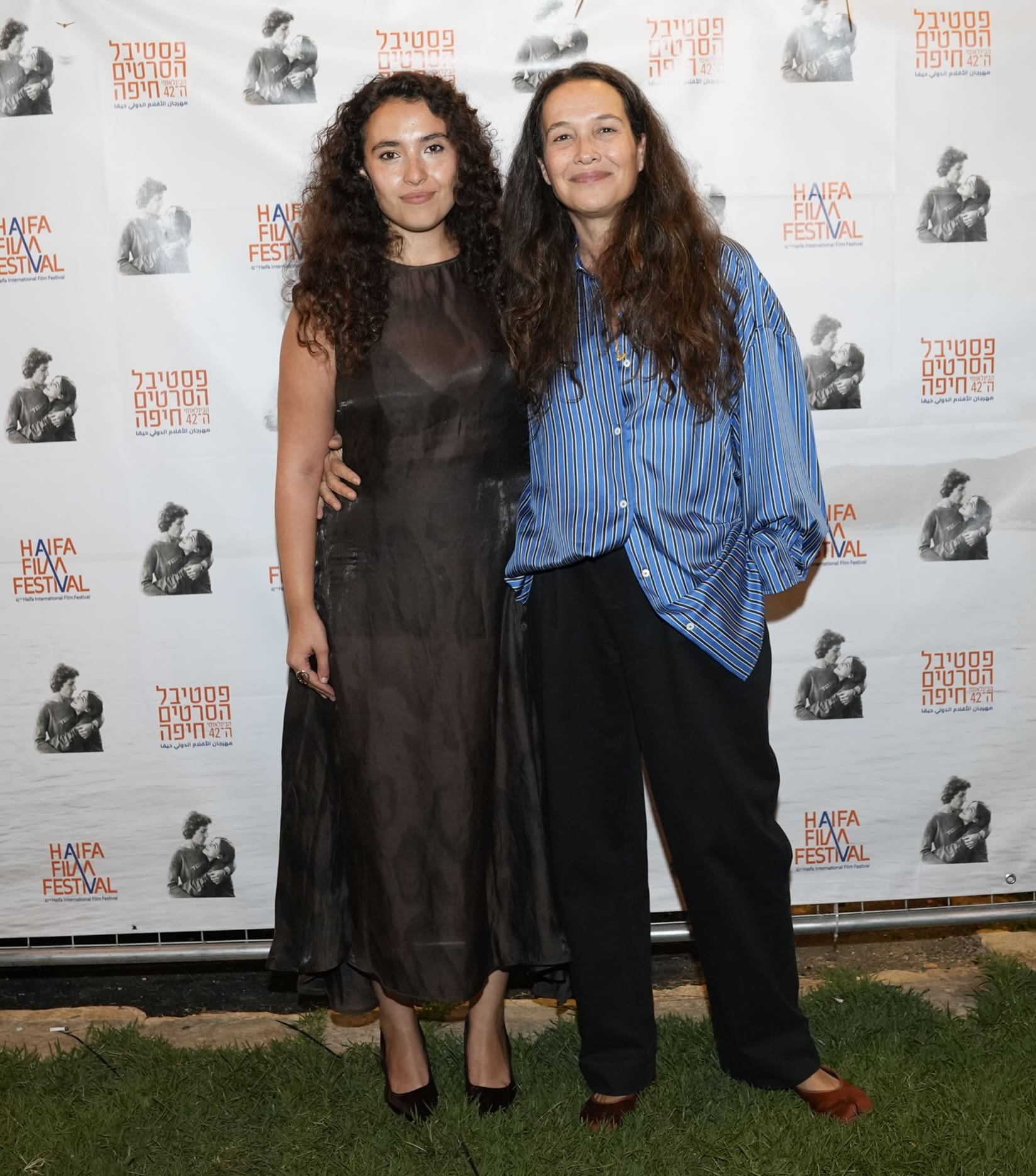
On the evening of September 29, just before the lights in the Rappaport Hall at the Haifa Auditorium went out, it was already clear that this was no longer a routine screening at a festival.
The hall was packed and filled to capacity, and the anticipation for the first encounter with the plot of "Blue Marks" on the big screen was clearly felt in the space.
The film, which premiered at the 42nd Haifa International Film Festival, is a 110-minute Israeli-French production, produced by Yifat Prestelnik Films, and moves between Hebrew and French. In this transition between two languages, two countries and two realities, the journey of the film's heroine also begins, a journey that the screen will transform from a personal story into a real cinematic experience.
The very choice to place the film in the Israeli competition, in the field of feature films, gives it a contemporary context and places it within the local cinematic discourse.
The film comes to the screen eight years after the story on which it is based was first published in a book, thus marking an interesting transition from literature to cinema: a story that was born on the page is now returning to the audience, given a new body, rhythm, and cinematic perspective.
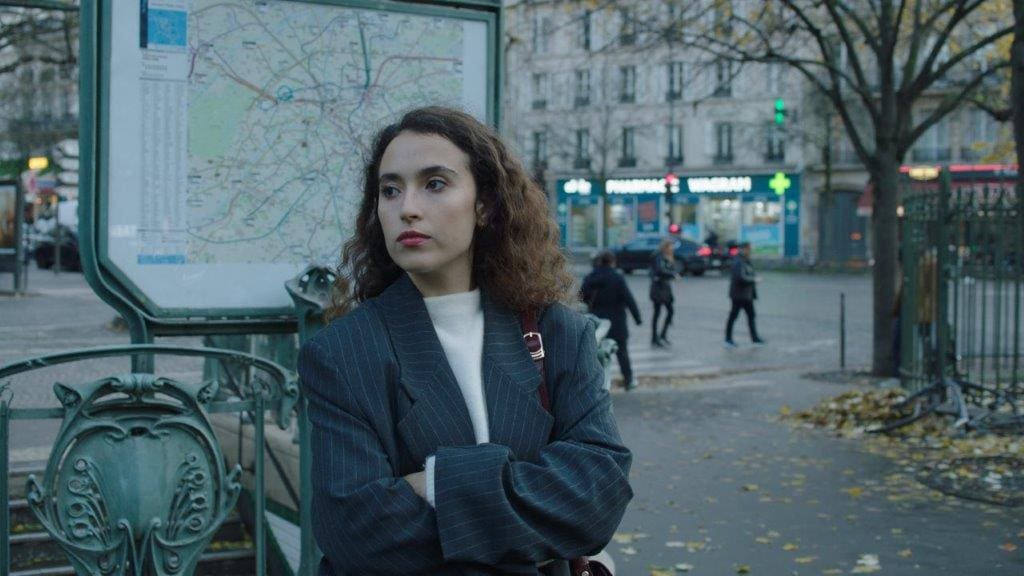
There is something almost alluring about the moment Iris Alloush arrives in Paris. She is twenty-four years old, young from Netanya, the daughter of a family of immigrants from Tunisia, and arrives in the big city seeking to do what young people sometimes think is a real possibility: to erase what was and start over.
She speaks French from home, finds a job, rents an apartment, and enrolls in fashion design studies. Suddenly the future doesn't seem like a necessary continuation of the past. It seems like a blank slate.

When the dream gets a crack
But the story of "Blue Marks," and Dina Zvi Riklis' film based on Emily Moati's debut novel, does not allow Iris to enjoy this illusion for long.
A chance encounter on the subway with a handsome young man changes the course of her life. What momentarily seems like an opportunity to alleviate loneliness in a foreign city and perhaps even love, turns into a brutal sexual assault, and Iris is left pregnant.
From that moment on, Paris, which was supposed to be a space of freedom, becomes a place where she is forced to deal with a trauma from which she has no easy way to escape.
The incident does not end in harm. Iris decides to take the law into her own hands, shoots the man who raped her, and is imprisoned in Paris. At the very beginning of the film, it becomes clear to the audience that the heroine is in prison, and this revelation becomes the starting point of the plot.
This is the move that gives the film its dramatic tension, but the deeper interest of "Blue Marks" begins precisely in the moment after the news of the shooting: in what remains of the person after the act, of the memory after the trauma, and of the possibility of trying to rebuild a life from what cannot be erased.
The question is not just what Iris did, but how she got to the place where such an act was, for her, the only remaining option. The beginning of the plot places the character inside the prison and from there gradually unfolds the story of her life.
Prison opens the door to the past because the marginalized do not stay in Netanya.
The prison is where time in the story stops running in a straight line. Iris's present is intertwined with memories of her childhood, her family, and her life before the trip to Paris.
The father who abandoned, the house darkened by grief, the mother who remained in the midst of humiliation, the feeling of loneliness and marginalization, all of these gradually find their place in the picture. Thus it becomes clear that the injury Iris has suffered does not stand alone. She joins an entire life in which feelings of alienation, lack of belonging, and a stubborn desire to escape the fate that seems destined for her have accumulated.
This is one of the strongest ideas in the work. Iris is running away from the margins where she grew up, and from childhood traumas. But the margins are not just a geographical place. They are a state of mind and society that she carries with her. Paris can change the streets around her, the work and the people she meets, but it cannot erase the history from which she came.
Just when she begins to feel that distance allows her to be a different person, reality bursts into her life. This is the idea: an attempt to escape the margins ends in a renewed clash with them.
Paris that does not save
Paris is more than a backdrop to the story. It embodies the promise of a different life. The beautiful city, the familiar language, the anonymity, and the opportunity to learn a new profession create for Iris a feeling that life can finally be hers.
But the film refuses to make the city a place of redemption. It is precisely there, far from Netanya, that the trauma that will change her life occurs. In this way, Paris takes on a dual role: it is both the place to which Iris flees and the place where she realizes that geographical escape is not enough.
The connection to Emily Moati and the distance that makes the work interesting
The biography of the writer Emily Moati, whose book forms the basis of the film, is interesting here, but precisely for this reason one must be careful not to turn it into an untrue story. Moati was indeed born in Netanya (1980), and she too grew up in a family of Tunisian origin and lived for a time in Paris, where she studied and worked at the Israeli Film Festival.
There are some clear starting points for the materials from which Iris's character was built, but Iris is not a Moat. The heroine's life, the sexual assault, the murder, and the prison are part of a fictional plot.
Neither the similarity nor the separation between the author and the heroine weakens the book or the film. On the contrary. It allows us to see how life materials can become literature without being a personal confession.
Moati knows Netanya and Paris, the encounter between Israel and France, and the tension between home and leaving it, but she has constructed a different woman from these materials. Iris is an independent character, with her own destiny, and the fact that the creator is not the same as her allows us to treat the story as a work of art and not as a biographical revelation.
The book "Blue Signs" was published in 2018 by Tekhelet Publishing, and was Moati's debut book. It won the Ministry of Culture's award for a debut book, and is now being adapted for film. The book's strength lies not only in the suspenseful story, but also in the way it is told: movement between times, gradual exposure of the past and entry into the mental world of a woman who is increasingly closed in on by the events around her.
This structure makes reading a literary challenge, because the reader does not receive all the answers at once.
Language as part of the plot – From the page to the screen
In both the book and the film, the past and the present are not just two parts of the plot, but two states of consciousness. Memory invades the present, and the present changes the way memories are seen. At the same time, Moati had to deal with different worlds of content: trauma and mental crises, the French legal system, the lives of immigrants, and the city of Paris. This richness explains why the book could have been perceived as more than a thriller or psychological drama when it was first published.
The transition to cinema changes the rules of the game. What in a book can appear as a memory or a thought must in cinema be given visual form, rhythm, face and voice.
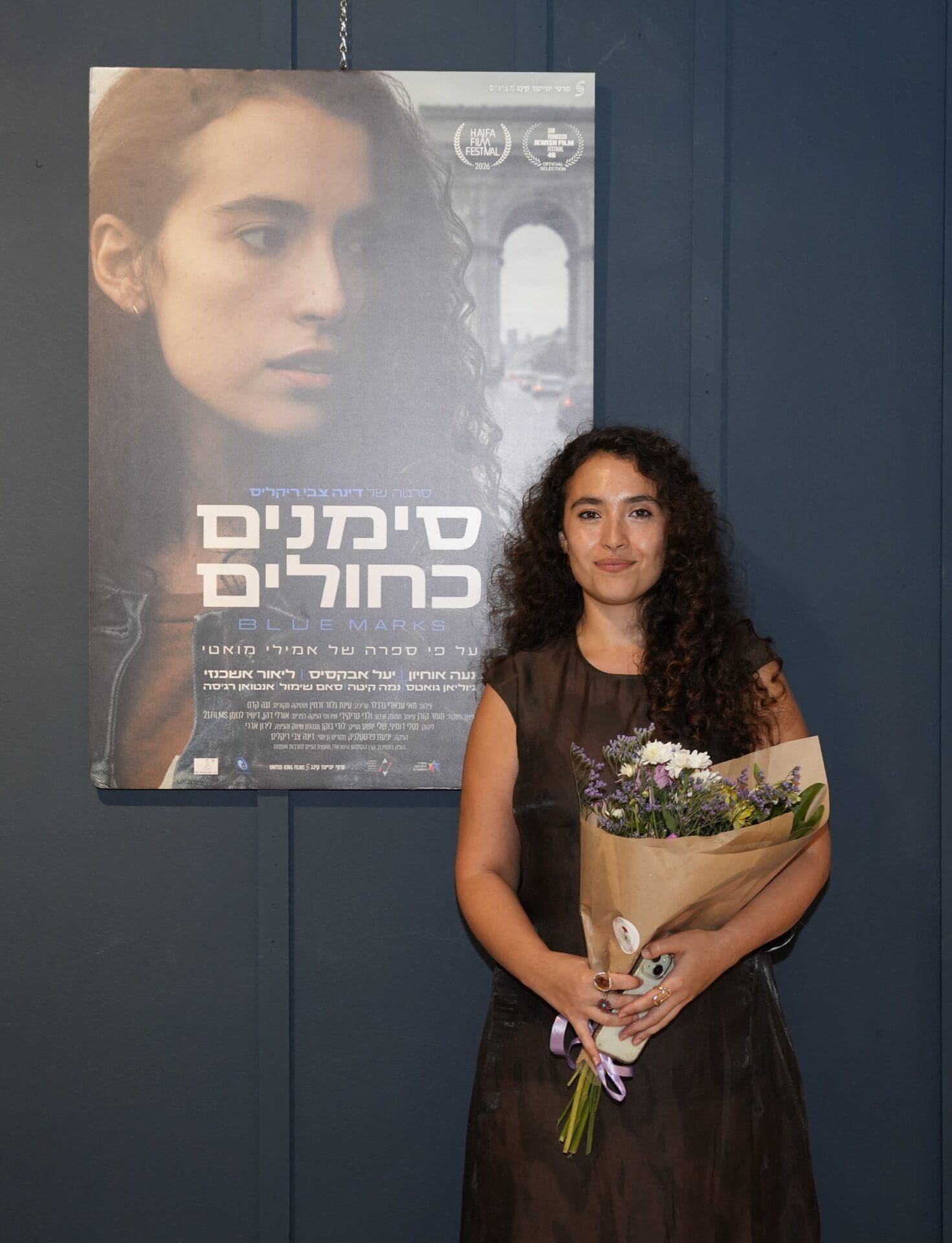
Dina Zvi Riklis wrote the script and directed the film, produced by Yifat Prestelnik Films and in co-production with France. The film runs for 110 minutes, is filmed in Hebrew and French, and stars Noa Ohayon, Lior Ashkenazi, and Yael Abekasis.
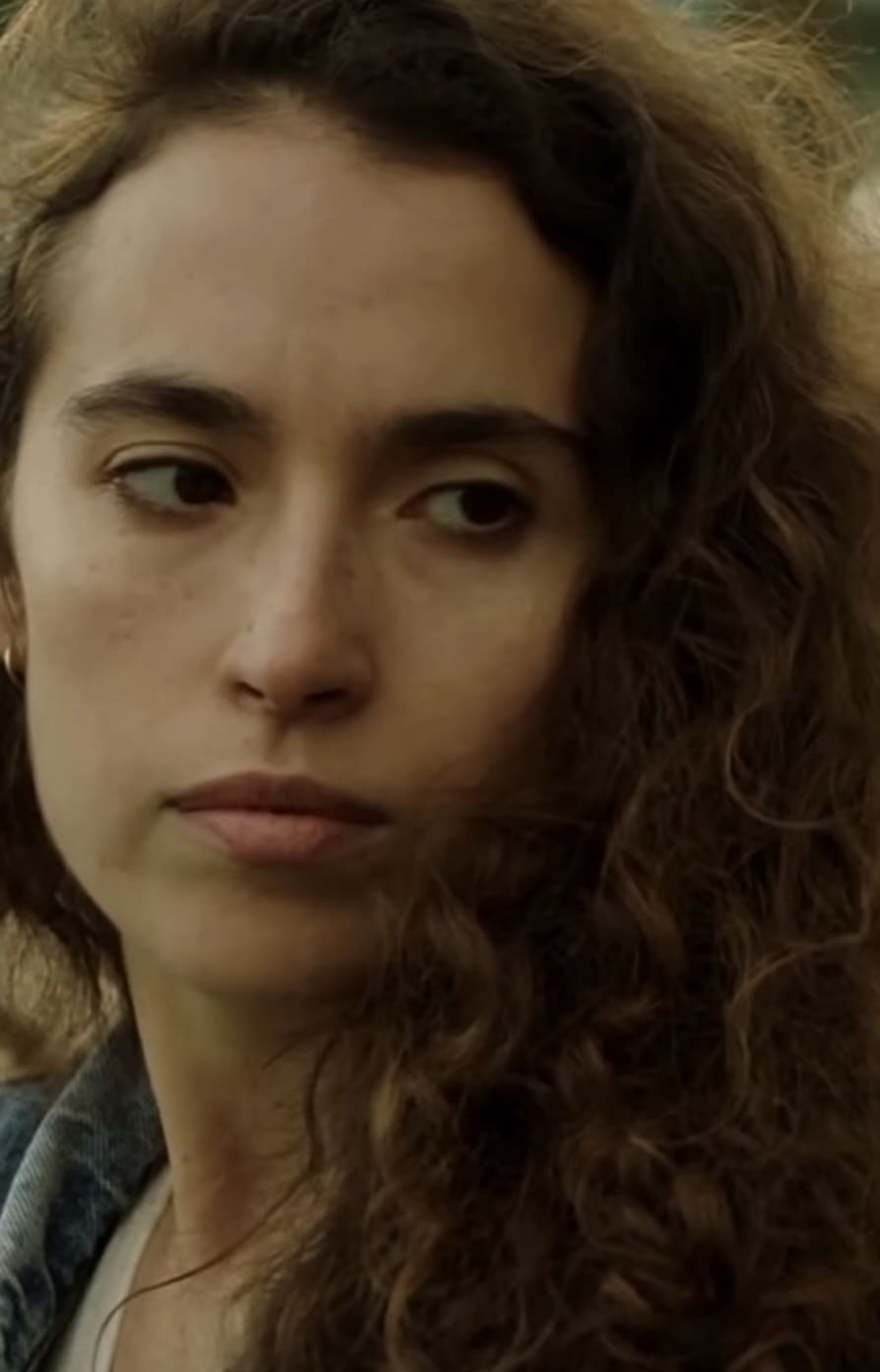
Noa Ohayon carries Iris
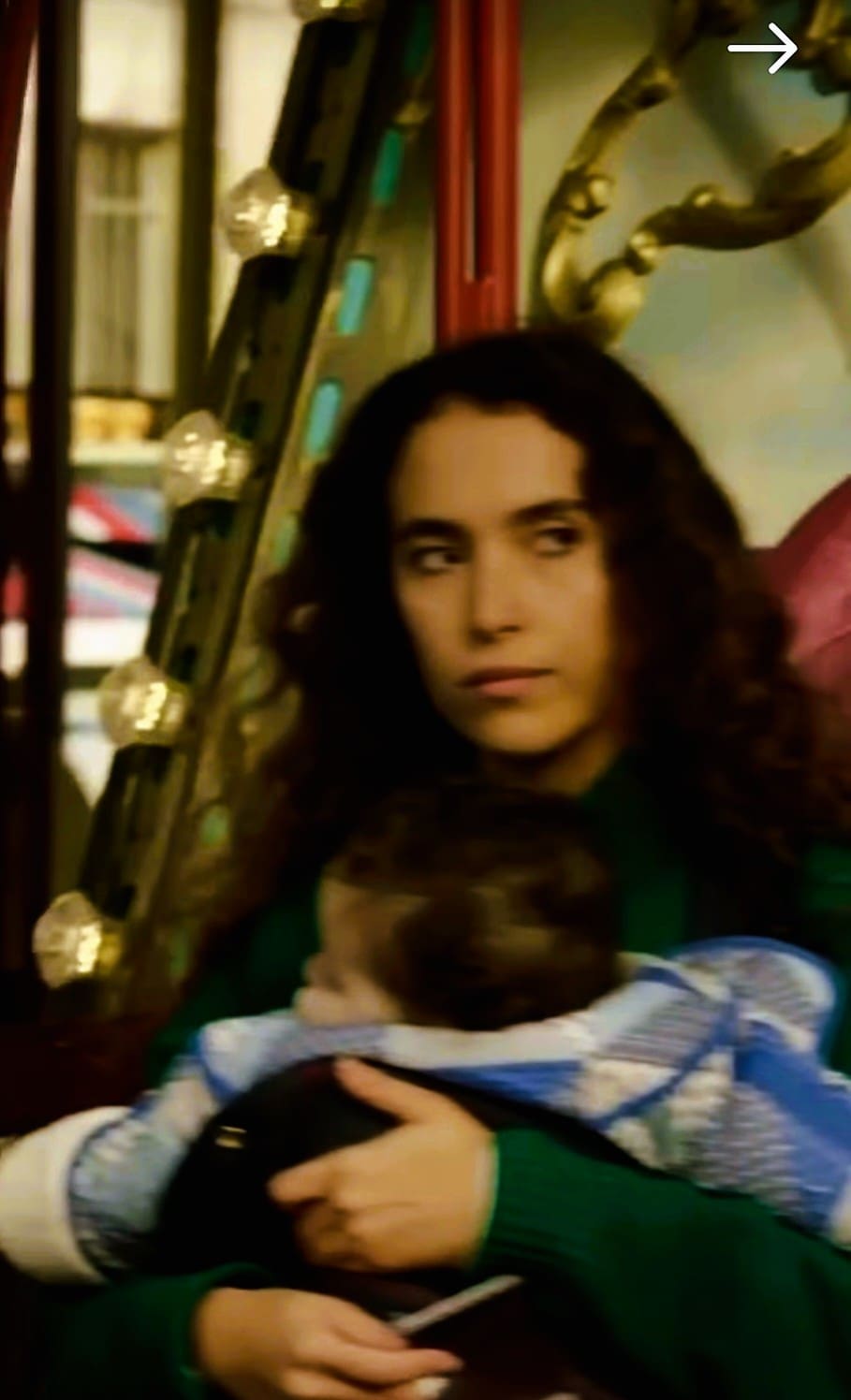
The greatest emotional burden falls on Noa Ohayon, who plays Iris. The role requires her to hold several women within the same character: the young woman who arrives in Paris full of hope, the woman who is hurt, the prisoner who is forced to deal with the consequences of her actions, and the girl who returns to her childhood memories.
The impression from the film emphasizes how much Iris stands at the heart of the work, and rightly so.
She is a character who is subject to almost unrelenting internal tension, and the film relies largely on the actress' ability to maintain this tension even in moments of silence, when the character has nothing to say and her gaze, posture, and presence alone must bear what is happening inside her.
Lior Ashkenazi and Yael Abekasis inside the world of Iris
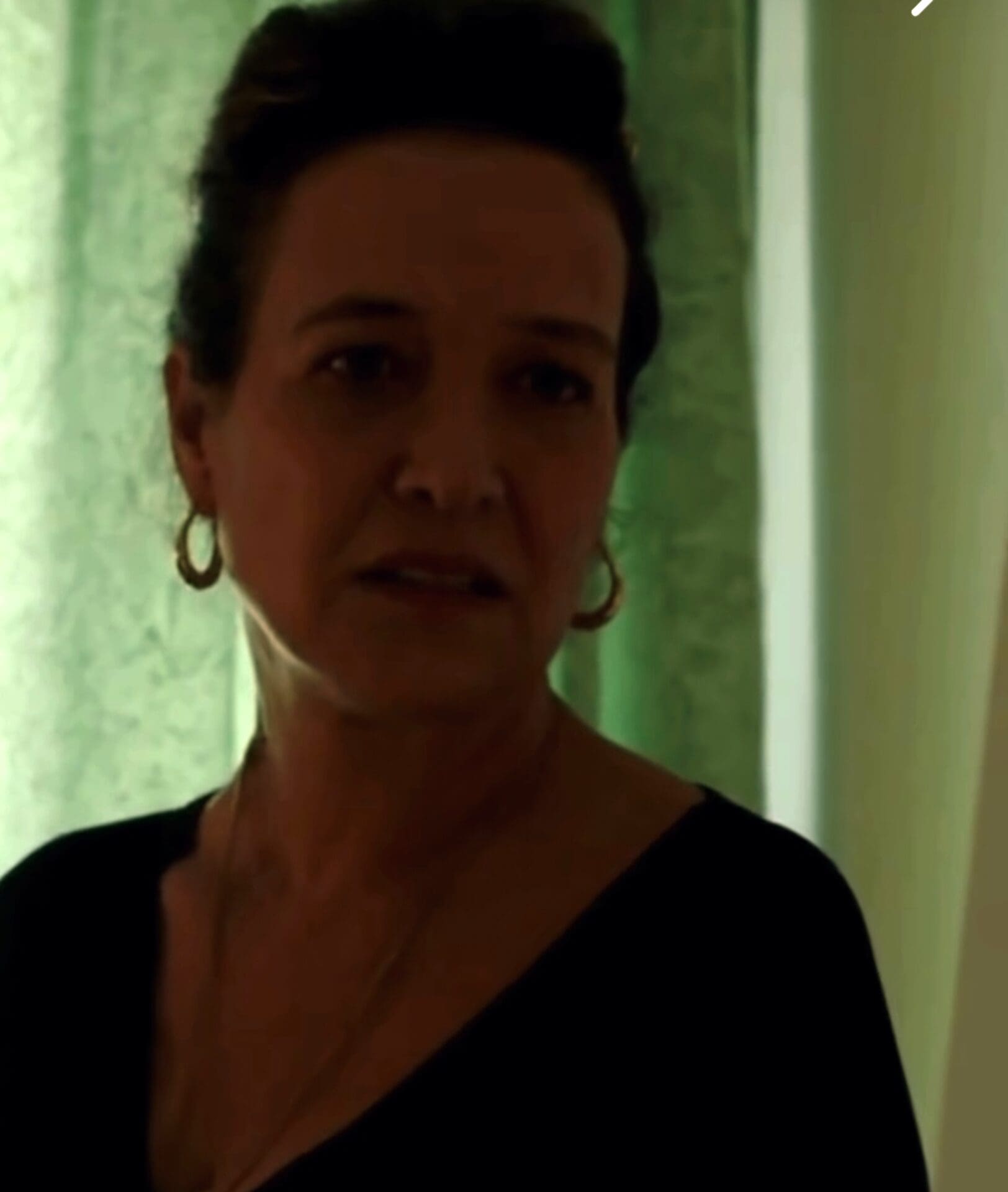
Alongside her appear Lior Ashkenazi and Yael Abekasis, in a world where the relationships between the characters do not exist in isolation from the wound that Iris carries.
The supporting characters do not just serve as plot engines, but shape the human space within which she tries to understand who she was, who she is now, and what remains of the life she sought to build for herself.
Their presence expands the film beyond the direct encounter between the victim and the attacker, and returns it to the complexity of life itself: to family, society, and relationships within which a personal wound also becomes a broader human story.
A challenging film to watch and an unresolved question
The material itself does not allow for comfortable viewing. It is a story about rape, pregnancy, trauma, murder, and imprisonment, and the film needs to deal with this material without turning the suffering into a spectacle.
The difficulty is part of the experience, but it is not all that the film offers. Beneath the difficult plot lies an attempt to get closer to the consciousness of a woman who has been hurt and is not willing to remain only in the role of victim.
Iris is in a complex moral space. She is the victim of a crime, but also the perpetrator of a deadly act. There is no way to reduce her to any one of these facts.
The film juxtaposes the two truths and forces the viewer to remain in the tension between them. Rather than offering a simple answer, it is interested in the psychological cost of the moment a person decides to take the law into their own hands and in the life that follows.
The title that takes on meaning and what makes the film more than a revenge story
The blue marks in his name are not just physical marks. They can also be read as traces of memory, of injury, and of a life that cannot be restored to its previous state.
Iris comes to Paris to erase old marks, but creates new ones for herself. The film moves between the visible and the invisible: between the external wound and what trauma does to the mind, between the legal present and childhood, and between the woman Iris was and the woman she became.
Revenge is part of the work, but it is not the final destination. If it were just a story about a woman who was hurt and killed her attacker, it would remain within the framework of a crime drama. "Blue Marks" is interested in what preceded the moment of the shot and what remains after it. It returns to home, to family, to the desire to belong and to the need to invent a new identity. Thus, the plot turns from a crime mystery into a journey into the soul of a woman.
From Strangeness to Proximity – Impressions from the Adaptation
As the story progresses, Iris ceases to be just a strange woman in a strange city. The viewer learns the cracks from which she is built, the places where she is strong and the places where she is broken. It is a gradual process, and therefore the pain also takes on depth. Instead of presenting Iris from the outside, the work tries to bring the viewer closer to the way the world is experienced from within.
Riklis's main challenge was to take literary material whose power lies largely in consciousness and turn it into a film.
The result, as it emerges from the material and from the impressions of the film, is a work that prefers human drama over suspense effects. It is challenging, sometimes shocking, but not content with shocking. Behind it stands a character who asks the viewer to understand how an entire life can be reduced to a single moment, and how that moment continues to govern life even afterwards.
What's left after the movie
Ultimately, "Blue Marks" is not about the possibility of erasing the past, but rather the price we pay for trying to do so.
Iris arrives in Paris with the desire to become someone else, but discovers that the person we want to leave behind does not remain in the country we came from. He continues to move with us, present in memory, in the body, and in the way we look at the world.
From this journey emerges a story about home and migration, about loneliness and violence, about identity and the human longing for a new beginning. But above all, the film remains true to the story of one woman, forced to confront the gap between the life she hoped to build and the life she carries with her.
Dina Zvi Riklis took this character from the page and transferred her to the screen, leaving her with a new space of gazes, silences, and movement. Perhaps that is why the marks left by the film do not end when the lights in the theater come on. They continue to exist for a while in memory, like traces of a story that never really ended.
Such an important film, dealing with identity, belonging, and femininity.
Beyond that, it's amazing to see how the film manages to transfer the book to the big screen in such an elegant way. Highly recommended!
To a song,
You wrote so beautifully and accurately about a film that touches on deep questions of identity, belonging, and femininity. Indeed, the film manages to translate the world of the book to the screen, with sensitivity and elegance, without losing its depth and complexity.
This is a film that is definitely worth seeing.
Thank you for the recommendation and the nice words.