


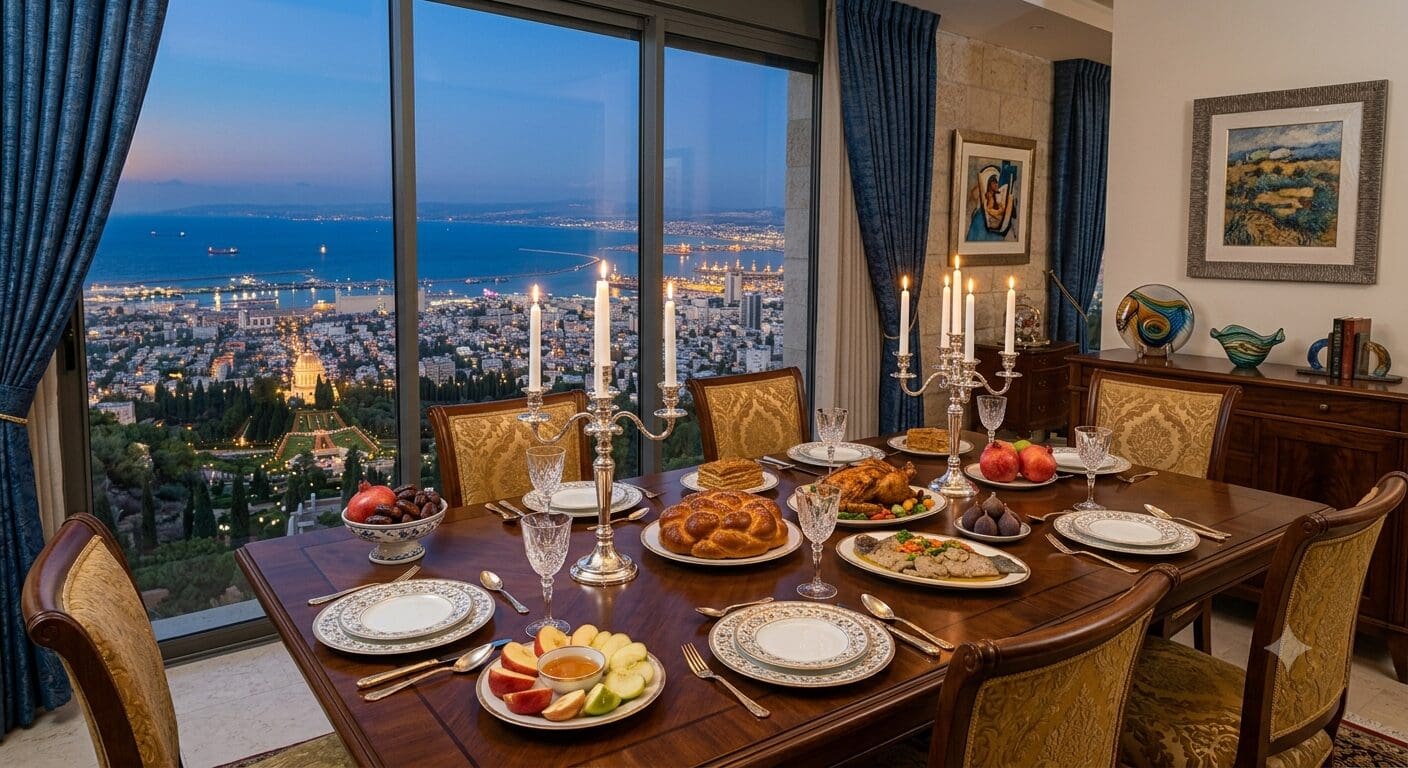
When the year begins anew
At the end of summer, when the light begins to soften a little, when the evenings shorten and the holidays approach, the Hebrew calendar suggests to man to stop. Not because the world has stopped, but on the contrary: the world continues to move, the news continues to arrive, the clock continues to measure the minutes, and life, as it usually does, does not wait for our rituals. And yet, one evening, as the sun sets, one can feel as if someone has placed a hand on the shoulder of the year and said: Now.
This year, 5777, Rosh Hashanah will begin on Shabbat Eve, Friday, September 11, 2026, and will last until the stars appear on Sunday, September 13. Rosh Hashanah falls on the first and second days of Tishrei, and it begins the Ten Days of Repentance that culminate on Yom Kippur.
But the Hebrew New Year is not just a date. It is an ancient, almost intimate attempt to make time something that can be encountered, to give it a beginning and an end, memory and anticipation, soul-searching and blessing. The more one observes the Hebrew New Year, the more it becomes clear that it is part of a much larger family, because almost everywhere people have lived and still do, they have found a way to say that the previous year has ended, that the next year has begun, and that between the two it is appropriate to leave a small interval of ceremony.
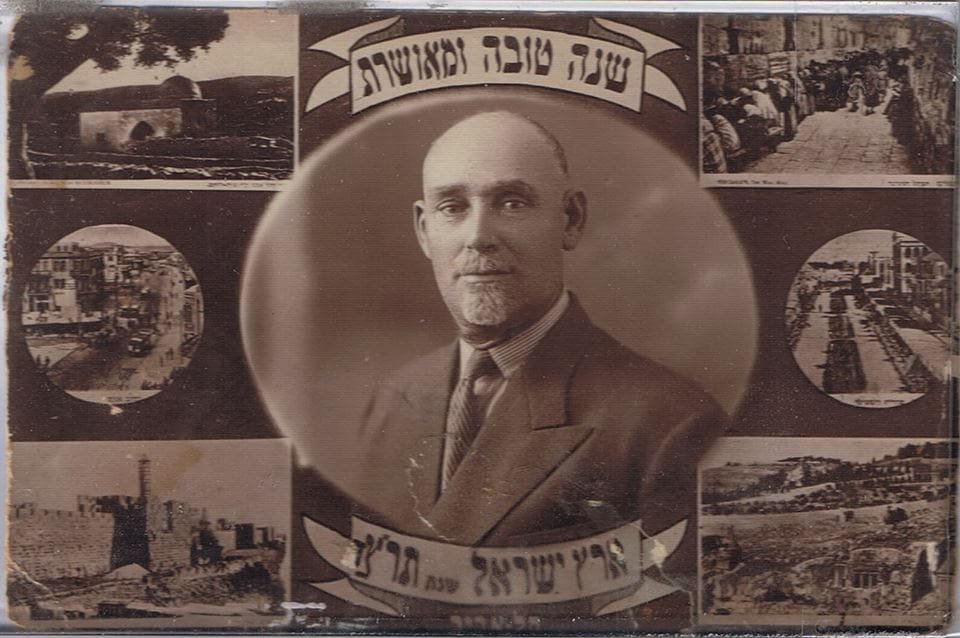
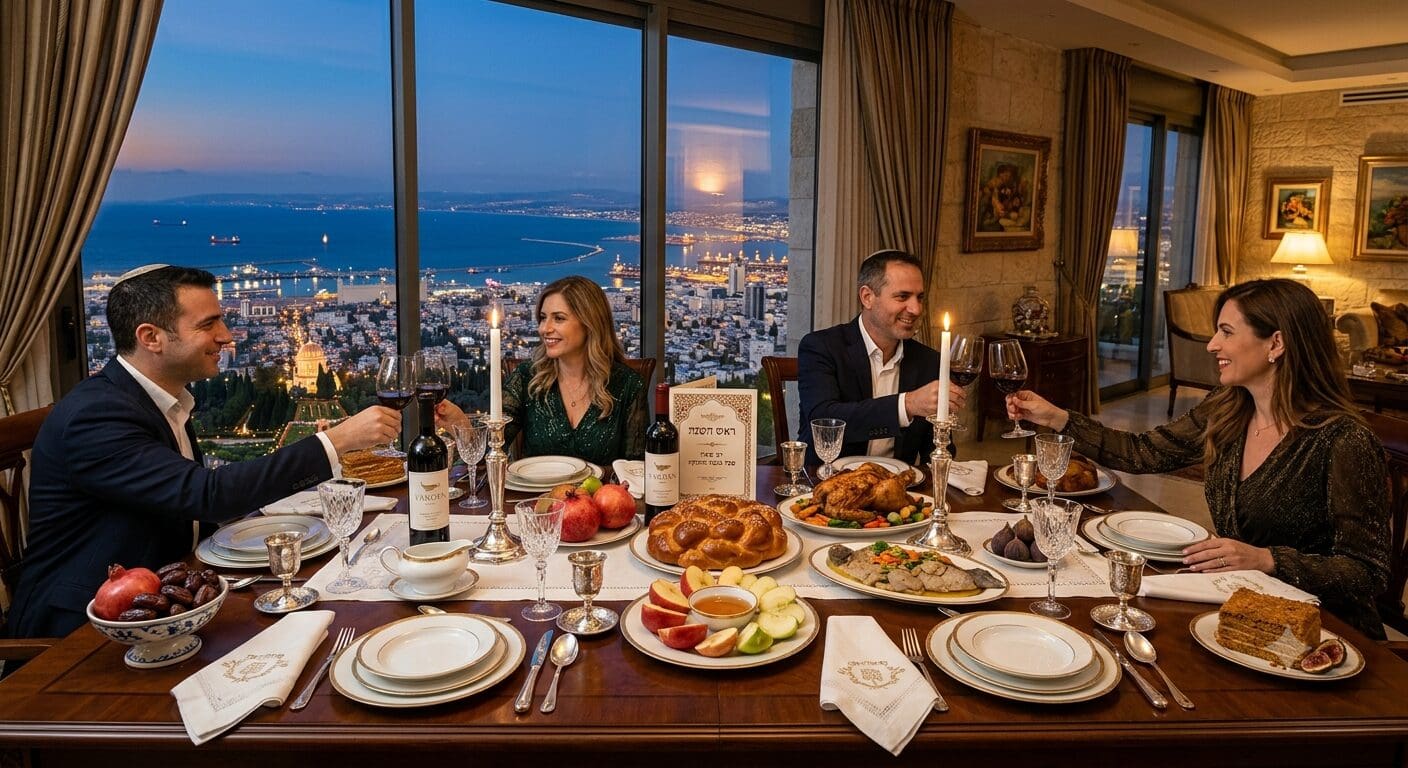
Between one year and another: The "Hai Pa - News Corporation" team wishes you a happy and sweet new year
On the eve of Rosh Hashanah, when the calendar turns to a new page and the days ahead of us still do not know what they will bring with them, it seems as if time itself stops for a moment. Behind us is a year of moments, of people who have entered our memory and others who are no longer, of concern alongside kindness, of longing alongside the possibility of starting over. And facing the new year stands that ancient wish, almost everyday in its simplicity, and yet so difficult to fulfill: to make it better.
From this place I ask The "Hai Peh - Haifa and Surrounding Area News Corporation" family wishes its readers and all of Israel a happy and sweet New Year. A year in which health will be present, reconciliation will find its way into hearts, memory will preserve what must not be forgotten, and hope, even when it is quiet and gentle, will continue to light the way.
Rosh Hashanah is a "head", not just a number
The word "Rosh" in the name of the holiday is no coincidence. "Rosh Hashanah" is the date for the starting point of a new cycle. But it is precisely here that a beautiful paradox emerges: the holiday occurs in the month of Tishrei, which is the seventh month when counting the months of the year from Nisan. Jewish tradition actually recognizes more than one "Rosh Hashanah", according to different roles in the calendar. The Rosh Hashanah of Tishrei is therefore less a technical announcement that the number has changed, and more a moment in which a person is called to look back and look forward at the same time.
Jewish tradition gives these days a dual character. They are festive, but also serious; they call for joy, but also for self-examination. The ten days that begin with Rosh Hashanah and end with Yom Kippur are connected to the idea of repentance, in the sense of returning to the person you would like to be. In this sense, Rosh Hashanah is not just a birthday for the calendar. It is a kind of mirror.
One voice from the past
Then comes the sound. The shofar, the ram's horn, is not a musical instrument in the usual sense. It does not seek to be beautiful or polished. Its sound is rough, bare, almost primitive, and yet, precisely because of this, it manages to be heard even after hundreds and thousands of years. The blowing of the shofar is one of the central symbols of Rosh Hashanah, and it is incorporated into the holiday prayers, giving them a dimension of reading and awakening. One can think of the shofar as a clock that does not show the time. It signals something else: the time has come to listen: to ourselves, to others, to the time that has passed.
There is something almost miraculous about the fact that such an ancient sound manages to penetrate the modern world. It does not compete with music, does not try to be melodic, and does not need explanation. It is simply heard. Amidst all the noise that has accumulated around man over thousands of years, the shofar seeks to return him for a moment to one voice, simple and bare, that reminds him that time is not only what happens to him, but also what he does with the time he has received.
An apple, honey, and a simple idea for a better future
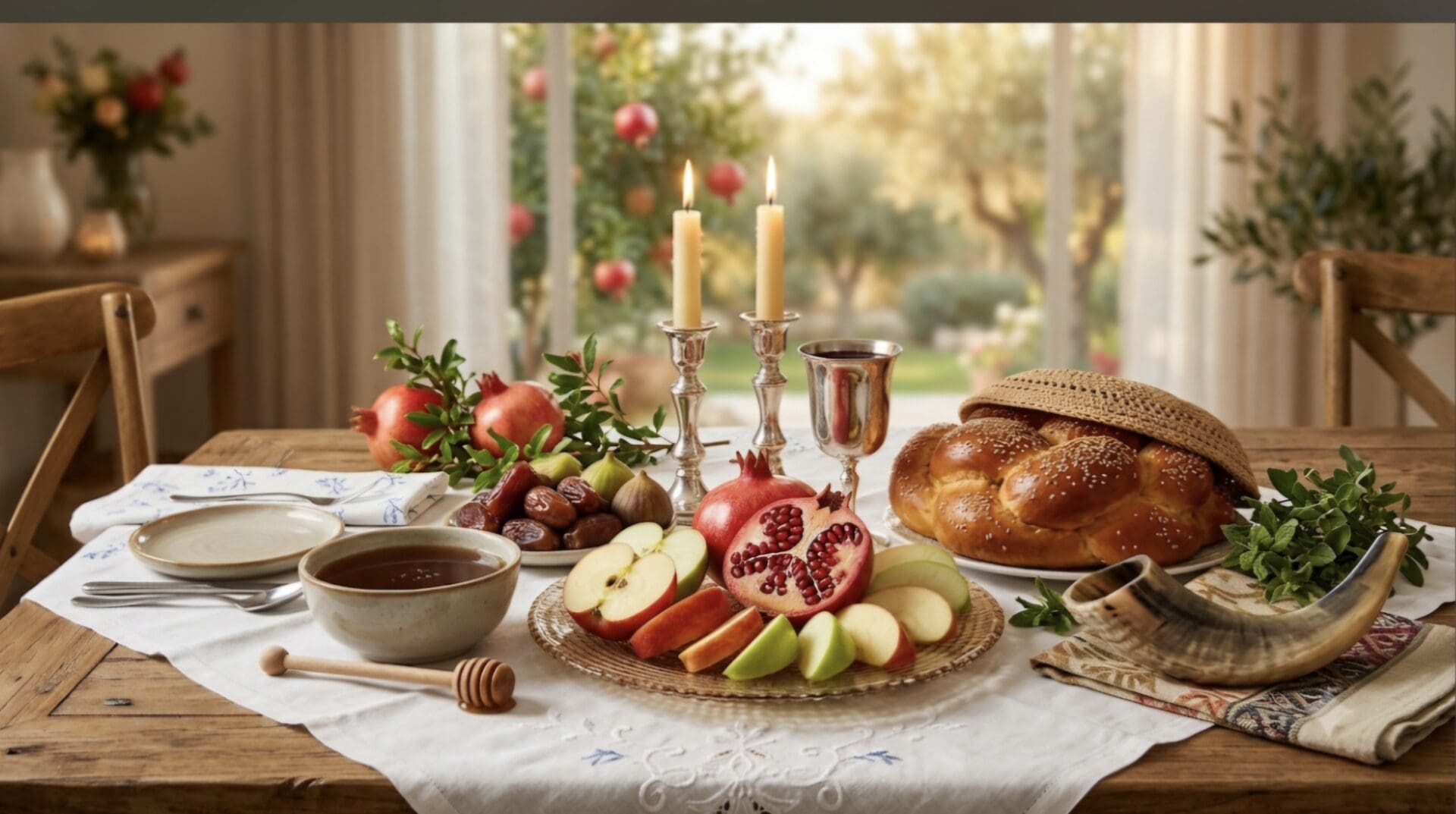
Perhaps there is no image more associated with Rosh Hashanah than an apple dipped in honey. The gesture is almost childish in its simplicity: sweet fruit, sweeter honey, and a blessing for a sweet year. But behind the custom lies an interesting history. The apple dipped in honey has never been the universal Jewish custom that it is today. It has become particularly associated with Ashkenazi traditions, while other communities have developed different sets of symbolic foods.
Jewish tradition has known for centuries the custom of eating foods on Rosh Hashanah that serve as a kind of language of wishes. In the Sephardic and Mizrahi communities, a particularly developed order of "Yeh Ratzon" (May it be your will), in which each dish is accompanied by a request for the coming year. A pomegranate can symbolize abundance due to its many seeds; dates, pumpkin, leeks, beets, legumes, and other foods have taken on symbolic significance in various communities.
The wish here becomes something you can hold in your hand. Instead of saying "I wish we had a year of abundance," you eat a pomegranate. Instead of saying "I wish you were sweet," you dip an apple in honey. Thus, an abstract hope becomes something you can taste.
The round beginning and the never-ending circle
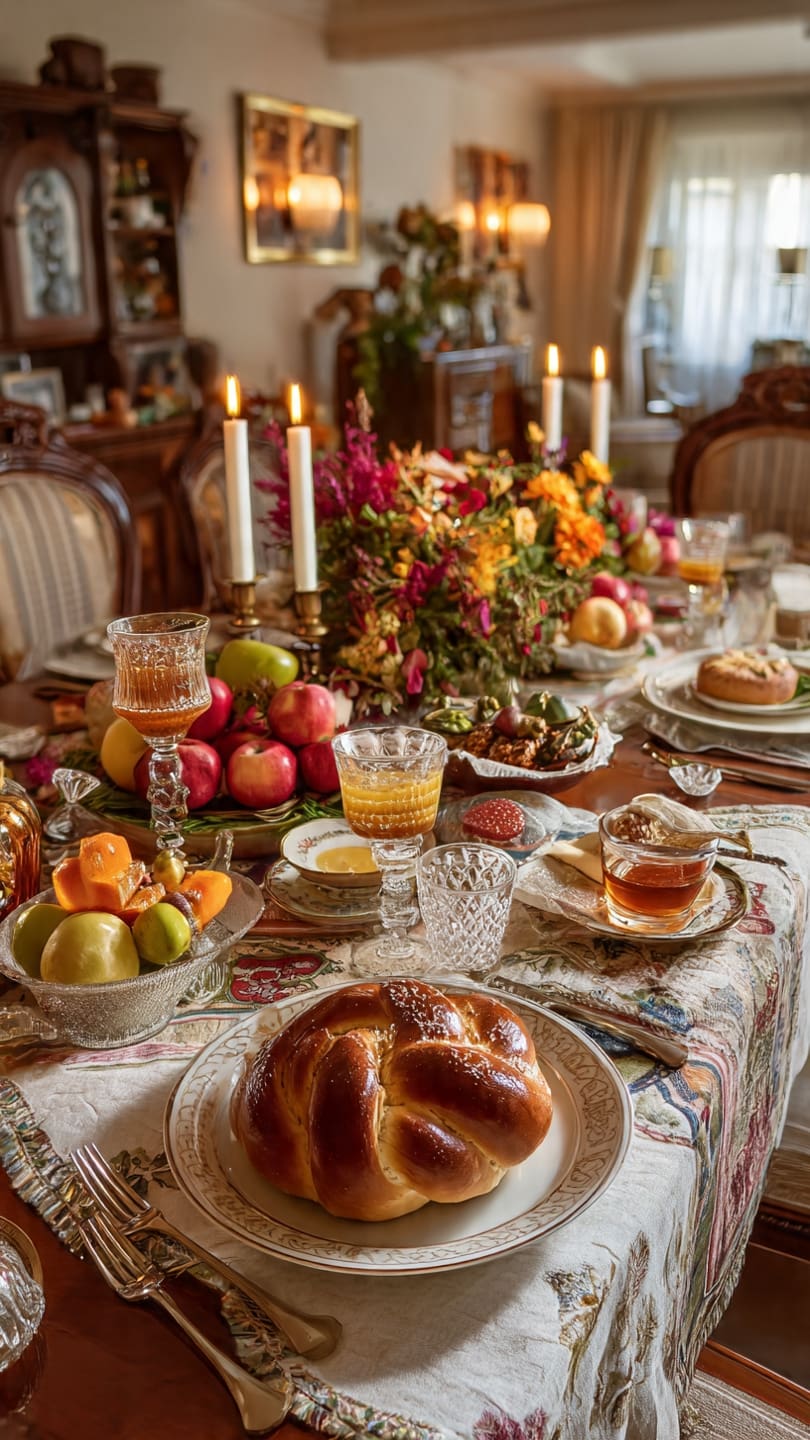
Challah also takes on a different shape on Rosh Hashanah. Instead of the familiar elongated shape, many people bake it round, a symbol of the circularity of the year and the cycles of life. Sometimes raisins or honey are added, to give it the same aspiration for sweetness. The circle is an especially interesting shape when talking about time. A straight line says: from here to there. A circle says: from here to here again.
The New Year is not really a blank slate. We enter it with the same people, the same memories, the same habits, and sometimes the same mistakes. What changes is the opportunity to look at them again. Perhaps that is why there is something soothing about the round shape of the challah: it reminds us that life is not necessarily a straight path, but a movement of repetition, correction, another try, and a new beginning.
By the water, trying to leave something behind
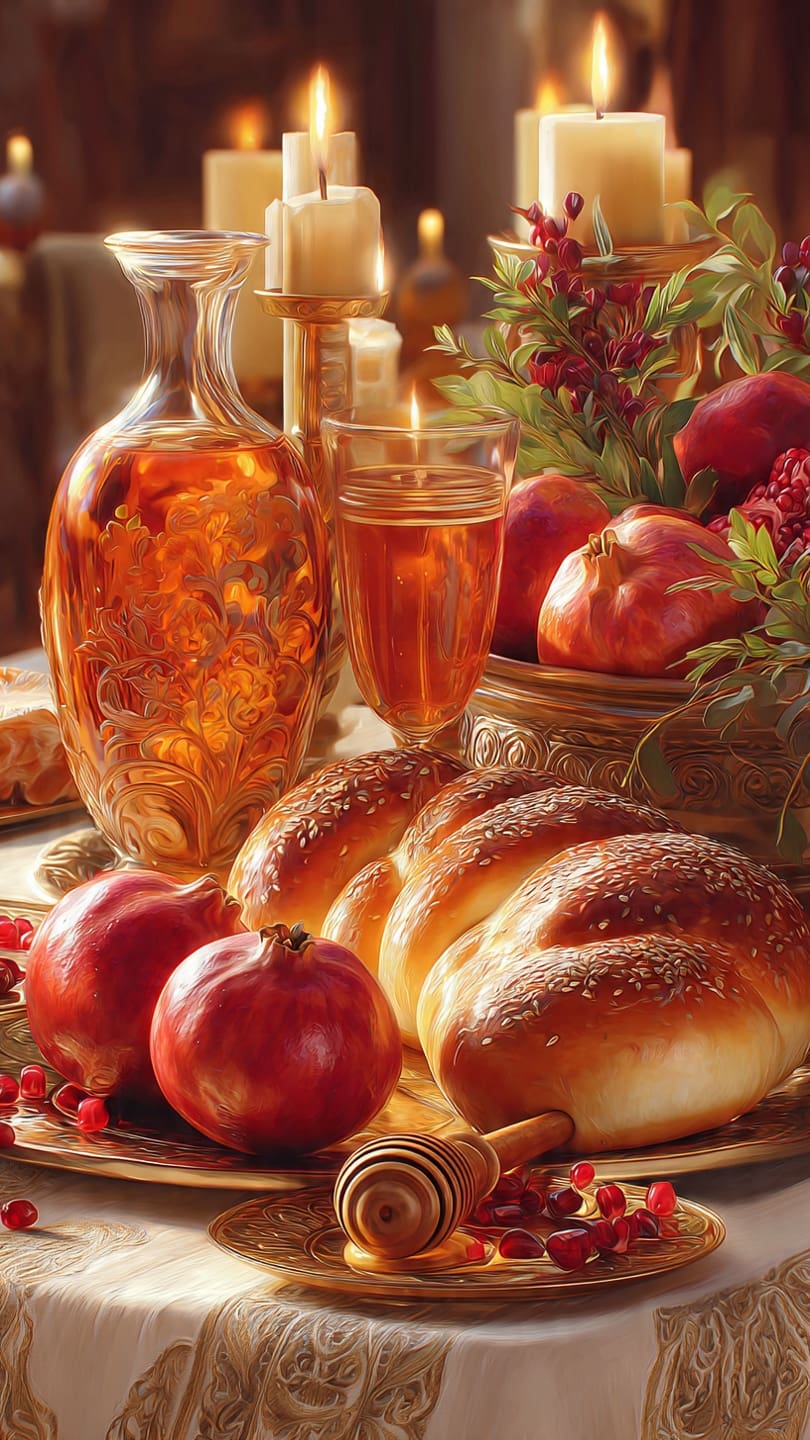
In many communities, the Rosh Hashanah custom of Tashlich is observed: going to a water source and praying about casting sins into the depths of the water. The water gives the ceremony an almost cinematic dimension. People leave the synagogue, move a little away from the streets, and stand by the sea, a river, a lake, or another water source. The ceremony connects a tangible action with an abstract idea: the possibility of saying goodbye to something we no longer want to carry with us.
It is no wonder that water returns again and again in different cultures as a representation of renewal. It flows, carrying with it what has been, and never stays in exactly the same place. The person standing by the water cannot really throw their memories or their mistakes into it. But they can create for themselves a moment in which they imagine that this is possible. Sometimes that is enough to get started.
And meanwhile, on the other side of the world…
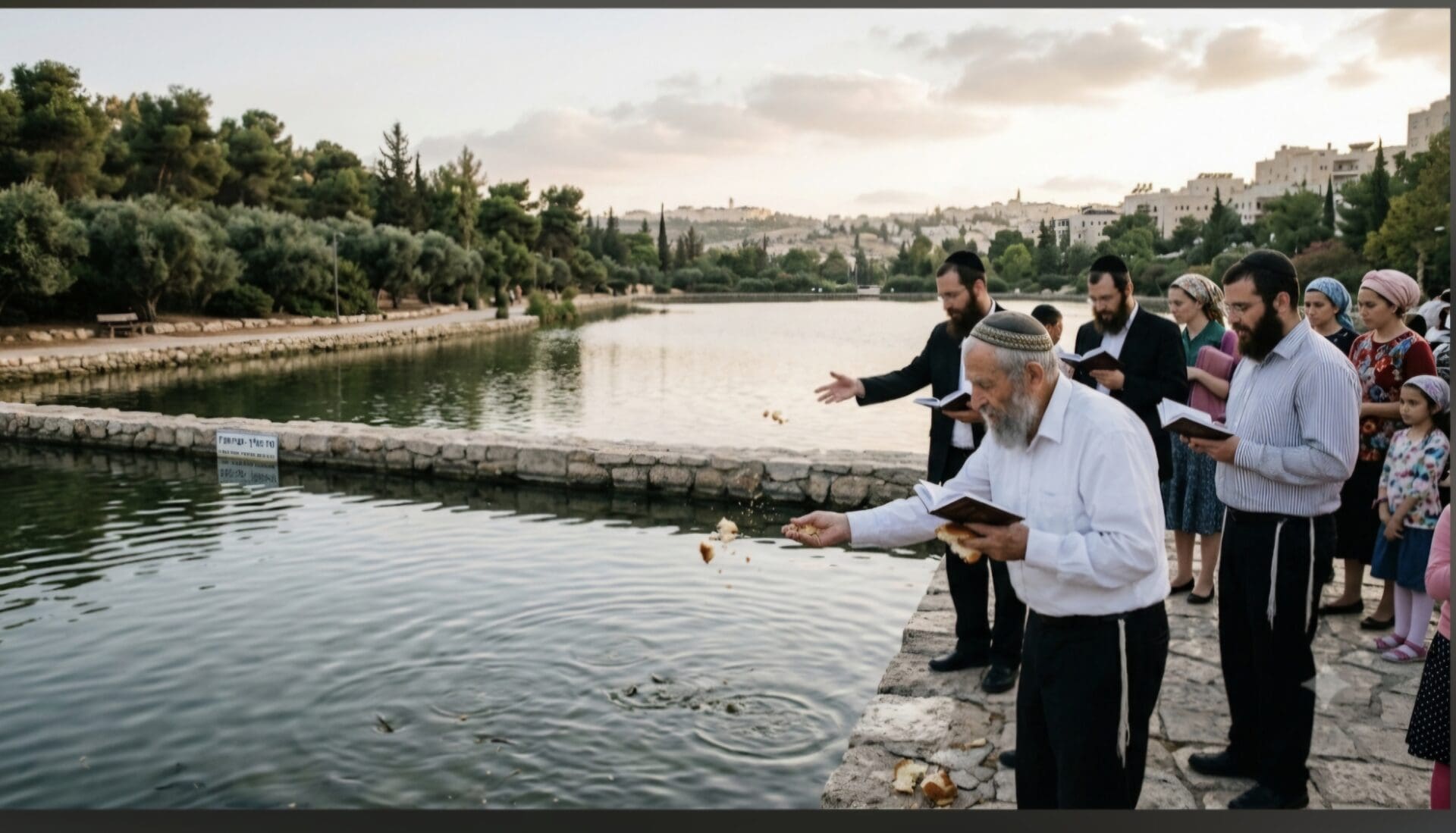
This human urge is neither Jewish nor Western. It is almost universal. In China, the Lunar New Year, or Spring Festival, is one of the most important events on the calendar. The holiday involves a long period of family gatherings, rituals, food, cleaning, and blessings. The house is cleaned, the family gathers, the food takes on meaning, the children receive attention and gifts, and people wish each other a good year.
The details are very different from the Jewish New Year, but the emotional structure is incredibly familiar. We clean the house, gather the family, eat meaningful food, bless the future, and try to leave behind what is not worth taking with us into the next year.
There is an important difference here. Humans do not necessarily agree on the date of the beginning of the year, but they do agree on the human need to celebrate it.
When the year begins differently: A journey through the world's New Year's Eves
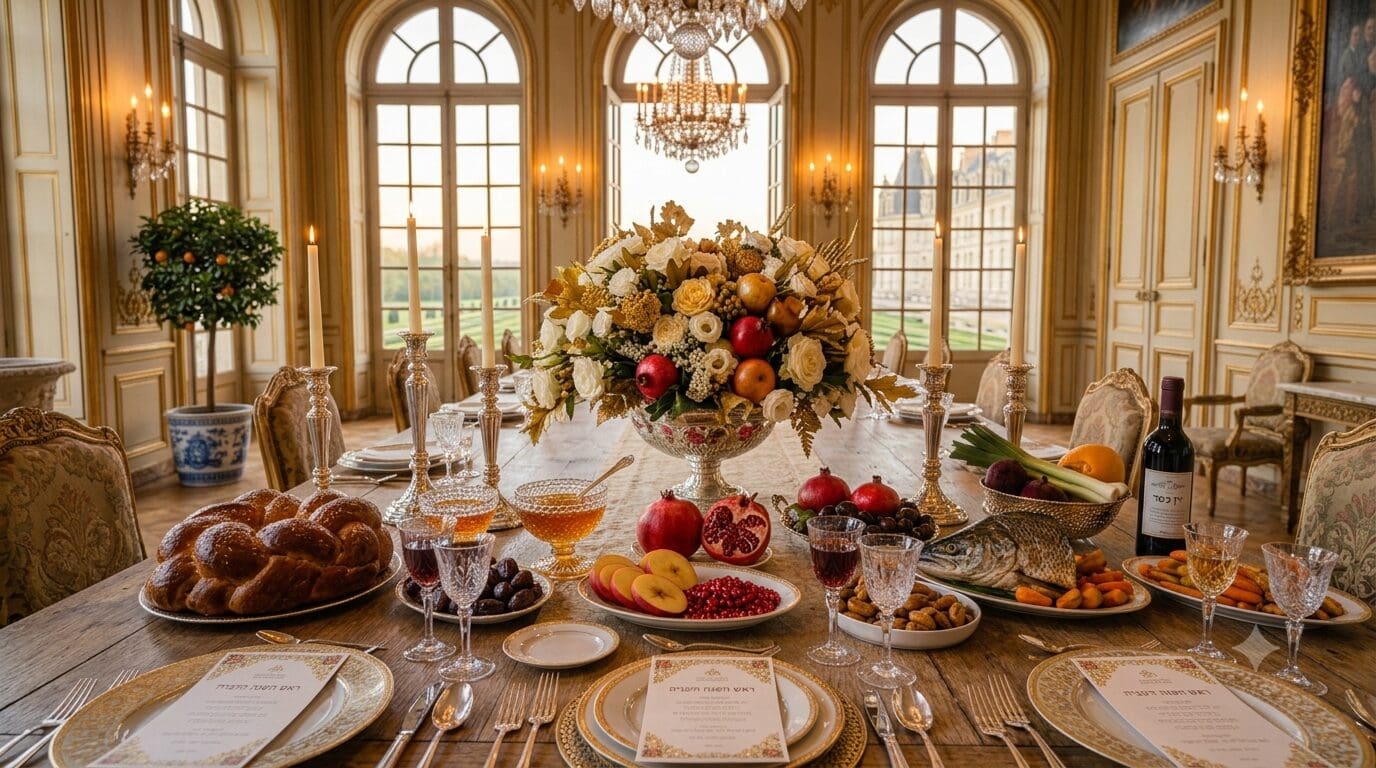
In one place the clock strikes midnight, in another it is spring that heralds a new beginning, and in another place it is water, fire or the rising sun that signals that it is time to start anew. The year, it turns out, does not begin at the same moment for everyone. It begins where people decide that the previous circle is closed. Midnight, or the moment when the world counts down – the start of the civil year: January 1.
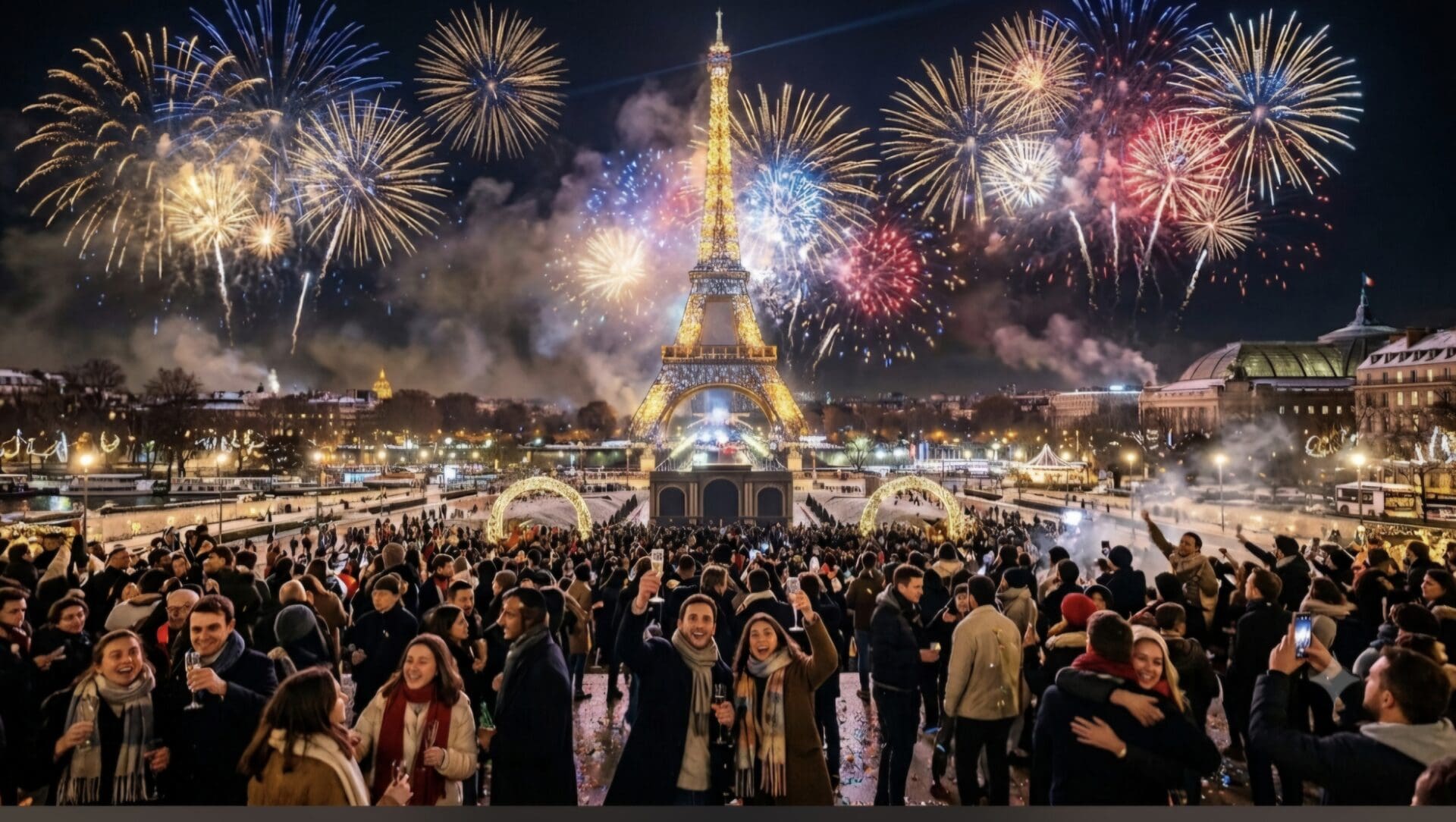
As most of the Western world prepares for January 1, the New Year seems like a fairly straightforward affair: the clock strikes midnight, glasses are raised, fireworks go off, and people embrace each other as if they have, together, crossed an invisible threshold. But January 1 is just one of the ways humanity defines the beginning of a year.
The Gregorian calendar, which has become the world's dominant civil calendar in recent centuries, gives January 1 a status of almost universal gateway. Countless customs have been built around it: New Year's resolutions, festive feasts, parties, fireworks, midnight kisses and, of course, the countdown. But beneath this global veneer lies a more fascinating fact: almost every culture has found its own way of saying to time, "Here we begin again."
Spain: Twelve Bells, Twelve Grapes
The start of the year: January 1, immediately after midnight between December 31 and January 1.
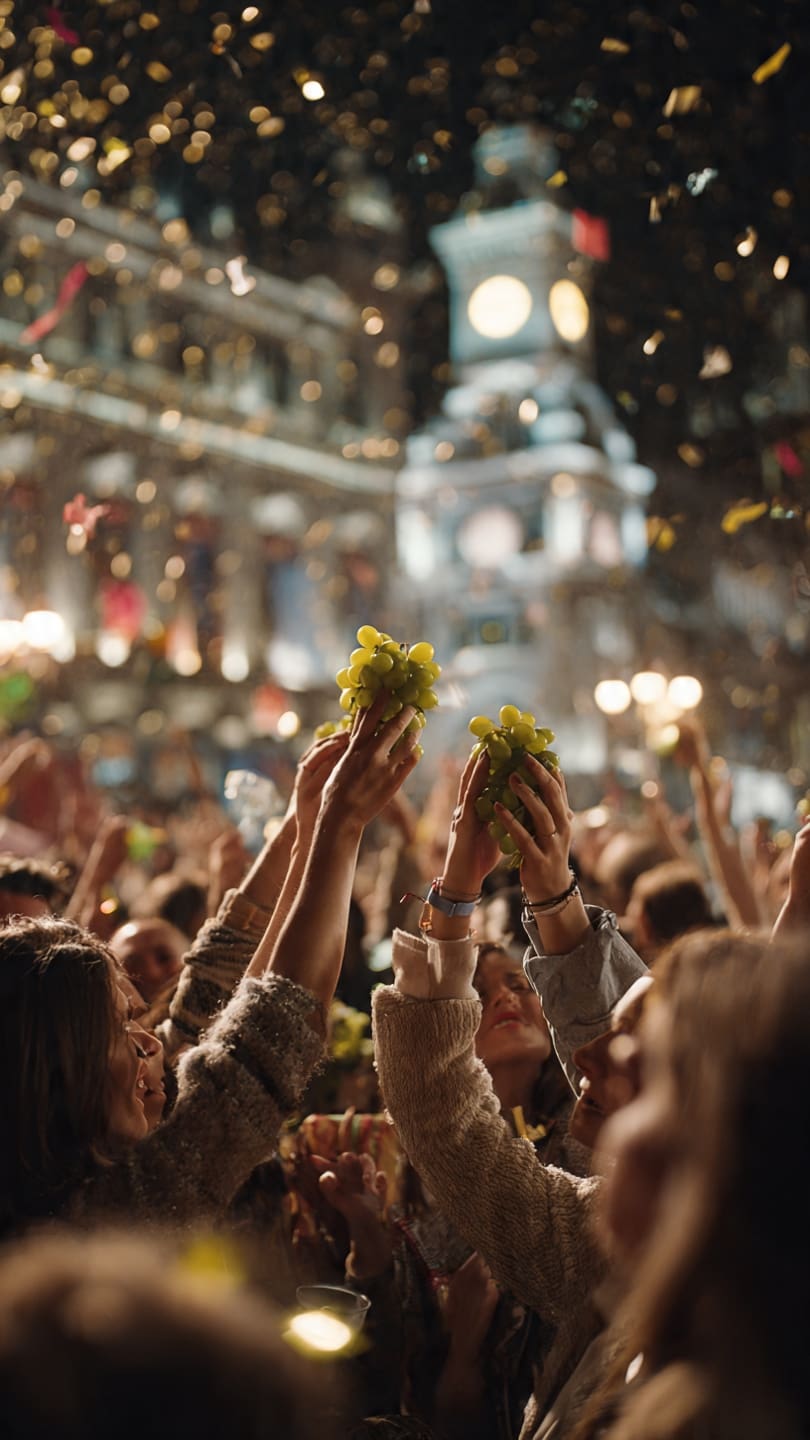
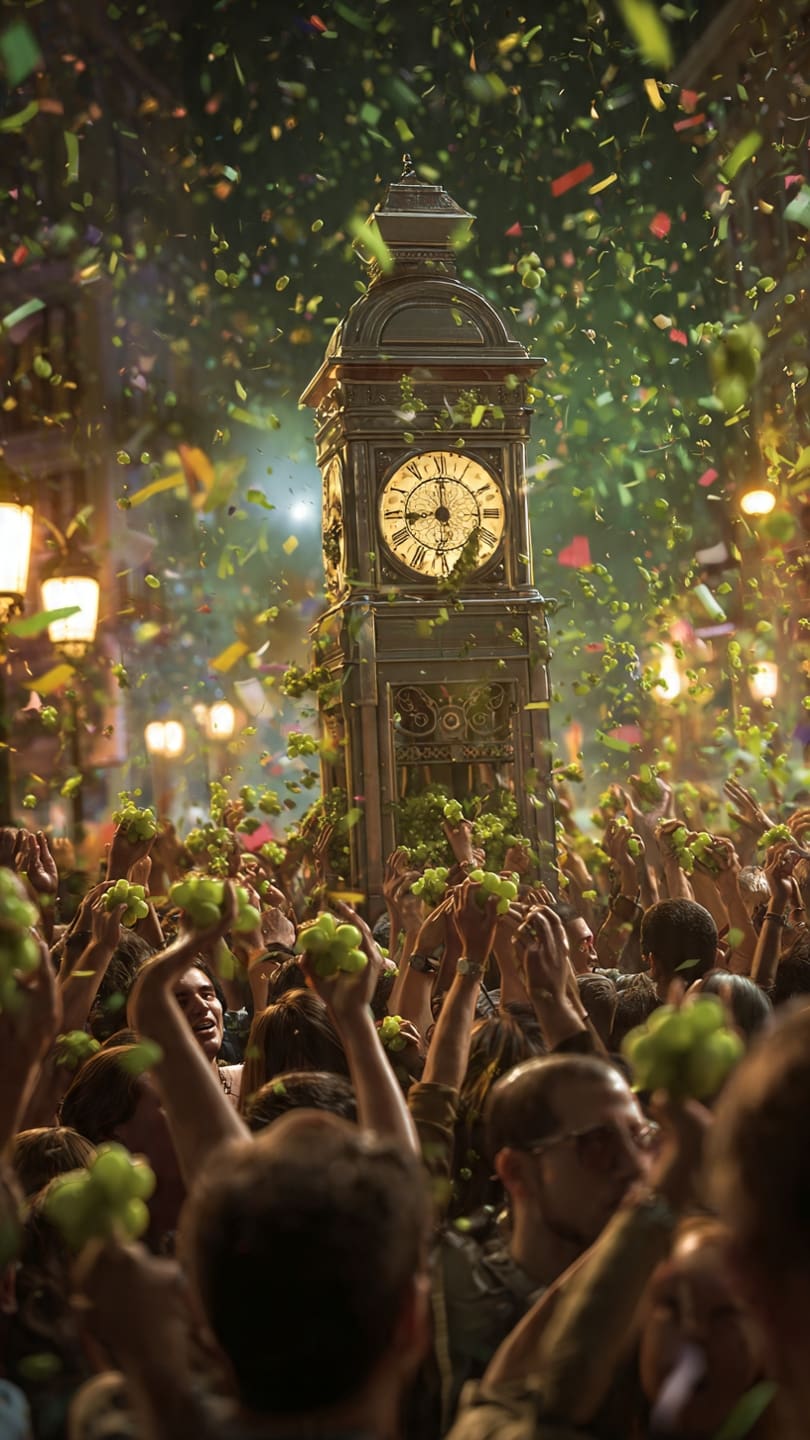
In Madrid, Barcelona and other cities in Spain, the transition to the New Year is almost an acrobatic exercise. When the clock strikes midnight, 12 grapes are eaten, one for each chime. Each grape represents one month of the coming year, and whoever manages to finish them all in time hopes to win a year of luck and prosperity.
It's a small custom, almost comical, but it has a big idea: to make the coming year something you can hold in your hand. Not an economic forecast, not astrology, not a promise. Twelve small grapes, each carrying an entire month on its back.
Denmark: Jump to the year
The start of the year: January 1, at midnight between December 31 and January 1.
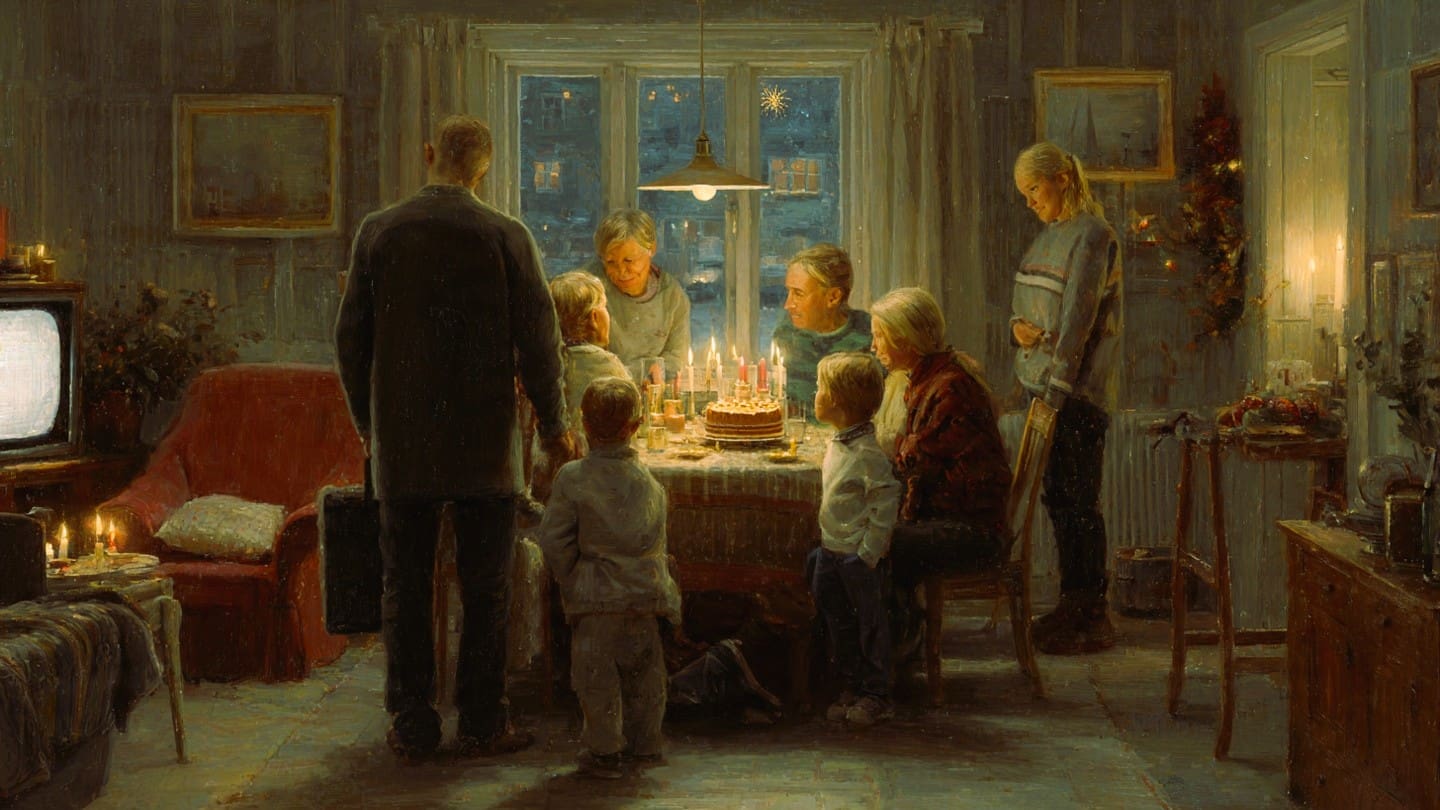
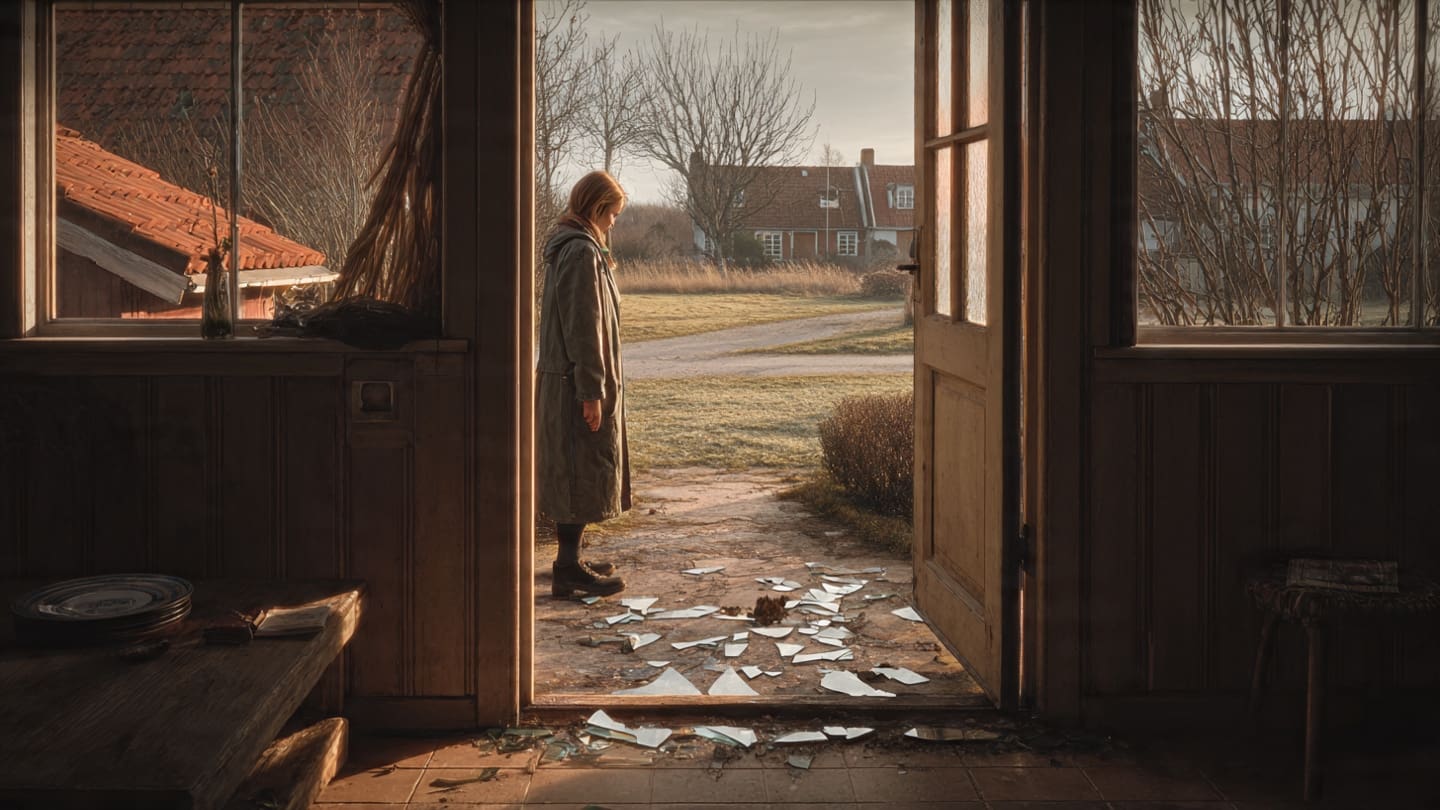
In Denmark, the transition to the New Year can be a little more physical. One well-known tradition is to jump out of a chair or couch at exactly midnight, as if one is not just entering the New Year but actually leaping into it, hoping to bring good luck with it.
Along with this, kransekage, a traditional Danish ring cake, is served, and of course champagne and fireworks. For many, the evening begins with a festive meal and watching the King's New Year's speech. This creates a typical Danish combination: a state ceremony, a family meal, cake, champagne, and finally a little leap into the future.
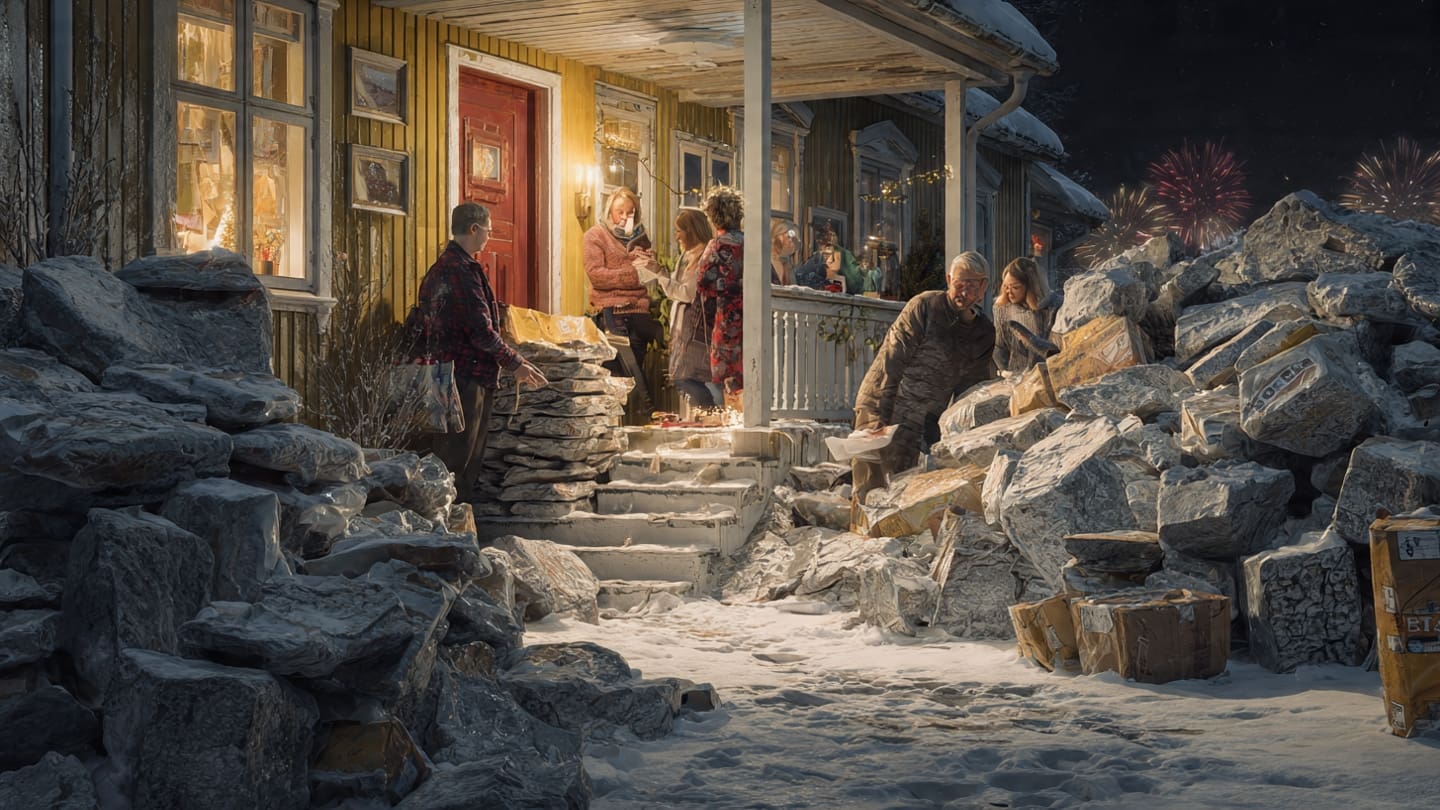
Another, slightly wilder tradition involves breaking pottery or plates at friends' doors as a gesture of greeting for the new year. In a culture where people are usually careful not to break dishes in another person's home, the Danes have turned the act of breaking into a gesture of friendship.
Scotland: Fire, Poetry, and Memory
Start of the year: January 1. Hogmanay celebrations begin on the evening of December 31 and continue into New Year's Day.
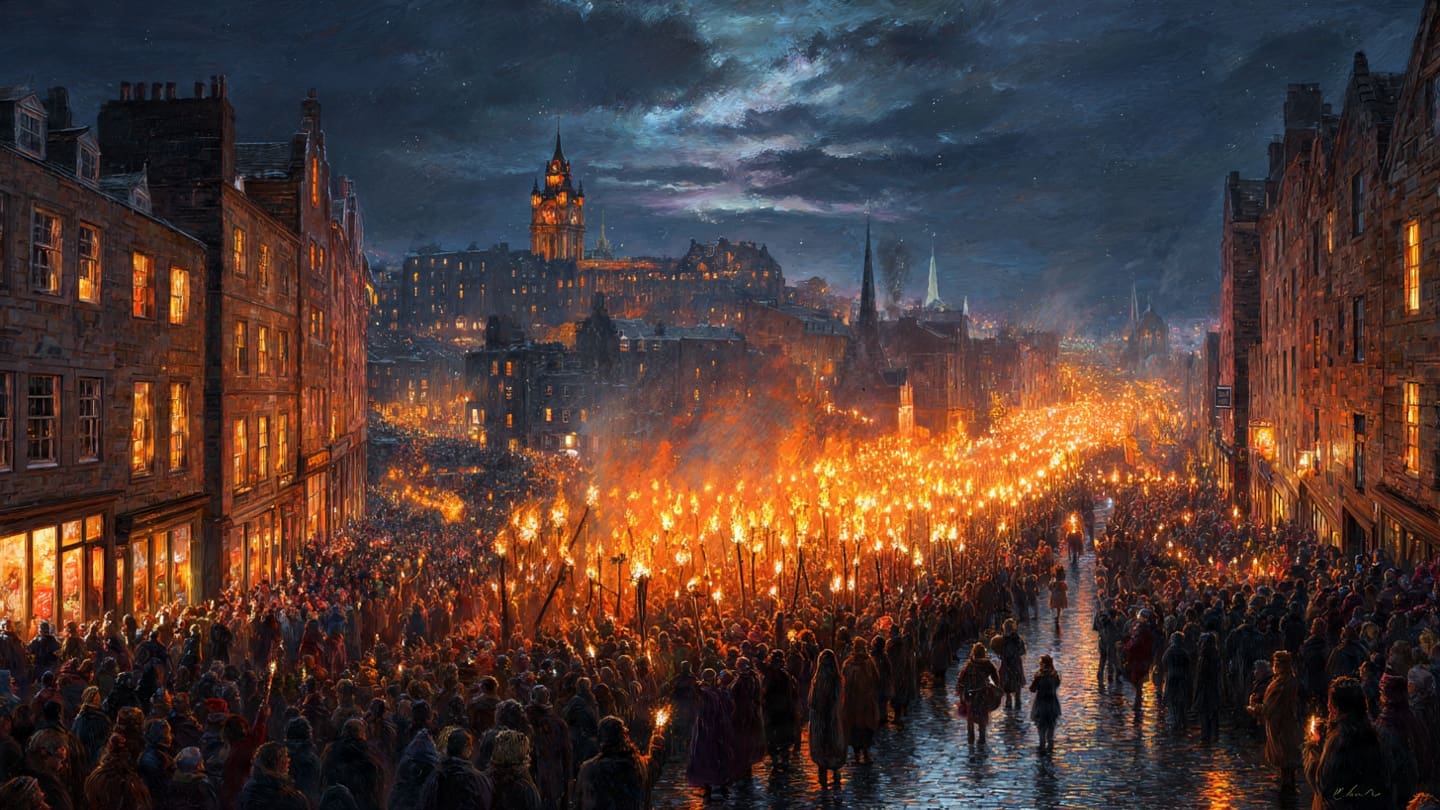
At the end of December, when the Scottish winter gets dark early, it seems that the New Year there needs more than distillation, it needs fire.
Hogmanay, the Scottish name for New Year's Eve celebrations, is one of the most iconic events in Scotland. Across the country, torchlight processions, street parties and celebrations are held that sometimes last beyond January 1. In Edinburgh, the torchlight procession turns the streets into a river of fire.
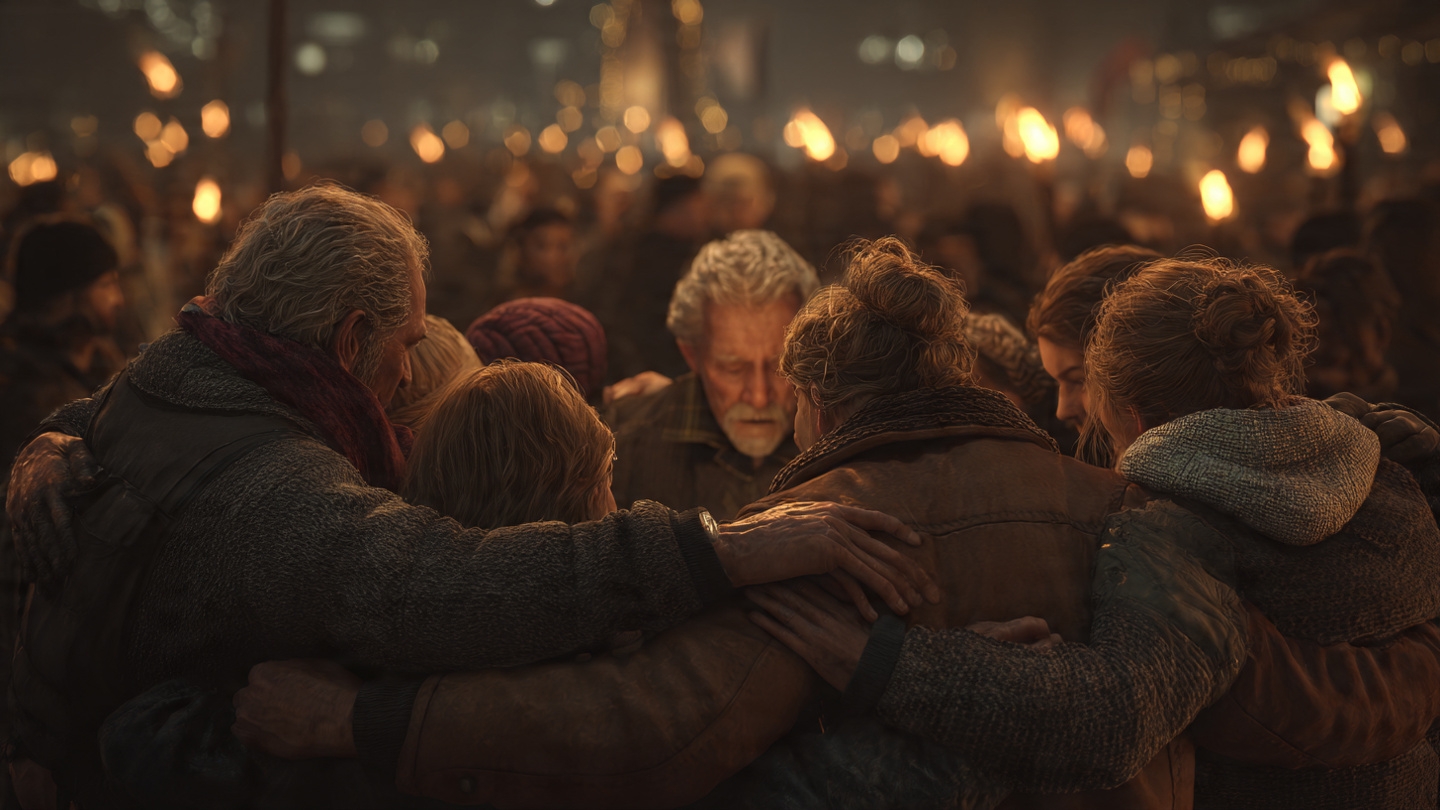
Then comes one of the most recognizable moments in the world: people join hands and sing together Auld Lang Syne, the song written by Scottish poet Robert Burns based on an older Scottish song. In a strange and beautiful way, the New Year's song is not just about the future. It is about what has already passed, about friends, about memories, and about the time that was.
Maybe that's why it has survived for so many years: to enter a new year, you sometimes have to look back first.
Japan: The New Year Enters Quietly
Start date of the year: January 1.
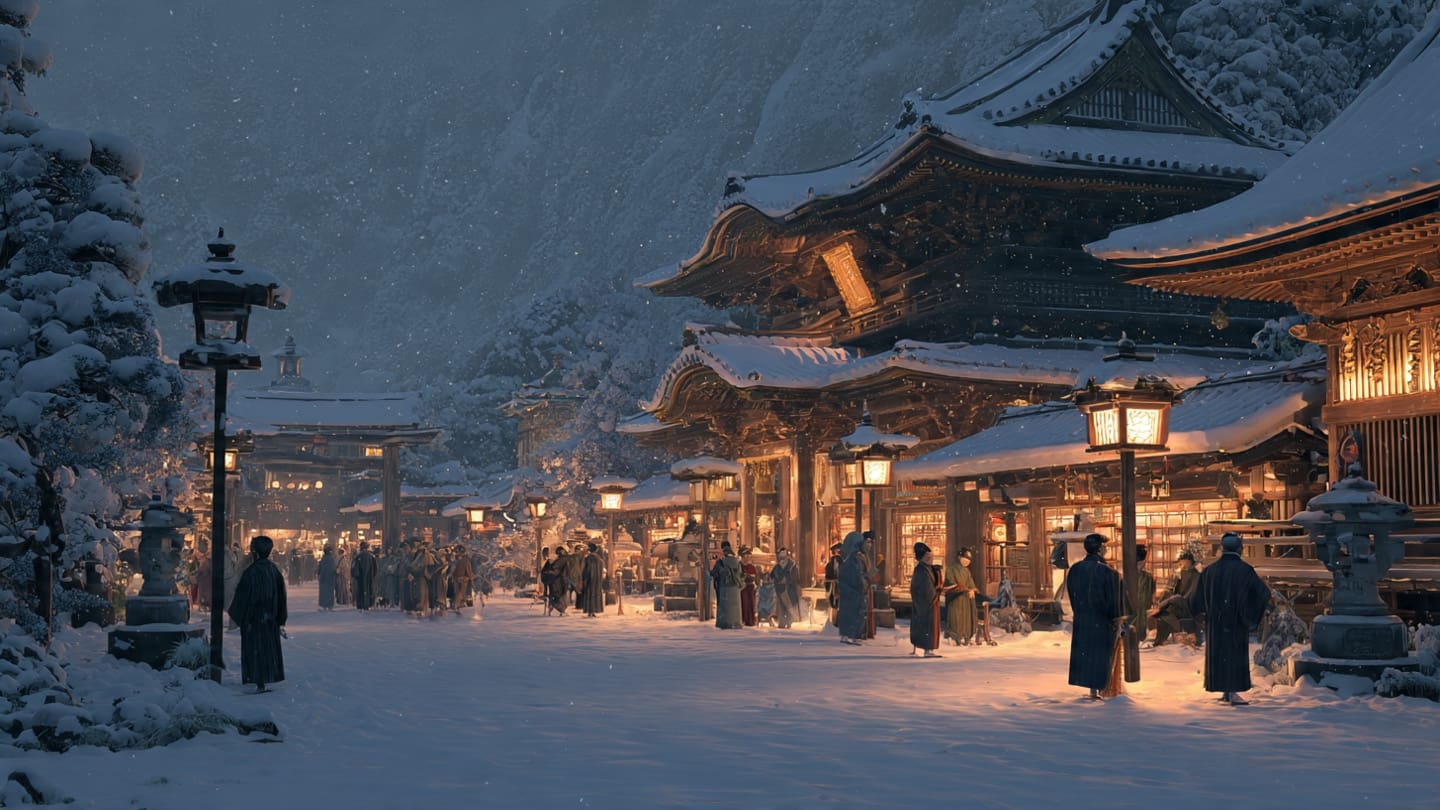
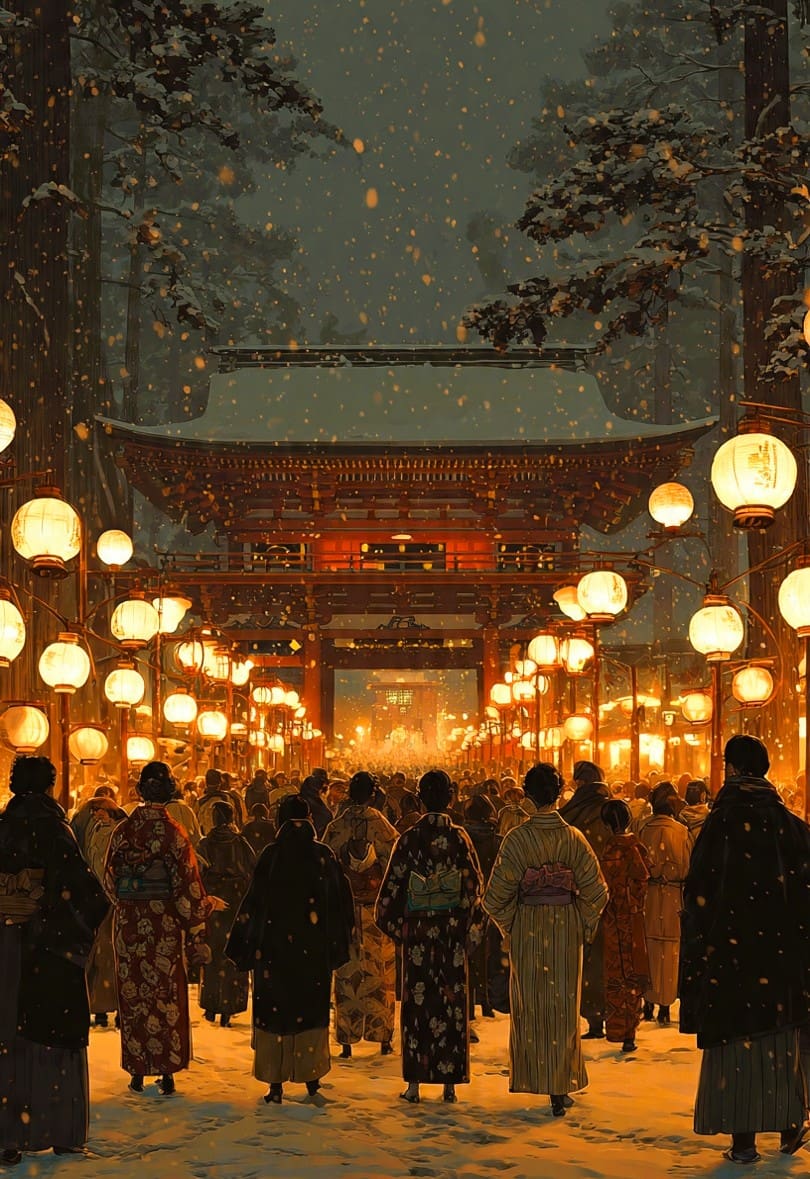
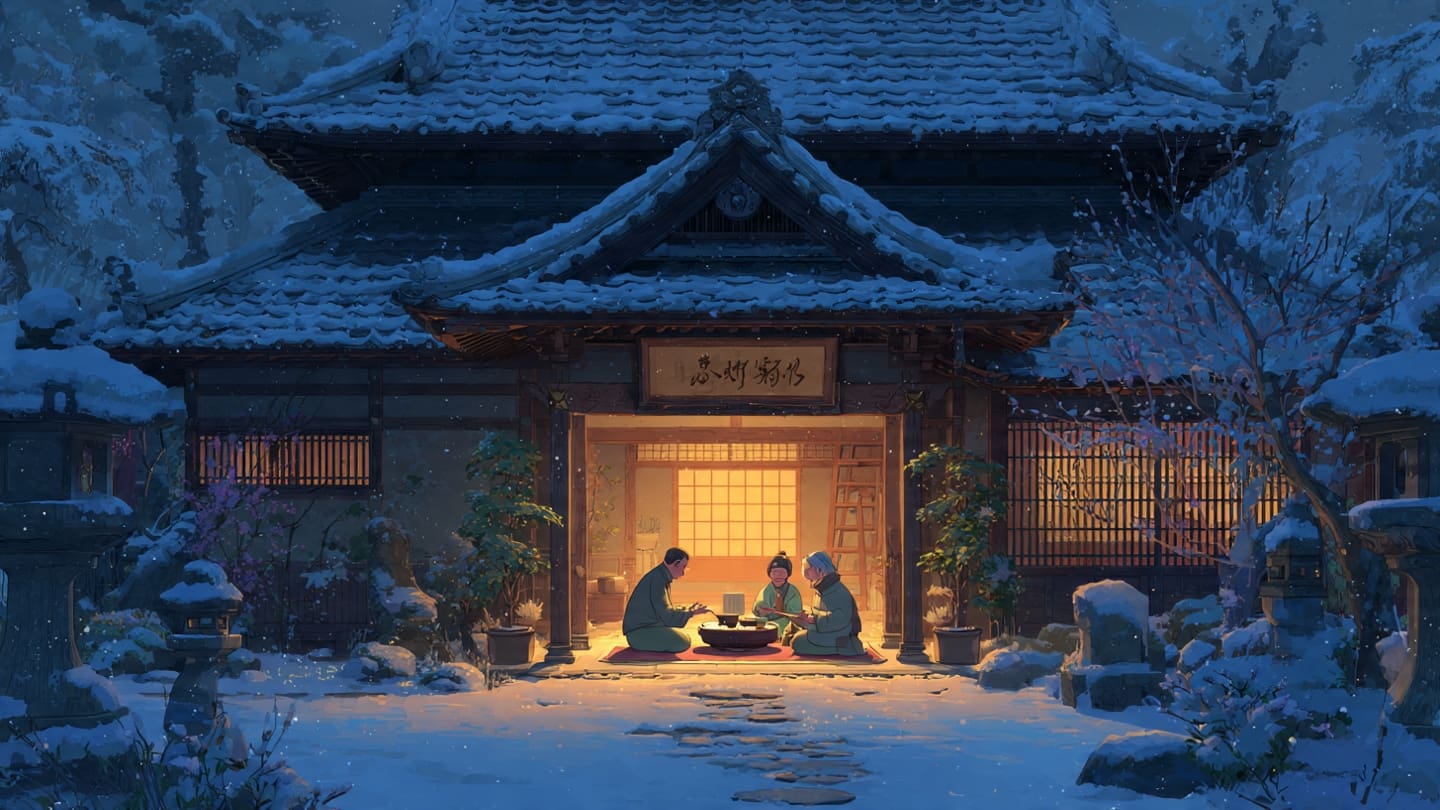
In Japan, New Year's Day, Shōgatsu, is not necessarily a night of noise. The beginning of the year can actually be a time of cleaning, gathering, family, and ceremony.
Towards the end of the year, the house is thoroughly cleaned, as if the dust that has accumulated in the previous months is not just dust. It becomes a symbol of the past year. The house is cleaned, traditional decorations are placed at the entrance, and in the evening, toshikoshi soba, long buckwheat noodles, whose symbolism is linked to longevity, is eaten.
At midnight, the bells of Buddhist temples are rung. In Japanese tradition, they are rung 108 times, a number associated with human desires and weaknesses that must be purified. Then comes one of the beautiful customs of the year: hatsumōde, the first visit of the year to a temple or Shinto shrine, to pray, give thanks, and ask for blessings for the coming year.
And on the first morning, some go out to watch hatsuhinode, the first sunrise of the year.
Instead of dancing against the clock, the Japanese look at the sun.
China and East Asia: A Year of Rebirth
Chinese New Year begins on the first day of the first month of the Chinese calendar, so the date changes every year. In 2026, Chinese New Year falls on February 17.
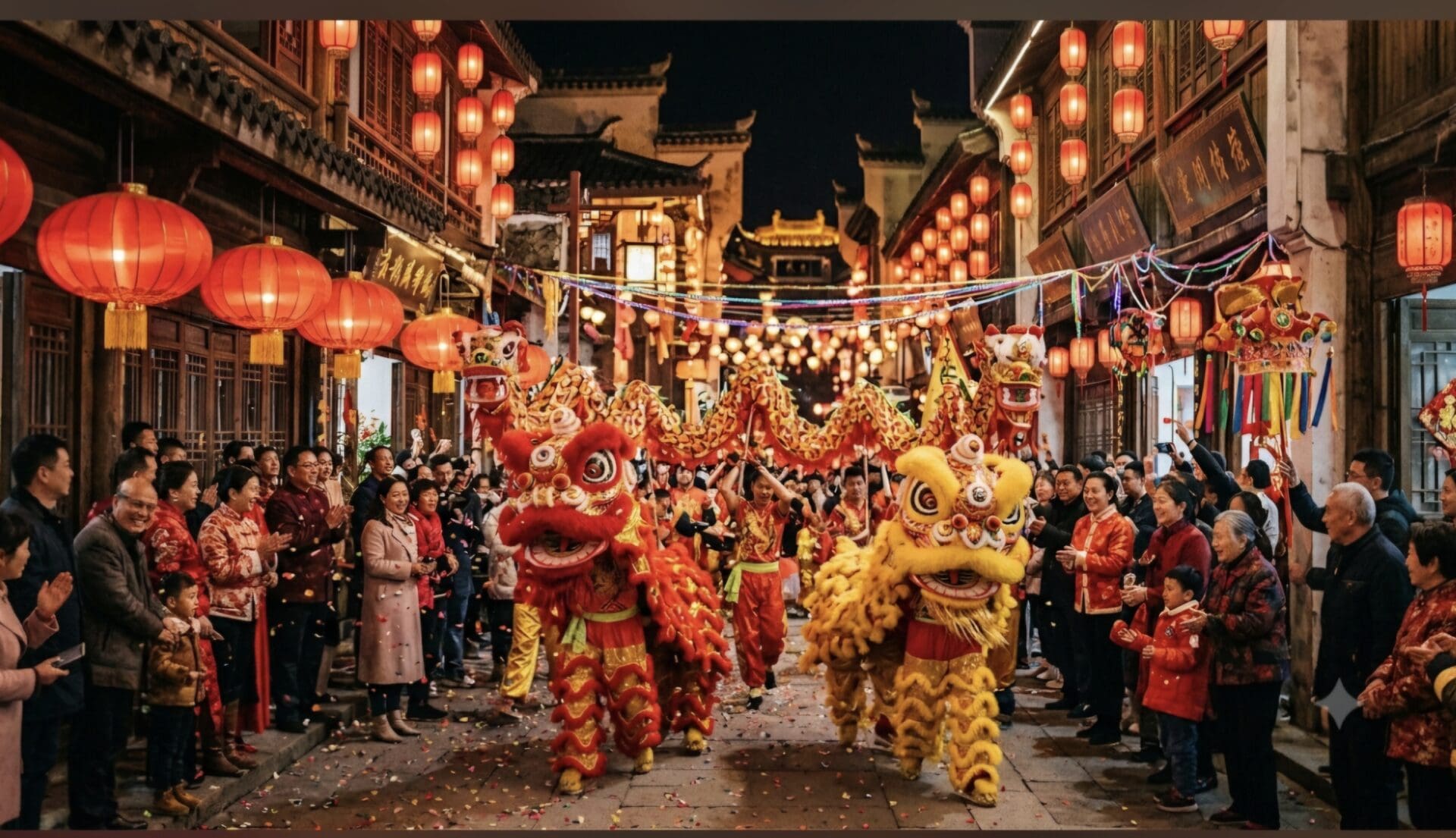
In many places in East Asia, the beginning of the year is not tied to January 1. The Lunar New Year moves between different dates in the Gregorian calendar, depending on the cycles of the moon, and is celebrated in different traditions in China, Korea, Vietnam, and other communities.
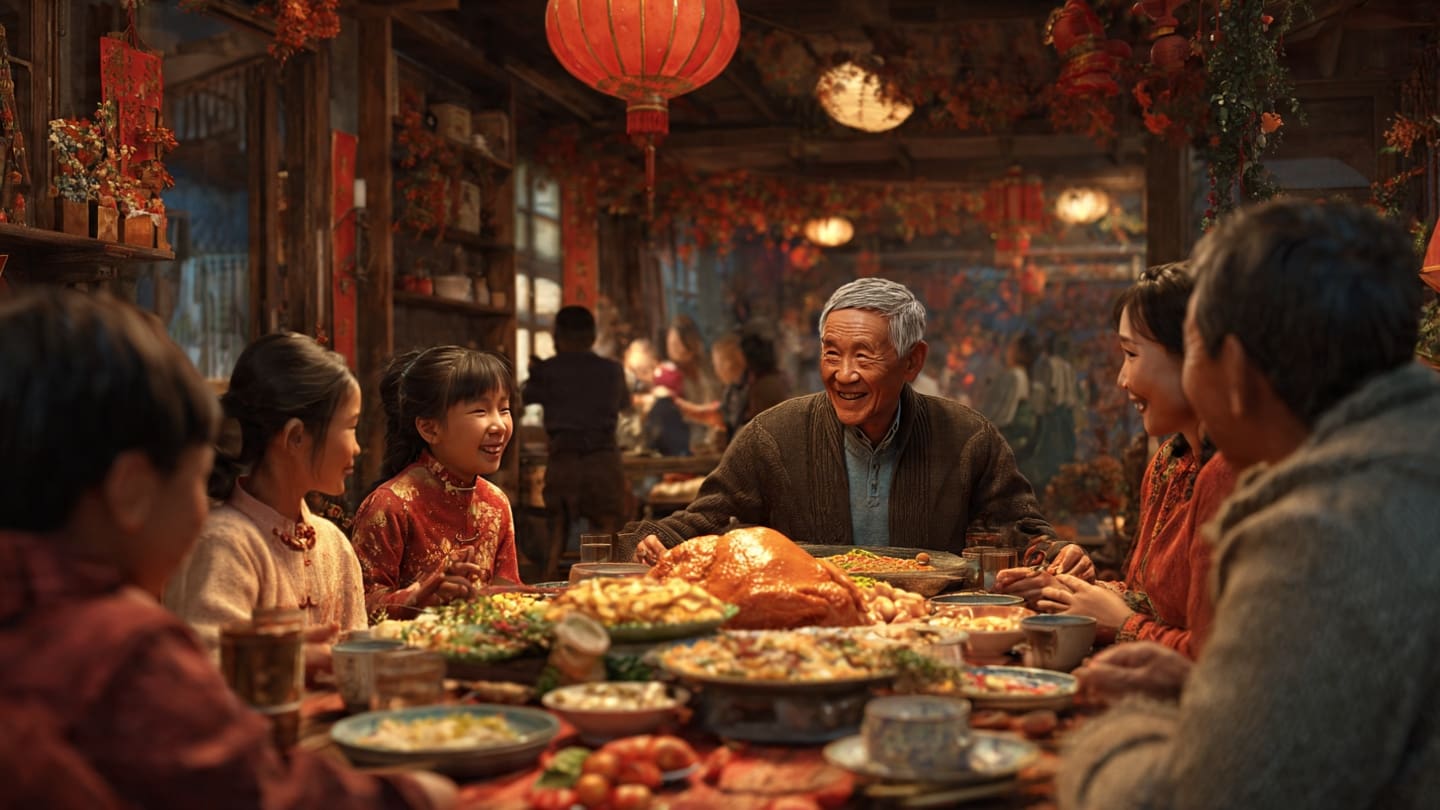
One of the central ideas that recurs in these traditions is the family reunion. People travel great distances to return home, houses are thoroughly cleaned, festive food is prepared, and parades and celebrations take place in the streets.
Here, the home is not just a place to live. It becomes an arena where the old year is swept away and the new year is invited in. The cleaning is a practical act, but also symbolic; the new order is a kind of declaration of the possibility of starting over.
In Chinese traditions, there is also great importance to foods that symbolize blessing, wealth, longevity, and happiness. Food, in this case, is not just a meal; it is a language.
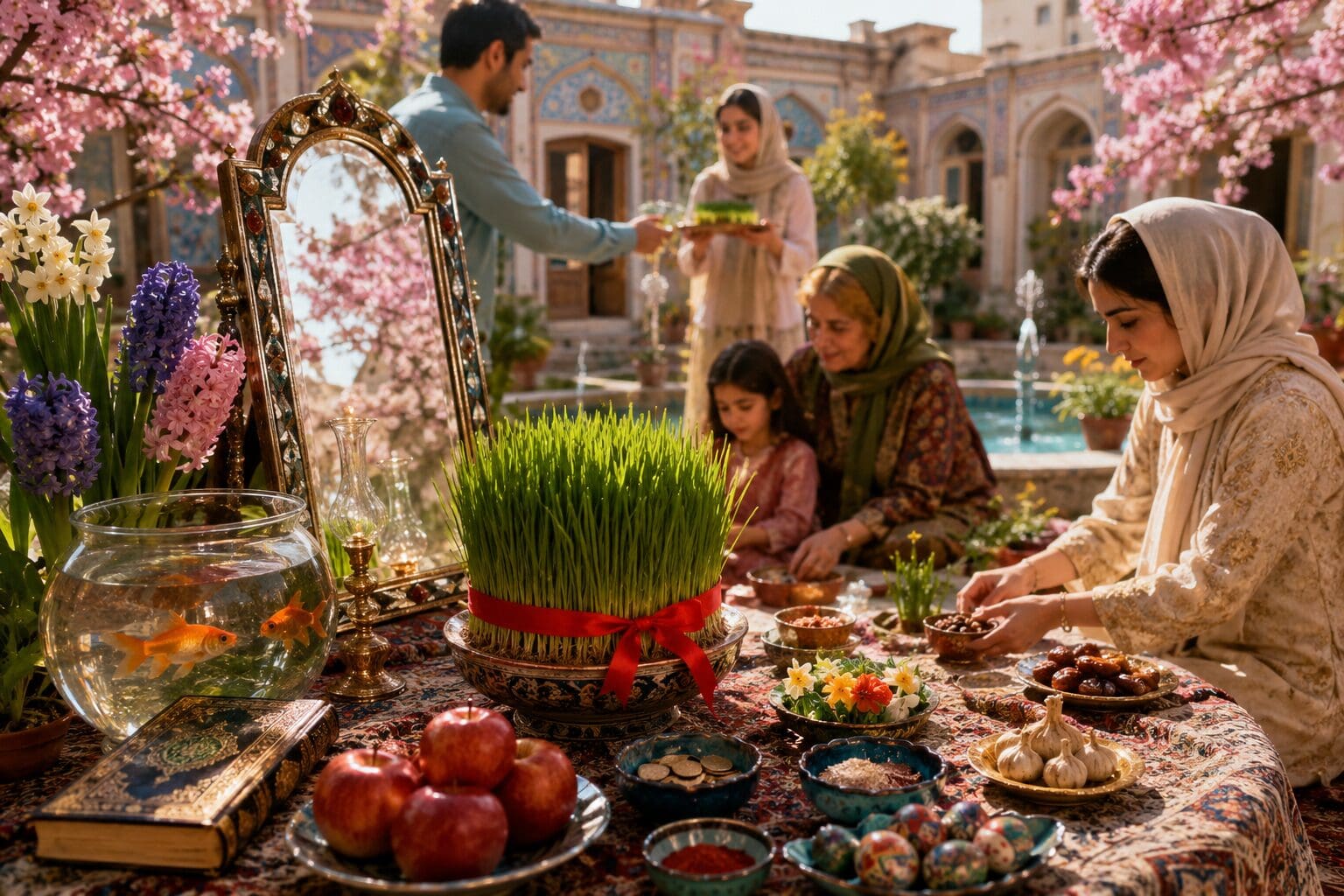
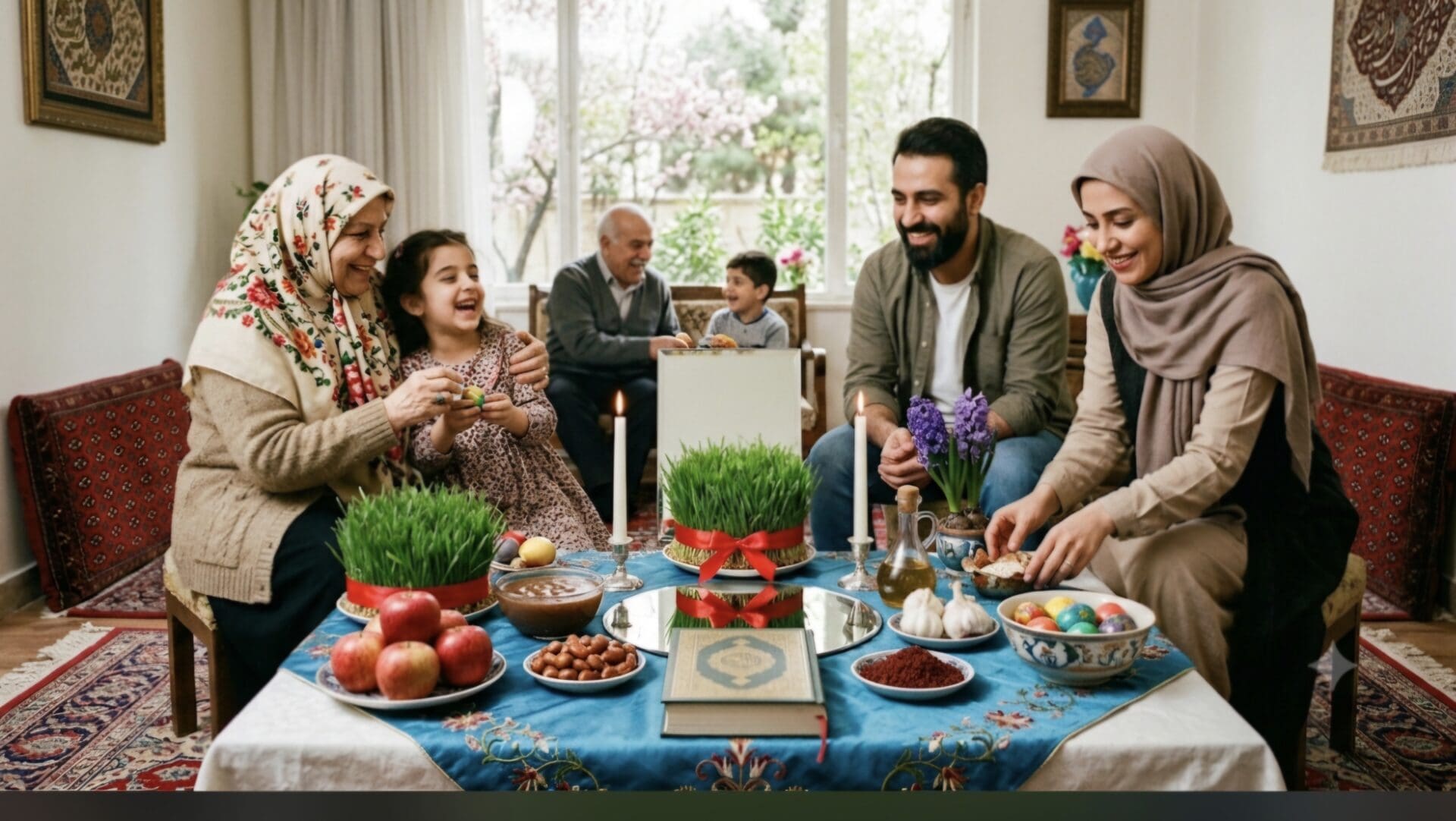
Iran and Central Asia: When Spring is New Year's Eve
The beginning of the year: March 21 in the Nowruz tradition, while astronomically the date is related to the vernal equinox, so in Gregorian terms it may fall on March 20 or 21.
There are places in the world where it's hard to imagine the New Year in the middle of winter. At Nowruz, the Persian New Year, the year begins with spring.
Nowruz, which means "new day" in Persian, falls around the vernal equinox, symbolizing the renewal of nature. It is celebrated not only in Iran but across a wide region that includes many countries in Central and West Asia. UNESCO has recognized it as an Intangible Cultural Heritage of Humanity.
Here, the New Year is not born overnight. It is born from a change in nature.
Houses are thoroughly cleaned. Bonfires are lit. People jump over the fire. Families gather around a festive table, singing and music accompany the holiday, and children participate in customs passed down from generation to generation.
Fire here gives an almost opposite meaning to that of winter: it not only warms, it symbolizes transition, purification, and overcoming darkness.
Thailand: Entering the New Year by Water
Traditional New Year Start Date: April 13. Songkran celebrations are usually held from April 13 to 15, with April 13 being the official Songkran Day.
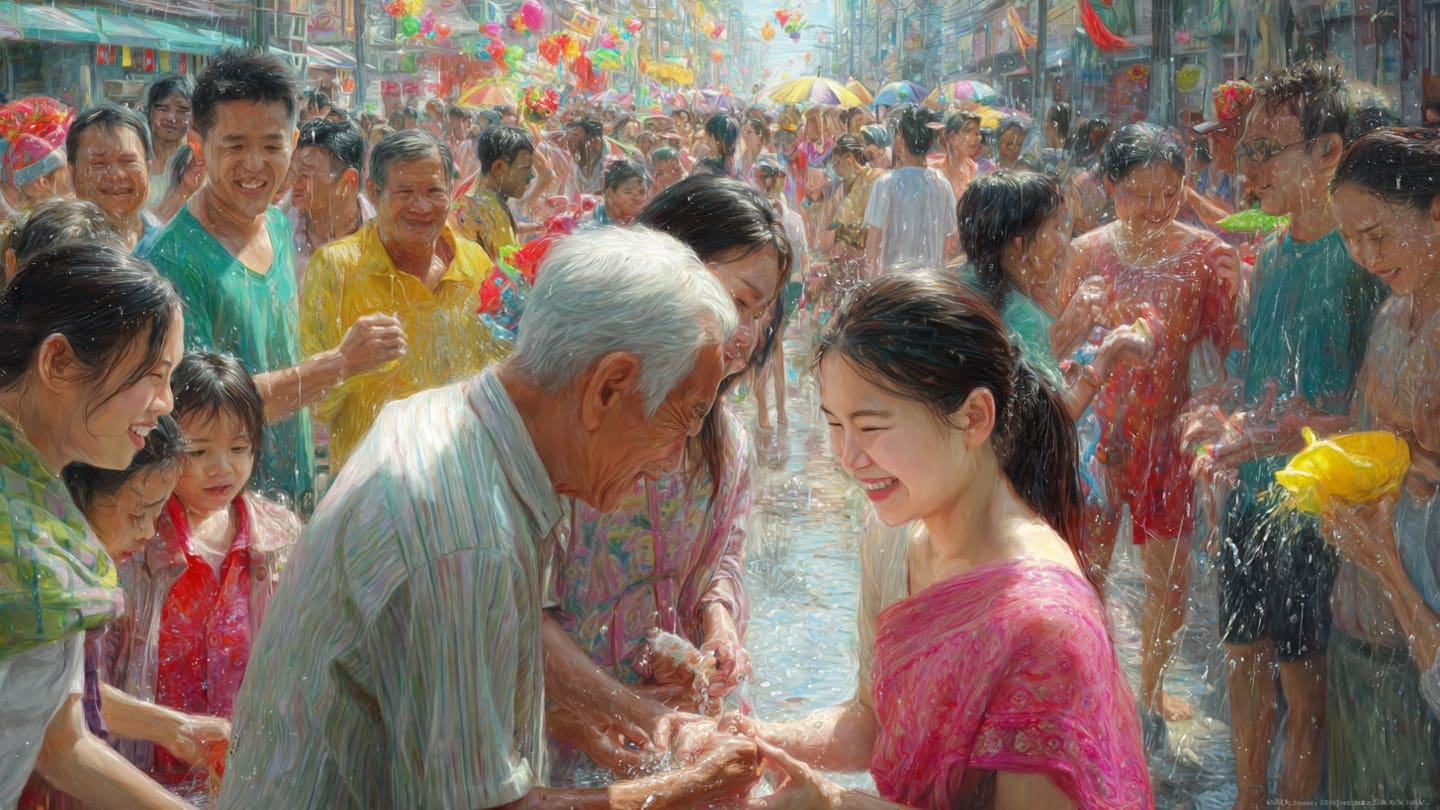
As mentioned, in Thailand, Songkran, the traditional New Year's holiday, takes place in April. The word itself is associated with movement and transition, and the holiday is particularly associated with water.
But before the streets turn into a giant water fight, there is a deeper meaning to the custom. Water is used as a symbol of cleansing, purifying, and leaving bad luck behind. Young people honor older family members by pouring water on their hands and feet.
Then, the streets change.
A bucket becomes a ceremonial vessel, a water pipe a means of joy, and the entire city surrenders to a few days of joyful wetness. What began as a ritual of respect and purification has over the years also taken on a public, colorful, and touristic character. And yet, at its heart remains the simple idea: to start anew, you can sometimes simply wash away what was.
Ethiopia: The year that comes with flowers
New Year's Day: September 11 in most years, and September 12 in the year before a leap year according to the Ethiopian calendar. In 2026, the new year will begin on September 11.
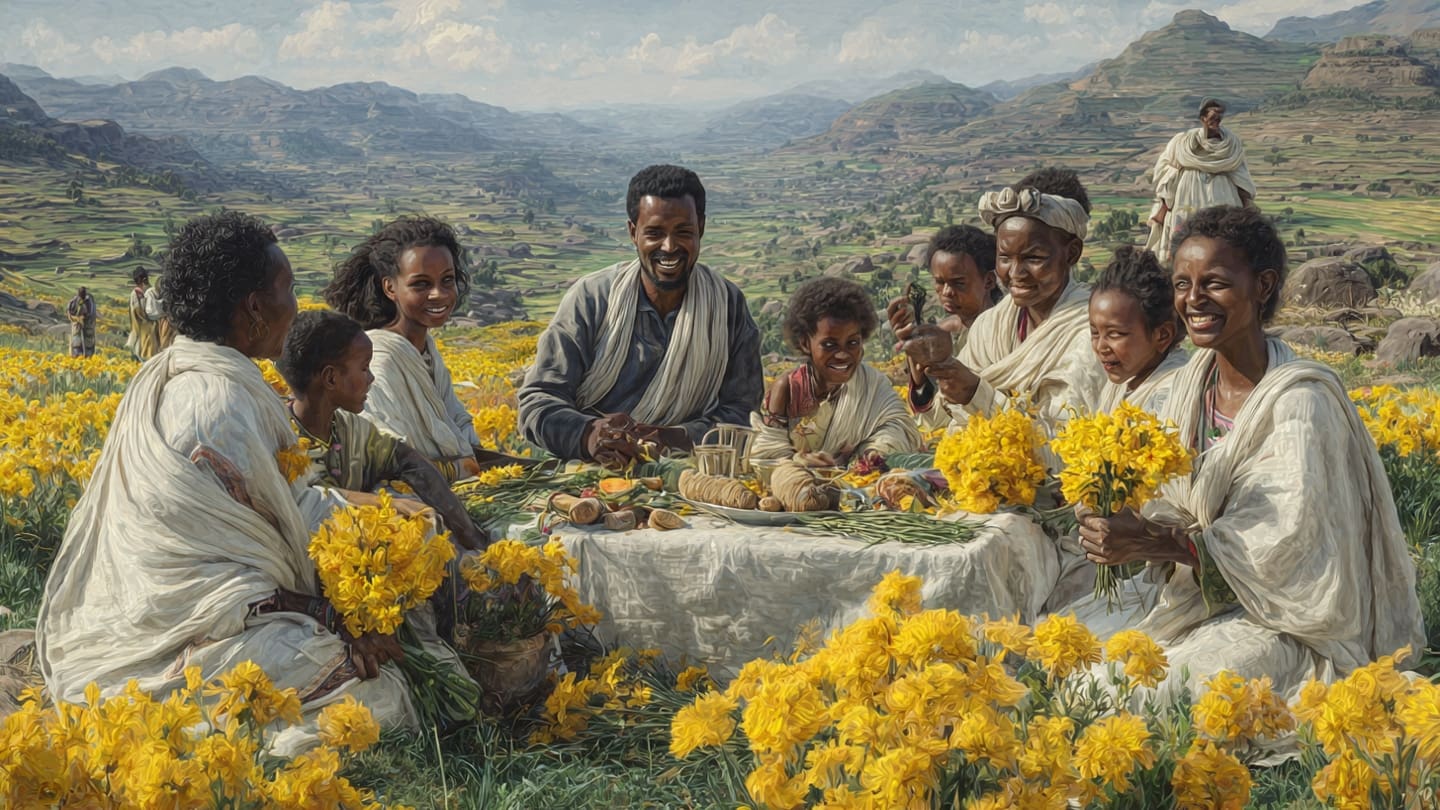
In Ethiopia, Enkutatash marks the new year according to the Ethiopian calendar, usually on September 11, and in some years on September 12. It comes near the end of the rainy season, when yellow flowers begin to appear in the landscape.
The holiday sometimes lasts several days and is family-oriented. People return to their homes, gather around food and drink, and children join in the festivities. The very fact that the new year comes with blossoms connects the calendar to the earth: the year is not just a number that has changed. It is a season that has changed.
Brazil: White color, sea and wishes
Start of the year: January 1, after New Year's Eve of December 31.
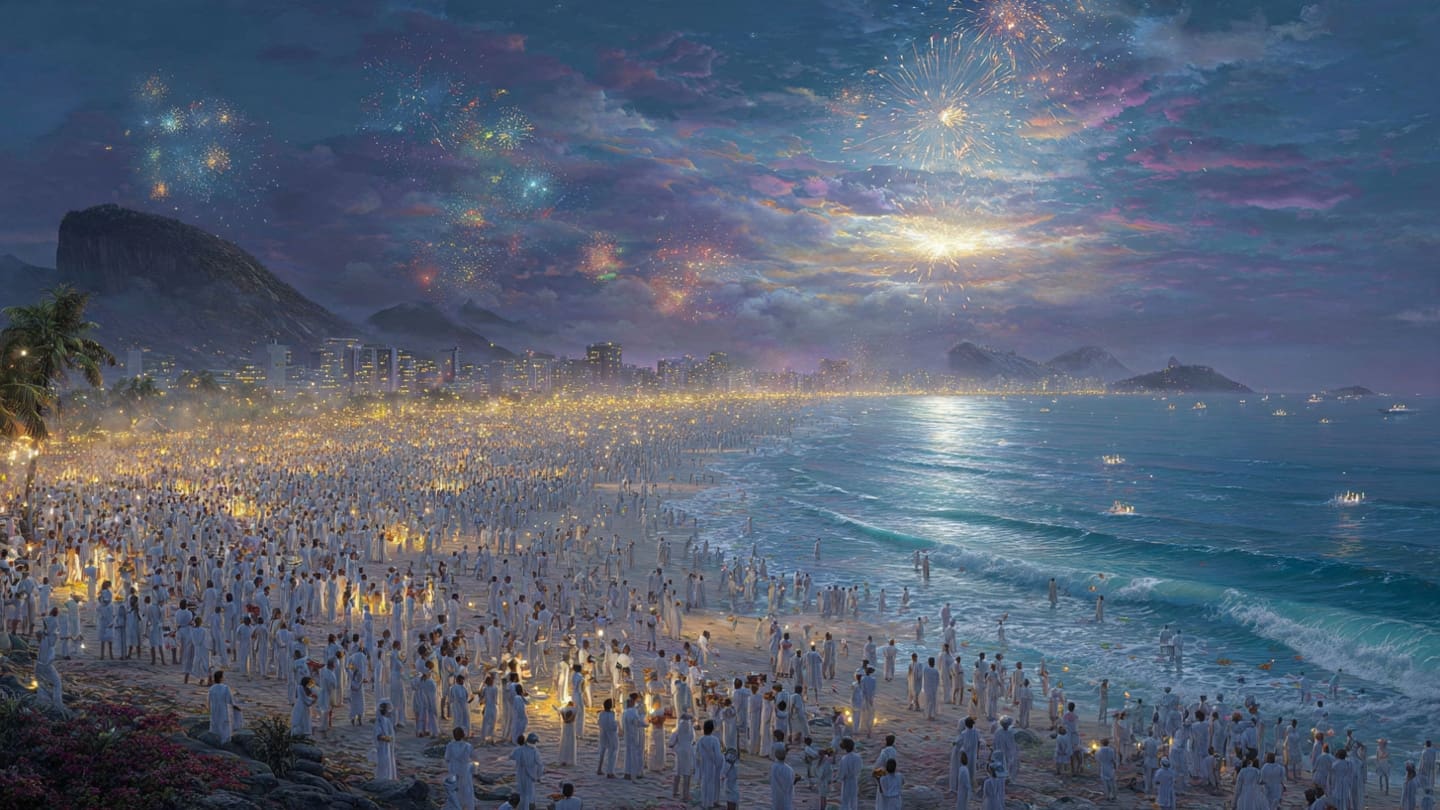
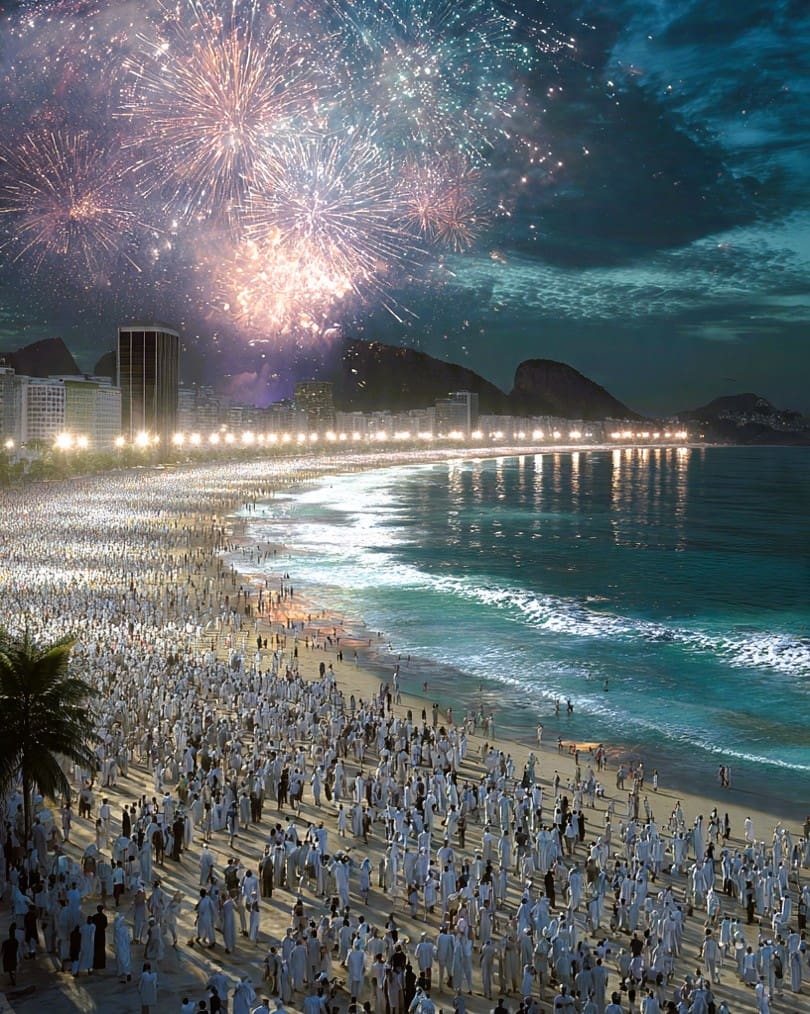
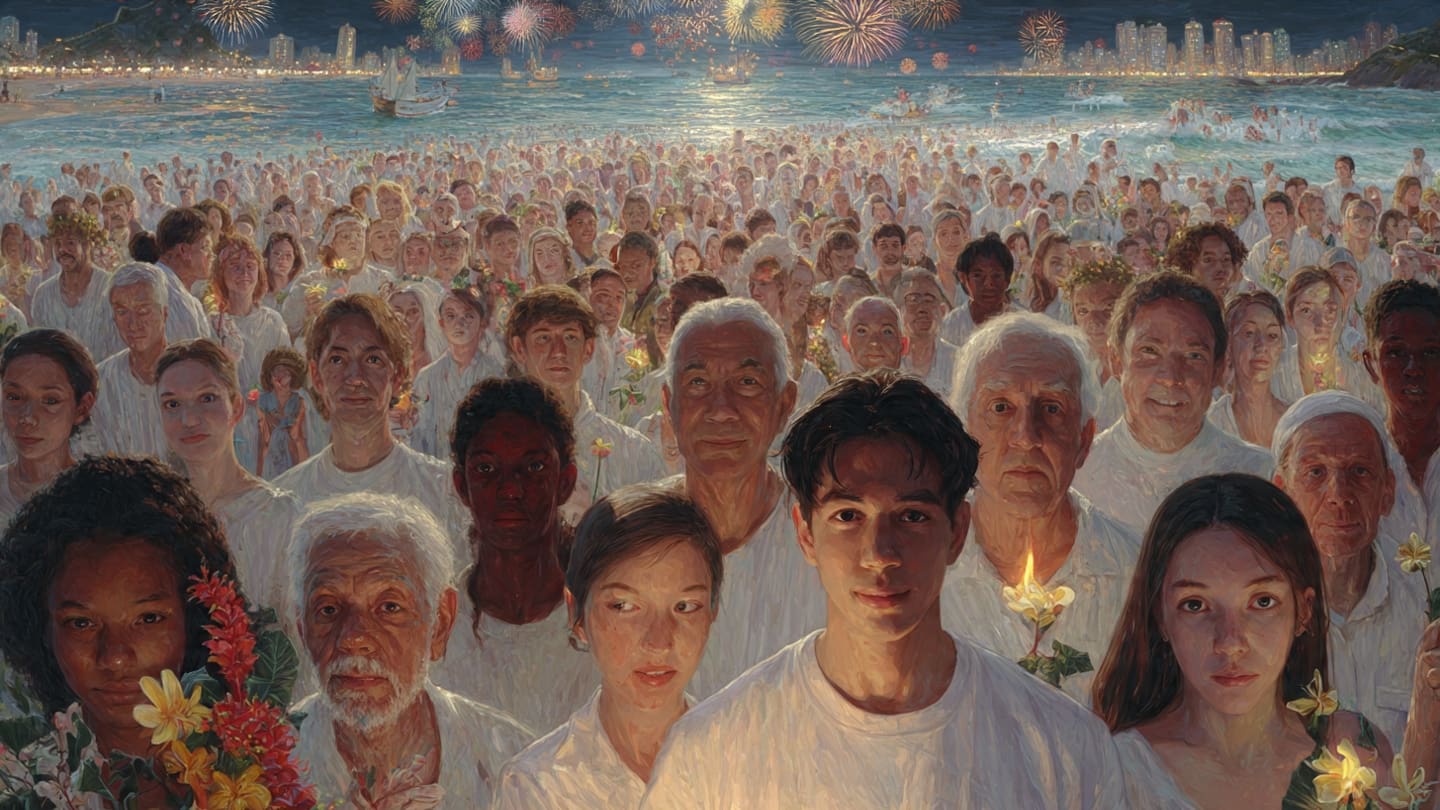
In Brazil, the night between December 31 and January 1 is a particularly big celebration, and in cities like Rio de Janeiro, the sea itself becomes part of the ceremony.
One of the customs associated with New Year's Eve is the wearing of white clothes, which symbolizes peace. Alongside this, there are traditions that associate different colors with different wishes: yellow for prosperity, red for love and passion, and blue for health and peace.
Food also plays a role in the game of hopes. Lentils, for example, are associated with wealth in some Latin American traditions because they resemble coins. In Brazil, pomegranates are also considered to represent abundance and wealth.
Thus, the New Year becomes a blessing that can be worn, eaten, or thrown into the sea.
India: When the New Year doesn't come in one day
The start of the year: There is no single date for all of India. Different traditions start the new year on different dates. In the case of Diwali, the date changes every year according to the Hindu calendar. Therefore, Diwali cannot be assigned a fixed Gregorian date.
In India, it is difficult to talk about "New Year's Eve" as if it were a single event. There are different traditions, different calendars, and different regions, and in some traditions, New Year's celebrations are tied to lunar cycles or seasonal changes.
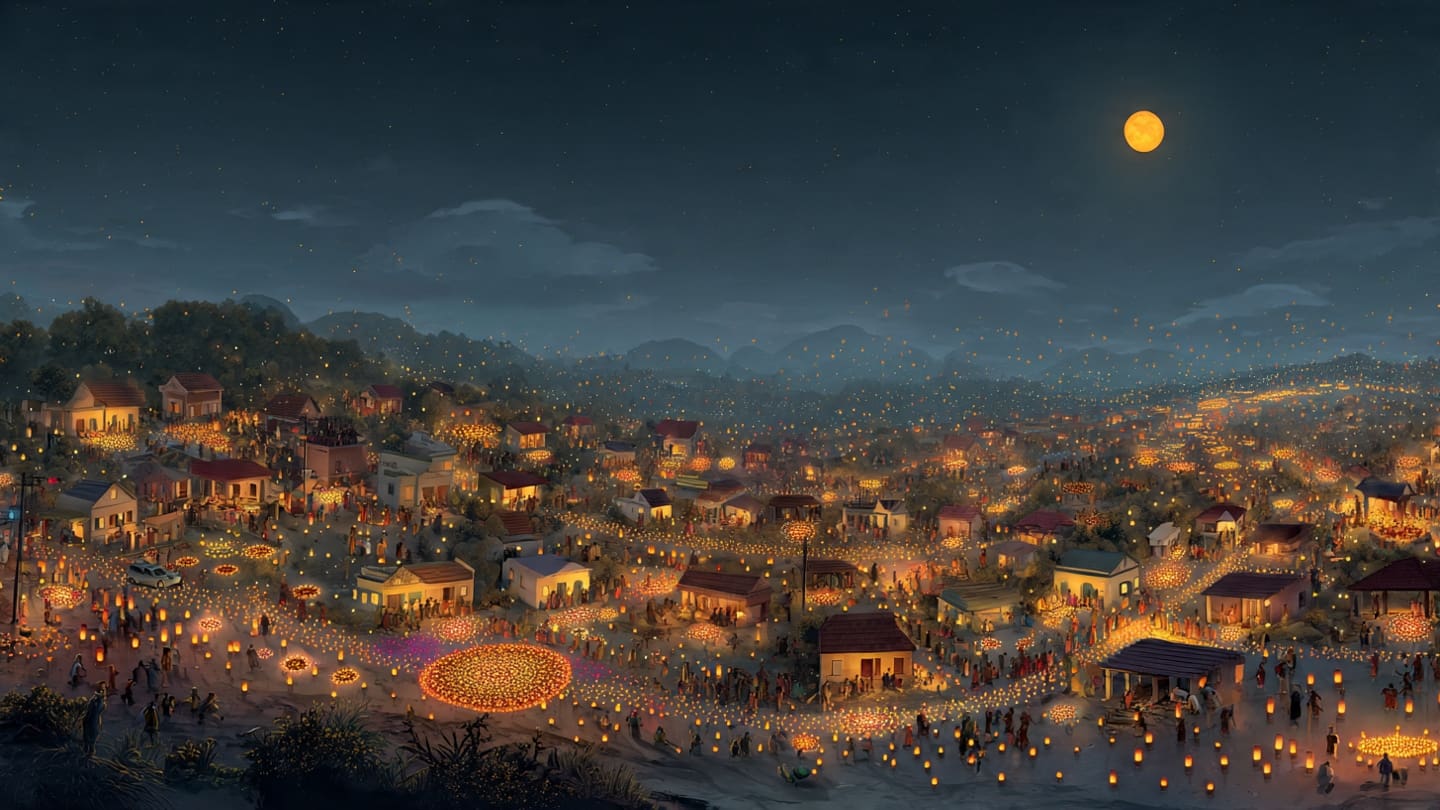
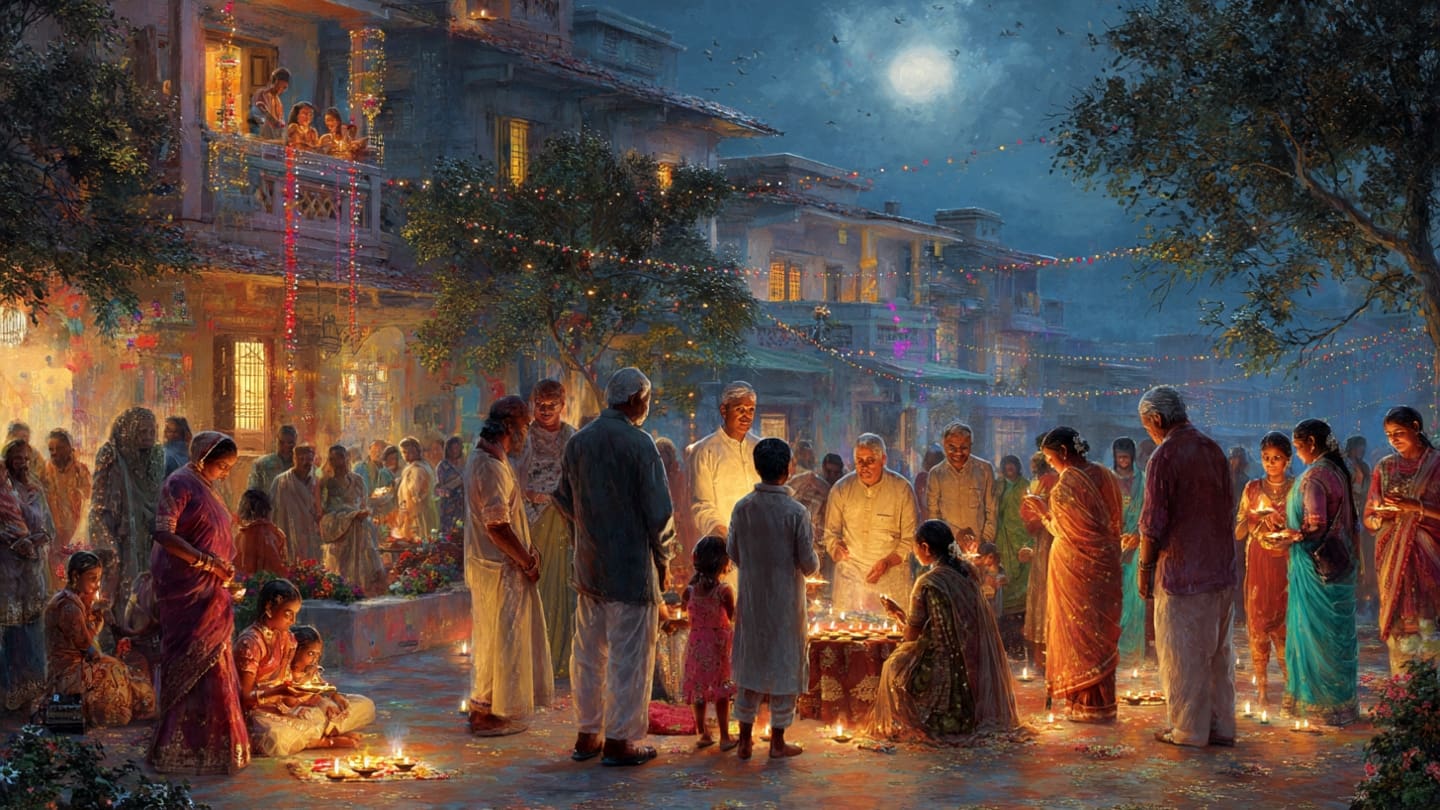
One of the most well-known holidays is Diwali, the festival of lights, which takes place according to the Hindu calendar and its date changes every year. It symbolizes renewal, light, and a new beginning. Homes are cleaned and decorated, lamps are lit, families gather, and gifts and food are passed between relatives and friends.
What the different customs have in common is not necessarily the date. It is the feeling that the world can change the moment a light is turned on.
The Muslim year – moves with the moon
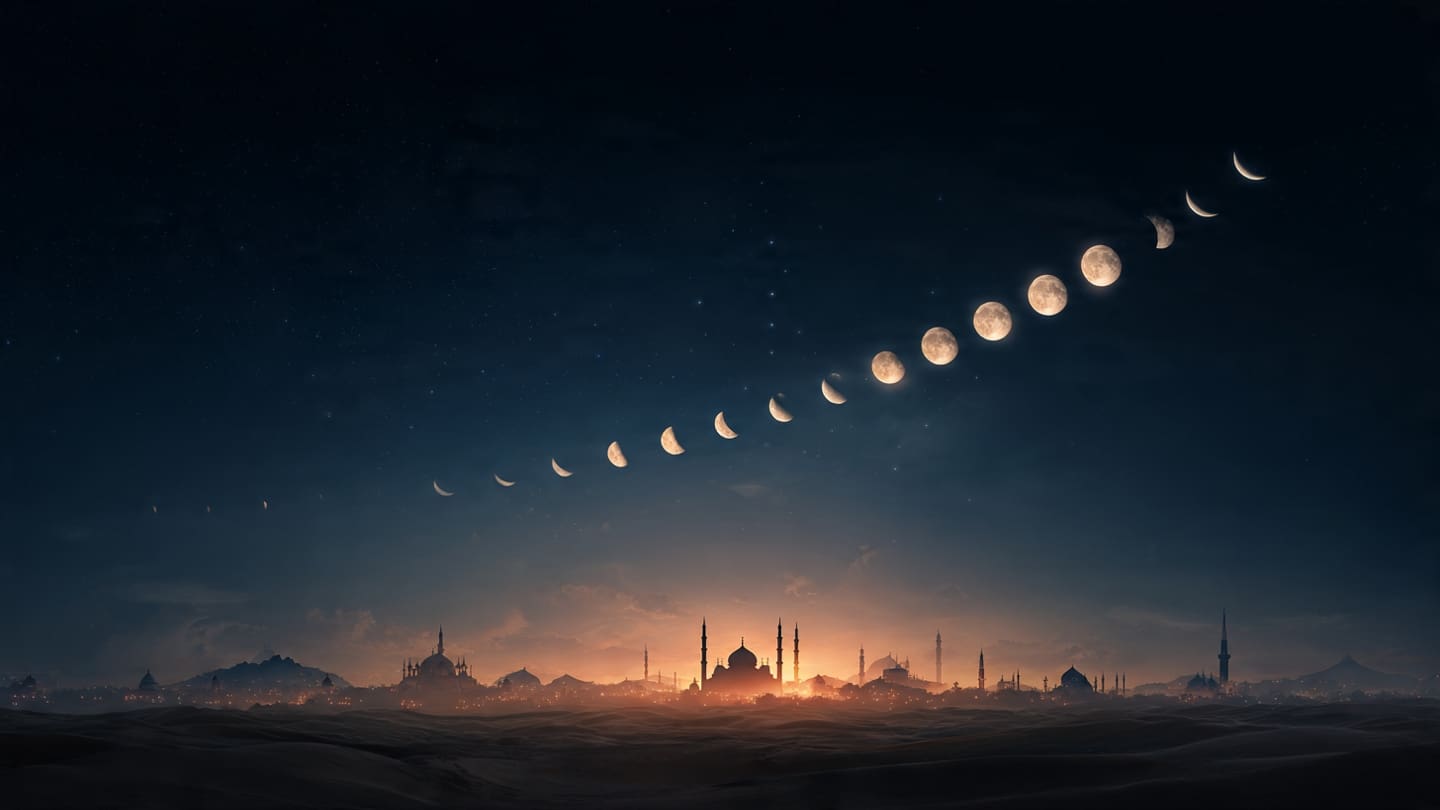
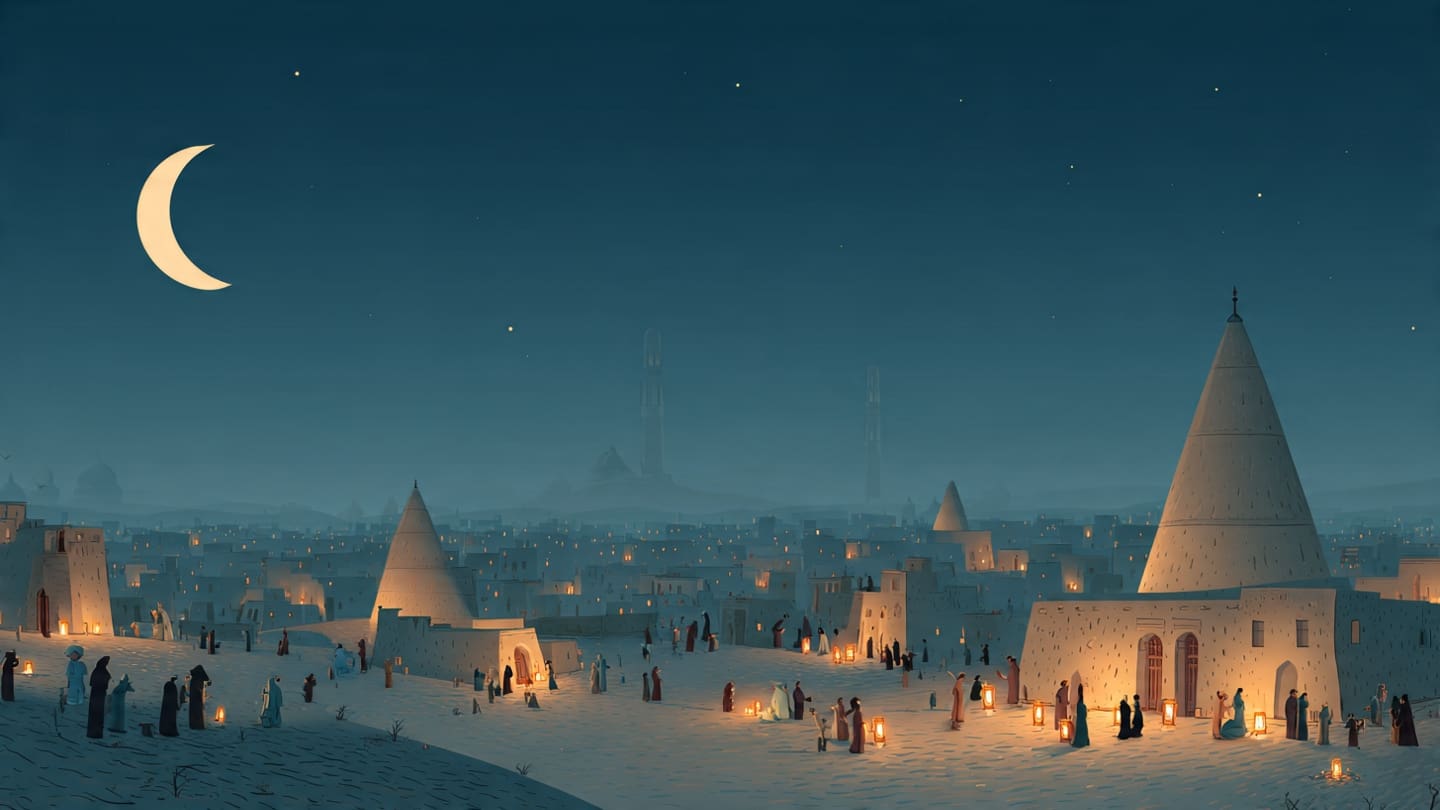
The start of the year: The first day of the month of Muharram, 1 Muharram. The date changes every year in the Gregorian calendar, as the Islamic calendar is lunar. In 2026, 1 Muharram 1448 falls on June 16 in countries such as Saudi Arabia and Egypt, following the determination of the start of the month by sighting the moon.
The Muslim calendar offers a different concept of time. The Islamic year is based on the lunar cycle, so the beginning of the year moves each year relative to the Gregorian calendar.
The first month is Muharram, and the Islamic New Year is celebrated with traditions that vary between communities and sects. For many, it is a time of prayer, reflection, remembrance, and thanksgiving, rather than a night of partying and fireworks.
This difference is significant. It reminds us that "Rosh Hashanah" doesn't have to be noisy to be meaningful. Sometimes it's actually a moment of pause.
So when does a new year really begin?
A look at the world's New Year's Eve reveals an interesting thing: humans are almost never satisfied with the date.
They need a ceremony.
In Spain, they eat the months, one after the other; in Denmark, they jump into the year; in Scotland, they light a fire and sing about memories; in Japan, they ring bells, clean the house, and look for the first sunrise; in Iran, they jump over the fire and welcome spring; in Thailand, they wash away the previous year with water; in Ethiopia, the year arrives with flowers; in Brazil, they wear the wish in white; in East Asia, they return home to their family.
The details are almost completely different, but the human movement is similar: closing one door and opening another.
Perhaps that is why Rosh Hashanah is one of the oldest and most enduring rituals of human culture. The calendar is an invention. Time itself does not begin anew at midnight, on the equinox, or at sunrise. But humans need a moment when they can tell themselves that the past, at least for a moment, is behind them.
And that's perhaps where the strange beauty of all these customs comes from. They don't really tell us when a new year begins, they tell us what a particular culture wants its year to be like: quiet or noisy, family or public, wrapped in fire, water, food, song or light.
Everywhere, in his own way, man stands before time and asks something similar of it: Let me start again.
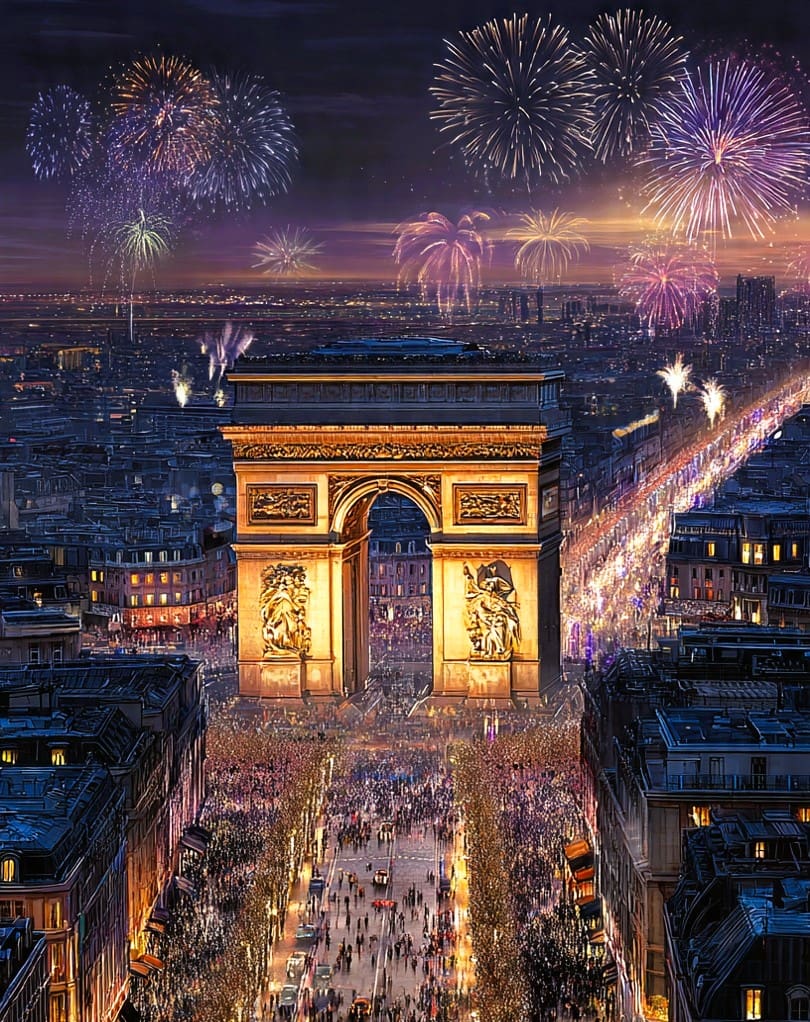
Maybe this is not an invention of hope, but of possibility.
The modern world has become very good at measuring time. We know what time it is anywhere in the world, we can see how many days are left until an appointment, and our calendars are updated automatically. Clocks are synchronized via satellites, and even commute times can be calculated almost to the minute.
But the ability to measure time does not solve the need to feel it.
That's why we continue to light candles, raise a glass, sit around a table, hear the shofar, open a door, light fireworks, wash the house, change clothes, hug a relative, give a child a gift, and say: Happy New Year.
In every culture the words are different, the foods are different, the calendar is different, the beliefs are different, and the season itself may be different. But something deep remains the same. Man looks at the sky, notices that another cycle of time has passed, and decides not to let it pass without meaning.
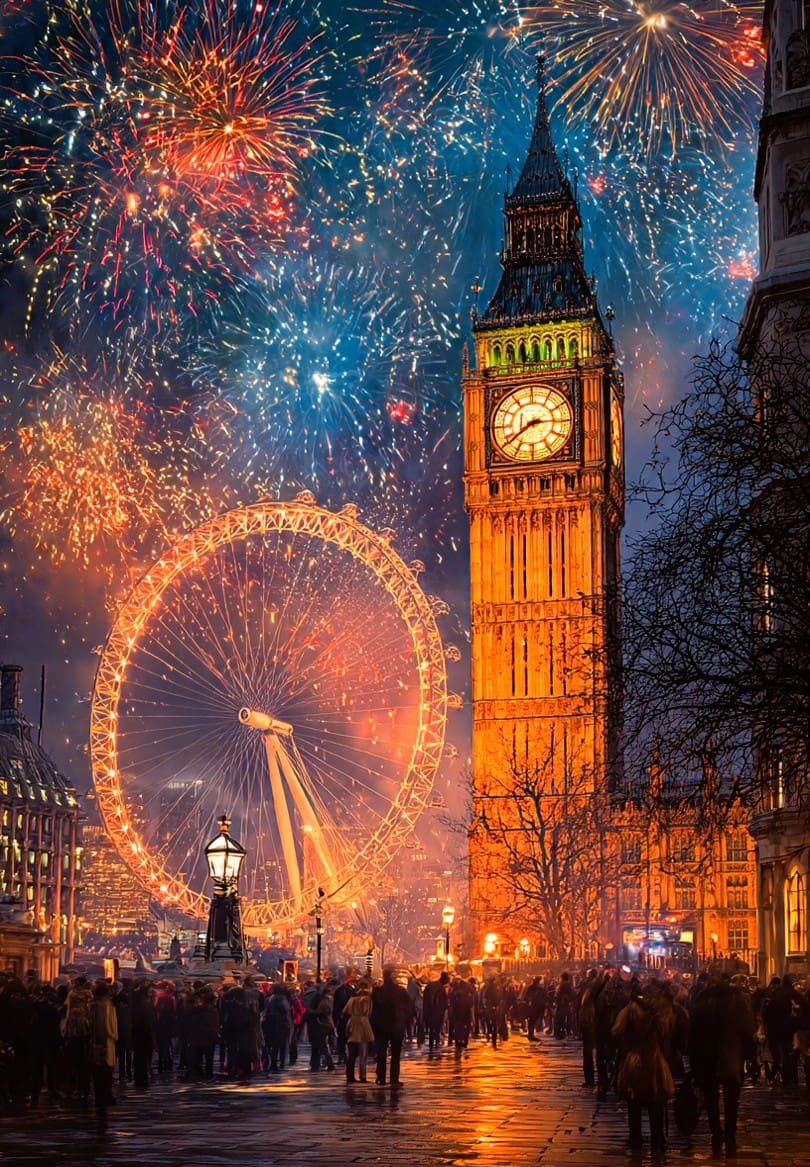
The human need for a date
It is possible to manage a year without a new year. Nature does not need the 1st of Tishrei. The sun rises even without a calendar. The moon does not know if humans have declared a new year to begin.
And yet, humans need it.
Perhaps because human life is not a smooth continuum. We need stopping points: for a birthday, a wedding anniversary, a memorial day, the day a child is born, the day a war ends, and the day when we can say: Now a new year begins.
The ritual gives the timeline meaning. It makes the invisible visible. It allows us to take an entire year, which has been full of work, love, separation, success, fear, loss, and joy, and concentrate it into a single moment that we can call "last year." And then, almost in the same breath, invent "next year."
In this sense, The calendar is not just a system for measuring time. It is a system for creating meaning.He tells us when it is permissible to stop, when it is appropriate to remember, when it is appropriate to bless, and when we can allow ourselves to believe that what did not work last year may work next year.
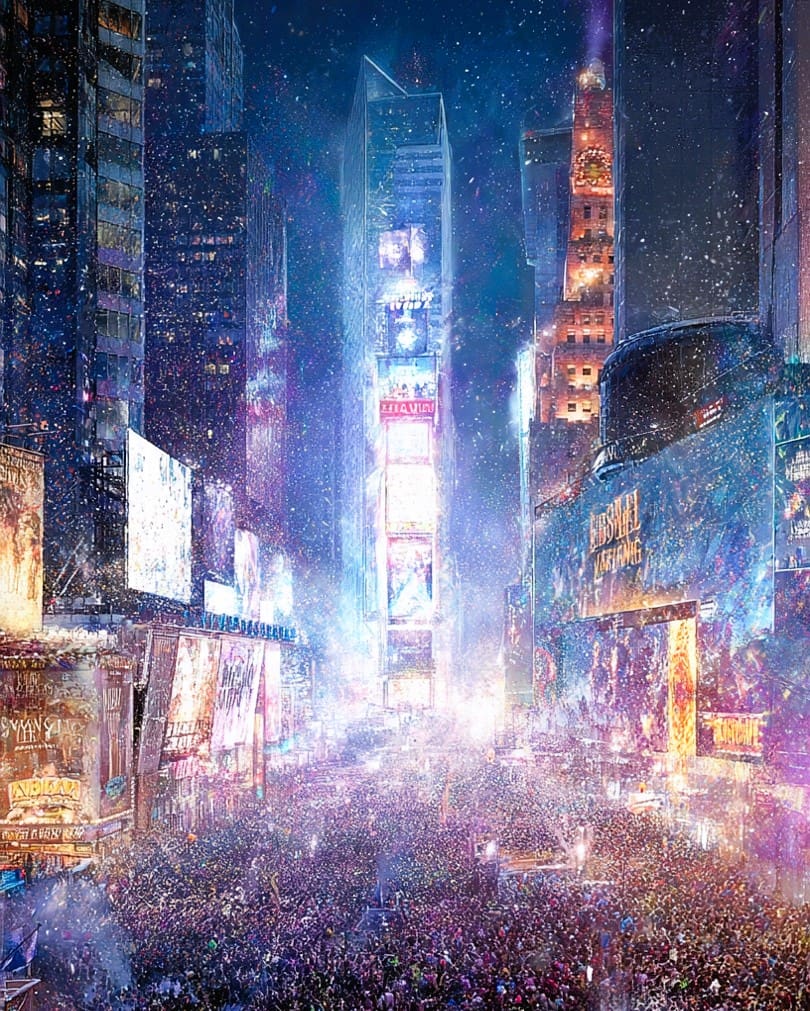
And on New Year's Eve
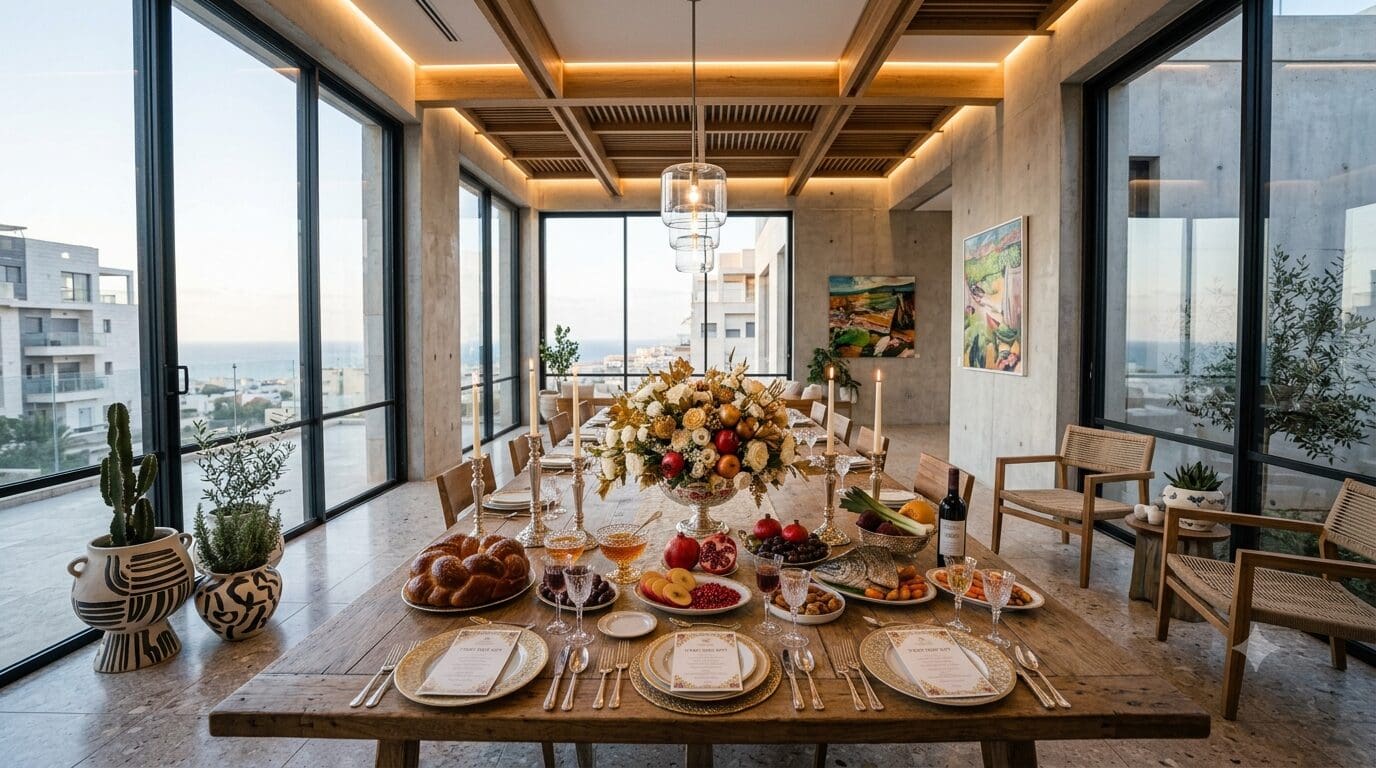
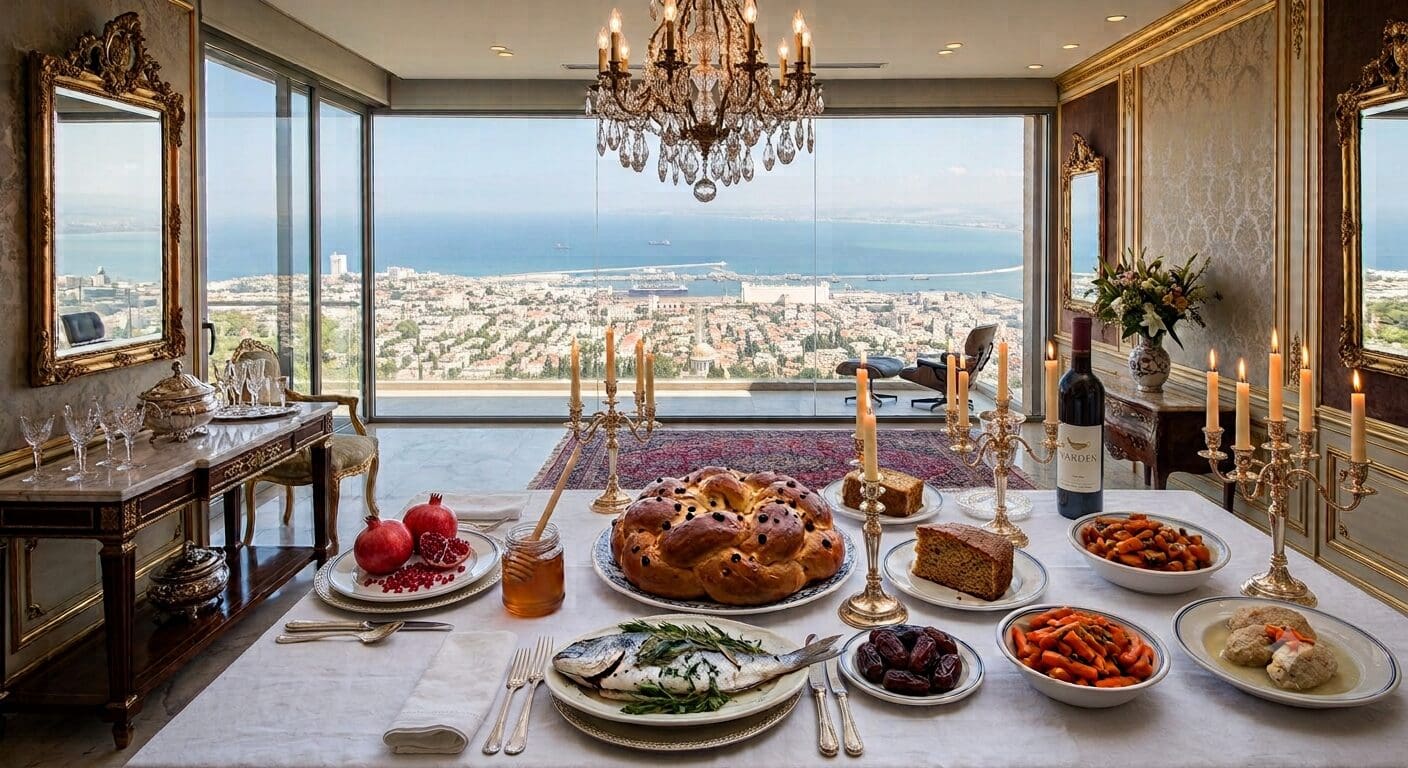
When Rosh Hashanah 577 enters Israel on the evening of September 11, some people will come to the synagogue to hear the shofar. Others will sit around a table laden with apples, honey, pomegranates, and round challah. Some families will hold a traditional Seder of Signs, and others will design their own private family ceremony.
Someone will raise a glass and say "Happy New Year." Someone else will remember a person who is no longer here. A child will dip an apple in honey. A grandmother will tell how they once celebrated. The next day, someone will go out to the sea to hold a tashli, and perhaps another person, across the sea, will stand by a large river in a huge city and do exactly the same thing.
And at the same time, in other parts of the world, people will wait for another season, another moon, or another calendar to do exactly what humans have been doing since they began measuring their lives: To give time meaning.
That is, the reason so many cultures have invented New Year's Eve is not because the year really begins at that moment, but because we need a moment when we can believe that it can begin anew.
And this need, more than any date, is perhaps the true human date.
Because in the end, between Jerusalem and New York, between Djerba and Mumbai, between Ethiopia and Sydney, between Paris and London, and between Tel Aviv and countless cities where Jews gather around a table, the same small and big thing happens: man stops time for a moment, looks at what was, looks at what has not yet happened, and tries to give the future a name.
Sometimes he calls it "Happy New Year."
Sometimes "sweet year".
Sometimes "a new day".
And sometimes he simply looks at the person sitting across from him and says: I wish we had better..
This is perhaps the deep reason why humanity does not give up its New Year's Eve. Time itself does not need a ceremony, but man does. He needs a moment when the past and the future meet, when we can remember who we were, mourn who we are not, give thanks for what remains, and cautiously open the door to what has not yet arrived.
And so, every time, the year begins anew.
Not because the world changed at that moment, but because we decided to look at it with new eyes.
And finally, the entire team of the "Hai Peh - Haifa and Surrounding Area News Corporation" family wishes its readers and all of Beit Israel:
Happy New Year. A sweet year. A year of health, reconciliation, remembrance and hope.
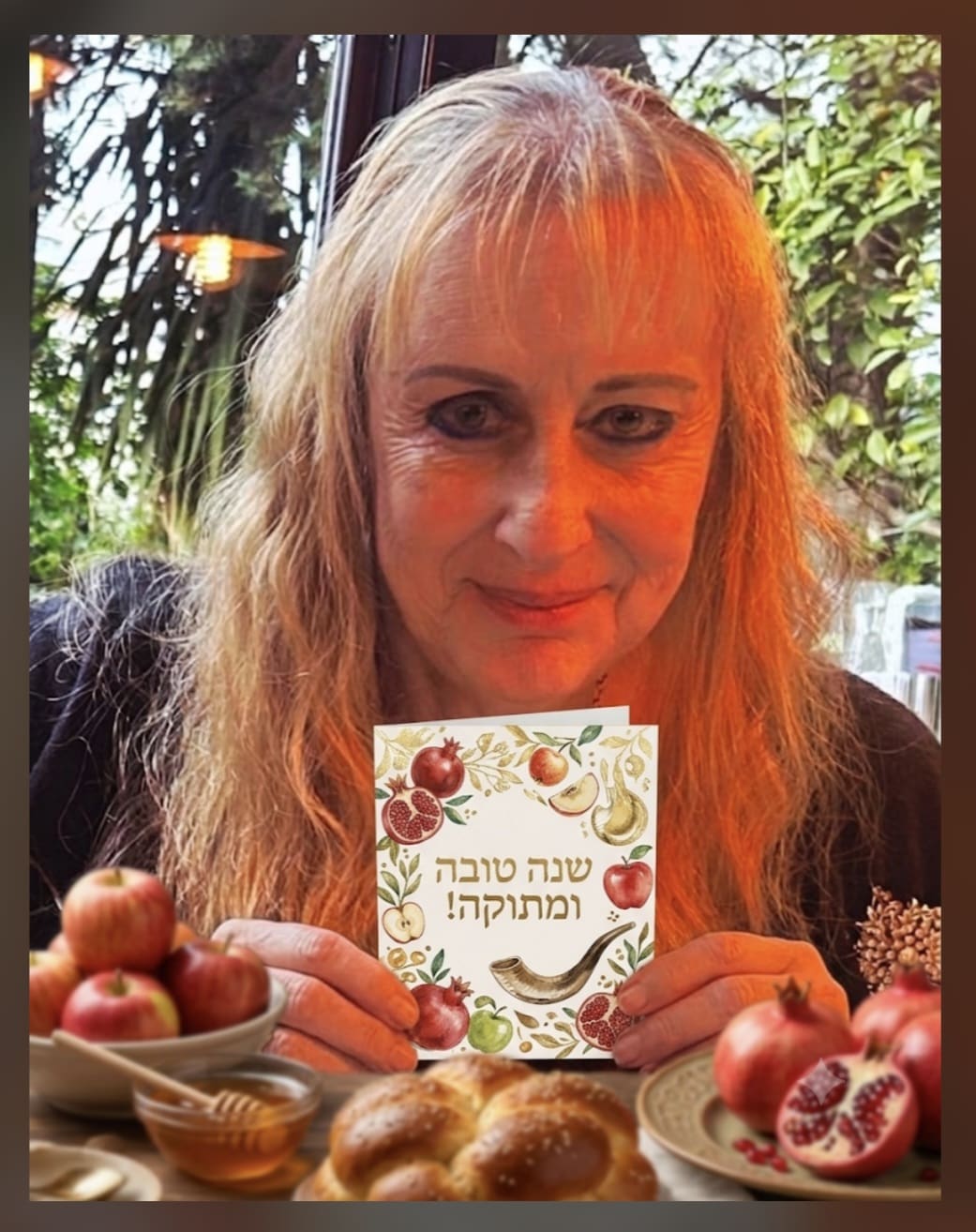
Hey Rachel Orbach, the artist with her beautiful soul, you covered our Rosh Hashanah, "Blessed are you, G-d, who separated us from those who went astray and gave us the Torah of truth."
Happy New Year to Racheli Auerbach and all of Beit Yisrael.