


A story about a city, architecture, and people who decided to bring beauty back to center stage.
Cities tell their stories in many ways. Some of their history is written in books, and some is engraved on the walls of houses. Haifa is of the latter kind.
Among the city's streets, in the various neighborhoods, on the mountainside and along the slopes descending to the sea, thousands of buildings are hidden that tell a fascinating chapter in the history of modern architecture. Clean facades, horizontal windows, rounded balconies, simple lines and functionality that does not sacrifice beauty. These are the houses built in the spirit of the international style, known to many as Bauhaus, and are an integral part of Haifa's architectural and cultural identity.
But until recently, despite their wealth and importance, these structures did not always receive the attention they deserved.
Now Haifa asks us to stop for a moment, raise our heads and look at what is right under our noses.
The Haifa Bauhaus Week It is much more than a series of events dedicated to an architectural style. It is an attempt to rekindle curiosity about the city, to reveal its architectural treasures, and to connect residents, professionals, public institutions, and local activists around a shared love for Haifa.
A vivid encounter between memory, urban identity and a look to the future
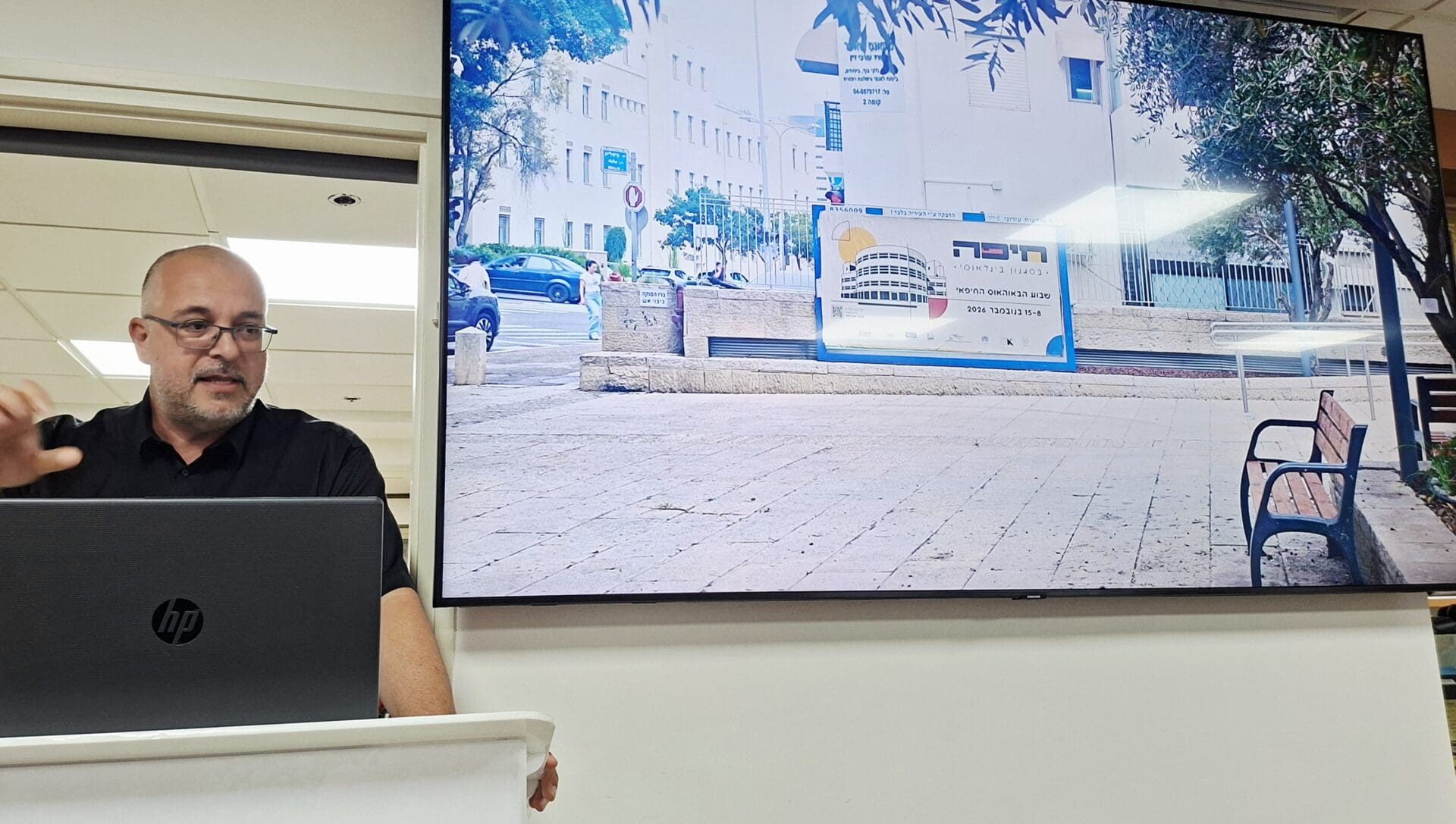
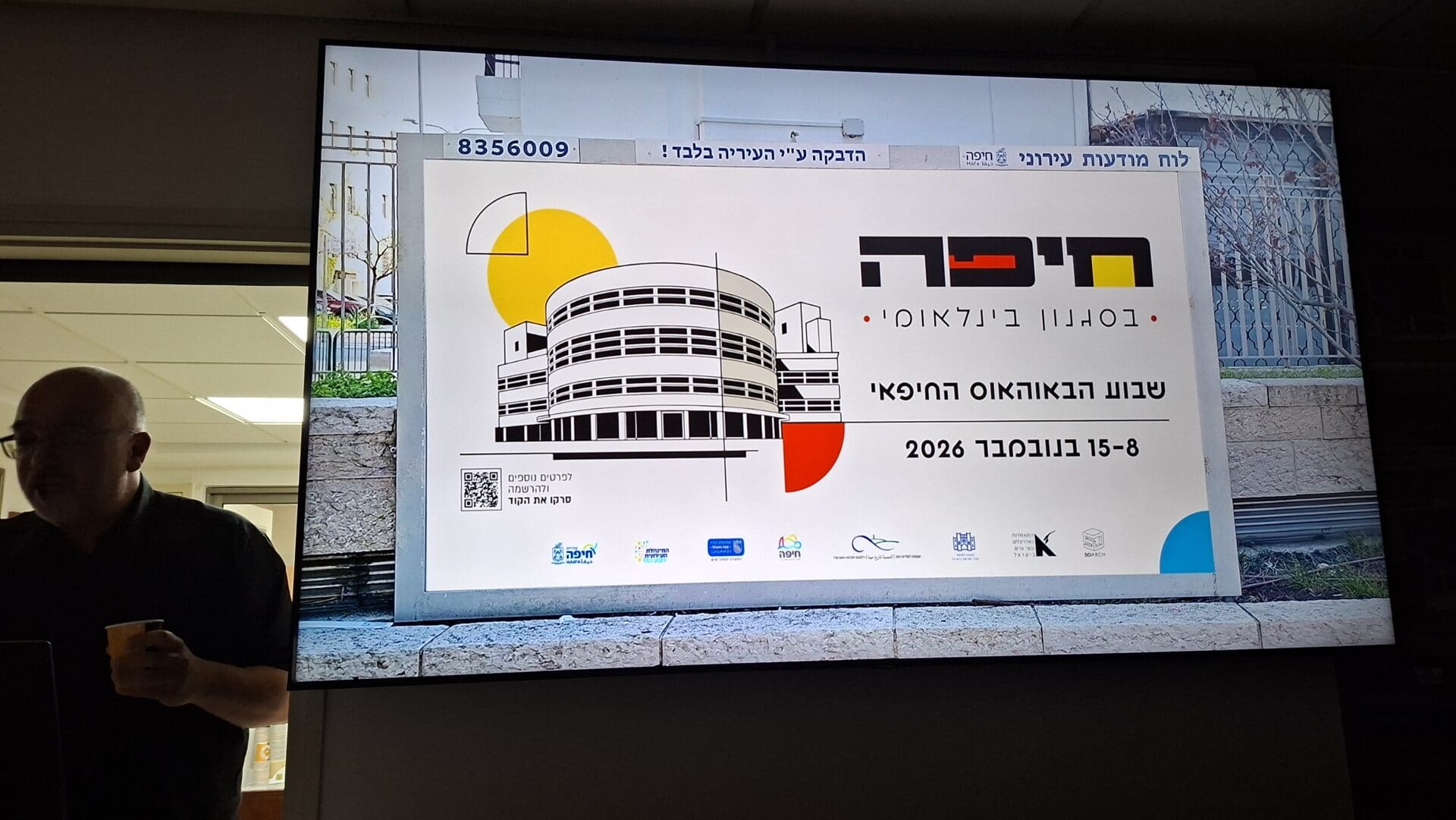
On the evening of Sunday, November 8, 2026, Bauhaus Week opened in Haifa with a festive ceremony at the headquarters of the Haifa History Association.
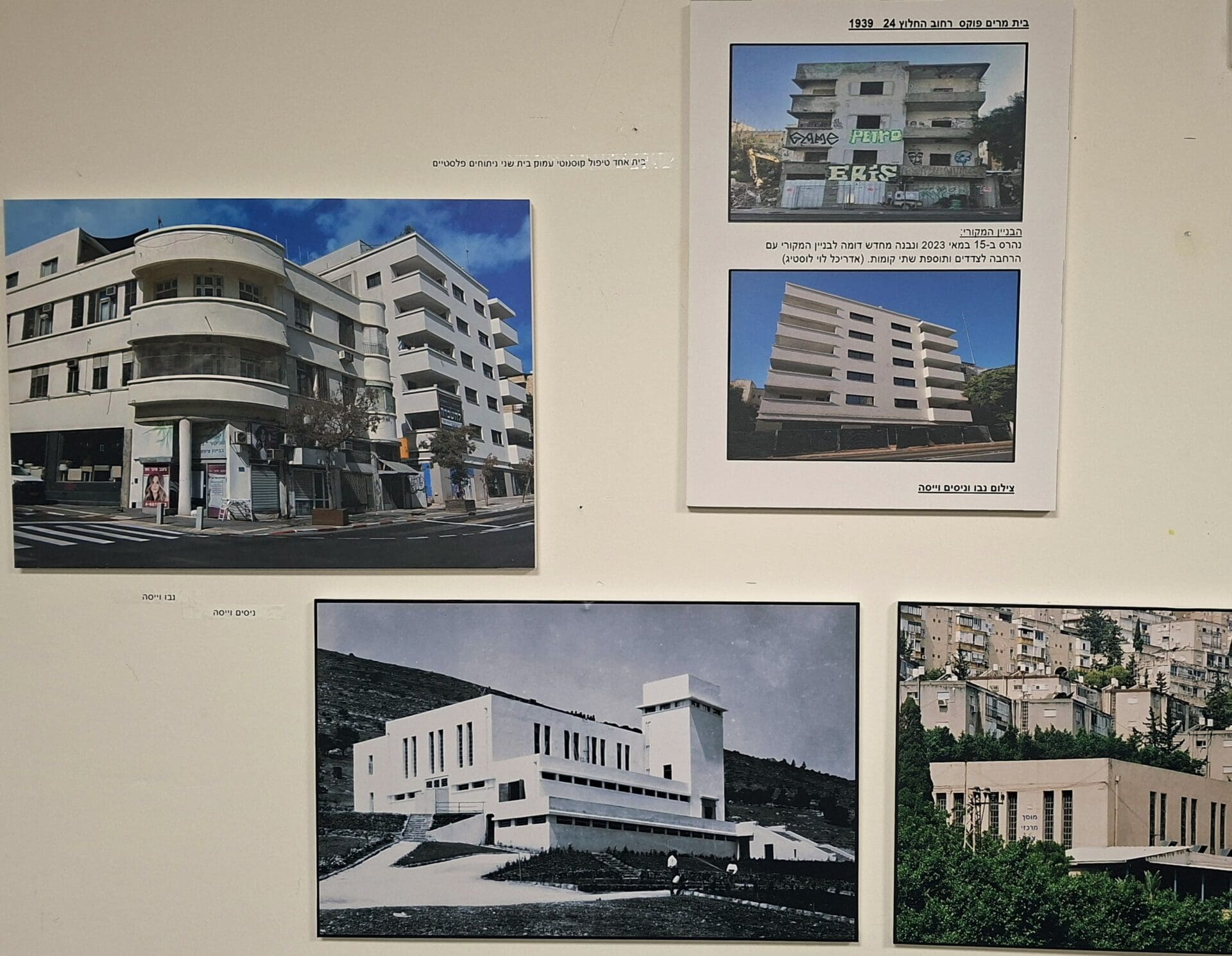
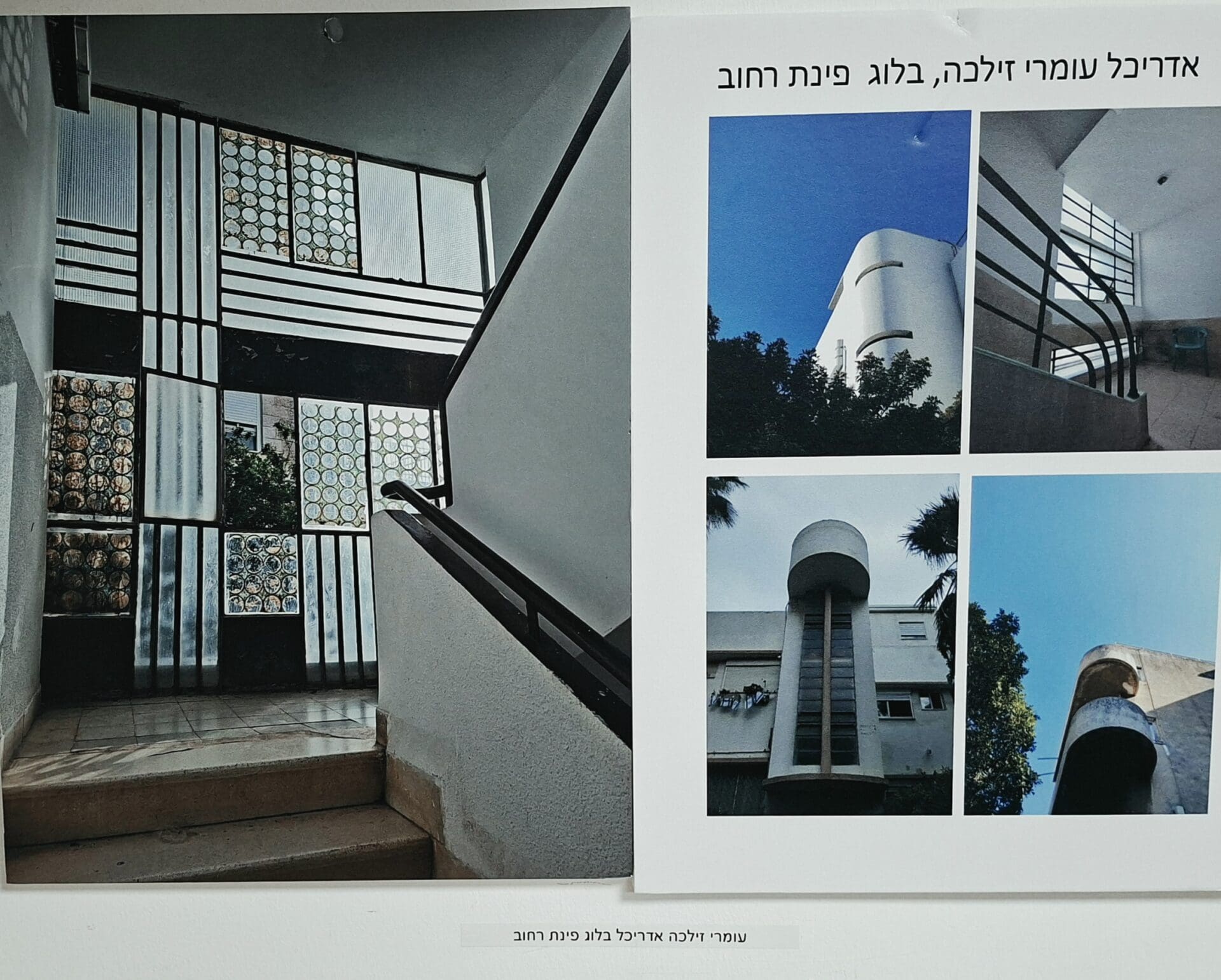
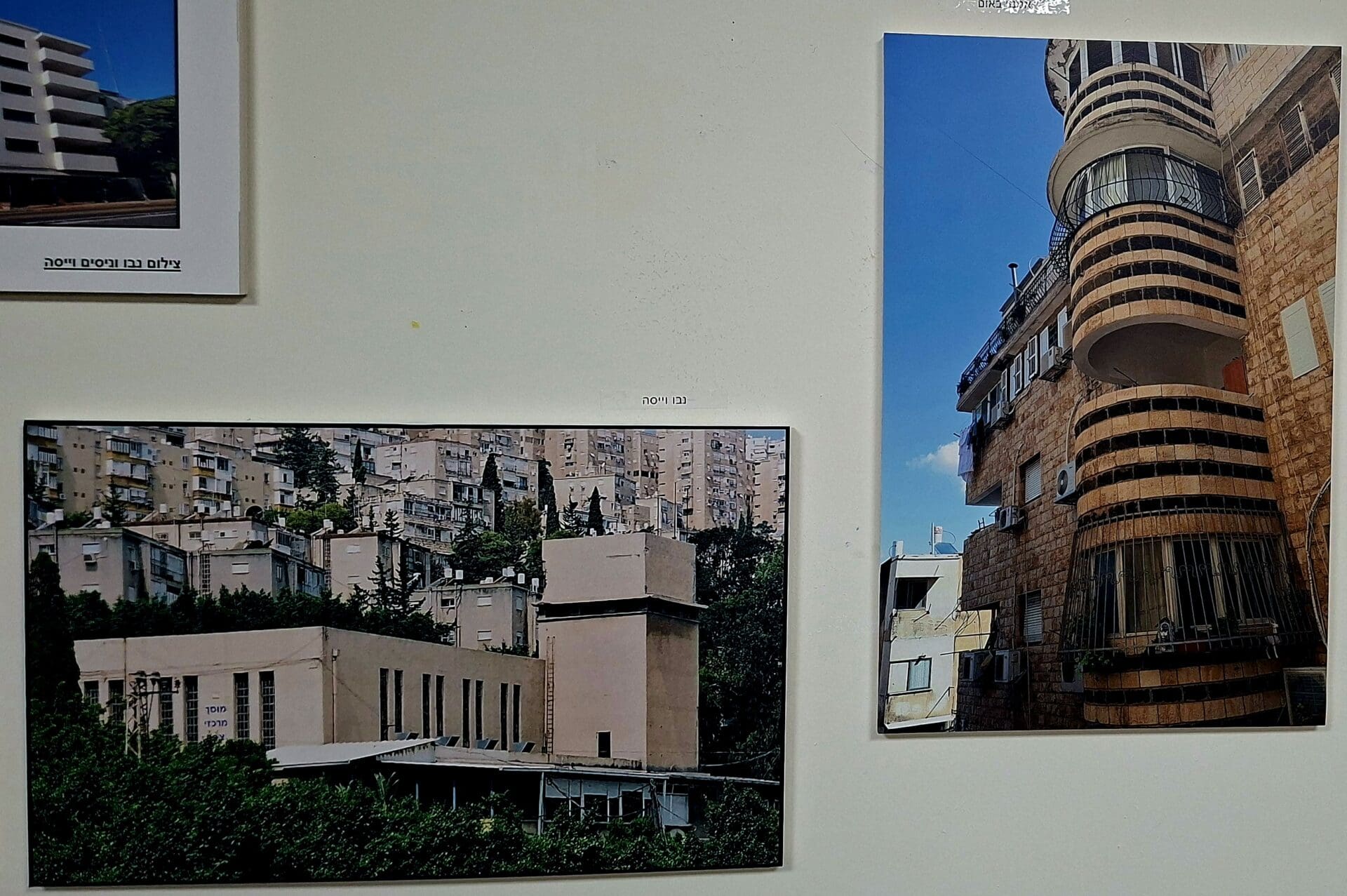
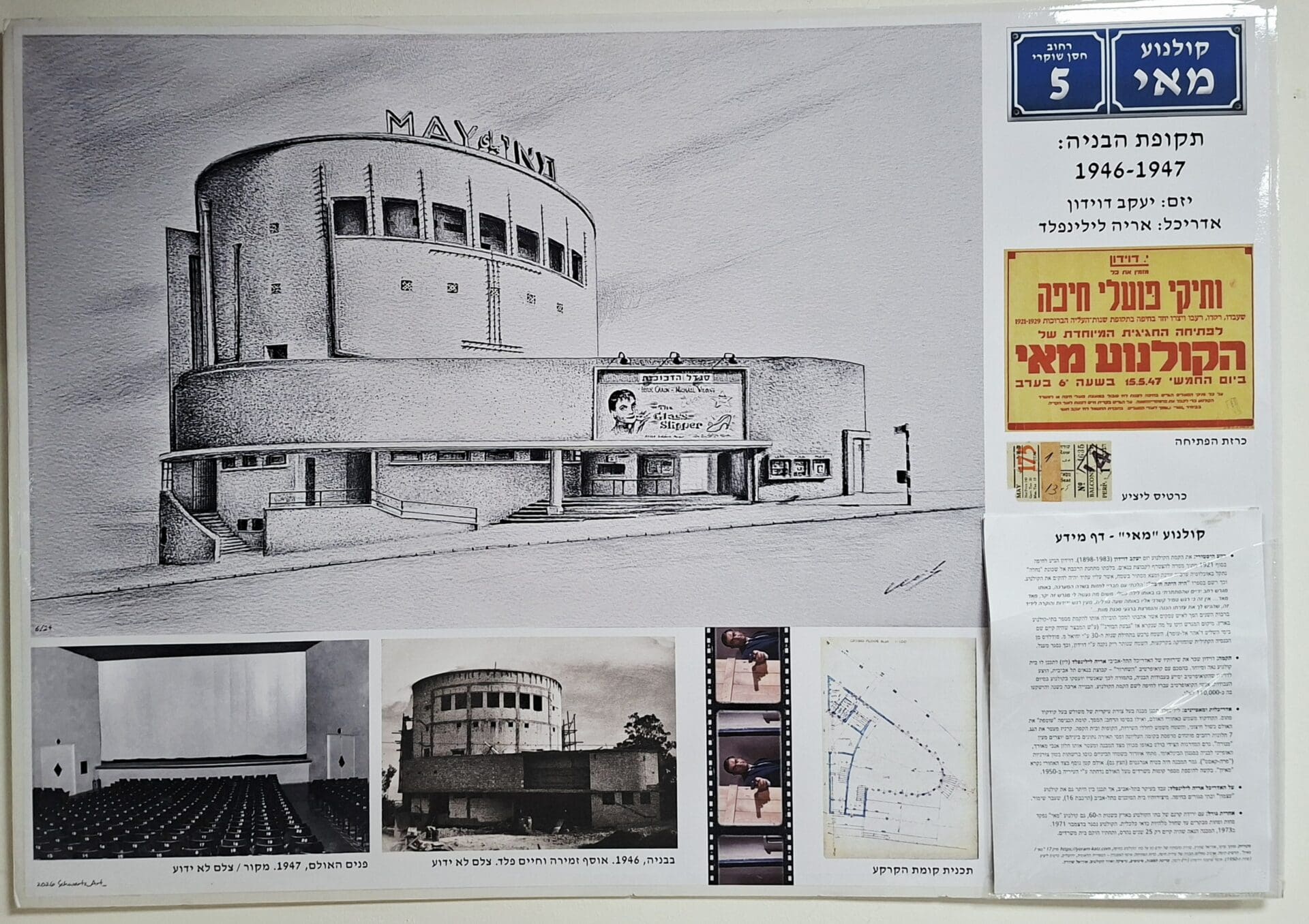
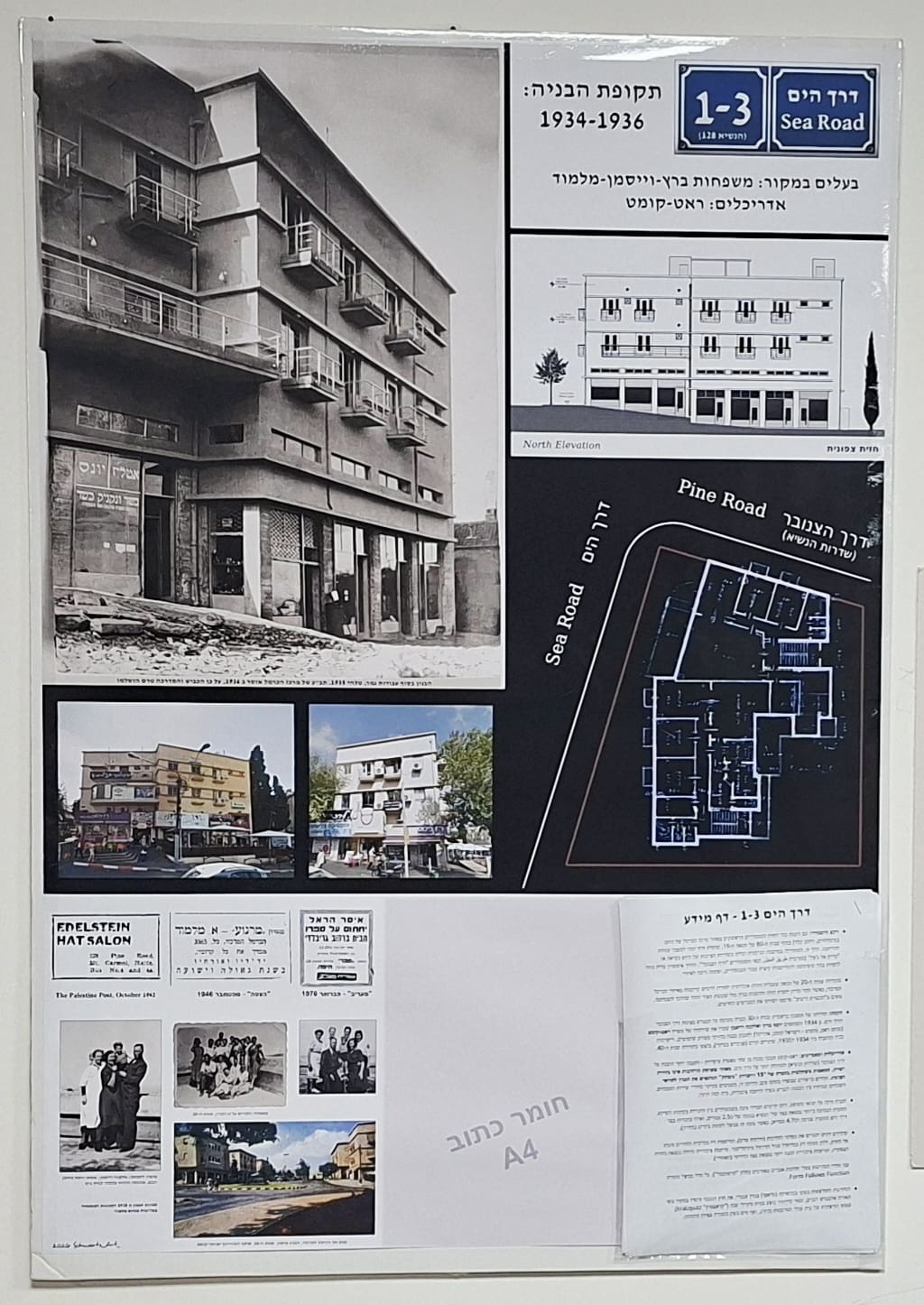
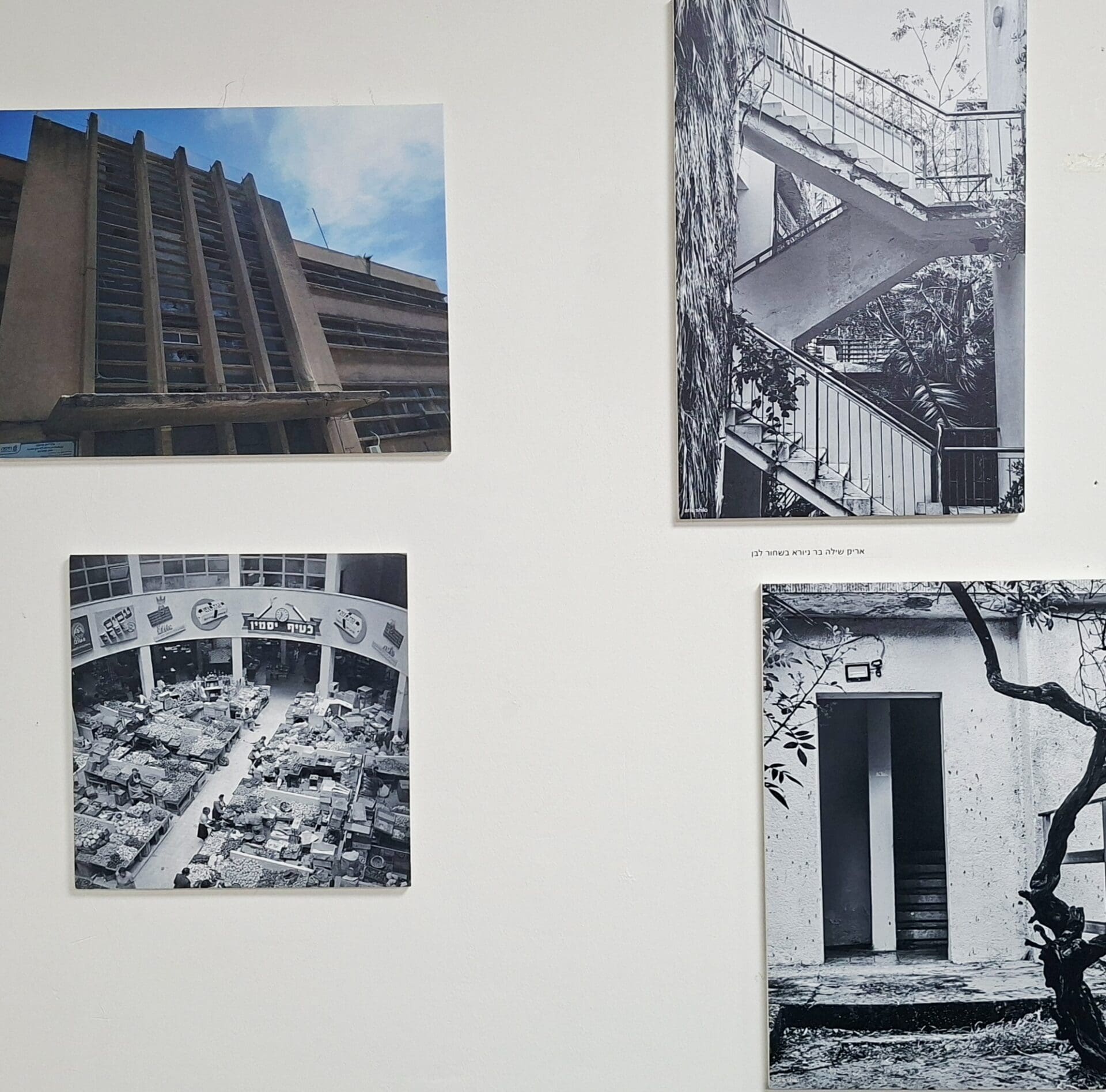
Prof. Aliza Shenhar, chairwoman of the association, announced the opening of the week, during which the Mishkan will also display an exhibition of Bauhaus photographs curated by Amnon Baum.
Already at the beginning of the evening, one could sense that this was not just the opening of a week dedicated to architectural style. There was a sense in the air of an event with a broader meaning: a living encounter between memory, urban identity, and a look to the future.
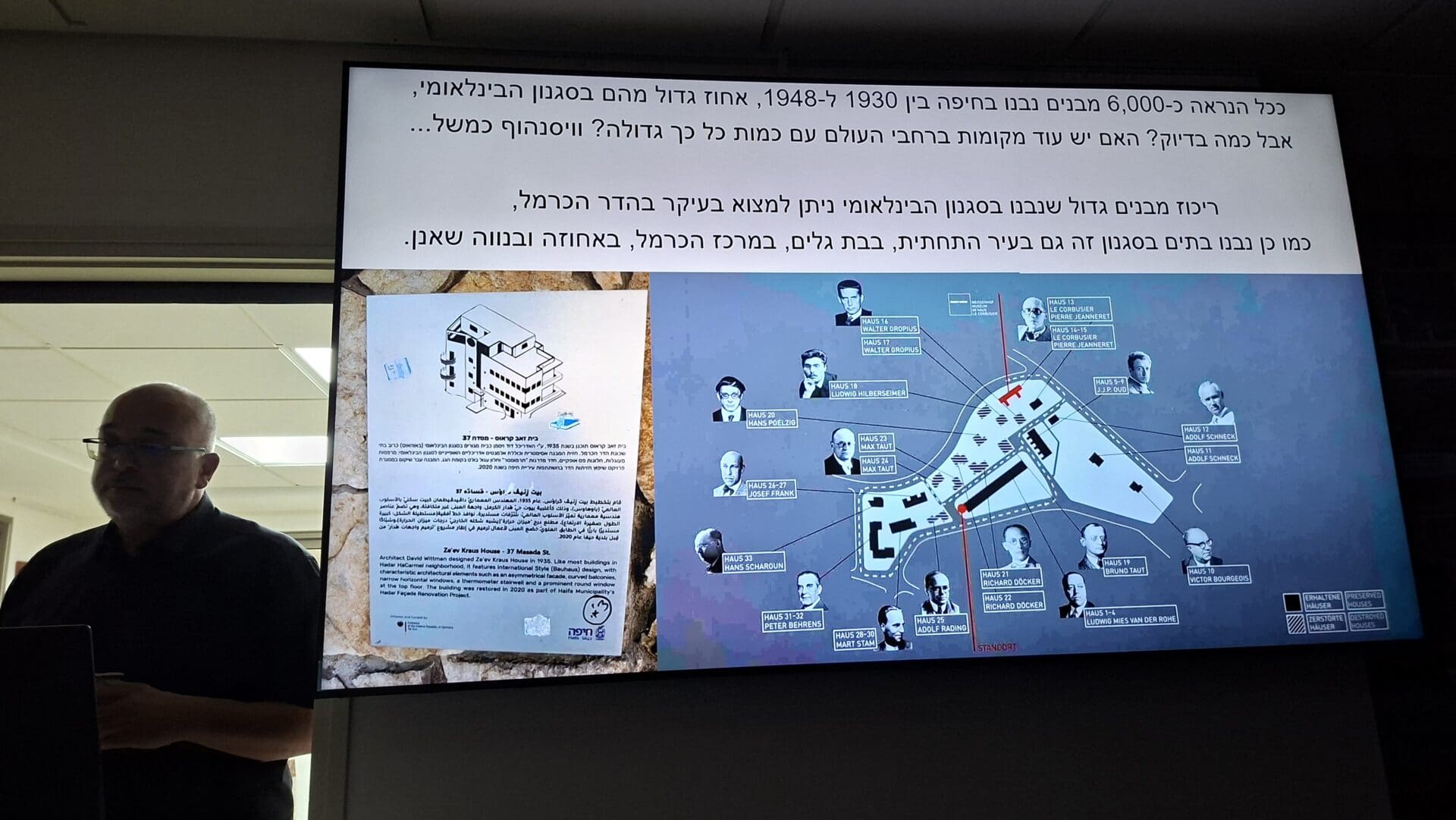
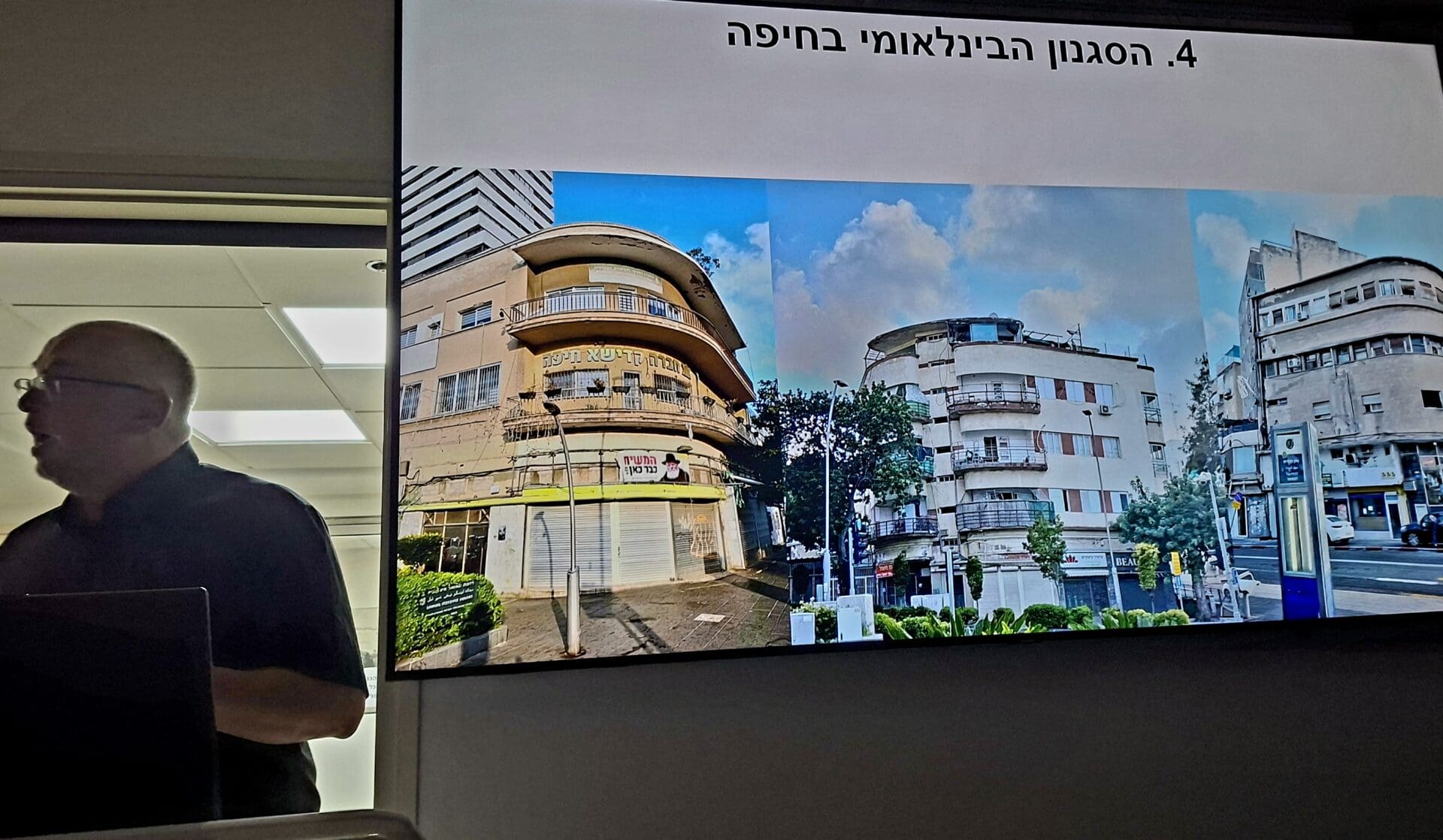
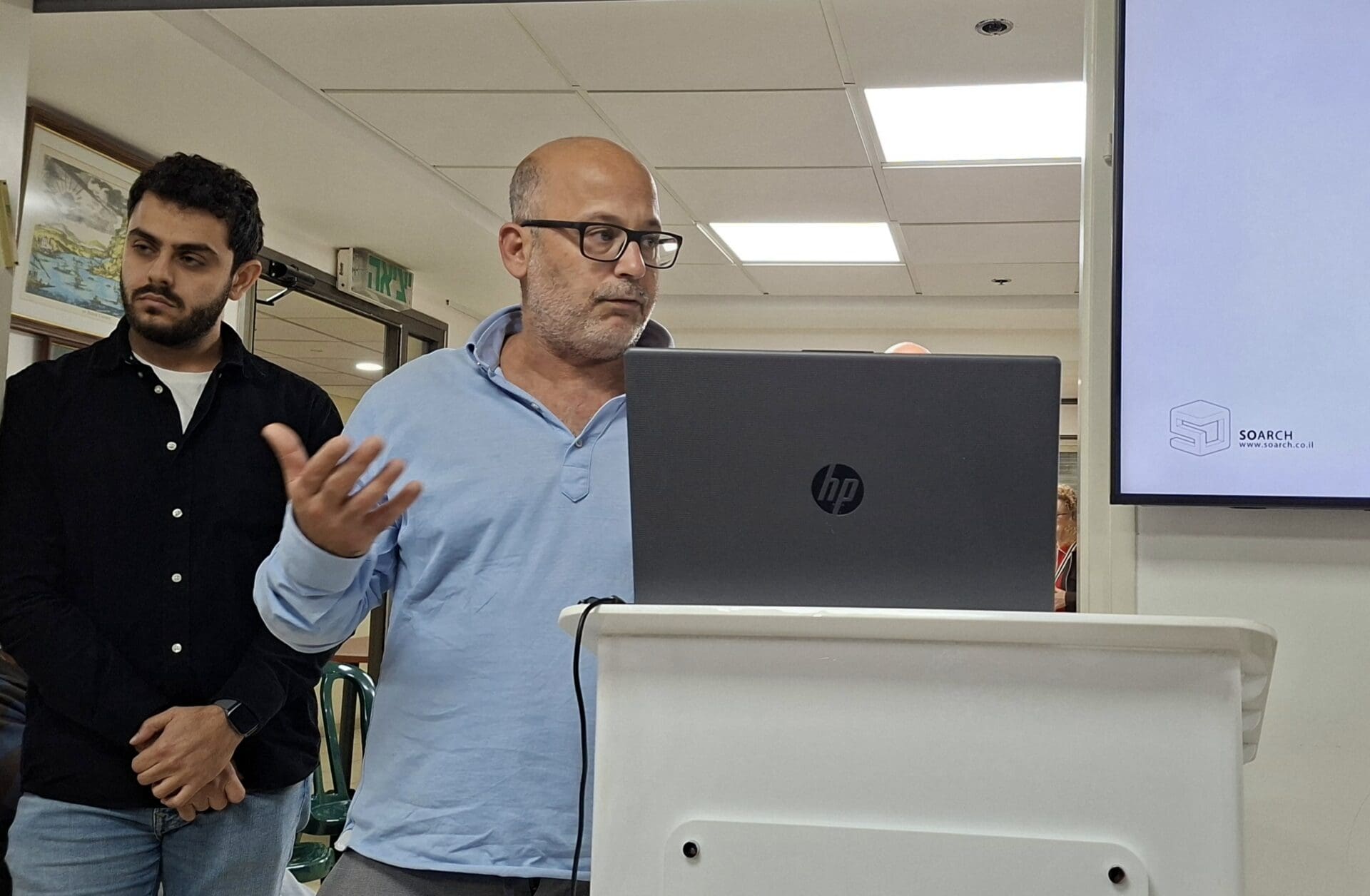
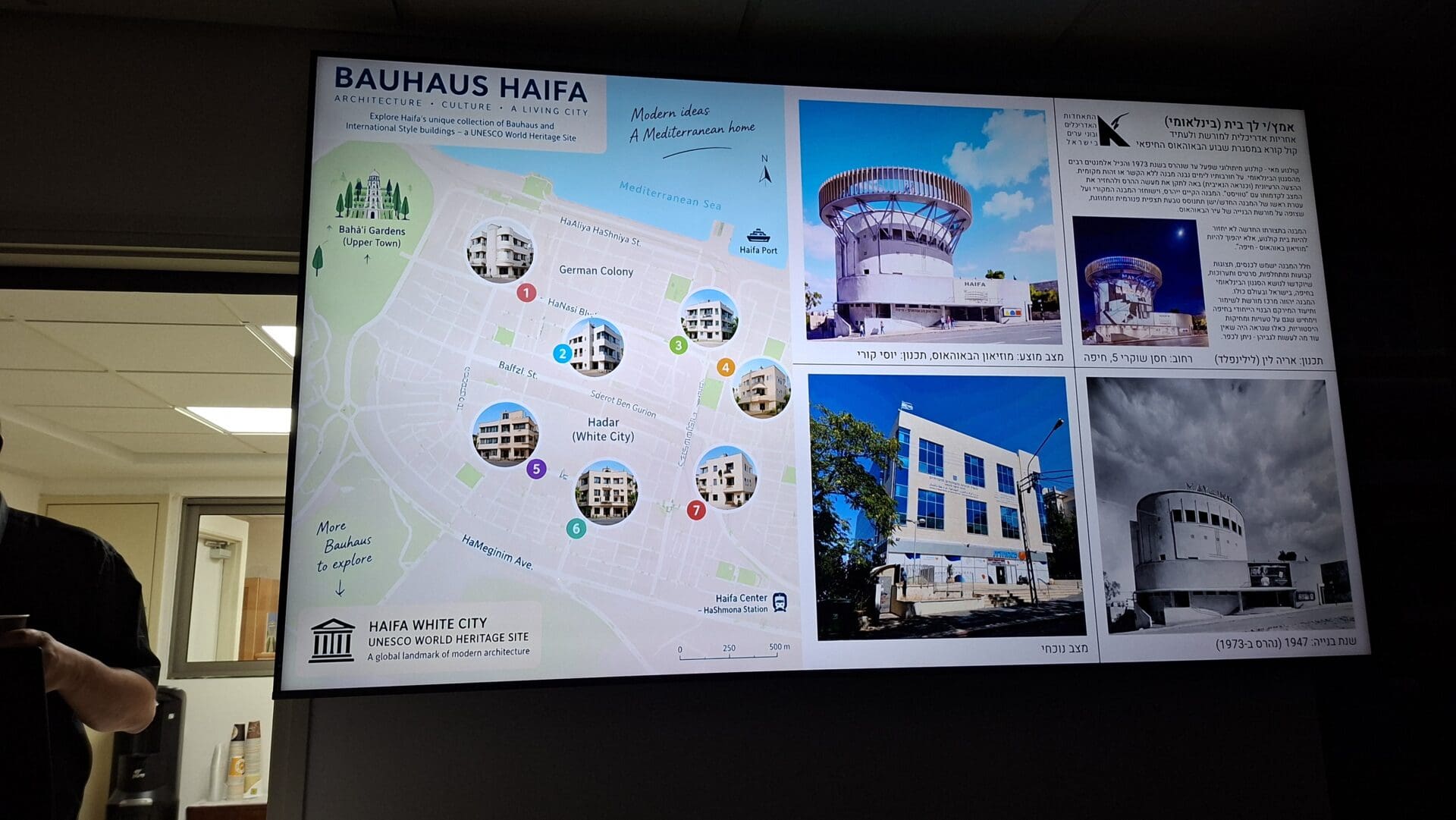
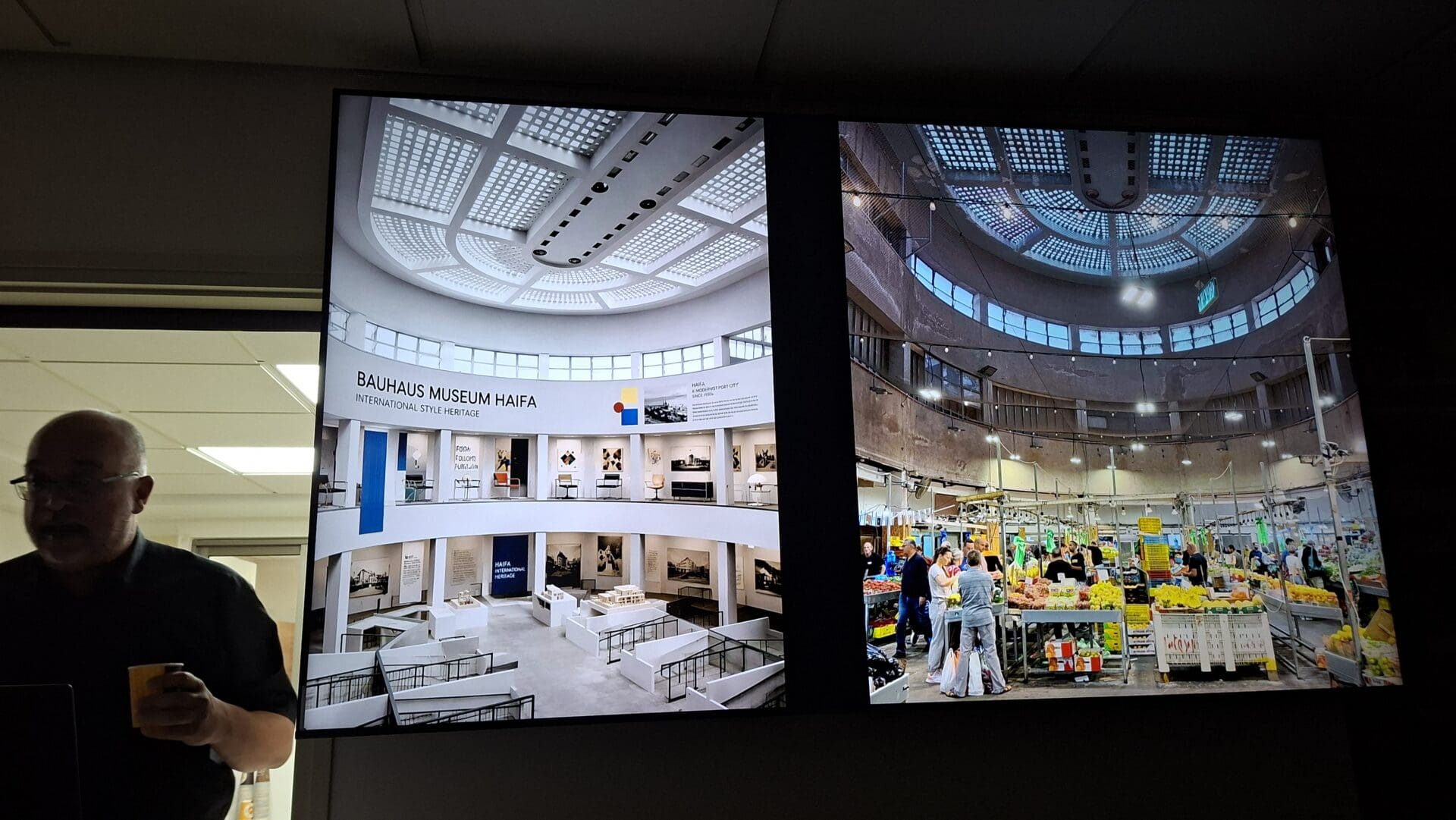
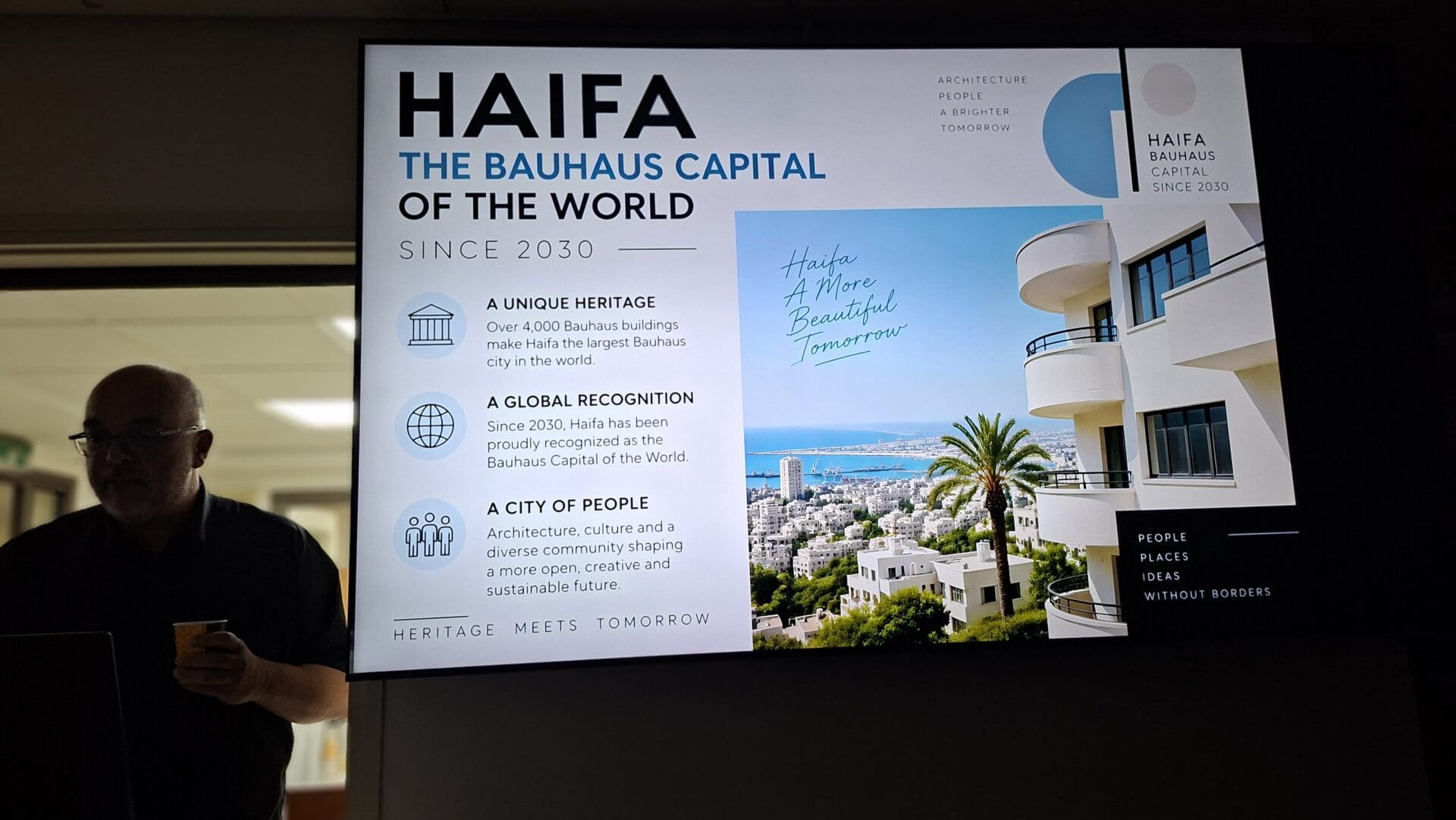
A large crowd packed the venue and listened to the fascinating lecture by architect Dr. Yossi Kori, who illuminated the basic concepts of the Bauhaus and their incarnations, focusing on the unique story of the Haifa Bauhaus, on a journey between past, present and future.
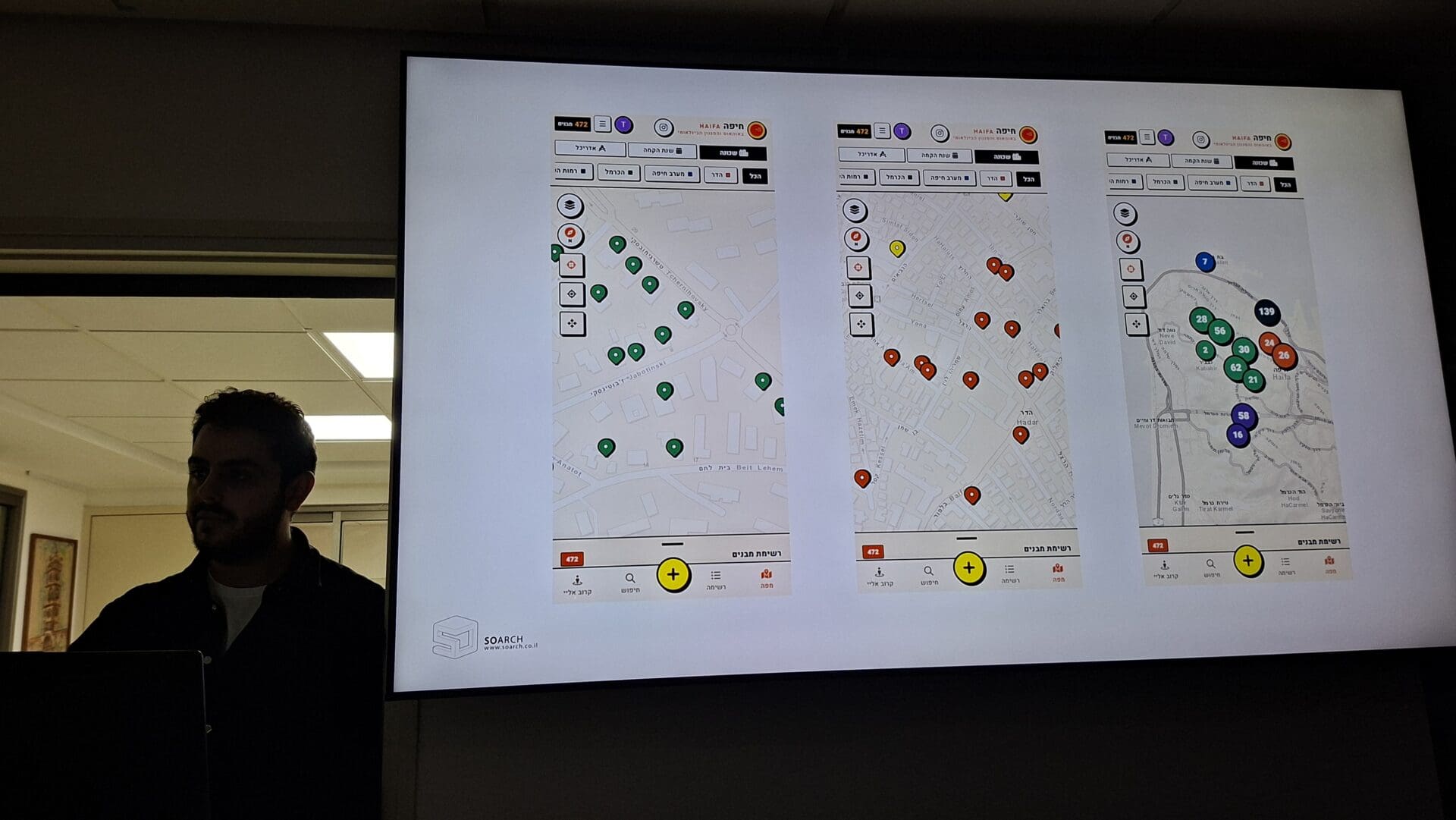
Then came the climax, or rather the icing on the cake: Architect Dr. Yossi Kori, Oded Rosenkjaer and Tamir Bar-Asher launched the Haifa Bauhaus website, with a particularly colorful addition to the municipal celebration. Namely: the red, blue and yellow icing on the cake of the Haifa Bauhaus.
The many events, tours, and activities planned for the week can be found on the Haifa Municipality website. But you'd better hurry: As it turned out, only a short time after the program was published, the places at the various events were already taken. It turns out that the Haifa Bauhaus is not only a sought-after architectural style, but also a real cultural attraction.
What is Bauhaus?
Bauhaus is a revolutionary movement in architecture, art, and design. The term was coined by German architect Walter Gropius in 1919, when he founded the famous school of art and design. He reversed the word order of the traditional German word Hausbau (meaning "house building") to symbolize an innovative concept in which all the different arts and crafts, united under one roof to serve architecture and construction.
The main idea was to create a connection between art, craft, technology and architecture, and to place usability at the center of the design.
Its prominent principles are simplicity, functionality, clean lines, geometric shapes, avoidance of unnecessary decorations, and the use of modern materials such as glass, steel, and concrete.
The Bauhaus had a profound influence on architecture and design in the 20th century. The school was closed in 1933, following the Nazi rise to power.
The story of the exhibition curator who saw the future
Behind the Haifa Bauhaus Week, which began as a cultural event and became a large-scale urban movement, lies the story of one man who saw the future. When Amnon Baum, curator of exhibitions at the Haifa History Association, was asked who was the first to come up with the idea for the exhibition and the entire Bauhaus Week, he replied simply, almost as if trying to set things straight: "Yes, I was definitely the first."
Baum says that he was the one who began to put together the plan, invite the lecturers, and initiate the tours. He was also the one who brought in architect Dr. Yossi Kori, who was initially hesitant, but later joined in with great enthusiasm and even expanded the idea far beyond its initial dimensions.
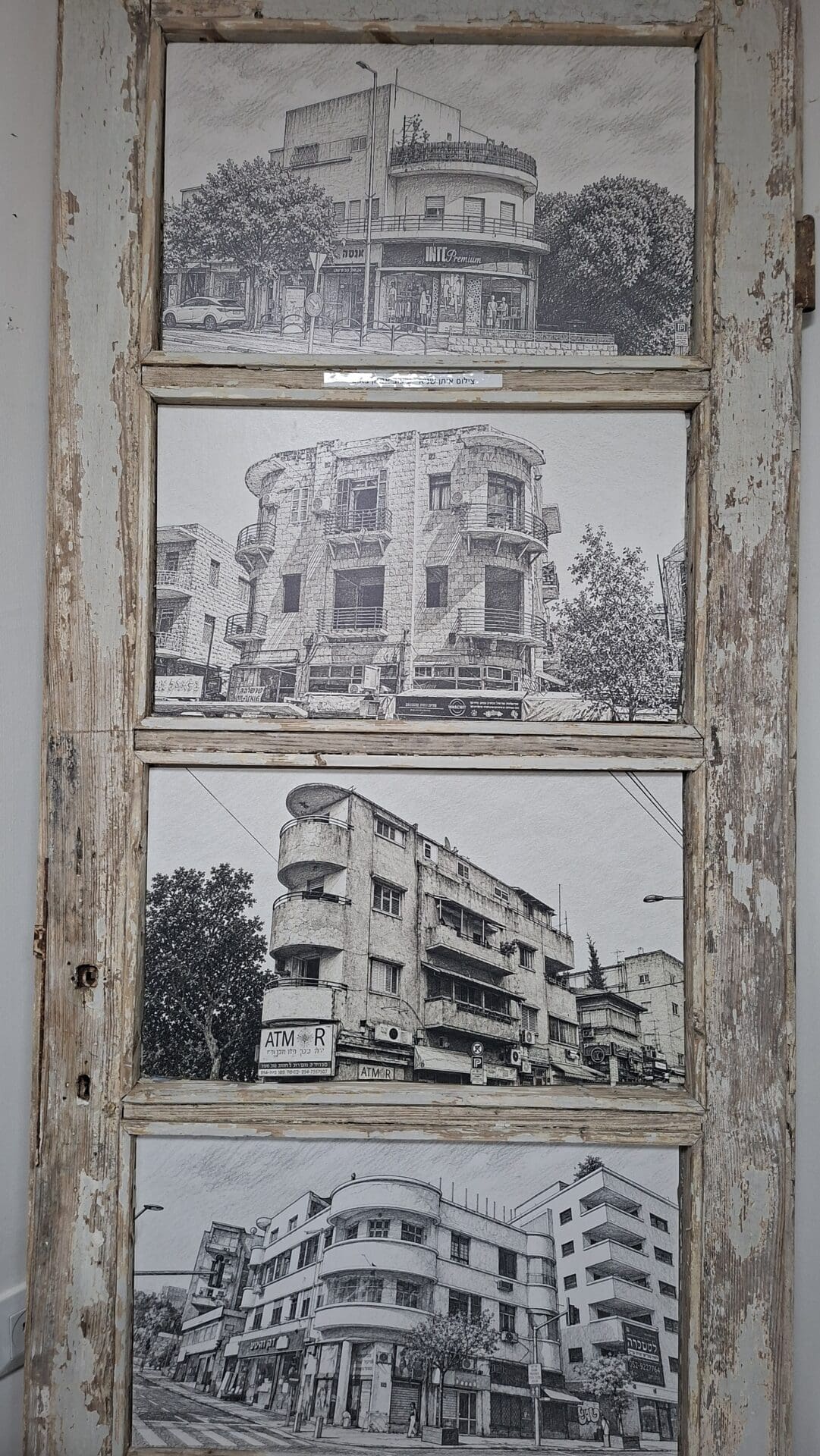
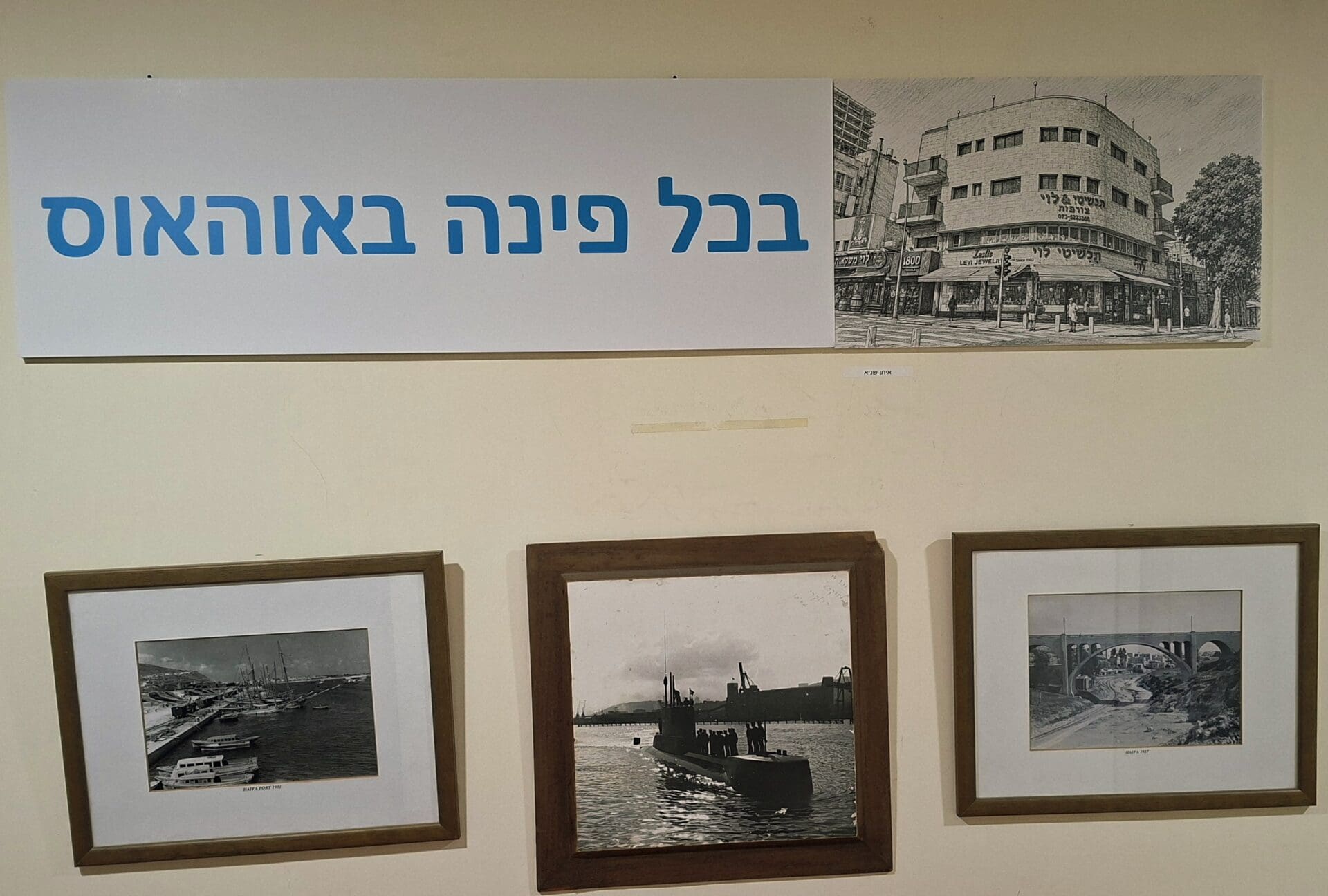
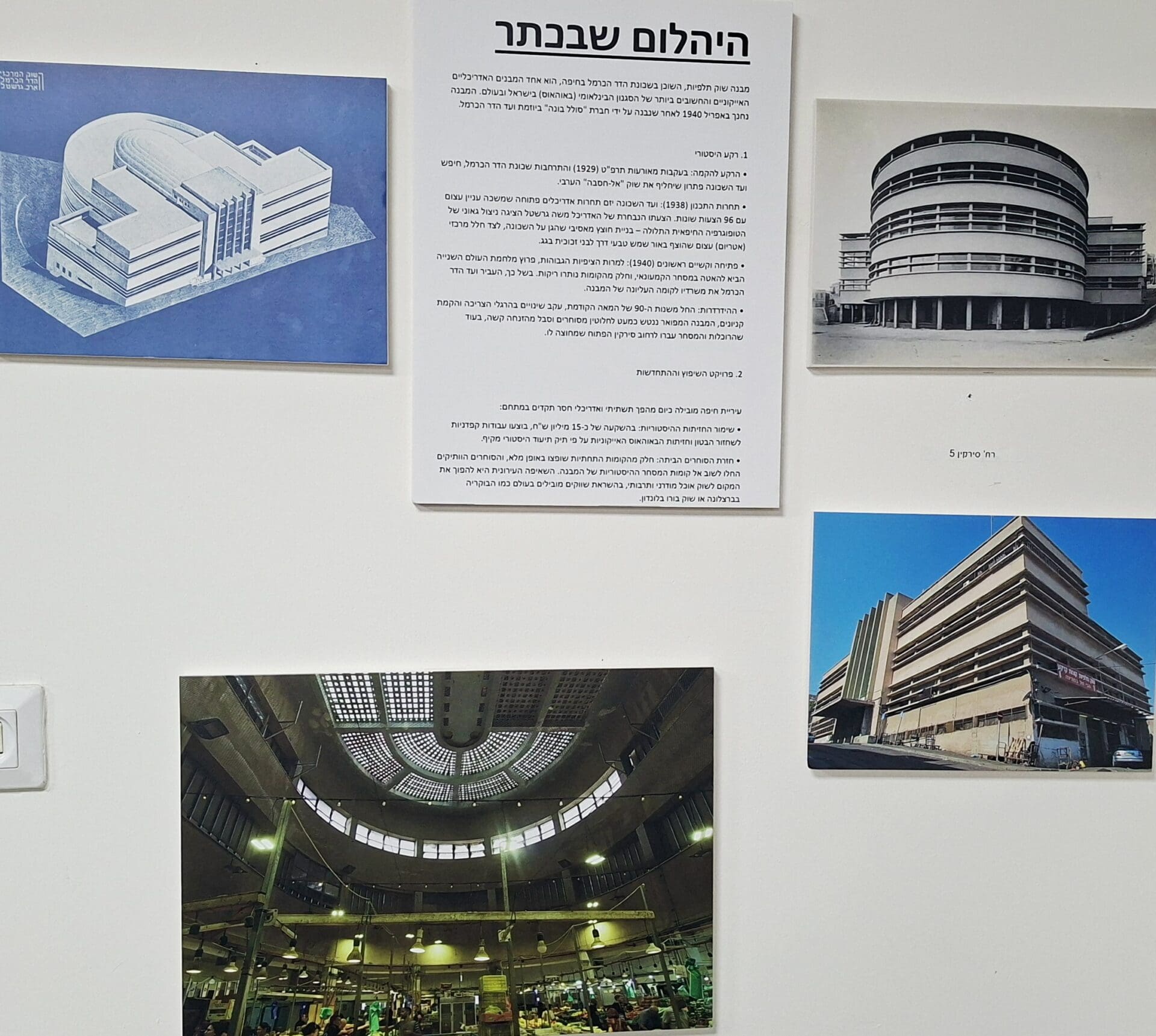
But sometimes, it's the little details that tell the big story. For example, the old door on which photographs of Bauhaus buildings are displayed. The photographs and their processing were prepared by Eitan Sagi, but Baum, as soon as he came across them, already knew what their place would be: an old door that was waiting for him, as if it had reserved a role for itself that had not yet been written.
He cleaned it, polished it, took apart the handles, and prepared it for its new role. In this act, which has something of the Bauhaus spirit itself, a meeting between utility and beauty, between material and idea, the secret of the entire project is also revealed: a vision sometimes begins not with a grand declaration, but with a person who looks at an old object and sees in it a new possibility.
A small idea that became an urban movement
The story of the Haifa Bauhaus Week began with a focused initiative by the Haifa History Association. Behind it stood a simple, yet significant, recognition: Haifa has an extraordinary architectural and cultural asset, an integral and valuable part of its identity, but this asset has not yet been given the public stage it deserves. What began as an idea to shine a new light on the Haifa Bauhaus soon turned out to be something much bigger. It seemed that the entire city was waiting for someone to take up the gauntlet.
The response was almost immediate, and sometimes even surprising. Dozens of people, institutions, and organizations enthusiastically joined in. Initial conversations ended in agreement even before the explanations were complete. No long persuasion was required, but mainly someone to propose the idea and open the door.
Behind the initiative were the people of the Haifa History Association: Prof. Aliza Shenhar, Amnon Baum, Nissim Weysa, Yigal Graeber and Rita Spivak, who laid the foundation for the movement and led its first steps.
The initiative was joined by the Association of Architects, which initiated the international call "Adopt a Home for You." The move was coordinated by Oded Rosenkjaer and architect Dr. Yossi Kori, who contributed their professional expertise and vision. At the same time, the Haifa Municipality was involved, through Bracha Sela and Oded Arazi from the Spokesperson's Department; the Council for the Preservation of Heritage Sites in Israel, through Roni Bar Natan and others; and the Municipality's Culture Department, led by Dana Ben Shalom, Amit Ashbel, and Mital Beit-On.
The architecture exhibition "Adopt a Home (International)" is being displayed at the Hadar Community Center (on the second floor, at 29 Jerusalem Street, Haifa). Some of the posters and works from the exhibition are also displayed at City Hall and in the buildings themselves throughout the Hadar neighborhood.
The exhibition presents a design and conceptual vision of architects and planners who reimagined the future of historic International Style buildings in the city.
The Hadar Community Municipal Corporation was also a significant partner in the process, and within the framework of the call "Come to the Bauhaus" Noa Ovadia and Merav Sela joined it. Alongside them was the Haifa Tourism and Recreation Association, through Yair Amitzur, as well as Mor Pervstein from the Haifa Municipality's Conservation Department. Each and every one of them brought a different layer of knowledge, ability, connections, and commitment to the table.
"Come to Bauhaus" is a community open house project and event taking place in the Hadar Carmel neighborhood in Haifa and other parts of the city.
The goal of the project is to expose to the general public the rich architectural heritage of the international style (Bauhaus) in the neighborhoods and the city as a whole.
The project is built on two main pillars based on a community initiative:
- Hospitality and open houses: Neighborhood residents living in buildings built in the International Style open up their homes, stairwells, or shared courtyards. The goal is to allow visitors to get up close and personal with the unique buildings and hear the historical stories behind them.
- Combining artistsAs part of the project, artists are invited to stay in these special buildings and present exhibitions, installations, performances, workshops and artistic activities in the spirit of the place and the Bauhaus movement.
Beyond the names that appear on the list of partners and institutions, there is a large group that is no less important: Dozens of volunteers are the ones who turned the idea into an immediate meeting between the city and its residents and visitors. It seems that almost without realizing it, a local initiative by a single organization has grown into a joint urban enterprise. No longer an event of a single entity, but a broad mobilization of public institutions, professionals, cultural organizations, volunteers and residents. Each brought with them a different piece of the puzzle, and all together created a picture of a city rediscovering one of its most beautiful assets. Perhaps this is the secret of the success of the Haifa Bauhaus Week: not only the architecture that connected the people, but the people who reconnected the architecture to the city.
The entire city becomes an architectural gallery
One of the main activity centers of Bauhaus Week is the headquarters of the Haifa History Association, at 60 Allenby Street, where exhibitions and lectures are held dealing with the International Style and the city's white building heritage.
However, the Bauhaus celebration is not confined to four walls. As mentioned, it goes out into the streets and neighborhoods, through guided tours in Hadar, Bat Galim, Max Nordau and Jerusalem streets, in the Second Aliyah area, in the Carmel Center, in the Abbas neighborhood and at the Zionist level. Alongside them, exhibitions and lectures are held at other cultural centers, including the Hadar Community Center, the Step-In Gallery, the Pyramid Cultural Center and the City Museum.
The world of creativity also receives a place of honor, with urban drawing workshops, weaving inspired by Anni Albers, screen printing, and activities that allow you to experience the spirit of Bauhaus.
The open houses in the Hadar neighborhood complete the experience and allow a glimpse into buildings and stories that are not usually accessible to the public.
Most events are offered free of charge, although some tours and workshops require advance registration. Thus, the whole of Haifa, with its streets, houses and cultural institutions, becomes one big stage celebrating its architectural heritage.
How do you recognize a Bauhaus house?
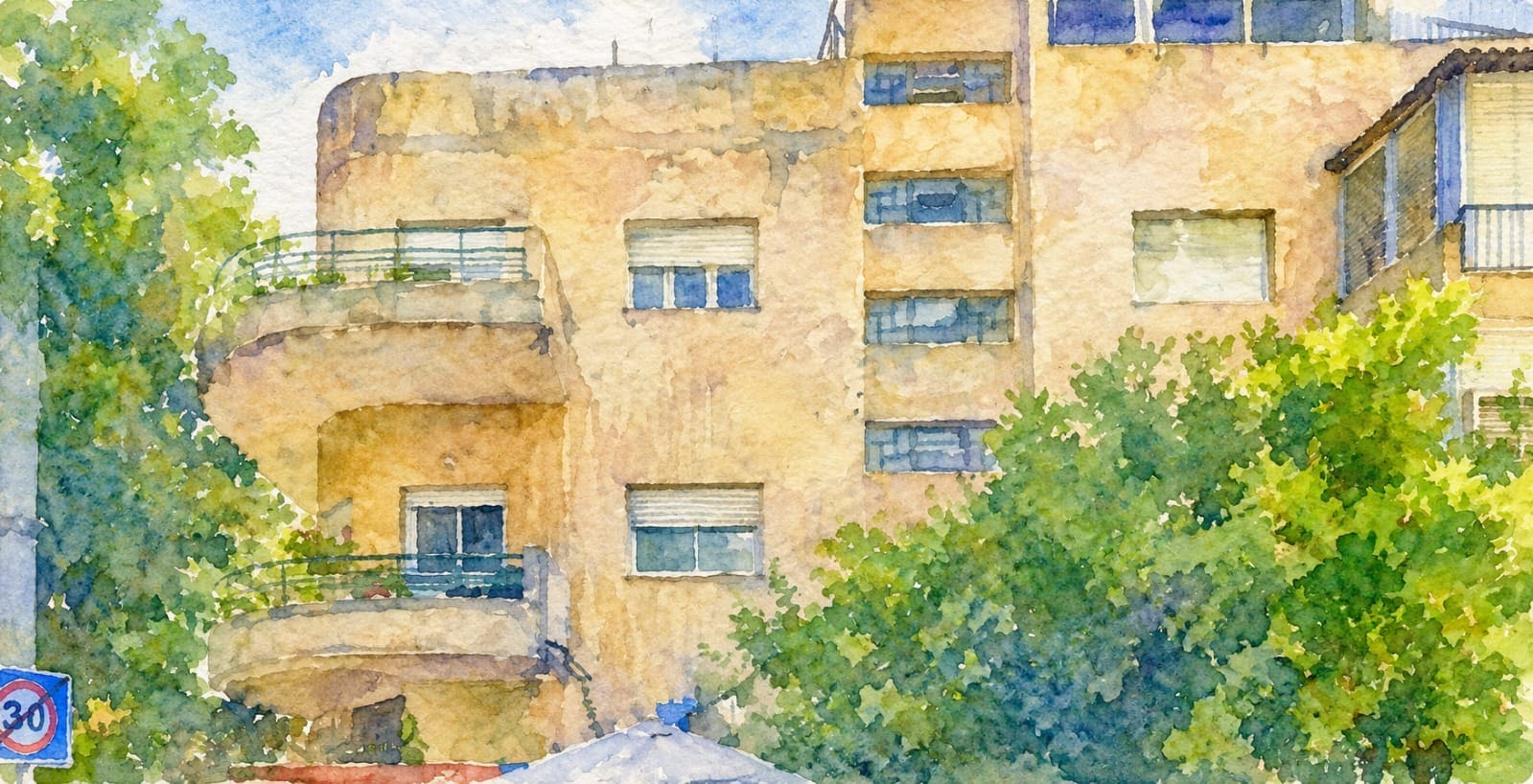
Bauhaus and International Style houses are characterized primarily by the concept that form follows function: that is, the house is designed to serve its occupants, and therefore there is no need for ostentatious or unnecessary decorations. They are replaced by clean geometric lines, formal simplicity, flat roofs, and sometimes rounded corners, which give the buildings a shiplike appearance.
Wide horizontal windows allow natural light to penetrate, while protruding balconies create an interesting play between the facade and the interior space.
The buildings rely on modern construction technologies for their time, including reinforced concrete, thin columns called pilotis, and sometimes prefabricated components.
When this architecture arrived in the Land of Israel, it was adapted to the Mediterranean climate: the windows were enlarged to allow light and breeze in, the balconies became a central shading element, and the light facades helped to cope with the sun's radiation. Thus was born a unique local style, combining the principles of European modernism with the conditions of life in the country.
This is architecture that can be recognized at a glance, but the more you look at it closely, the more you discover small details that indicate thought, planning, and sensitivity to the environment.
Bauhaus Architecture in Israel: The Untold Story of Haifa
The Bauhaus arrived in Israel mainly in the 1930s, with the immigration of Jewish architects who had studied in Germany. They were influenced by the concepts of European modernism or worked in its spirit. They brought with them a new architectural concept that sought to free itself from ornamentation and past traditions and to place functionality, simplicity, light, and the relationship between the building and its environment at the center.
From these ideas, a local architectural style developed in Israel, known as the "International Style." It adapted the principles of European modernism to the Mediterranean climate and the local way of life: as mentioned, buildings with clean lines, bright facades, flat roofs, horizontal windows, balconies, columns that allow air circulation and shading solutions. This was an architecture that did not just seek to build houses, but to offer a new way of life.
But when talking about Bauhaus architecture in Israel, the first name that usually comes to mind is Tel Aviv. And rightly so: The White City, where thousands of buildings were built in the International Style, has become the focus of recognition and appreciation of the modernist heritage in the country. In 2003, UNESCO declared the White City in Tel Aviv a World Cultural Heritage Site, in recognition of its architectural importance and the way in which the principles of European modernism were adapted to local conditions.
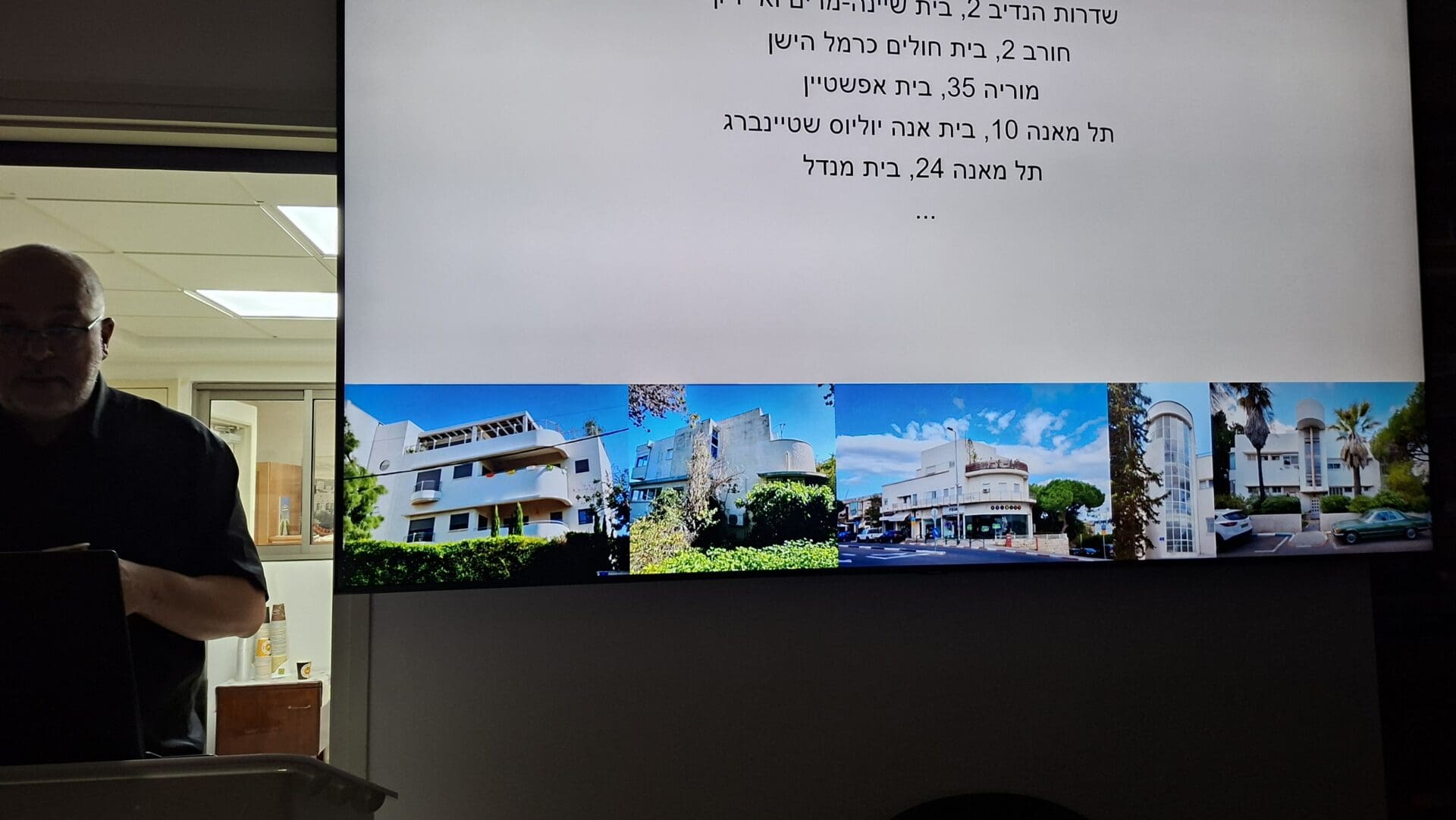
Haifa is not just another city where houses were built in the international style
But this is precisely where the Haifa story begins, and it deserves a much more central place in Israel's architectural and cultural consciousness.
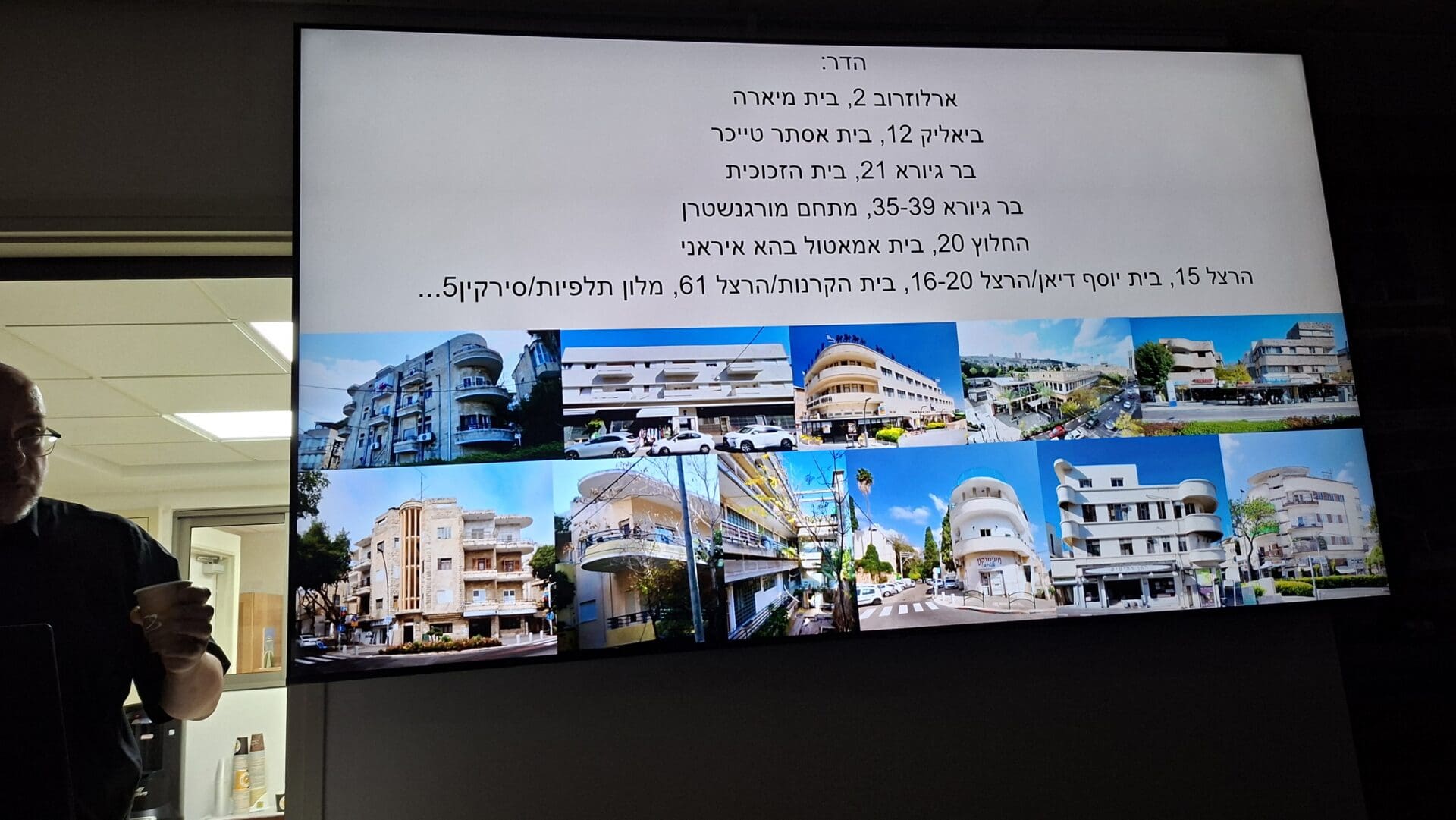
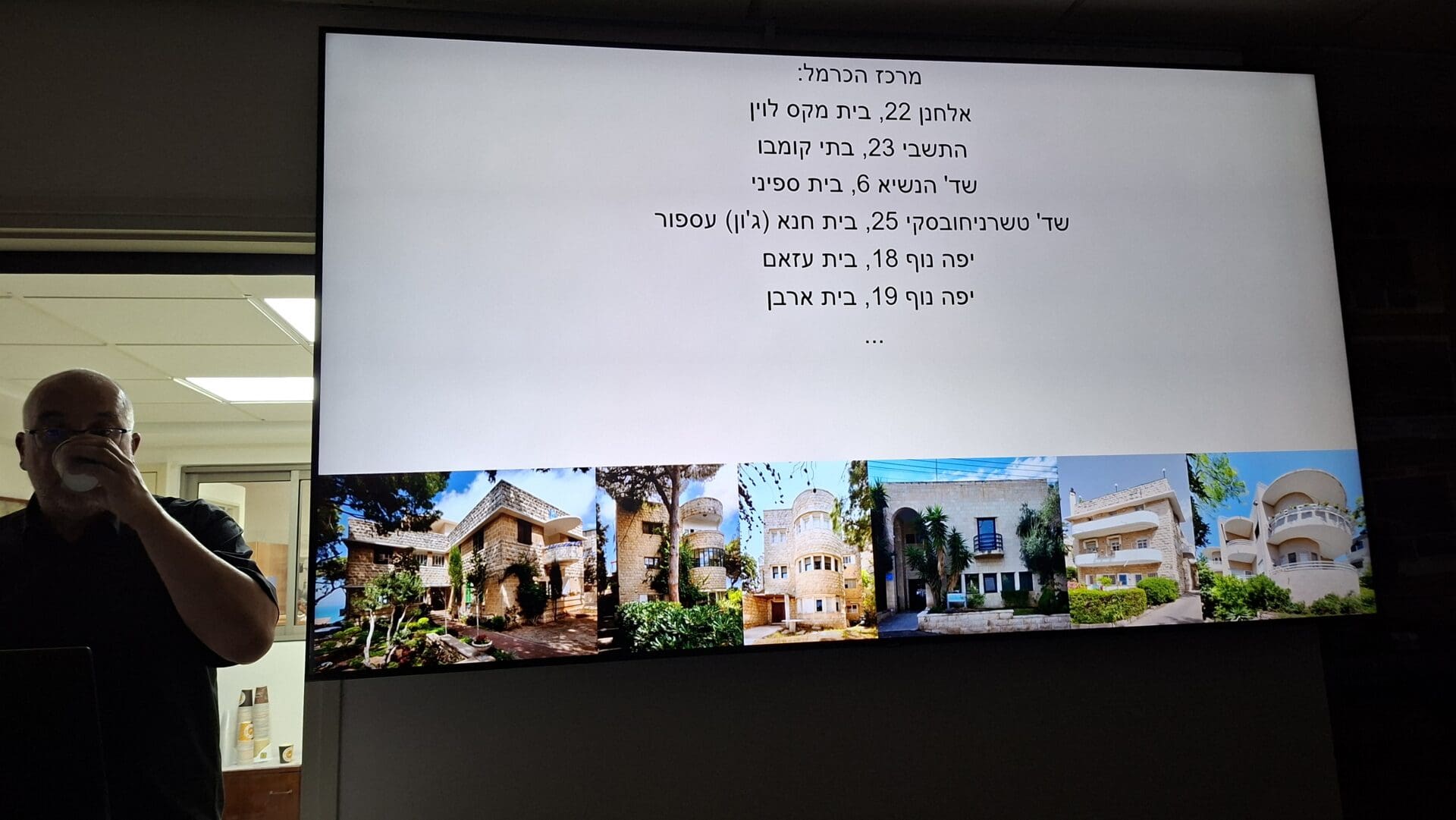
Haifa is not just another city where houses were built in the International Style. It possesses an extraordinary architectural treasure, the scope of which, according to current data, reaches approximately 6,000 buildings in this style. If this figure is accurate and refers to the entirety of modernist buildings, then this is an enormous scope, requiring a renewed consideration of Haifa's place on the map of Israeli architectural heritage.
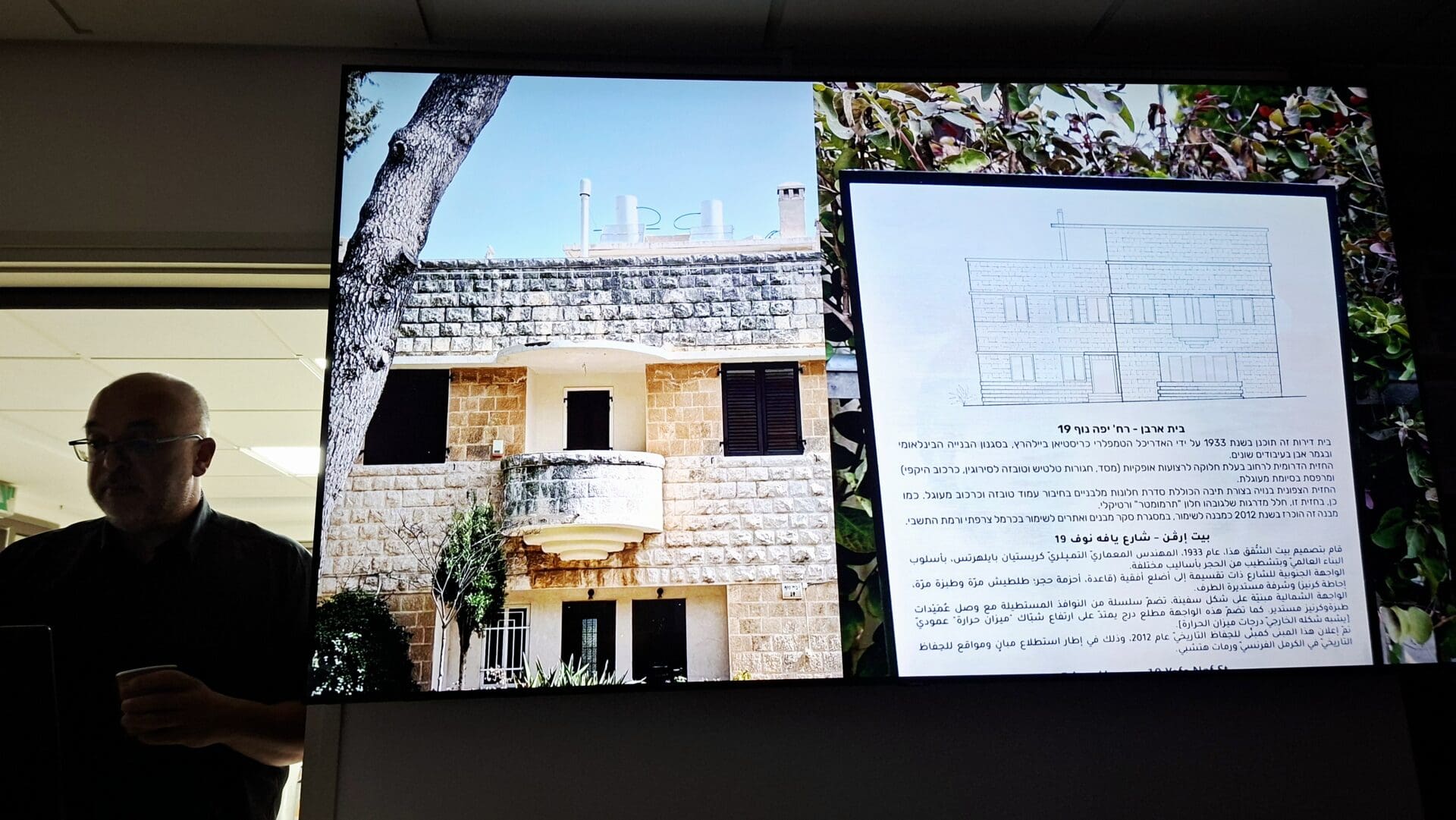
However, Haifa's uniqueness is not limited to the number of buildings. Its modernist architecture developed within an urban landscape that is completely different from that of Tel Aviv. The mountainous topography, the meeting of the mountain and the sea, the slopes, the winding streets and the meeting of different neighborhoods created unique architectural conditions. Here, the architects were required to deal not only with the sun and the climate, but also with slopes, open views, terraced spaces and the complex relationship between the building and its surroundings.
The result is an urban fabric with its own character. Modernist buildings that do not stand as isolated monuments, but are integrated into the fabric of the city's life. They tell the story of Haifa in a period of development, renewal and aspiration for the future, and testify to the way in which international architectural ideas have found local expression here.
Indeed, it is time to change the perspective a little: Tel Aviv is not the only one that is the story of Israel's Bauhaus. Haifa is a central chapter in this story, a chapter with its own characteristics, impressive scope, and distinct architectural identity. If the White City has gained international recognition, then the challenge for Haifa is to bring its architectural treasures to the forefront, to recognize their value, to preserve them, and to make them an integral part of the cultural, tourist, and public discourse in Israel.
The Haifa Bauhaus Week is an excellent opportunity to do just that: not only to showcase beautiful buildings or bring back memories from the past, but to make Haifa residents, and Israelis in general, look up at the buildings around them and rediscover the city in which they live.
And what next? Now it's the municipality's turn.
Haifa Bauhaus Week Doesn't Have to End with Lockdown The exhibitions and the conclusion of the tours, workshops and lecturesOn the contrary: it should be a starting point for an ongoing urban process that will leverage Haifa's architectural treasure and transform it into a cultural and tourist asset with a national and international presence.
One promising project is mapping the International Style buildings and establishing a website that centralizes information on the thousands of buildings scattered throughout the city. Such a website would allow researchers, architects, tourists, and residents to get to know the buildings and their stories, and to discover Haifa through its unique architectural heritage.
But a website, no matter how important, is not enough. This is where the Haifa Municipality comes into the picture. After the Haifa History Association, the professionals, the organizations and the volunteers proved that the city has interest, enthusiasm and willingness to get involved, it is time for the municipality to take the reins and make Bauhaus Week a permanent annual event, supported and promoted by it.
Such a week could be initiated every year, or the project could be expanded through year-round tours, opening of unique buildings to the public, exhibitions, lectures, and architectural tourism routes. This would transform Haifa's heritage from a one-off cultural project into a real center of attraction, positioning Haifa as a destination for architectural and cultural tourism in Israel and around the world.
The Haifa Bauhaus Week proves what people who care about their city can achieve: cooperation, enthusiasm, and joint action. But public enthusiasm, however impressive, cannot replace long-term municipal responsibility. The initiators and volunteers have already taken the first step. Now the Haifa Municipality must continue the path, providing the project with a framework, resources, and momentum.
Haifa doesn't need to invent a glorious past for itself. It's already here, in its streets, buildings, and balconies. It just needs to know how to reveal it, tell its story, and make it an integral part of its identity and future.
The Haifa Bauhaus Week proves that there is a desire, knowledge, enthusiasm and an audience here. From now on, the ball is in the hands of the Haifa Municipality: to turn a successful initiative into a municipal tradition, and the city's architectural heritage into one of its hallmarks on the tourism map in Israel and around the world.
The article on the Haifa Bauhaus Week is very interesting, instructive, expands knowledge on the subject, and compliments the Haifa History Association, headed by Professor Aliza Shenhar and curator Amnon Baum, who first conceived the idea for this important week in collaboration with the association's board members Yigal Graeber and Rita Spivak, who implemented the idea in a wonderful and exceptionally important way.
well done
We should also mention Dr. Cory, who leveraged the idea in an extraordinary way and turned the issue into a Haifa crown.