


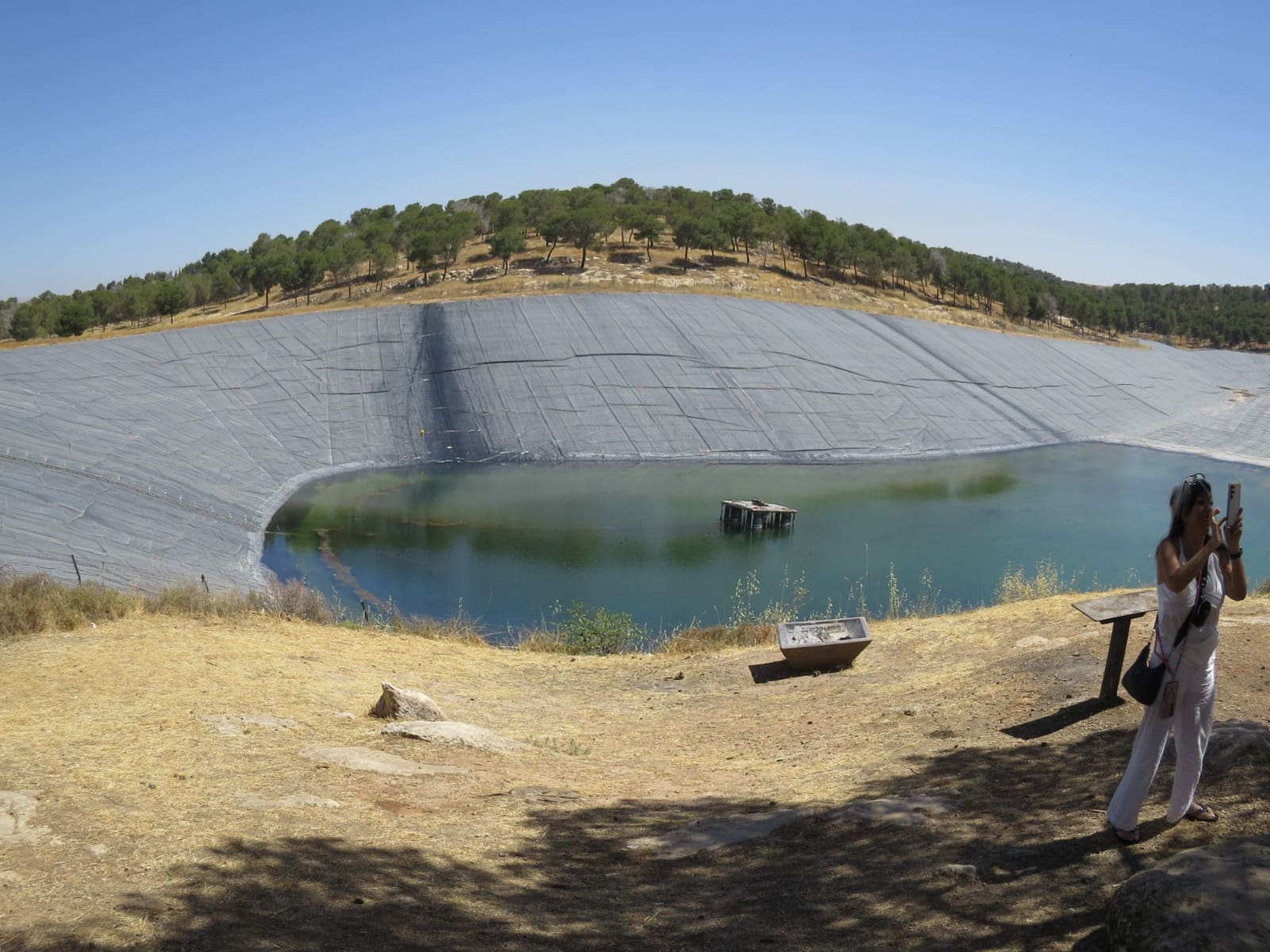
As someone who travels the field every day as part of my work, I encounter countless places, stories, and people who have experienced unforgettable moments. Some are funny, some are scary, and some simply need to be heard. This time, I want to talk about something that many people pass by without paying attention to: Israel's reservoirs. Those beautiful blue "lakes" that are tempting on a hot day, but hide within them a real and tangible danger.
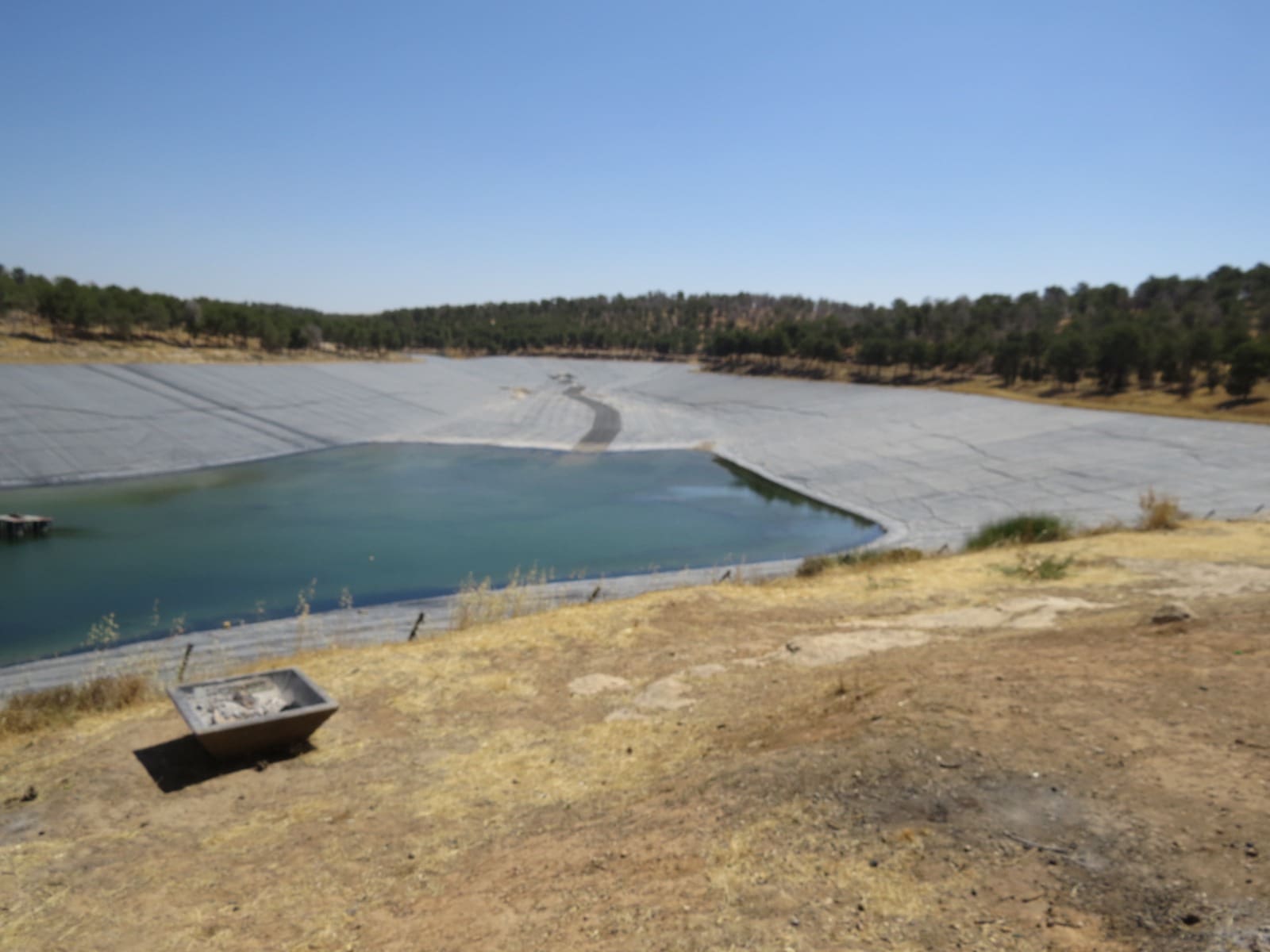
A cool paradise? Think twice!
We live in a stressful country, full of events, wars, difficult times. Maybe that's why people tend to ignore warning signs. "Danger of drowning," "Entry prohibited," for some passersby it's just another sign. But in reality, these warnings were written in blood.
Reservoirs, such as the Tirzah Reservoir or the Menashe Reservoir, are not fish ponds and are not natural lakes. They are engineering infrastructure designed for irrigation, storage and water management, not for swimming. And yet, from time to time, rumors come in about people who have entered the water, sometimes out of curiosity, sometimes out of extreme heat, and sometimes out of the thought, "I know how to swim, what could happen?"
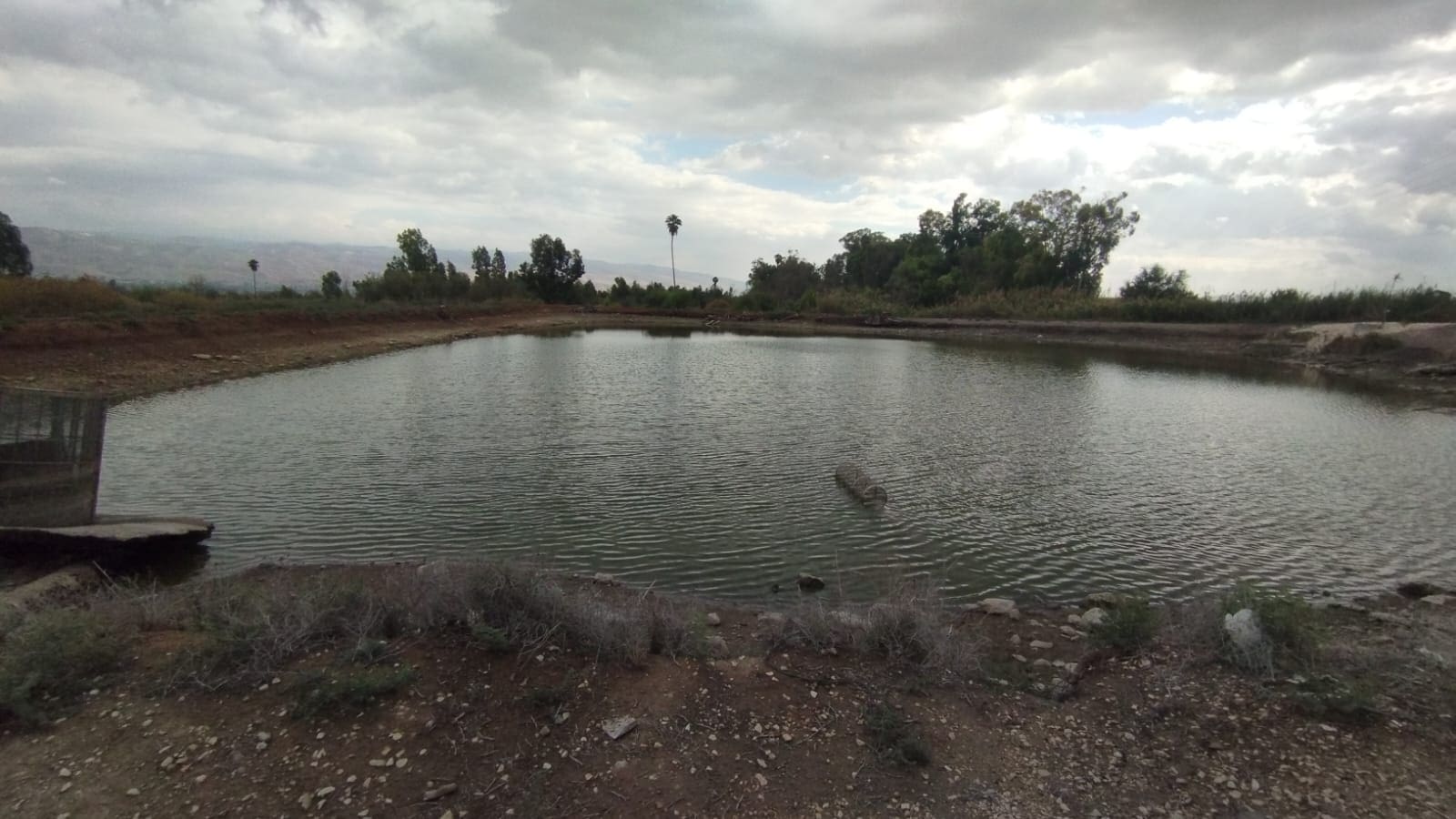
Easy entry. Exit? Not sure.
In conversations with people who dared to enter the reservoirs, an act that is a violation of the law, I heard the same sentence over and over again: "We know how to swim"But that's not enough.
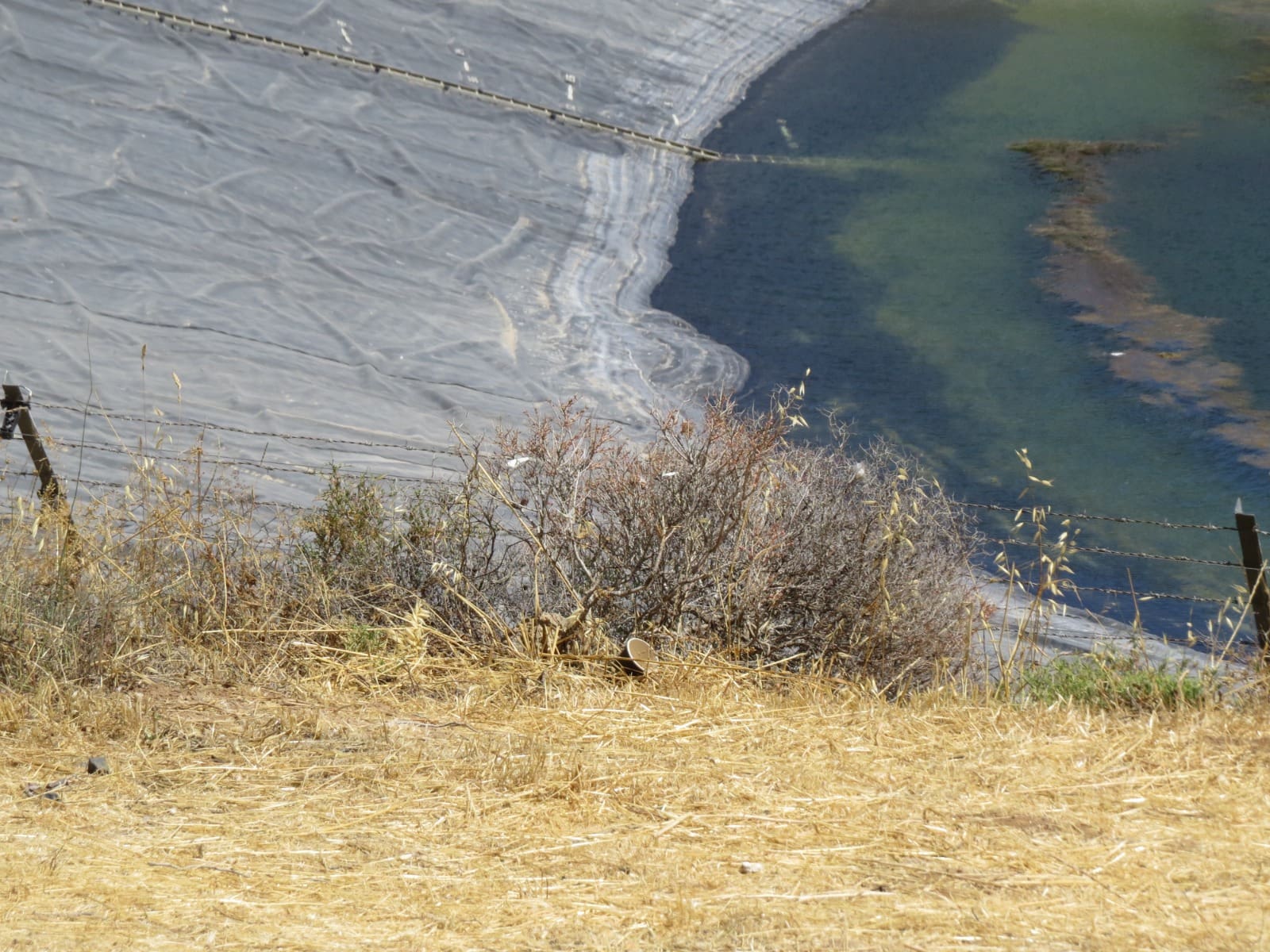
The real danger is not in the water itself, but in what lies beneath: a layer of algae and slippery vegetation that has grown on the reservoir's waterproofing sheets. It is a surface with no grip, no fulcrum, no way to lift yourself out. Anyone who enters the reservoir may find themselves in a situation reminiscent of a carnivorous plant, only this time the "insect" is a human.
And here comes the really scary part: If you enter a reservoir without anyone knowing, there is no one to look for you in time. Reservoir rescue is complex, and divers are sometimes forced to fumble with their hands in murky water to find a missing person.
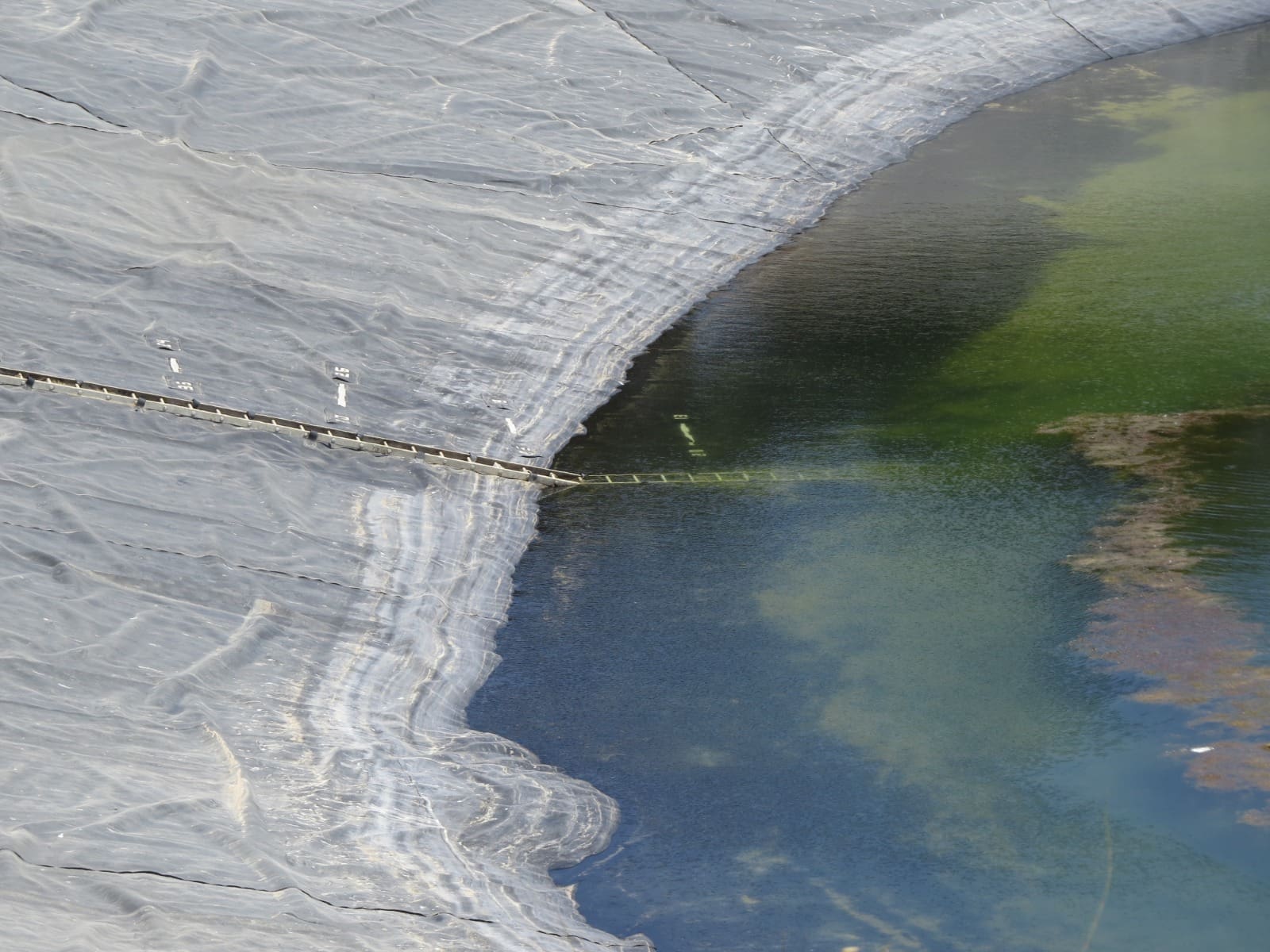
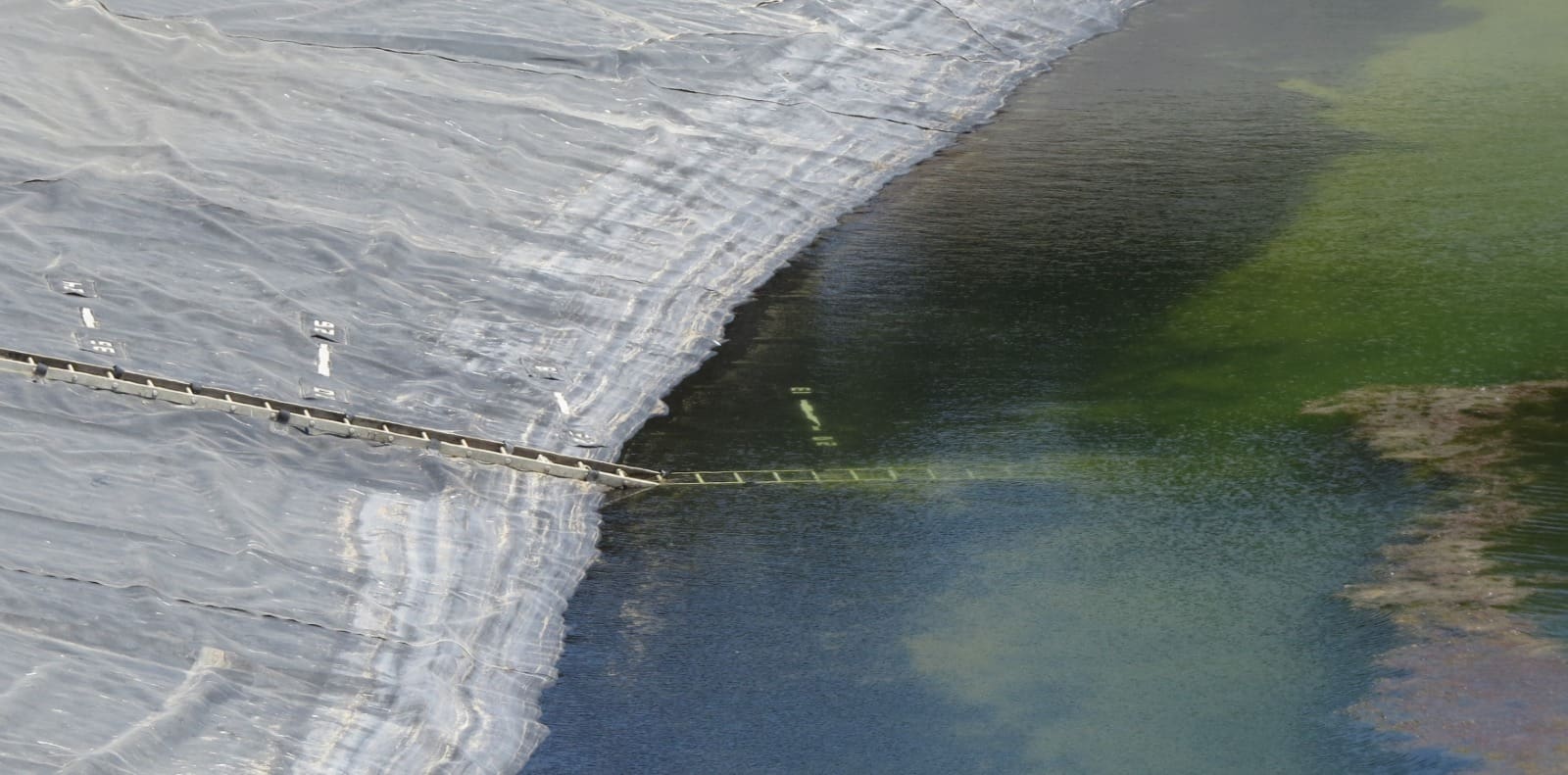
Rare cases — but completely real
Although cases are rare, they do exist. And despite efforts by authorities, including the construction of long staircases inside some of the reservoirs, it is still a real danger.
A person who made a mistake should not have to pay for it with their life. But the primary responsibility is all of us: to respect the signs, to understand that the warning is not a decoration, and to avoid entering places that are not designated for bathing.
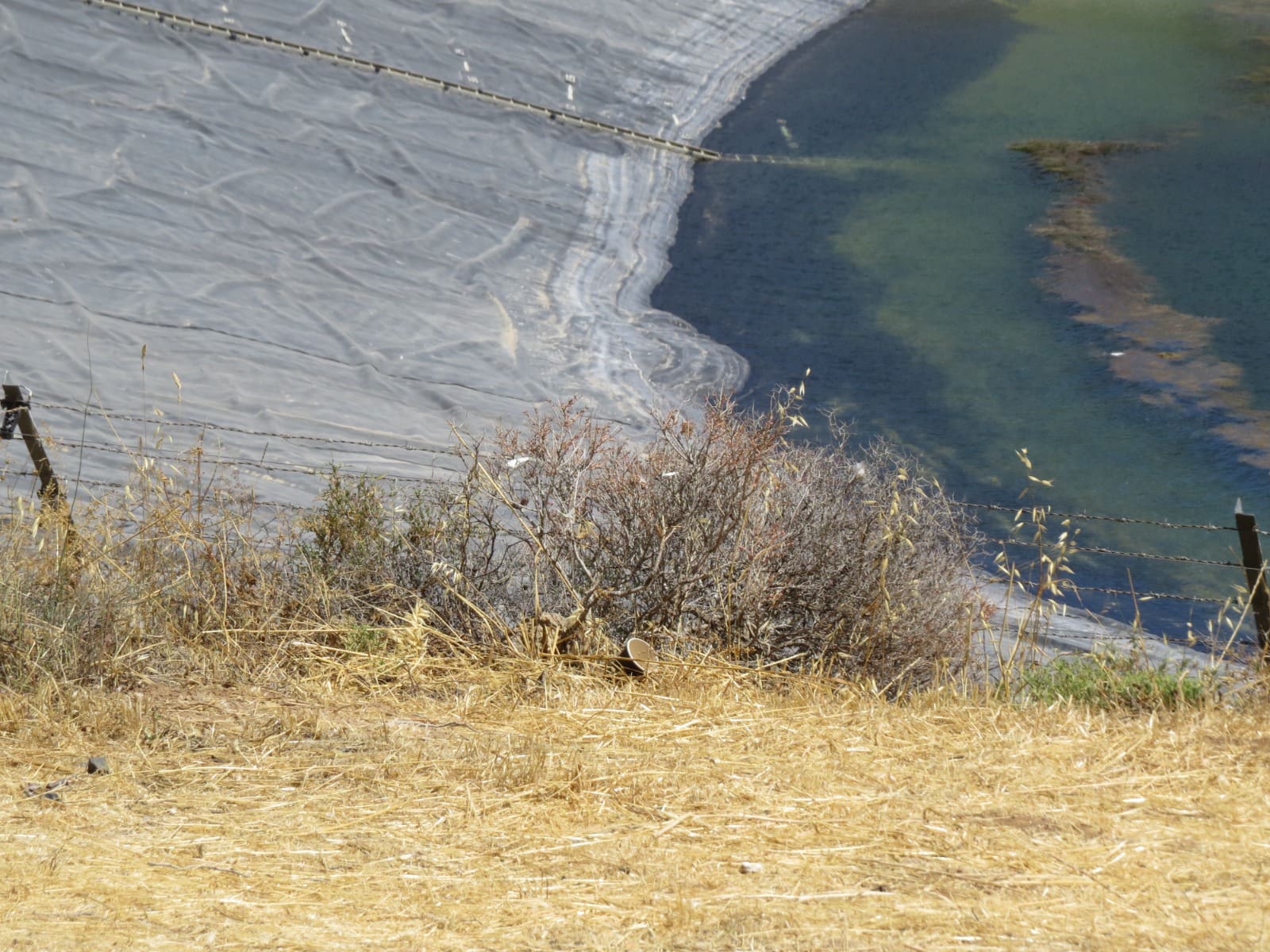
In conclusion: A warning sign is not a recommendation.
Reservoirs are an important and impressive part of our national infrastructure, but they are not a place to relax. On a hot day, a blue lake can look like paradise, but beneath the surface lies a trap.
I urge anyone who is traveling, taking photos, curious, or simply looking for a moment of calm: Only bathe in familiar, regulated, and safe places. Life is too precious to ignore a sign.