


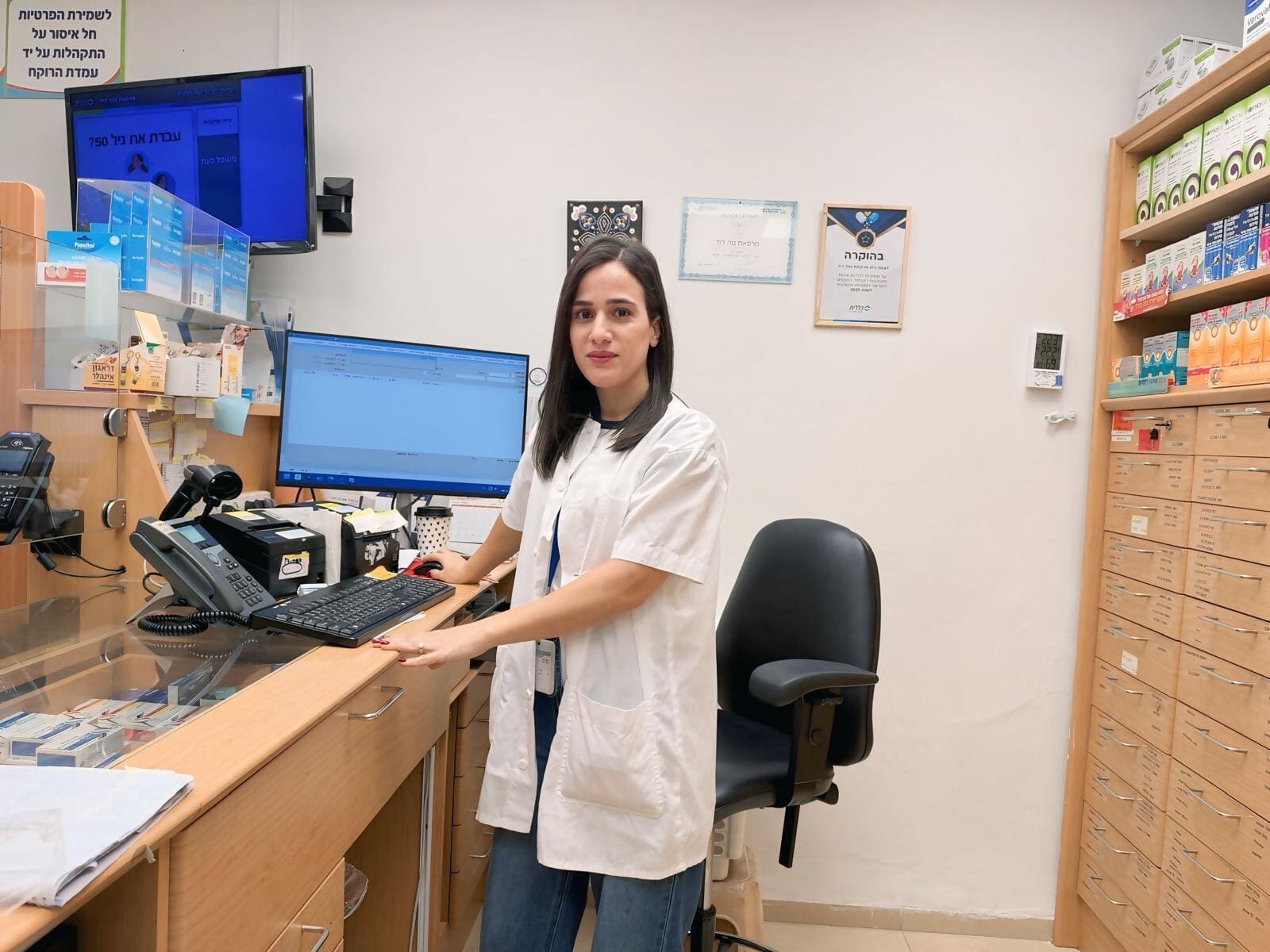
In preparation for Pharmacists' Day on November 11, she tells Mona Abu Taros, pharmacist in charge at the Clalit pharmacy in Neve David in Haifa, how attention to detail and long-term familiarity with patients helped uncover financial distress that led to the discontinuation of essential drug treatment. According to her, the pharmacist's role today goes far beyond dispensing medications and includes accompaniment, clinical monitoring, and identification of risk situations.
When the unpurchased drugs told the real story
Mona Abu Taros knew a regular patient who came to the pharmacy regularly. During one of her visits, she noticed that the patient seemed upset and confused, and that some of her regular medications were not included in the purchase.
A sensitive conversation she had with the patient revealed that she was facing financial difficulties and had to give up some of her medication. Mona worked with the relevant authorities in Clalit, accompanied the patient and helped find a solution that would allow her to continue treatment.
A few weeks later, the patient returned to the pharmacy, said she had been able to stick with her treatment and thanked the pharmacist for her assistance. "That moment illustrated how a community pharmacist can have a real impact on patients' lives, beyond dispensing medication," said Mona.
"It's important to see the person behind the prescription"
According to Mona, her choice of pharmacy profession stemmed from her love for the health field and her desire to help people. Over the years, she has discovered that getting to know patients personally is one of the most important tools in her work.
"Continuous familiarity makes it possible to identify changes in the patients' condition, difficulties in persisting in treatment, and sometimes emotional or social distress. The connection and trust that are built over time allow us to listen, understand, and help," she explains.
When asked what makes a pharmacist a professional that patients trust, she replied: "Empathy, listening, and the ability to see the person behind the prescription. A good pharmacist knows how to build trust and provide a sense of security and support."
Abnormal tests led to an urgent change in treatment
Another case that Mona recounts demonstrates the importance of the pharmacist's clinical role in the community. A patient who arrived at the pharmacy with test results and regular medications caught her attention after she identified abnormal values that required further testing.
"I immediately contacted the treating physician and presented the findings and my professional concerns. After a joint discussion, it was decided to urgently adjust the treatment and closely monitor his condition," she said.
According to her, the collaboration between the pharmacist and the doctor helped reduce the risk of possible complications and ensure safer and more tailored treatment for the patient.
Far beyond the counter: the complex role of the pharmacist
"Proof that we are a significant address for patients"
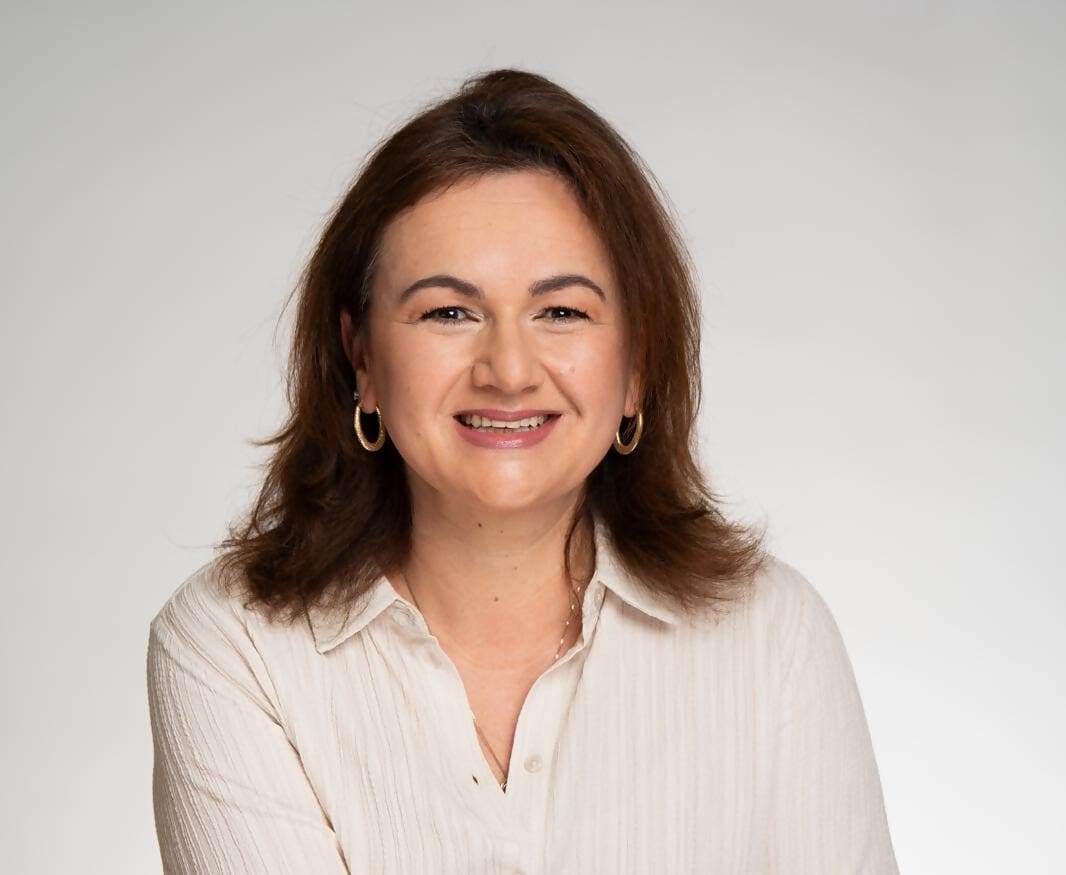
Recognition for pharmacists in the Haifa and Western Galilee districts
Irena Malenevsky, District Pharmacist at Klalit, Haifa District and Western Galilee, notes that there are approximately 380 pharmacists operating throughout the district who play a central role in maintaining the health of patients.
According to her, their work combines professionalism, clinical responsibility, counseling and guidance alongside personal familiarity with patients and sensitivity to their needs.Mona's story is an example of the important work that takes place every day in our pharmacies. On the occasion of Pharmacists' Day, I would like to thank all the pharmacists in the district for their dedication and professionalism and wish them continued meaningful work and professional development.", she said.