



(haipo) Yom Kippur is approaching, and with it one of the customs, in which the roads across the country are filled with children, teenagers and adults on bicycles, scooters and other riding vehicles. Precisely because the roads are quieter, many feel safer and go out for long rides, but even on this day the dangers do not disappear. Before taking the bicycle out of storage or the scooter out of the house, it is worth stopping for a few minutes and making sure that the vehicle is in good condition, that the equipment is ready and that all family members know the safety rules.
For many, Yom Kippur is a day of fasting, introspection, prayer and repentance. Alongside its religious significance, in recent years the day has also become a day when many children and families take advantage of the relatively empty roads to ride for hours. However, a bike or scooter that has been sitting unused for months is not necessarily ready to ride. Tires can lose air, a chain can dry out, bolts can come loose and the braking and steering systems need checking.
Therefore, if your bike has been waiting in storage since last Yom Kippur, now is the time to check it, and not just before you go out for a ride.
The most important test
The braking system is one of the most important components of any riding vehicle. Press the brake levers and check that they feel firm and that the brakes respond well. On bicycles with disc brakes, check that the pads are not worn and that there is no noise or unusual friction. On a scooter, you should also make sure that the brake responds quickly and allows for safe stopping. You can do a short test ride in a safe place and check that the vehicle stops in a controlled manner.

Tires, not just inflate and go
After long months in storage, in the attic or in the garage, the tires are among the first components that are important to check before riding again. Make sure that the air pressure is correct and in accordance with the manufacturer's recommendations, and at the same time carefully check the condition of the tire itself. Are there any cracks, cuts, signs of dryness, abnormal wear or foreign objects such as glass and nails. A tire that has lost its quality, is cracked or appears damaged may increase the risk of a flat tire or loss of control while riding.
In case of doubt or significant wear, do not postpone treatment and do not go out riding "just for one more lap." It is better to replace the tire or have it checked by a professional before setting off.
Bike with gears? Check that everything works
If it is a bike with gears, shift them gradually and check that the transition between gears is smooth. It is worth making sure that the system reaches the entire gear range and that there are no stuck or damaged cables. On bikes without gears, check the condition of the chain and its degree of freedom. After a long period of non-use, the chain may need to be cleaned and lubricated with a special bicycle lubricant.
If the chain is very rusty, damaged, or improperly tensioned, it is best to address the problem before riding.
The steering also requires attention. A loose handlebar or a steering system with free play can make a simple ride dangerous. Hold the handlebar and check that it is securely attached. Turn it from side to side and make sure it moves freely, without a feeling of sticking, abnormal free play, or unusual resistance. If in doubt about the steering system, do not attempt to "improvise" a repair at home; it is recommended to contact a professional.
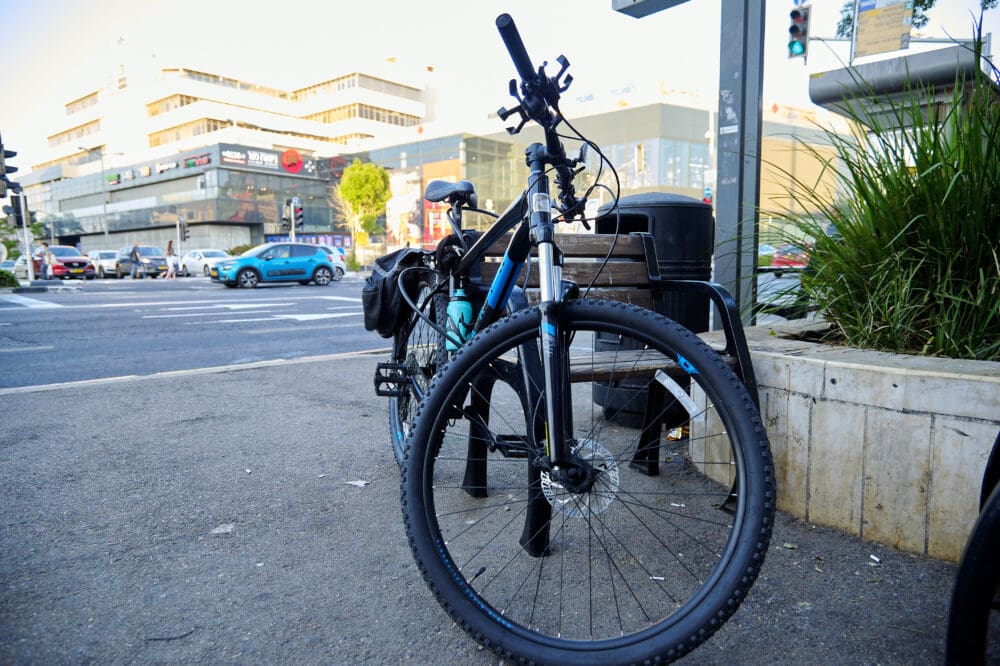
Go over the screws and connections
Bicycles and scooters undergo quite a bit of shaking during riding, so it is important to check that the central parts are well reinforced. Check the handlebar area, seat, wheels and central connections. On a scooter, special attention should also be paid to the folding mechanism and make sure that it locks well and does not come loose. If there is a loose part or freedom that you do not know how to handle, it is better to go to a laboratory or a bicycle shop and not take any risks.
And what about an electric scooter?
There are a few additional checks to be done on an electric scooter. First, check the battery condition and make sure the scooter is charged and functioning properly. It is also important to check that the display, lights, and control systems are working.
Check the folding mechanism, handlebars, wheels, and brakes. Operate the tool for a few moments in a safe place and listen for unusual noises. A battery or electrical system that appears damaged, swollen, unusually hot, or otherwise suspicious is not something to be checked at home. In such cases, discontinue use and consult a professional.
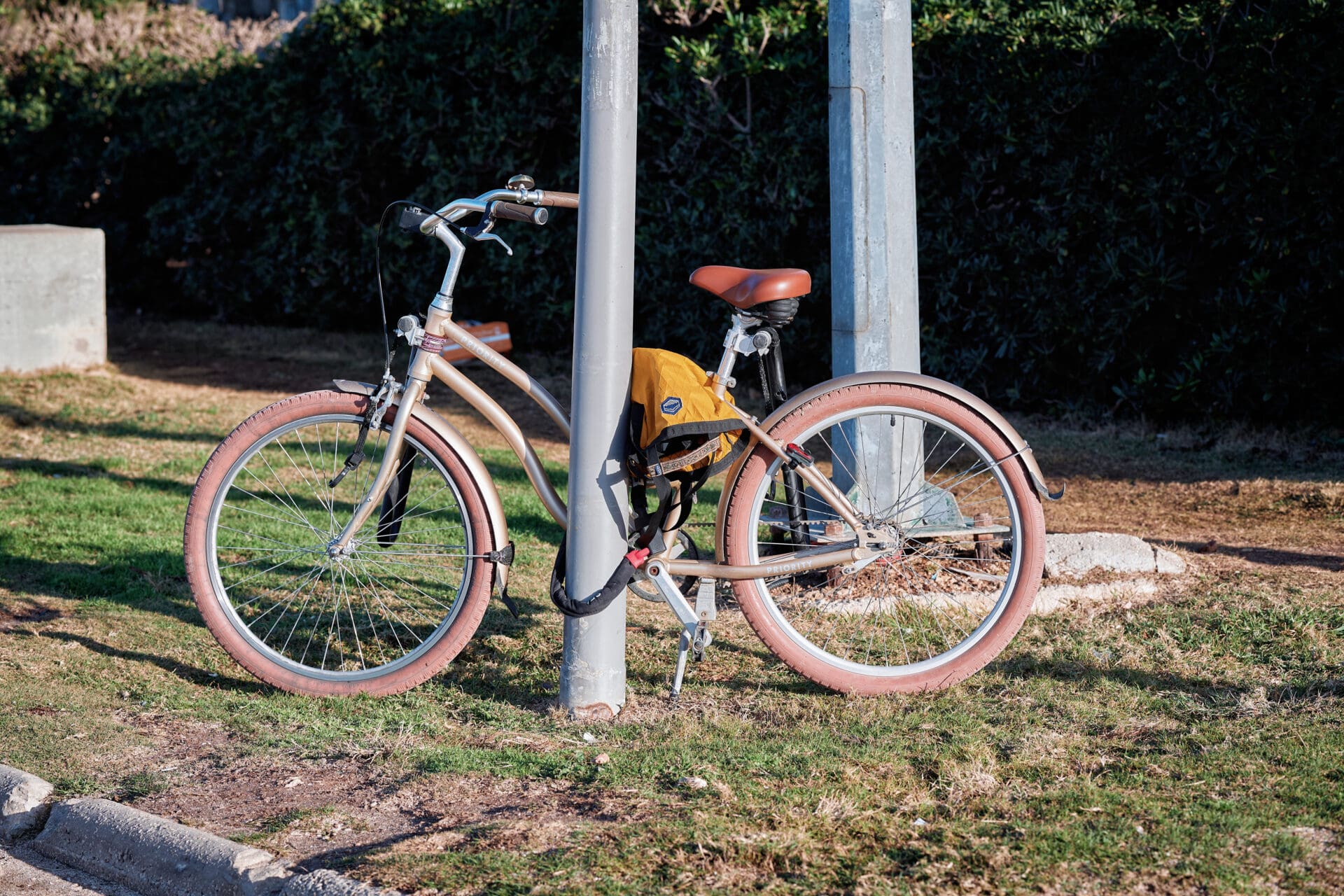
Don't forget the headlights and reflectors.
Yom Kippur doesn't end during the day. Many people ride in the evening and at night, so visibility is critical. Make sure your headlights and taillights are working, that the batteries are charged or that the lights are charged, and that your reflectors are in place and working properly. It's also a good idea to wear accessories that increase visibility, such as reflective items or high-visibility clothing. Even if the road is almost empty of cars, pedestrians and other cyclists are still on the road.
Helmet even when riding only near the house
The fact that it is Yom Kippur and the roads are quiet does not eliminate the need for protective equipment. A proper helmet, that fits the size of the head and is securely fastened, is a basic item for riding. It is especially important to make sure of this for children and teenagers. It is worth checking that the helmet has not been damaged in the past, that there are no cracks in it, and that its straps and mechanism are in good condition.
Don't ride fast just because the road is clear.
This is perhaps the most important rule on Yom Kippur. An empty road may create the feeling that you can speed up, make sharp turns, compete, or ride without restrictions. In reality, riding at high speed actually reduces reaction time and increases the severity of the impact in the event of a fall or collision. Children should remember that even on a road that appears empty, pedestrians, other riders, animals, obstacles, or vehicles may suddenly appear.
The road is clear but it is not necessarily safe.
Do not carry an additional person on a scooter. A scooter is designed for one rider. Do not carry an additional person on it, even if it is a short trip or a small child. Carrying an additional passenger changes the balance of the vehicle, makes it difficult to control and brake, and may lead to a fall.
The bell is not a toy.
On bicycles and other riding equipment that have a bell, it is a good idea to make sure it is working. The bell can alert pedestrians and other cyclists that you are approaching, but it is important to remember: ringing is not a substitute for slowing down and maintaining distance. When approaching a pedestrian or another cyclist, slow down, leave an appropriate distance, and only then use the bell if necessary.
A quick check before leaving home
Before every ride on Yom Kippur, and especially before a long ride, it is worth performing a short check:
- Brakes – work and allow for safe stopping.
- Tires – inflated according to the manufacturer's recommendation and without visible damage.
- Handlebar and steering – stable and without excessive freedom.
- Wheels – are securely attached and rotate properly.
- Chain and gears – in good condition, if present.
- Screws and connections – tightened.
- Folding mechanism – securely locked in a folding scooter.
- Headlights and reflectors – working and in good condition.
- Helmet – in good condition and securely fastened.
- Electric scooter – battery, display, and electrical system are in good condition.

And what should you take with you?
On a long ride, especially if you're away from home, it's a good idea to be prepared for minor problems. A suitable pump, a puncture repair kit, and basic bicycle tools can save you a long walk in the event of a problem. It's important, of course, to know how to use them and not attempt repairs you're not familiar with while riding.
The stores may be busy, don't wait until the last minute.
If during the inspection you discover a significant problem, don't wait until the eve of Yom Kippur. In the days before the holiday, bicycle shops and laboratories may be especially busy, so it is worth performing the inspection as early as possible. And if the tool is not working properly and it is not possible to repair it in time, give up riding. No riding is worth an injury.
Yom Kippur is a day of quiet roads but not of zero risks.
The empty roads on Yom Kippur allow children and adults to enjoy a special ride, but the quiet on the road can also create an exaggerated sense of security. That's why preparation begins long before leaving home: checking the bike or scooter, taking care of protective equipment, explaining the rules of riding to children, and most importantly, reminding them that the goal is to have fun and get home safely.
So before you inflate your tires, put on your helmet, and hit the streets, take a few minutes to check. On Yom Kippur, as on any other day, safety comes first.
August was the deadliest month of the year in Israel
We went up in August from 33 deaths in 2024 to 38 deaths in 2025 to 44 deaths in 2026
What is happening in the country is a disaster on the roads.