


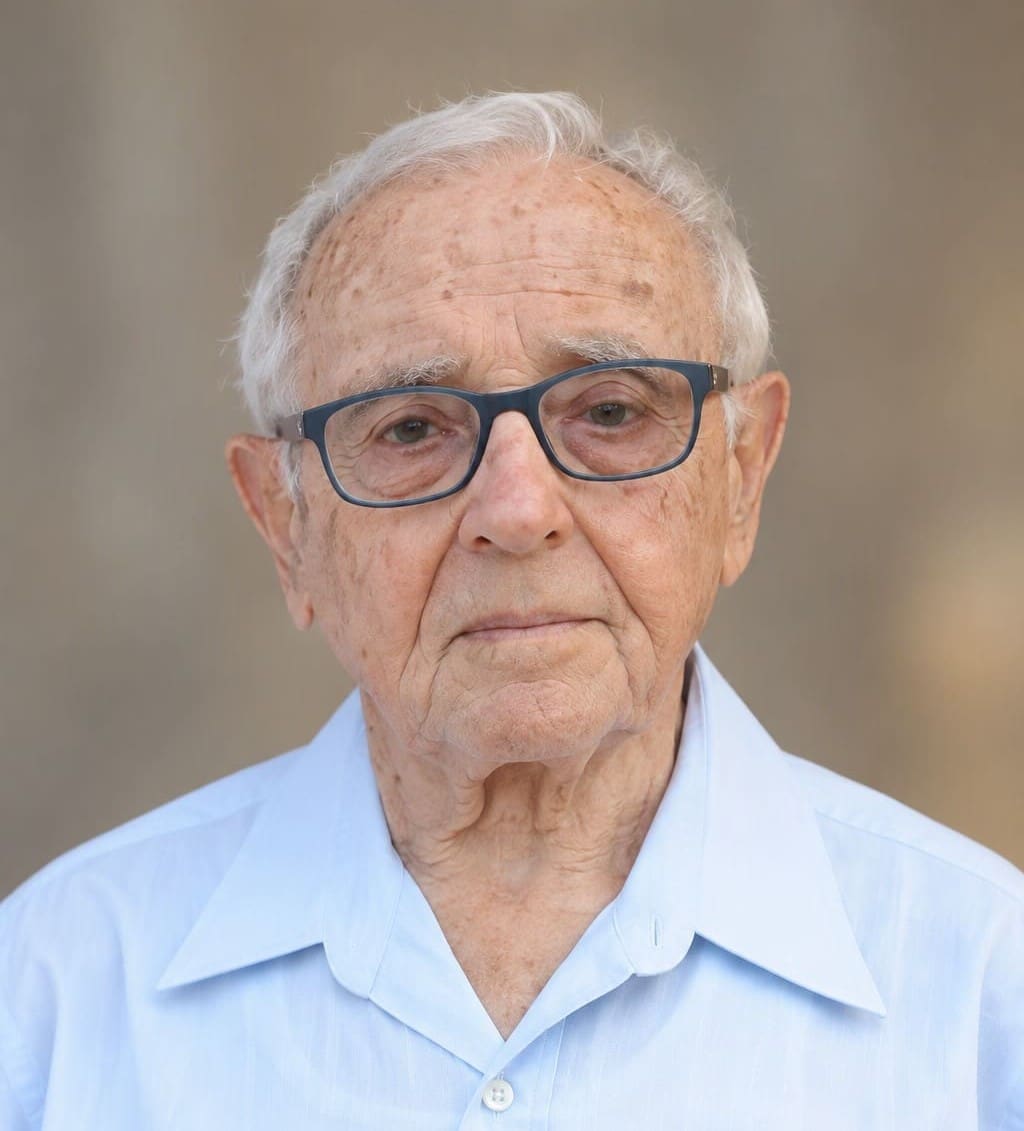
(Hai Fa – Haifa and the surrounding area news corporation) – From Palmach commanders to the Technion presidency: The State of Israel bids farewell to one of its most prominent sons, who dedicated his life to state security, scientific research, and the training of generations of engineers and scientists.
The State of Israel mourns the passing of Amos Horev, Major General (res.), former president of the Technion, winner of the Israel Defense Prize for Lifetime Achievement, and one of the most influential figures in shaping the country's security and technological strength. Horev, who passed away at the age of 102, was one of the commanders of the 1958 generation, a fighter and commander in the Palmach, a senior member of the defense establishment, and someone who led the close connection between science, technology, and national security for decades.
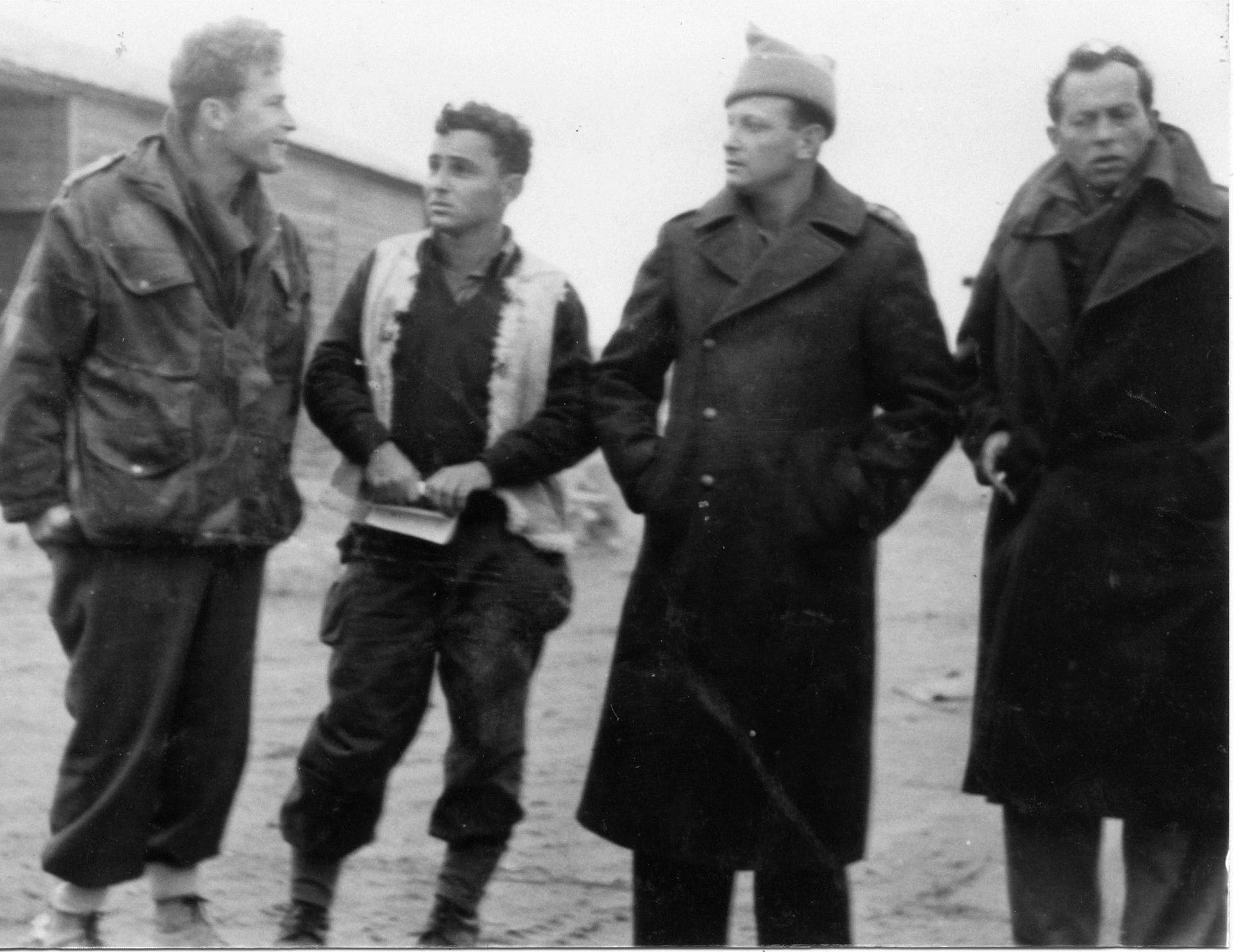
From the Palmach to the top of the defense establishment
Amos Horev, who was born in Jerusalem in 1924 as Amos Suchchaber, was among the founding generation of the state. Already in his youth, he joined the "Hagana" and was one of the first to enlist in the Palmach. During the War of Independence, he participated in the key battles for Jerusalem and the Negev, and during the war his surname was changed to "Horev" by Palmach commander Yigal Allon.
After the establishment of the state, he continued his impressive military service and became the first officer in the IDF to be sent for full academic studies abroad, at the initiative of Prime Minister and Minister of Defense David Ben-Gurion. He completed his studies at the MIT Institute of Technology in the United States, where he earned a bachelor's and master's degree in mechanical engineering.
He later held a series of senior command positions in the IDF and the defense establishment, established and led research and development bodies, served as the defense establishment's chief scientist, and headed Rafael. Many see him as one of the central architects of the scientific and technological infrastructure that gave Israel a security advantage for decades.
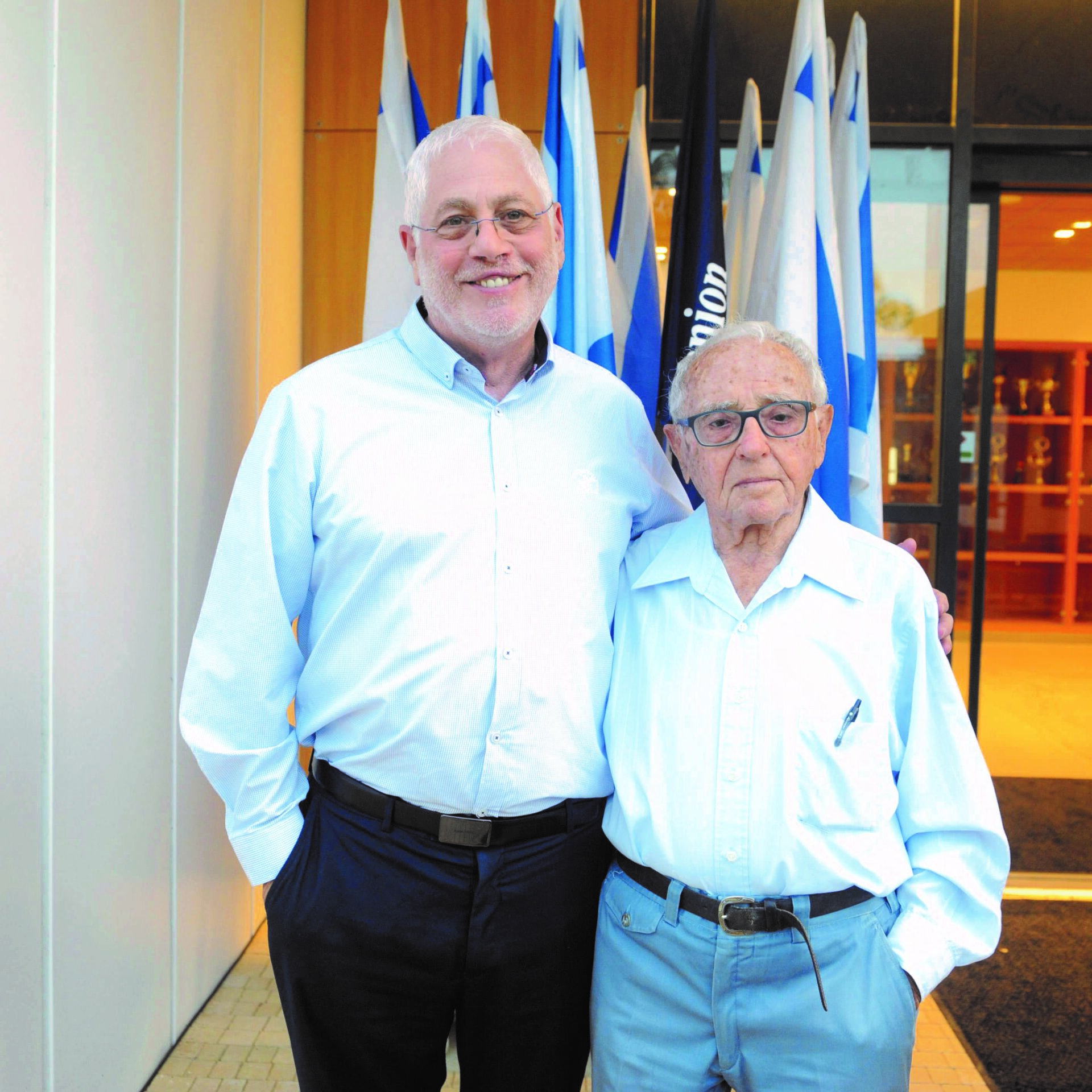
The Technion President in a formative period
In 1973, Horev was appointed President of the Technion, a position he held until 1982. His tenure is considered one of the most significant in the institution's history. During these years, the campus was expanded, new academic units and buildings were added, research and teaching infrastructure was upgraded, and the Technion established its status as a leading institution in the fields of science, engineering, medicine, and technological innovation.
Horev's vision was clear: to cultivate a generation of engineers, scientists, and doctors who would lead Israel and serve its security, economy, and national resilience.
According to Technion President, Prof. Uri Sivan, "Amos Horev was a giant in spirit and deed, one of the shapers of the image of the State of Israel and the fathers of the modern Technion. He understood better than others that scientific and technological excellence is the key to national resilience."
Students are always at the center
Alongside his many achievements as an administrator and as a member of the security establishment, Horev was also known for the direct connection he fostered with students. He often said that one of the most important things for him during his presidency was that "Delhi was always open to the students."
A notable example of this was his decision to invest a $1 million donation that the Technion received from philanthropist Joseph Gross in building an Olympic-sized pool and a sports center for the welfare of students. Years later, the "New Amos Horev Sports Hall" was inaugurated at the Technion, in recognition of his contribution to the institution.
Commitment to the Technion even after retirement
Even after ending his term as president, Horev did not separate from the Technion. For decades, he served as chairman of the Friends of the Technion Association and continued to be a partner in strategic initiatives, resource mobilization, and the promotion of the institution in Israel and around the world.
Technion officials emphasize that throughout his life he remained a source of inspiration for generations of students, lecturers, researchers, and leaders, who acted in light of the values of excellence, public responsibility, and commitment to the country that he represented.
"The Nephilim Section of the State of Israel"
Mayor of Haifa, Yona Yahav, eulogized Horev and wrote that "the State of Israel says goodbye today to one of its best sons." According to him, Horev was "one of the fallen soldiers of the State of Israel," a fighter and commander in the Palmach, a major general in the IDF, and one of the founders of the country's security, scientific, and technological strength.
Yahav also noted that Haifa had a central place in the life of Horev, who, as president of the Technion, contributed to establishing the institution's status as one of Israel's centers of scientific and technological excellence and to strengthening Haifa's status as a city of science, research and innovation.
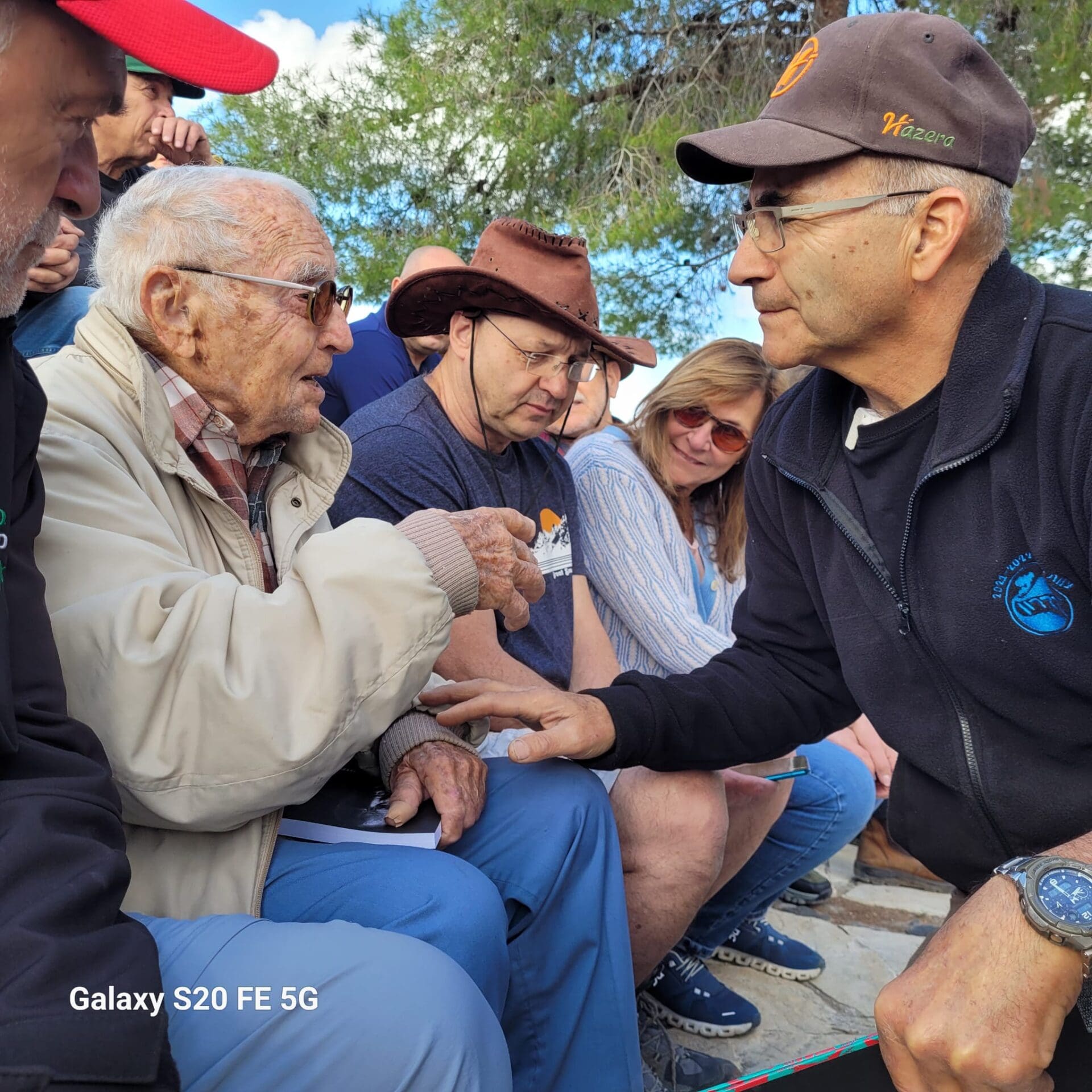
Israel Nature and Parks Authority: In memory of Amos Horev, 1924-2026
Amos Horev, a Palmach commander, was born and raised in Jerusalem. During the War of Independence, he commanded the Hulda convoy and participated in the battles to break through to the besieged city.
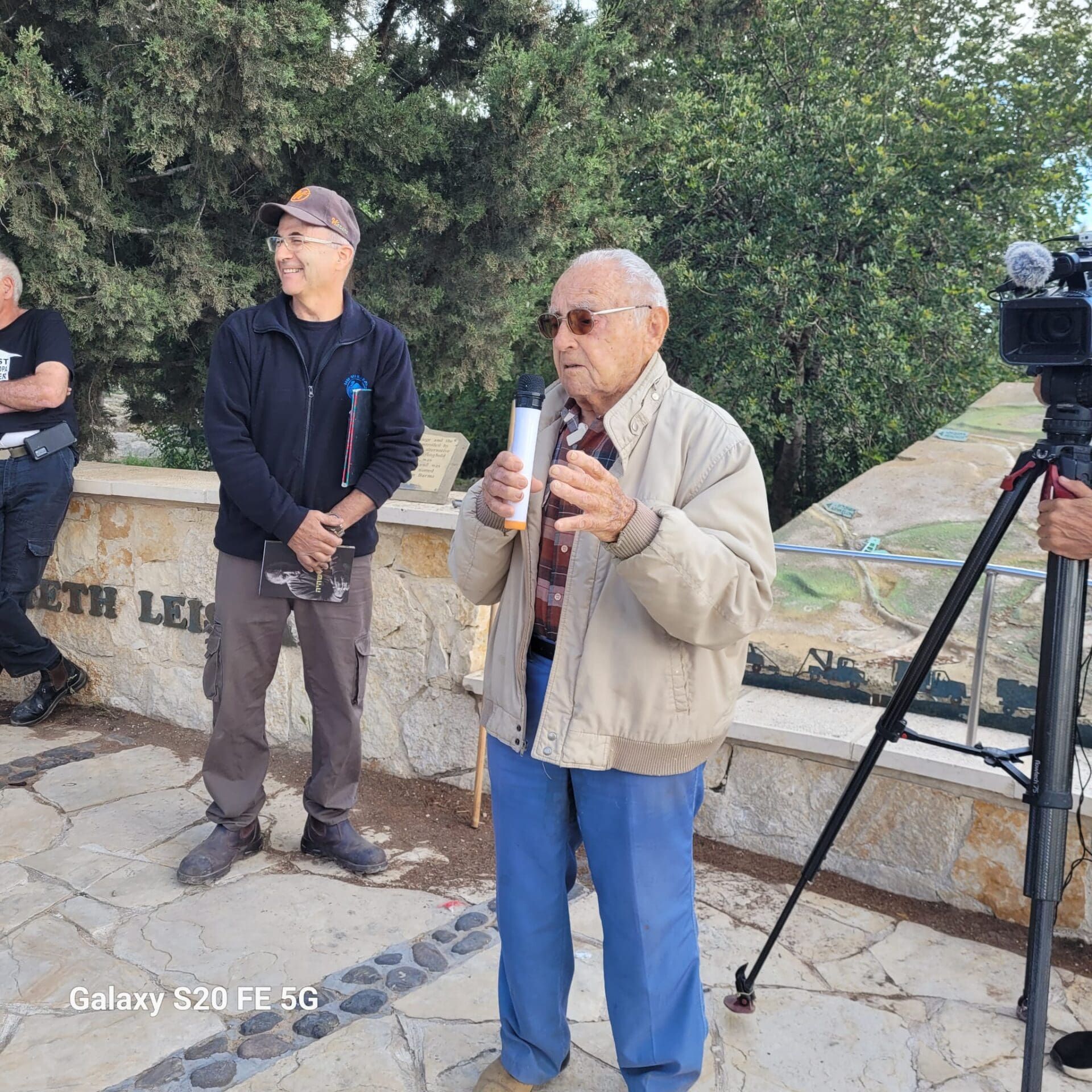
Seventy years later, Horev was a partner in the think tank that planned the heritage center at Khan Shaar Hagai, managed by the Nature and Parks Authority. Alongside his Palmach comrades and Nature and Parks Authority personnel, he helped establish the center that tells the story of the defenders of the road and the escorts of the caravans to Jerusalem.
A legacy of security, science and Zionism
Behind his impressive public career was also a long and fulfilling family life. Amos Horev and his wife Shoshana were married for seven decades and shared a deep belief in the importance of education, public service, and contribution to society. He is survived by two children, grandchildren, and great-grandchildren.
With the passing of Amos Horev, Israel is saying goodbye to one of the last members of the 1958 generation, a generation that not only dreamed of establishing the state but also fought for it, built its institutions and secured its future. His legacy will live on in the security services, in research laboratories, on the Technion campus and in generations of graduates and researchers who were influenced by his vision and work.
Resident of Ramat Hasharon.
About the University of Haifa, I was told that in the 90s, when it was founded, they wanted to merge it with the Technion:
There is no need for two Arab institutions, the university is enough.