


In recent years, I have come across more and more reports of fish and marine animals that are unfamiliar to us from the Mediterranean Sea. Sharks, bettas, colorful ocean fish, and even species originating from African lakes, all appear in sightings across the country. As a marine naturalist, I am excited by the new diversity, but also concerned about the ecological consequences and dangers that may arise when the public does not know how to identify the animals they encounter.
We deserve a good and colorful future, not just pink but in a variety of colors. When I talk about colors, I mean the underwater world, the Mediterranean Sea, the Gulf of Eilat, the streams and springs. In recent years, I have been receiving real-time reports from volunteer teams and many people who know me and the marine world. Some of the reports are particularly fascinating, and more than once I find myself in front of photographs of fish that are difficult to identify at first glance.
Years ago, I gave a lecture called "Has the World Gone Mad?" Unfortunately, some of the things I talked about then seem like predictions that have come true today. In that lecture, I addressed invasive species that were already present in our area, as well as species that had not yet arrived, but the possibility of their appearance here existed.
Today, almost every few months, I receive a new sighting: an unfamiliar fish, an animal that resembles a species from another ocean, or a marine creature that raises many questions. It is important to emphasize that some of the sightings are still awaiting final identification. A photograph can arouse great interest, but in science, one is not satisfied with impressions alone. One must identify the individual and verify its species before determining that it is a new find.
The sharks are back in the picture.
About three years ago, I wrote here in Haifa about the possibility that additional sharks, beyond those that arrive each year in the Hadera area, would appear on the shores of Israel. At the time, I was referring to sharks from the finless and gray families, and indeed, since then reports of additional interesting sightings have been received.
What particularly intrigues me is the world of cartilaginous fish. Alongside sharks, there are reports of bettas of various species, and among the sightings I've heard of are also petrels and mako sharks.
I'm not quick to conclude that sharks have significantly increased in numbers, but it's certainly possible that protecting them and cartilaginous fish is paying off. It's also possible that we're simply noticing them more thanks to increased sightings and public awareness.
As someone who loves these animals, I am happy to see them continue to exist and appear in our environment. But I also understand that not everyone shares my enthusiasm. Fishermen tell me that the sharks prey on the fish they are trying to catch, and that their catch is being harmed. Bathers may also be concerned about the presence of large animals.
I love sharks and hope they continue to exist and reproduce in the wild. However, it is important to remember that encounters with marine animals require responsible behavior and maintaining a distance. The mere presence of sharks does not indicate that they are seeking contact with humans.
The Indian Ocean reaches the Mediterranean Sea
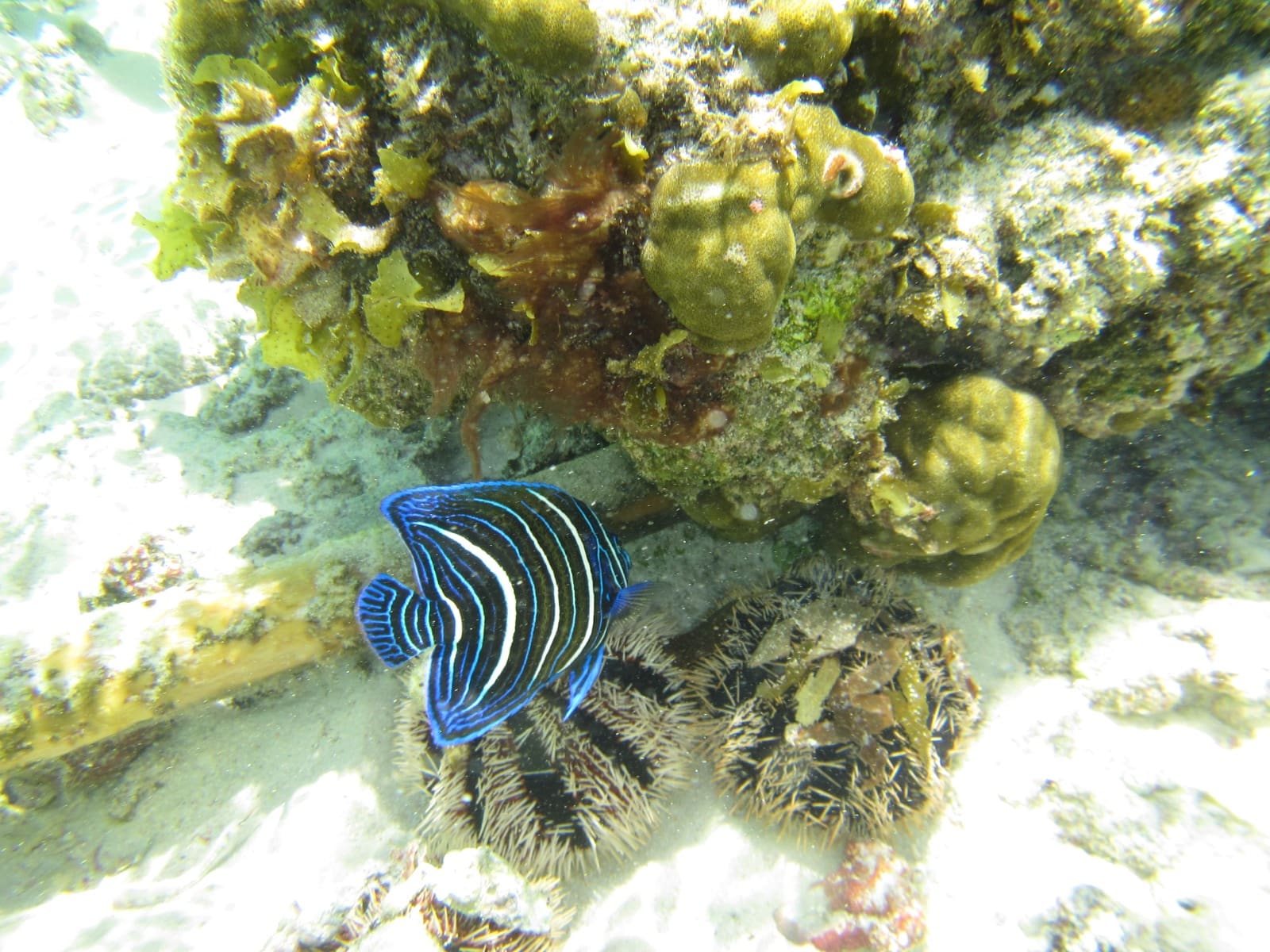
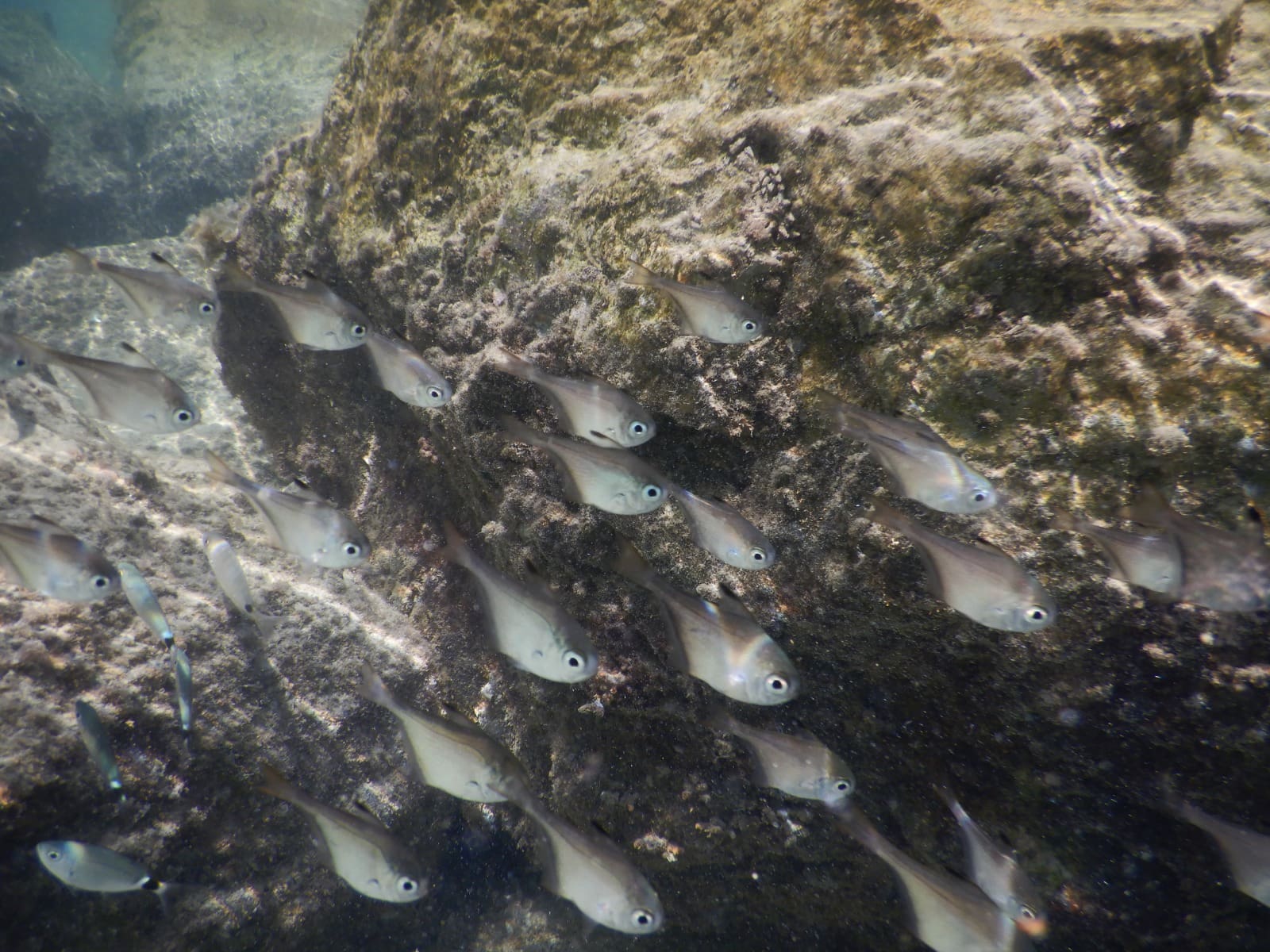
One of the fascinating things I've seen in recent years is the return of colors and species that we weren't used to seeing in the Mediterranean. Fish that originated in the Indian Ocean are managing to reach us, and some are even adapting to local conditions.
But here comes the less happy side of the story. I am against introducing alien species into natural systems, because human intervention may disrupt the ecological balance. The fact that a beautiful, colorful fish appears in our area does not necessarily mean that it is good news for nature.
Not every species that reaches the Mediterranean manages to survive. The water temperature in winter, which can drop to about 16 degrees and even less in shallow water, is a significant test for tropical species. Some fish manage to adapt, while others do not survive.
I remember, for example, that about twenty years ago, black saddle butterflyfish were observed off the coast of Acre. Since then, no further reports of them have been received, but the lack of sightings does not prove that they have completely disappeared.
Fish from the Pamphiris family, known as grizzlies, were also observed dead near caves where they live, after the temperature of the shallow water dropped to about 12 degrees.
In contrast, the wrasses manage to adapt well to the Mediterranean Sea. They are not limited to rocky areas and caves, but also reach sandy areas. As far as I am concerned, this is already a cause for concern. These are predators that may affect local fish populations, and their presence in areas where bathers enter the water also requires attention in terms of safety.
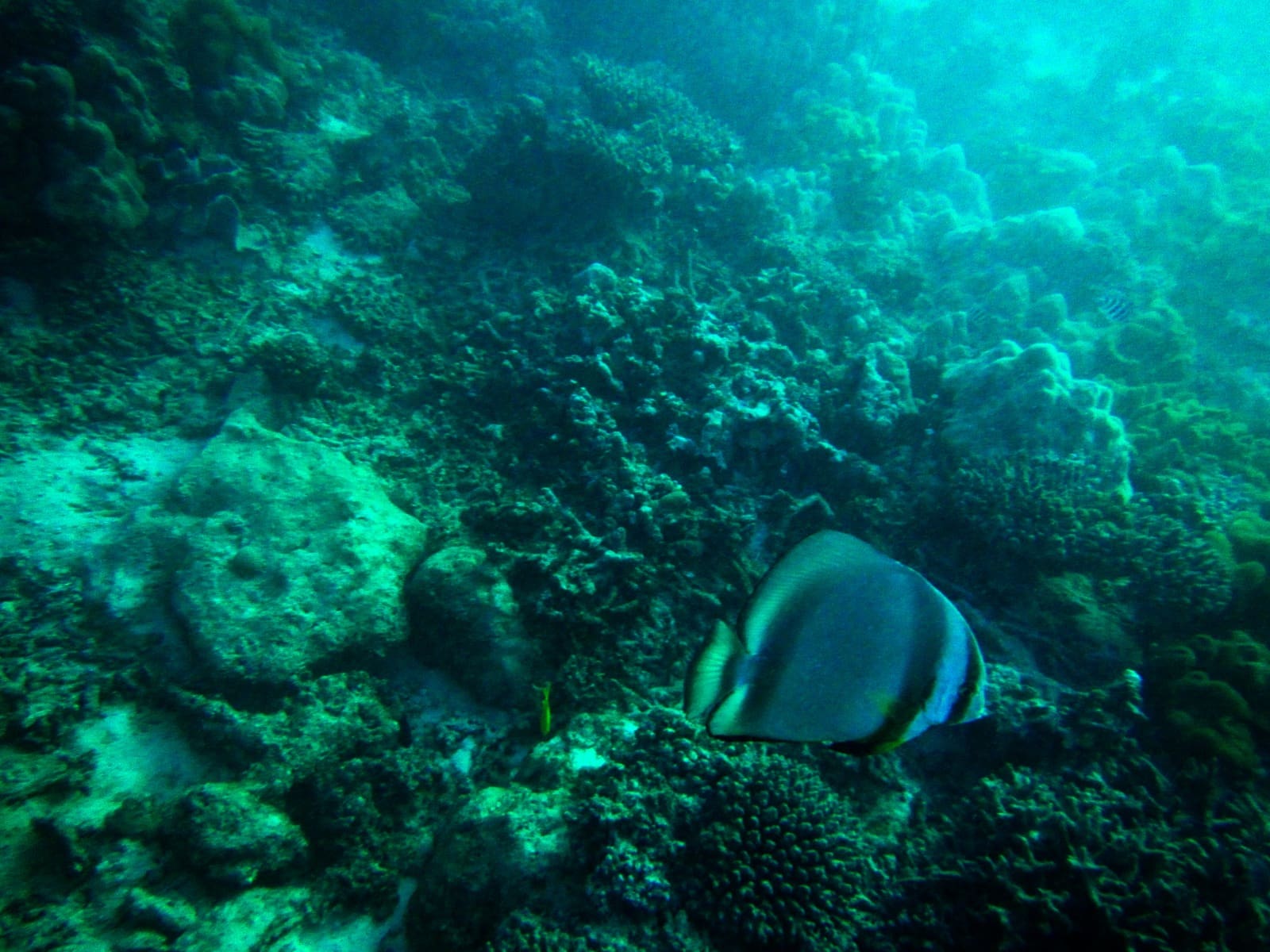
Beautiful fish may be poisonous – don't eat what you don't know
There is another point that particularly bothers me, and it is related specifically to people who like to fish and eat fish.
We know quite a few fish in the Mediterranean Sea, but none of us know all the fish in the world. When a new species arrives here, it is not always possible to identify it by appearance alone. A fish that looks similar to a familiar species may turn out to have completely different characteristics.
An example of this is the wild catfish, a poisonous fish. I fear a situation where a fisherman catches such a fish, doesn't recognize it, and a person who eats it ends up in the hospital.
Therefore, I would like to emphasize: Don't recognize it - don't eat it. Even if the fish looks beautiful, even if it resembles a fish you've eaten before, and even if someone is convinced they recognize it, don't take a chance.
The same rule applies to contact with marine animals. Seahorses, for example, carry venomous spines, and a careless encounter with them could result in a painful injury.
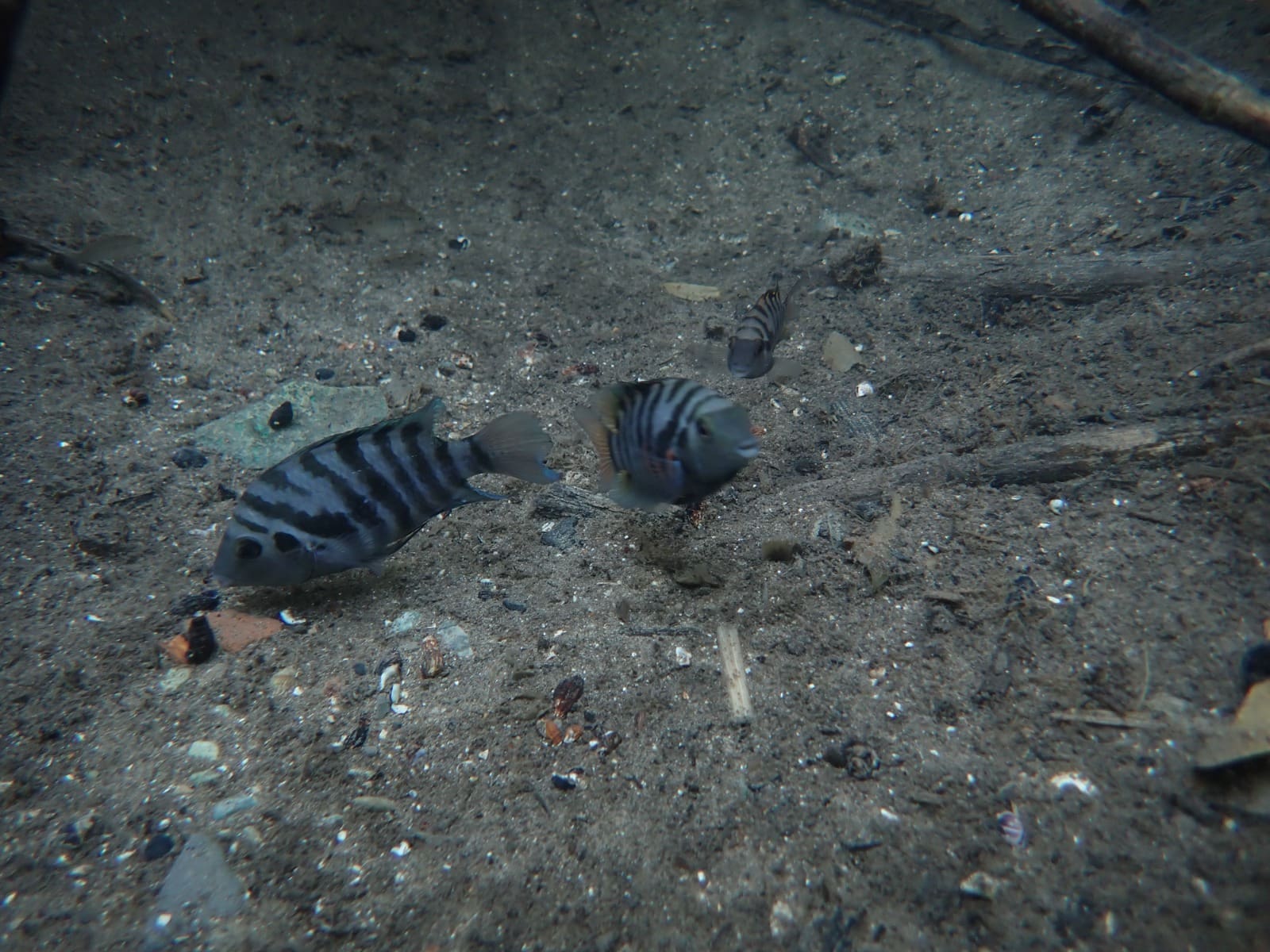
A colorful surprise awaits in Sahna and Nahal Kibbutzim
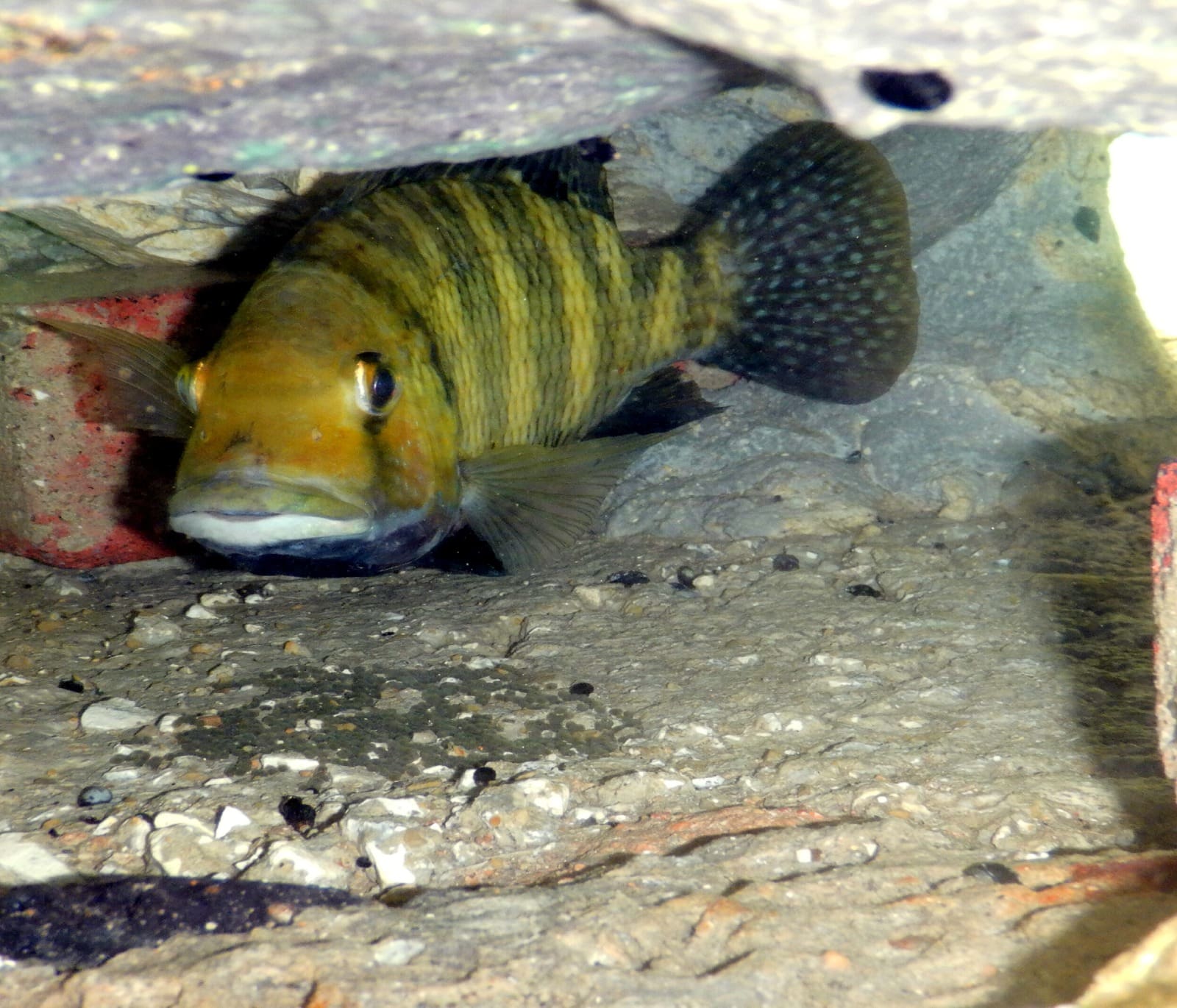
The color returns to the Mediterranean Sea with representatives from the Indian Ocean, the Mediterranean Sea and the Gulf of Eilat, and also from Lake Tanganyika in Africa. And why do I also mention Lake Tanganyika in Africa? Because the story does not end at the sea. Even in our freshwater sources, you can encounter fish that originate from distant places.
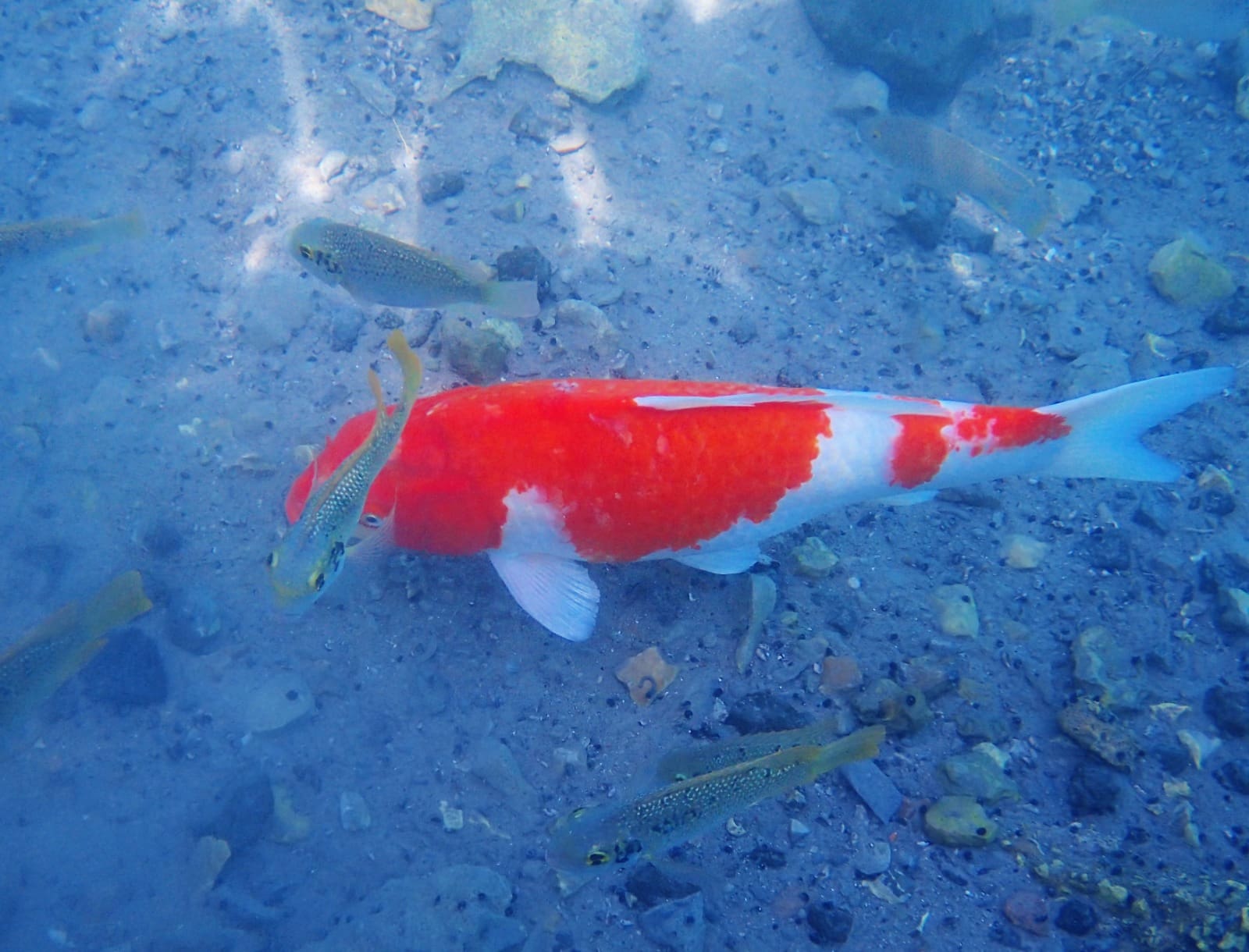
Fish arrived in Sahna, Nahal Hasi, and Nahal Kibbutzim following human releases. Among other things, you can find cichlids, pangasius, goby fish, goldfish, and koi fish, which are actually domesticated varieties of carp.
I admit that the sight of the colorful fish in the clear water is very impressive. Those who visit these places may discover a diverse and surprising underwater world, one that one does not always expect to encounter in springs and streams in Israel.
But here too, it is important for me to clarify: releasing fish into natural water sources is a harmful intervention. Alien species may compete with native species, change the composition of animal populations, and disrupt the natural balance. Ornamental fish or fish from aquariums should not be released into streams and springs, even if the intentions are good.
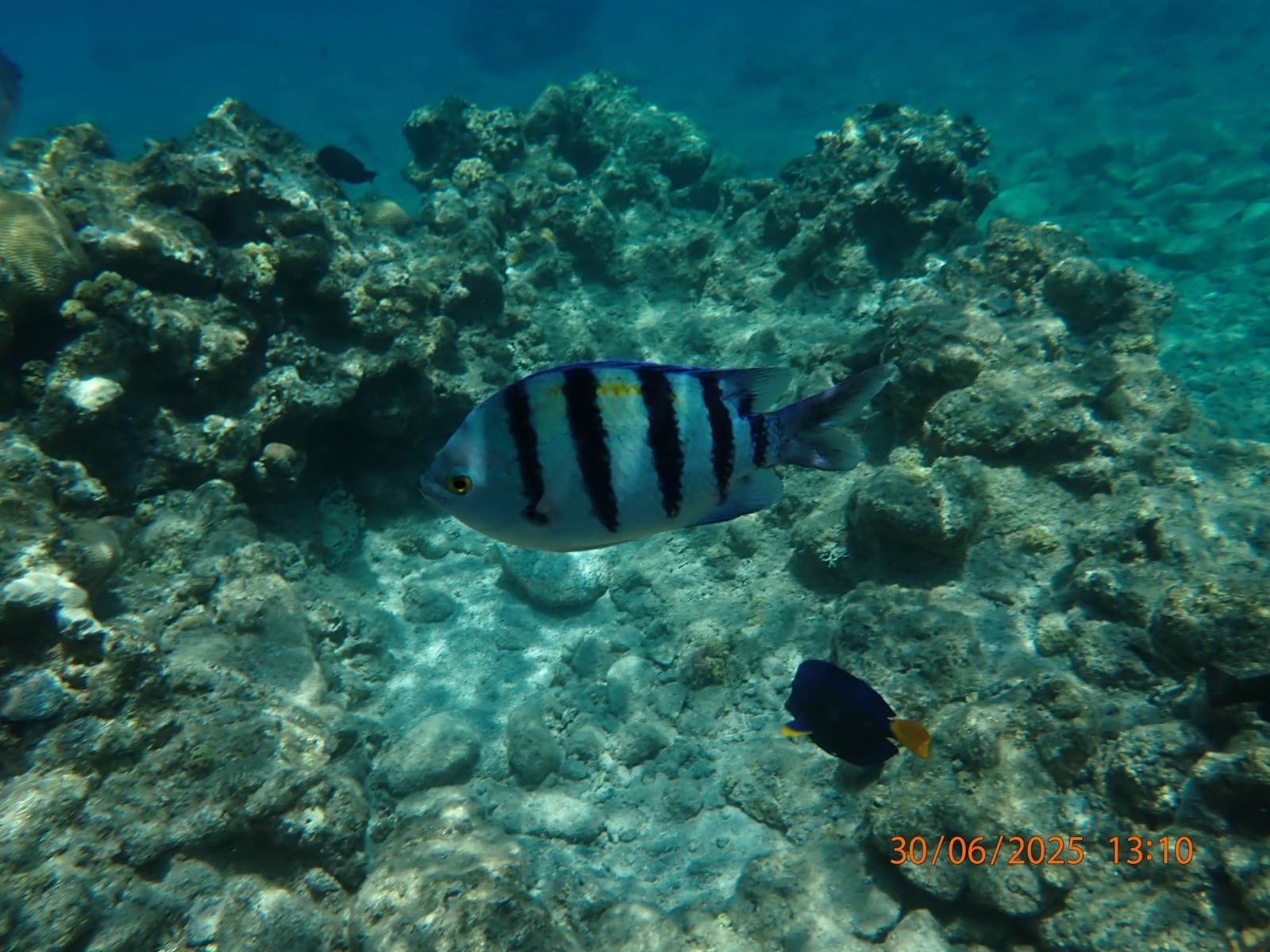
The future will be colorful, but will it be better?
I look at the reports that come to me, the reports from the field, and the changes that I encounter over the years, and realize that the Mediterranean Sea has long since ceased to be the same sea that we knew in the past.
In a few years, we may encounter an even greater variety of fish and marine animals from distant oceans. Some will survive, some will not, and some may become invasive species that will alter the local ecosystem.
I definitely invite the residents of Haifa and the surrounding area, divers and nature lovers to continue observing, taking pictures and reporting on interesting sightings. We have the opportunity to get to know a fascinating underwater world, but it is important to do so with responsibility and understanding of the environment in which we live.
I love the new color, get excited by every interesting sighting, and hope we continue to discover more and more of the wonderful animals that live in our waters. But if there's one thing I've learned over the years, it's that not all human intervention in nature ends well.
So yes, let's enjoy the view, but let's preserve nature, not release alien species into it, not touch animals we don't know, and most importantly, not eat fish we don't know how to identify.
Our sea is fascinating even without us trying to change it.