


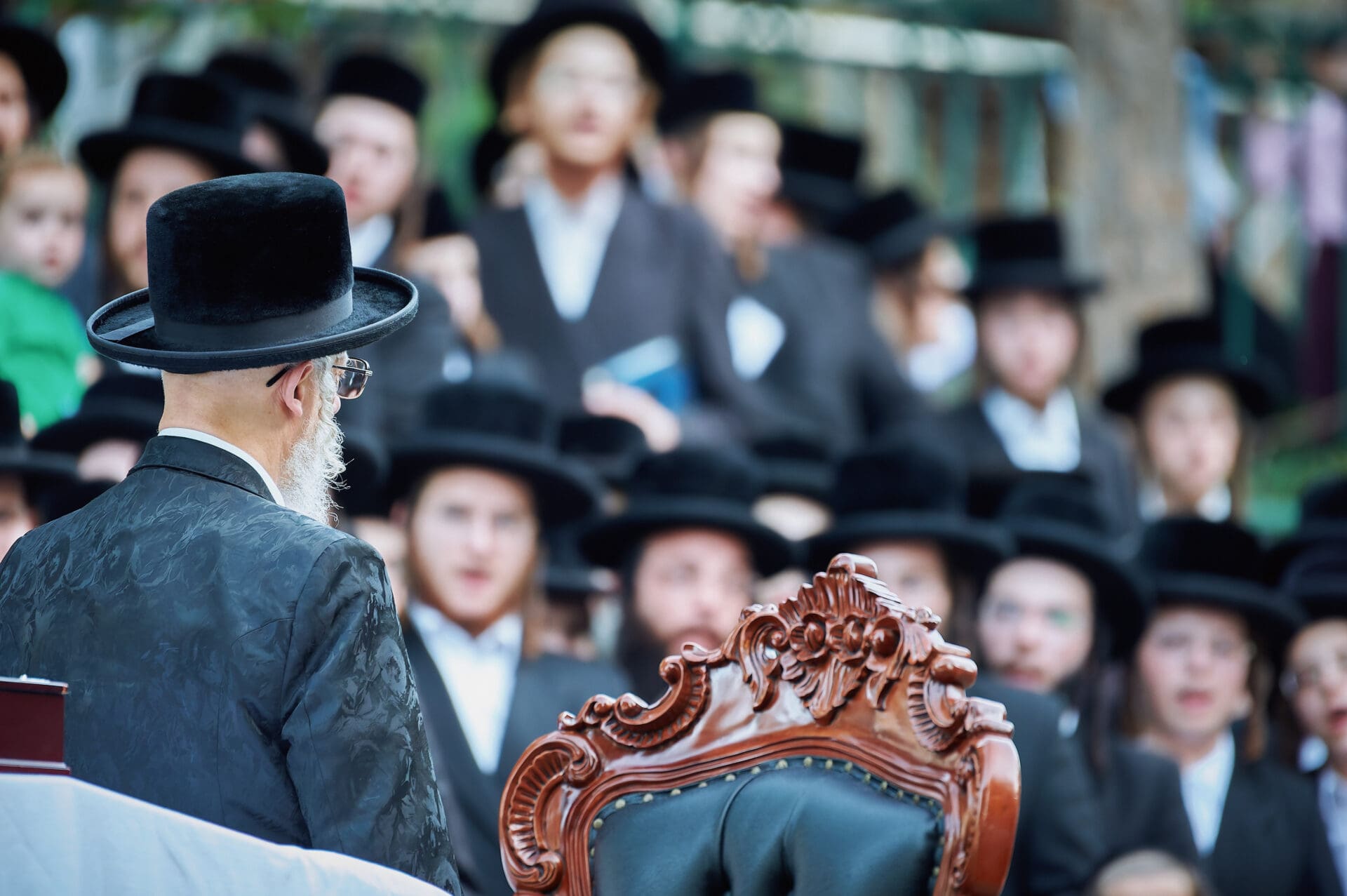
The Hasidim of Sert Viznitz in Haifa gathered yesterday (Thursday, Friday, Tishrei 5777, September 17, 2026) at dusk at a viewpoint overlooking the Bay of Haifa and the open sea, to hold the HaShem prayer.Throw it away"The traditional practice during the Ten Days of Repentance, leading up to Yom Kippur."
The Hasidic community, whose historical and spiritual center is located in the Ramat Vizhnitz neighborhood on the slopes of Mount Carmel, arrived at the observation site in a broad, intergenerational group that included elderly Hasidic members, young men, and children. The community, which is one of the oldest and central centers of Hasidic activity in the north of the country, annually marks the High Holy Days with customs that combine the atmosphere of the courtyard with the unique Haifa landscape.
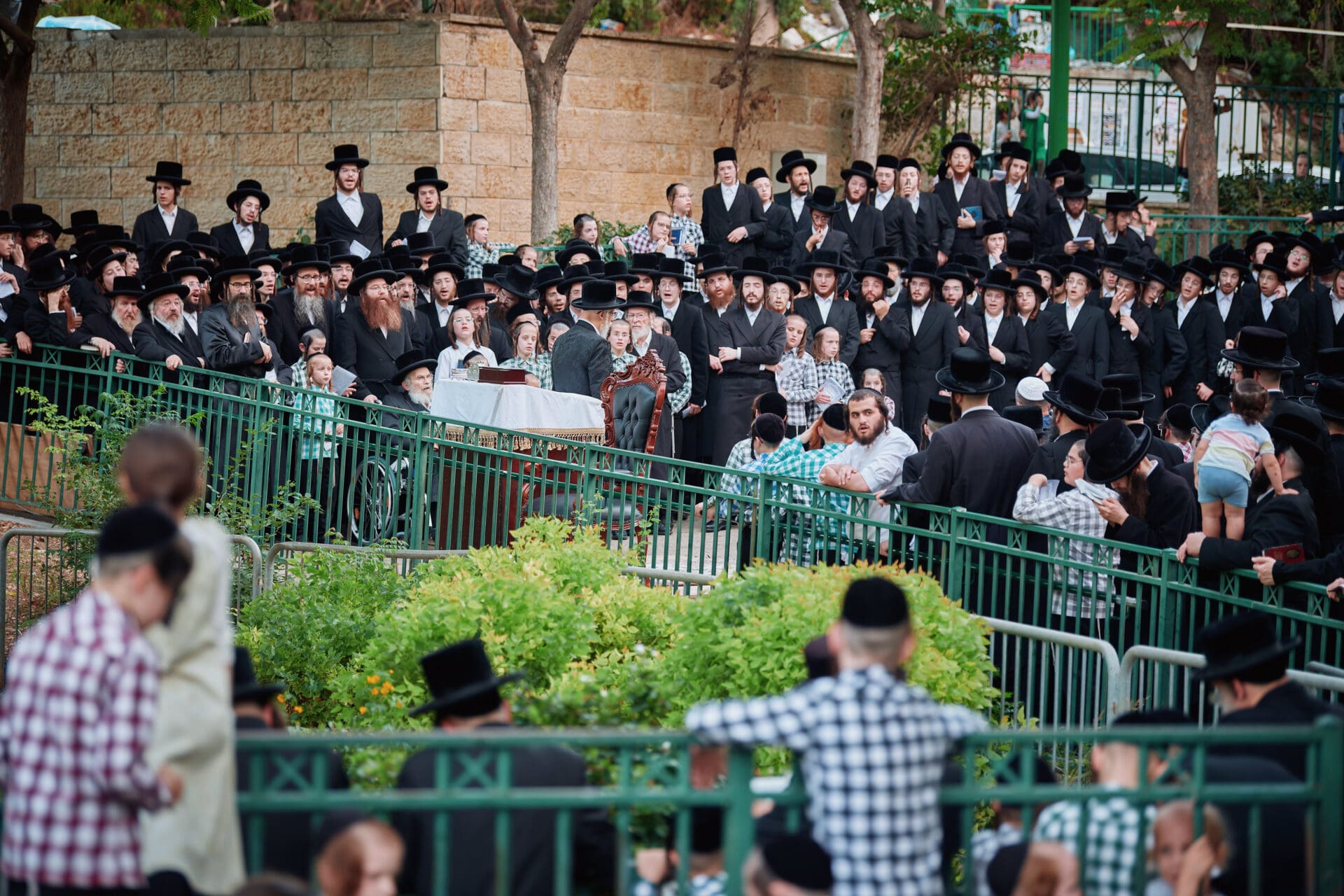
The origin of the custom of "throwing away" is based on the verse from the book of Micah, "And cast all their sins into the depths of the sea." According to tradition, standing in front of a source of living water expresses symbolism of renouncing the sins of the past year, self-examination, and asking for purification and forgiveness in preparation for the judgment of Yom Kippur.
As sunset approached, the participants opened their Machzor books and began reciting the customary prayer order, which includes the 13 Virtues of Mercy and special psalms. Throughout the ceremony, a tense silence of concentration and prayer prevailed, as many took advantage of the hour for introspection against the sea horizon of the bay.
In light of the complex security situation in the north, the community members incorporated into their prayers chapters of Psalms and special prayers for the peace of IDF fighters and security forces, for the recovery of the wounded, and for the safety of residents of the northern communities and the entire country. As darkness fell and the prayer service ended, the participants returned to the Hasidic community to continue preparations for Shabbat Shuva and Yom Kippur.
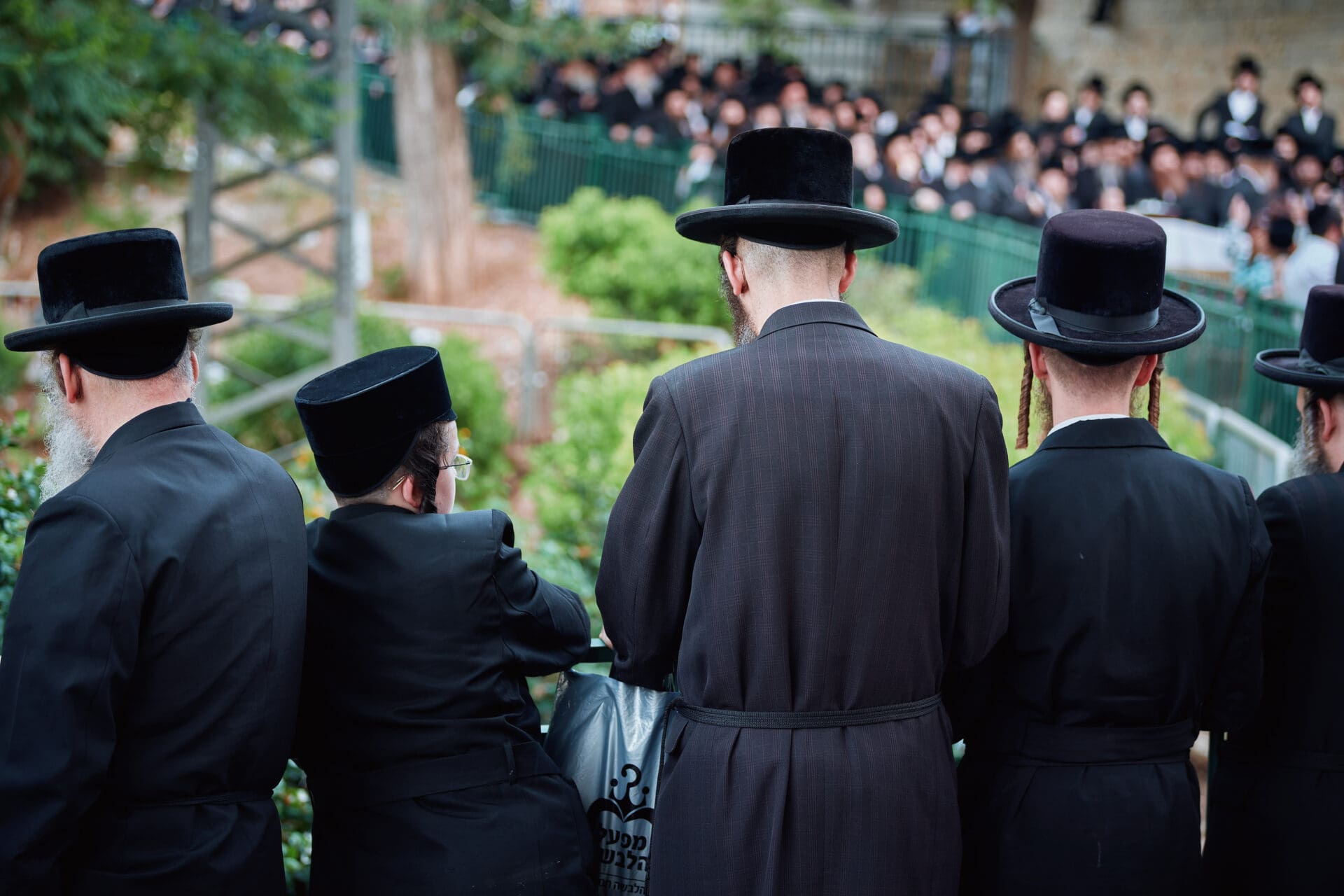
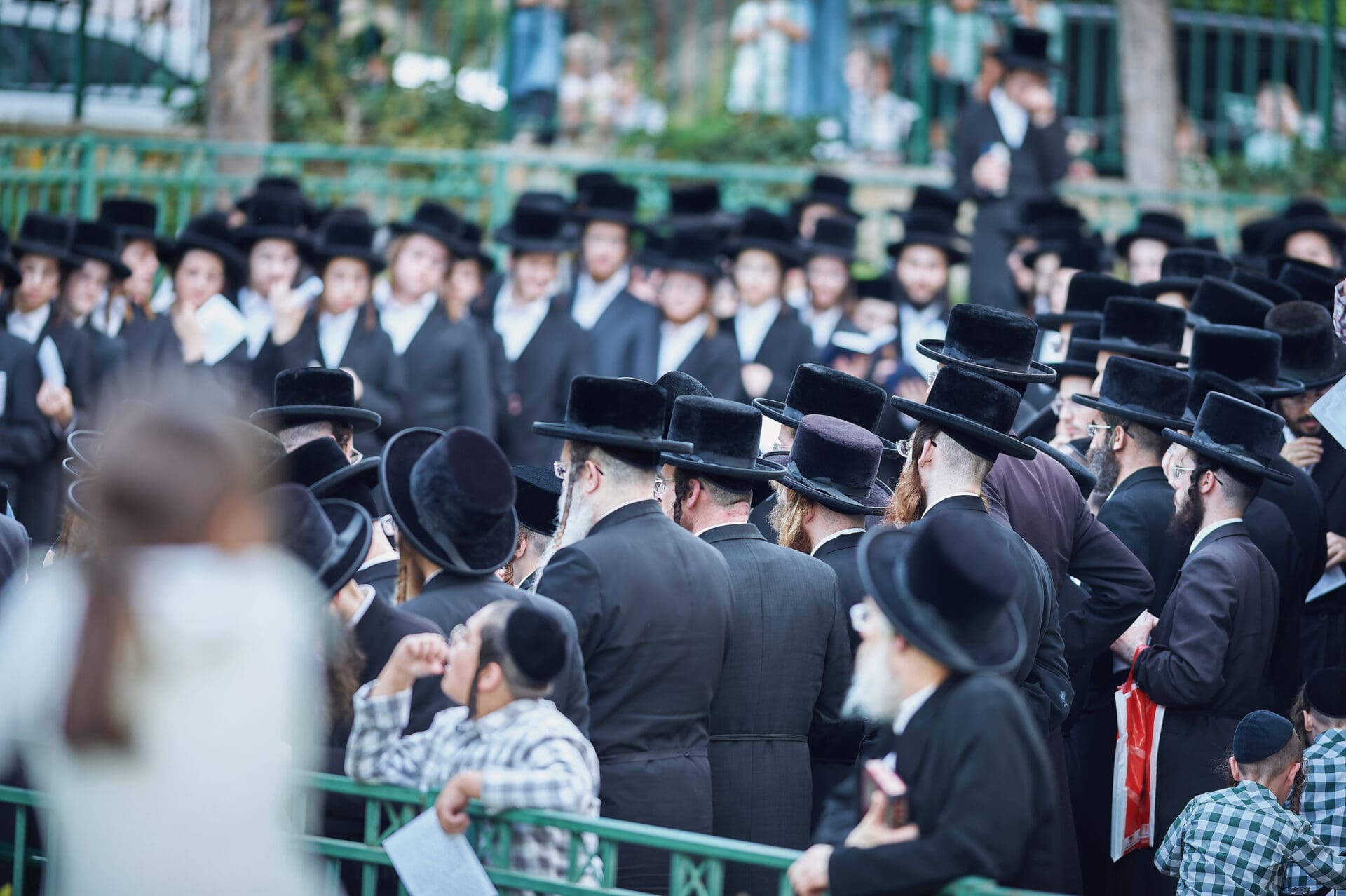
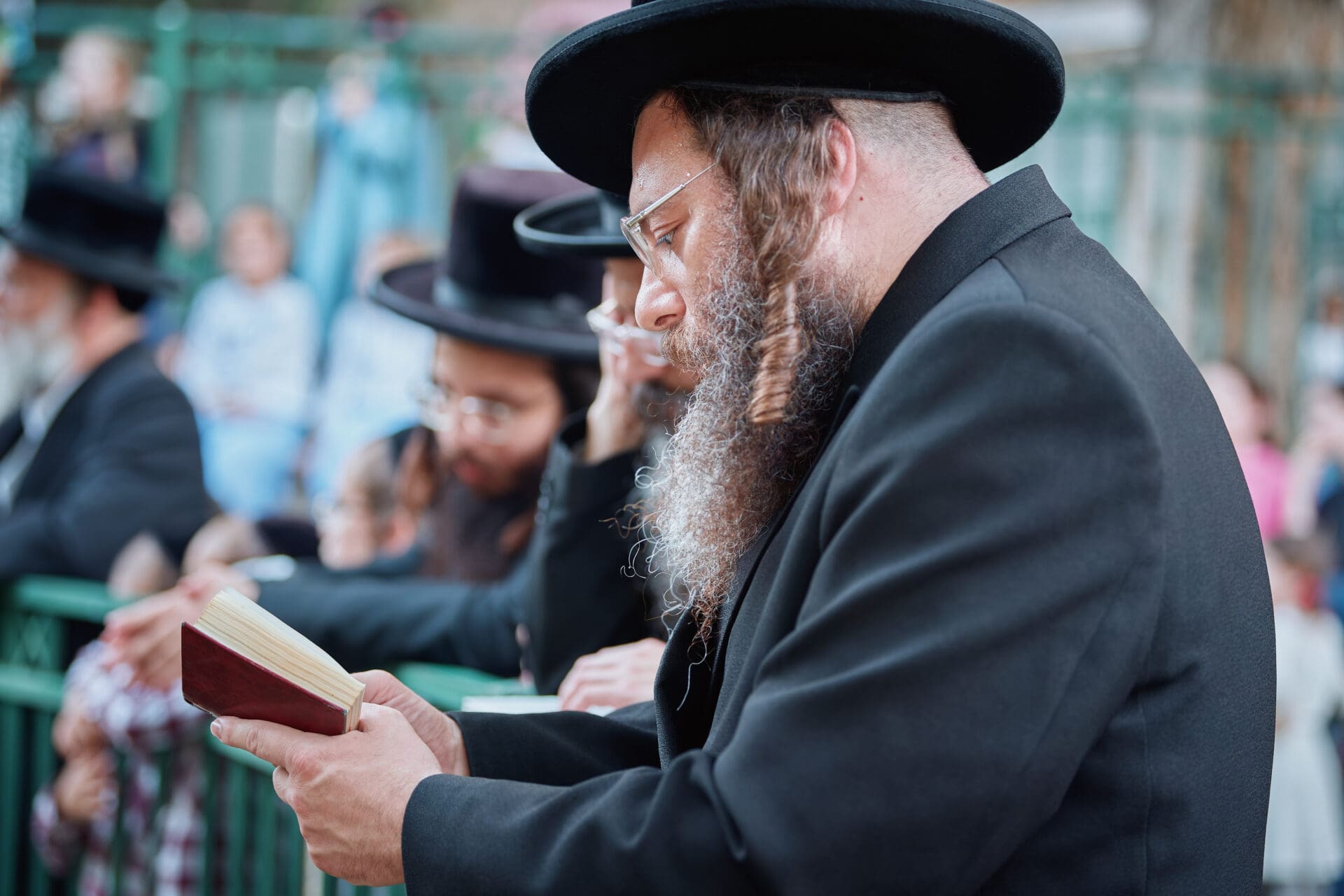
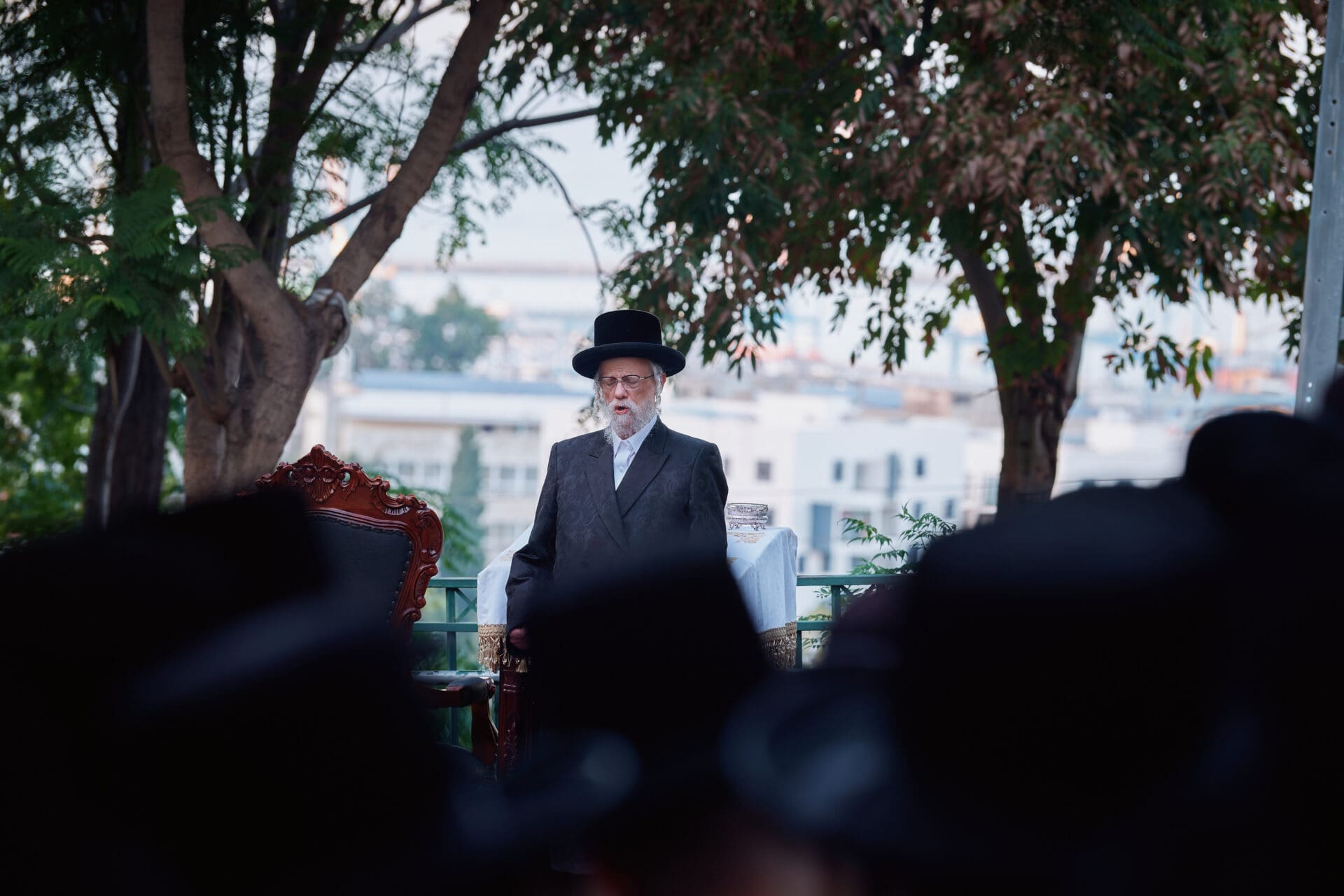
Well done to my scholarly friend Sharon Leibel, who beautifully described the soul-searching and took beautiful photos from the perspective of the distinguished audience.
In Vizhnitz Hasidism, it has been customary for generations to recite the Tashlich order on the third day of the Ten Days of Repentance, each person alone.
Until this Rebbe suddenly decided to turn the custom into a very impressive ceremony. Why? Like this.
Dear Mr. Haim, I must correct you!
Since ancient times, it has been the custom of Viznit to recite the Tashlich Seder on the day before Yok, that is, on the day when the Thirteen Midots are recited in Selichot.
He's the boss there and he decides what he wants.
An interesting and enriching article even for people who consider themselves traditional like me.
Also, all this quick gathering and mass mobilization under the open sky, not forgetting a tradition of thousands of years, well done.
In addition to praying for the peace of IDF soldiers and security forces, it is also customary and common to hear that we occasionally visit synagogues on Shabbat.
It's nice of you to mention this too, it's no small matter given the abundance of hostile and politically biased media outlets, and I'm being gentle with my words.
happy New Year.
Thank you. The important distinction between the generalizing media image and the daily reality in Haifa illustrates the great advantage of familiarity on the ground.
While public discourse often tends to create stereotypes and present entire sectors as one, the encounter with the Hasidic communities in Haifa reveals a completely different face: communities that live in good neighborliness, adhere to good manners and beautiful customs, and demonstrate openness and kindness even to the secular, which breaks down the walls that the media tends to build. This distinction between gross generalization and getting to know the person and the community closely is precisely what enables a shared fabric of life. A good signature.