


Without leadership and strategic vision – IMEC will not come to fruition
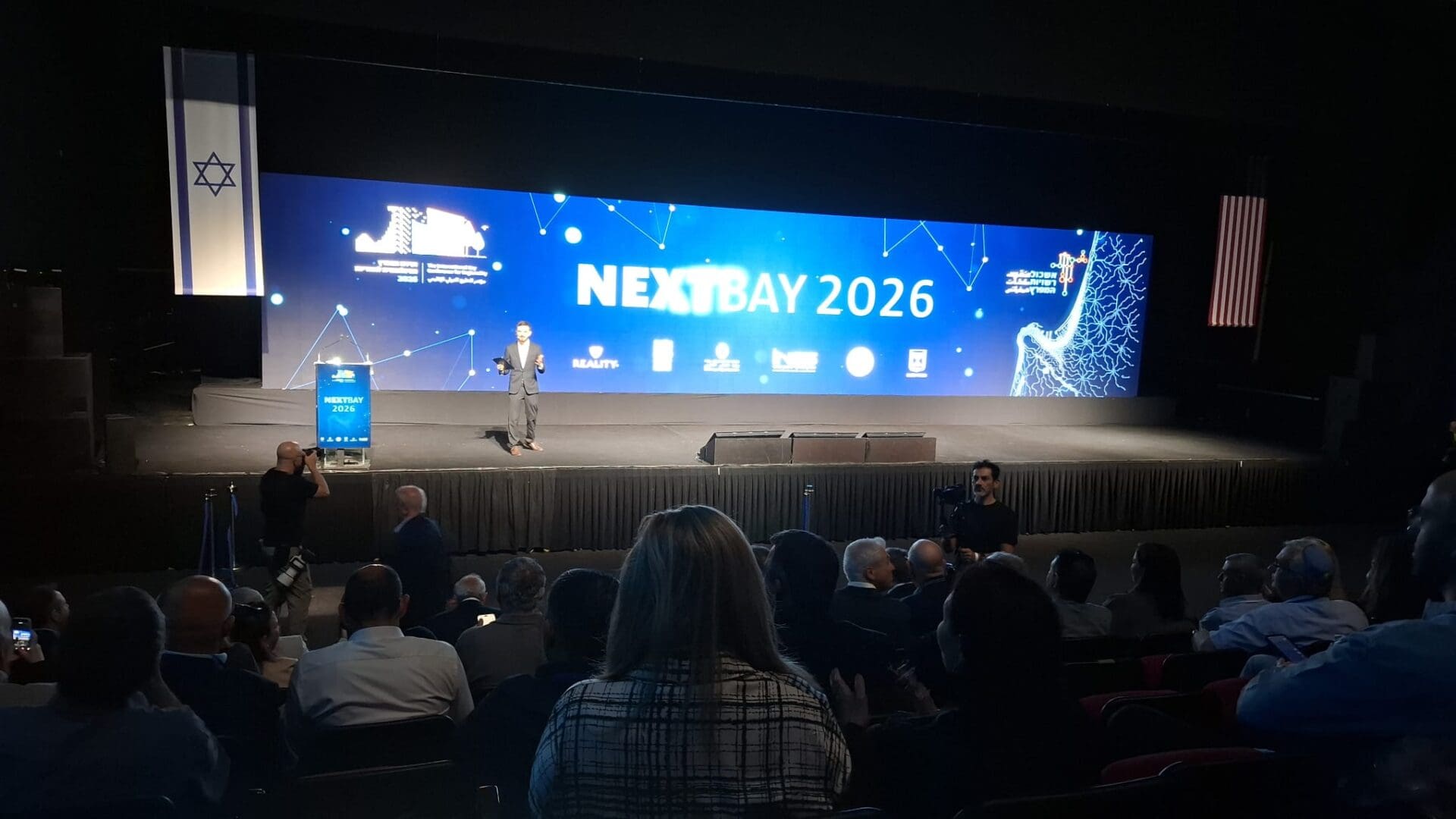
(Live here is the news corporation of Haifa and the surrounding area) The 11th International Gulf Regional Conference NEXTBAY 2026 opened this morning, Tuesday, November 24, 26, at the Haifa Congress Center, with the participation of ministers, senior government officials, heads of authorities, representatives of the business sector and international guests. At the center of the conference is the IMEC International Economic Corridor, which connects India, the Middle East and Europe, and the possibility of transforming the Haifa Bay into Israel's strategic gateway to the global economy.
The future of Haifa Bay and the economic potential of northern Israel are at the center of the NEXTBAY 2026 conference, which is being held in Haifa. The conference, now in its fifth year, seeks to place the strategic importance of the North and the opportunities inherent in developing regional and international cooperation on the national and international agenda.
The main theme this year is the International Economic Corridor (IMEC), an initiative designed to create a trade and infrastructure route connecting India, the Gulf States, Israel and Europe. The implementation of the corridor could give Haifa Bay a significant role in the international trade system, thanks to its geographical location, ports, transportation infrastructure, energy systems and industrial and logistical capabilities of the region.
The conference is attended by ministers, senior government officials, heads of authorities from the Gulf region, the mayor of Haifa, representatives of the business sector, security experts, representatives of the United States Embassy and international guests. The meeting is designed to connect decision-makers in the government and local authorities with business people, investors, industrialists and professional entities, with the aim of promoting initiatives and partnerships of economic and regional significance.
Transportation Minister Miri Regev: There will be no additional airport in Haifa and also talks about flight safety following the Fly Dubai incident
"The State of Israel can become a major trade and energy route between Europe and Asia"
Minister of Energy and Infrastructure, Eli Cohen, referred in his remarks to Israel's strategic potential in the field of energy and trade, against the backdrop of the war with Iran and the threats to international shipping lanes.
He said the war with Iran illustrates that it is not enough to control energy sources such as gas and oil, but that the ability to transport them safely and control export routes is also crucial. "We are all seeing what is happening in the Straits of Hormuz and Bab al-Mandab. The main route for exporting energy and goods could pass through the State of Israel," he said.
Cohen also addressed the advancement of the IMEC project (the India-Middle East-Europe Economic Corridor), which began to take shape during the Biden administration and continues to advance under the Trump administration. According to him, representatives from Cyprus, Greece and other countries are expressing interest in joining the project, which is intended to create additional trade routes between Asia and Europe, by sea and land. He emphasized that this is a strategic opportunity that could create thousands of quality jobs in Israel, especially in the Haifa Bay area.
Referring to actions to reduce hazards in the Haifa area, Cohen mentioned the dismantling of the 1959 tanks in Kiryat Haim, a move he committed to at a conference held last year. According to him, about seven or eight months ago, the cranes could already be seen actually dismantling the tanks. "I believe that it is not enough to talk, we also need to do. We said it and we did it," he emphasized, adding that he was proud that the move was implemented after years of waiting.
He also mentioned his past involvement in the evacuation of the ammonia tank from Haifa Bay, during the time when Moshe Kahlon served as Finance Minister, and emphasized that in the two governments in which he was a partner, he worked to promote significant steps to change the face of the region.
Cohen also referred to the plan to relocate the refineries to the southern region, expressing hope that the move will progress at a faster pace, encounter less opposition, and ultimately serve the residents of Haifa Bay.
On the subject of the transition to cleaner energy, he announced that the coal era in Israel is expected to end in March 2027. He said that of the six coal-based production units, five are already in the process of conversion, and completing the conversion of the sixth unit will result in the cessation of the use of coal for electricity generation.
At the same time, Cohen emphasized the economic contribution of the natural gas sector, which brings billions of shekels to the state coffers and creates thousands of jobs. He noted that electricity costs in Israel are about 20% lower than in Europe.
In conclusion, he referred to the reform he initiated to open the electricity market to competition, noting that approximately 2.5 million citizens have already switched to purchasing electricity from private companies instead of the electricity company. According to him, opening the market to competition breaks the monopoly, improves service and leads to lower prices for consumers.
"Strengthening the North is a top-notch national interest" ◄ Watch
Mayor of Kiryat Yam David Ibn Tzur In his remarks, he referred to the security, economic, and social challenges that the North has faced in recent years, and emphasized that the complex reality has sharpened the understanding that strengthening the North is not just a local need, but a first-class national interest. He said that, alongside the challenges that still face the region, decision-makers have the responsibility to look ahead, plan, and build the future of Haifa Bay and the northern region.
He noted that Haifa Bay has assets of national and international importance, including seaports, strategic infrastructure, advanced industry, academic institutions, and most importantly, high-quality and diverse human capital. These assets take on new significance against the backdrop of changes in the global trade map, the expansion of regional cooperation, and the opportunities created by the Abraham Accords.
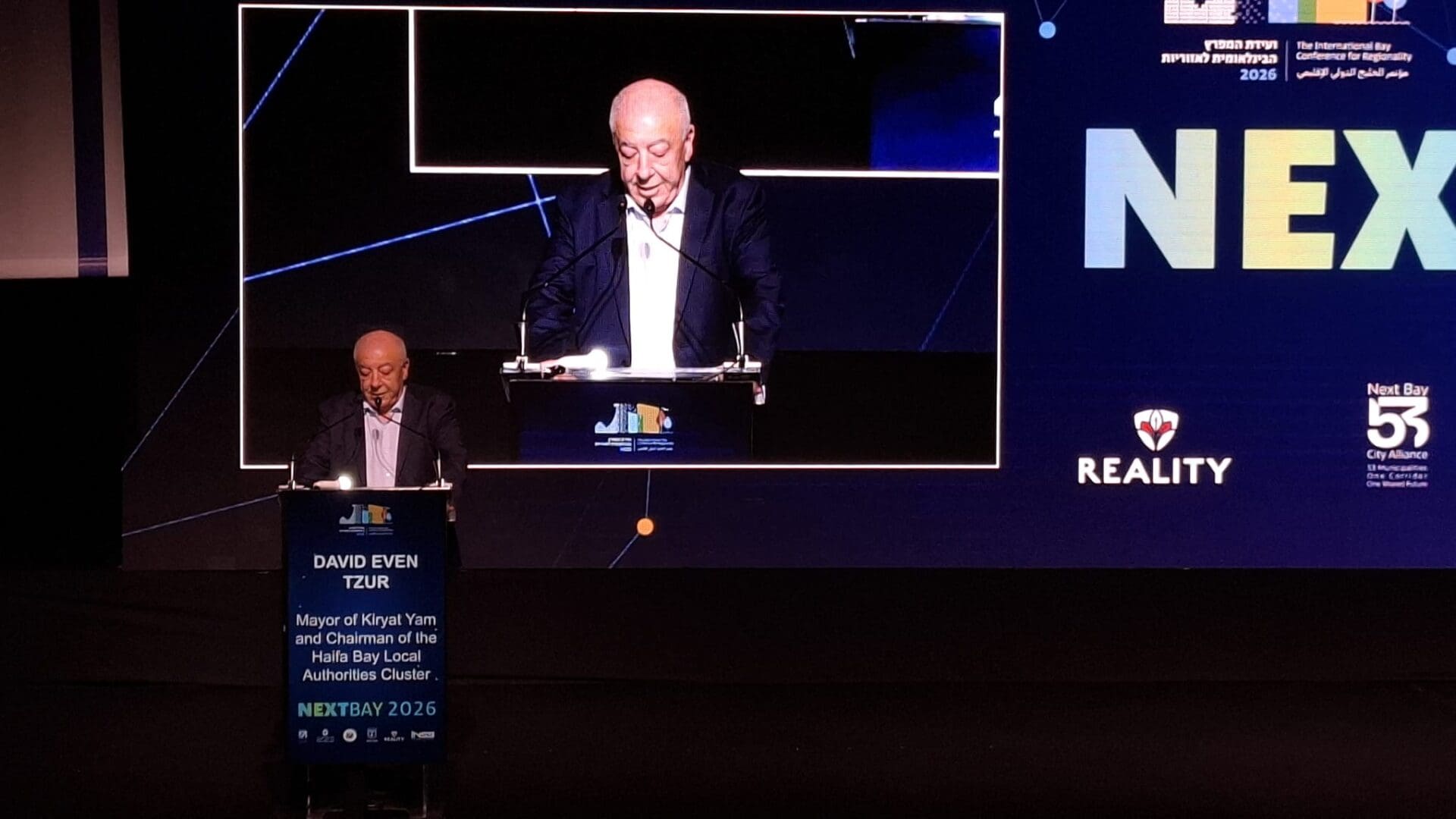
At the center of these opportunities is the IMEC economic corridor, designed to connect India, the Gulf States, Israel, and Europe. This is a move that could open up new possibilities for Haifa Bay in the areas of trade, transportation, energy, and logistics, and strengthen the North's position as Israel's significant gateway to the regional and global economy.
However, he emphasized that the real challenge is to translate these opportunities into growth that will be felt in the lives of residents: in creating quality jobs, strengthening the local economy, and improving the quality of life throughout the region.
In this context, he pointed out the importance of the regional vision guiding the activities of the Bay Authorities Cluster, which unites 18 local authorities and works to promote joint solutions and strengthen regional capabilities. He also referred to the 53 Authorities Forum, which connects the Haifa Bay, the Galilee, and the Beit Shean Valley, and expands the ability to promote common interests and strengthen the northern region.
He also emphasized the need to include local government as a full partner in the planning and decision-making processes. According to him, local authorities are intimately familiar with the needs of residents, the challenges on the ground, and the daily reality, and therefore the connection between national policy and local knowledge and experience is a necessary condition for turning development plans into tangible results.
In conclusion, he noted that the NEXTBAY conference is an important opportunity to examine how the region's strategic advantages can be leveraged, new economic partnerships promoted, and the connection between the grand vision and action on the ground.
"The future of Haifa Bay must be based on a strong metropolis, a prosperous economy and a clean environment"
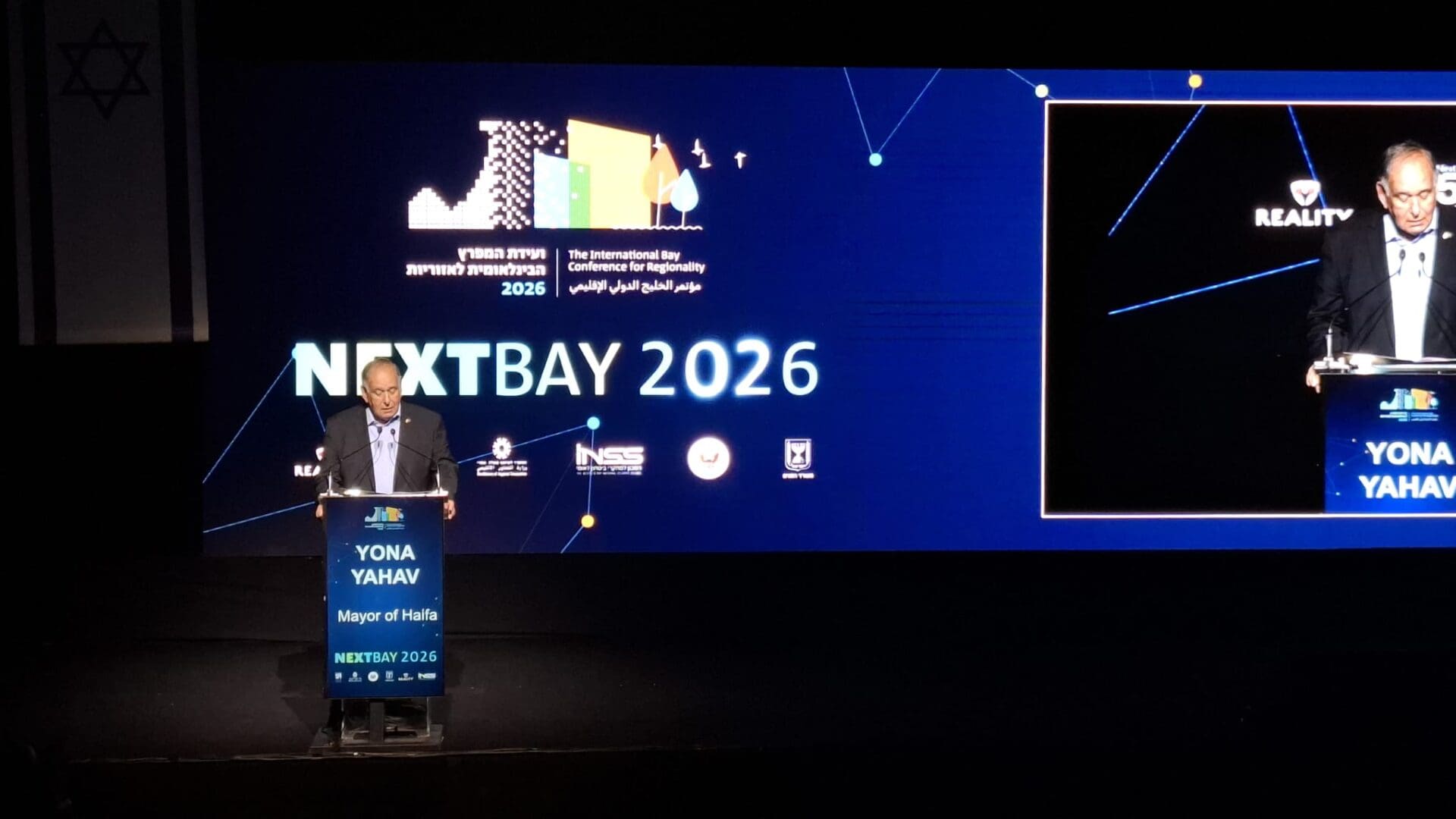
Yona Yahav, Mayor of Haifa In his remarks, he emphasized the regional and international potential of Haifa and the Haifa Bay, which combine sea, mountain, international port, academia, science, industry, innovation, culinary arts and shared life. According to him, the future of the region lies in cooperation between Haifa, the Krayot, Nesher, Tirat Carmel and the communities of the bay, from the perspective of one strong and united metropolis.
Referring to the IMEC economic corridor, he said that it is a historic opportunity to establish Haifa as an international junction connecting India, the Middle East, the Gulf countries and Europe, and to strengthen the economy, trade, employment and investment in the region. He added that the development of the Haifa airport is also a strategic goal that may contribute to strengthening international ties and tourism.
Plans to expand investment in the defense sector
Rani Bender, Chairman of the Economic Society, presented the plans to expand investment in the defense sector and train professional personnel. According to him, Rafael employs nearly 400-500 people. It is also planned to implement defense studies in high schools, with the aim of training the next generation of professionals in the field. In addition, the economic company will invest about 10 million shekels in promoting startups in the defense sector.
Bender emphasized that this is an area with significant potential, combining a real need with immediate action and results that can be seen in a short time. According to him, the successes and actions in the field encourage continued investment and even expansion of activity in the coming year.
Nesher Mayor Roi Levy "We don't want to see buses on the red line, we want underground transportation like in the center" He also referred to Invidia
"We need to recalculate the course – the future of the North cannot be based on the IMEC project"
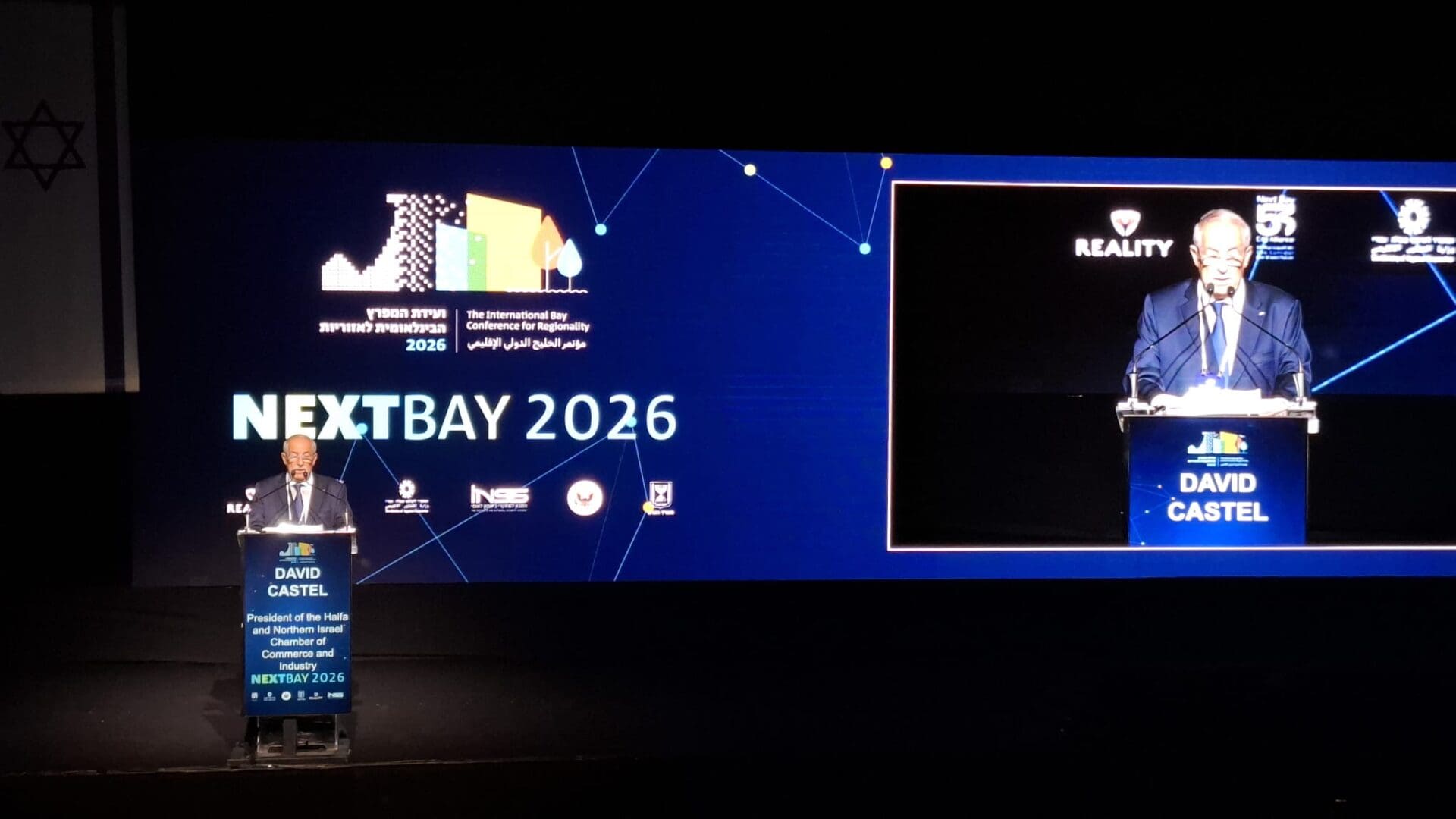
In his remarks, he presented David Castel President of the Chamber of Commerce, took a critical stance regarding the prospects for the realization of the IMEC economic corridor, which he said requires decision-makers to re-examine their reliance on it as a regional growth engine. He explained that the geopolitical and economic changes that have occurred in the past year, the tensions with Saudi Arabia, its economic difficulties, and the increased competition from Turkey, cast doubt on the ability to advance the project in the near future.
According to him, developments in the field of shipping, which now allow for the transfer of large volumes of goods quickly and at low cost, also require a rethink. "I think this project, unfortunately, should be shelved for now. We are not abandoning it, but we need to concentrate on steps that can advance Haifa, Haifa Bay and the Eshkol right now," he said.
He then pointed out two key issues that he believes should be at the top of the regional agenda. The first is the establishment of an international airport in the north. He mentioned that decisions and plans on the subject have been discussed for decades, including around the Ramat David and Ziklag alternatives, but have not yet progressed to implementation. According to him, an international airport would be a significant economic lever for the north, and continued delays could lead to an aviation crisis in Israel in the coming years. He emphasized that the Haifa airport, despite its contribution, is not a substitute for an international airport.
Rami Rosen – Director General of the Ministry of Environmental Protection: Making the region more attractive ◄
The second issue he raised was air pollution in Haifa Bay and its implications for the health of residents. He referred to statistical data presented regarding excess respiratory morbidity, low birth weight, premature births and birth defects, and emphasized that these are worrying figures that require serious consideration. "Who would want to live in a city or an area where the air is polluted and there are also worrying figures regarding the health of our children? We must get rid of this reality," he said.
In conclusion, he emphasized that alongside the importance of industry to the region's economy, public health and quality of life must be placed at the top of the list of priorities, and economic development must be pursued that does not come at the expense of the health of the residents of Haifa Bay.
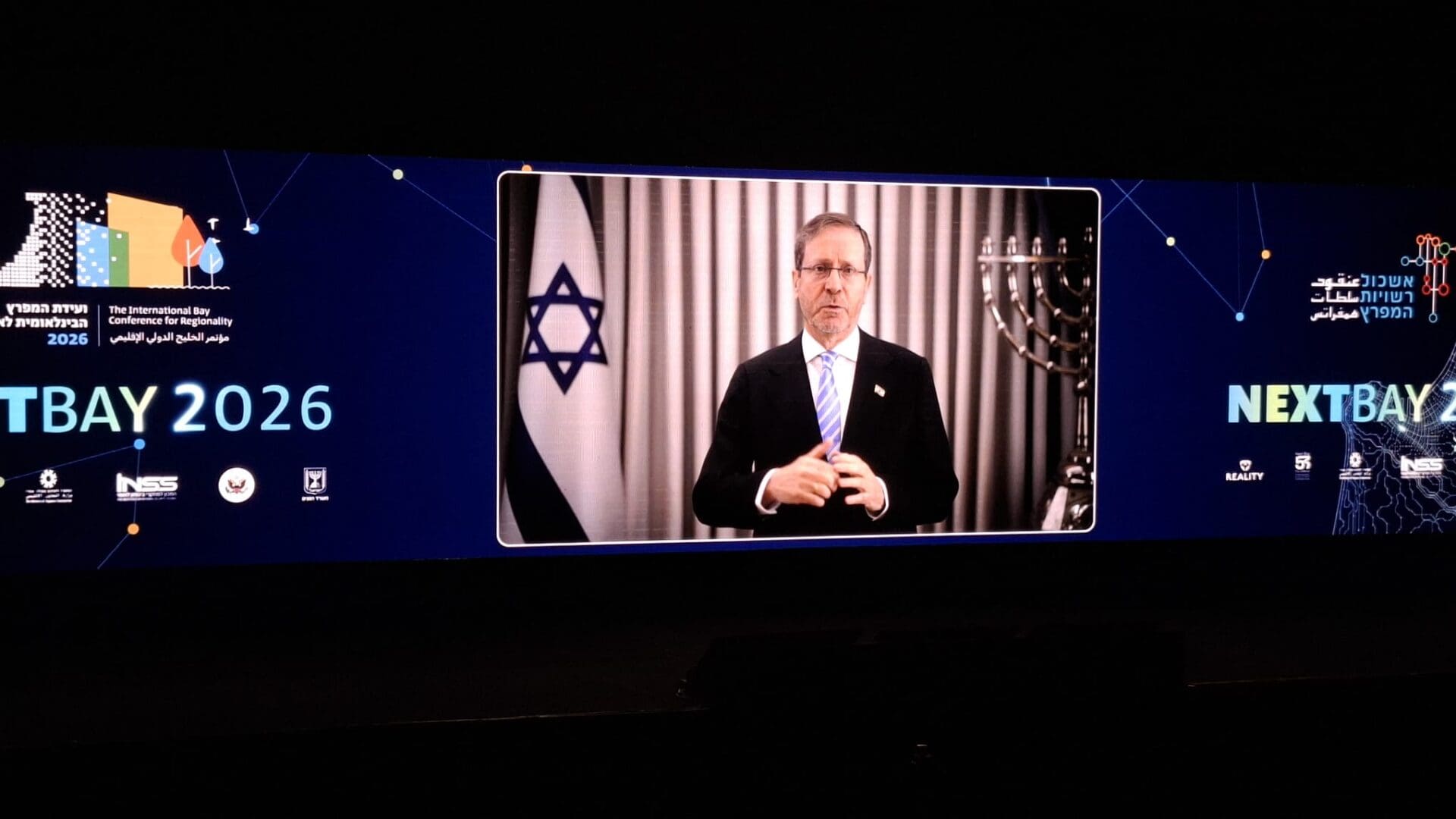
"Haifa Bay can become Israel's gateway to the East and a central junction in world trade"
Yitzhak Herzog, President of the State He greeted the participants of the NEXTBAY 2026 conference from afar and did not attend the conference, and emphasized the historic opportunity inherent in transforming Haifa Bay into a strategic hub on international trade routes, through the IMEC economic corridor connecting India, the Middle East, and Europe.
He said that this is a huge potential that could bring about a significant change in the global trade map and establish the status of Haifa Bay as a gateway between the East and Europe. He noted that the move could deepen Israel's ties with India and other countries in the region, including the United Arab Emirates, Saudi Arabia, Jordan and Bahrain.
He also emphasized that transforming the Gulf into a regional hub for goods, energy, and communications could strengthen Israel's ability to deal with strategic challenges in the areas of security, food security, energy, and the supply of goods.
The President of the State also referred to the launch of the Forum of 53 Authorities in the North, noting that the unification of authorities in a joint framework constitutes a force multiplier in promoting a regional vision based on innovation, creativity and cooperation. According to him, the Forum may serve as a lever for promoting regional and international initiatives and strengthening the status of the North.
In conclusion, he expressed confidence that regional cooperation and international economic opportunities could drive new steps and open a horizon of development and growth for Haifa Bay and the North.
Without leadership and strategic vision – IMEC will not come to fruition
Maj. Gen. (Res.) Tamir Heyman, Head of the Institute for National Security Studies Without leadership and strategic vision, IMEC will not come to fruition.
The realization of the IMEC project requires regional leadership and a long-term vision. Despite the enormous economic potential, the project will not progress if it is left to specific business considerations of profit and loss, without a factor to lead and generalize the process.
The potential is enormous. India's economy is estimated at about $4 trillion, growing at about 7% per year and conducting trade worth about $700 billion. Connecting Asia's growing economies to Europe through Israel could create an unprecedented economic opportunity.
The Chinese example of the Belt and Road Initiative illustrates how national vision and strategic leadership can establish a large-scale international infrastructure network. In contrast, the IMEC project currently lacks a leader who would lead the process and see it as a regional interest rather than just a business opportunity.
He said that, precisely against the backdrop of competition and tensions between the United States and China, a window of opportunity has been created for a new economic connection between East and West. However, without vision and leadership, this tremendous potential may remain on paper.
Brigadier General (Res.) Amir Avivi, Chairman of the Defense Experts: On the vision and its impact from a security perspective ◄ Watch
Saudi Arabia – the main obstacle to realizing IMEC's vision
The realization of the IMEC economic corridor, which is supposed to connect India, the Middle East and Europe via Haifa Bay, depends first and foremost on Saudi Arabia's cooperation. Says Heyman, without its consent to the transfer of goods from the UAE through its territory to Jordan and Israel, the plan cannot be realized in its current form.
However, Saudi Arabia is currently looking in other strategic directions, promoting ties and connections with Turkey, Pakistan, and Syria, which may compete with the IMEC axis and offer alternative trade routes to the West.
Two key factors are hindering its progress: the first is Iran, which remains a significant regional factor that Saudi Arabia must take into account; and the second is the Palestinian issue, which has become a key condition for Saudi Arabia since October 7 for normalizing relations with Israel. Without political progress on the Palestinian issue, Saudi Arabia is unlikely to join the move.
The bottom line: Without Saudi Arabia, and without a change in its regional and political position, the vision of turning Haifa Bay into a central hub for global trade will have difficulty being realized.
Rafi Elmaleh – Director General of Administration and Planning: Promoting TAMA 75 and creating a new and attractive environment ◄ Watch
"No need to wait for IMEC, we can start transporting goods through Haifa Bay today"
Yoav Zuckerman, VP of Development, Israel Ports Company , argues that there is no need to wait for the construction of railways, huge infrastructure or political agreements with Saudi Arabia to turn Haifa Bay into an international trade gateway. According to him, it is possible to start transferring containers from Jordan to Israel, via the land border crossing and from there to the port of Haifa, on the way to Europe.
According to him, the main obstacle is bureaucratic and security: trucks and hundreds of containers sometimes wait for days on the Jordanian side, due to crossing restrictions, inspection procedures, and a lack of coordination between the responsible parties.
Zuckerman calls for the establishment of an inter-ministerial team headed by a project manager with a budget and authority, which would include government ministries, customs, security agencies, and the Airports Authority. At the same time, he suggests expanding the hours of operation of the crossing to 24 hours a day, adding manpower, screening equipment, and logistical infrastructure.
According to him, opening the trade route will allow the Haifa Port to utilize its capabilities, strengthen trade ties with the Gulf countries, and create economic opportunities, investments, and thousands of jobs in the Krayot and Haifa areas.
The main message: We don't need to wait for IMEC's grand vision. We can start with one practical step: opening the land crossing to efficient and continuous container traffic, and turning Haifa Bay into a significant trade gateway between the East and the West.
"The healthcare system can be a regional growth engine"
Prof. Ohad Hochman, Director of Bnei Zion Medical Center, emphasized the potential inherent in the connection between the health system, academia, local authorities and the business sector, as an engine for the promotion and development of the Haifa region. According to him, such collaborations can encourage innovation, entrepreneurship and the establishment of startups in the field of medicine and health, alongside investment in education and exposing the younger generation to the medical and technology professions.
He noted that, alongside collaborations, a significant increase in government and philanthropic investments in the region's health system is required, as well as the removal of barriers from health funds, to allow residents to freely choose between hospitals in the region. According to him, cooperation between authorities, hospitals, and health funds is a necessary condition for improving medical services and making the region a leader in the fields of health, innovation, and economic development.
Dr. Tamer Naama – CEO of Hayan Medical Services: Healthcare Solutions for the North ◄ Watch
Regional cooperation as a basis for growth
The Gulf Authorities Cluster, established in 2019, brings together 18 local authorities and works to promote regional development from a shared economic, social, and environmental perspective. Together with Haifa, the region has nearly 800 residents and reflects a multicultural space that includes cities, local councils, and a regional council.
The concept underlying the conference is that the development of the North cannot be based on just one local authority, but requires joint planning, a connection between infrastructure, investments and employment markets, and cooperation between the authorities, the government and the business sector.
The conference is taking place at a time when the question of the future of Haifa Bay takes on particularly broad significance: alongside the potential for it to become an international trade, transportation and logistics hub, there are also significant challenges related to infrastructure development, strengthening the local economy and creating quality jobs for the region's residents.
The main challenge will be to translate the opportunities offered by the new geopolitical map into practical plans, investments, and moves that will strengthen the status of the North in Israel and the world. The question that will be at the heart of the discussions is whether Haifa Bay will succeed in realizing its strategic potential and become an important geographic junction for regional and international economic growth.
Israel is not a party at all to the memorandum of understanding that established IMEC. It is unclear whether Israel is able to contribute anything, and probably will not be able to benefit from it... The project is transportation-intensive and transportation assistance and support are polluting factors...
The only one who tells the truth to David Castel's face
Not Next, not Buy
Forget about IMEC, that won't happen.
A container rail from Eilat to Ashdod is mandatory.
Saudi Arabia will not sign anything with Israel, forget it, they are deep in Turkey's pockets. Even Trump, their great friend, understood that it is pointless to try to threaten and demand, Saudi Arabia is as bad as Iran.
If you mean a train line that will "compete" with the Suez Canal – forget it.
There is no technical or economic possibility to carry out this "vision"...