


The protein trend online • What's really going on the plates of teenagers?

The bot has replaced human intelligence

Yossi just wanted to find out why he was charged twice for...

I feel everything he feels.   

He came into the house, looking miserable to me. Hey, did something happen? He's throwing...

Between the kimono and the big city: the culture that shapes clothing in Japan

(Live Here) - Many have written about Japan and dreamed of going there...

Flower of the Week • Prickly Ivy

The Carmel presents us with flowers in all seasons of the year. In this column we will represent...

The office building of a British company and its incarnations

An unusual building, with a special presence, stands on the side of the road, on the street...

Explosive sounds will be heard from Raphael's David Institute due to a planned and controlled experiment

Raphael was delivered to the mouth - News Corporation: Today (Thursday 11/5/26)...

Demonstration in Haifa for the integration of Arab parties in the formation of the government – ​​watch

(Live here) – Demonstration for the integration of Arab parties in the formation of...

The office building of a British company and its incarnations

An unusual building, with a special presence, stands on the side of the road, on the street...

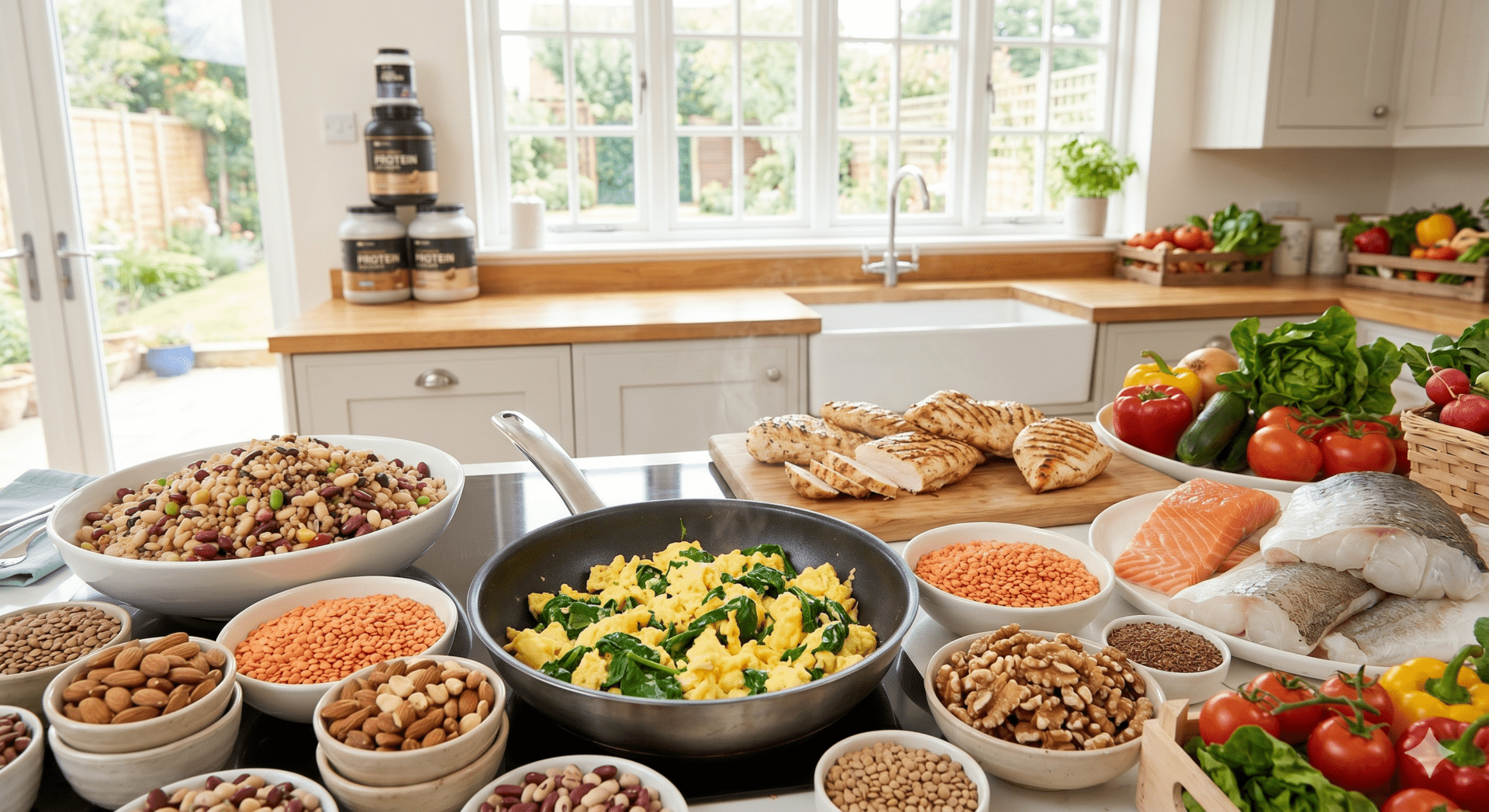
In recent years, protein has become a social media star: videos, diet challenges, and daily "protein goals" have become a hot trend among teenagers. But behind the promises of "gaining muscle mass" or a "toned body" lies a broader and more worrying phenomenon, one that affects not only physical health, but also the mind.

General Dietitian, Olga Schneider, explains how the trend affects teenagers, what the body really needs, and how one family meal a day can make all the difference.

How much protein do you really need? Less than you think

Protein is indeed essential for growth, muscle building, hormonal function, and normal development. But according to official recommendations, teenagers need 0.85–1.55 grams of protein per kilogram of body weight per day, depending on activity level. The safe upper limit is 2 grams per kilogram.

In practice, most adolescents easily reach this amount through a normal diet:

  • Eggs
  • chicken
  • Fish
  • Dairy products

For example: A 14-year-old boy weighing 50 kg needs about 42.5 grams of protein a day. Two eggs, a serving of chicken, and some cheese and he is already above the target, without additives or powders.

The real problem: not the protein – but the imbalance

The trend on the Internet is not limited to adding protein. It is sometimes accompanied by a sharp reduction in carbohydrates, the main source of energy for the developing body.

When the body does not get enough carbohydrates:

  • It uses protein for energy instead of building.
  • Metabolic distress occurs
  • Nausea, diarrhea, and strain on the kidneys may occur.
  • Nutritional deficiencies are created due to the exclusion of entire food groups.

    The big danger is not "excess protein," but an extreme diet that throws the body out of balance.

Beyond the Body: The Mental Impact of Extreme Diets

High-protein diets can quickly become a rigid lifestyle:

  • Obsessed with protein calculations
  • Daily weighing and measurements
  • Avoiding "forbidden" foods
  • Stress around meals
  • Avoiding family meals

    What begins as a desire to "get fit" may develop into problematic eating patterns and even eating disorders.

What can help? The answer is at home.

Despite the noise on the internet, the most effective tool for maintaining balance is actually simple: a regular family meal.

personal example

When teenagers see a varied diet at home: proteins, carbohydrates, vegetables, and healthy fats, they learn what balanced eating is.

Early detection of behavioral changes

Shared meals allow parents to pay attention to avoidances, rituals around food, or stress around meals.

Bottom line: balance above all else

Protein is important, but it is not a magic solution. A healthy body and a healthy mind are not built from extremes, but from a varied, balanced, and proportionate diet.

When teenagers learn a healthy relationship with food, they benefit not only from healthy growth, but also from habits that will accompany them throughout their lives.

Did the article interest you?

Contact the Hai system here: At watsap • By email

In general
In general
Marketing content from Clalit - the largest health insurance company in Israel

More articles from the same reporter

Leave a comment

Please enter your comment!
Please enter your name here

All the articles are alive

A cow was rescued from deep mud in Kiryat Ata by firefighters.

(Live) – Firefighters from the Kiryat station were dispatched to the street on Yitzhak Rabin Road in Kiryat Ata, after receiving a report of an animal in distress. Upon arrival, the crews...

Electric bicycle rider seriously injured in Kiryat Ata

(Hai Pa) – A 40-year-old electric bicycle rider was seriously injured while riding on Ha'atzmaut Street in Kiryat Ata. MDA teams arrived at the scene, provided him with medical treatment...

Scientific Excellence and Innovation from the University of Haifa • Four doctoral students won the Presidential Scholarship

The University of Haifa recorded impressive success at the Presidential Scholarship Award Ceremony for Excellence and Scientific Innovation, held at the President's Residence in Jerusalem. Four of the 11 doctoral students winning this year come from...

Rain in Haifa: Summary of the rain system of November 6–7, 2026

(Hai Pa - Haifa and the surrounding area news corporation) - The rain system that hit the Haifa area last weekend brought with it very different amounts of precipitation...

"Gat Drops" Marketed as a Natural Product Contain a Drug, Methamphetamine

(Hai Fa - Haifa and the surrounding area news corporation) - The Israel Police and the Enforcement and Supervision Division at the Ministry of Health warn the public against the marketing and distribution of drugs...