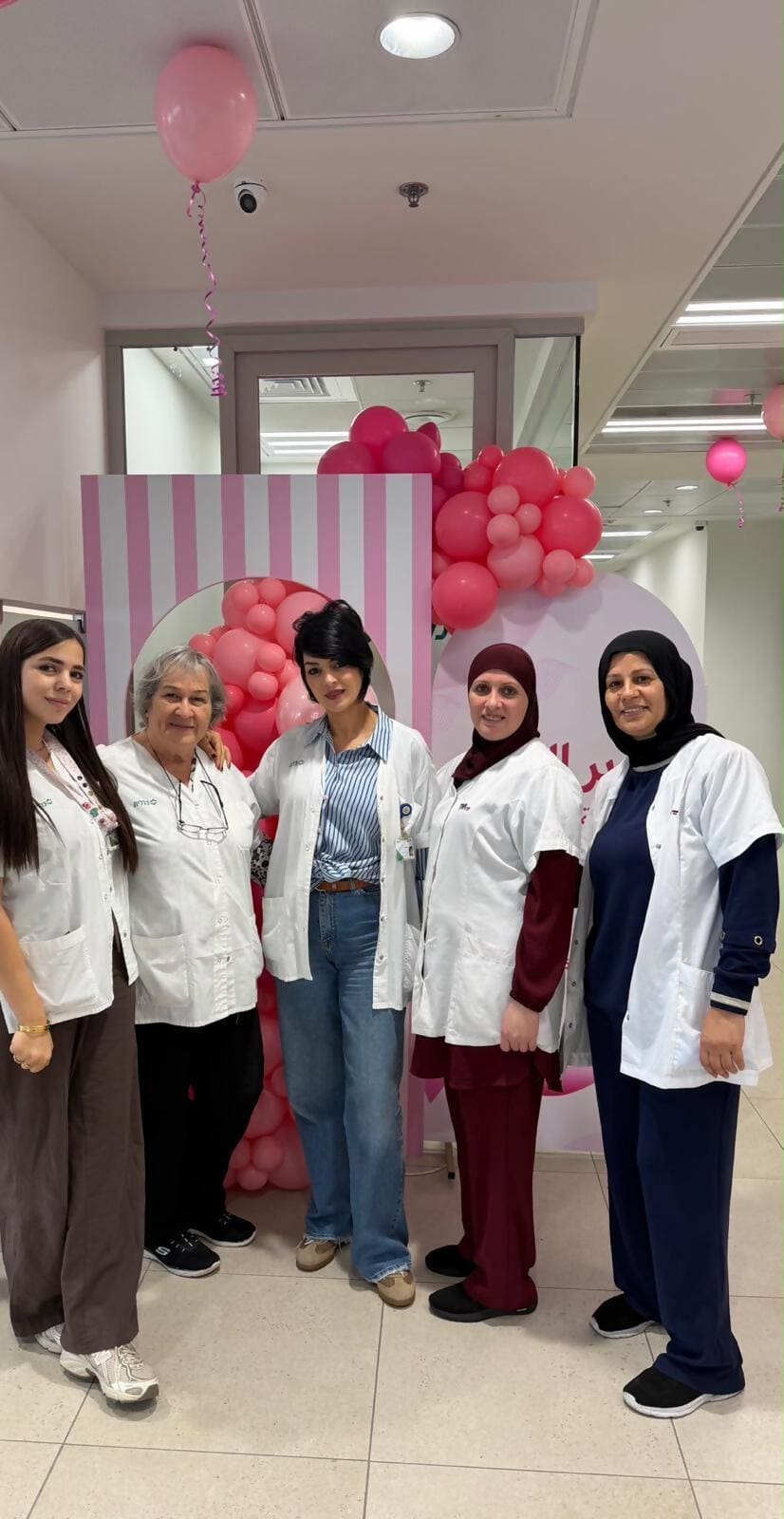
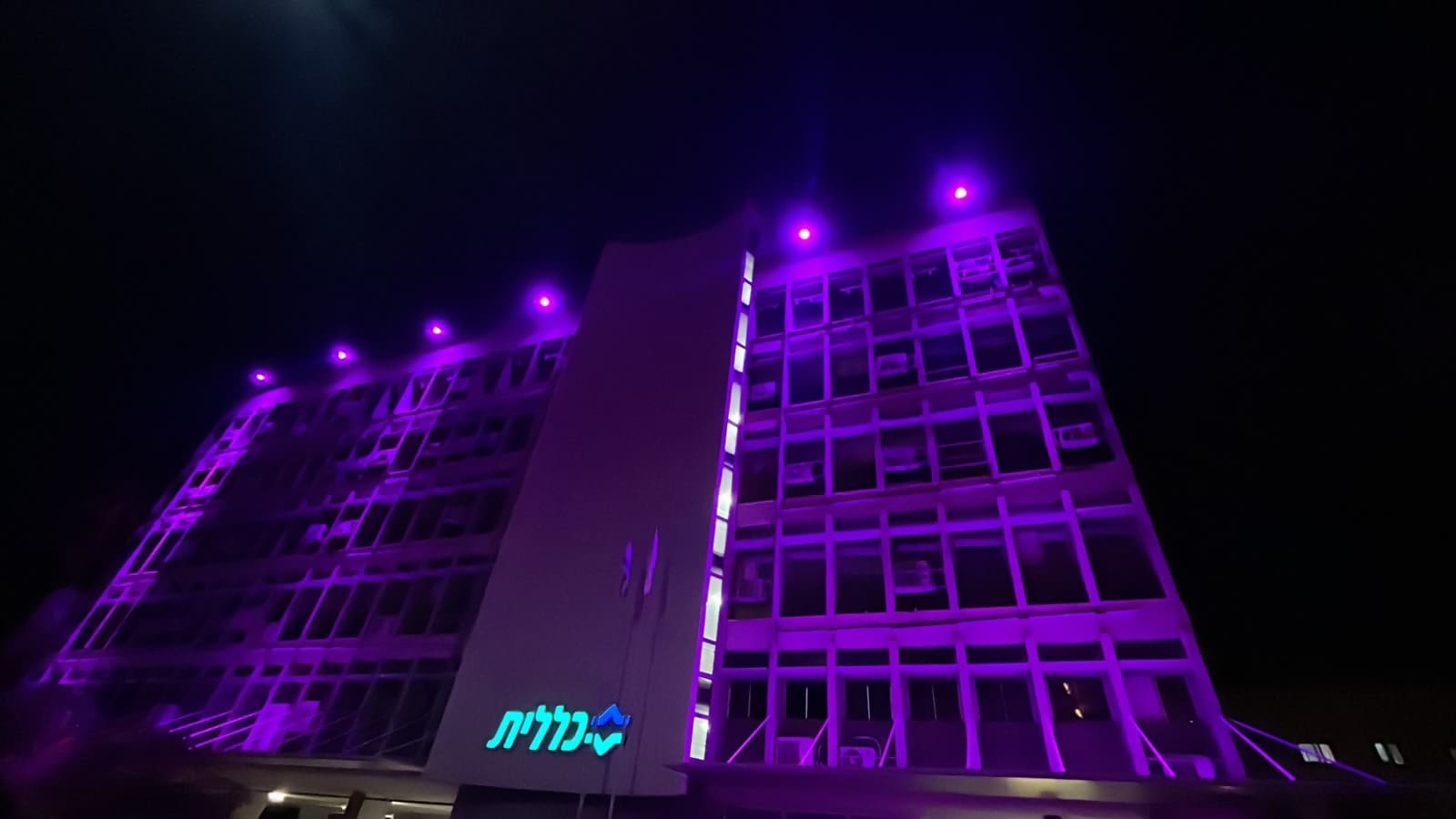
During Breast Cancer Awareness Month, Clalit in the Haifa and Western Galilee District is presenting a series of activities designed to strengthen public awareness of the importance of early detection. The Lin and Zevulun Specialist Centers and the District Administration Building were lit up in pink, a color associated with the fight against the disease, as a sign of support for women who are battling and recovering from breast cancer, and as part of a broader effort to encourage screening tests.
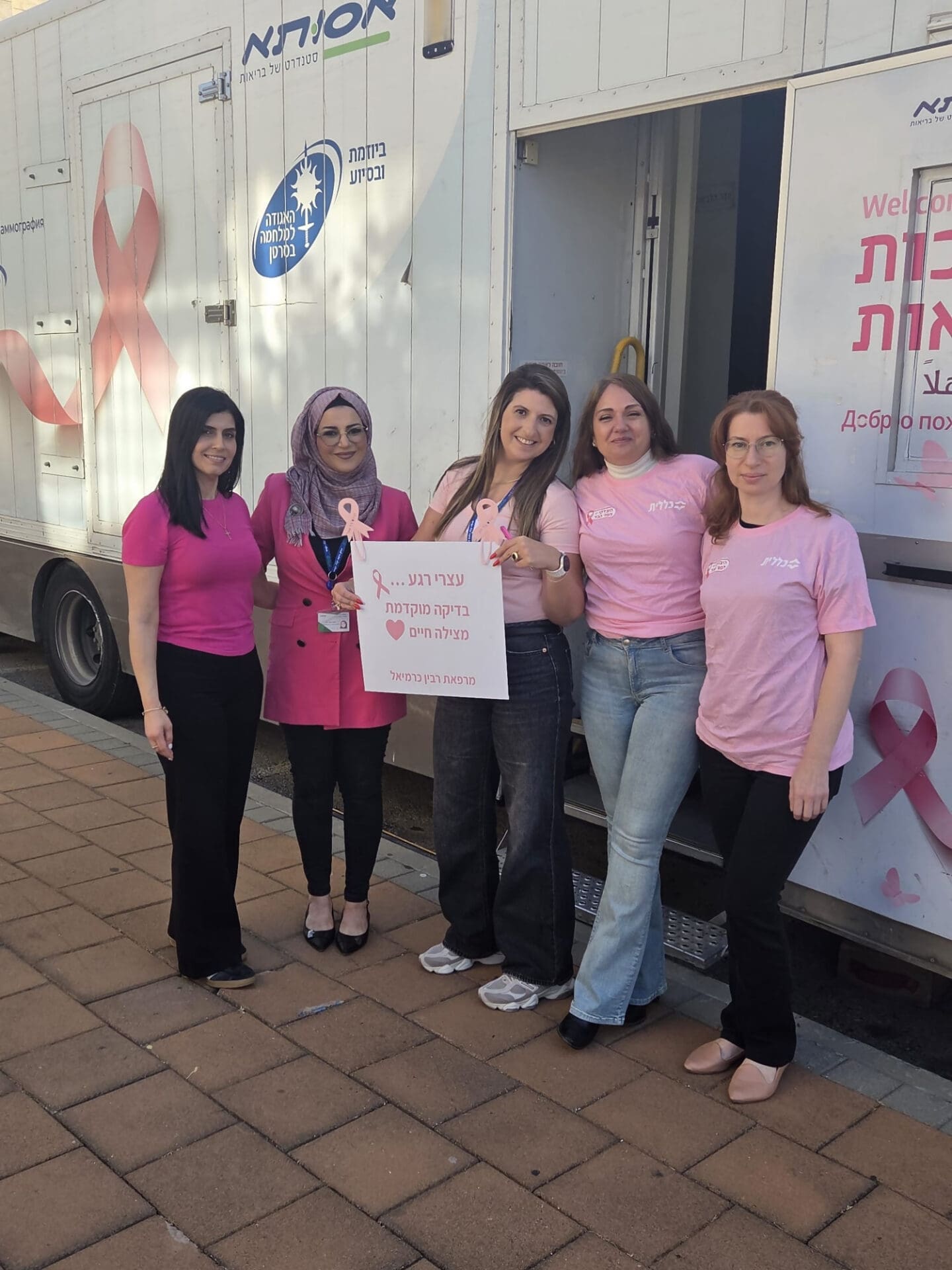
Pink in every corner: lighting buildings, clothing and community activities
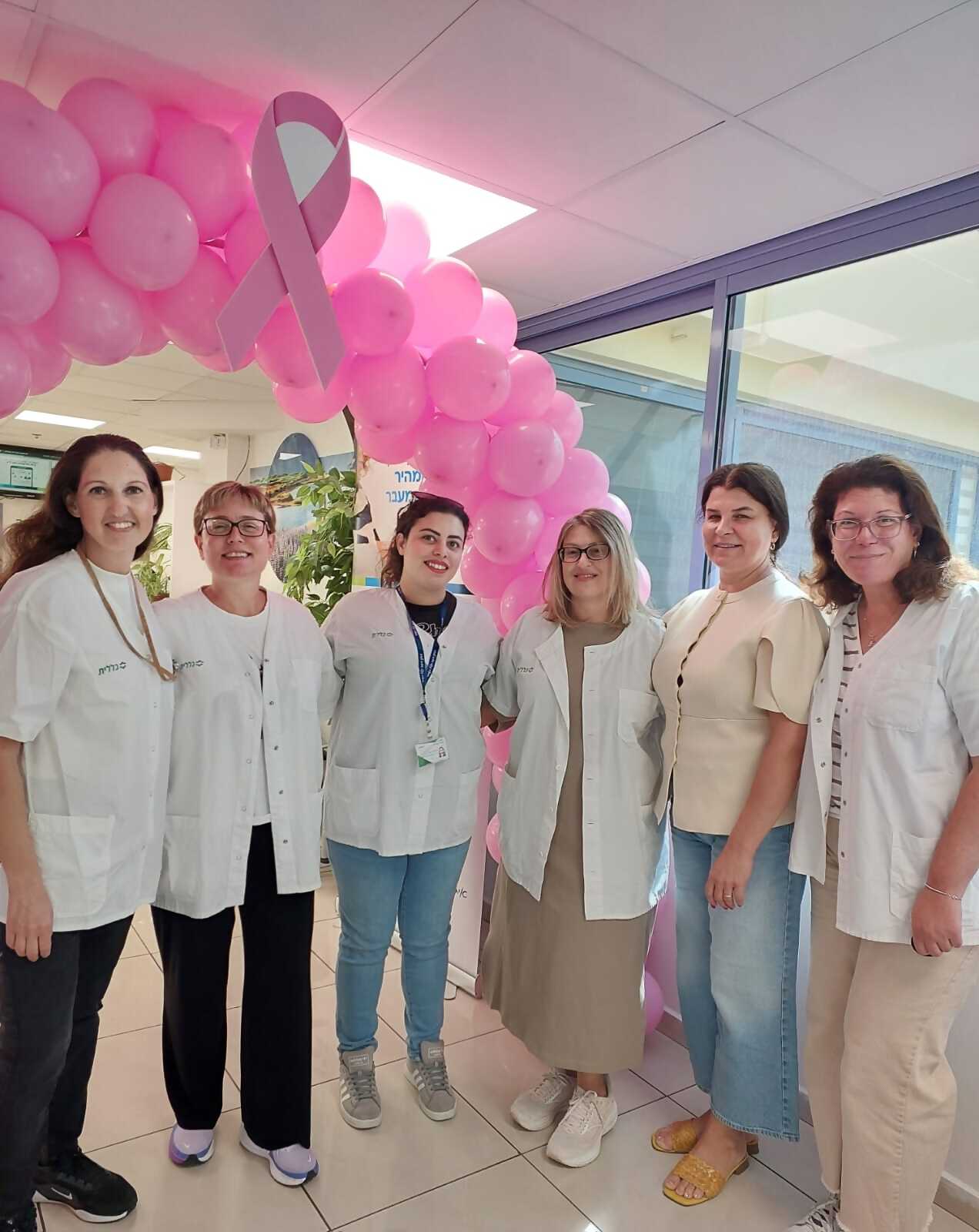
In addition to lighting up the buildings, district employees are wearing pink shirts, and women's health centers across the district are decorated with pink elements. The goal: to spark open discussion about the importance of screening, reduce concerns, and encourage women to get mammograms on time.

Clalit data for 2025: Testing rates are rising — but gaps still exist
Clalit data for 2025 indicate high rates of mammography screening among women aged 50–74 in large cities in the Haifa and Western Galilee districts:
- Kiryat Motzkin – 75.5%
- Nahariya – 72.9%
- Kiryat Ata – 72.3%
- Haifa – 71.7%
However, national data reveal disparities between populations: the age-standardized performance rate stands at 69.9 % In the general Jewish population, compared to 67.3 % In Arab society and61.4 % In ultra-Orthodox society. In addition, the higher the socioeconomic cluster, the higher the testing rate.

Mammography: The Simple Test That Can Save Lives
Mammography is considered a key tool in the early detection of breast cancer. It is included in the public health basket, and women aged 50–74 are recommended to have it performed once every two years. For women aged 45–49 and women over 75, the recommendation is determined individually with the attending physician.
In general, they are working to make the test accessible by proactively reaching out to patients, adapting messages to different populations, using artificial intelligence-based tools, and improving availability, including operating mobile mammography machines that reach remote areas.

Genetics also at the center: a surge in BRCA testing
In 2025, nearly 19 women underwent the BRCA test—a genetic screening test to detect mutations associated with breast and ovarian cancer. The test is intended for women of Ashkenazi and Ethiopian descent, as indicated, and allows for early detection of carriers and referral for tailored follow-up.

"Early detection changes lives"
Dr. Erez Liebel, Director of the Haifa and Western Galilee District at Klalit"Breast cancer is a disease in which early detection is of great significance, and therefore it is important to be careful to perform mammography tests in accordance with the recommendations. In the district, we are working to make the tests accessible, to proactively identify women in the target populations, and to reduce gaps in response to the tests. The goal is to allow as many women as possible to get tested on time and receive the appropriate follow-up for them."