


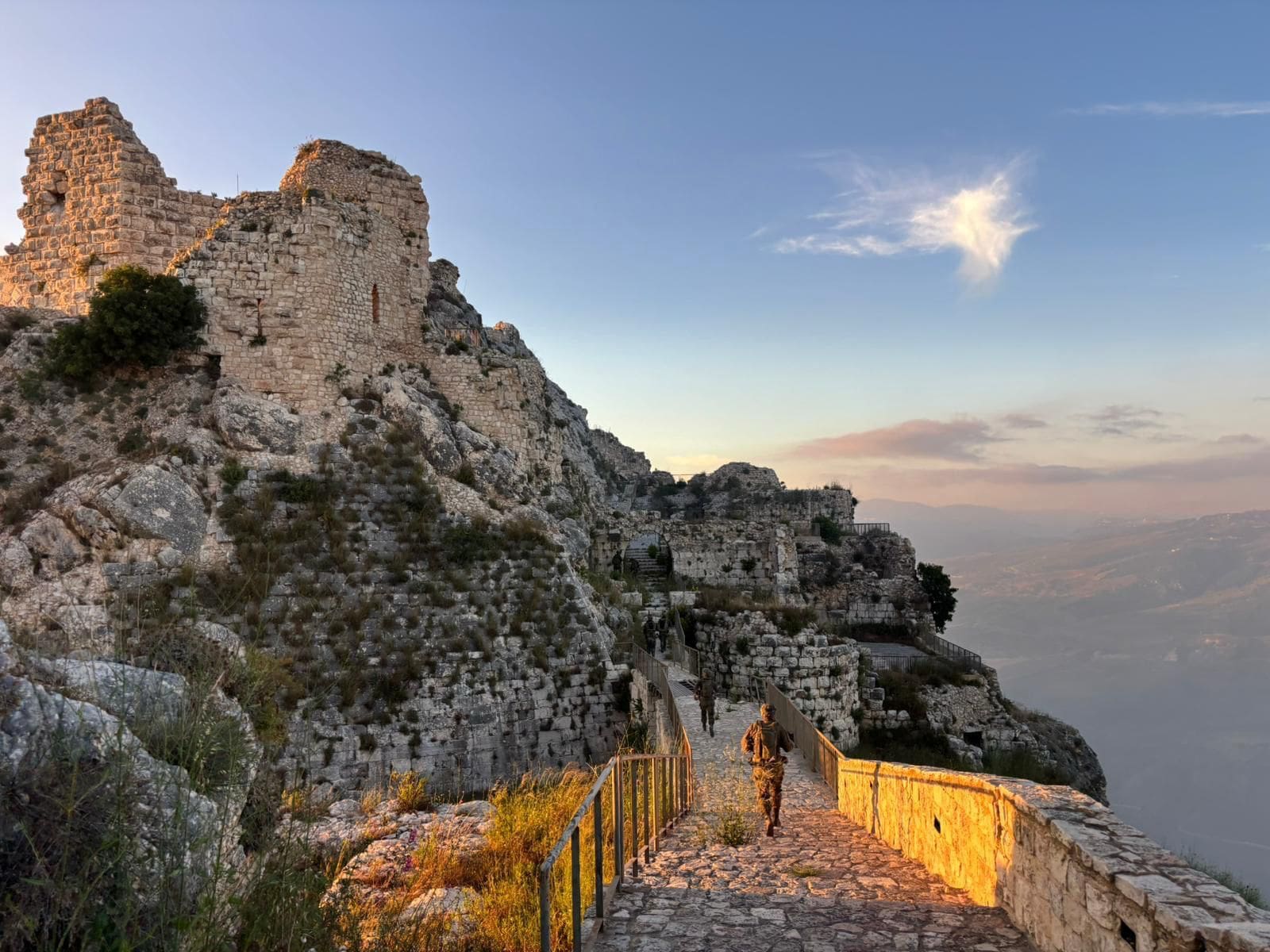
South Lebanon is one of the most complex and sensitive security arenas for Israel. Since the IDF withdrawal in 2000, and even more so after the Second Lebanon War in 2006, Hezbollah has built an extensive military array that includes tens of thousands of rockets, underground infrastructure, weapons depots, and combat forces operating from villages and residential areas. The organization's goal is to create a continuous threat to the Israeli home front and reduce Israel's advantages in the areas of intelligence, air force, and ground maneuver.
The strategic dilemma
Israel’s main challenge is to ensure the security of the northern communities and prevent Hezbollah from reestablishing itself near the border. But the strategic dilemma stems from the fact that there is no perfect solution. Each alternative offers certain advantages, but also entails heavy costs.
Avoiding total war
The likely possibility The most likely option today, in my opinion with a probability of about 60%, is the continuation of the policy of deterrence and targeted attacks. Within this framework, Israel continues to target commanders, weapons depots, and the organization's attempts to strengthen itself, while avoiding an all-out war. The main advantage is maintaining relative stability in the home front and the economy, without the need for a prolonged mobilization of hundreds of thousands of reservists.
On the other hand, this is only a temporary solution. Hezbollah continues to recover, learn the IDF's methods of operation, and restore some of its capabilities. In other words, Israel is managing the threat but not eliminating it.
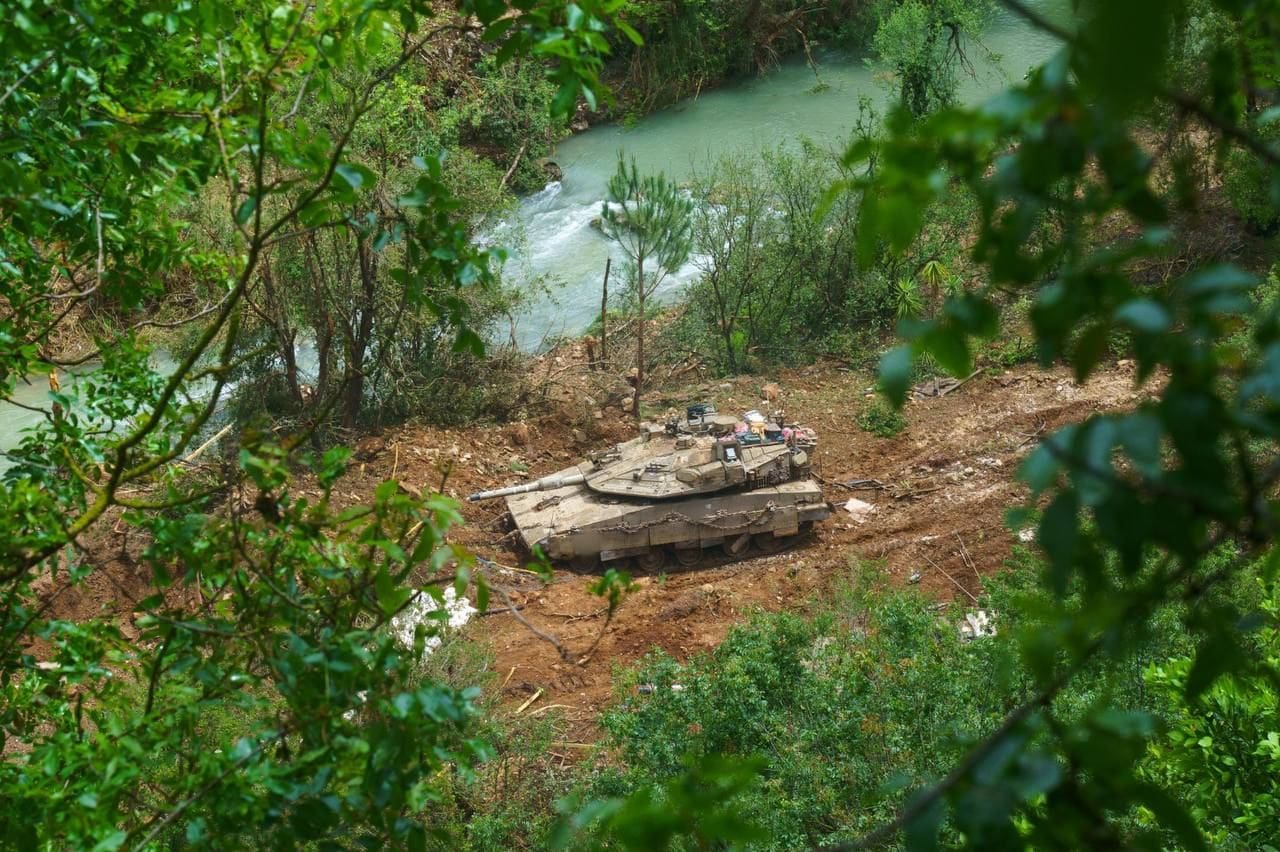
Internationally mediated political settlement
The second option, with a probability of about 25%, is an internationally brokered political settlement. Such a scenario could include removing Hezbollah forces from the border area and strengthening oversight mechanisms in southern Lebanon.
The advantage is clear: The return of northern residents to their homes and the relatively rapid restoration of economic activity in the region. However, the main problem is enforcement. Over the years, it has become clear that the Lebanese government is having difficulty controlling the south of the country, and international forces are having difficulty preventing Hezbollah from regaining a foothold in the area. Therefore, a political settlement may provide temporary peace, but not necessarily a long-term solution.
Large-scale military operation
The third option, with a probability of about 10%, is a large-scale military operation. From a military perspective, this is the only path that could create a significant change in a short time by damaging Hezbollah's rocket array, infrastructure, and fighting force. However, the price could be heavy: widespread firing at population centers in Israel, damage to infrastructure, prolonged mobilization of reservists, and an economic cost of tens of billions of shekels. In addition, there is a risk that the conflict will expand to include elements supported by Iran.
Creating a long-term security zone in southern Lebanon
The fourth option, with a probability of about 5%, is the creation of a long-term security zone in southern Lebanon. Its goal is to physically distance the threat from the Israeli border. However, historical experience shows that holding territory over time creates military, economic, and social erosion. A permanent presence would require an investment of billions of shekels per year and would place a heavy burden on the reserve force and the entire economy.
Alongside military considerations, there are also Internal considerationsIsraeli society is facing... Reserve pressure, political disputes and economic challengesThe more difficult the economy becomes to bear the burden of security and the more divided the political system becomes, the less room for maneuver decision-makers will have.
Ultimately, Israel stands between two clocks:
The security clock facing Hezbollah and the internal clock of Israeli society and the economy. The moderate options – deterrence and a political settlement – are the most likely, but do not guarantee a permanent solution. The military options may change reality, but require a high price that the state will be required to pay in the short term. Therefore, Israel’s real strategic test is not just how to win the next campaign, but how to create a stable reality in which Hezbollah will not be able to return and threaten the northern border with the same force in the future.
The operational labyrinth in Lebanon is not disconnected from the internal rift that paralyzes the political system in Jerusalem. The ability to decide in favor of a massive maneuver or a long-term engagement requires national unity and social resilience – two elements that are currently at a low point.
In a situation where every vote in the Knesset is conducted as a survival battle for the edge of a vote to achieve the The 61st finger The ability to make weighty strategic decisions in the North is being silenced.
All your assumptions are wrong.
It is impossible to continue the policy of deterrence/targeted attacks by the IDF in Lebanon.
We must reach a complete resolution in the Gaza and Lebanon arenas.
Gaza – There must be a full humanitarian evacuation, closing the Gaza front and turning it into a closed military base. Evacuation of the population to PA cities that will deal with their absorption.
Lebanon – Hezbollah cannot be eradicated. What is possible is to exhaust it economically, to eliminate all sources of income for the Shiite population. This means eliminating agriculture, eliminating resorts and hotels. If there is no other choice, the Shiite population must be driven out of southern Lebanon economically. They must not be allowed to return to the villages.
All the escapes of the left – Barak in Lebanon who created Hezbollahstan and Olmert and Sharon in Gaza who created Hamastan, and also the escapes in Judea and Samaria which created terror cities there like Jenin and Nablus – were all a complete failure.
You forgot the fifth option.
That does not require the recruitment of hundreds of thousands of reservists, nor political controversy, nor will it disrupt the routine of life, but rather a few hundred pilots, and it is, as a number of Knesset members have said, a collection of a price for every drone and every missile that shoots down high-rise buildings and residential buildings of Hezbollah terrorists in Dahya or the Bekaa or Beirut.
Hezbollah is increasing its launches and drones because they understand that the US has tricked Israel into responding forcefully because of the agreement with Iran.
Let the destruction be unleashed and let building after building of terrorists fall in Lebanon in numbers like they launched drones and missiles. We will see how extensive their "military array" is and what chaos there will be there.
Even the last Shiite for whom chaos is the preferred routine of life will understand that it's over because they no longer face a humane opponent like in the past who strives for an agreement/surrender.
*The average Shiite is not the last
Only the Light Party, only the Knower