


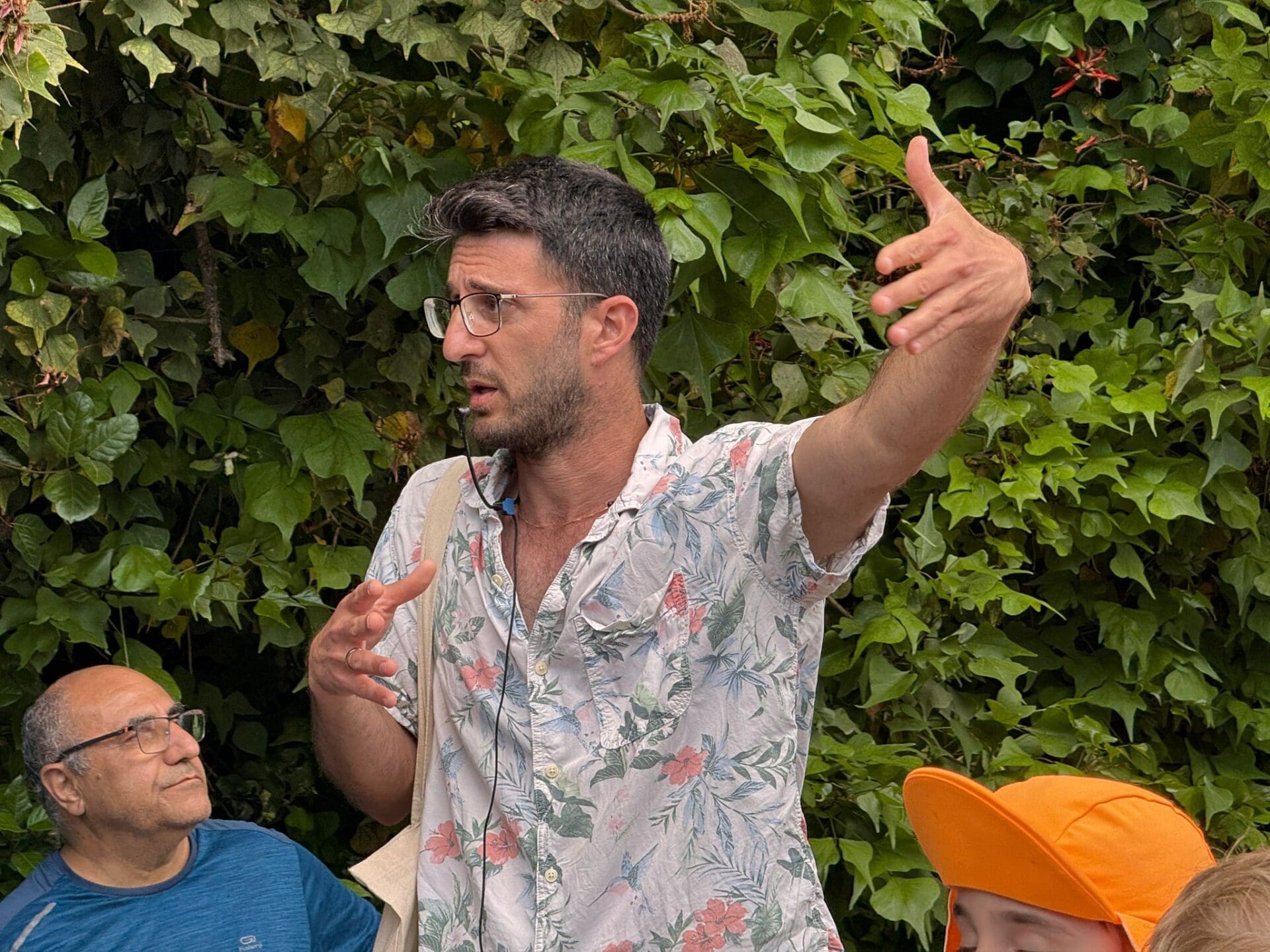
(Haipo) – The interface between the city and the forest in Haifa takes on a unique form in the Ramat Alon neighborhood, through a promenade built in the 80s and delimiting the neighborhood from the east. Architect Omri Zilka, who led a "Jane Walks" tour in Ramat Alon, talks about the extraordinary experience the promenade provides to the neighborhood's residents.
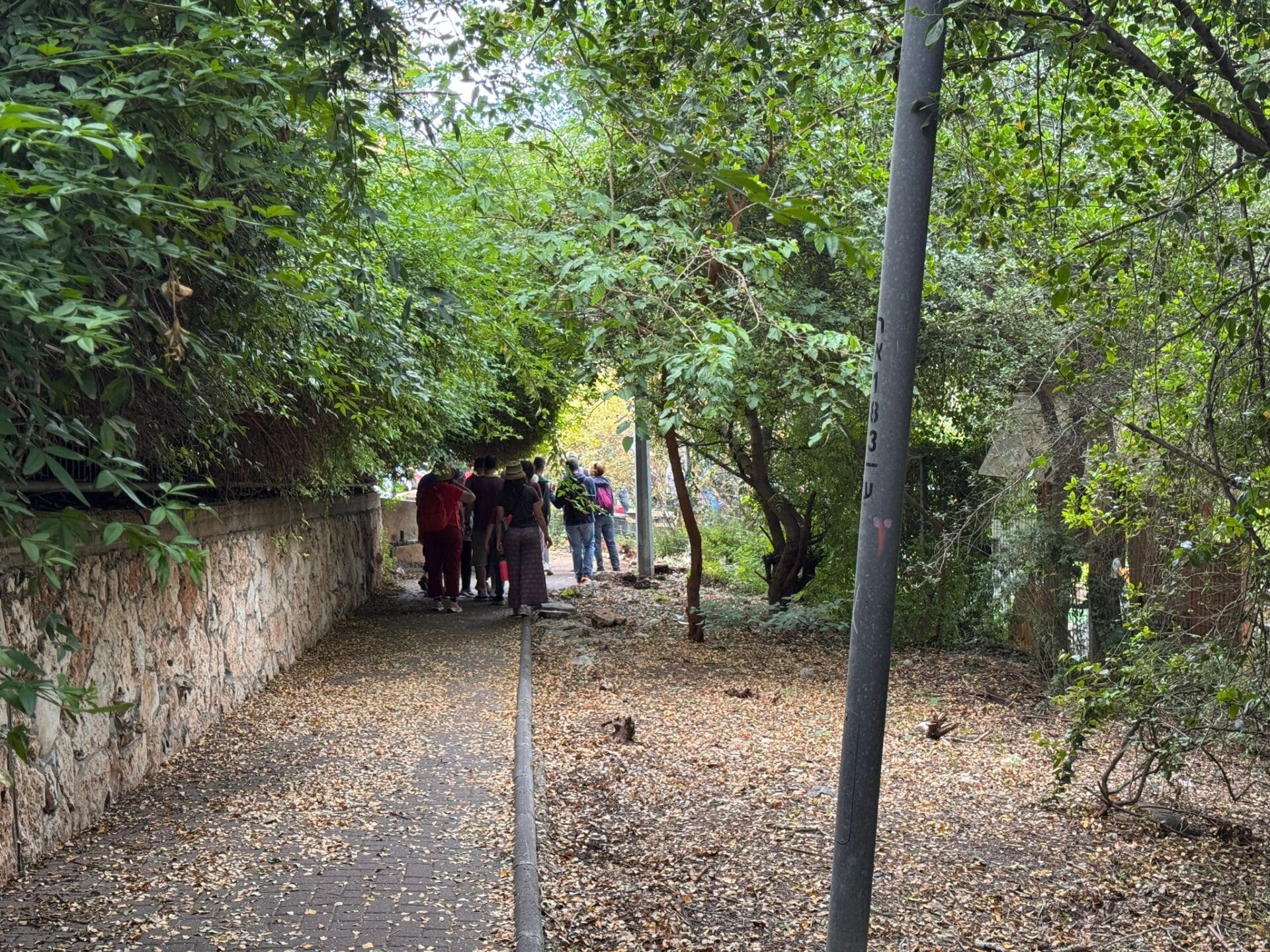
Ramat Alon Promenade – a safe and unusual interface between the city and the forest
The promenade in the Ramat Alon neighborhood in Haifa is a unique and extraordinary example of the interface between the urban space and the forest. The promenade, built in the 80s, delimits the neighborhood on its eastern side and allows for a safe and unique interface between the city and the forest.
According to architect Omri Zilka, in most Haifa neighborhoods, the interface between the city and the forest does not allow free movement of residents into the forest, and there is a complete division between the two spaces - even though Haifa has many green and pleasant areas where a similar interface could be enabled, which contributes exceptionally to the quality of life of the residents.
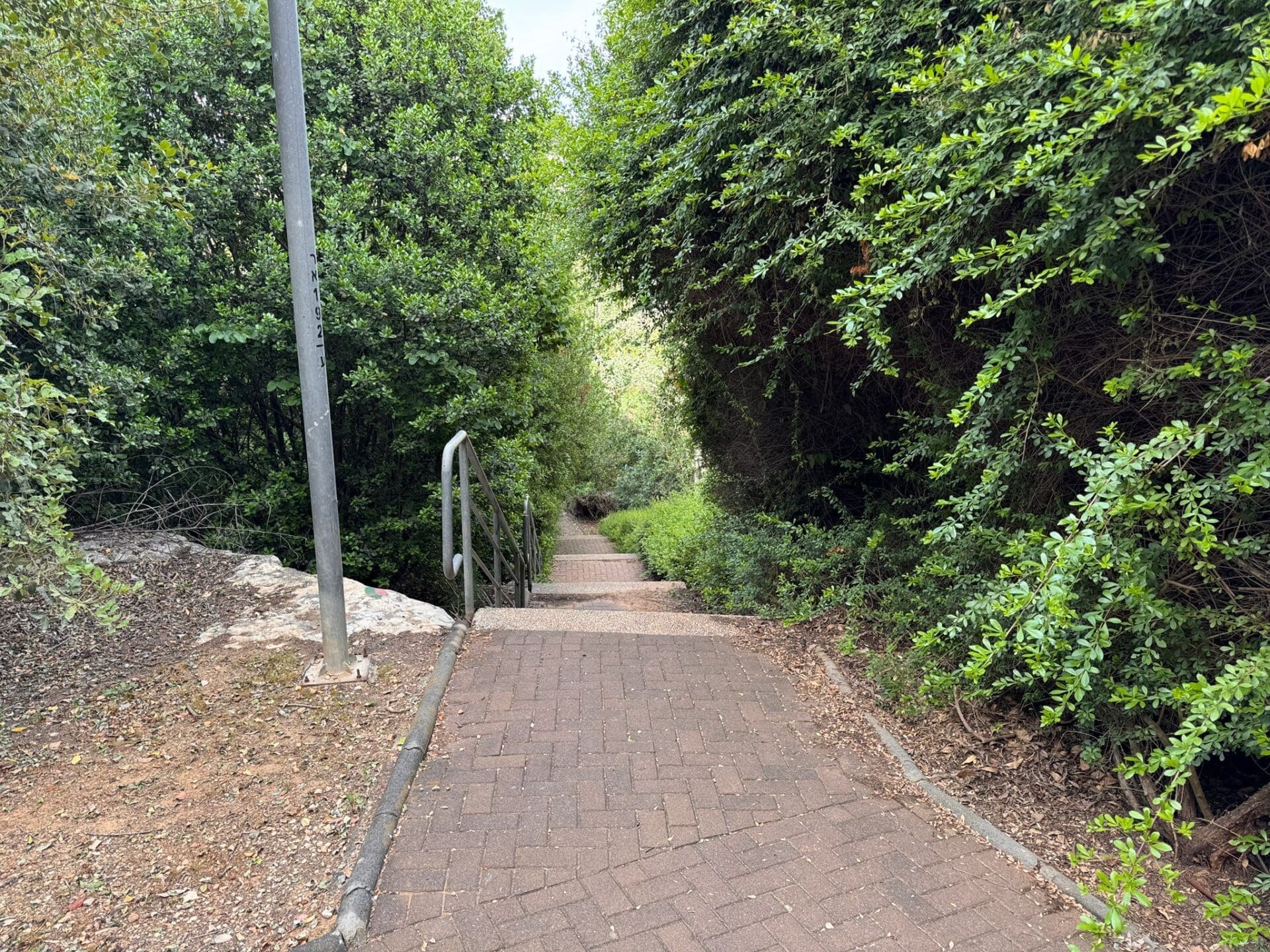
"An experience that changes the entire perception of reality" - Architect Zilka on the connection between man and nature
Architect Omri Zilka describes the special experience of the residents of Ramat Alon, who can go out in the morning and take a ten-minute walk in the forest, breathe in the scents of the forest and hear the sounds of birds.
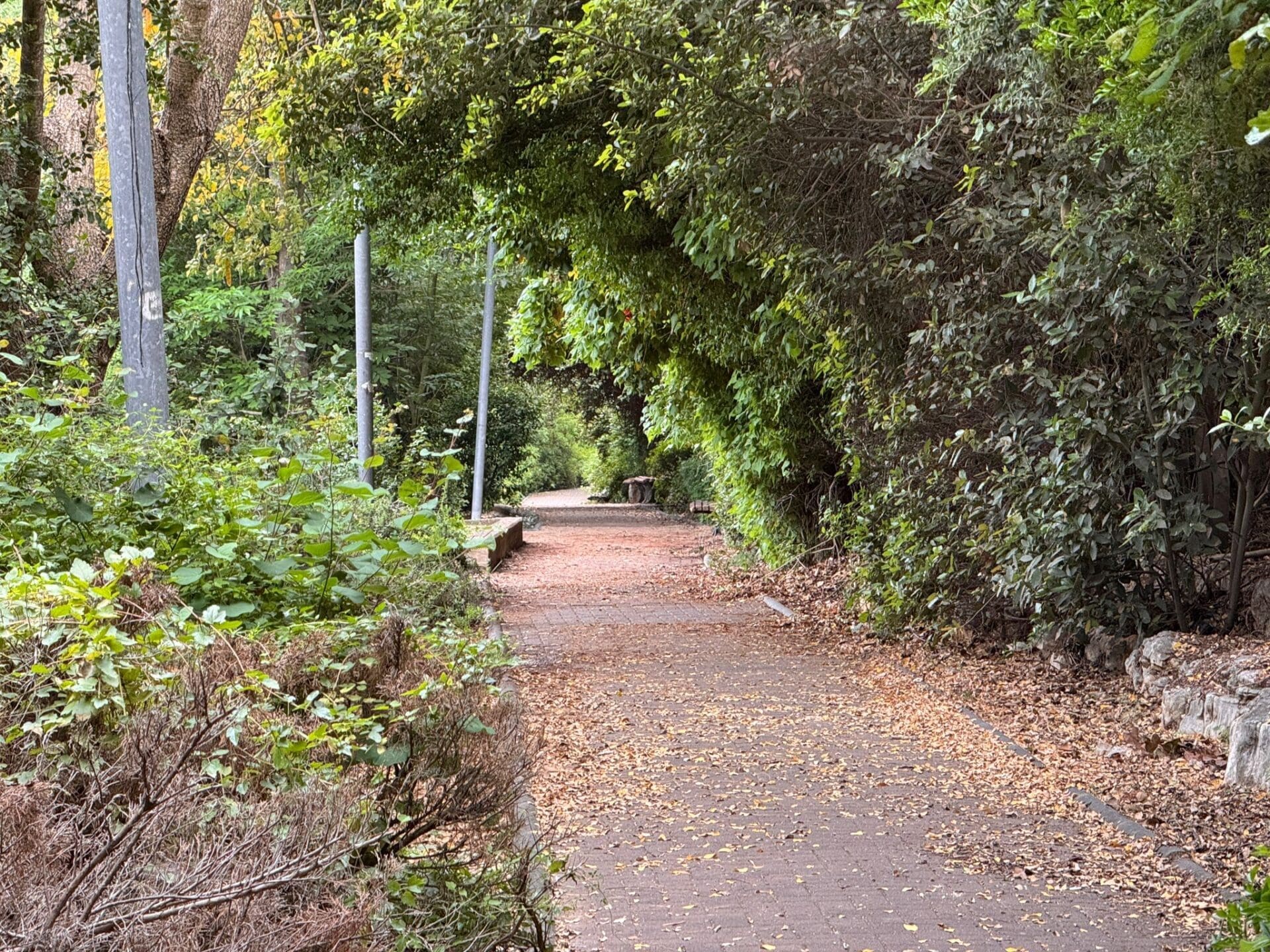
"Opening the heart and soul at this interface between man and nature is an experience that changes the entire perception of reality of the resident living in this neighborhood," says Zilka.
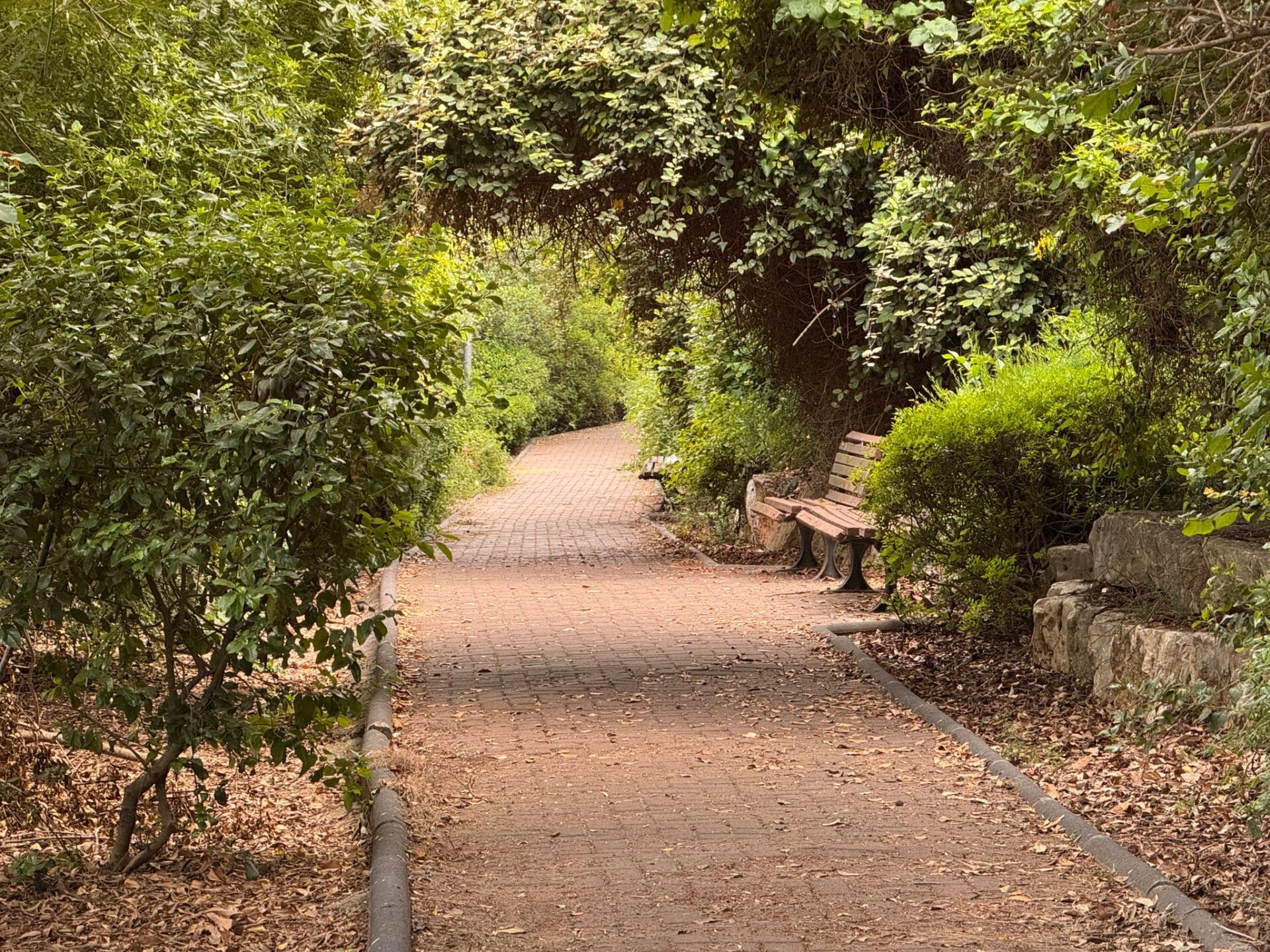
This unique interface, created through the promenade, demonstrates how proper urban planning can allow residents to enjoy true closeness to nature and significantly improve their quality of life.
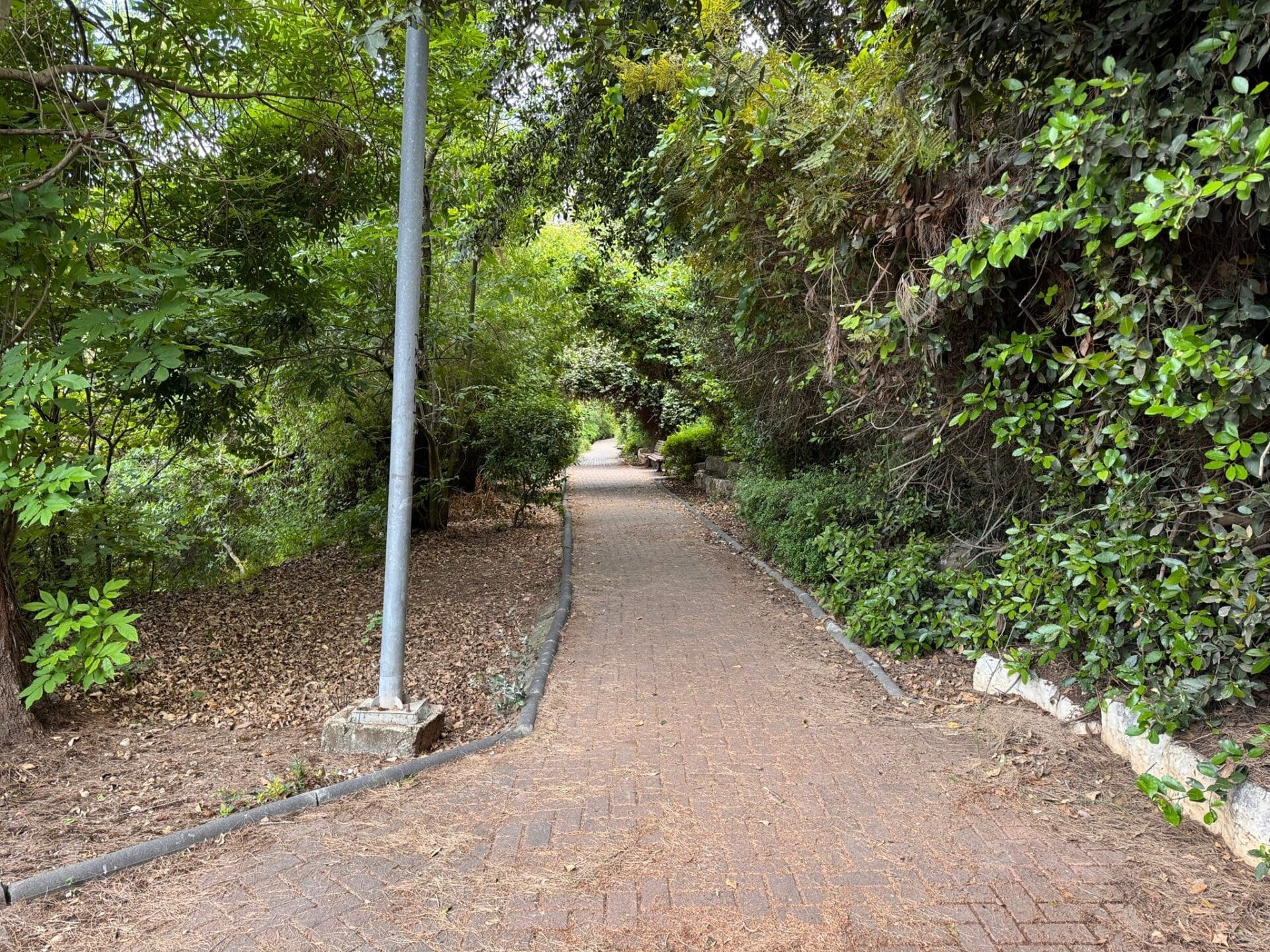
Where is the boardwalk, how do you get to it? I'm from the area and haven't heard of it.
This is not a boardwalk, it's a set of stairs that go up at the edge of the Ramat Alon neighborhood. They call it a boardwalk, it's a lot of stairs.
Thanks to Omri for the tour as part of Jane's Walks, which is interesting and educational about the connection between a neighborhood and nature.
The Haifa Municipality refuses to create such promenades in the future planning of streets bordering the wadis. The reasons are the Carmel disaster in 2010. It is very difficult to reach these promenades with fire brigades and their proximity to houses in the neighborhood endangers the houses.
In Ramat Alon, there is perhaps a unique situation where the streets reach right up to the promenade, so that fire trucks can enter at the end of the street and try to reach it from there if a fire breaks out. The problem is exacerbated because the wind in the wadis creates a wind tunnel that increases the rate at which the fire spreads.
The municipality therefore wants to create buffer zones without promenades and without the ability to walk on those buffer paths, and there are several reasons. First of all, the fear of wild boars, foxes, and even elements of the Palestinian Authority and criminals who will exploit the promenades to escape. The promenades also require a lot of maintenance since they are on the edges of wadis, and the municipality does not want to waste manpower cleaning such promenades.
All the suggestions from the neighborhood residents, and there were many ideas for bicycle and pedestrian bridges over and next to the edges of the wadis, and requests to implement regulated promenades, for example the path in Wadi Lotem at the end of Leonardo da Vinci, are met with a triple refusal: 1. The municipality does not want to and does not have the money to maintain it. 2. The residents at the end of the wadis do not want it to become a noisy area with many pedestrians near their homes and do not want a path that they claim will harm nature and the peace they have.
3. Nature management agencies such as the Nature Reserves Authority claim that this is another takeover of the wadis by the city and asphalt, and they are submitting sweeping objections to the development of promenades and parks, claiming that it will harm the growing environments in the wadis, such as light nuisances, noise nuisances, and dirt nuisances.
It's true, it's very depressing. Every good initiative to improve the quality of life in the Ridge is met with a municipality that has no money or some other excuse, and the municipality is really hostile to any investment in the Ridge neighborhoods. They think it's just a milking cow. Property taxes from Tama 38 are even used to renew 50-year-old kindergarten complexes. They claim that they did tests and the building is earthquake-resistant. A telling example is that in each of the Carmelia Kabirim and Carmel Marabi neighborhoods, nearly 300 kindergarten-age children were added due to additional residents, but the Haifa Municipality refuses to rebuild kindergarten clusters even though the existing ones are 50 years old. Any municipality that receives so much very high property taxes from new construction would at least renew the buildings in that neighborhood, but not the Haifa Municipality.
So where exactly does the promenade begin?
These details are missing, so what's the point of publishing the article if the reader doesn't know the promenade route?
The promenade can be accessed from several streets in the neighborhood.
End of Avraham Sakhnin Street, end of Zeev Vilnai Street, end of Righteous Among the Nations Street.
Good animals should be released into the wild.