


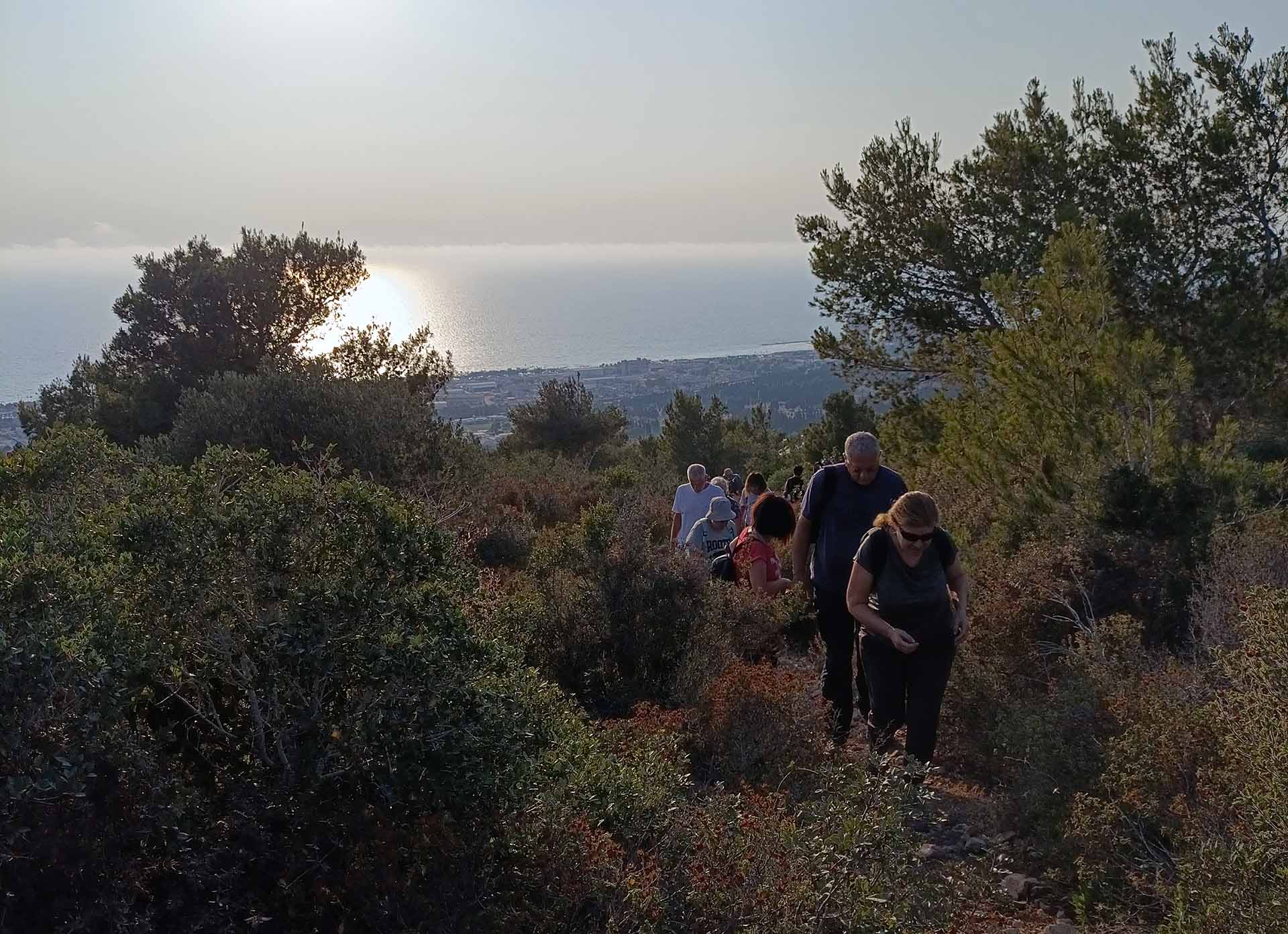
(Live here) – Will she stay? Green For future generations: The debate over the future of urban planning in Haifa is returning to center stage, amid new construction initiatives and the tension between urban development and the preservation of open spaces. Questions of policy, public responsibility, and the balance between developers and residents' needs are at the heart of the local discourse and are provoking widespread controversy.

Balancing interests between entrepreneurs and the public
Urban planning in Haifa does not necessarily require a delicate balance between the economic interests of entrepreneurs and the public good. Alongside the desire to promote new projects, there is a need to ensure that decisions are not made while ignoring the will of the residents and their elected officials. The return of the construction plan on the Lincoln Slopes, which (again) destroys natural areas and natural woodland, a plan that was rejected in the past and is now being discussed by the appeals committee, is likely to return with only cosmetic changes. The interface between the public, the local committee and the district committee must be based on real cooperation.
The importance of urban renewal within the city limits
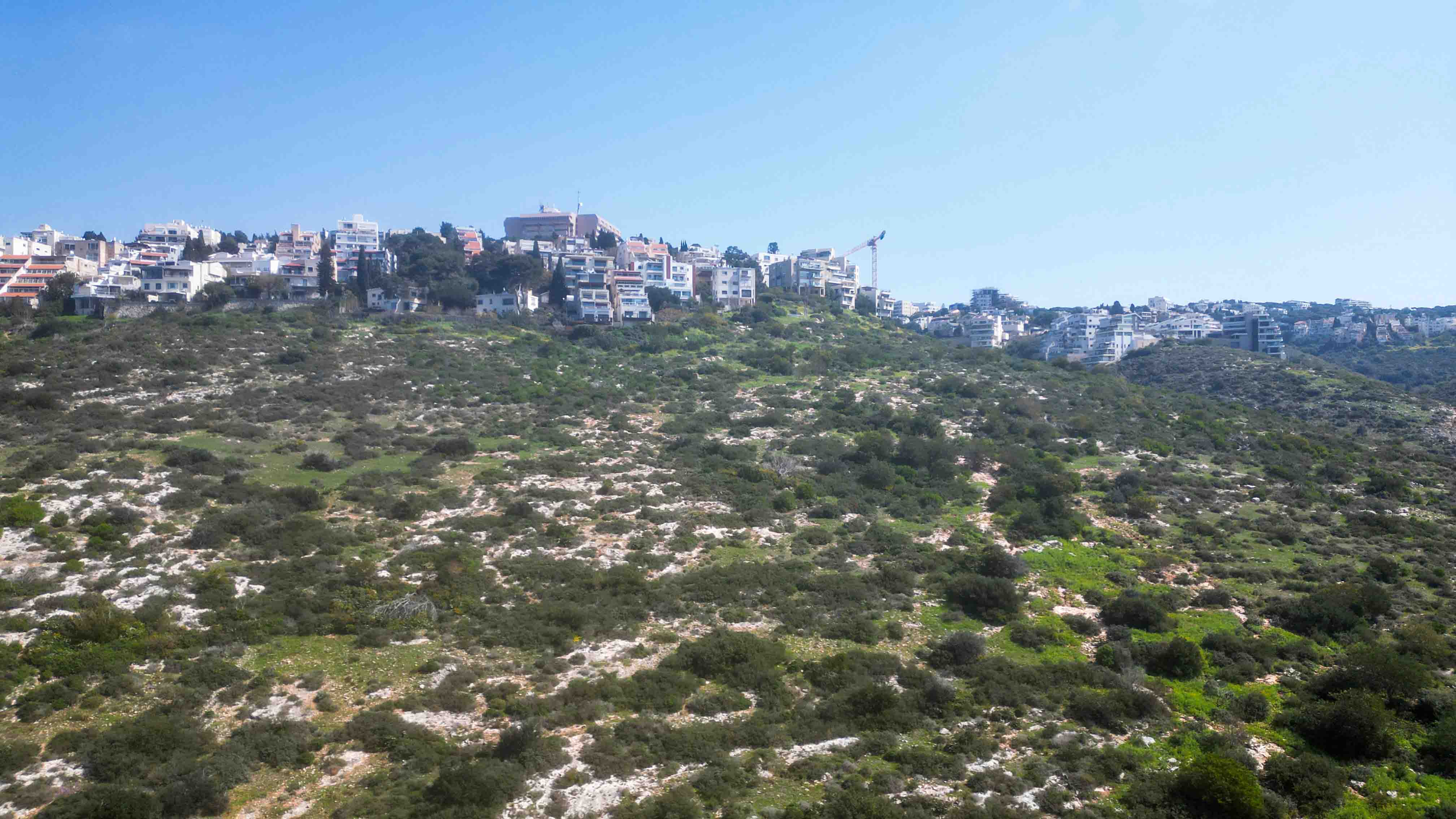
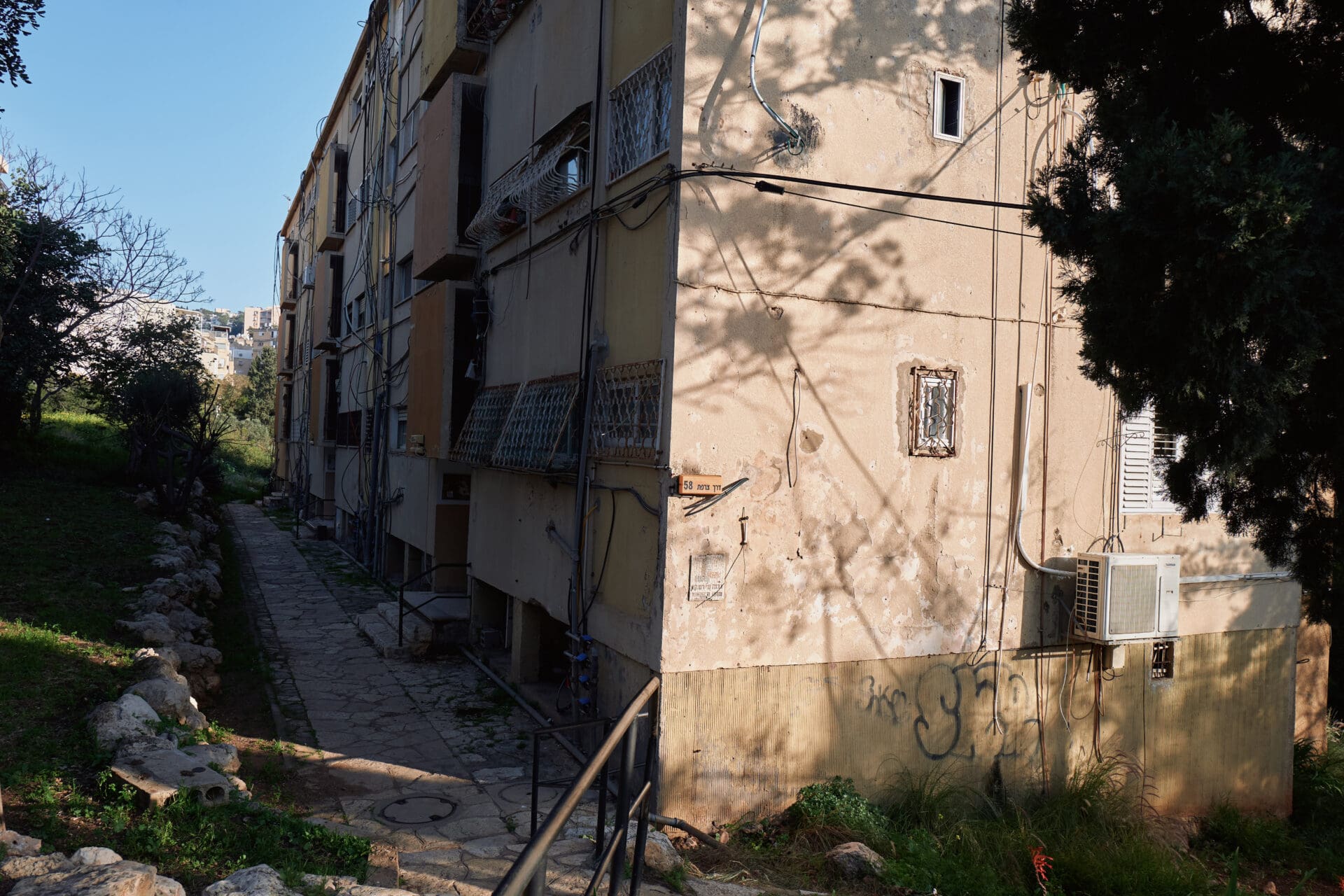
The main emphasis in Haifa's future planning should be on urban renewal within the existing fabric. Instead of continuing to exploit open spaces of scenic and ecological value, it is possible to implement valid plans that already exist within the city limits and have been stuck, for years, in the Engineering Administration. This renewal allows for strengthening the community, improving infrastructure and preserving the environment.
On the other hand, development in steep and sensitive natural areas causes irreversible damage to the landscape and ecosystems of "Green Haifa," or what remains of it.
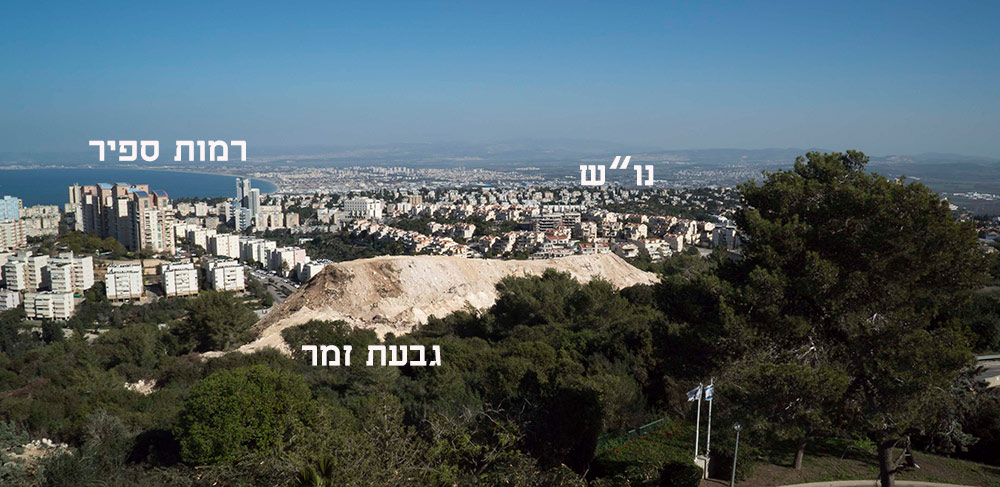
The bad plan to expand Savyoni Danya is not unique to the planning institutions. The advancement of other plans also raises serious questions about the vision of the planners in the Haifa municipality: the Lincoln slopes and Ramat Gural threaten to destroy natural areas with high landscape sensitivity. These plans join the destruction of the natural forest that has already occurred in recent years, when Givat Zemer was built, on a very steep area where there was a natural forest many years old.
Environmental and tourism implications of construction plans
Predatory building plans are not only a planning issue, but also an environmental and tourism issue. Haifa strives to position itself as a city with an affinity for a green environment and tourism, but damage to open spaces and ecological corridors could contradict this goal and seriously harm the quality of life of the city's residents.
Lessons from the past and a call for planning responsibility
History shows that stopping controversial plans does not necessarily harm urban development. The Nof HaGalil case demonstrates how a decision to stop and reexamine led to urban prosperity in a different direction. Therefore, there is room for a clear call to the District Committee and elected officials to reexamine the city's vision, not to fear economic pressures, and to favor innovative and sustainable solutions that will serve future generations.
As a native of Haifa, who has lived in Haifa all her life, I join in the concern about preserving the character of the city. I have seen and followed for years how beautiful, green parts disappear and in their place houses are built that spoil the uniqueness of the city of Haifa. Why don't they approve TMAs for all the buildings in Hadar, like they did down in the city, breathing life into the city. If they approved the construction of new housing, such as Herzl Street with shops and residential apartments above them like in Tel Aviv, many people would live in these places. In Tel Aviv too, old neighborhoods that had fallen into disrepair have been renovated and today they are the most sought-after places. The whole beauty of Haifa is the green slopes from every direction that you come to it.
Important article. The main problem I have identified in recent years is that the municipality reacts and does not initiate – the contractors are pressing for TAMA – dozens of TAMA projects are emerging without order and logic, pressing for Lincoln Hills – there is planning for destructive construction. The municipality needs to lead a comprehensive master plan that looks at preservation, protection, population needs and consideration of the Holy Trinity that builds a city – education, employment, community.
I only recently discovered the beautiful trail system at the Lebanon Gate.
This is a place to preserve and nurture, not abandon to entrepreneurs!
Trying to upload pictures (unsuccessfully..)
You are right in every word, Haifa has several main resources, one of the most prominent is the landscape and nature in every corner.
However, a few points, urban renewal is great, but when it comes in hundreds of 30-40 story towers, there are consequences. Damage to the landscape, quarrying in the mountain with retaining walls, and also limited infrastructure. Do you think this is the future that Haifa should continue to move towards?
Urban renewal also means hundreds of acres of land in Carmel that are being carved out of the mountain and destroying the urban forest that is unique there.
Conservation can also be introduced, in the future if and in order to preserve extensively, they will probably need a mechanism for transferring rights, where will they be transferred?
And collaboration between the local public and the district is nice, but how do we do it in practice?