


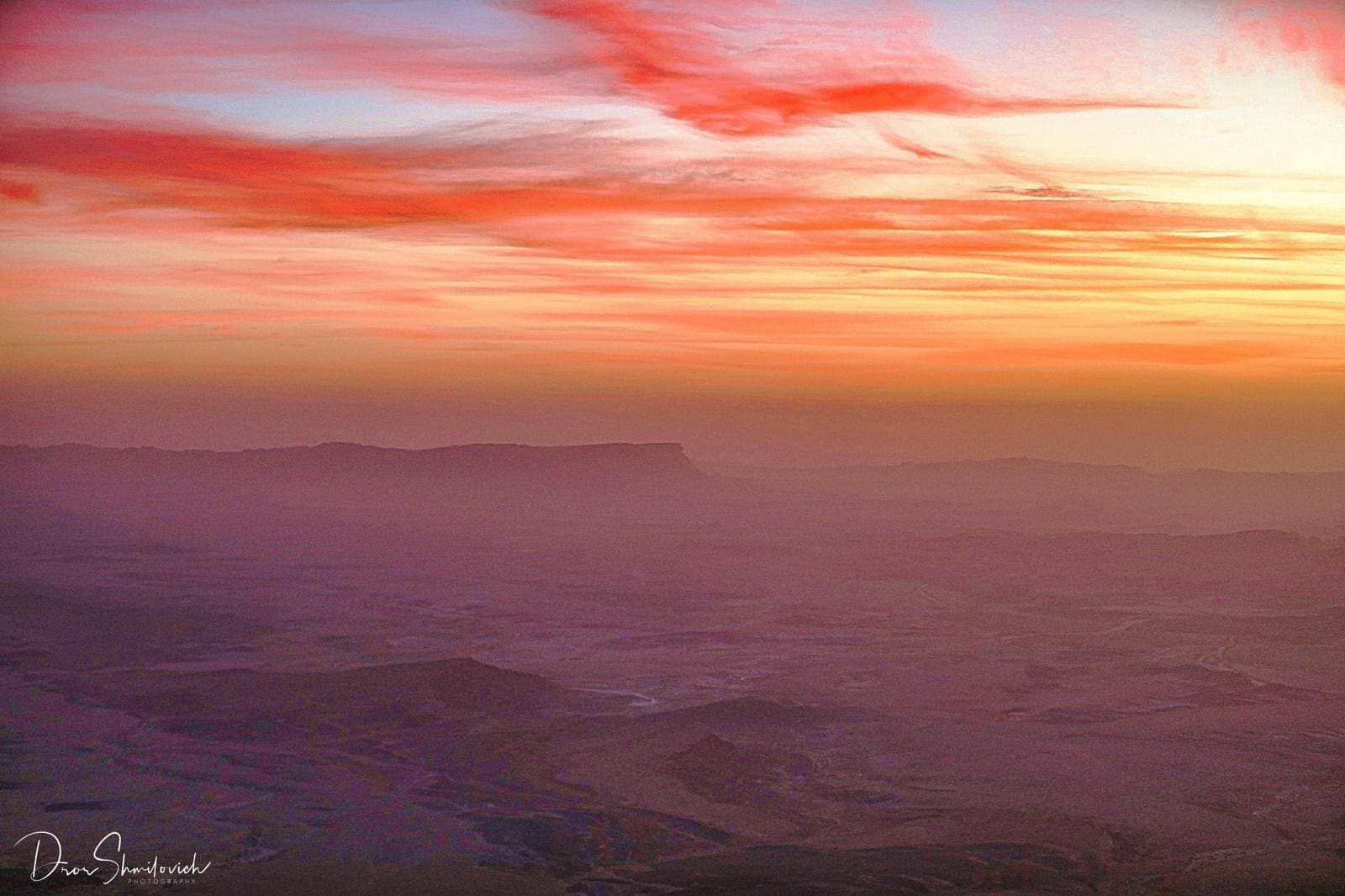
Ramon Crater, a rare geological phenomenon, one of the most impressive in the world. Located in the heart of the Negev, it offers a unique tourist experience that combines wild nature, breathtaking landscapes and millions of years of geological history. The crater, which is about 40 kilometers long and about 9 kilometers wide, was created by a slow process of continuous erosion: a layer of hard rock (dolomite and limestone) covered softer layers below it, and with millions of years of weathering and water flow, the core was exposed and a vast valley with steep sides opened up.
Its structural uniqueness is also reflected in the fact that it has only one drainage opening, the Ramon Stream, a rare formation that allows for the “confinement” of unique climatic and landscape processes within the crater. As a result, a desert microclimate is created: temperatures are extreme during the day and drop sharply at night, and in winter temperatures are sometimes recorded close to zero.
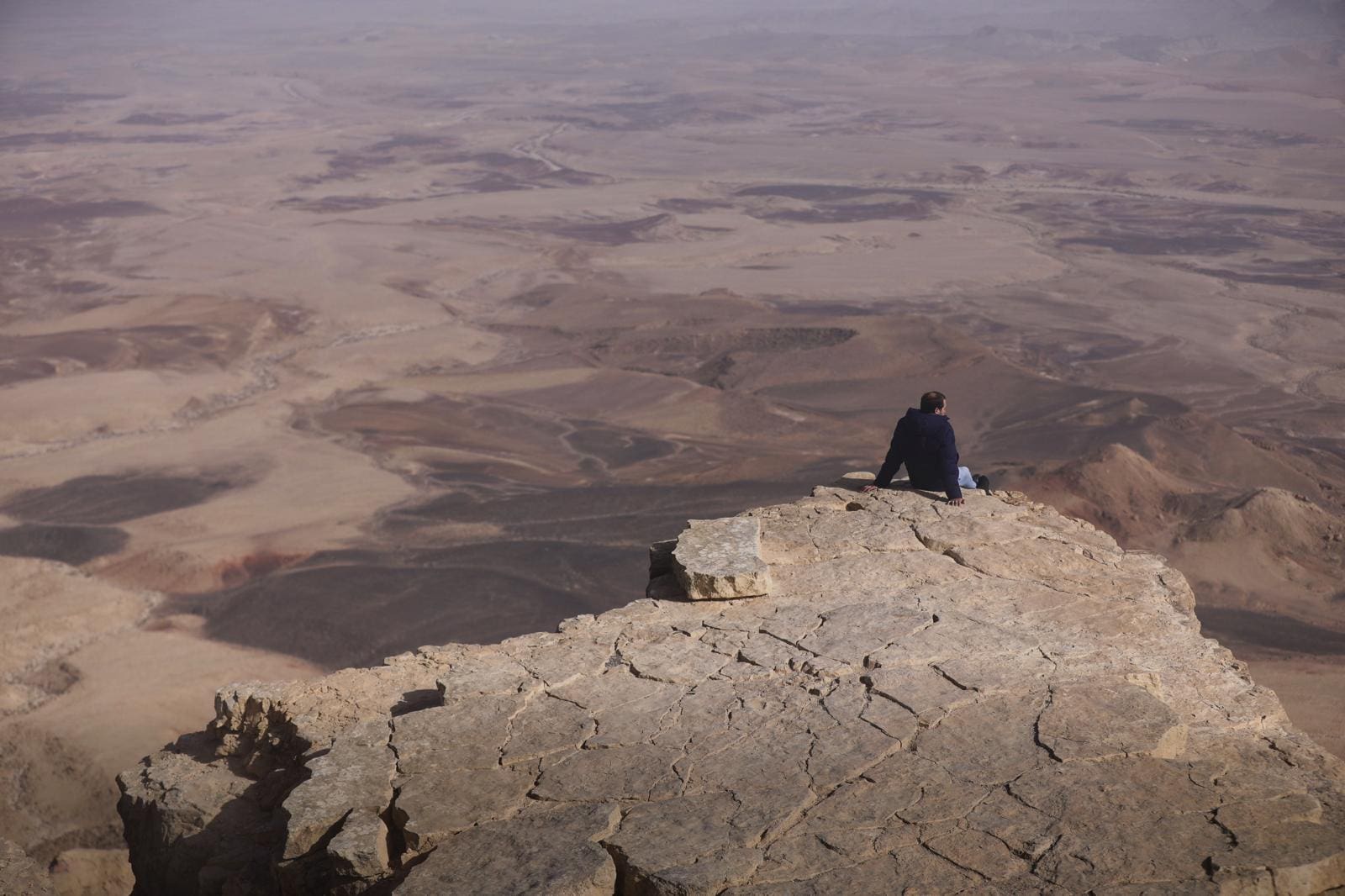
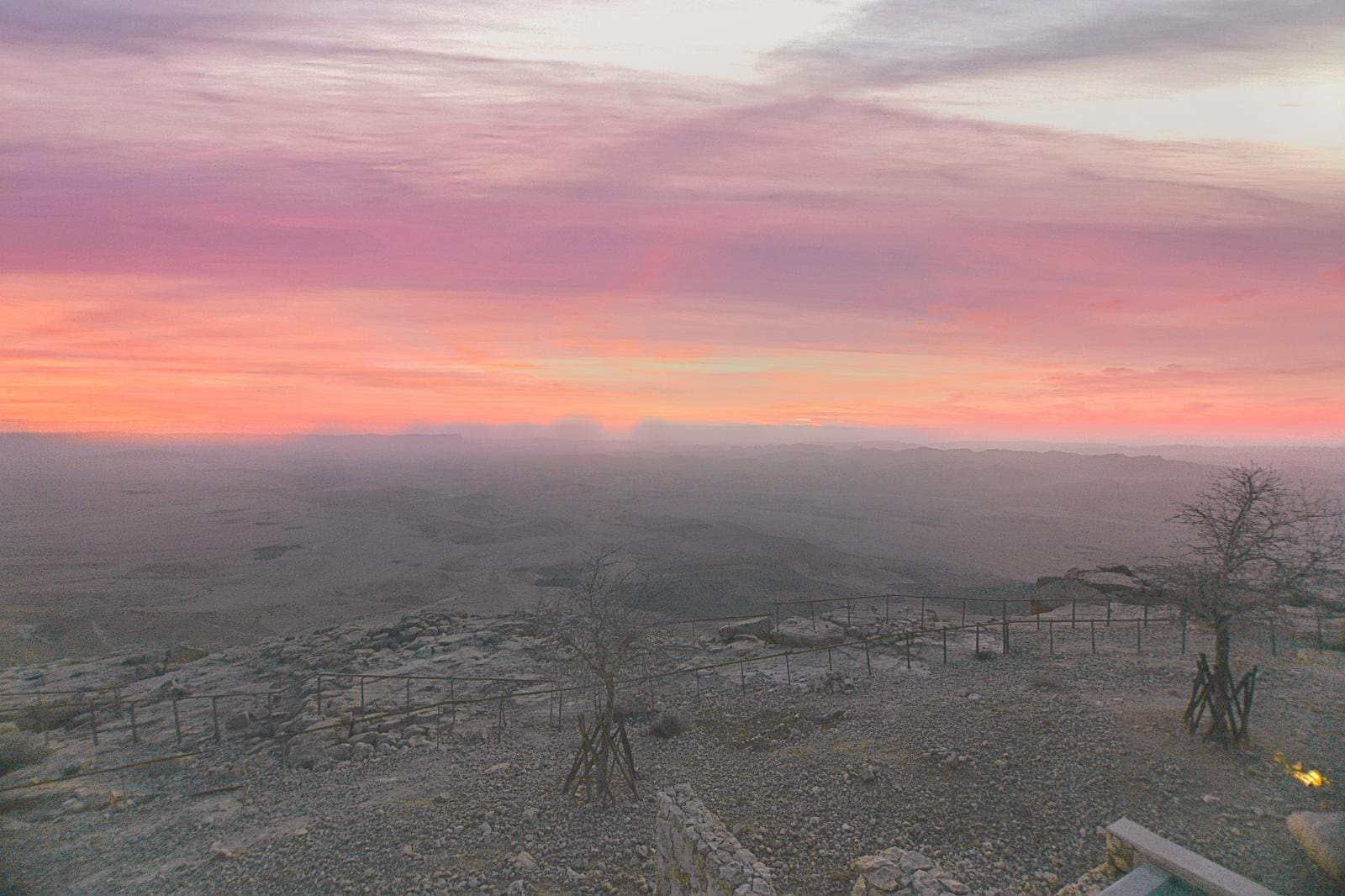
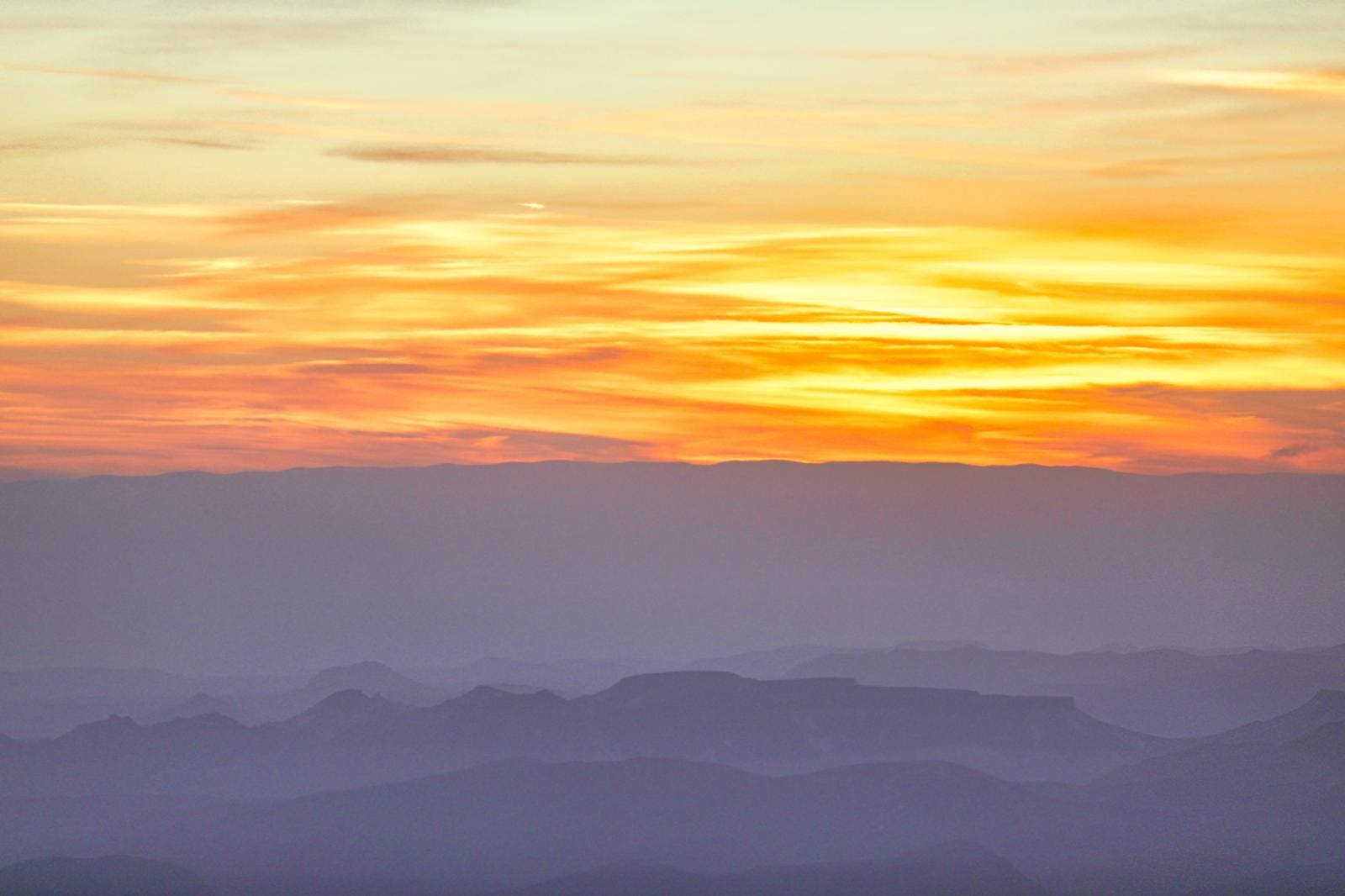
The view in the crater is a kind of Open Geological Museum: Colorful rock layers, rare colored sands (red, purple and yellow), “Ramon rays”, sharp rock ridges resembling knives and extraordinary weathering formations such as cliff walls, table hills and inner valleys. The combination of the desert colors that change depending on the angle of the light, the absolute silence and the open space, creates a dramatic scenic experience that is unparalleled in Israel and even in the world.
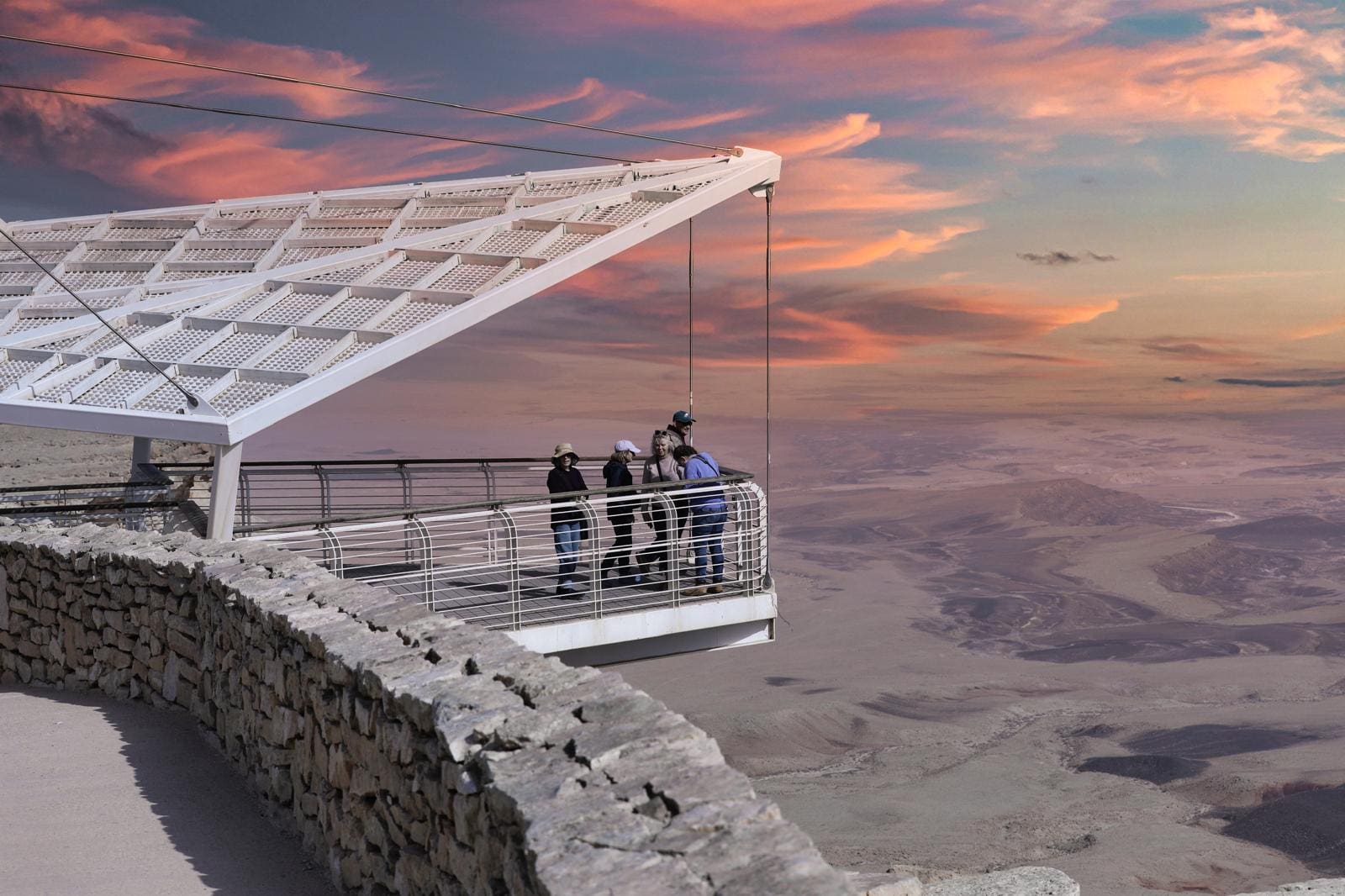
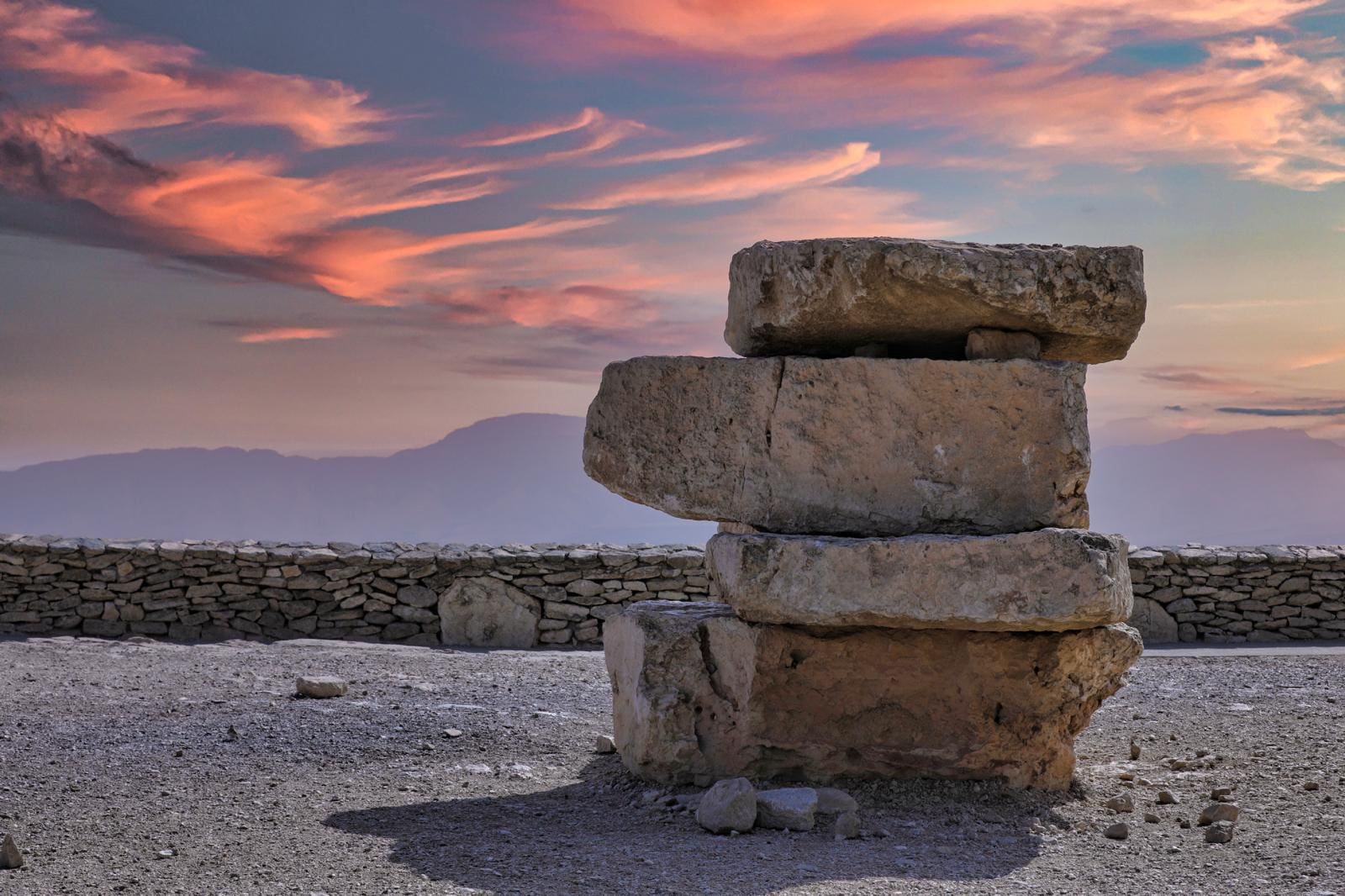
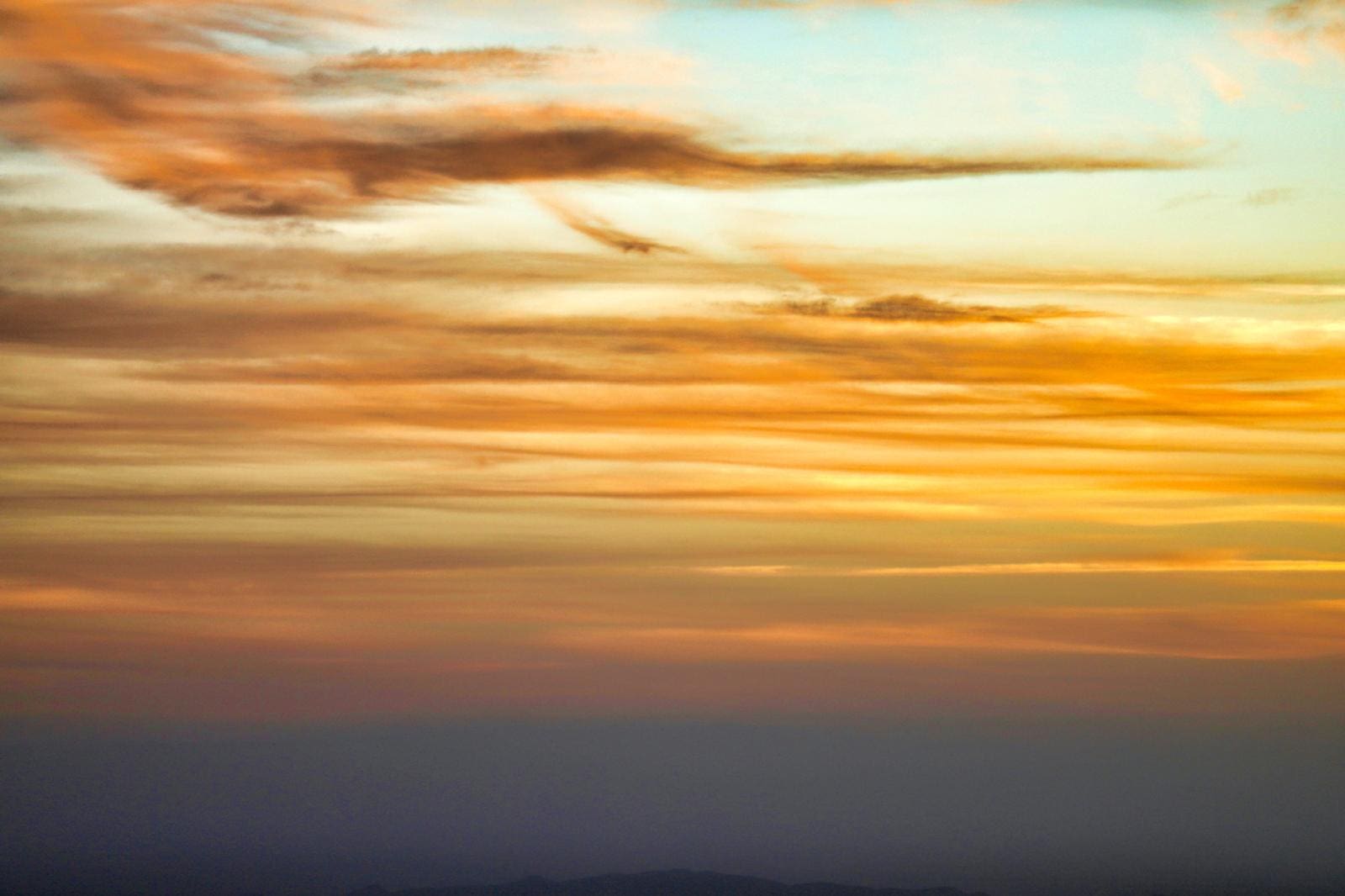
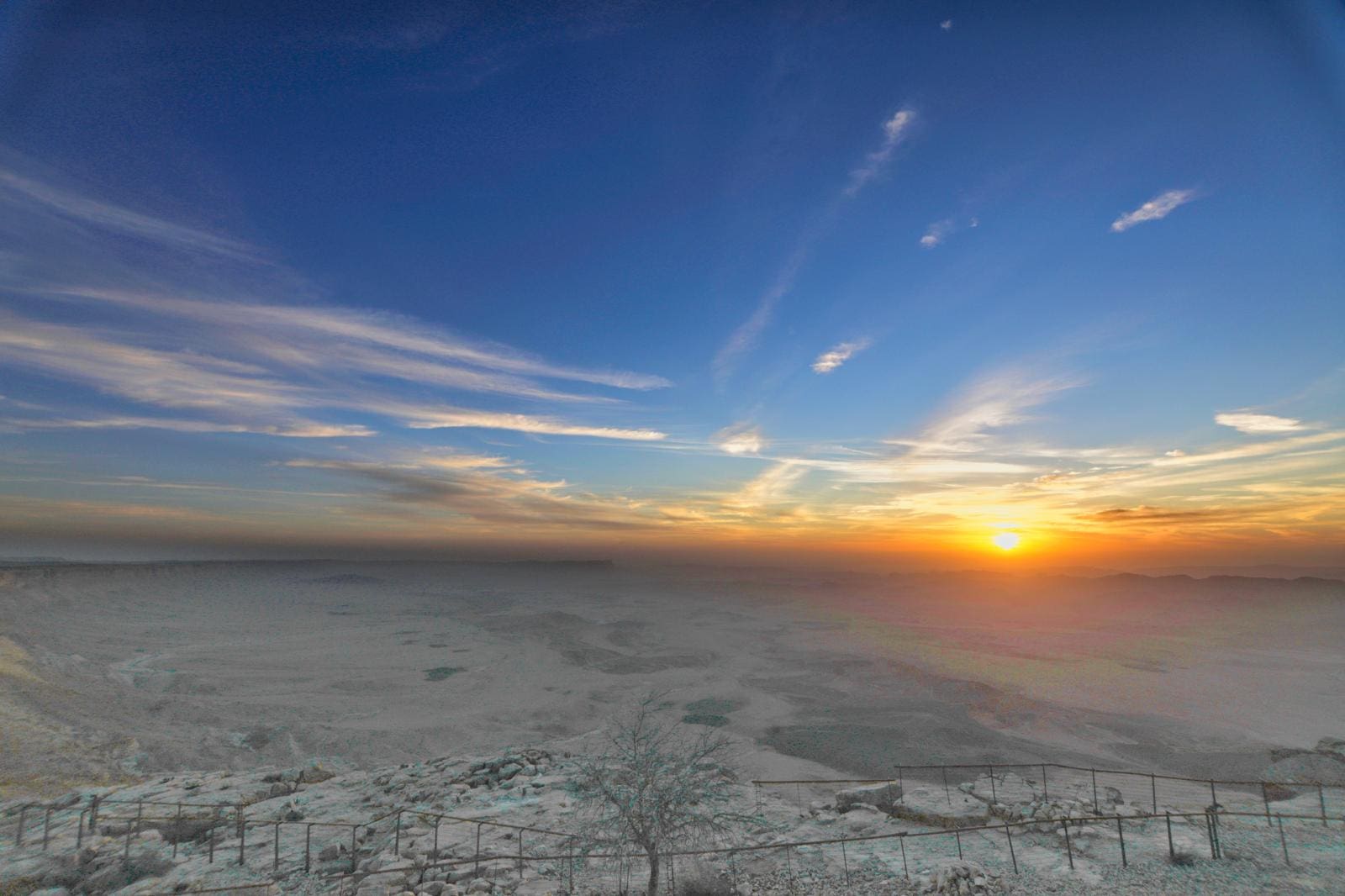
The sun rises softly over the Ramon Crater, pouring gold and fire onto the silent desert. The light touches the rocks as if they were re-created, and the whole world is breathtaking. For a moment—heaven. Photographs of the morning sunrise as captured through my camera lens.
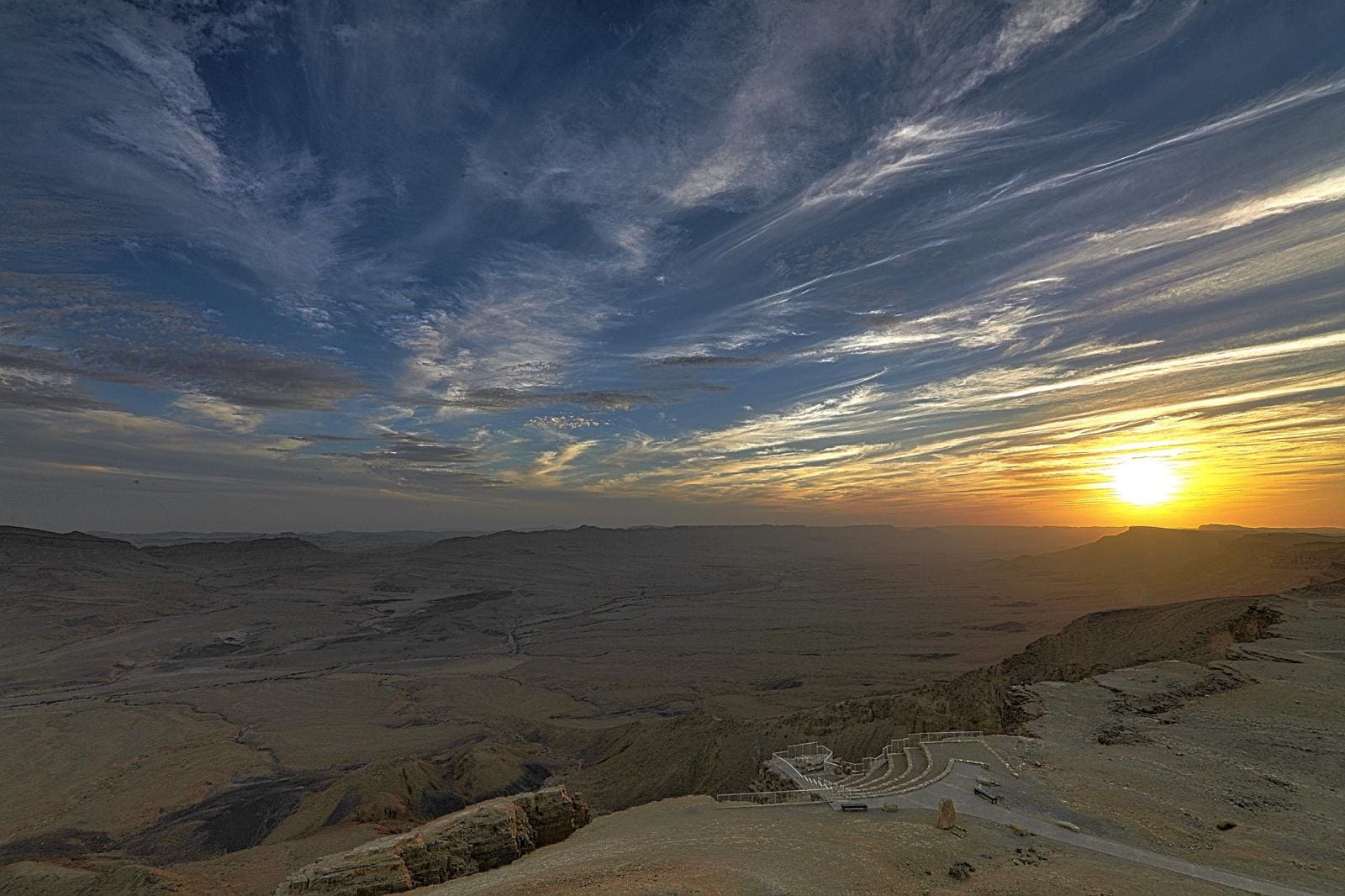
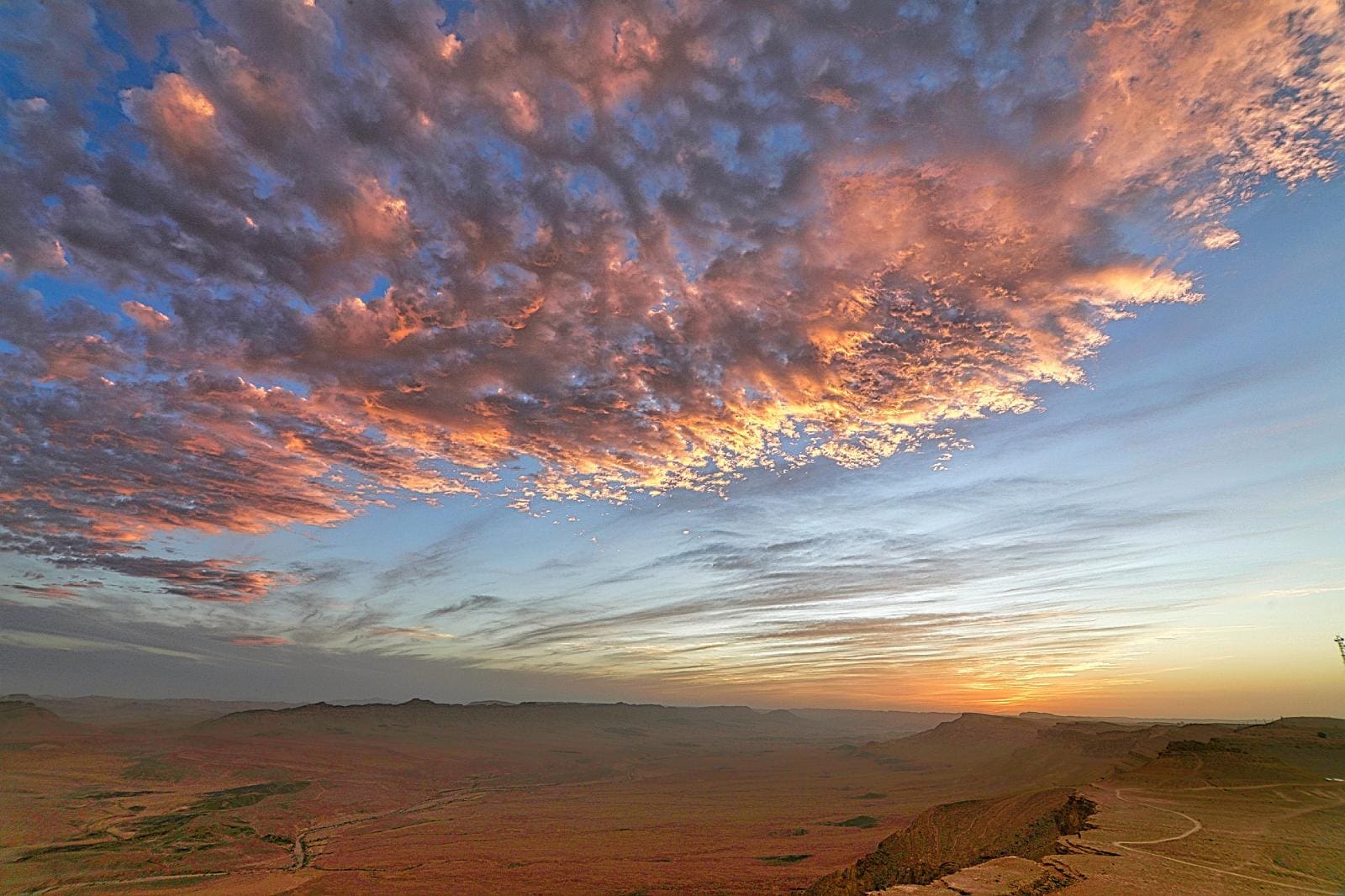
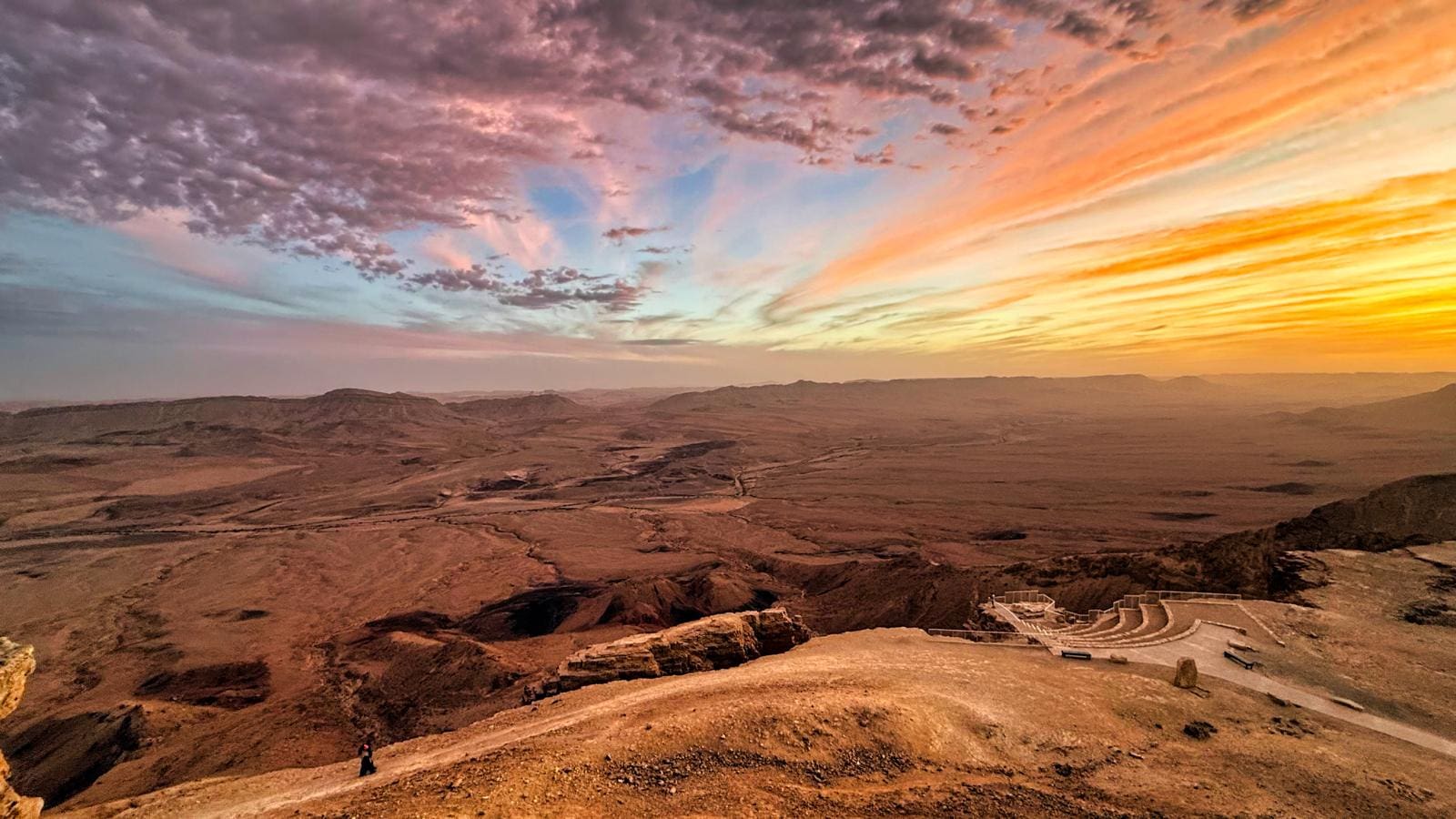
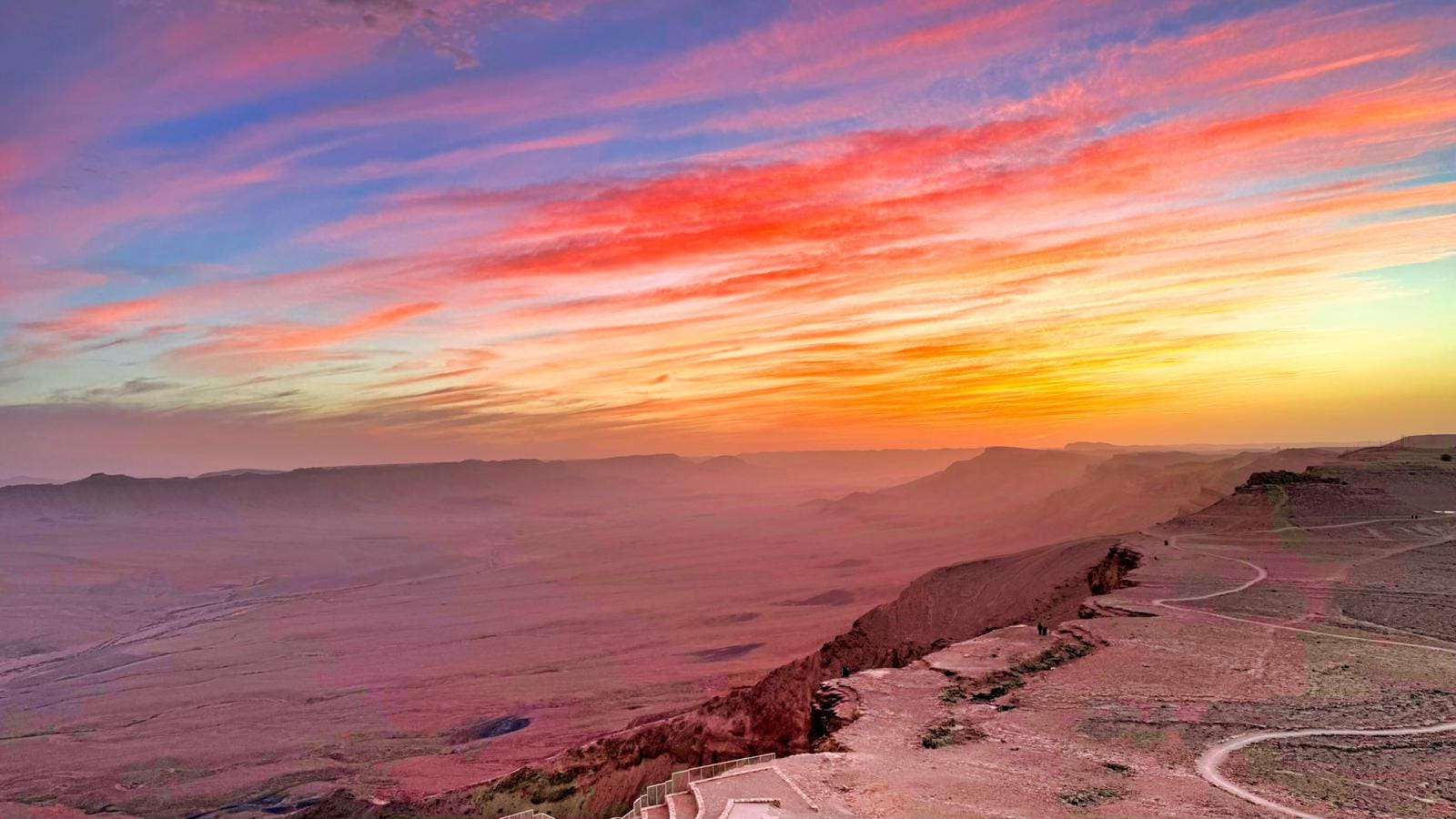
Spectacular photos, beautiful. You won. And so do we, the viewers, thanks to you.
Winter days, especially mornings after rain, allow for sharp and spectacular nature photographs of the beauties