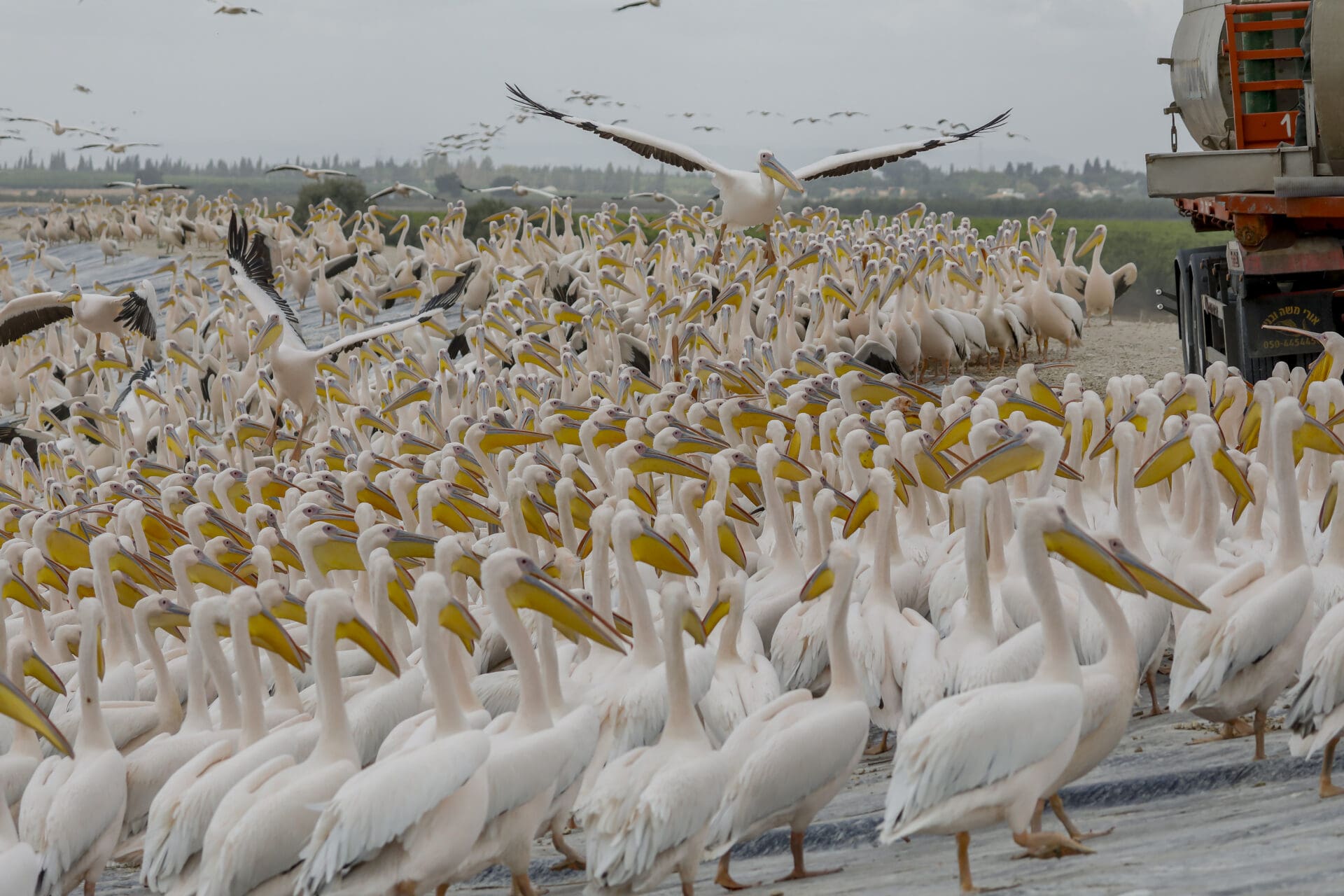
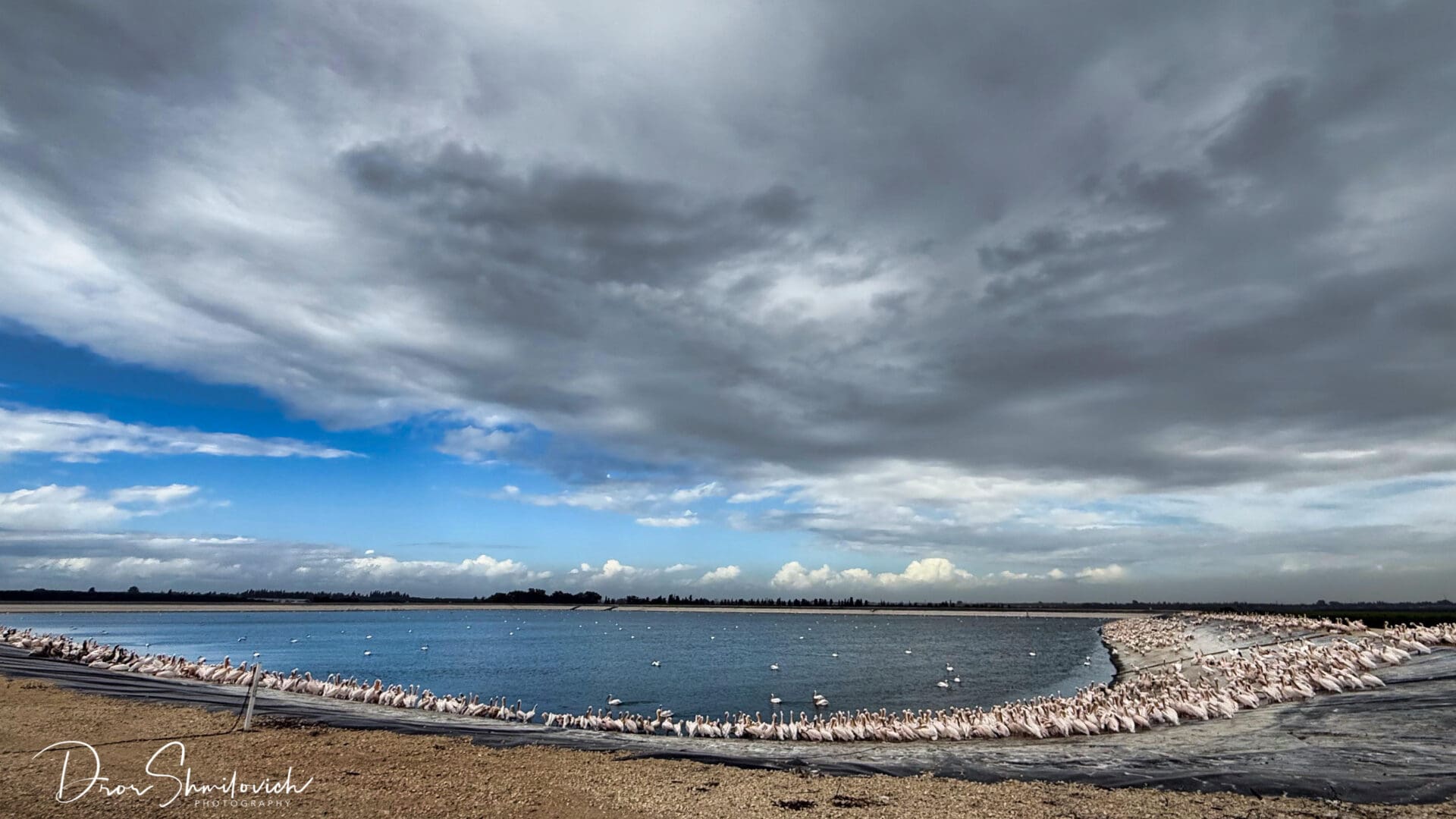
Every year they come to us in huge flocks, spreading their white wings over the lakes and reservoirs and stopping in Israel to gather strength for the continuation of their long journey to Africa. For us, Israelis, they are much more than migratory birds, they are a symbol of the connection between man and nature, and of our commitment to protecting the animal world.
Viker Reservoir Location Map
A wondrous journey that crosses continents
Every year, one of the most impressive natural spectacles in the world takes place in the skies of Israel. Thousands of Great White Pelicans leave their nesting grounds in Europe and migrate south to the breeding grounds of Africa. On their way, they pass over countries, mountains and seas, relying on miraculous navigational skills and instincts that have been preserved for generations.
Israel, located on one of the world's main migration routes, is an essential stopover for them. The waterways, reservoirs, and fish ponds provide them with resting places and food sources, allowing them to recover and continue their long journey.
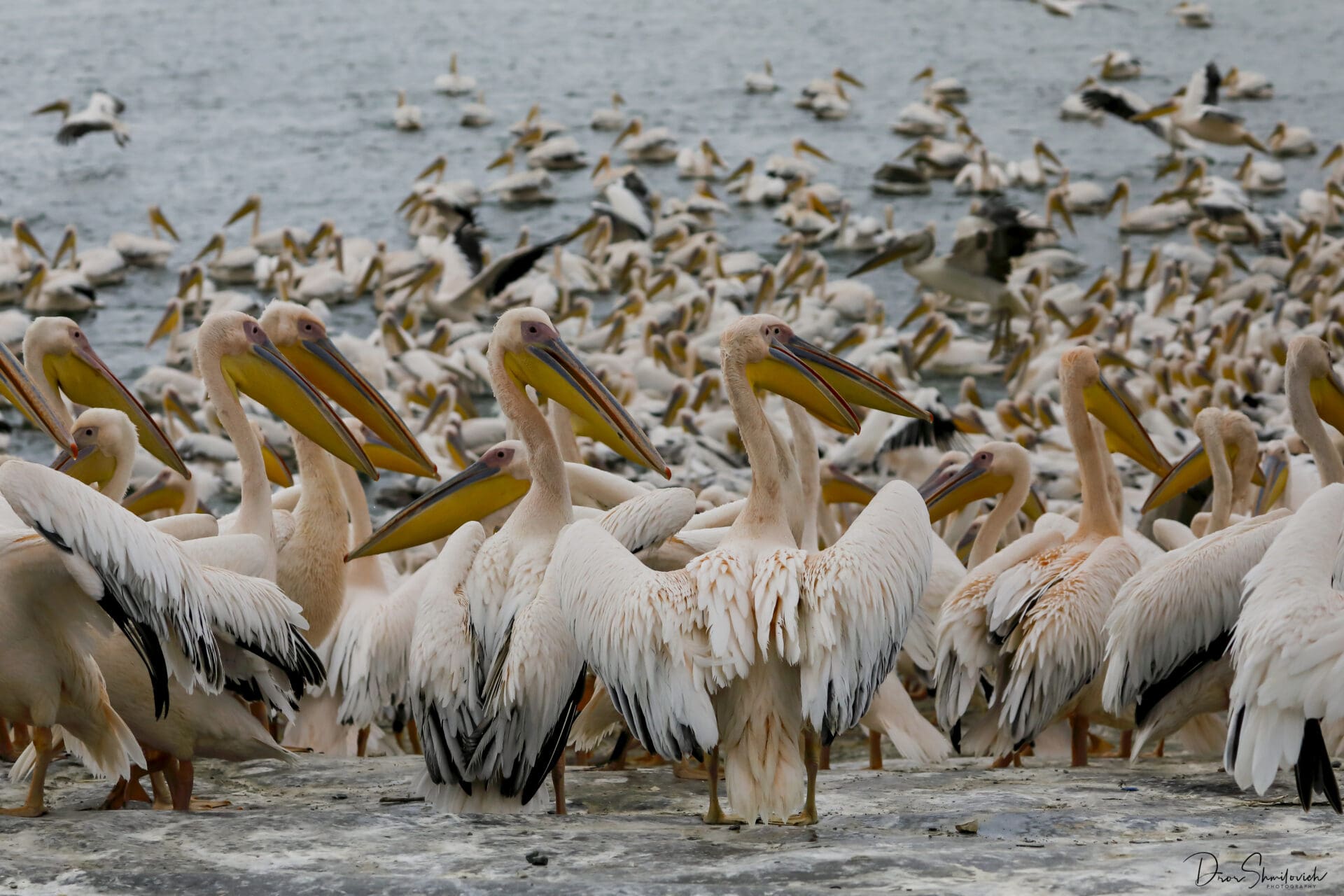
For those who are fortunate enough to stand in front of a flock of pelicans landing on the water, it is an experience that is difficult to describe in words. Hundreds of white wings spread in the sky, the large silhouettes are reflected in the water, and the entire space is filled with a feeling of freedom, power, and harmony with nature.
Israel — a transit station that is also a temporary home
Israel's geographical location makes it one of the most important migratory junctions for birds between Europe, Asia, and Africa. Every year, millions of migratory birds of various species pass through the country's skies, and pelicans are among the most impressive and recognizable of them.
But behind the spectacular view lies a struggle for survival. Loss of natural habitats, reduced food sources, and increased human activity make it difficult for migratory birds to find safe places to rest and feed.
For a pelican, which travels vast distances, stopping in a safe place is not a luxury, it is a necessity. It must rest, store energy, and find food that will allow it to complete the journey.
And this is where Israeli action for nature comes into the picture.
The Israeli Project: Finding the Balance Between Man and Nature
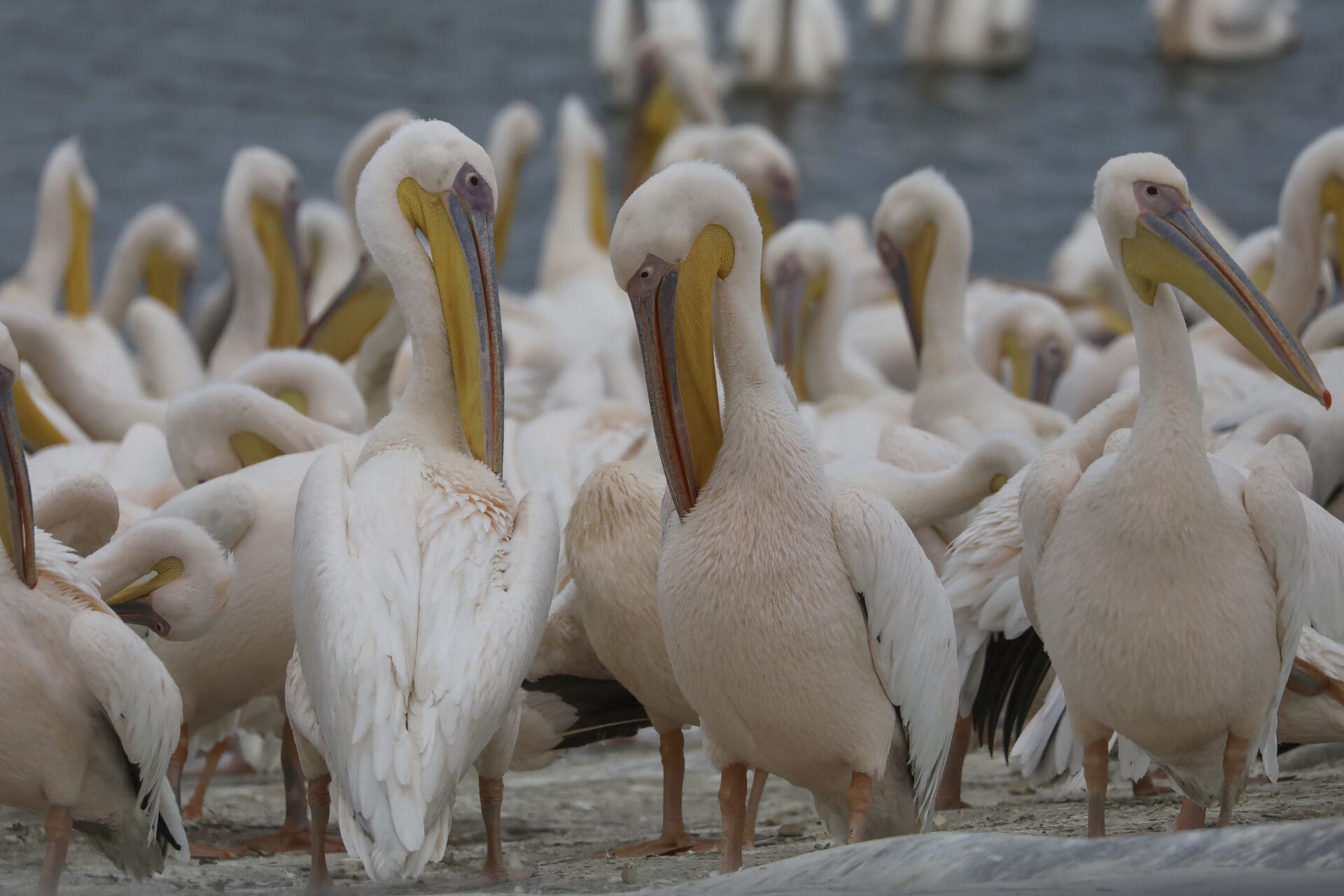
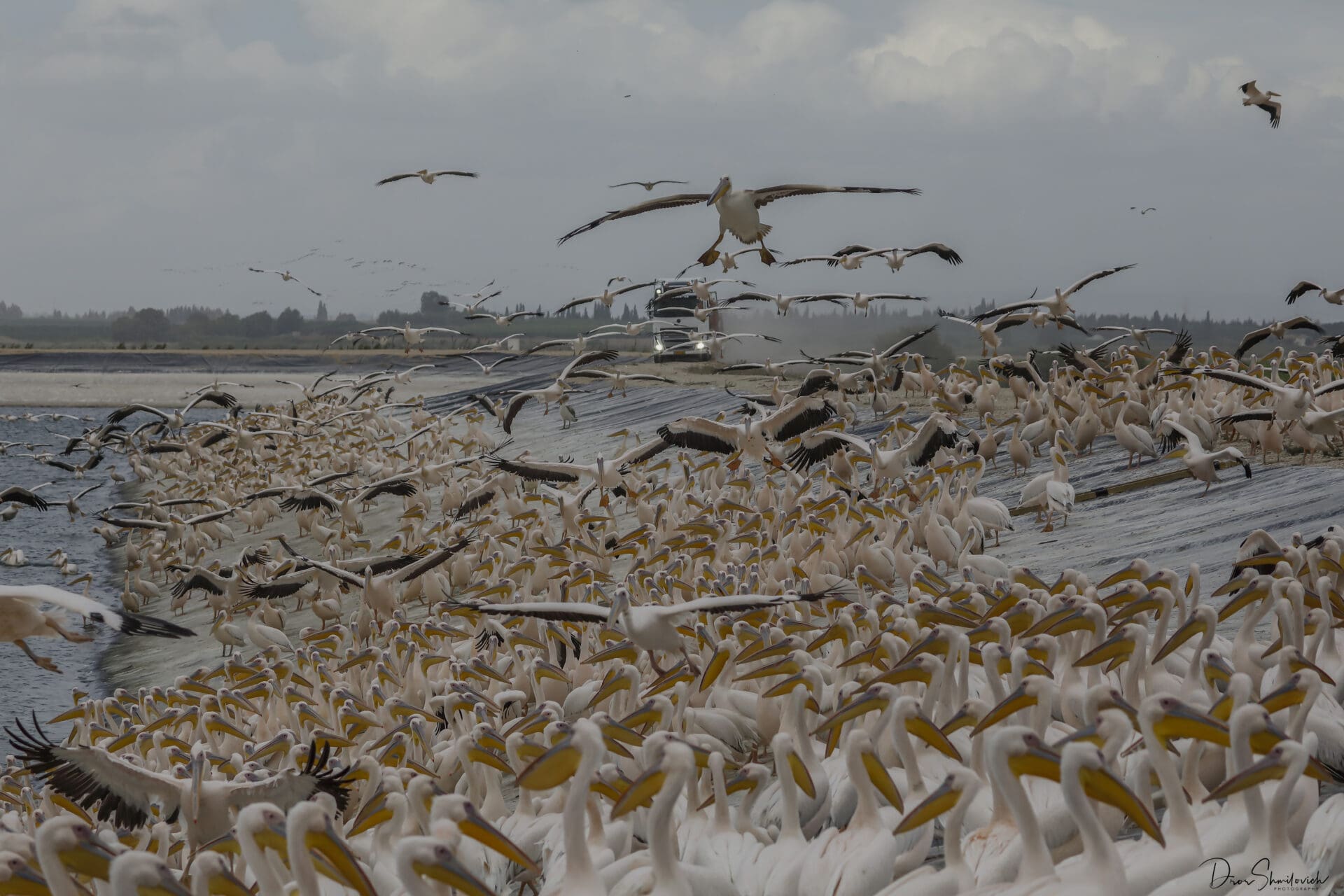
In Israel, nature conservation projects are underway to help pelicans during their migration, while reducing friction between them and the fishing industry. One of the main challenges is the pelicans' need for food, which can lead them to commercial fish ponds and cause damage to fish farmers.
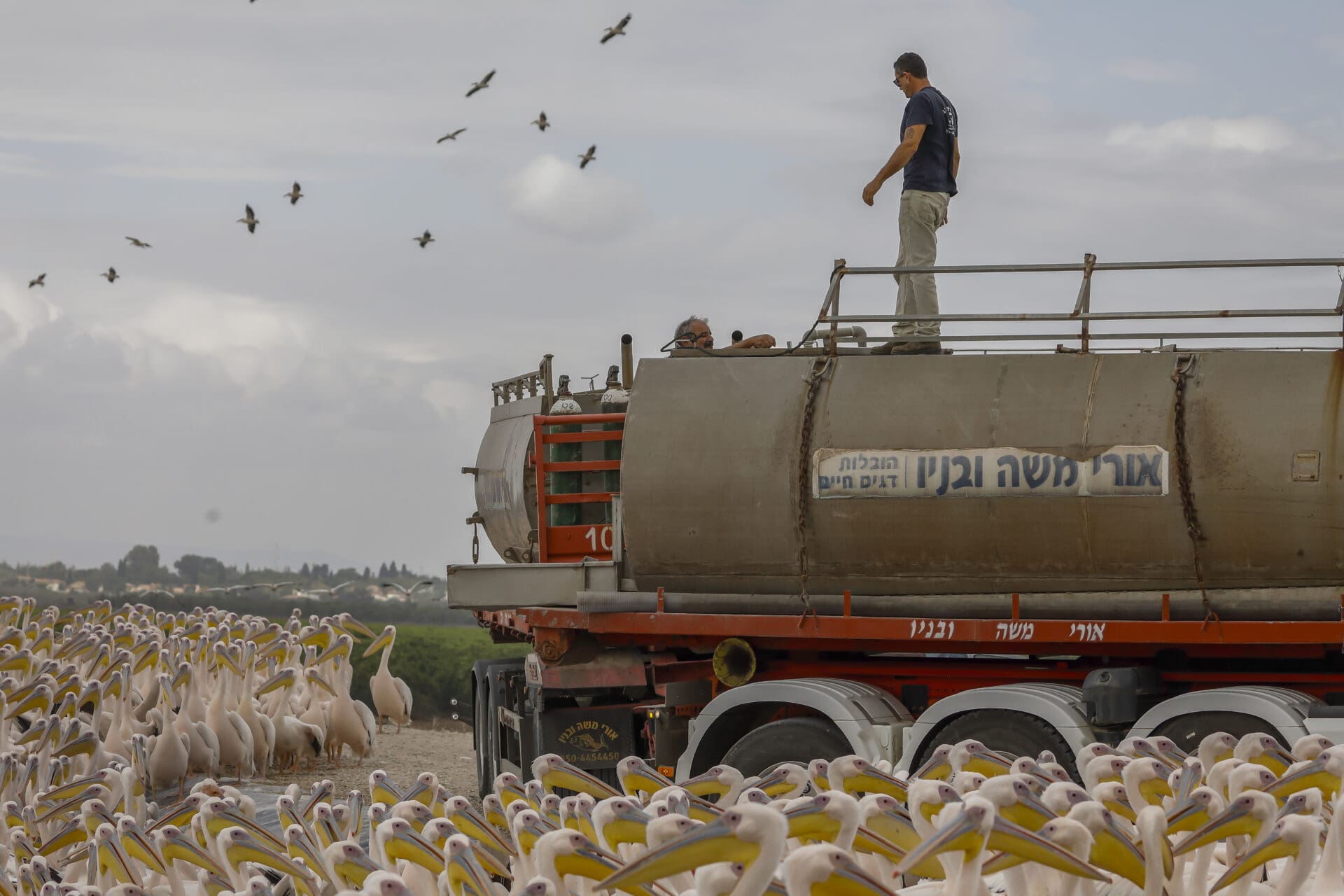
To address the challenge, methods of action have been developed that include designated feeding areas, monitoring of pelican movement, and cooperation between farmers, conservationists, environmental organizations, and public authorities.
By providing food in appropriate locations, it is possible to reduce the pressure on commercial fish ponds, while at the same time providing the pelicans with an opportunity to continue their migration when they are strengthened and ready to continue their journey.
This approach expresses an important concept: wildlife conservation cannot exist in isolation from human needs. The solution lies in creating a balance, listening to the needs of farmers, and finding ways that allow humans and nature to coexist.
It is important to emphasize that this is not a magic solution, but an ongoing effort that requires planning, resources, and cooperation.
When nature meets the Israeli heart
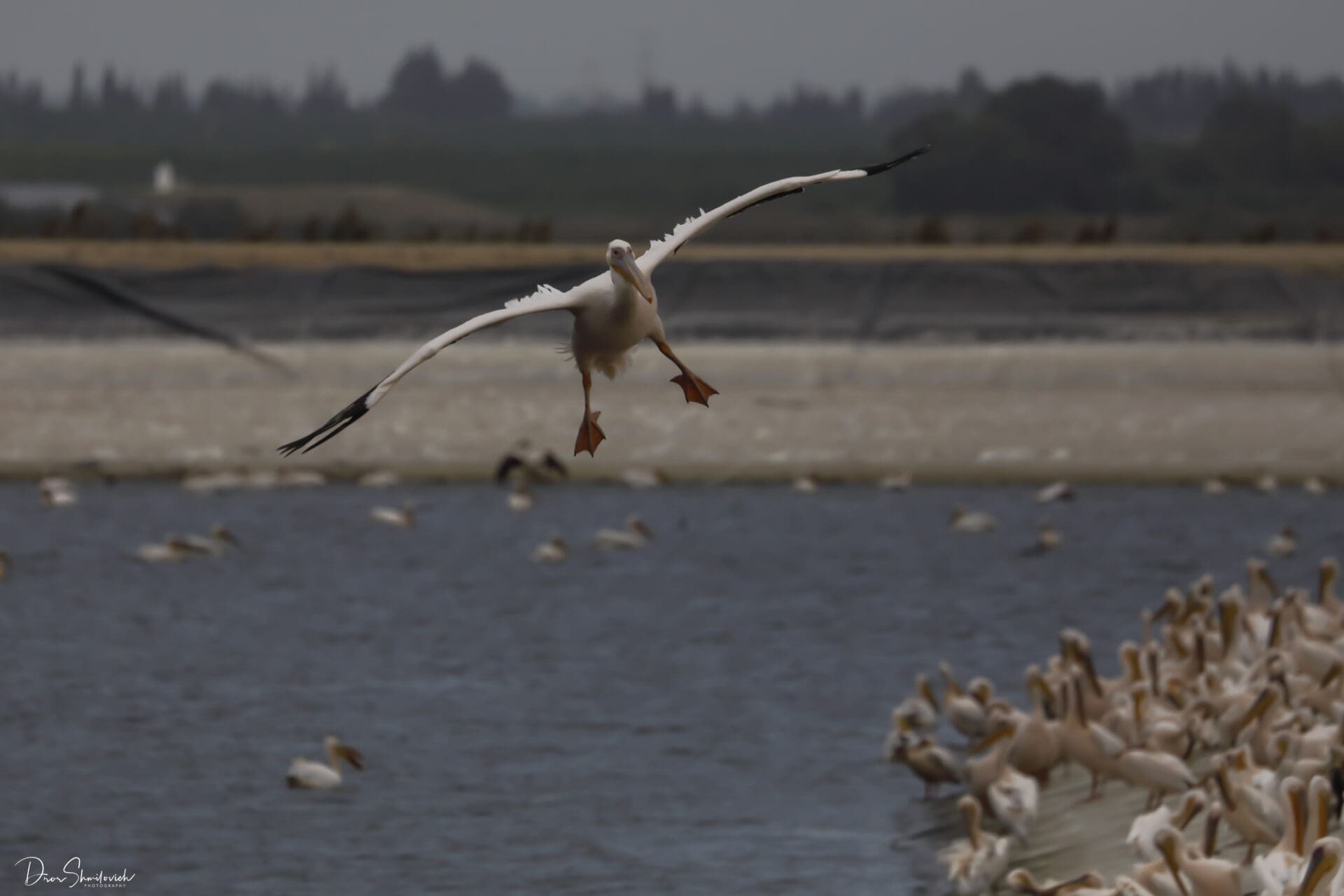
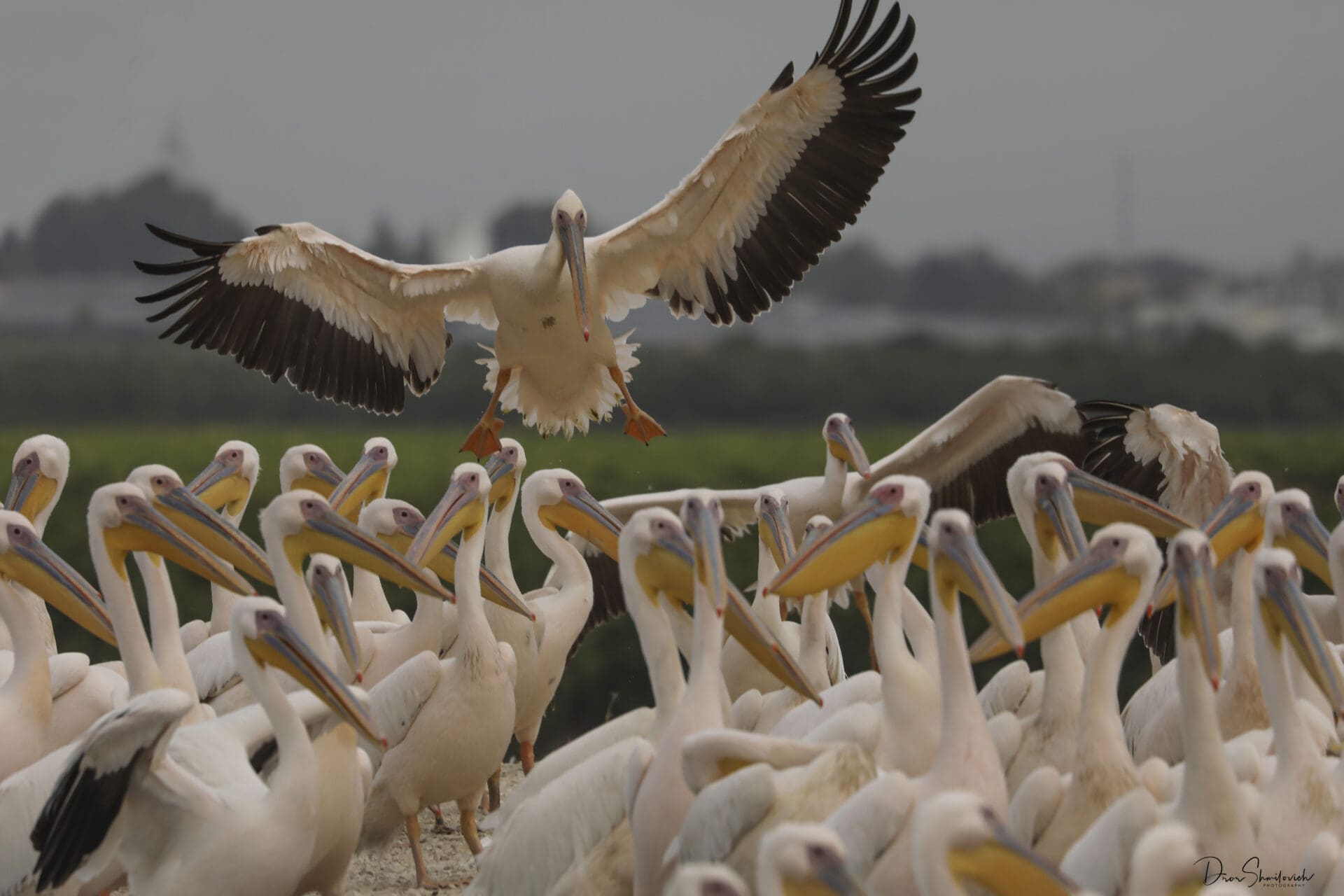
Imagine a cool morning in one of Israel's reservoirs. The sun is just beginning to rise, the water is calm, and suddenly a huge flock of pelicans appears in the sky. They slowly approach, lower their flight, and land on the water, after a long and arduous journey.
For nature photographers, birders and animal lovers, this is a moment that is hard to forget. A spectacle of wild beauty, power and precision, allowing us to observe up close one of the wonders of the migratory world.
But beyond the excitement and beauty, there is also a deeper meaning to this moment.
We are privileged to be part of a journey that begins far away in Europe and continues to Africa, a journey that knows no political borders and makes no distinction between nations. The pelicans do not know that they are landing in Israel. For them, this is simply another stop on the path that nature has outlined for them.
And yet, we have the ability to choose how to welcome them: to ignore their needs, or to act to ensure that they can continue on their path.
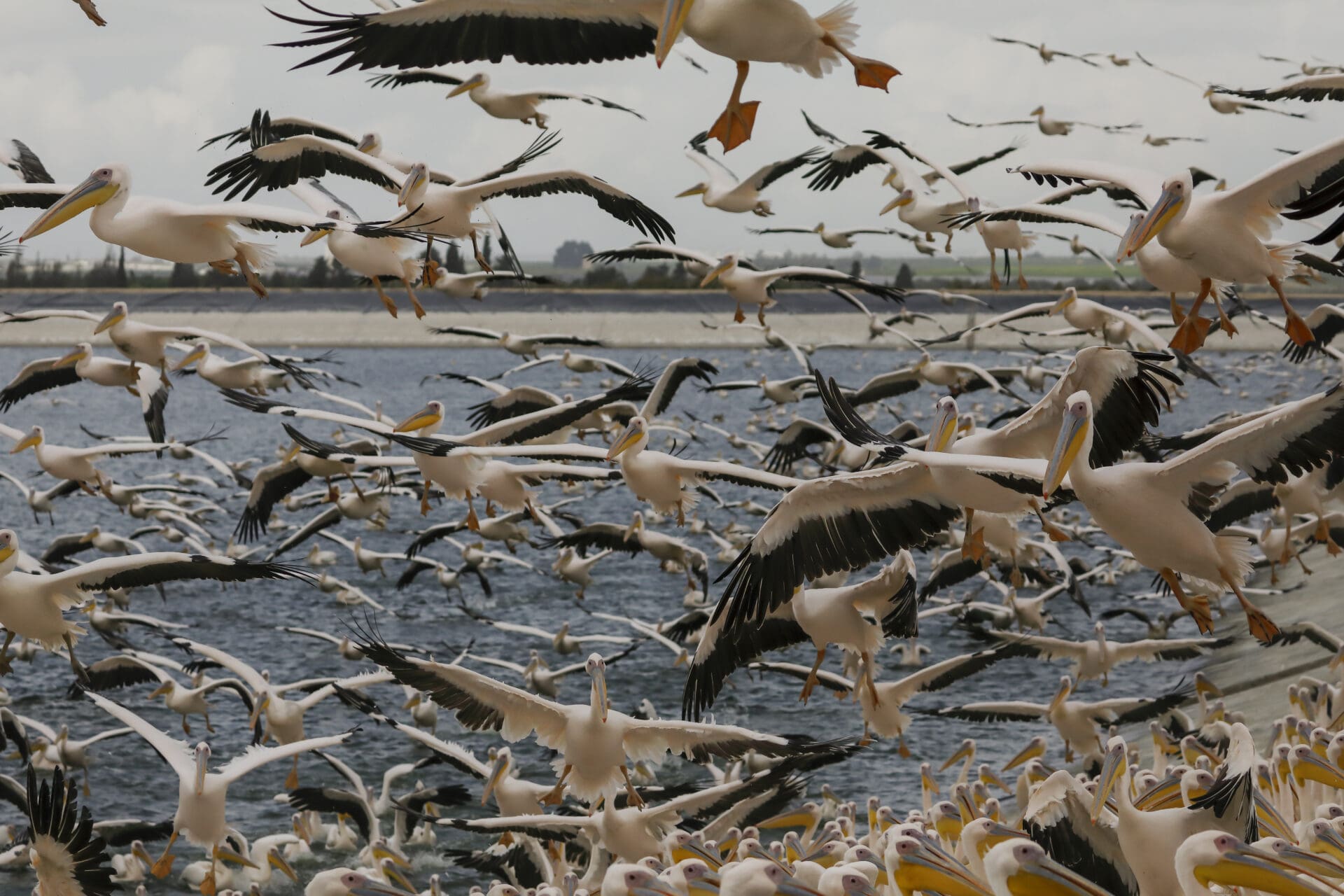
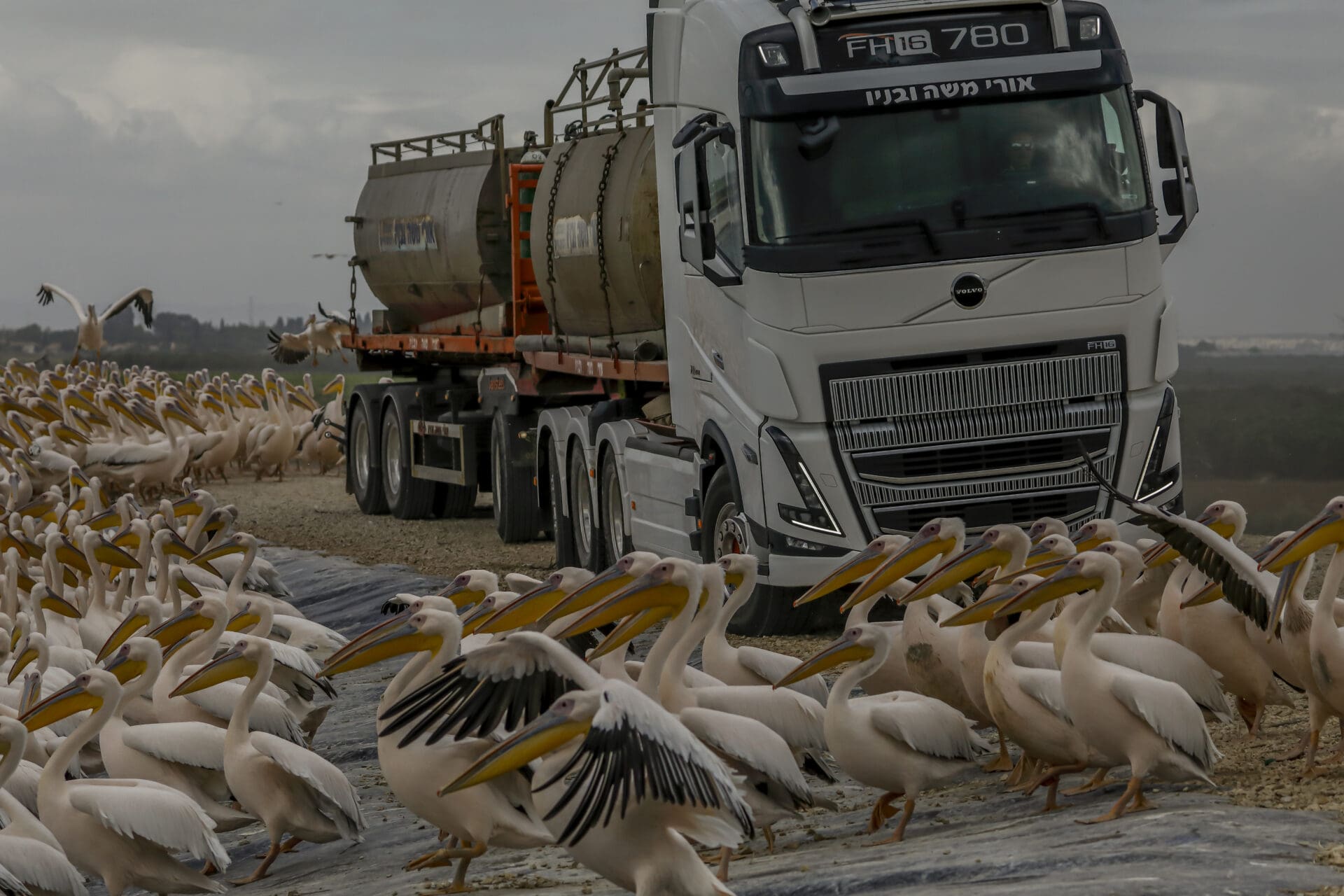
True Israeli pride is not only in the beauty of the nature found here, but also in our willingness to preserve it.
A message that crosses borders — from Europe, through Israel, to Africa
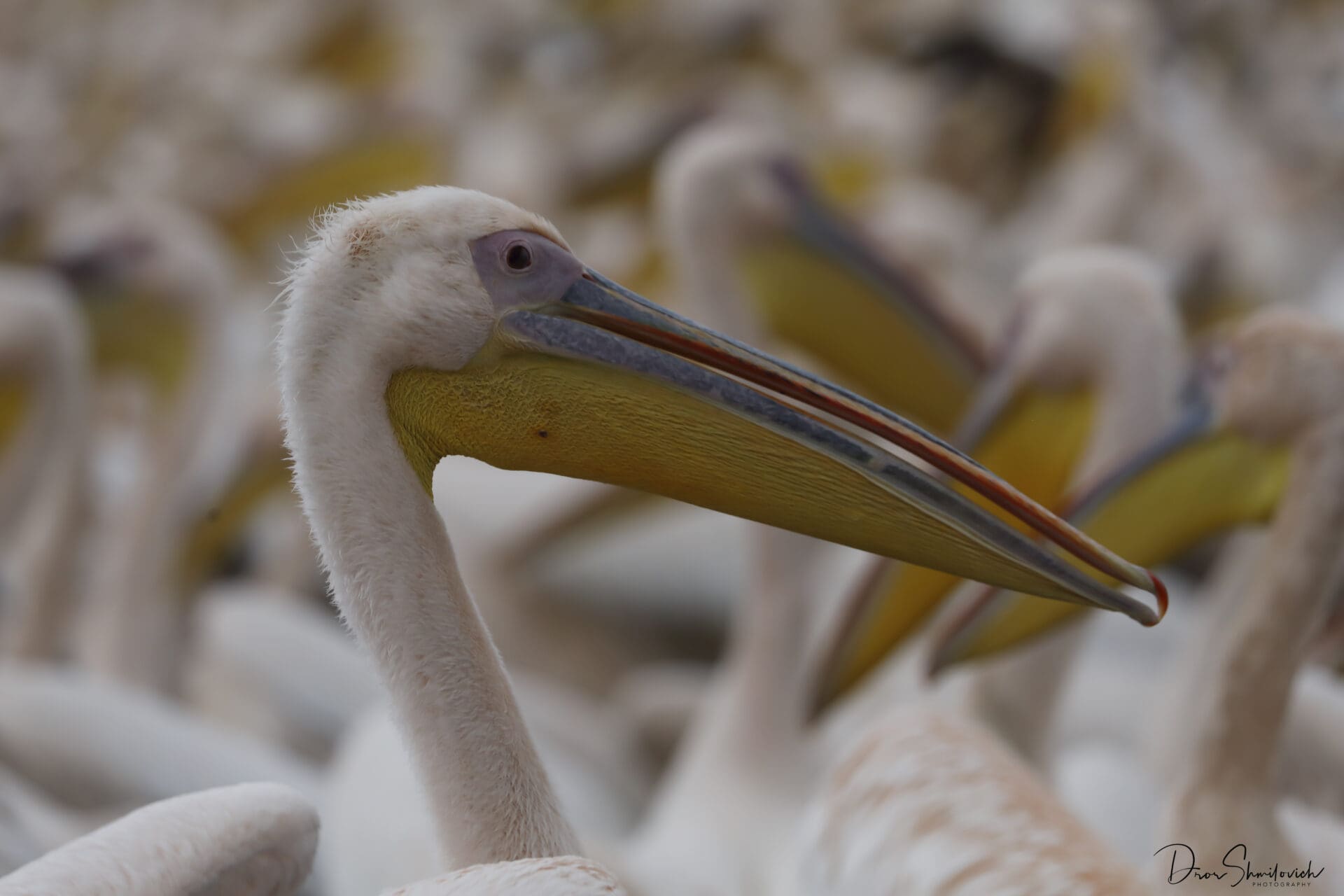
The story of the pelicans reminds us that nature does not end at the borders of a single country. A bird born in Europe, resting in Israel, and continuing on to Africa depends on a whole series of habitats, food sources, and resting places along its migration route.
Damage at one point along the way could affect its ability to complete the entire journey. Therefore, conserving migratory birds requires cooperation between countries, organizations, and individuals with a shared vision.
For us, Israelis, this is both a responsibility and a right. We can be part of the international effort to protect wild birds, preserve their habitats, and ensure that future generations will also be able to see the magnificent sight of flocks of pelicans flying through the skies of our country.
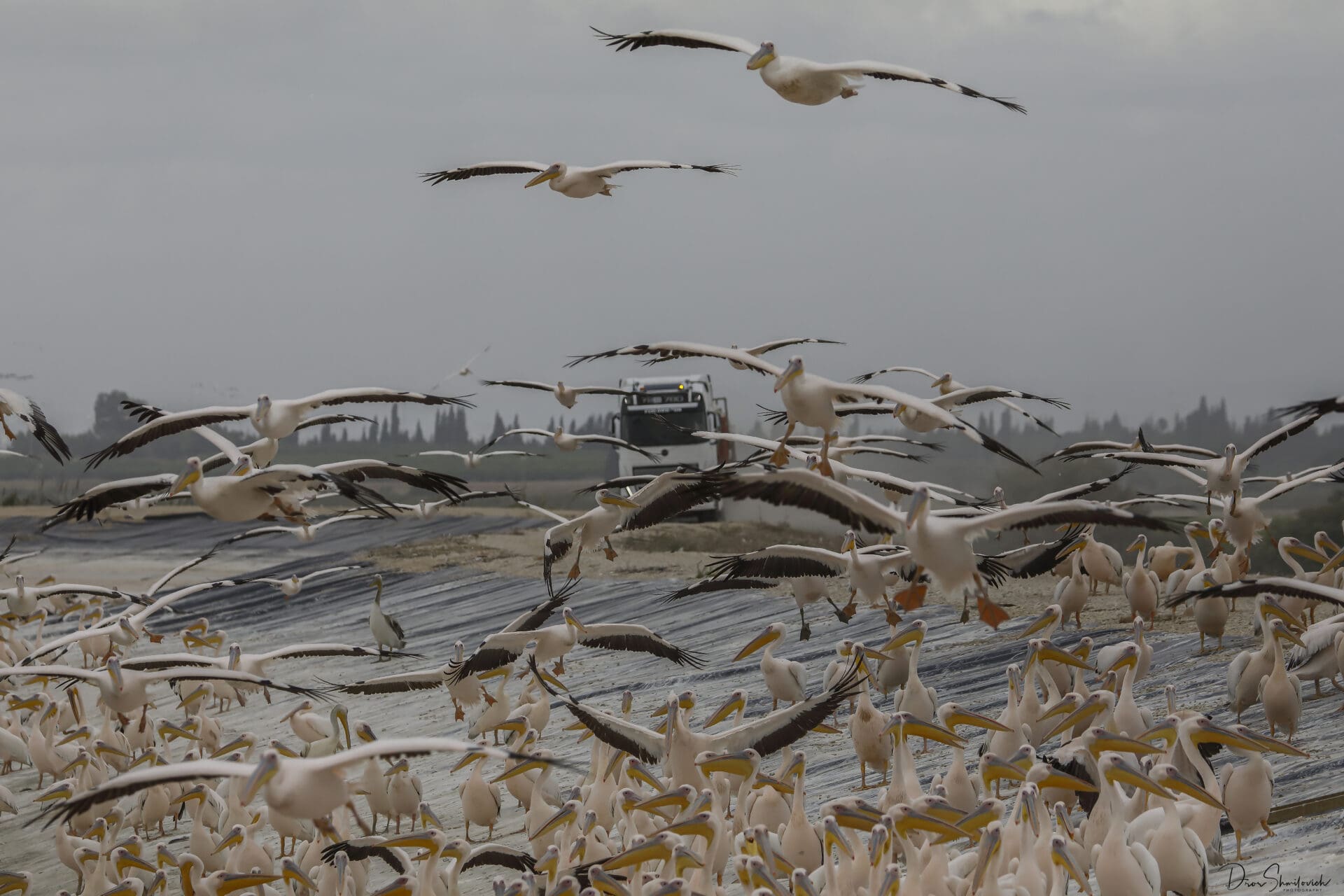
Because every wing tells a story
Ultimately, pelicans are not just passing guests. They are ambassadors of a rich, vulnerable, and wondrous natural world that reminds us how interconnected life on Earth is.
Every year, when they return to us, they give us an opportunity to stop for a moment, raise our heads, and remember that there are things greater than us, things that deserve protection, respect, and concern.
We are proud to be part of the effort to protect them, assist them on their journey, and keep Israel as a stopover as safe as possible on their migratory journey.
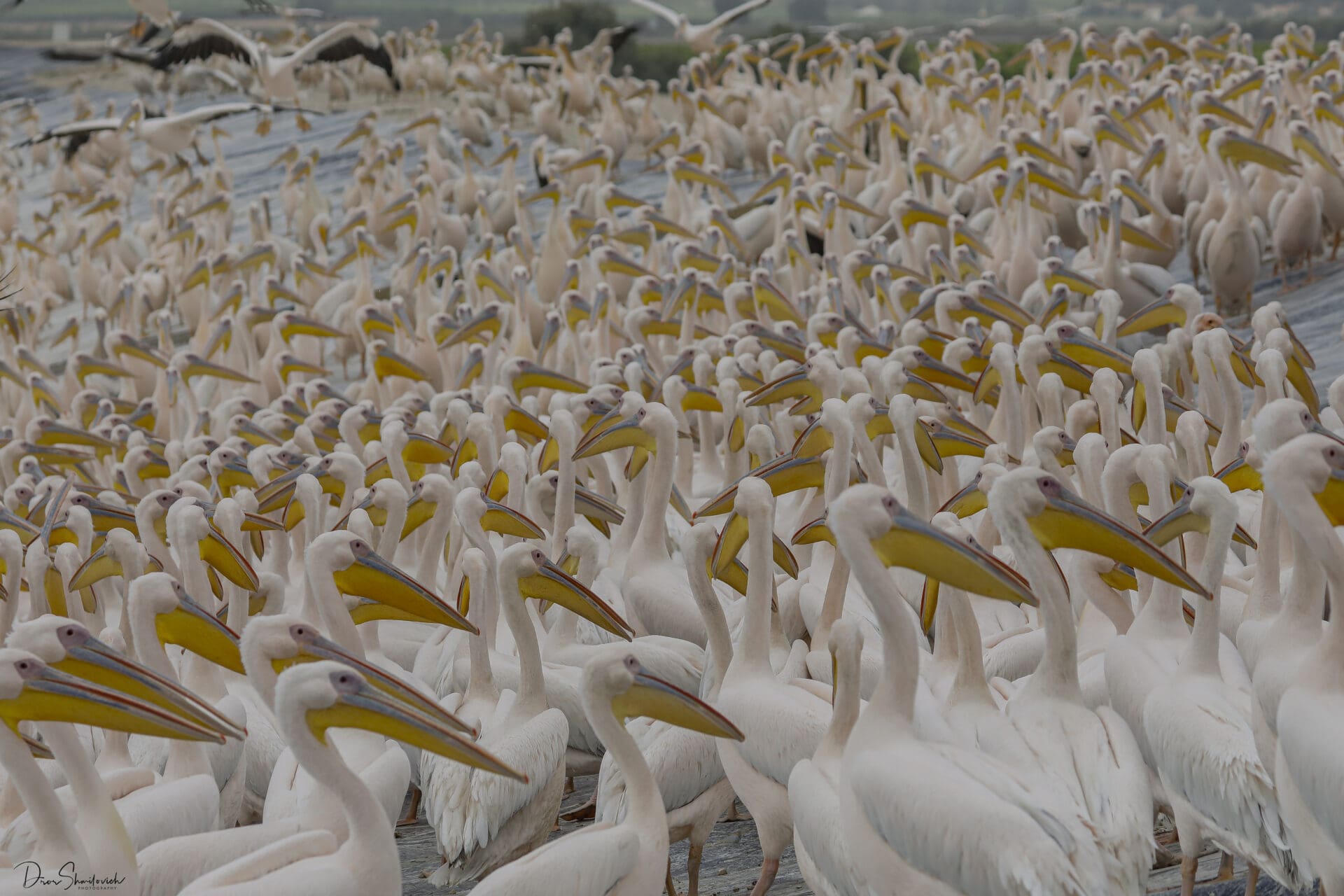
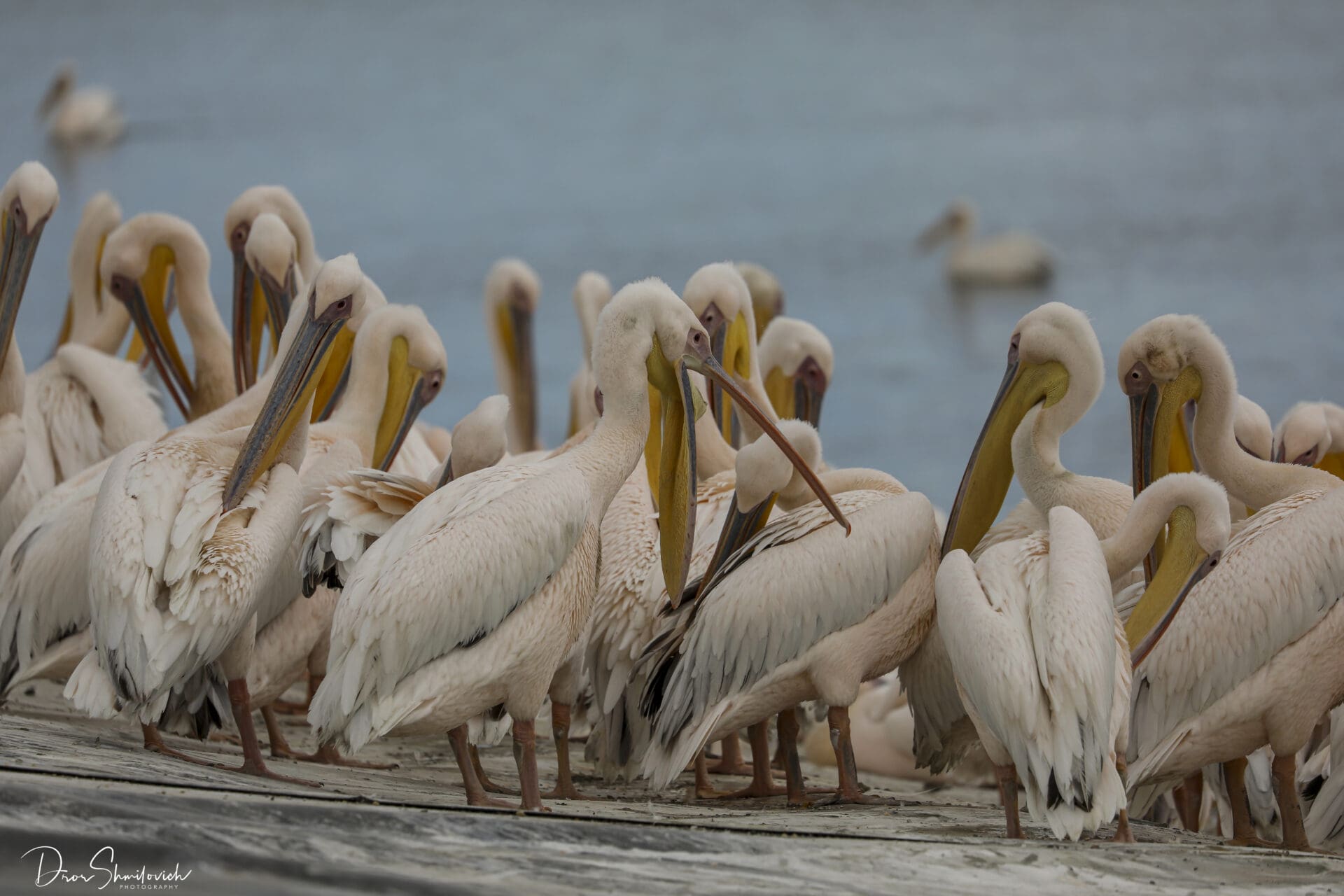
Because when we protect pelicans, we protect much more than birds. We protect freedom of migration, the balance in nature, and the wonderful connection between humans and the world around them.
I hope that their white wings will continue to cross the skies of Israel for many more years, on their way from Europe to Africa, and that we will continue to welcome them with pride, responsibility, and love for nature.