Explosive sounds will be heard from Raphael's David Institute due to a planned and controlled experiment

Raphael was delivered to the mouth - News Corporation: Today (Tuesday, 10/13/26)...

Bauhaus Week in Haifa and the Connection Between Ata and Meskit

Ahead of the Haifa Bauhaus Week, which will take place between November 8 and 15...

Governor's House – An Eclectic Home of a Multi-Active Man

At 18 Machanyim Street, not far from the center of Carmel, hidden among...

A moment of alertness and resourcefulness that prevented a major disaster

Last week, most of us watched the plane incident almost from its first moments...

"The Twin Palaces" – Luxury of the Past on the Way to Talpiot Market 

On Yechiel Street, which climbs from the lower city towards the market complex...

The year 1922 – Many historical events have disappeared, forgotten, but not this one

Our tireless friend Mickey Gottschalk revealed the incident that occurred...

Bauhaus Week in Haifa and the Connection Between Ata and Meskit

Ahead of the Haifa Bauhaus Week, which will take place between November 8 and 15...

Flower of the Week • Canadian summer

The Carmel presents us with flowers in all seasons of the year. In this column we will represent...

"The Twin Palaces" – Luxury of the Past on the Way to Talpiot Market 

On Yechiel Street, which climbs from the lower city towards the market complex...

Under the Radar: Mysterious Beetle Mortality at Tel Shikmona

Every time I go out into the field, my eyes are fixed on the ground, as if...

The Whiteness of the Cotton and the Silence Ahead – A Visit to the Cotton Field in the Jezreel Valley

A visit to the Jezreel Valley in the moments between holiday and hope

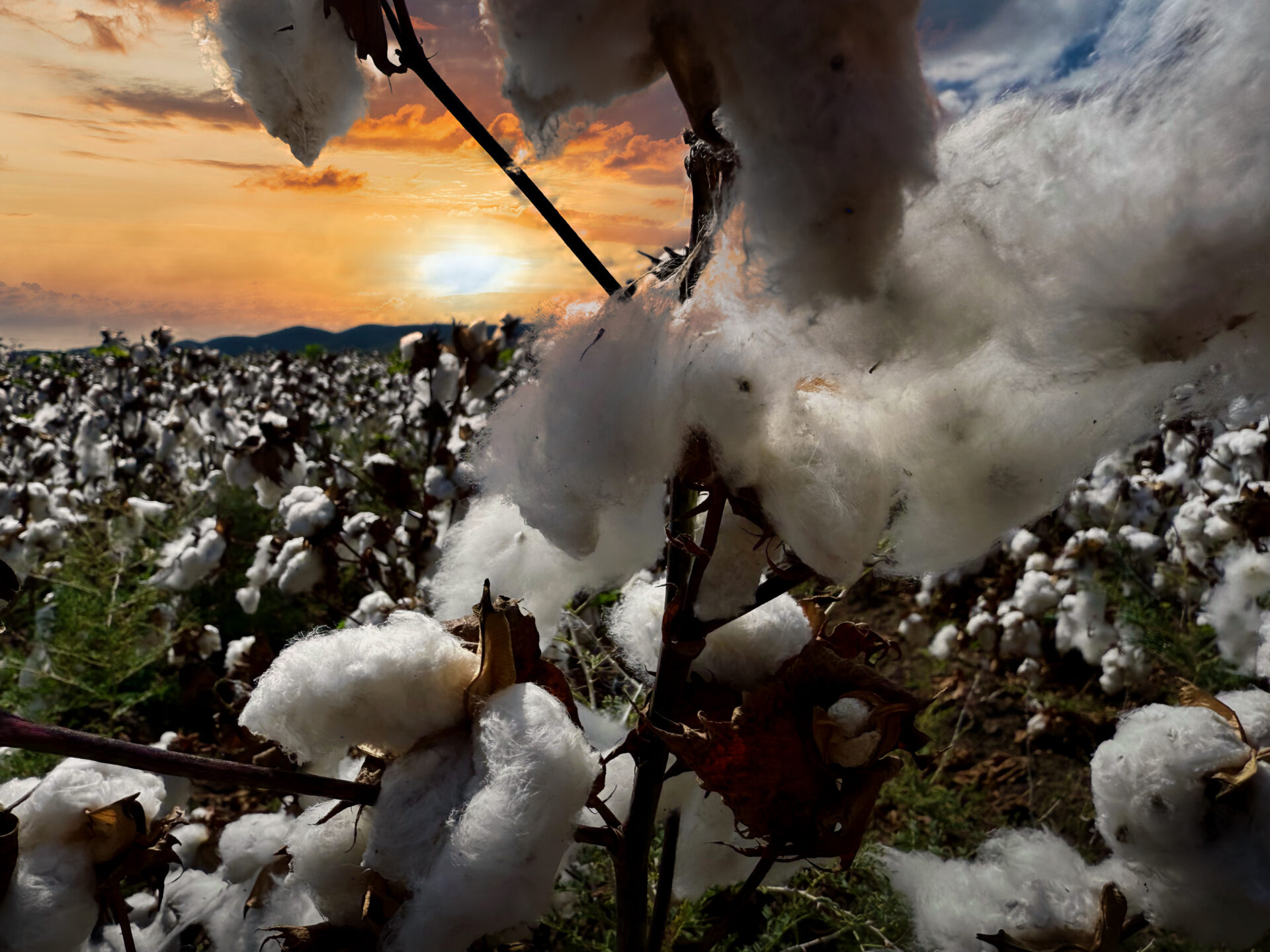
A week before the signing of the Abductees’ Sabbath deal, in the midst of the Sukkot holiday, I arrived at a vast cotton field in the Jezreel Valley. The land seemed peaceful, almost too quiet, as if neither beneath it nor around it was teeming with life of worry, longing, and anticipation. Endless white spread out around me, cotton fibers swaying in a light breeze, like a hint of peace that might yet bloom here.
Cotton field in the Jezreel Valley (Photo: Dror Shmilovitz)

The silence in the field was different, not empty, but full of presence. The sound of birds mixed with the distant plowing of a tractor, and within this space, the silence and whiteness became the sight of the entire Israeli heart: a beauty that contains pain, a peace that hides a storm.
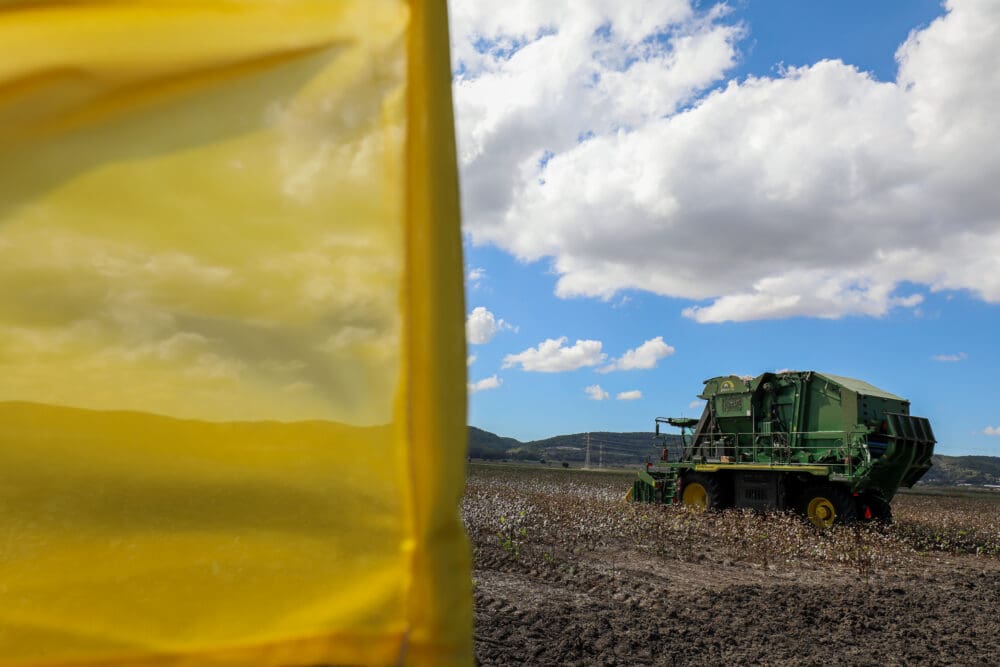
Cotton field in the Jezreel Valley (Photo: Dror Shmilovitz)

The season, the field, and the daily work

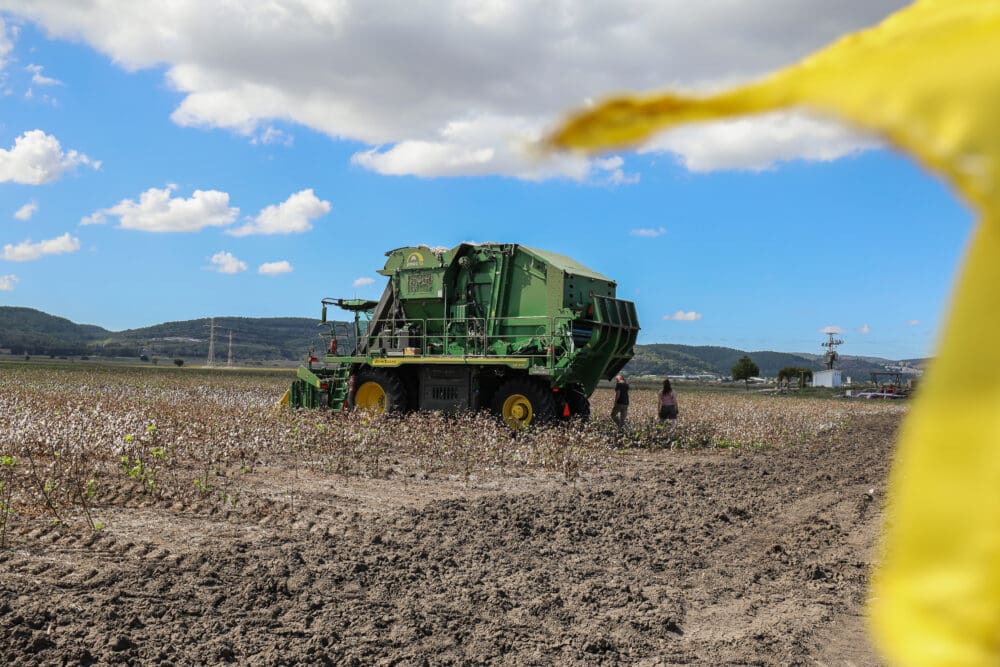
Every year, as summer ends, the cotton picking season begins in the Jezreel Valley. It is one of the oldest and most impressive branches of Israeli agriculture, with fields spanning thousands of dunams, advanced mechanization alongside meticulous manual labor, and above all, true local pride.

The farmers I met said that this year has not been easy. Changing weather, fuel costs, and the security reality that always hovers in the background. “We harvest and move forward,” one of them told me, “because the field does not wait, and the heart cannot sit idly by.”
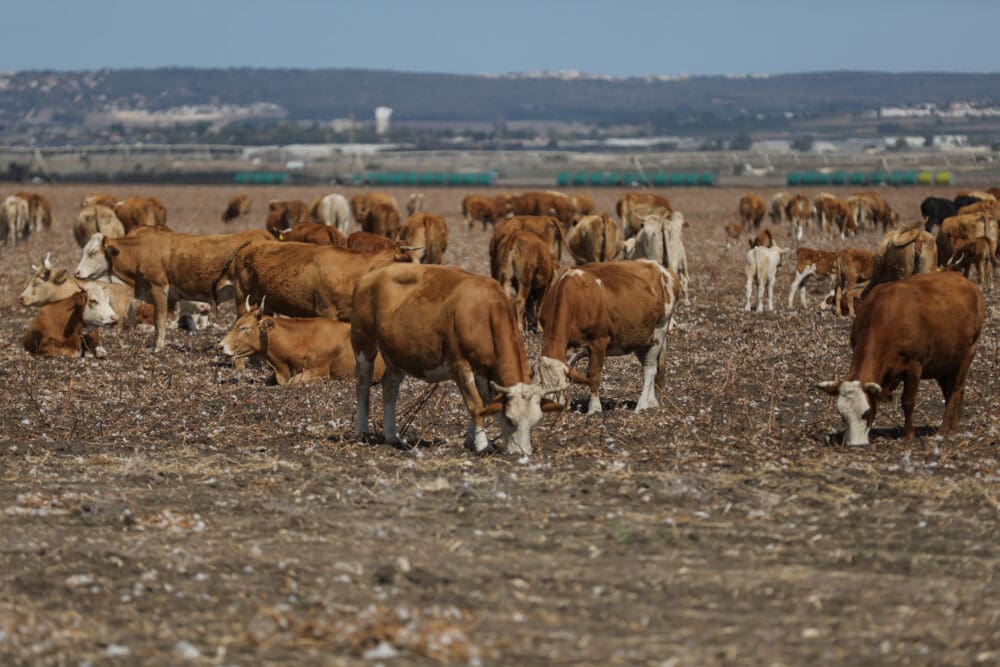
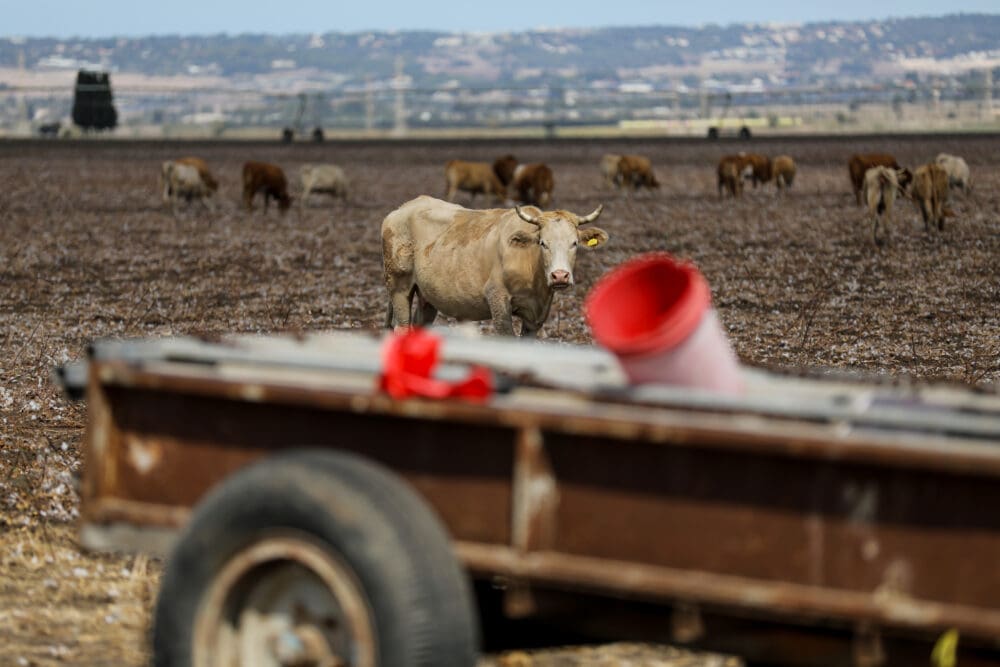
Cotton field in the Jezreel Valley (Photo: Dror Shmilovitz)

During a brief conversation, I looked around and realized how thin the line is between ordinary everyday life and the history that is happening at the same time. As they go about their daily lives, every Israeli carries with them the knowledge that any day can be a day of good news or a day of too heavy silence.

Public Background: The Field and Heart of an Entire People

The week I took the photos was filled with tension and hope. On every street corner, in every house, there was talk of the possibility that the deal to free the kidnapped was imminent. These thoughts accompanied me throughout the entire visit. Between row after row of cotton, between cloud and the whiteness of the fibers, I thought about the families waiting, about the kidnapped themselves, and the feeling that the entire earth was holding its breath.

Whether consciously or not, the field has become a mirror of Israeli society, a field where everything continues to grow, even when there is a cloud overhead. The whiteness, which at first seemed like an orange of calm, has become a symbol of purity and hope, of a desire for a normal life in a reality that is not.
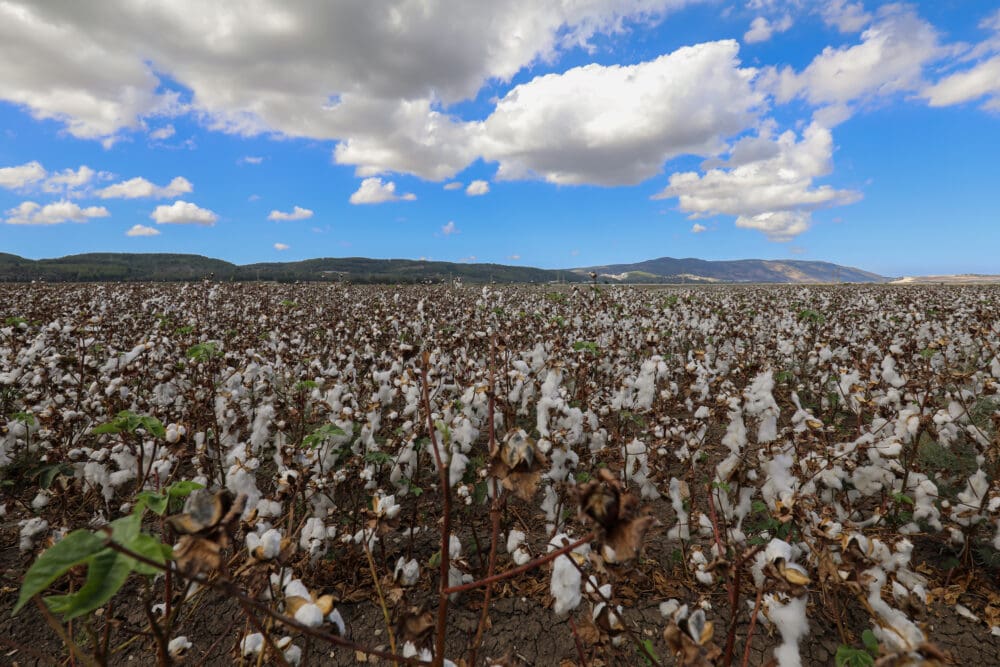
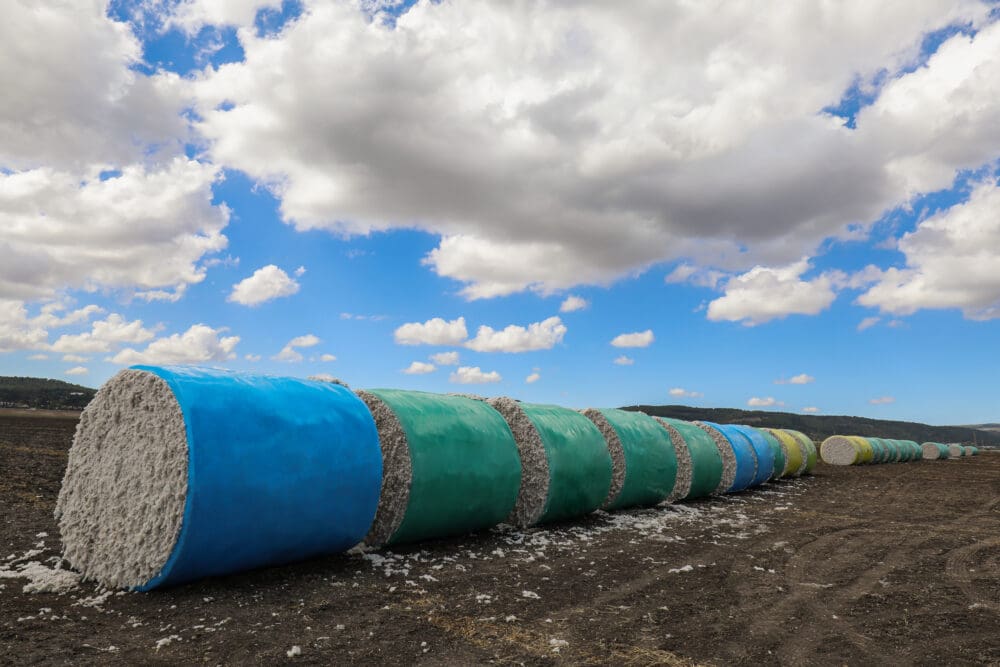
Cotton field in the Jezreel Valley (Photo: Dror Shmilovitz)

Lines of light and hope

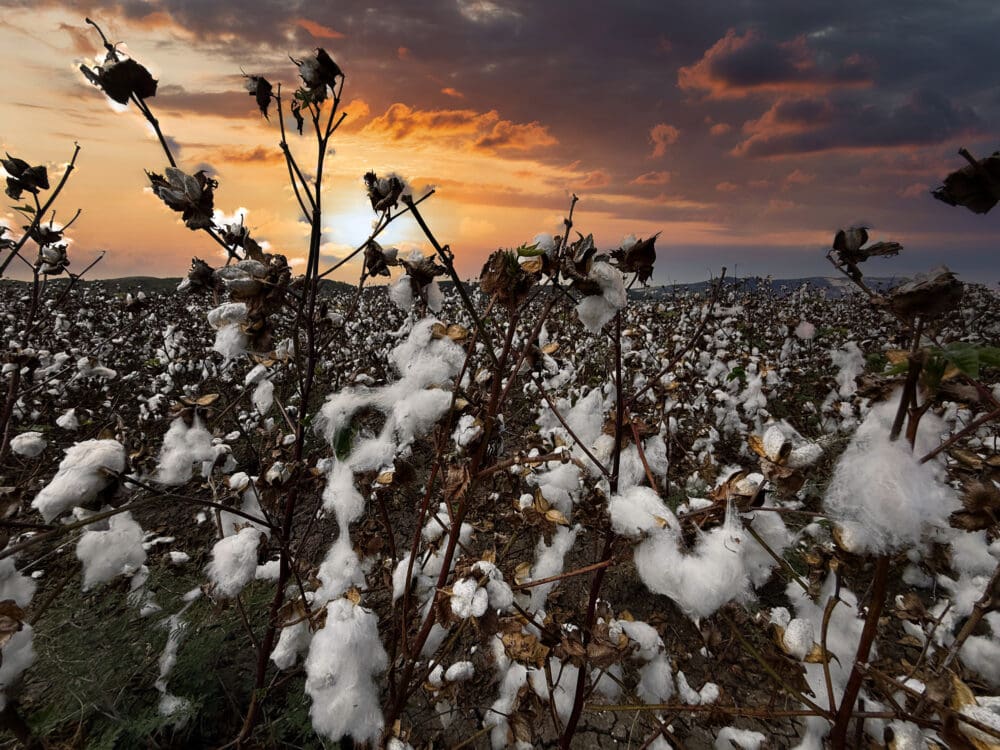
When I left the field, the sun was already setting to the west. The last golden rays illuminated the rows of cotton, making them glow with a soft light. The sight was almost symbolic, like a blessing for the days to come, for hope that never fades even in the most difficult moments.

In the photos I took, I tried to capture not just a landscape, but a feeling, that rare connection between land and man, between holiday and routine, between waiting and liberation. Because ultimately, like the whiteness of cotton, the human heart also has the power to cleanse, soften, and remember that beauty and hope are still here, waiting to be realized.
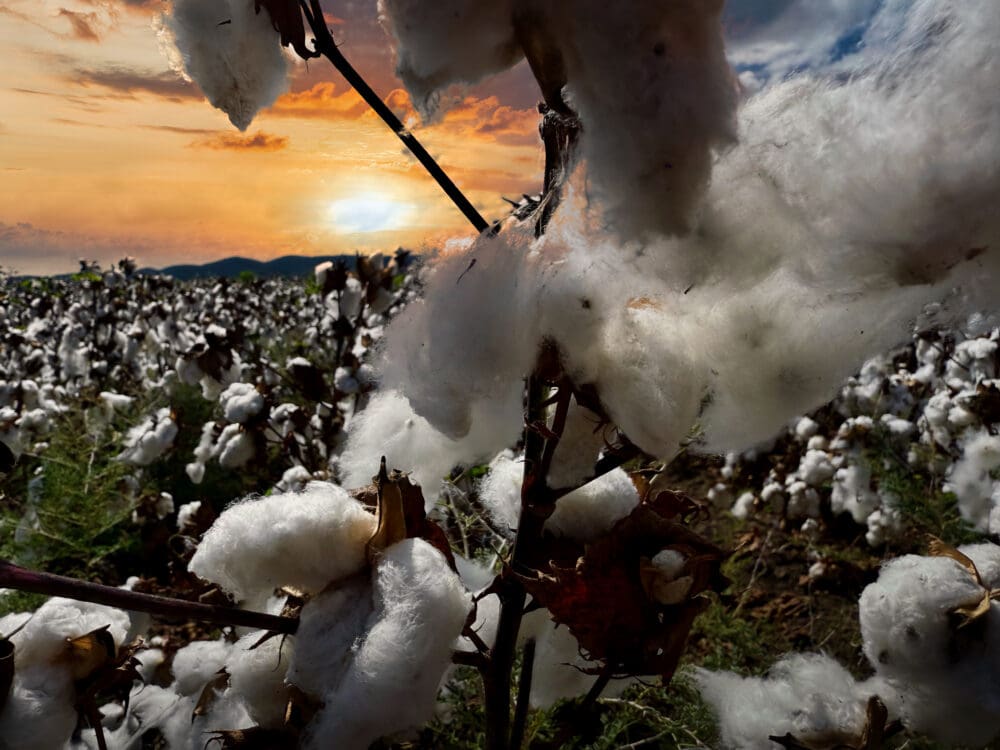
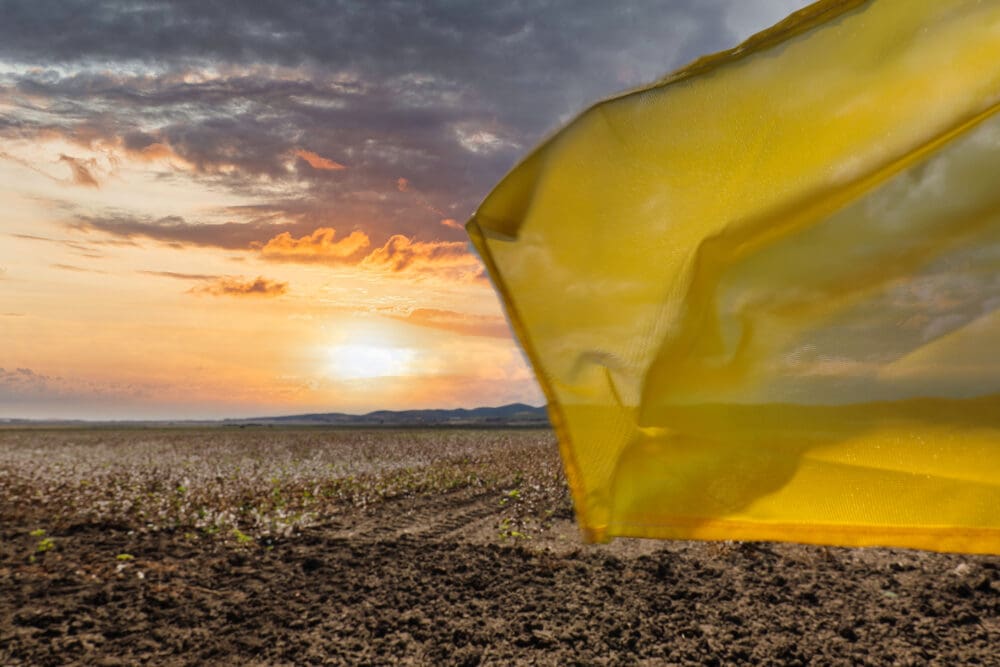
Cotton field in the Jezreel Valley (Photo: Dror Shmilovitz)
Did the article interest you?

Contact the newsroom: At watsap • By email

Articles related to this topic

2 תגובות

  1. The photos are wonderful and the article is heart-wrenching. Dror expressed in his kind words the feelings of the people of Israel. He is not only a gifted photographer but also a great writer.

    • Dear Ilana,
      thanks for the encouragement.
      Indeed, after the return of the twenty kidnapped, we can now wish a happy Sukkot holiday.
      Significant relief for the entire people of Israel.

The article is closed for comments. You can share online using the share buttons

All the articles are alive

Maccabi Haifa doesn't stop: 2:1 away win over Maccabi Petah Tikva • The Greens are temporarily in first place in the Premier League  

As part of the seventh round of the "Winner" League, the Maccabi Haifa team hosted the Shlomo Insurance Stadium tonight (Saturday night, 10/17/2026) for an intriguing game on the Maccabi Petah Tikva field. The Greens...

Accident in Kiryat Ata and work accident in Haifa: Four injured evacuated to Rambam

(Hai Pa) – A busy day for rescue forces in the Haifa area: A worker was injured while working on Halutzi Hataisai Street in Haifa and was taken to Rambam Hospital in moderate condition, and...

Wake-up call: Those who choose to stay home on Election Day are giving power to others

Imagine an apartment building with 100 eligible voters. On election day, 60 of the residents go to the polls and fulfill their civic duty, while 40 residents remain...

The year 1922 – Many historical events have disappeared, forgotten, but not this one

Our tireless friend Mickey Gottschalk revealed the incident that occurred in 1922. The commander of a company from the British artillery stationed in Jenin decided to practice crossing the Jordan River...

Bauhaus Week in Haifa and the Connection Between Ata and Meskit

In preparation for the Haifa Bauhaus Week, which will take place from November 8 to 15, 2026, we can look at Hadar's buildings and ask: How did ideas that came from Europe take on a local form here?...