



(haipo) – Yom Kippur, considered the holiest day in the Jewish calendar, carries with it deep spiritual and cultural meanings. It is a day of introspection, prayer, and seeking forgiveness, during which many choose to observe the commandment of fasting to abstain from eating and drinking for about 25 hours. Along with the religious and cultural value, for many it is also a difficult physical challenge. Every year, MDA reports cases of dehydration, dizziness, and even fainting, mainly among those who were not properly prepared for the fast.
So how can you make it easier on your body and get through the fast safely, with minimal side effects? Here are some important tips that you should start implementing now.
Advance preparation – two days before the fast
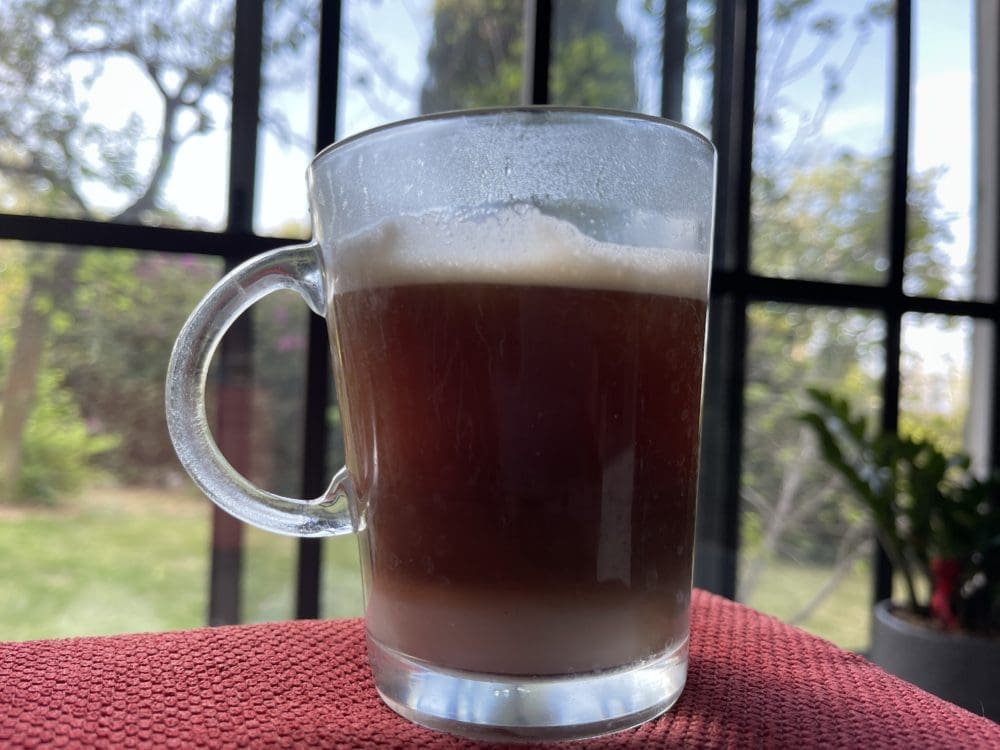
The fast does not begin with the meal that breaks the fast, but much earlier. In order for the body to arrive prepared, it is recommended to gradually reduce the consumption of caffeine (coffee, black tea, and energy drinks) two days before Yom Kippur. Those who are accustomed to drinking several cups of coffee a day should gradually reduce the amount and arrive at the fast when they consume no more than one cup a day. This step may prevent the headaches that characterize many fasts.
In addition, it is advisable to drink more clean water and reduce consumption of sugar, processed and salty foods. Salt causes increased thirst and sugar creates an early feeling of hunger, two factors that will make it difficult to maintain balance during the fasting hours.

Snack – Don’t eat too much
The last meal before the fast is critical. Many people tend to overeat out of fear of hunger, but eating too much can actually cause a feeling of heaviness, fatigue, and thirst. It is recommended to make the meal from foods rich in protein (eggs, legumes, fish), plant fats (such as avocado, tahini, nuts), and whole carbohydrates (brown rice, whole couscous, whole wheat bread). This combination provides a long-term feeling of satiety and helps balance blood sugar levels.
At the same time, you should avoid spicy, fried, or overly seasoned foods, which may cause heartburn and increased thirst.

Drinking properly
Drink sufficient amounts of water throughout the day before the fast, and not all at once near the start of the fast. Drinking large amounts at once is not absorbed well and may even put a strain on the kidneys. It is advisable to drink a glass of water every hour or two during the day.
Breaking the fast – slowly and moderately
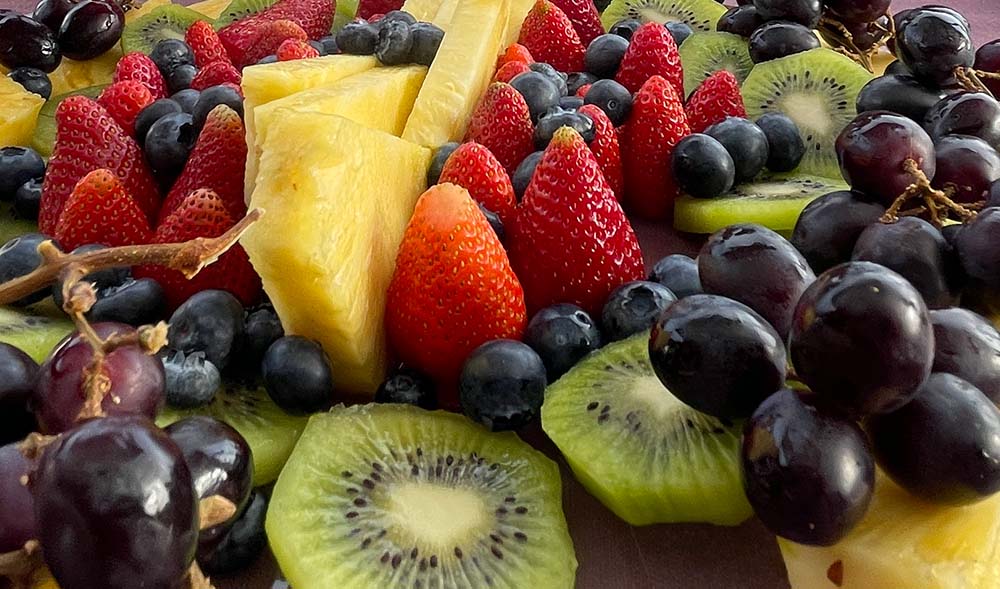
When the fast ends, the body is in a sensitive state. Breaking the fast should be done gradually: start with something small and sweet such as a date, fruit, or a cup of tea with a cookie. Only after about half an hour to an hour is it recommended to eat a full, balanced meal, which will restore the body's energy and fluids.
When to seek medical help?
During the fast, if signs of extreme weakness, persistent dizziness, vomiting, confusion, or fainting appear, consider breaking the fast and seek medical advice. This is especially important for children, pregnant women, the elderly, and chronically ill people.
Fasting can be an empowering and spiritually healthy experience for the soul, if you prepare for it properly. Maintaining adequate hydration, proper nutrition, and gradualness before and after all of these will help you get through Yom Kippur in peace, tranquility, and health.
1. Stock up on all types of food with an emphasis on prey
2. We stock a stock of beers and fine alcohol.
3. Make a list of movies and series to watch
4. Check the condition of the parents' and children's bicycles
And your bike holiday will go by easily.