


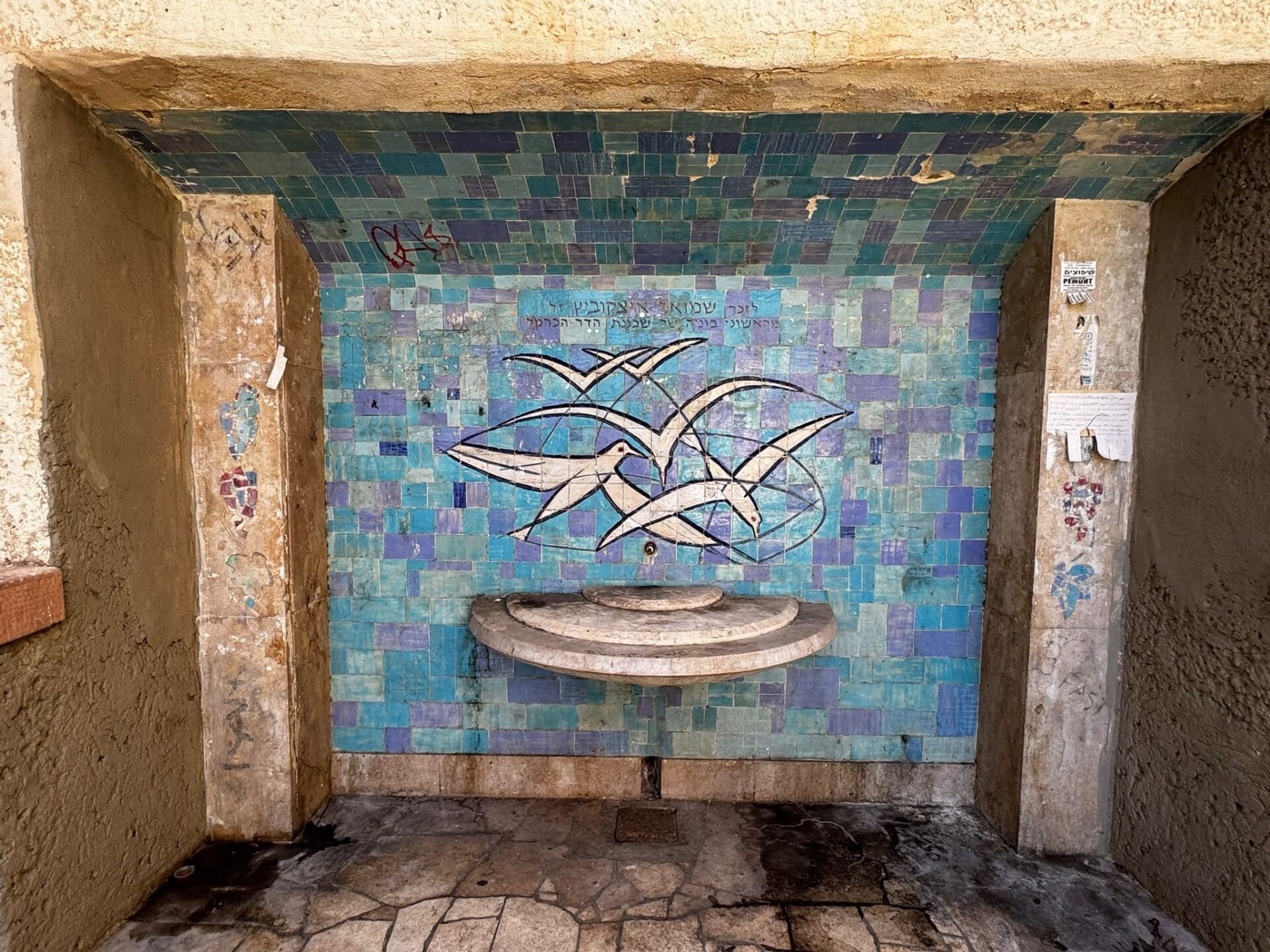
(Live here is the news corporation of Haifa and the surrounding area) – Shmuel Itzkovich Square and the set of stairs connecting Herzl Street and Hehalutz Street, on the way to the Talpiot Market area, are part of the urban and historical fabric of the Hadar neighborhood in Haifa. However, anyone who comes to the place today encounters a bleak picture of dirt, neglect, and lack of proper maintenance. Another urban corner of historical importance that has become a place that does not receive the care it deserves.
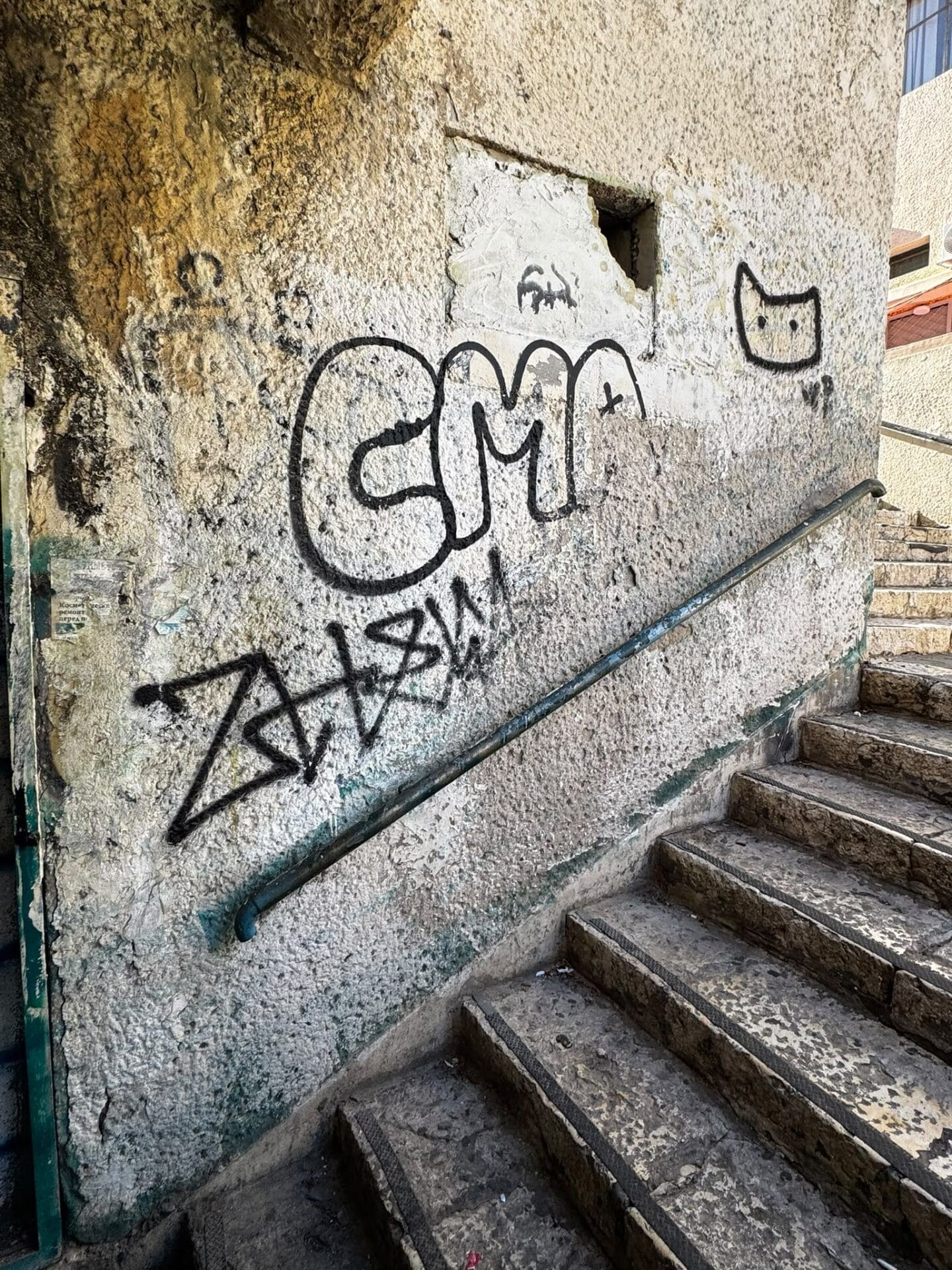
Itskovitch Square is built as a stepped urban complex, connecting the street levels and creating a significant pedestrian crossing. Two built walls delimit the upper plaza, and between them a wide set of stairs descends, which constitutes a central traffic axis connecting the parts of the neighborhood. It is not only a pedestrian crossing, but also part of Hadar's public and historical space.
Behind the name Itzkovich stands a fascinating figure in Haifa's history. Shmuel Itzkovich, who was born in 1881 in Volkovysk, began his engineering studies at the Kharkov Institute of Technology, but after being expelled from the institution due to political activity, he continued his studies at the Polytechnic in Munich, where he qualified as an engineer in 1906. That same year, he immigrated to Israel and settled in Haifa.
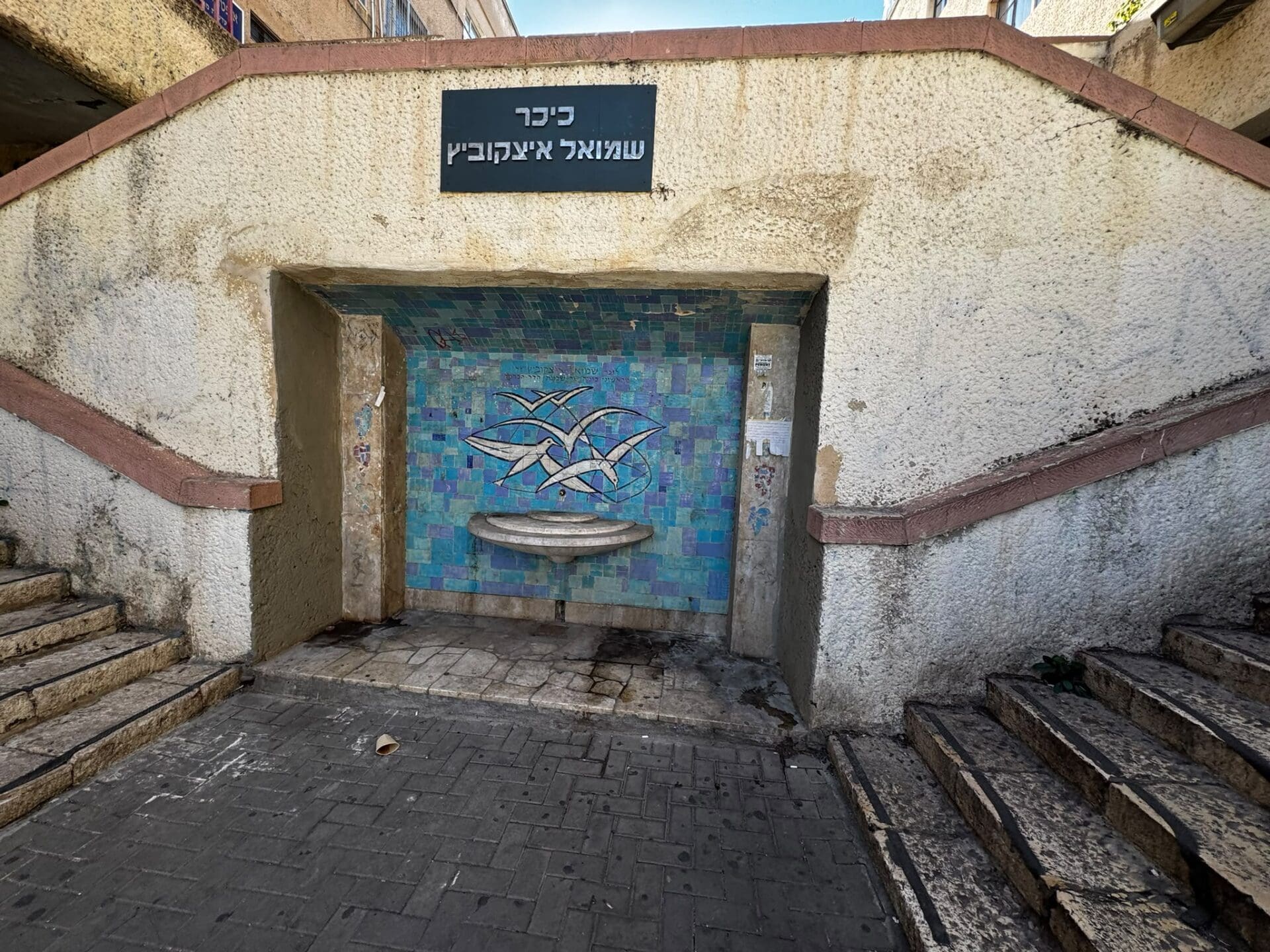
Itzkovich was one of the pioneering industrialists and public figures in the city. He was a partner in establishing a machine factory as part of the "Atid" company, was one of the founders of the Technion and the Reali School, participated in laying the cornerstone for the Technion, and worked to promote teaching in Hebrew.
After World War I, he returned to Haifa and continued to be involved in its development. His house, designed by the office of architect Alexander Berwald, was among the first houses built on Herzl Street. Itzkovich served as chairman of the Haifa Engineers' Association, was active in public institutions, and in 1931 was elected chairman of the Hadar Carmel Committee.
He died in 1934, but his contribution to industry, education, and the development of the Hadar neighborhood remains an integral part of the city's history.
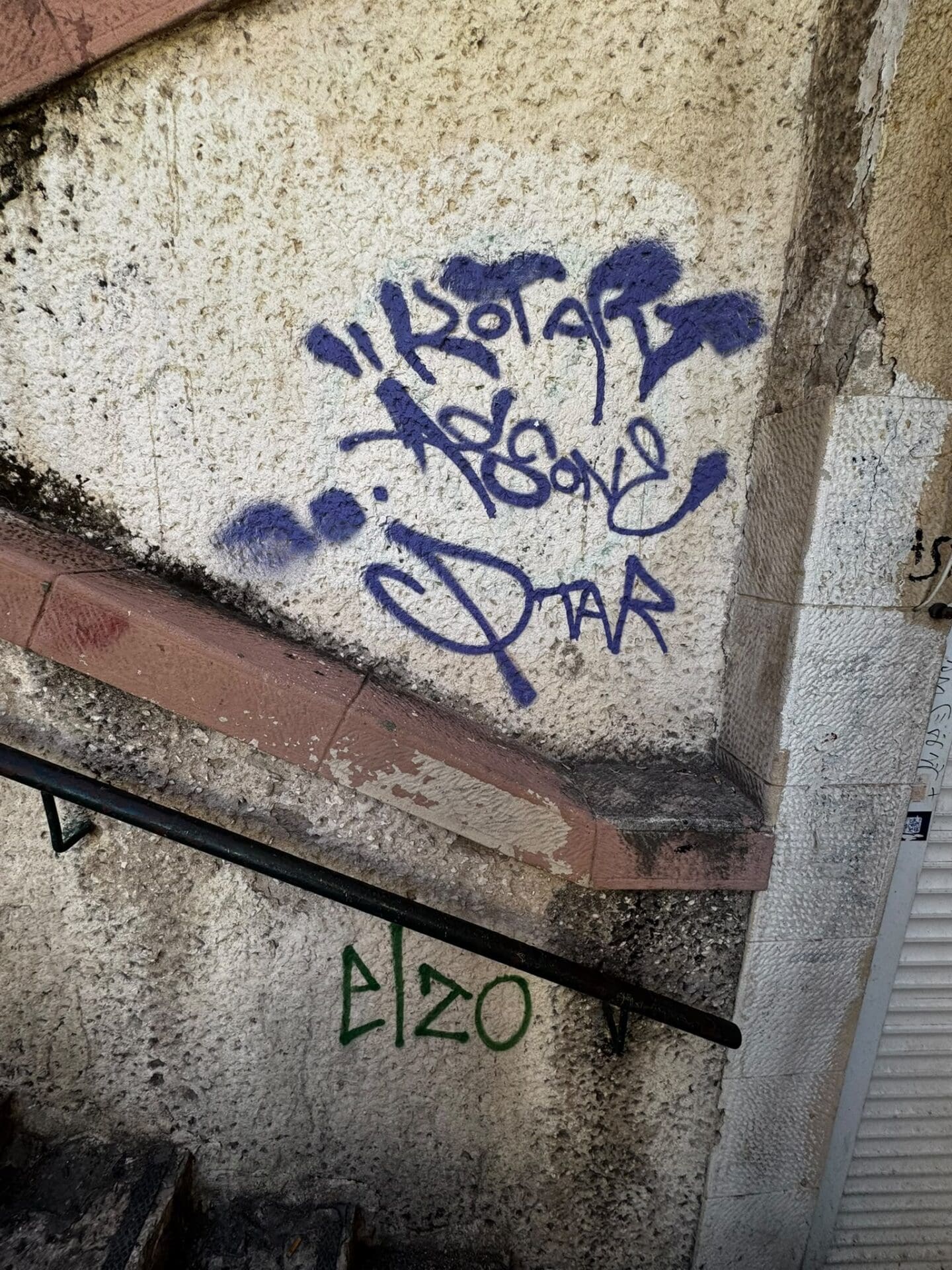
But what is the value of commemoration if the place itself is forgotten?
It is difficult to ignore the gap between the historical importance of the man for whom the complex is named and its current state. A square and steps bearing the name of one of Haifa's pioneers are supposed to be a dignified, clean, well-maintained, and pleasant public space for residents and visitors to use.
The neglect of the place is not only a detriment to the appearance of the neighborhood, but also an infringement on the respect for local history and the public space of Hadar residents.
It's time for the Haifa Municipality to take the place seriously, work on thorough cleaning, ongoing maintenance, and restoration of the space. The residents of Hadar and visitors to the neighborhood deserve much more than dirty stairs and a neglected square.
Haifa Municipality responded.:
Cleaning work is carried out daily by a cleaning worker. The Iskovitz stairs are washed once a week.
The municipality will work to increase the frequency of washing the stairs, with the aim of improving the level of cleanliness and maintenance at the site.
A big disappointment from the city of Haifa