

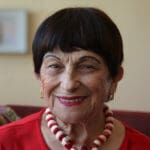

Period The Jewish Revolt between the Years 1945-1946
Youth in general, and the youth of Haifa in particular, had many important roles in those days. Despite their very young age, they were sworn into the Haganah at the age of 14-15, and were immediately deployed in groups of boys and girls together for various missions.
The youth was a partner in the period that led to the establishment of the State of Israel. They were an inseparable part of the life that surrounded them, and therefore were imbued with faith, a sense of responsibility, and a desire to fight for freedom.
For the youth in Haifa, these were challenging years. He knew the reality from conversations at home, in school, and in youth movements. He was aware of what was happening in Israel and the world, especially after World War II.
With the end of World War II. The Jewish community in Israel was faced with a difficult and complex reality. After a bloody war in which the people of the Yishuv in Israel helped the British army in the war, enlisted in the army, in the Hebrew Brigade, the women volunteered as female soldiers for the ATS, while the Arabs did not join the army or any war effort at all.
After the war, when the British no longer needed us, they turned their backs on us and complied with all the requests of the Arab Mufti, Hajj Amin al-Hussein. He was in Germany and helped Hitler with advice on the extermination of Jews. The British also complied with the Mufti, when he opposed the sale of land to Jews, Jewish settlement in the country, and the absorption of Holocaust refugees who had survived and wanted to immigrate to the country and rebuild their lives there. All of the Mufti's demands were accepted, and as a result, the infamous White Paper was distributed, the White Paper of the British Bevin government.
The British restricted immigration to the Land of Israel and prevented Holocaust refugees from reaching it. Ships of illegal immigrants who tried to reach the country's shores were deported to the sea or sent to detention camps in Cyprus. Against this backdrop, the Haganah, Palmach, Etzel, and Lehi organizations acted, each in their own way, in a struggle against the decrees of Bevin's White Paper and the British policy of restrictions.
Haifa, as a major port city, was an important arena in the struggle. The city had the port, which was under British control, the railway, the refineries and other facilities of strategic importance to the British. In the Nesher area, not far from Haifa, was the cement factory, which was the only one of its kind in the Middle East and served the needs of the British during the war.
Haifa served as a gateway to the Land of Israel. Jews arrived through it despite immigration restrictions, and British soldiers and policemen could be seen on its streets. Haifa's youth were part of this reality and saw it every day. Many of the youth wanted to take part in the struggle. In those days, there were no conscription orders. The youth volunteered of their own accord out of a sense of mission and responsibility.
By the way: the volunteers have always been of high quality. There is a difference between volunteers and those who are recruited by force of conscription orders, or mercenaries. It is known throughout the world that volunteers are of the highest quality.
For the youth in Haifa, these were challenging years. The issue of illegal immigration was particularly close to their hearts. The youth in Haifa knew the stories of illegal immigrants and Holocaust refugees, and were not disconnected from what was happening. The national reality and the struggle for the future of the settlement became part of the youth's daily lives.
In the movements, the youth learned to work together, to help each other, and to act in a group setting. They acquired a sense of responsibility, learned to deal with difficulties, and understood that it was not possible for each person to take care of themselves alone. They learned to keep a secret and act with discipline, and the trust placed in them was a source of pride for them.
There were arrests, searches, curfews, and movement restrictions. This reality had a profound impact on the youth of that time.
Most of the youth were high school students or trainees in vocational training programs. Many of them belonged to the HGM, which was established at the initiative of Dr. Arthur Biram, the principal of the Haifa Reali School (the HGM, an acronym for "Extended Physical Education," actually served as a training program for a reserve of young fighters. Later, this program became the GDNA - youth battalions, which served as a reserve for the Haganah and the Palmach). They studied in the morning and volunteered in the evening. Despite their young age, their contribution was extremely significant and as youth they were of great help.
Apart from their participation In the community's protests against the White Paper, The youth filled many other roles.
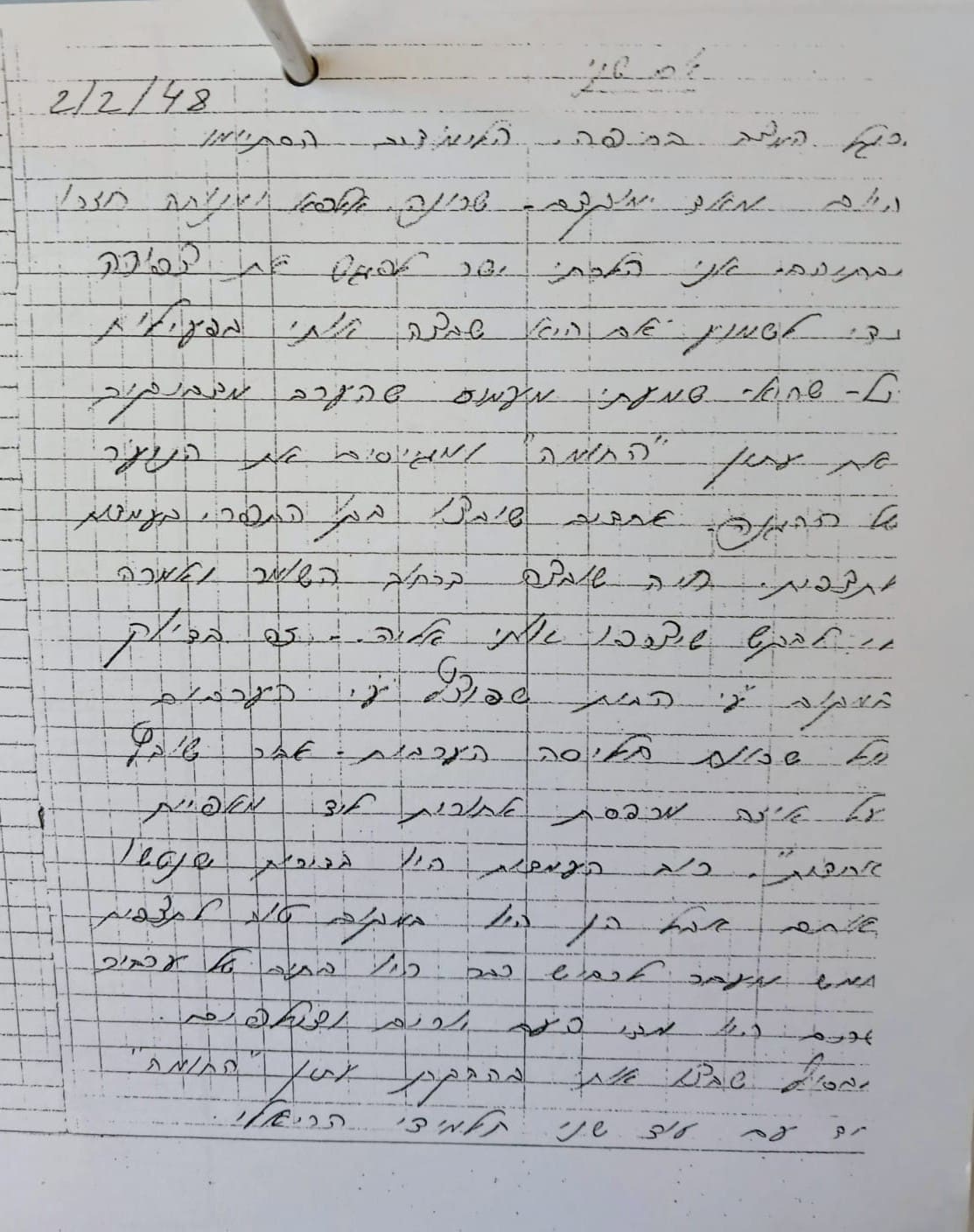
The roles in which the youth took part
- Pasting flyers from "The Wall", the defense newspaper.
- Participation in guarding posts throughout the city. Each one had to get to know his comrades in the area and the post.
- Providing drinks and sandwiches for guards.
- Maintaining cleanliness of the stations.
- Assistance in operating observation posts that were sometimes set up in residents' homes in the seam line areas.
- Passing secret messages and envelopes between Haganah personnel, because the teenagers aroused less suspicion.
- Traffic on side streets and moving from yard to yard, especially during curfew hours.
- Avoiding encounters with British soldiers, who were called "Red Anemones" because of the red berets they wore.
- Assistance in cleaning weapons in the Technion basements.
- Transferring weapons and ammunition to various positions.
- Carrying guns and grenades hidden in appropriate belts under clothing.
- Copying secret lists and documents for the Haganah Information Service (Hashi).
Those whose handwriting was clear and legible were sometimes recruited for the task of copying documents. Fortunately, I had clear handwriting. We were assigned to copy documents that our police officers had taken at night for the ISH – the government’s news service. It was necessary to copy quickly, so that they could be returned to their place before the offices opened in the morning.
Haifa's Youth Heritage
Today the reality is different. We have a country… but even today it is important for youth to be involved in the society in which they live.
Involvement can be expressed in volunteering for others, in community activities, in protecting the environment, and in various social initiatives. Many schools currently have a "Personal Commitment" project, which allows youth to contribute to society and strengthen their sense of civic responsibility.
Summary
This is the story of the youth in Haifa during the Jewish rebellion.
Youth who understood that the future of the country also depends on them. And this is perhaps the greatest legacy that Haifa's youth from that period left us.
The story of the youth of the city of Haifa teaches us that history is not created only by leaders and commanders. It is also created thanks to the youth who chose to take part in the struggle.
...And the responsibility of the younger generation in Israel adds pride. Her own To the country.
Great article
From the order of the paragraphs in the article, it can be understood that the Third White Paper was published after the end of World War II.
This book was published in 1939, a few months before the outbreak of war.
¨
Although today's youth are stuck in front of screens, on a given day they volunteer and help.