


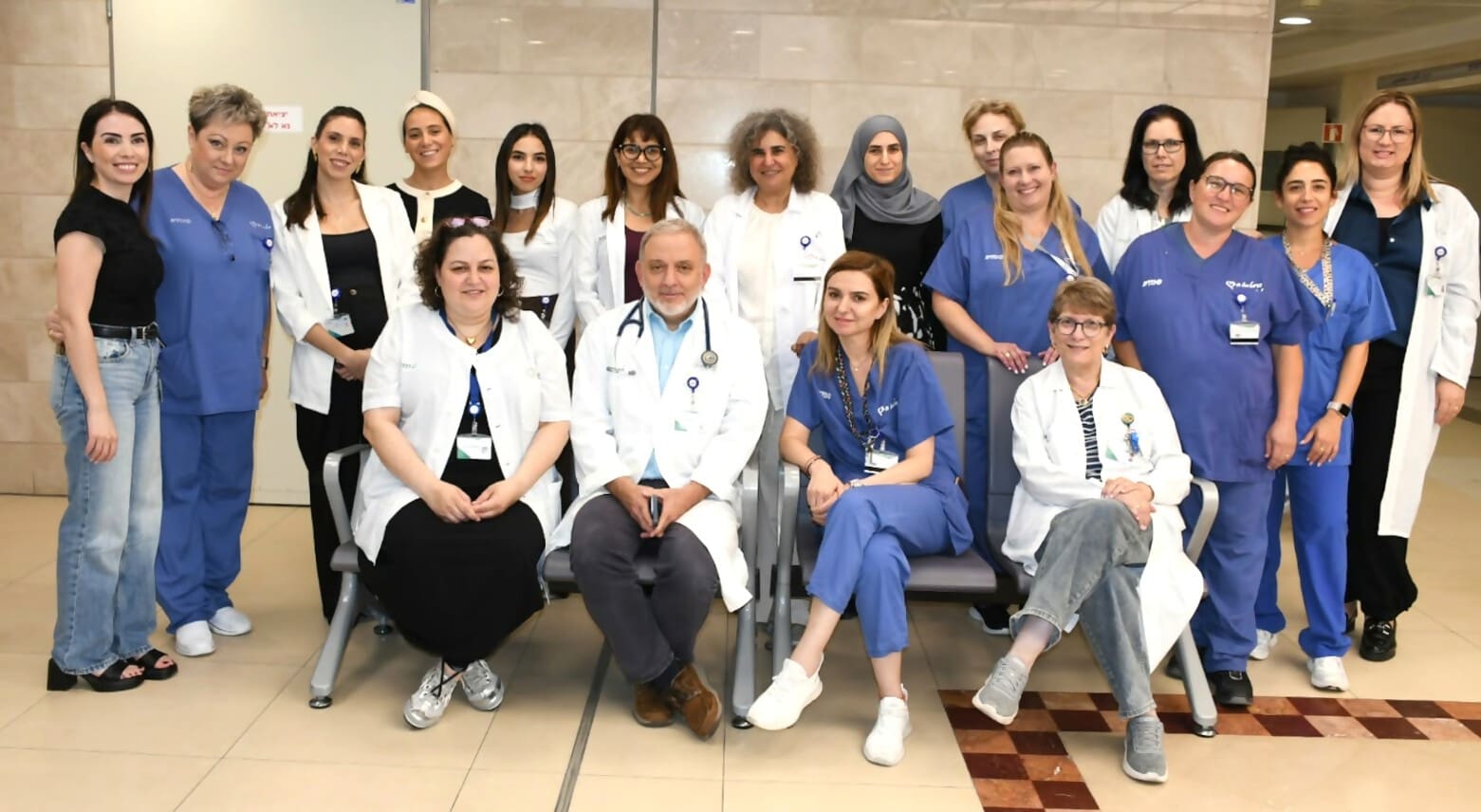
Groundbreaking research, a new inpatient department, innovative treatments and close collaboration with the community: Carmel Medical Center's Hematology Institute continues to redefine the standard of care for patients with blood diseases and blood cancers. Clalit's prestigious recognition as a "Border-Breaking Center of Excellence" for 2026 is a testament to professional leadership, medical innovation and a deep commitment to patients.
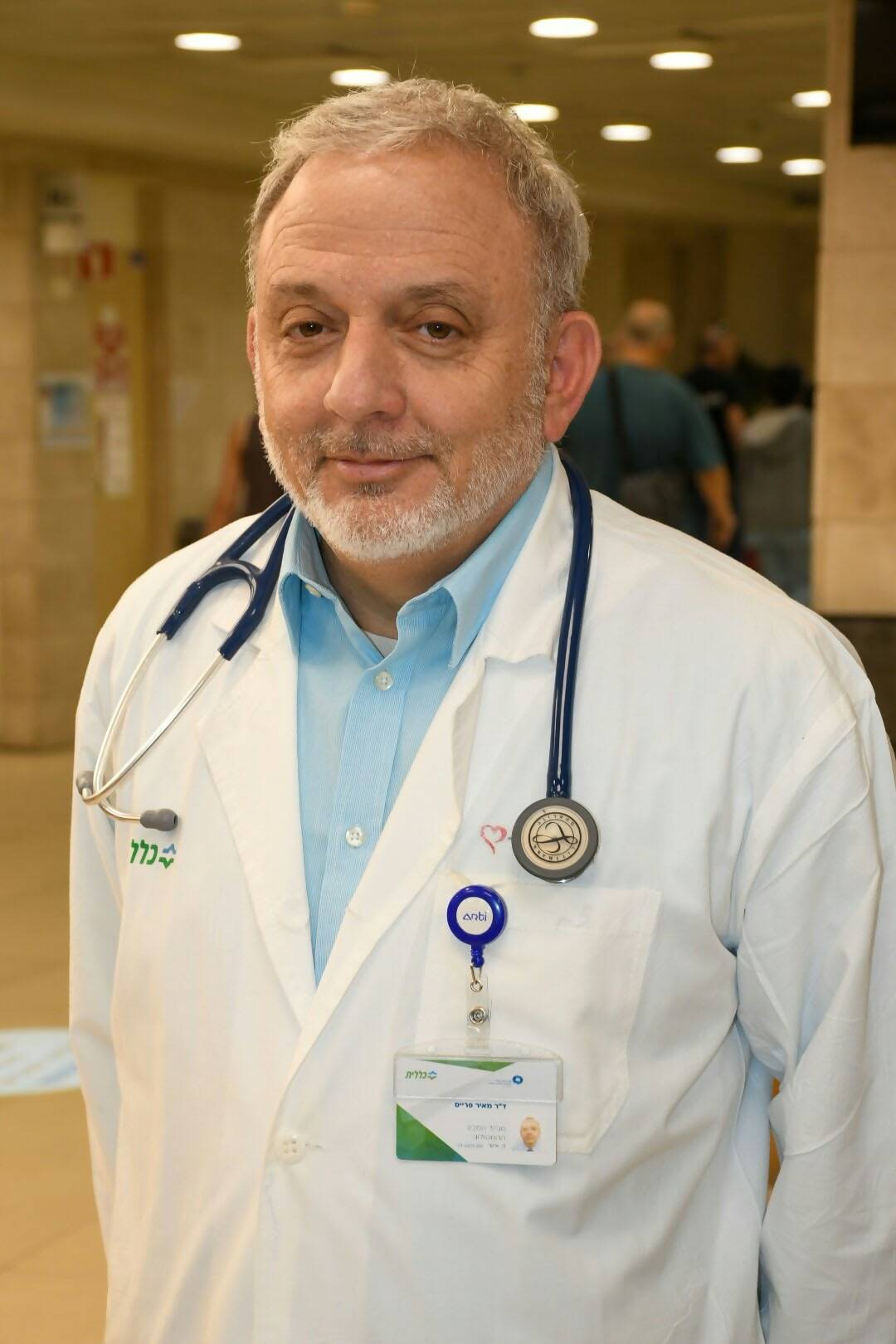
A significant achievement for Carmel Medical Center from Clalit Group: The Hematology Institute, directed by Prof. Meir Price, was recently selected as Clalit's "Border-Breaking Center of Excellence" for 2026.The selection reflects the Institute's extensive activity in the fields of research, medical innovation, quality of service and patient experience, and places it at the forefront of hematological medicine in Israel.
Excellence measured by quality, trust and innovation
According to Prof. Price, a center of excellence is evaluated using several key metrics: quality of medical care, clinical achievements, patient experience, and access to innovative and research-based treatments.
"Our goal is to provide each patient with the most advanced treatment, along with a sense of security and complete trust in the medical process," he explains. "It is important to us that the patient feels seen, listened to, and accompanied throughout the entire process."
Groundbreaking research in the fight against blood cancer
One of the areas in which the institute leads medical innovation is the treatment of multiple myeloma, a cancer of the bone marrow.
The Carmel Hematology Institute was the first in Israel to launch a study that uses unique antibodies that bind cancer cells to the body's natural immune system. This innovative treatment method allows the immune system to identify the malignant cells and attack them more effectively.
"We are essentially recruiting the immune system to fight cancer," says Prof. Price. "From our experience so far, the results are very encouraging, even in patients who have already undergone several lines of treatment without success."
At the same time, the Institute has led significant investments in the field of hypercoagulability, including the development of advanced molecular and genetic diagnostic capabilities and full sequencing of coagulation factors. These steps allow for more precise tailoring of treatment to each patient and better prediction of future medical risks.
Treatment continuum from the community to the hospital and back
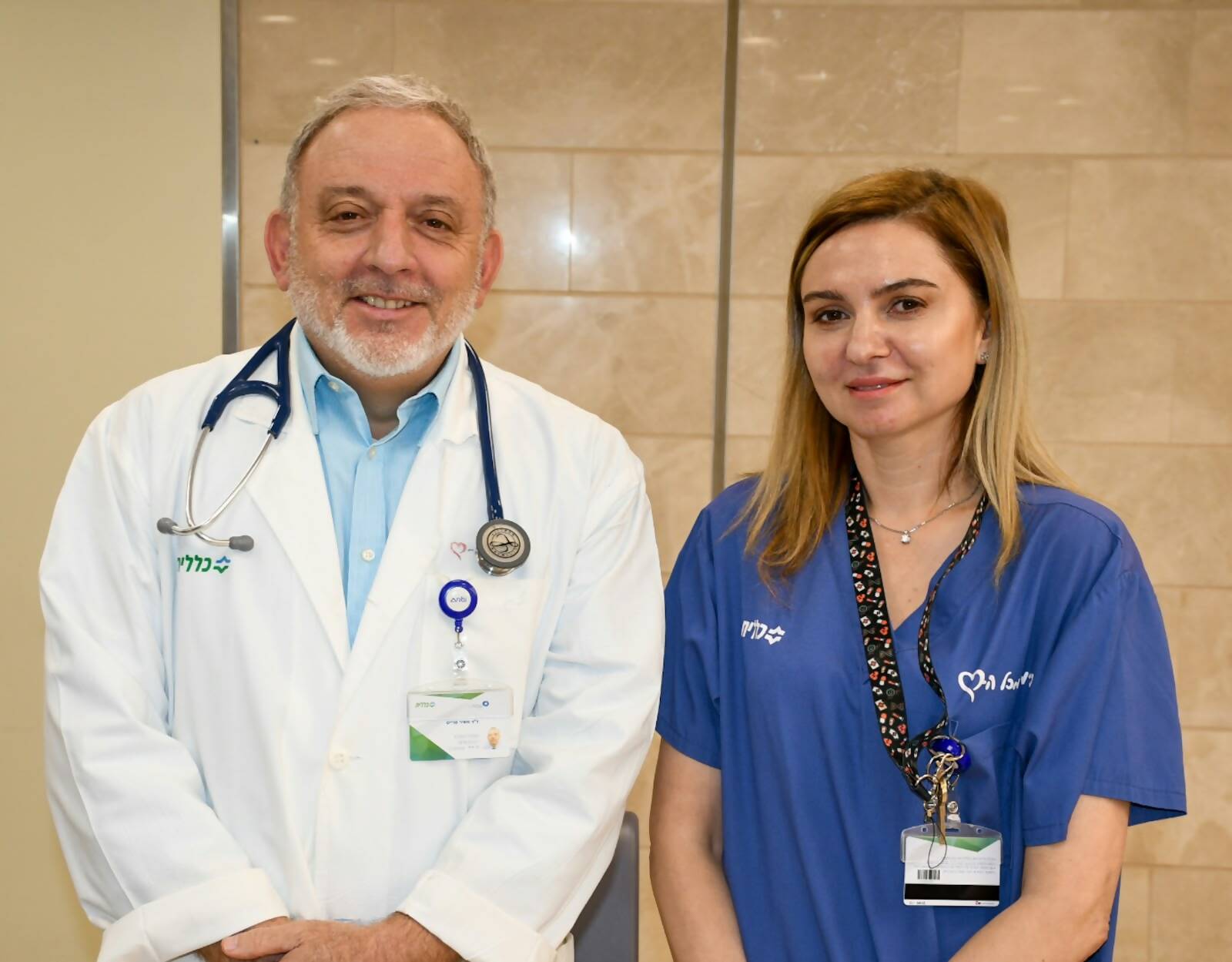
One of the key factors in the institute's success is the close collaboration with Clalit Haifa District and Western Galilee.
In recent years, the institute has been working to create a full treatment continuum between community medicine and the hospital. This concept allows for continuous monitoring of patients, improved communication between medical teams, and a reduction in unnecessary tests.
As part of this initiative, a new hematology inpatient department was recently inaugurated at Carmel Medical Center.
"The goal is not to increase the number of days of hospitalization," emphasizes Prof. Price. "Most of our patients are treated as day patients. The department is designed to provide a rapid response to complex medical conditions and maintain a high-quality treatment continuum between the community and the hospital."
In addition, the institute's services were expanded to the periphery with the opening of a new hematology branch in Acre, allowing residents of the area to receive advanced medical services close to their homes.
A therapeutic package that begins on the day of diagnosis
Alongside technology and research, the Carmel Hematology Institute emphasizes the importance of human support.
One of the unique approaches pioneered by the Institute is the early integration of palliative medicine, supporting patients from the earliest stages of diagnosis. The goal of this approach is to help them cope with pain, anxiety, uncertainty, and emotional difficulties that accompany the patient and their family throughout their medical journey.
The institute believes that quality care is not just about curing the disease, but also includes improving the quality of life and maintaining the patient's mental and physical well-being.
They stood at the front even in wartime
The commitment of the medical staff was also particularly evident during the war.
Despite the security challenges, the institute continued to provide treatments continuously. Teams worked long hours in protected rooms, sometimes providing dozens of treatments a day, to ensure that no patient was left without essential medical care.
At the same time, the institute continues to operate as a leading academic center, with a significant increase in the number of medical students studying there, which requires the team to maintain up-to-dateness and professional excellence at the highest level.
Looking to the Future: Personalized Medicine Instead of Chemotherapy
When asked about the future of hematology, Prof. Price presents a clear vision. He says that the world of medicine is rapidly moving towards personalized treatments based on the unique characteristics of each patient. Biological, immunological and genetic therapies are expected to reduce dependence on traditional chemotherapy and lead to more precise and effective treatments.
"I hope that in a decade we will not only be able to treat diseases, but also correct the genetic defects that cause them," he says.
Good news for the residents of the North
The selection of the Carmel Medical Center Hematology Institute as a 2026 Breakthrough Center of Excellence is much more than professional recognition. It is proof that the combination of advanced research, medical innovation, a dedicated team, and close collaboration with community medicine is capable of producing high-quality, accessible, and humane medicine at the highest level.
For the thousands of patients in the northern region, this is real news and confidence that the medicine of the future is already working, here and now.
The tin line gives itself prizes 🤦🏼♂️