


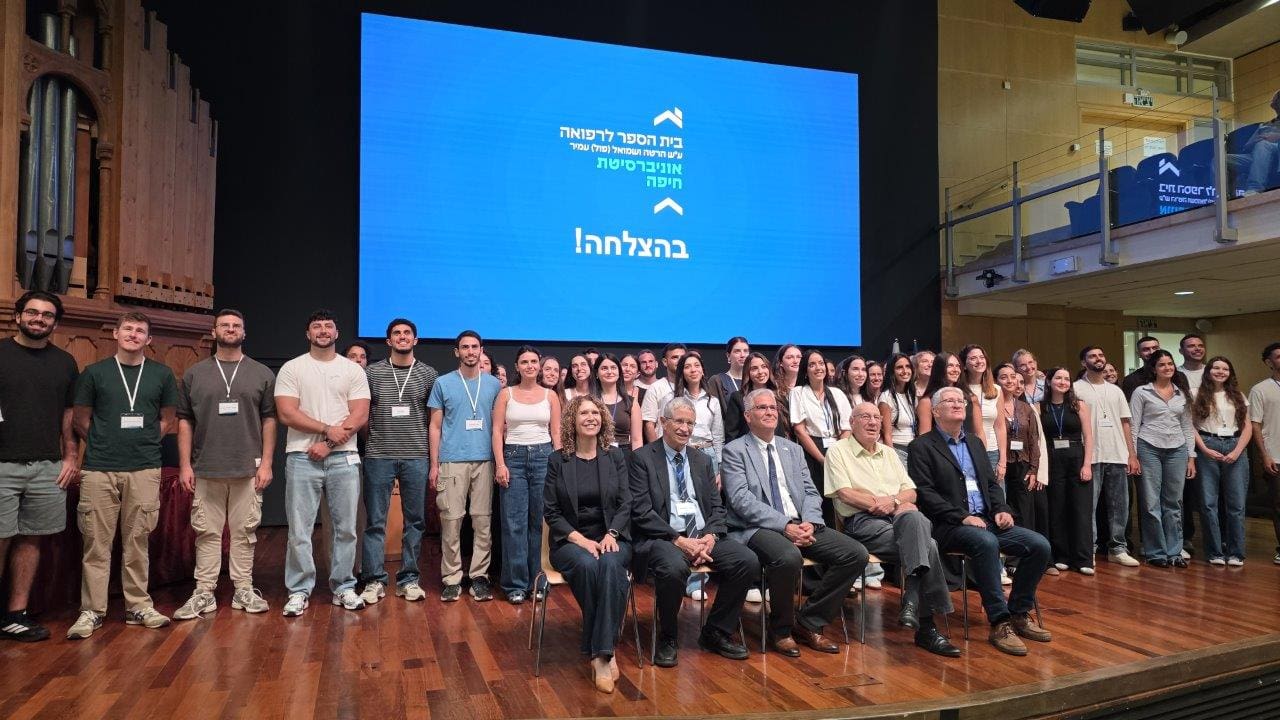
80 students were selected from approximately 1,500 applicants and began their second year of studies inHerta and Shmuel Amir School of Medicine at the University of HaifaThe program incorporates clinical experience in hospitals and community clinics from the first year of study, in collaboration with Carmel and Klelit Hospitals in the Haifa District. Against the backdrop of security challenges and the need to strengthen health services in the north, the university and the health system emphasized the importance of training doctors who will choose to work in the region even after completing their studies.
80 students were selected from approximately 1,500 applicants.
The opening ceremony of the second academic year at the School of Medicine took place this week, against the backdrop of the complex period going through the State of Israel and the northern region in particular. The school, which opened with the aim of training a new generation of doctors, emphasizes a combination of medical excellence, practical experience and commitment to the community.
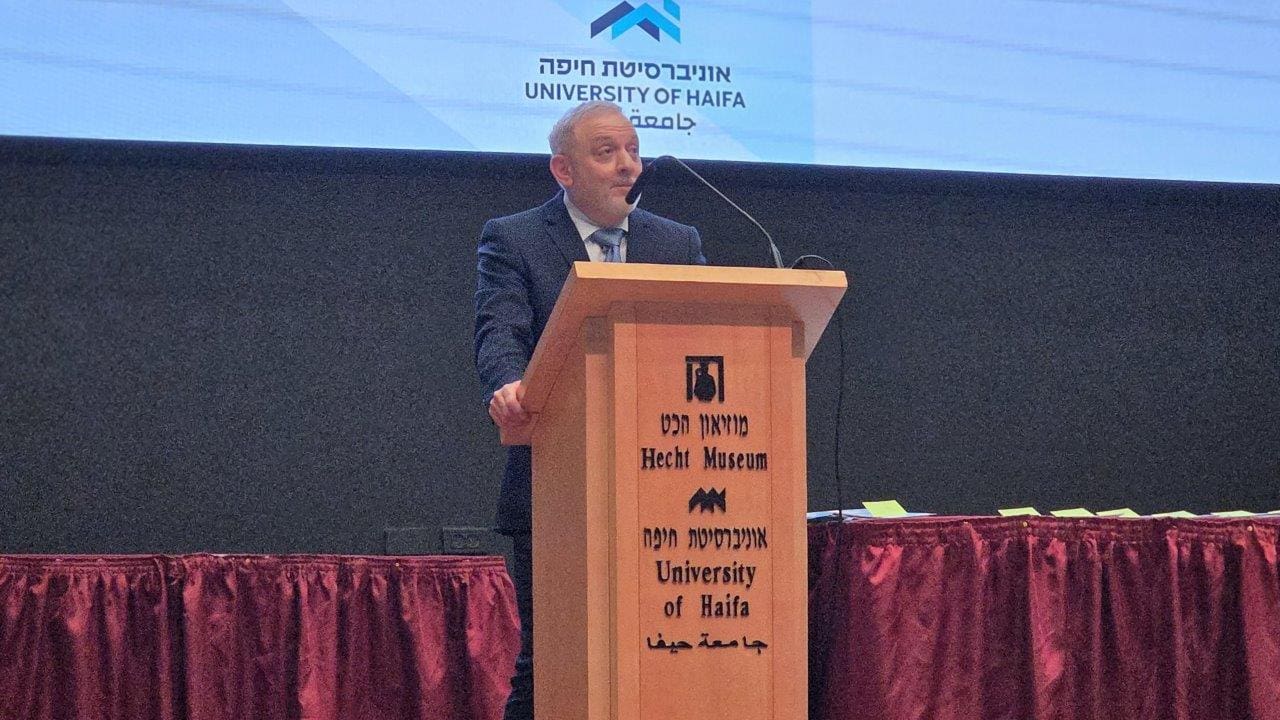
Dr. Meir Price, Director of the Hematology Institute at Carmel Hospital and Clalit's Haifa District, who also serves as the Vice Dean for Teaching, presented the admissions data for the new cohort at the ceremony. He said that approximately 1,500 candidates went through the selection process, and in the end, 80 students were selected.
"We saw their courage in the admissions interviews, and we left feeling uplifted," said Dr. Price. "We are blessed as a country that these young people are growing up here; they will lead the healthcare system in Israel for decades to come."
Diverse cycle, with a female majority
In the second cohort, 49 women are studying alongside 31 men. The students range in age from 18 to 31, and they come from various places in the country, from Eilat to Ma'alot Tarshiha, including Tel Aviv, Beit Shemesh, Marar and Mirka.
Among the students are new immigrants, IDF wounded soldiers who recovered from their injuries and chose to study medicine, as well as outstanding athletes, musicians, and a former national champion in ballroom dancing. The composition of the class reflects a variety of personal and community backgrounds, alongside a common choice of a medical training track.
Clinical experience from the first year
One of the key features of the University of Haifa School of Medicine is the early integration of academic studies and clinical experience. As part of the program, students are exposed to medical work in hospitals and community clinics as early as their first year of studies.
The training is conducted in collaboration between Carmel Hospital and Clalit in the Haifa District. The students experience in the inpatient departments, institutes, and operating rooms, while at the same time coming to community clinics and studying alongside Clalit doctors.
The connection between the hospital and the community allows students to become familiar with the continuum of patient care: from the initial encounter in the clinic, through situations requiring hospitalization, to continued treatment and rehabilitation in the community after discharge from the hospital.
Prof. Chaim Bitterman, Dean of the School of Medicine, referred to the selection process and the structure of the curriculum. According to him, the selection of students was based mainly on personal interviews, and one of the school's most prominent features is the exposure to clinical medicine from the very beginning of training.
"Real medicine happens between the home, the community and the hospital, and you will be experts in this field because others teach it much less," he told the students.
"The North needs you in hospitals and community clinics"
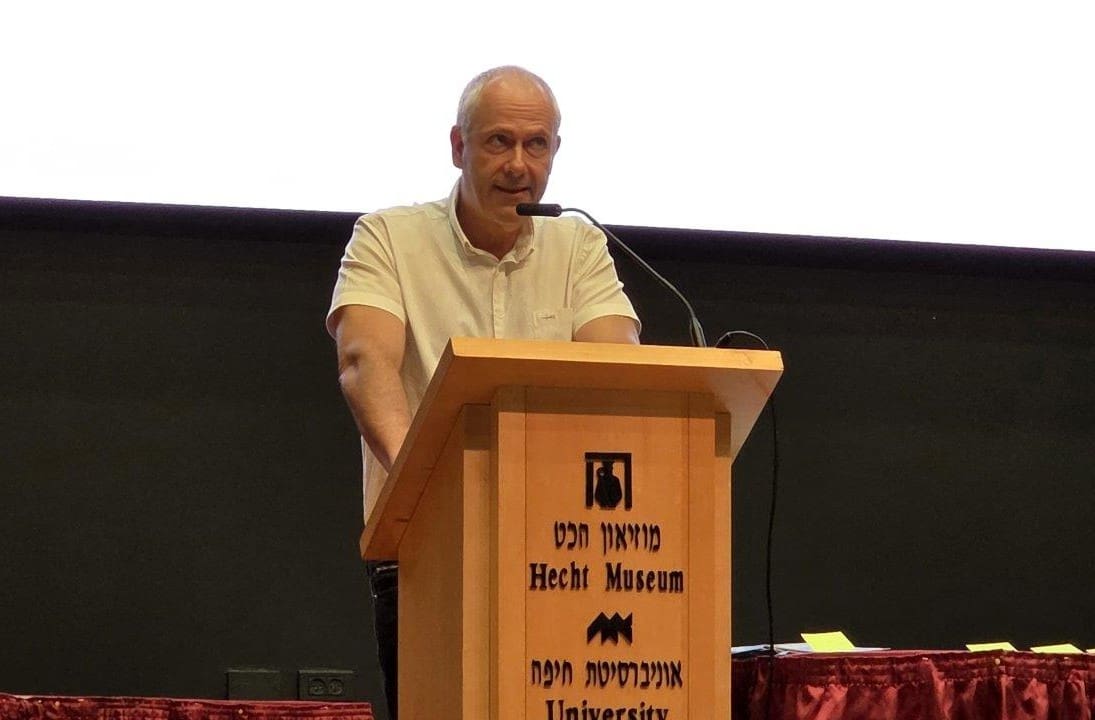
Prof. Avi Goldberg, Director of Carmel Hospital, welcomed the new students and emphasized the importance of the connection between the patient's living environment and his health condition and the possibility of his recovery.
"You are partners in creating a tradition that will become a legacy," he said. He called on the students to maintain three principles throughout their training: curiosity to ask, humility to ask for help, and humanity to listen.
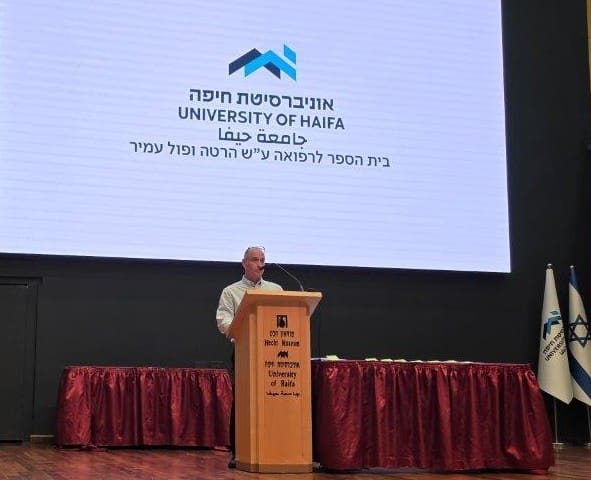
Dr. Erez Liebel, Director of Haifa and Western Galilee District of ClalitHe also emphasized the contribution of practical experience to the training of doctors. He said that, in addition to medical knowledge and clinical skills, meeting patients teaches important lessons in listening, sensitivity and humanity. He expressed hope that many graduates of the school will choose to integrate into the health system in the north.
Training doctors as part of strengthening the North
President of the University of Haifa, Prof. Gur Elroy, He referred to the importance of training medical personnel who will remain to work in the region even after graduation. He said that the future of the university is tied to the future of the North, and the ability to provide residents with quality medical care is a significant component in strengthening the region.
"We must ensure that the doctors we train stay in the North, work there and become part of the communities," said Prof. Alroy. "The North needs you in the hospitals and community clinics. The ability to receive quality medical care is part of the security that people need to build their lives here."
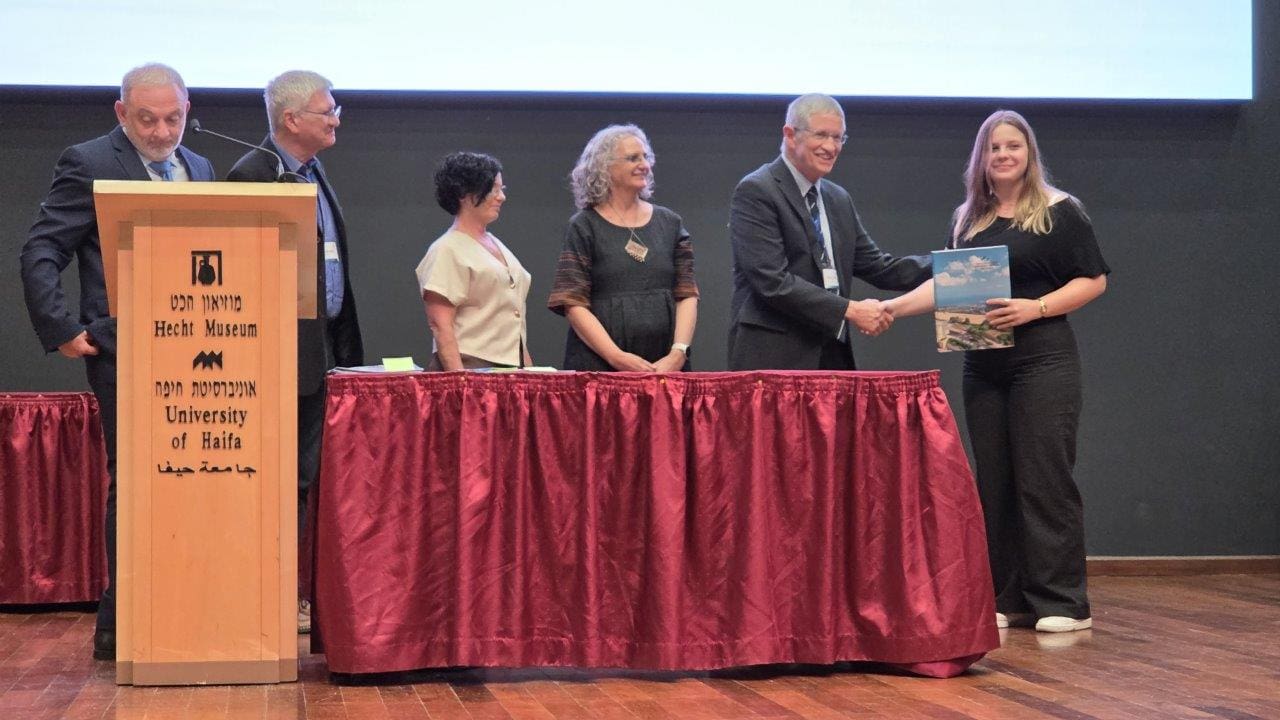
The winners of the first round also participated in the ceremony.
The ceremony was also attended by Prof. Aharon Ciechanover of the Technion in Haifa, Nobel Prize laureate in Chemistry, who gave a lecture on personalized medicine and shared insights from his experience with the students.
Later in the evening, certificates were awarded to the first class of honorees. Student Aya Biton congratulated the new class and spoke about the significance of choosing to study medicine in Israel.
"For me, this is the strongest expression of love for the country, through protecting the people who live in it," she said. "It's the understanding that this is our home, and that we have a responsibility to the people who live in this country."
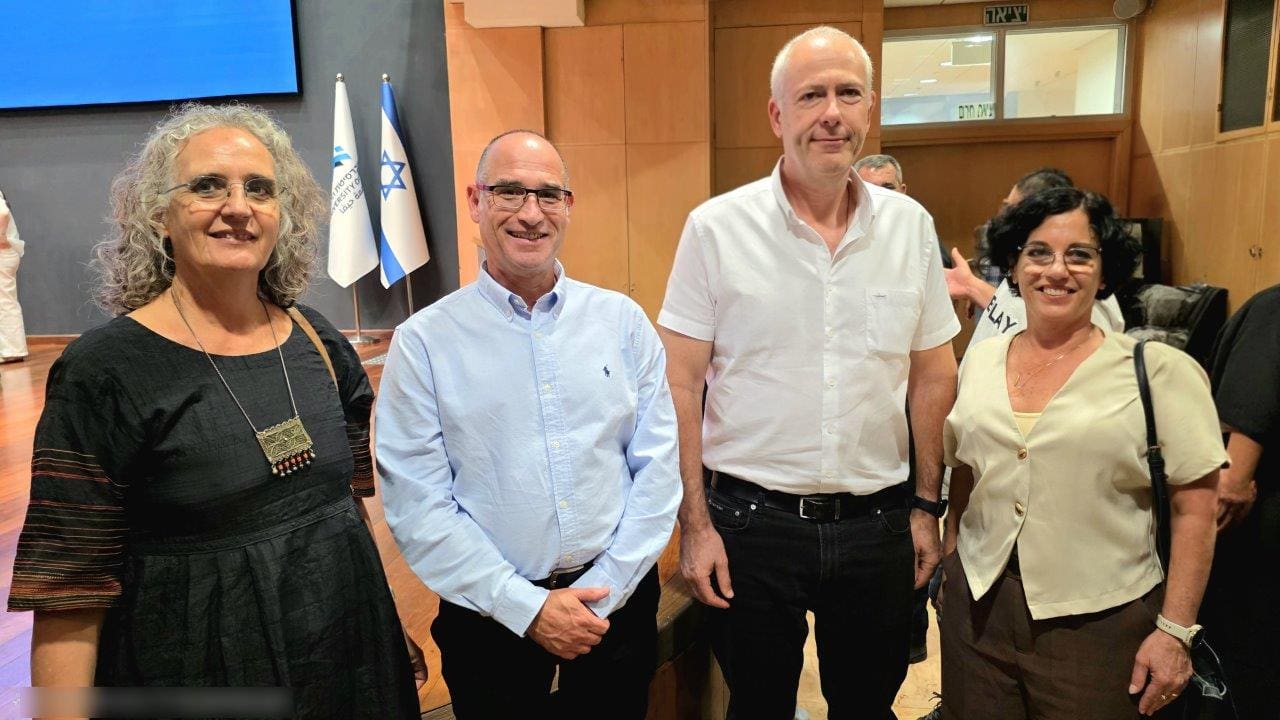
Dr. Sharon Kama, Deputy Dean for Students and Deputy Director of Carmel Hospital, She emphasized the advantage of training that combines hospital and community medicine throughout the school years. She said that early exposure to medical work and the values that accompany it is intended to contribute to the training of doctors and the continued development of a quality healthcare system in the North.
Did the article interest you?