



Everyone knows the saying that curiosity killed the cat. But in the underwater world, curiosity can lead to completely different results: sometimes it provides entertaining and fascinating moments, sometimes it reveals surprising animal behaviors, and sometimes it ends up damaging expensive camera equipment. From my experience as an underwater photographer, I have learned that you should not underestimate the curiosity of animals, nor their intelligence and behavioral patterns.
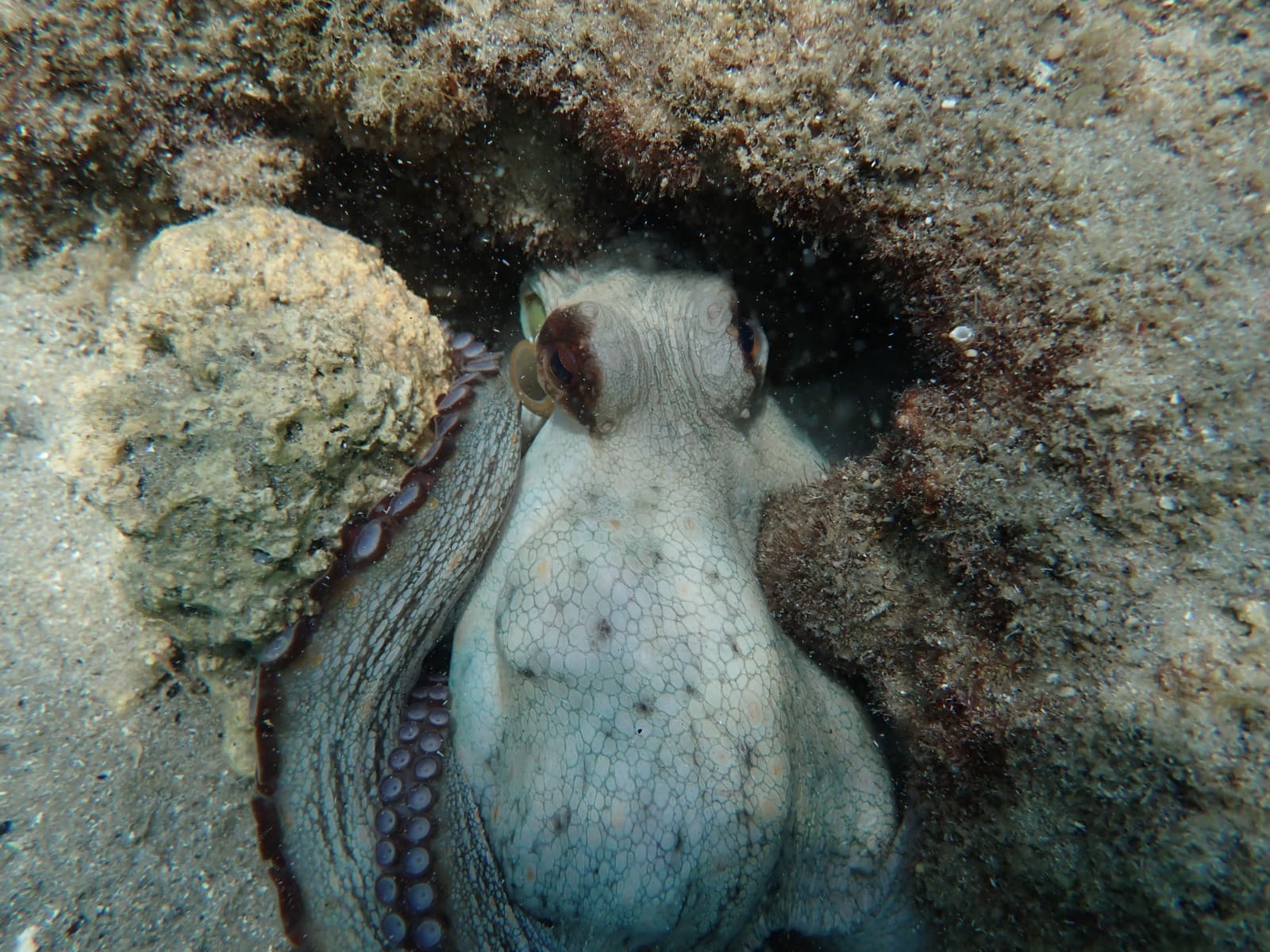
Man has always known how to exploit the curiosity of animals.
Humans have always exploited the curiosity of animals for their own purposes. Fishermen, hunters, and animal collectors have used this behavior to capture or bring animals closer to them. In many cases, this was done for the human's own benefit, without considering the consequences for the animals themselves.
But curiosity is not just a human trait. Animals also show interest in their environment, examine new objects, and respond to phenomena that are unfamiliar to them. In marine mammals, for example, one can often identify curious and developed behavior, which is related, among other things, to their cognitive abilities. However, other animals, including fish, also demonstrate curiosity in different ways.
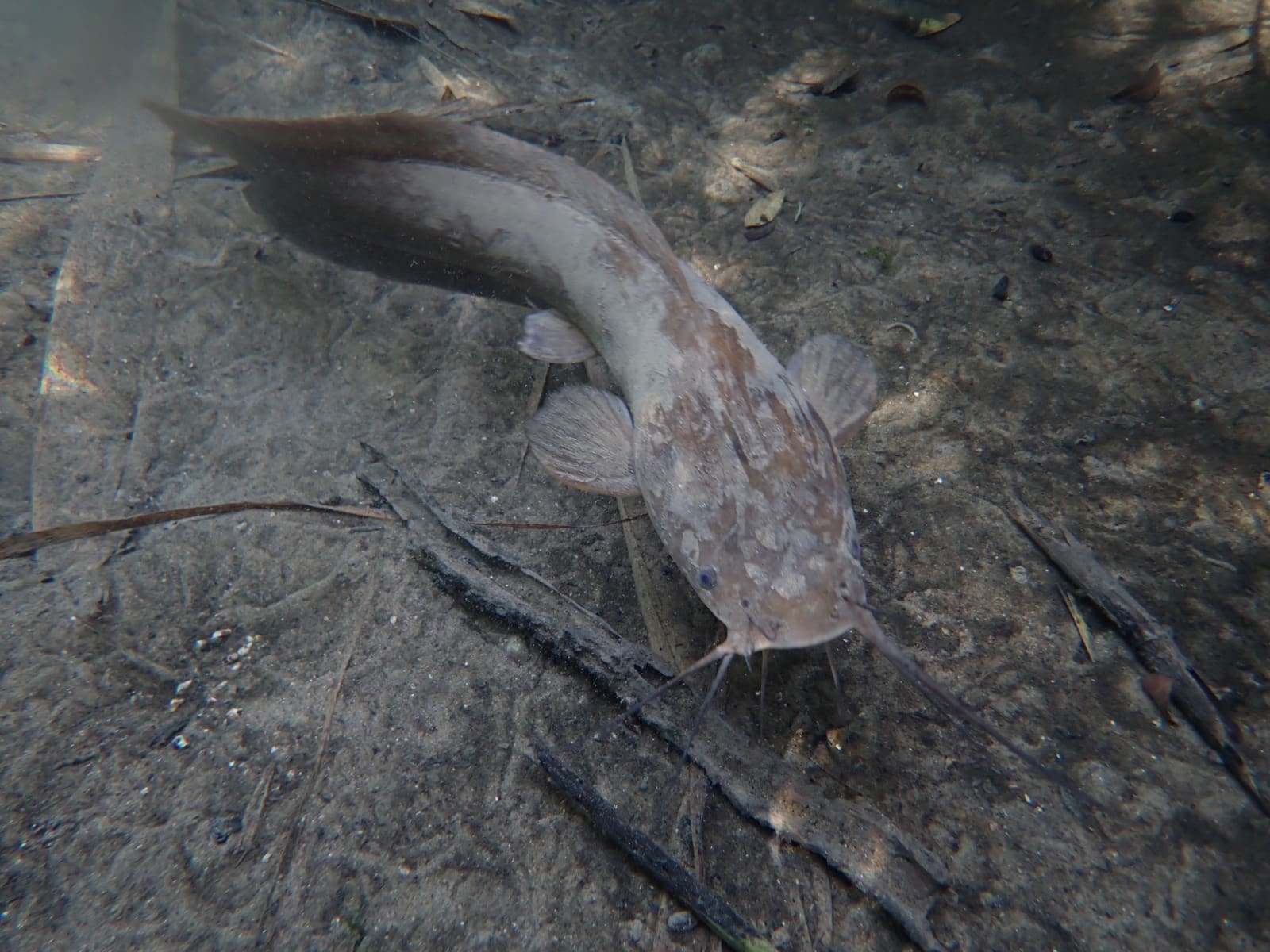
When curiosity leads to an encounter with divers
Veteran researchers, divers, underwater fishermen, and photographers are well aware of encounters in which animals approach a person or their equipment out of curiosity.
A familiar example is the behavior of red mullet, known to fishermen as "Edmund," which emerges from its hiding place and returns to it, as well as of the stingray, the loach we all know. Anyone who knows their habitat knows how curious they can be and how they will observe what is happening around them. But this curiosity also comes at a price: it is often what allows fishermen to locate and capture them.
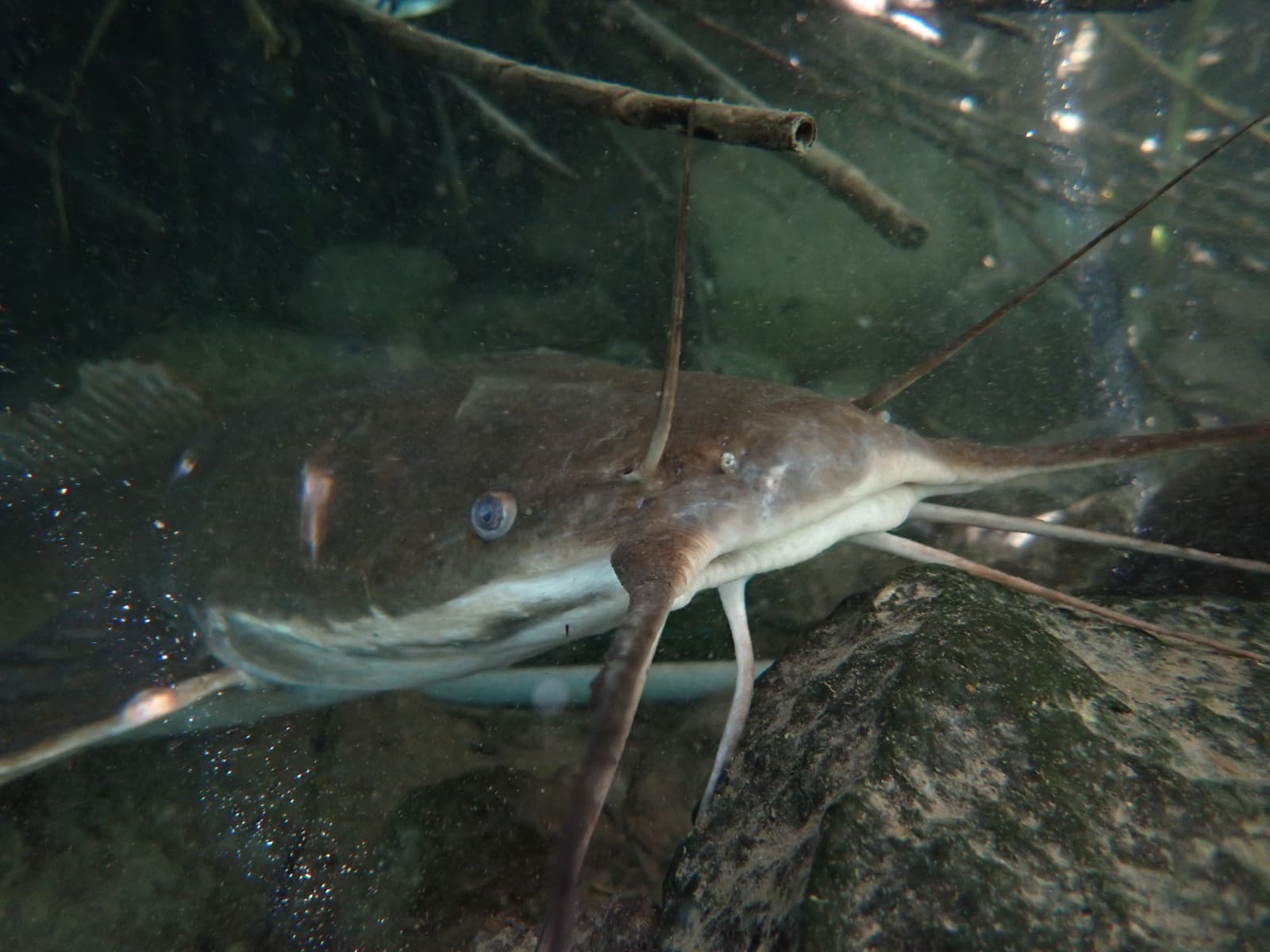
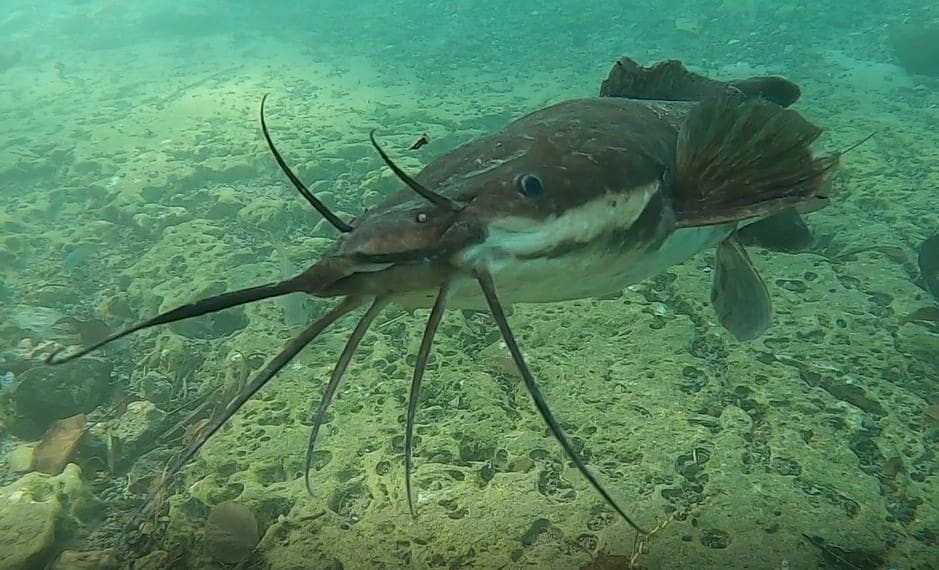
The camera becomes an intriguing object
One of the most interesting phenomena I've encountered in the world of underwater photography involves animals being reflected in their own reflections. Some animals react to their reflection in the mirror, and sometimes even try to attack it, as if it were another animal.
In the current technological age, where extreme cameras and underwater photography equipment allow us to document nature up close, another interesting situation has also arisen: the animal notices its reflection reflected on the camera body, approaches it, and sometimes even attacks it.
In many underwater photographs of sharks and other marine animals, the camera itself becomes part of the situation. In addition to the electrical energy that certain systems in the equipment may generate and the reactions it may provoke in the animals, the reflection on the camera's surface can also attract their attention.
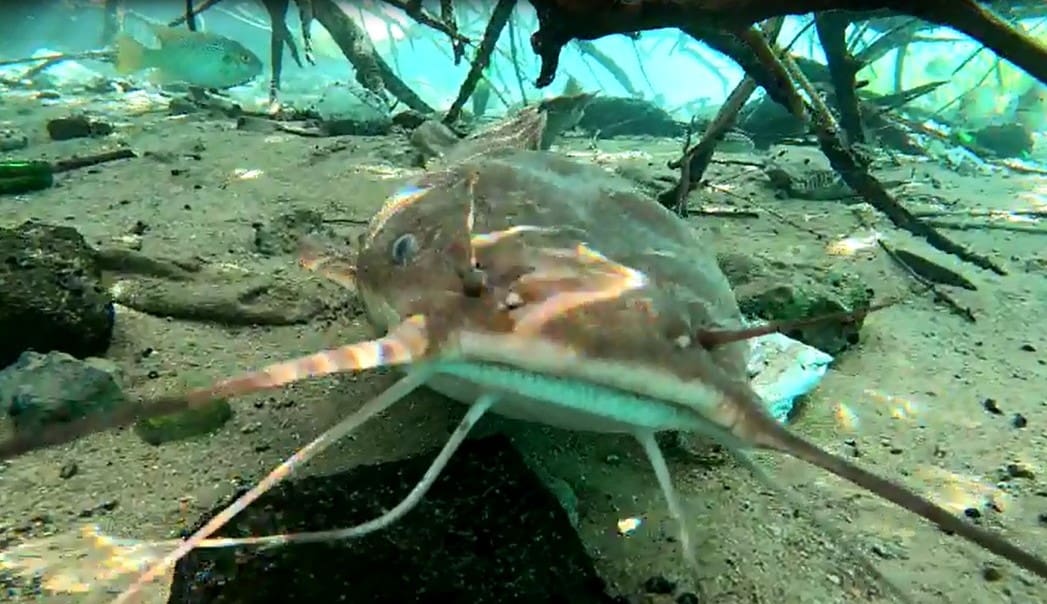
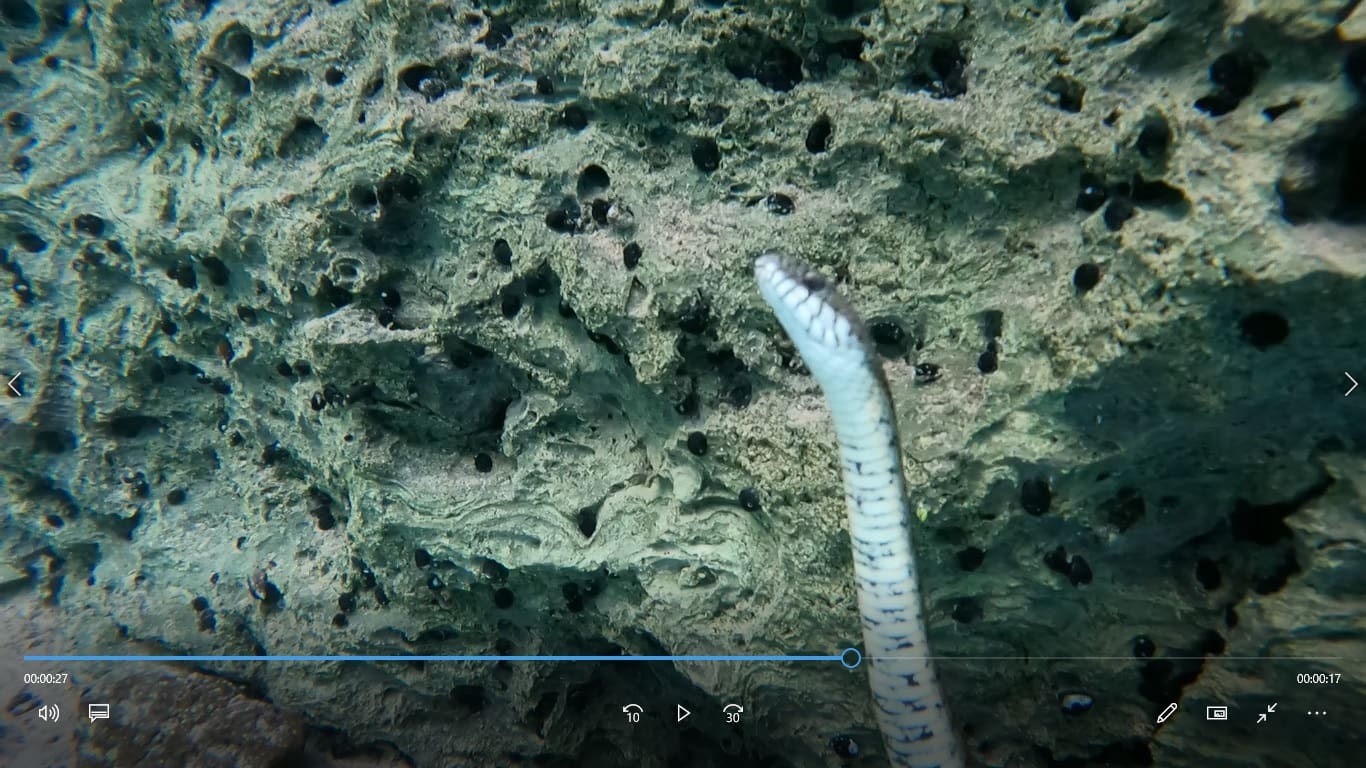
When the shark is interested in the camera – and the photographer gets the bill
Among underwater photographers, there are reports of cases where static cameras placed on the seabed have been bitten, damaged, and sometimes even disappeared following a shark encounter. This is an excellent method for documenting animals without directly disturbing them: put down the camera, step back, and allow nature to happen in front of the lens.
But sometimes the animal decides to get closer and check out the new guest that has appeared in its environment. If the camera arouses its curiosity, it may touch it, bite it or try to find out what the foreign object is. From the photographer's perspective, the result may be less entertaining: damaged equipment or a camera that has disappeared into the depths of the sea.
In that case, we could say that curiosity killed the camera and not the cat.
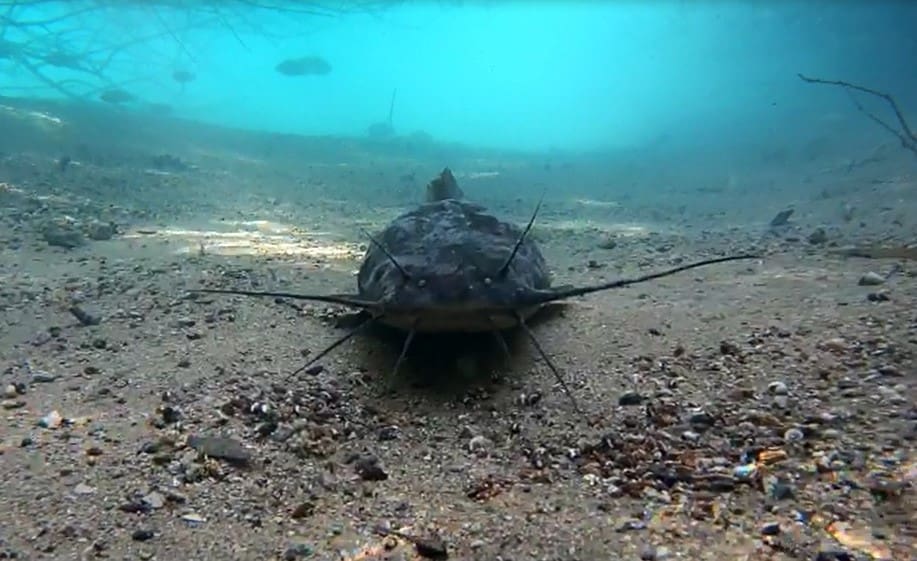
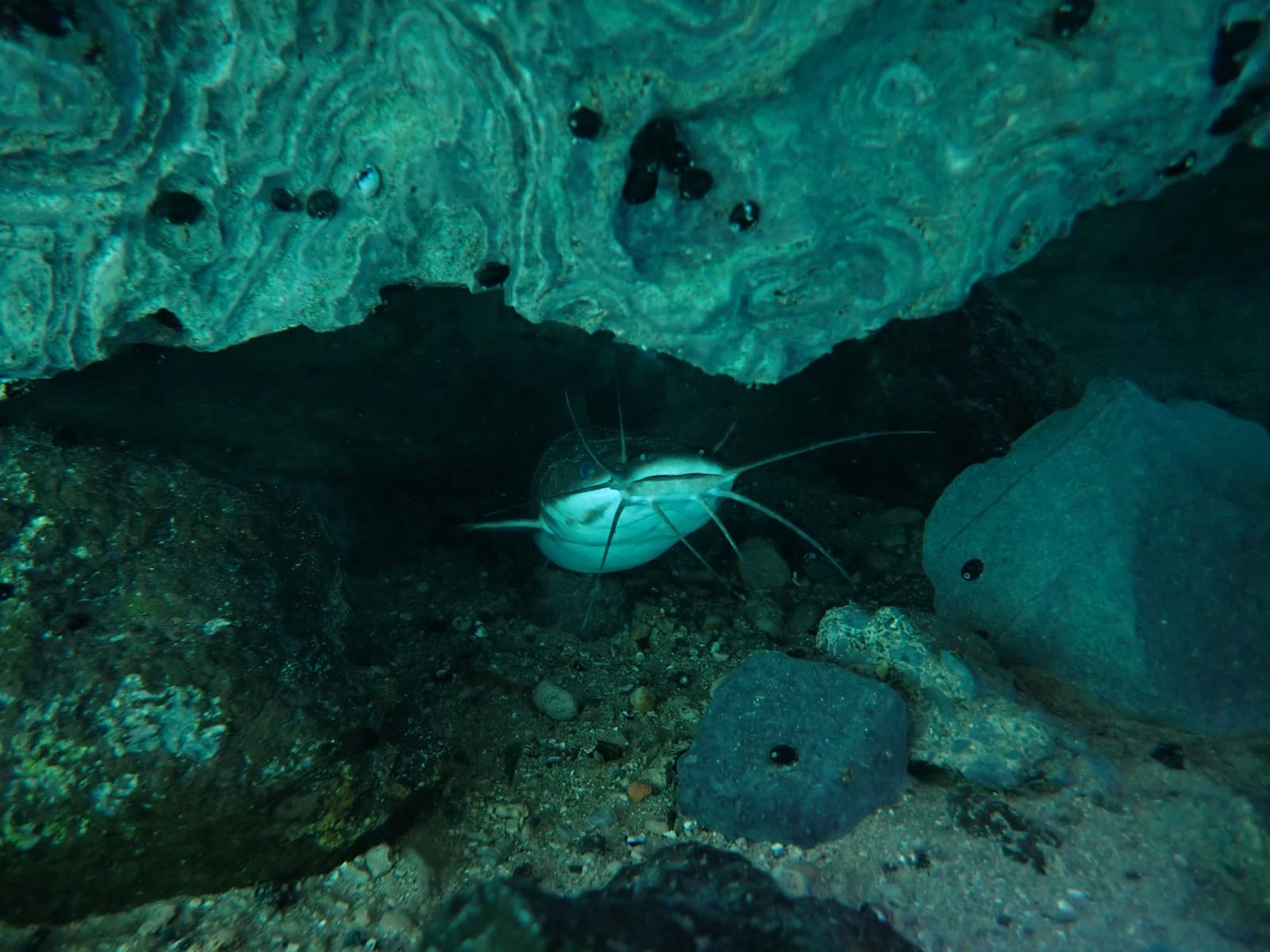
Don't underestimate the wisdom of animals.
Nature is innocent and beautiful, and encounters with animals in their natural habitat are some of the most fascinating experiences an underwater photographer can have. But alongside the excitement of documenting, it's important to remember that we are guests in their world. Animals are not a backdrop for photography, and their behavior is not always predictable or understandable to us.
There are many other cases that underwater nature photographers are well aware of, ones that end in an unusual photo, an amusing incident, or rather a significant financial loss. Experience teaches me that you need to know the animals, understand their behavior patterns, and maintain a distance and respect for their environment.
Because sometimes, precisely when it seems to us that we are just photographing nature, nature decides to check us back.
The article is cute, interesting and the photos are amazing. The catfish are very cute and when they push themselves towards your camera you see every detail and it is amazing because we usually don’t notice all their details… Your previous article about the reservoirs is very important. We have already heard about drownings in reservoirs and it is important to mention how dangerous it is (despite the temptation, really really don’t go into the reservoirs). Thank you Moti for the most interesting articles.