


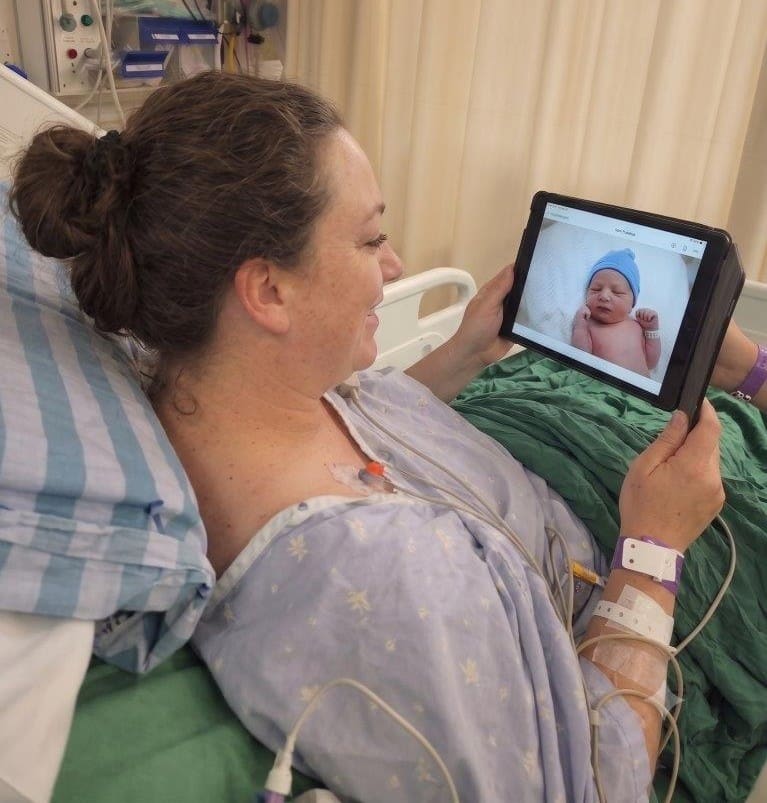
(haipo) – An emergency cesarean section often involves prolonged separation between the mother and her baby in the first hours after birth, precisely at the moments when fears and anxiety arise. At Carmel Medical Center, a system has been developed that allows mothers to watch their baby live, using a tablet placed next to their bed in the recovery room. The project was born from identifying the emotional need of mothers and combines existing technology with an adapted human response.
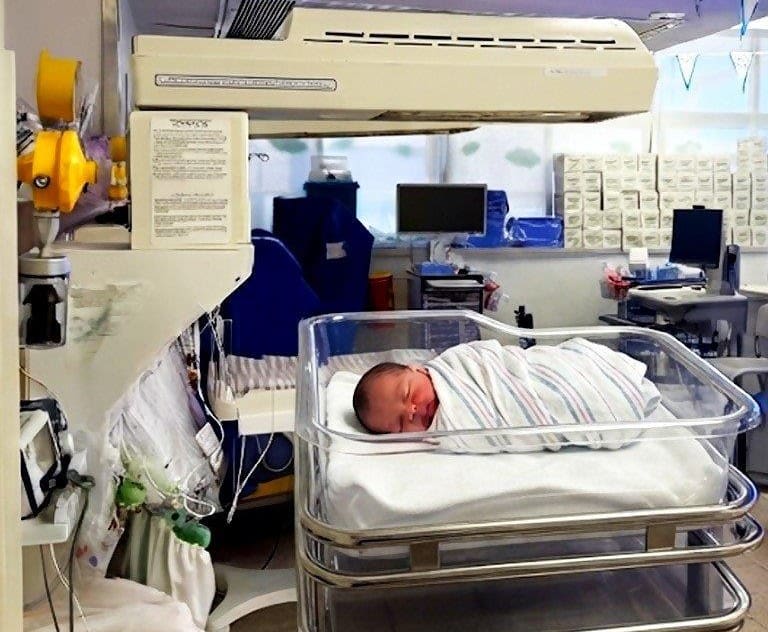
Seeing the baby even when you can't be by his side
After an emergency cesarean section, the baby may be moved to the nursery for observation and initial care, while the mother is transferred to the recovery room for medical observation. In these cases, the physical distance between the two and the need to wait until they can meet may evoke feelings of anxiety, uncertainty, and emotional distress in the mother.
To make this period easier, Carmel Medical Center developed a visual communication system that allows the mother to see her baby in real time, even when she cannot yet reach him.
An initiative born from an encounter with the plight of mothers
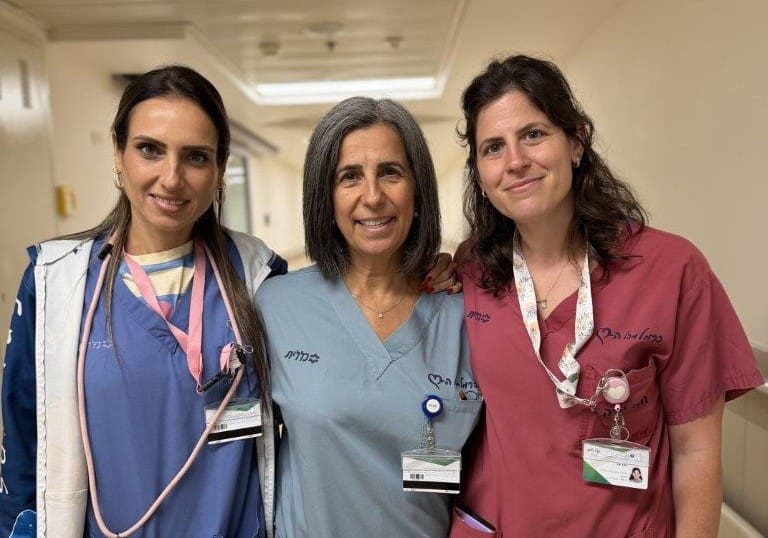
The project is led by Nika Tzur, Midwife and nurse manager in the maternal and fetal department, partner in the hospital's innovation system, and recovery nurse Rasha KhouryAccording to Tzur, the idea was born from familiarity with the difficulty women experience after emergency cesarean sections.
"The pain in women undergoing cesarean sections stood out to us due to the unexpected separation from the baby. This experience of being 'alone' after an emergency surgery is accompanied by a great deal of anxiety and stress. The feelings are very difficult, and we realized that there is a critical issue here that must be resolved," says Tzur.
The solution was developed within the hospital, in collaboration with the obstetrics, recovery, nursery, IT and maintenance teams. The system is based on a dedicated camera placed above the warming station where the baby is in the nursery. After the team verifies the baby's identity by phone, the broadcast is transferred to a personal tablet placed next to the mother's bed in the recovery room.
This way, the mother can see her baby live, even while she is under medical supervision and cannot be by his side.
Broadcasting without audio and maintaining privacy
One of the key principles in developing the system is maintaining the privacy of mothers and babies. The broadcast includes only images, without audio, and the mother can only watch her baby. The system does not allow her to watch other patients or hear what is happening in the ward.
The solution is designed to provide the mother with visual contact with the baby without compromising the privacy of other patients and their medical confidentiality.
Emotional response in the first hours after birth
Miri Yahalom, Director of Nursing in the Delivery Rooms at Carmel Medical Center, emphasizes the importance of supporting the mother in the first hours after birth.
She says that being able to see the baby may help reduce feelings of anxiety and uncertainty during separation. The visual connection may also support the initial motherhood experience, as the mother recovers from surgery and waits to meet her baby.
Also participating in the development and implementation of the project were: Eyal Kelner and Einav Ezri From the computing department, Nadia Semenya, the director of nursing in the recovery department, Vered Cohen, the nurse manager in the maternity ward, as well as the maintenance and logistics teams at the hospital.
"Sometimes simple technology can make a huge difference"
The system has been operating at the hospital for several months, and according to the project team, the mothers who used it expressed positive and excited reactions.
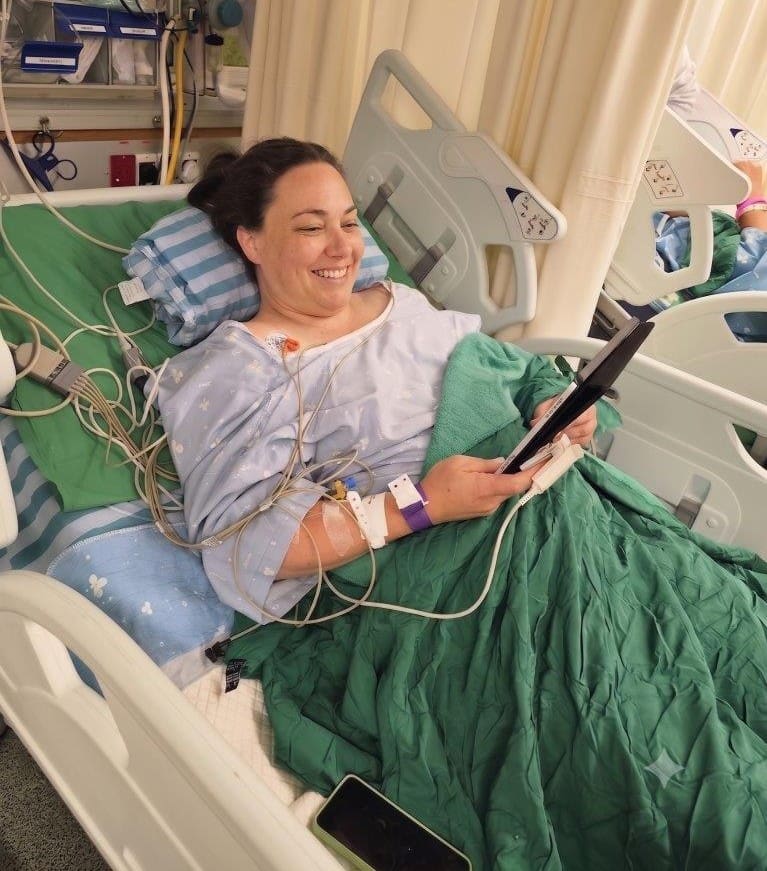
Tzur tells about one of the mothers who gave birth that she watched after connecting to the system: "I went to see a mother who had connected to the system. She smiled happily from ear to ear, it brought me real peace of mind. She told me, 'Thank you for this opportunity.' When you see a mother who looks at the screen with a smile and sheds a tear of relief, you realize that sometimes smart and sensitive use of existing technology can make a huge difference in the patient's experience."
The hospital sees the success of the project as a basis for developing additional initiatives that combine technology and respond to the human needs of patients. The idea behind it is simple: Along with medical treatment and physical recovery, the sense of security and the initial connection between mother and baby are also a significant part of the birth experience.