


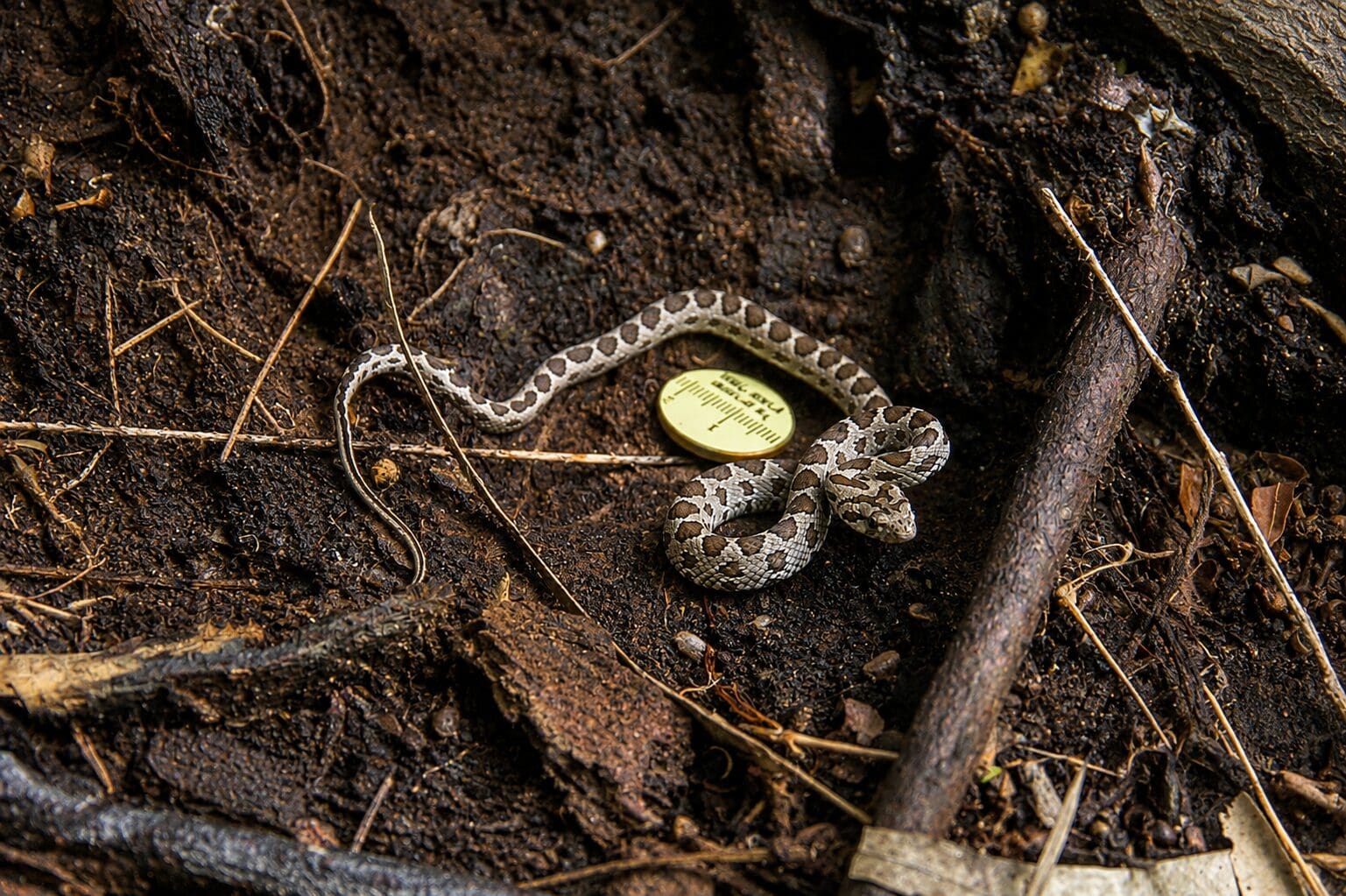
(haipo) Data from the Israel Nature and Parks Authority reveals thousands of snake trapping incidents across the country, with an increase in the number of reported incidents in recent years and a peak in activity in the spring and early summer months. In Haifa, where residential neighborhoods border wadis and natural woodlands, 173 trapping incidents were recorded in 2023–2025.
In a special interview with Chaiba, he explains. Avi Zobel, founder of the "Protecting the Reptiles of the Earth" project, why it is important to be careful of snakes, how to reduce the risk of encountering them, and why knowledge and information are preferable to fear and killing.
Between the city and nature – Haifa is one of the cities where the encounter between man and nature is particularly prominent.
6,056 snake capture incidents were recorded in Israel between 2022 and 2026, according to data collected by the Israel Nature and Parks Authority. Behind the numbers is a phenomenon that illustrates the ongoing encounter between humans and wildlife, but it is important to clarify that the data reflects capture incidents reported to the system only, and does not indicate the number of snakes actually living in Israel or the total number of encounters between them and humans.
A snake that was observed in a yard, crossed a path, or passed near a person without being caught will not necessarily appear in the data. Cases in which snakes were killed by civilians are also not necessarily reflected in the database. Therefore, although the data (below) provide an interesting picture of the extent of the catch and the changes in the number of incidents over the years, it should not be concluded from them alone that the snake population has increased.
One of the cities where the encounter between humans and nature is particularly prominent is Haifa. The city's geographical structure, where residential neighborhoods, wadis, natural woodland and open spaces are intertwined, creates many interface areas where residents may encounter snakes and other animals.
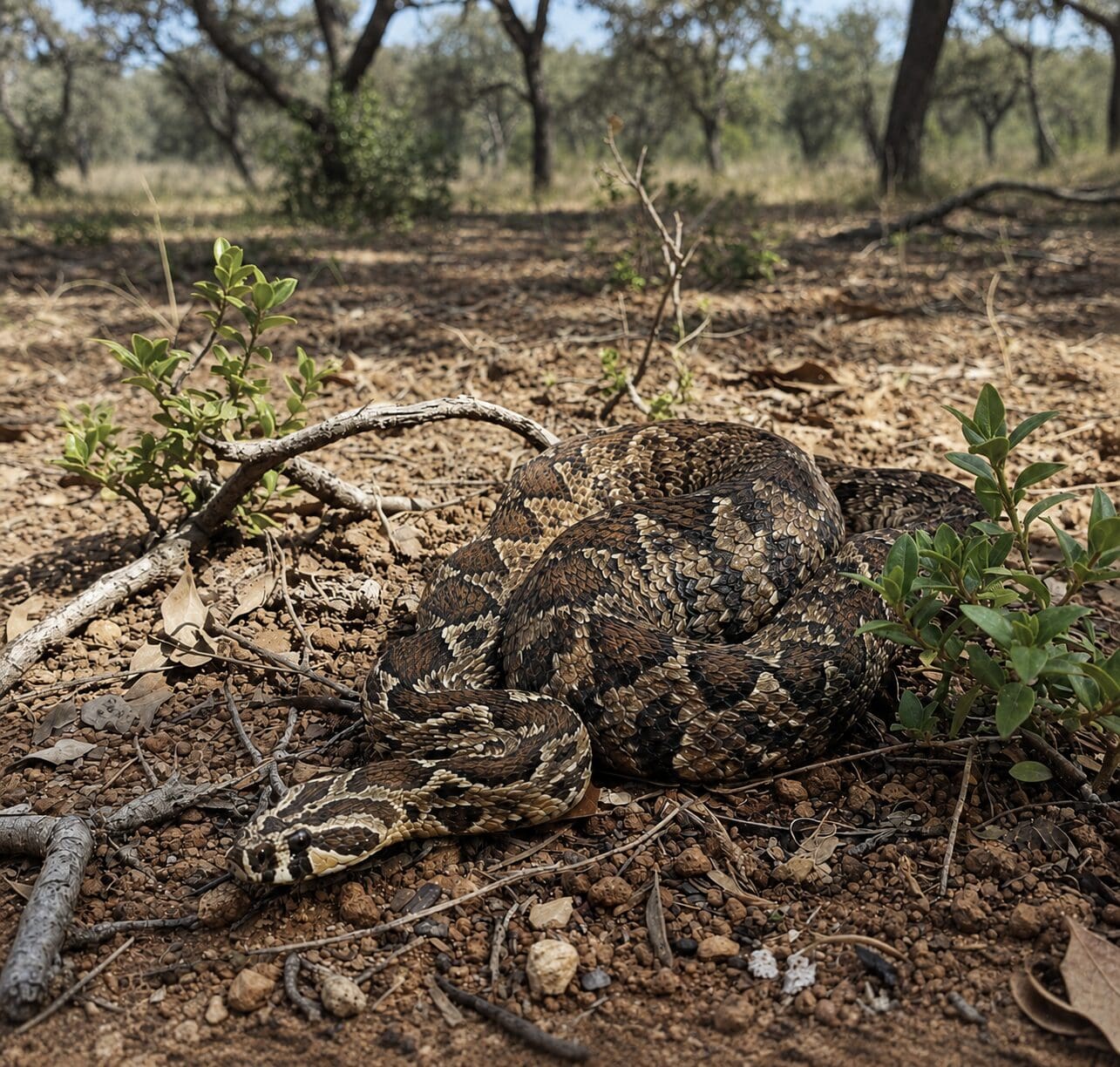
The common viper leads in the number of encounters
Among the snake species recorded in the database, the common viper stands out in particular. In the years examined, 2,404 viper capture events were recorded, which constitutes about 39.7% of all records. In second place is the gold viper, with 1,361 capture events, which is about 22.5% of the data. It is followed by the black viper, with 652 events, and the olive viper, with 376 events.
A total of 2,533 venomous snake capture events were recorded in the database. The viper alone accounted for approximately 94.9% of them, a figure that emphasizes its central place in the encounter between the public and venomous snakes in Israel. However, the number of captures does not necessarily indicate the size of the population in the wild. The scope of reports may also be affected by the availability of trappers, public awareness, and the manner in which the reporting system is used.
May and June are the peak months.
The data also indicate a clear seasonality. In May, 1,068 capture events were recorded, accounting for about 17.6% of all records, and in June, an additional 915 events were recorded, about 15.1%. Together, the two months are responsible for almost a third of all recorded capture events. The increase in spring and early summer coincides with the increased activity of snakes during periods when temperatures rise and they are more active in search of food and mates.
Alongside this, significant activity was also recorded in the fall: 655 capture events were recorded in September and 587 in October. One possibility that explains part of the increase is the appearance of young snakes that hatched in late summer and fall. The meaning for the public is clear: caution should be exercised throughout the year, and especially during periods when snakes are more active. This is true in yards and gardens, in open areas and on hiking trails.
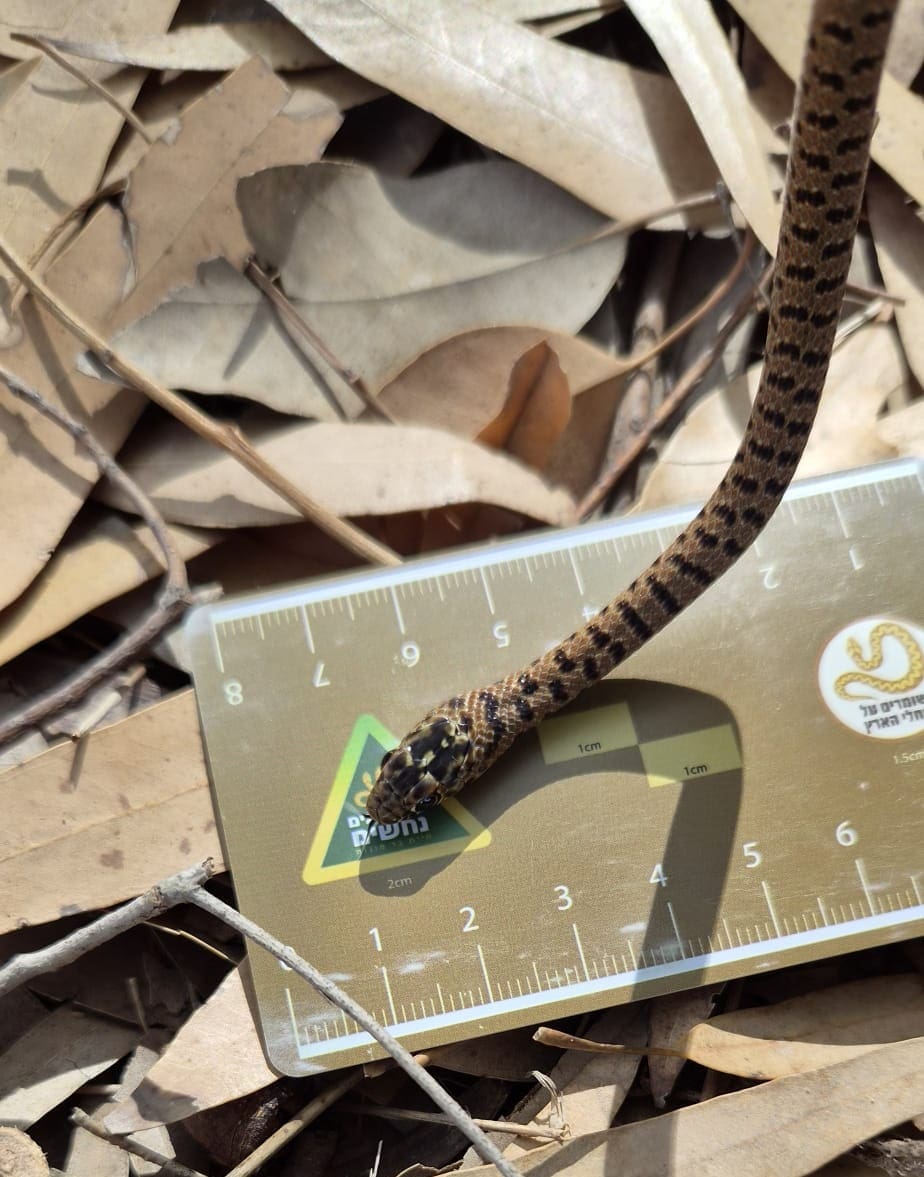
More cohesion in recent years – but are there more snakes?
The data on the cohesion indicate an increase in the number of reported incidents in the three full years examined. In 2023, 1,499 incidents were recorded, in 2024, 1,639 were recorded, and in 2025, the number reached 1,712, an increase of approximately 14.2% in two years. However, it should not be automatically concluded that the number of snakes in Israel has increased at the same rate. The increase may also be related to the scope of reporting, the number of active trappers, and the use of the system.
The data regarding bite cases also do not indicate, according to the information provided in the data examined, a parallel and clear increase in the number of cases classified as venomous snake bites. Therefore, the data provide an indication of trends in capture events, but are not sufficient alone to determine the trend in the snake population or in the total number of encounters between snakes and humans.
Haifa: 173 capture incidents in three years
In Haifa, where nature is often just a few meters away from homes, 173 snake trapping incidents were recorded in 2023–2025. The common viper was the most prominent species in the city, with 52% of the trapping incidents, followed by the common viper, with 22%. In third place, with 11%, was the wood viper, an animal that is not a snake, but a legless lizard.
The data is consistent with Haifa's character as a city where built-up areas and natural areas blend together. The edges of wadis and forests, gardens and courtyards, open areas adjacent to buildings, and places that provide shelter and food for animals are areas where snake encounters may occur.
However, the number of encounters should not be seen as a direct measure of the number of snakes in the city, and it should not be used to determine which neighborhood is more dangerous. To do this, additional detailed data is required, including the distribution of incidents by region, the extent of exposure, and information on the types of incidents.
Construction and urban development are changing the living environment
The expansion of construction into natural areas, road construction, infrastructure work and soil movement can affect the animals living in the area. When a habitat changes, snakes and other animals may seek new hiding places or move to other areas, and during such times, additional encounters with humans may occur.
The urban environment itself can also provide suitable conditions for snakes. Piles of equipment and scrap metal can create hiding places, while waste and food left outside can attract rodents, which serve as a food source for snakes. However, not every construction project necessarily leads to an increase in snake numbers or encounters. The impact depends on the nature of the habitat, the local species, the planning, and the way the interface between the built environment and nature is managed.
The challenge is not to remove nature from the city, but to reduce risks and enable safer coexistence, while preserving habitats and the ecological balance.
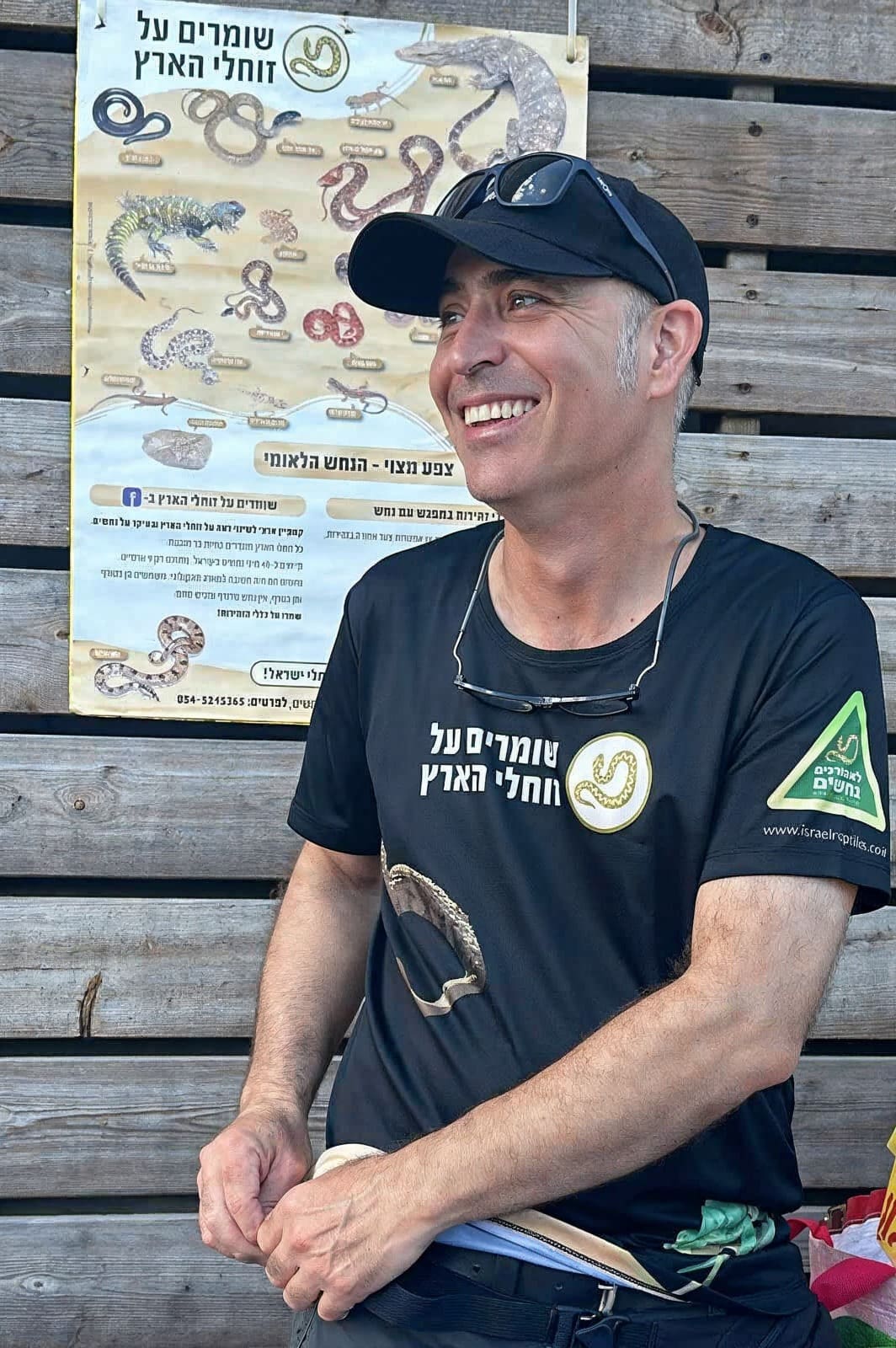
Avi Zobel: "Not every snake is dangerous and knowledge can prevent unnecessary harm"
There are 41 species of snakes living in Israel, and only nine of them are venomous, according to the data provided in the article. The common viper is the most common venomous snake in residential areas, and its bite may be a serious medical event requiring urgent treatment.
In the interview, Zobel explains that a snake does not seek out humans as prey, and in most cases will prefer to avoid encountering them. However, when it feels threatened, it may defend itself, and therefore attempting to approach it, catch it, or harm it may increase the risk. The recommendation in the event of an encounter with a snake is simple: stop, keep your distance, and allow it to continue on its way. If the snake is in the yard or around the house, keep children and pets away and call a licensed snake catcher.
You can photograph the snake for identification purposes, but only from a safe distance and without attempting to approach it. It is not necessary to identify the species with certainty to know how to act: do not touch, do not try to catch, and keep your distance. In the event of a bite or even the suspicion of a bite, seek medical attention immediately.
This is how you can reduce the risk of encountering a snake
In addition to the necessary caution during an encounter, simple steps can be taken that may reduce the chance of snakes entering yards and buildings:
- Remove piles of junk, equipment, and objects that create hiding places.
- Prevent the accumulation of waste and food left outside and deal with rodents.
- Seal openings through which animals may enter buildings and install appropriate nets in required locations.
- Use good lighting during dark hours.
- Avoid putting your hands or feet in bushes, holes, and places where you cannot see into.
- Use caution when lifting objects, stones, or equipment placed in an open area.
Zobel emphasizes that folk solutions such as lime strips, tar, or various snake-repelling materials should not be relied upon as a substitute for treating the factors of attraction, sealing openings, and proper behavior. When a snake is in a place where it may endanger people, a licensed trapper should be called to handle the incident in accordance with the guidelines.
"Don't kill snakes": Their important role in nature
Fear of snakes sometimes causes people to harm them before even finding out what species they are. According to Zobel, one of the common mistakes is to kill a snake and only then try to identify it, even though in many cases it turns out to be a non-venomous species.
Snakes play an important role in the ecosystem. The common viper, for example, feeds on rodents, among other things, and helps regulate their populations. It itself is prey for other animals, including birds, mammals, and certain snakes.
Even non-venomous species, such as the black snake, contribute to the natural balance by preying on rodents and sometimes other snakes, including venomous ones. Systematic harm to these animals can affect the entire food web. Therefore, nature conservation cannot be based solely on our attitude towards animals that we love or feel comfortable around.
From National Snake to International Toad Day
Zobel's advocacy work also includes an initiative to choose Israel's national snake, which he founded in 2018. At the end of the process, the public chose the common viper. According to him, the idea was born out of frustration over repeated cases in which people killed snakes and only later sought to find out if they were venomous. The message "We Don't Kill Snakes" was developed out of a desire to change the phenomenon, and later the "Protecting the Reptiles of the Land" project was born.
For him, choosing the national snake was a means to advance a broader goal: making knowledge accessible, reducing unfounded fear, and directing the public toward safe and respectful behavior toward wildlife.
In 2026, Zobel also founded International Toad Day. Toads, like snakes, suffer from a negative image and myths, even though they play an important role in the ecosystem and feed on many invertebrates. The initiative aims to raise awareness of toads, amphibians and the importance of wetlands, while encouraging environmental education, research and public engagement.
According to Zobel, he has seen a positive change in the public's attitude toward reptiles and amphibians in recent years, mainly thanks to accessible information, activity on social media, and communities that deal with the field. However, he emphasizes that this is an impression from his experience and not the result of a national survey, and that fear, myths, and harm to animals still exist.
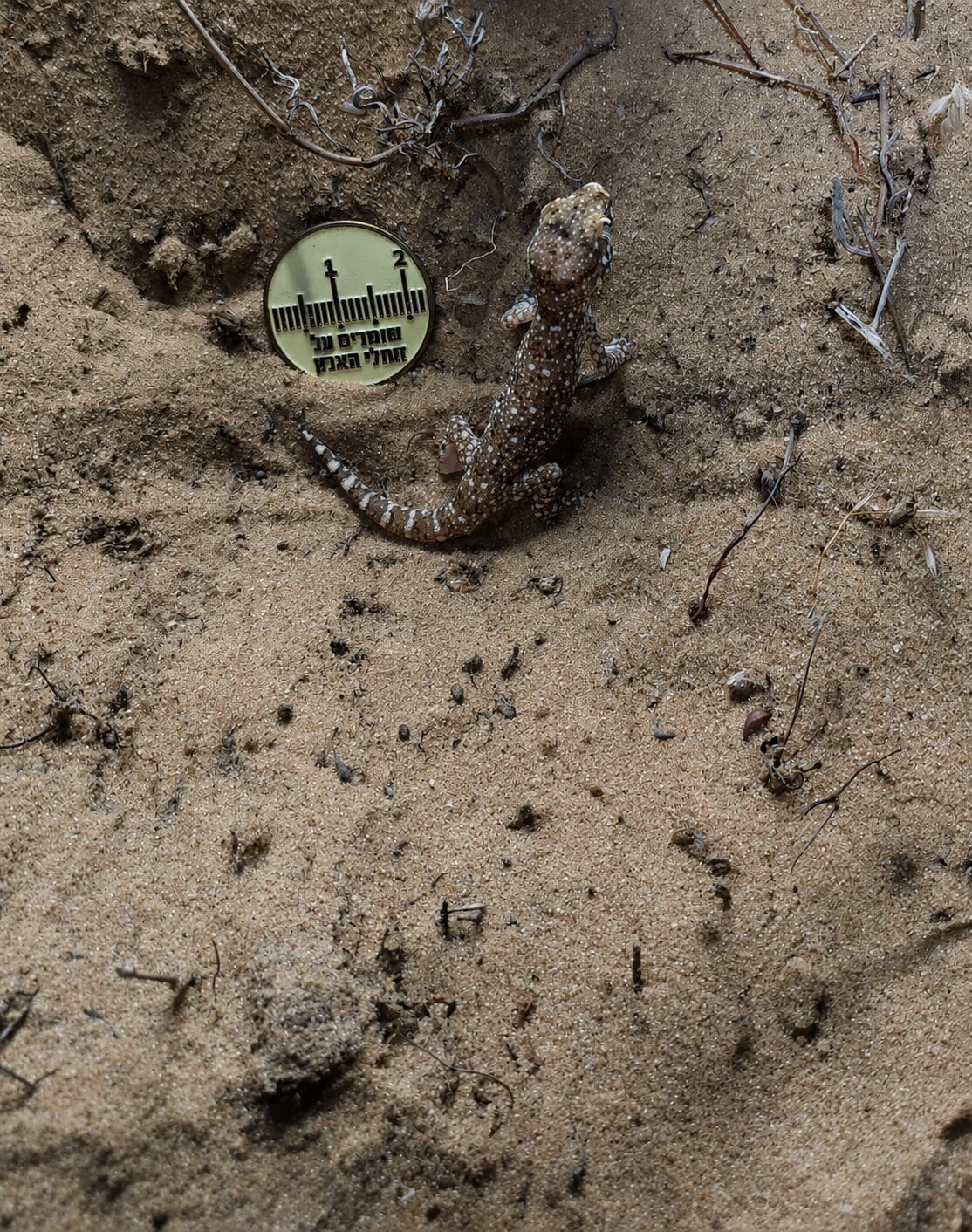
The public can be a partner in nature conservation
Beyond reducing harm to animals, the public can also contribute to the collection of scientific information. Observations, photographs, and reports that are collected in an orderly manner and examined by professional sources may help to understand the distribution of species, seasonality, and patterns of encounters with wild animals. In this way, a chance encounter with a snake can be turned into an opportunity to learn and contribute to knowledge about local nature. Instead of acting out of panic, you can keep your distance, document safely, and pass the information on to a professional.
Zobel emphasizes that education is not a magic bullet, and he has no data proving that increased awareness has already led to a decrease in the amount of harm to reptiles. However, in his experience, more people are learning to identify snakes, understanding how to deal with them, and trying to calm others instead of encouraging fear responses.
Living together begins with knowledge and responsibility.
Snake entrapment data in Israel illustrates the scale of reported incidents and the importance of understanding the encounter between humans and wildlife. In Haifa, where residential neighborhoods and natural areas are intertwined, the challenge is particularly pronounced and requires a combination of personal caution, environmental management, and public education.
At the home level, it is possible to reduce hiding places, prevent attracting rodents, and seal openings. At the neighborhood and city level, it is important to preserve habitats and properly plan the interface between construction and open spaces. In addition, information is needed in schools, among authority employees, and through clear signage in parks and areas where encounters with snakes occur.
The message is not that the public should ignore the danger: venomous snakes require caution, and any fear of being bitten is a medical emergency. But fear does not have to lead to harm to the animals.
They know each other, keep their distance when necessary, don't interfere, and don't kill. This is the way to turn an encounter with a snake from an event of panic into an opportunity for responsible behavior, and to maintain the balance between life in the city and the surrounding nature.
Fascinating! Thanks for the effort.