


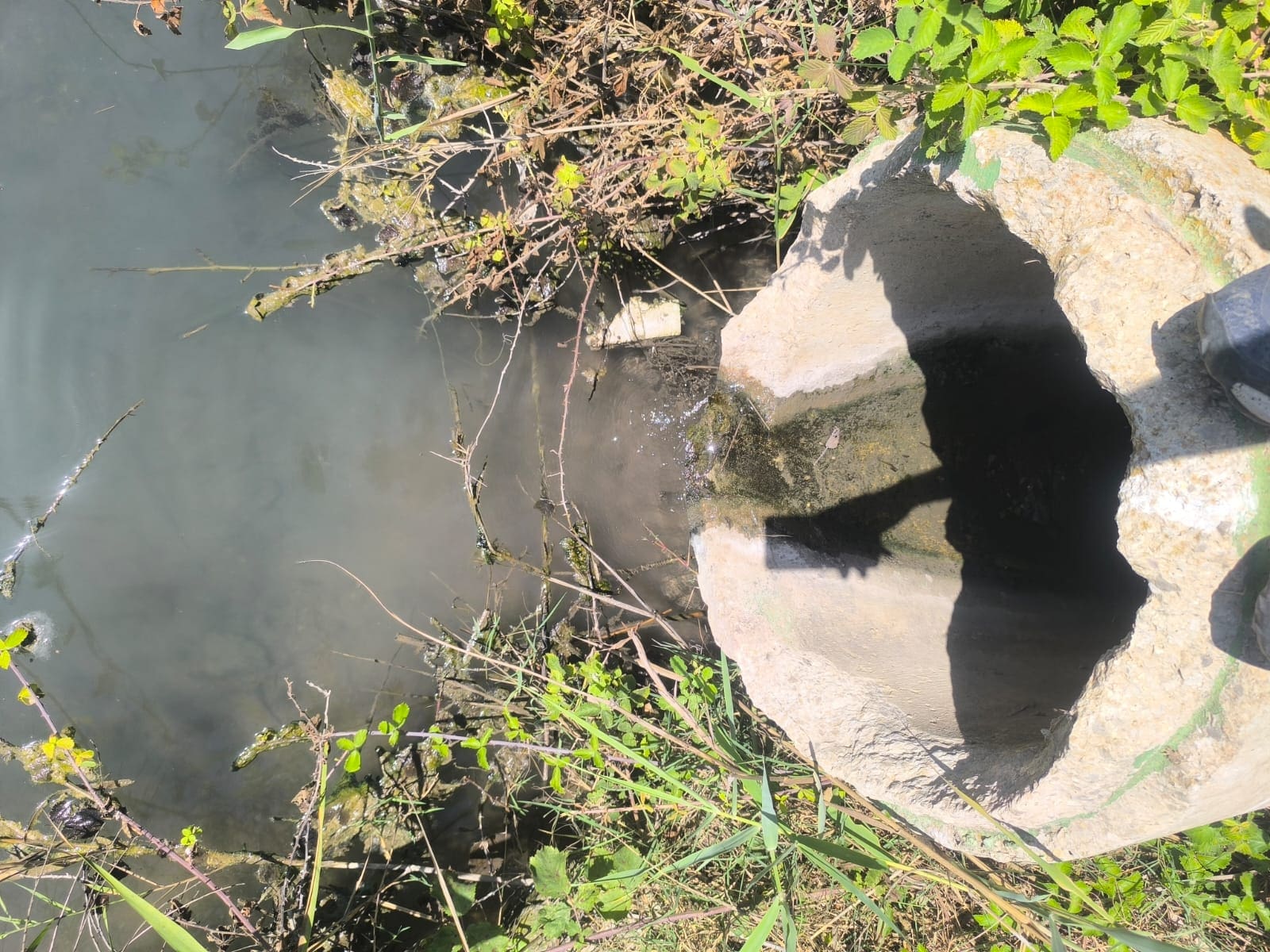
(haipo) About two years ago, an ambitious plan was presented to improve the water quality in the Saadia River in Haifa, which was intended to be carried out in four stages and gradually lead to regulating the flow of water in the river to the sea. In practice, the first stage was completed, but since then, according to river activists, there has been no significant progress in the subsequent stages. At the same time, a budget of hundreds of thousands of shekels designated for environmental education activities has not yet been used, as far as is known.
The Saadia Stream, one of the tributaries of the Kishon River, is the Eitan Stream that flows at the foot of Mount Carmel and crosses one of the busiest and most bustling areas in Haifa Bay. Alongside roads, commercial centers, and industrial plants, the stream constitutes a unique green island and a habitat for a variety of animals and plants. However, the water condition in the stream and the flow affected by various sources have become a significant environmental issue over the years. About two years ago, a plan was launched to improve the quality of the water in the stream and regulate its flow through a series of works, which are to be carried out in four phases.
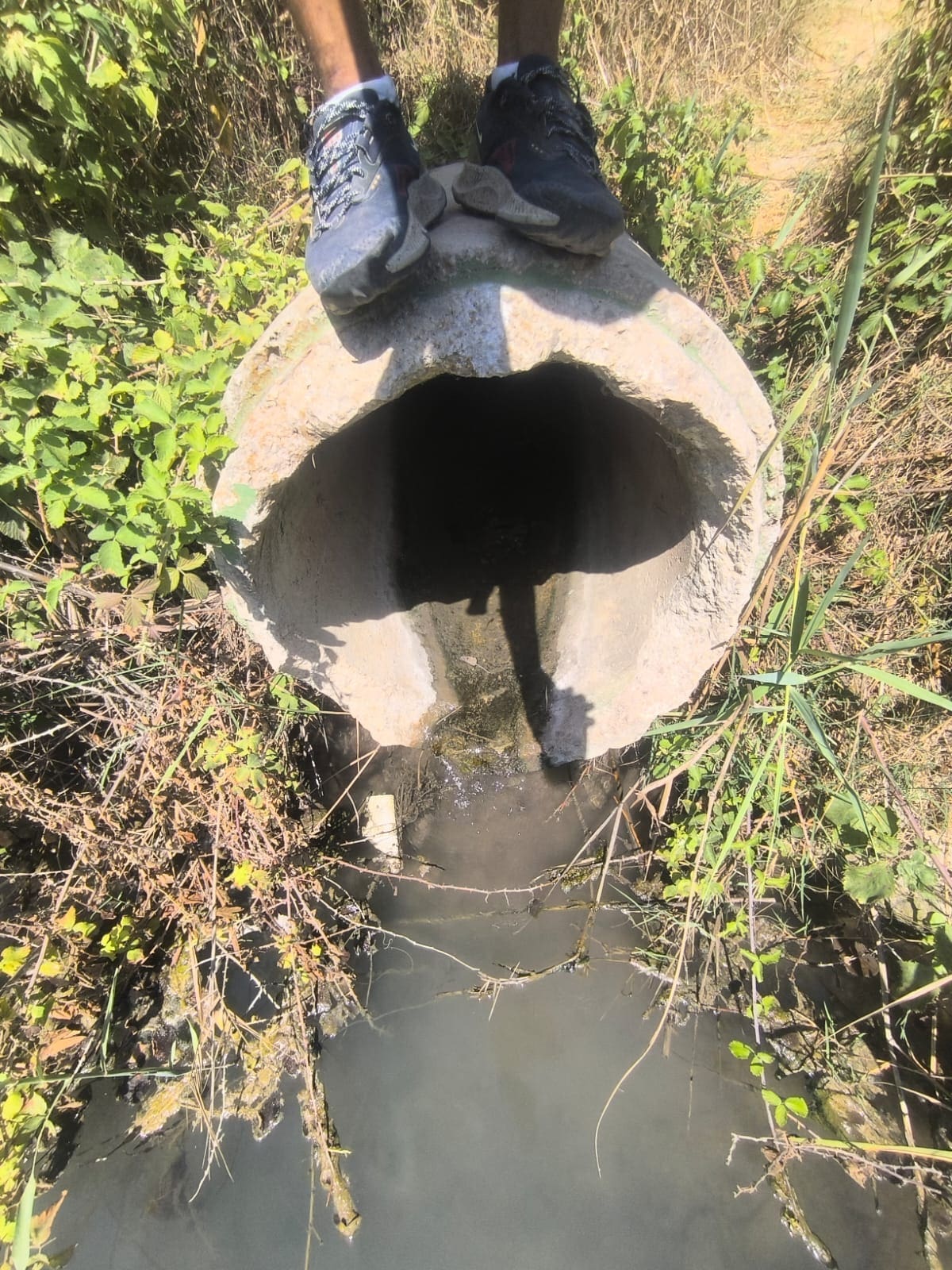
The first phase of the plan included the construction of a summer water pumping station. This phase was completed, but since then, the plan has not progressed to the next phases at the expected pace. According to the plan, the second phase is to include a bypass that will connect Springs 1 and 2 to Spring 3. This is a move designed to regulate the flow and route the water in a way that will prevent the continuation of the existing problems along the stream's route.
In the third phase, the bypass is supposed to continue from Spring 3 to the point where sewage water currently flows. The fourth and final phase is supposed to complete the move and lead the system to the sea.
In other words, the plan is actually supposed to create a continuum of treatment and regulation from the springs upstream of the stream, through the area where sewage currently flows, to the connection of the stream to the sea. However, between the completion of the first phase and the implementation of the subsequent phases, a pause occurred that raises questions about the continued advancement of the plan and the timetable for its implementation.
A budget for environmental education is also pending.
Alongside the physical rehabilitation plan, a budget of 300 shekels was also allocated for environmental education activities on the Saadia Stream. The goal of this type of activity is to connect the public to the stream and its natural values, to increase awareness of the importance of preserving it, and to transform the stream from a point on the fringes of public consciousness into an urban natural resource that is familiar to residents of Haifa and the region.
However, here too, the money has not yet been translated into activity on the ground. To date, as far as they know, no activity has taken place within the budget allocated to the subject. This means that it is not just a question of infrastructure work. The rehabilitation of the Saadia Stream should also include a change in the public attitude towards the stream, recognizing it as an important habitat and as an urban natural space that must be preserved over time.
A corner of nature in the heart of Haifa Bay
The Saadia Stream is a perennial stream, meaning a stream in which water flows year-round. It flows at the foot of Mount Carmel, including in the Check Post area, and is considered one of the tributaries of the Kishon River.
Despite its location in the heart of a commercial and industrial area, the banks of the stream and the areas surrounding it create a rich ecosystem. A variety of animals and plants can be found in the area, including marsh turtles, white-breasted kingfishers, sedge warblers, river frogs and other species. The contrast between the urban environment and the local nature is particularly striking: on the one hand, major traffic routes, commercial centers and industrial areas; on the other, a water channel, vegetation and animals that exist there. For environmental activists, this is exactly what makes the Saadia Stream an urban natural asset that is worthy of investment and restoration, and not an area that can be ignored because of its location in the industrial area.

"You can't be satisfied with the first stage"
Eric Drobert, Saadia Stream Operators, is monitoring what is happening in the river and warns of the gap between the presented plan and the actual progress. According to him, the mere implementation of the first phase is an important step, but it is not enough to complete the promised move.
"The first phase has been carried out, but the plan cannot stop there. A four-phase plan was presented, which was ultimately intended to regulate the flow of water in the stream and reach the sea. We want to see the next phases get underway and not settle for partial work."
Drobert adds that the issue of environmental education is also of great importance, especially in a stream located in the heart of an urban and industrial area. "Saadia Stream is a natural gem located in the heart of a very busy area. There are animals, vegetation and an entire ecosystem here. If a budget of 300 shekels has been allocated for environmental education, we expect to see actual activity. The public needs to get to know the stream and understand why it is important to preserve it."
It is important to note that City Council member Sally Abed submitted a question on the subject at the last City Council meeting.
Haifa Municipality has not yet given a response.
The Haifa Municipality has taken care of the Saadia Stream, and in its opinion, with great success.
It approved a construction plan that destroys the stream and moves it to an artificial canal that will be dug close to the road, so that the stream area will be designated for industrial construction. Truly the "final solution" for the stream. It should be noted that the chairwoman of the subcommittee, Sarit Golan, is aware of the expected plan, but so far she has not been able to stop or change it.