



(haipo) Summer brings with it vacations, entertainment, trips, and extended stays outside the home, but along with the enjoyment, it is also accompanied by an increase in the incidence of illnesses typical of the season. Exposure to extreme heat, dehydration, food that is not stored in appropriate conditions, insect bites, and staying in closed, air-conditioned places can all lead to medical problems, some of which even require hospital treatment.
Dr. Salim Halabi, Director of the Department of Emergency Medicine at Carmel Medical Center, explains in an interview with Ha'ifah what the main health dangers of summer are, who is in the risk groups, and what simple precautions can help get through the hot season safely.

Heat exhaustion and heat stroke are not the same thing.
"One of the main dangers in the summer is exposure to extreme heat, which leads to an increase in the number of people visiting emergency rooms every year," says Dr. Halabi. "Heat exhaustion is caused by prolonged exposure to a hot environment and is manifested by fatigue, weakness, dizziness and dehydration. In most cases, treatment includes cooling the body, rest and giving fluids, and after recovery and normal urine output, the patient can be discharged home."
Heatstroke, on the other hand, is a life-threatening medical condition that requires immediate treatment. It is characterized by a significant increase in body temperature, rapid pulse, decreased blood pressure, signs of dehydration, and sometimes decreased consciousness or loss of consciousness. "Patients suffering from heatstroke need urgent medical treatment, and in many cases, hospitalization," emphasizes Dr. Halabi.
To reduce the risk of heat exhaustion and heat stroke, Dr. Halabi recommends drinking plenty of fluids throughout the day, even when you don't feel thirsty, avoiding prolonged exposure to the sun, especially between 10:00 AM and 16:00 PM, staying in shaded or air-conditioned places as much as possible, and avoiding physical exertion during hot hours. He says that the elderly, young children, and those with chronic illnesses should take extra caution, as they are at higher risk of developing heat complications.

Food contamination – the risk increases in the summer
Dr. Halabi warns that the summer months also see an increase in cases of foodborne infections, due to the high temperatures that encourage the growth of bacteria when food is not properly stored or cooked.
"Among the common bacteria are Salmonella, which can cause inflammation of the digestive system, manifested by diarrhea, abdominal pain, vomiting and fever. E. coli, which can cause intestinal infections and sometimes even serious illness, and Campylobacter, which can cause diarrhea, sometimes even bloody, abdominal pain and fever. In some cases, patients require hospitalization and even antibiotic treatment," he explains.
To reduce the risk of food contamination, Dr. Halabi recommends washing your hands before preparing and eating food, cooking food thoroughly, avoiding leaving food out of the refrigerator for long periods of time, and keeping food refrigerated and stored at the appropriate temperature.
Diseases transmitted by insects and stagnant water
The risk of insect-borne diseases and snake and scorpion bites also increases in the summer. Dr. Halabi explains that ticks may transmit Lyme disease, which manifests itself in, among other things, fever, rash, and sometimes muscle and joint pain. To reduce the risk, it is recommended to wear long clothing and closed shoes when hiking in the field, and to use insect repellent.
He also warns against stagnant water, which can serve as a breeding ground for insects and a source of various diseases. "You should avoid entering or drinking from stagnant water bodies," he says. As for snakebites and scorpion stings, Dr. Halabi emphasizes that in the event of an injury, you should avoid moving the affected limb as much as possible, do not try to suck out the venom or make cuts on the site, and seek medical treatment as soon as possible.
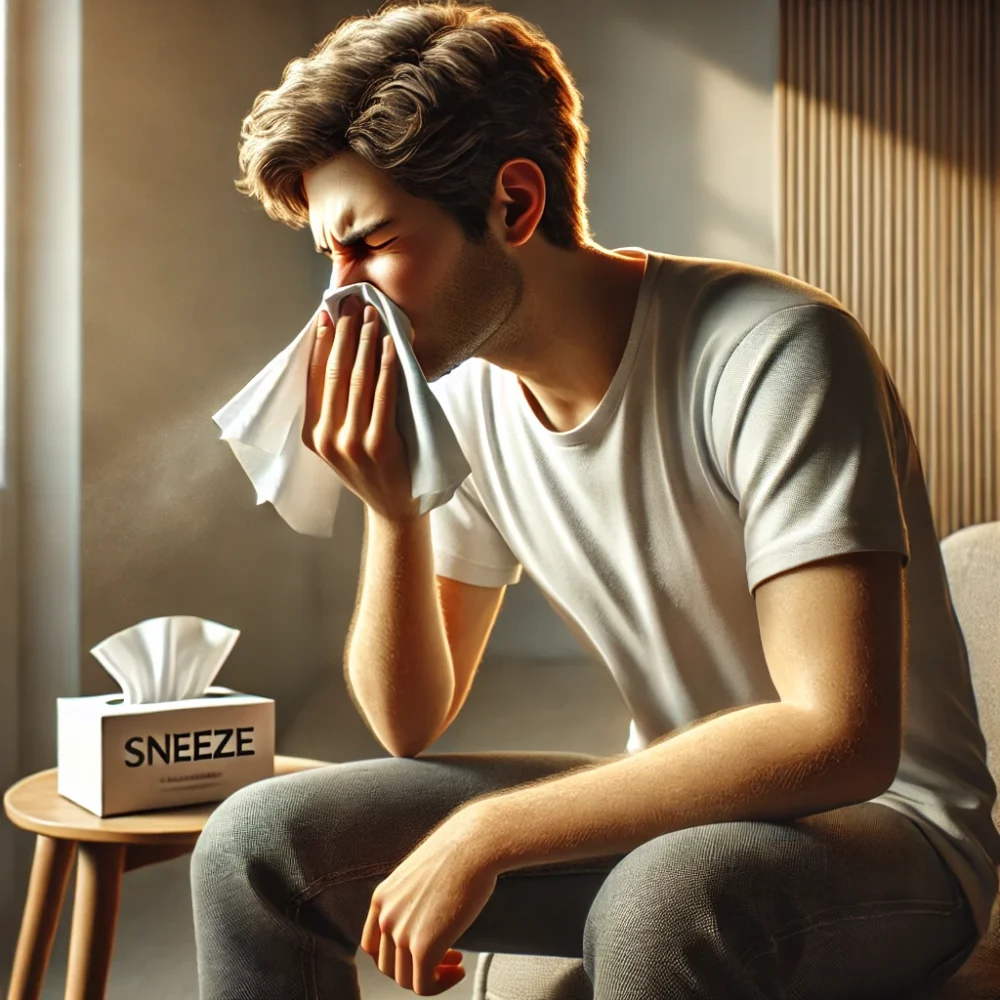
Respiratory diseases and coronavirus are still here
Despite the hot weather, many cases of respiratory infections are recorded even in the summer months. Dr. Halabi explains that rhinoviruses and other viruses continue to be common this season, especially among children. "Symptoms can include a runny nose, cough, sore throat and sometimes diarrhea or ear infections," he says. According to him, classes, summer camps and staying in closed, air-conditioned places increase the risk of infection, as viruses are easily transmitted through close contact and crowded places.
Dr. Halabi mentions that the coronavirus is also still circulating. "We continue to see patients who come in with coronavirus, some with severe symptoms. Whenever symptoms of a respiratory illness appear, it is recommended to stay home as much as possible, practice hand hygiene, and avoid contact with others to reduce the risk of infection."

sunburn
Prolonged exposure to the sun during the summer months can cause burns of varying degrees and even cumulative damage to the skin. "We also encounter patients who arrive at the emergency room with 2nd and even 3rd degree sunburns, following prolonged exposure to the sun's rays," says Dr. Halabi. To prevent this type of damage, it is recommended to avoid prolonged exposure to the sun, especially during hot hours, use sunscreen with an appropriate sun protection factor, wear a hat, wear protective clothing and make sure to drink enough.
Dr. Halabi emphasizes that the elderly and people suffering from chronic diseases are at increased risk of developing complications following exposure to heat and sun, and therefore they should take extra caution.

Elderly and chronically ill people – a population at increased risk
In people aged 65 and over, and especially in people suffering from chronic diseases, the intense heat can cause significant dehydration and disturbances in the balance of the body's systems. "At these ages, the body has more difficulty coping with heat stress, and dehydration can lead to an increase in blood viscosity and increase the risk of heart attacks and strokes," explains Dr. Halabi.
He said that it is important for this population to drink enough water throughout the day, even without feeling thirsty, to stay in air-conditioned places as much as possible, to avoid physical exertion during hot hours, and to take extra caution during periods of heat stress.

Snake and scorpion bites
During the summer months, there is also an increase in cases of snakebites and scorpion stings, especially during trips, stays in the field, and work in gardens or open areas. Dr. Halabi emphasizes that in the event of a bite, it is important to act correctly: "You should avoid moving the affected limb as much as possible, do not try to suck out the venom, and do not make cuts in the bite area. You should seek medical treatment as soon as possible, as quick and proper treatment can prevent significant complications."
Summer is a season of entertainment, trips and vacations, but also a period when it is important to follow safety rules:
- Drink sufficient amounts of water throughout the day.
- Avoid prolonged exposure to heat and sun.
- Stay in shaded or air-conditioned places.
- Maintain hand hygiene.
- Ensure proper storage and cooking of food.
- Wear appropriate clothing when hiking in the field and beware of insects, snakes, and scorpions.
Adhering to these simple rules can significantly reduce the risk of illnesses and injuries typical of the summer season, and allow you to enjoy your vacation safely.
Did the article interest you?