


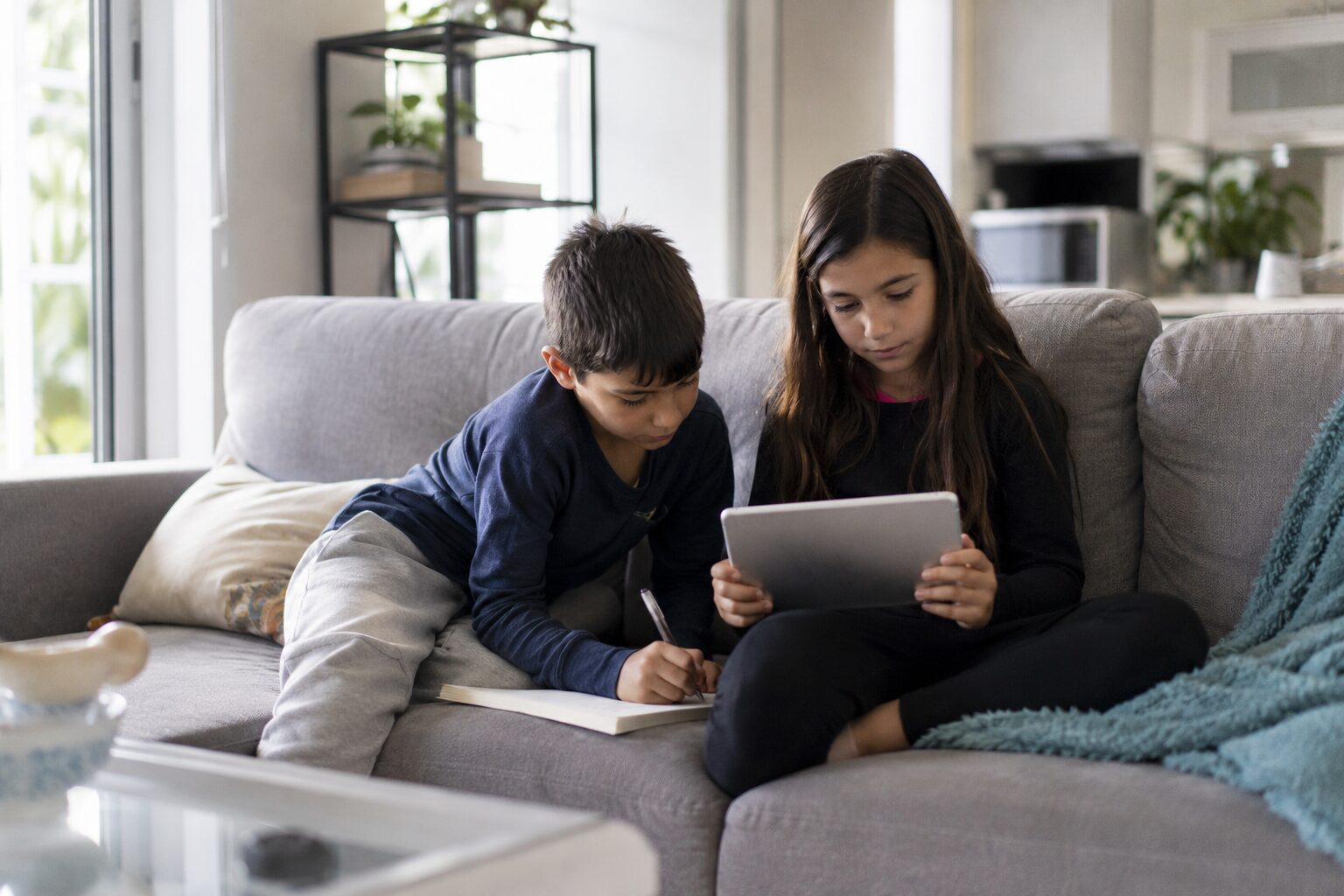
(haipo) Summer vacation is just around the corner, children are growing up, becoming more and more independent, and the dilemma is recurring in almost every home. Is it possible to leave children alone at home, and for how long? On the one hand, the desire to encourage independence and self-confidence, and on the other, the natural concern for their safety. So what does the law say in Israel, what is recommended, and what preparations are important to make before leaving the house? Every year, the Ministry of Health publishes guidelines designed to help parents make an informed and safe decision.
Independence is not always a measure of maturity.
Quite a few children demonstrate responsibility, maturity, and independence at a young age. They know how to prepare their own food, keep themselves busy, and even handle daily tasks without help. However, experts emphasize that independence does not necessarily indicate the ability to deal with emergencies, unexpected dangers, or make decisions under pressure. Therefore, the law in Israel states that it is forbidden to leave a child under the age of 6 without proper supervision, even if it is only for a short period of time and even if the child appears mature for his age.
At what age can children be left alone?
Ministry of Health experts emphasize that the decision to leave a child home alone does not only depend on their age, but also on their level of maturity and personal ability to deal with different situations. However, there are clear recommendations according to the children's developmental stages: Until age 6 Children should never be left unattended, as they are unable to identify dangers and respond to them safely.
Ages 6–9, Even if the child demonstrates responsibility and maturity relative to his age, it is recommended not to leave him alone at home due to difficulty in dealing with emergencies or unexpected events. Ages 9–12 Children can only be left alone for very short periods of time, while exercising discretion and taking into account their level of personal maturity.
From the age of 12 and over It is possible to leave children alone for longer periods of time, but even then it is important that the decision be made according to the child's level of responsibility, sense of competence, and security, along with maintaining continuous contact with the parents during the absence.
Age is not the only factor
The Ministry of Health emphasizes that, beyond age, it is important to examine whether the child feels comfortable being left alone. Staying home should be agreed upon with them, after an open conversation, coordination of expectations, and appropriate preparation. A child who is afraid or anxious about being left alone may experience the situation negatively, even if, given his age, he is already capable of it.
Start gradually.
For many parents, the transition to leaving children alone at home is a significant step. After years in which children were under the supervision of adults - parents, grandparents, family members or babysitters - it is not easy to let go. Even for the children themselves, it is a new and sometimes challenging experience. Therefore, the recommendation is to start gradually. First, leave the house for short periods of time, fifteen minutes or twenty minutes, and later extend the duration of the absence according to the feeling of security of all parties.
Five things you must do before leaving home
- Make sure children know how to communicate – Children need to know how to reach their parents at any time. It is recommended to practice different scenarios with them and make sure they know what to do in the event of a problem or concern.
- Make the house safe – It is recommended to turn off the gas tap before leaving, keep hazardous materials and medications out of reach of children, and ensure that potentially dangerous devices are not accessible. In addition, it is advisable to install smoke detectors and leave emergency phone numbers in a prominent place.
- Check that they are able to manage on their own – Before leaving a child alone, it is important to make sure that he is able to take care of his basic needs – eat, drink, use the phone, and keep himself busy in a safe way.
- Remind yourself of online safety rules – Many children spend their time in front of a computer, tablet or mobile phone. It is important to refresh the rules of safe use of the Internet and remind them not to share personal information and not to contact strangers.
- Prepare them for emergencies – Children need to know what to do in the event of a power outage, fire, an alarm, or a stranger knocking on their door. Early practice can reduce stress and help them make the right decisions in real time.
It's always a good idea to have a "backup plan"
Even when everything seems ready, it is a good idea to have an alternative available. A close neighbor, relative, or family friend who is in the area and can arrive quickly if necessary can provide great reassurance to both parents and children. In addition, it is recommended to prepare in advance everything the children will need during their absence: a ready-made meal, drinks, games, or activities. At younger ages, it is better to leave food that does not require heating.
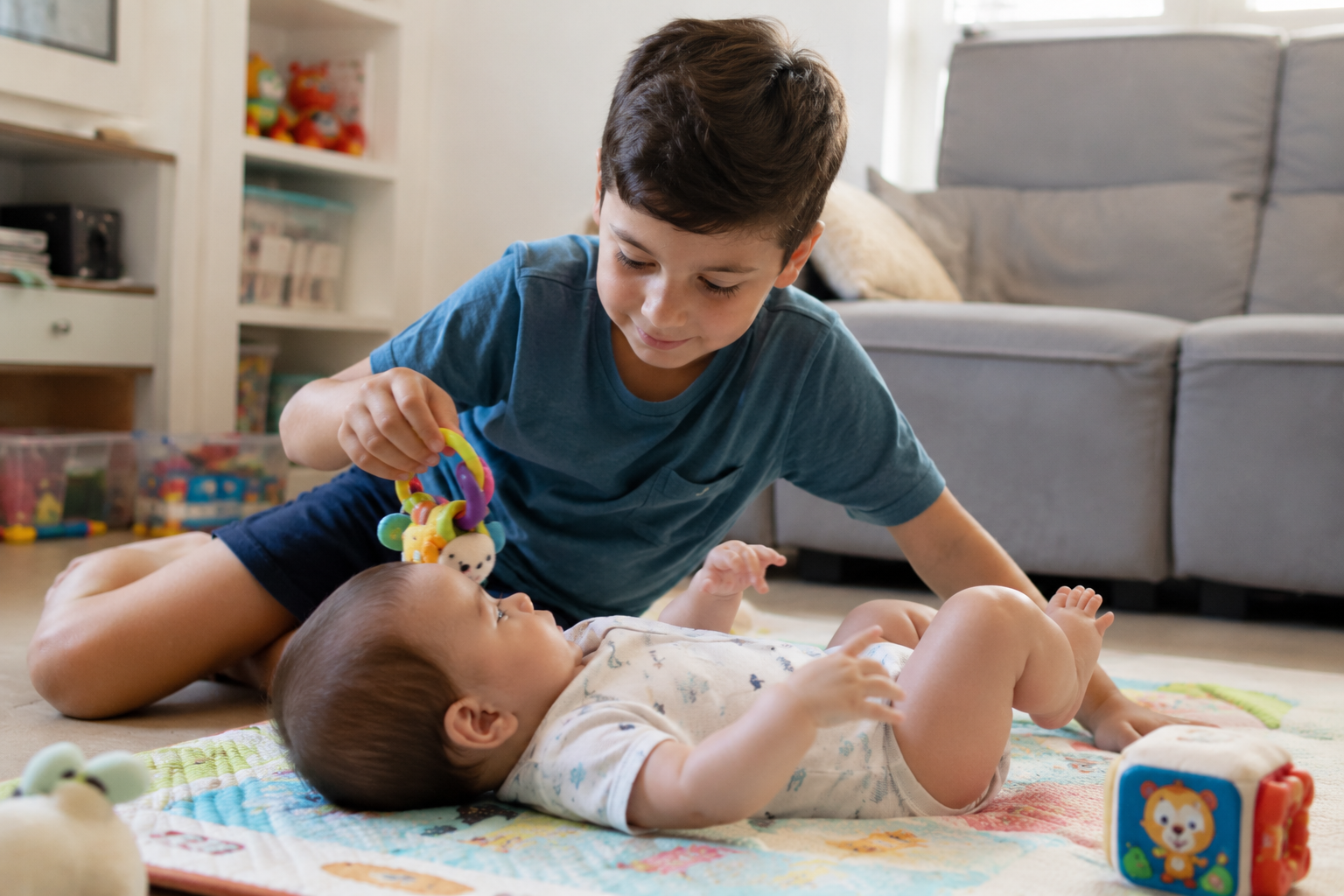
And what about looking after younger siblings?
According to the recommendations, children over the age of 12 can look after younger siblings, as long as the younger siblings are over the age of two. Children over the age of 14 can also look after babies, but only for short periods of time. However, the responsibility is not simple. Before assigning such a role to a child, it is important to explain to them the meaning of the responsibility, instruct them on how to act in emergency situations and make sure they understand what is allowed and what is not allowed for young children to do.
It is also recommended to encourage joint activities between siblings and emphasize that younger siblings should not be left unattended, not even for a moment.
The bottom line
The question "Can children be left home alone?" does not depend only on age. It combines personal maturity, a sense of security, the ability to deal with unexpected situations, and proper preparation of the home environment. The more gradual the transition is, with open dialogue and advance preparation, the more children can be allowed to develop independence safely and give parents a little more peace of mind during the summer vacation.
Did the article interest you?