

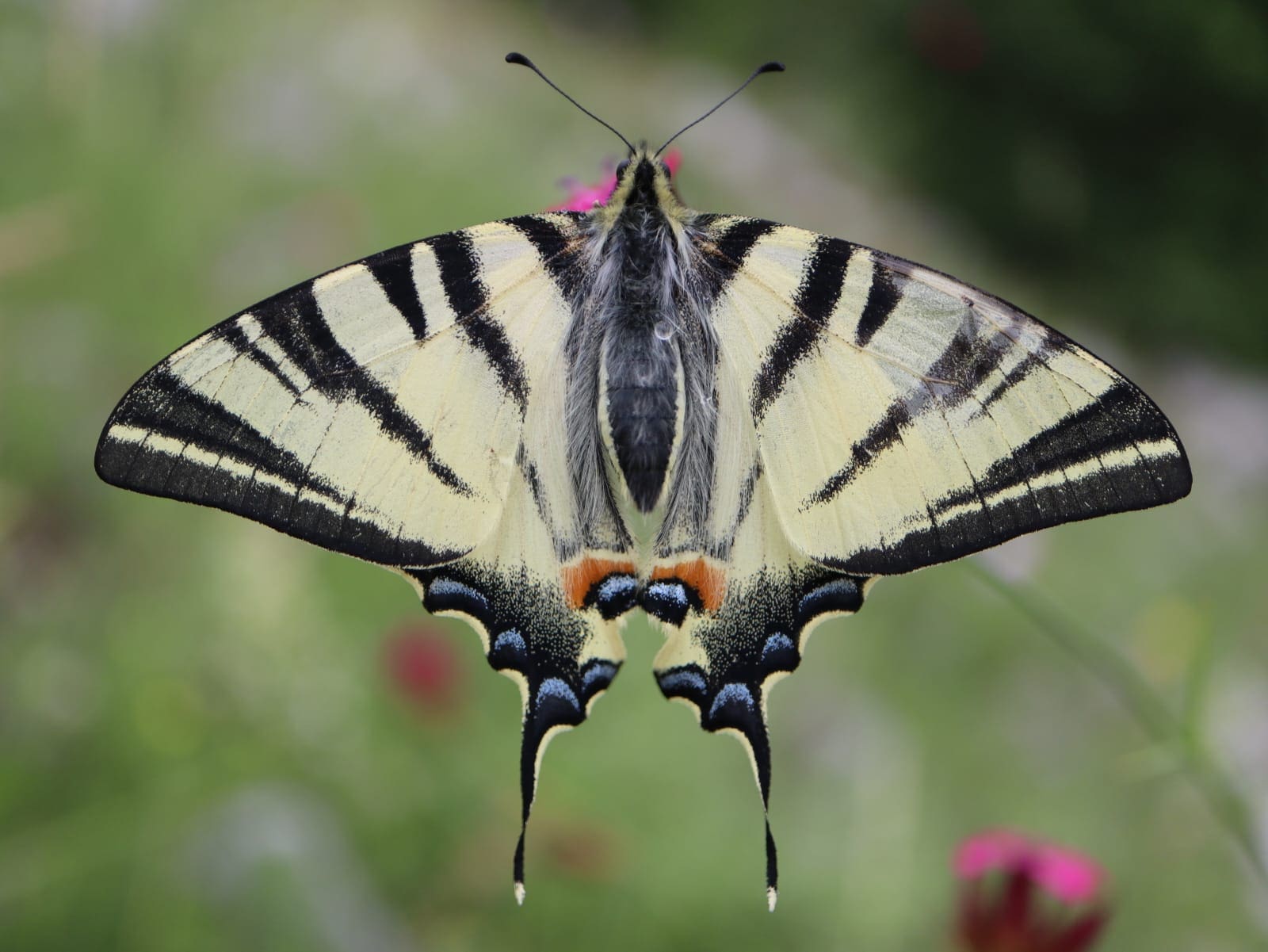
For the first time in Israel, a worrying picture is being revealed about the state of today's butterflies, one of the most sensitive and important groups of insects in the ecosystem.The Red Book for butterflies today", published on Tu B'Shvat by the Nature and Parks Authority, the Butterfly Enthusiasts Association, the Steinhardt Museum of Natural History, and the KKL-JNF, presents alarming data: three species have already become extinct, dozens more are in serious danger of extinction, and only a minority are considered safe.
The numbers behind the wings: A third of species are endangered
Of the 156 butterfly species documented in Israel:
- 3 species became extinct
- 12 species in serious danger of extinction
- 23 species in danger of extinction
- 22 additional species – their future is in danger
- Only 63 species are considered safe
- Regarding the other species – there is not enough information to assess their status.
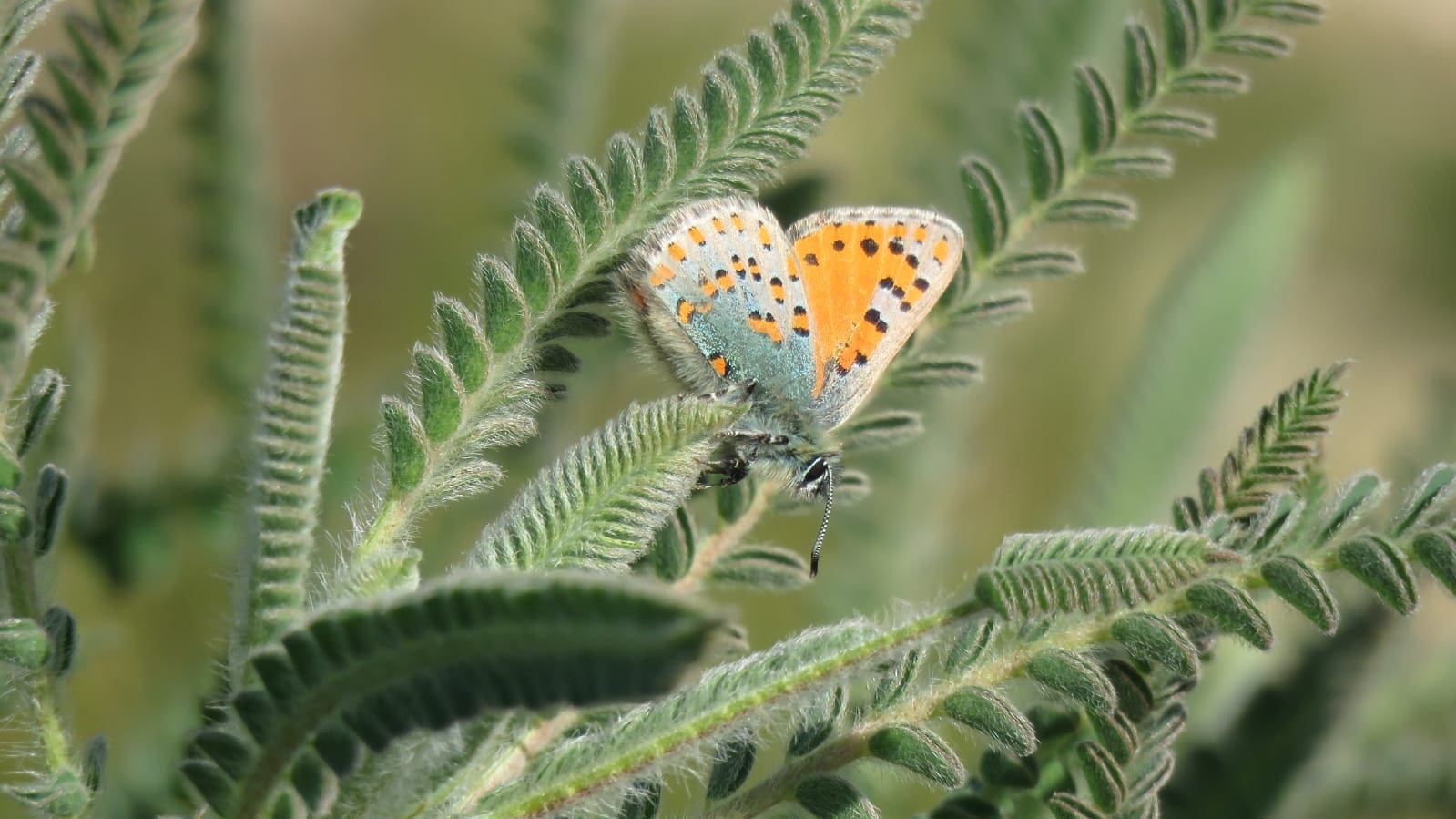
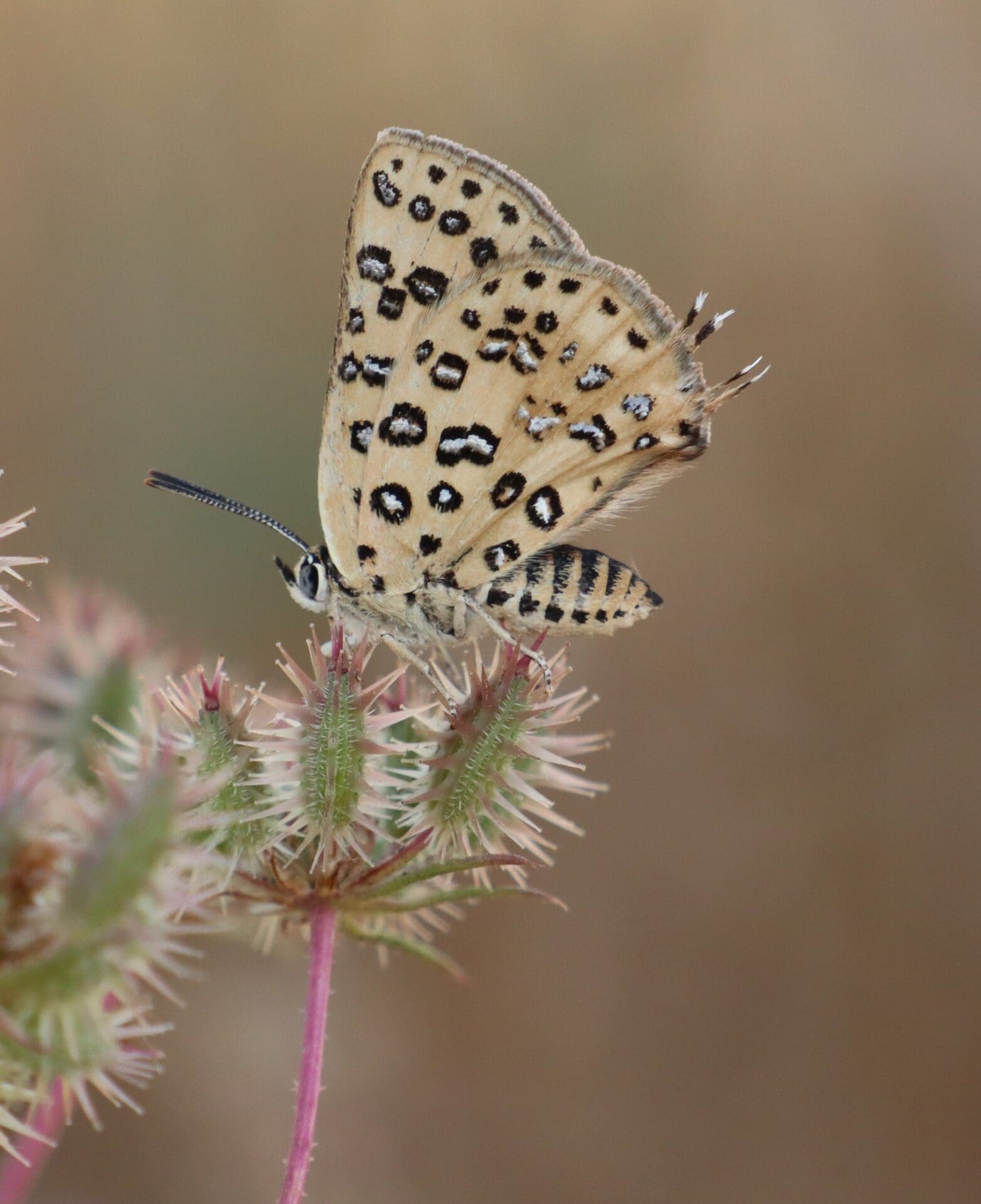
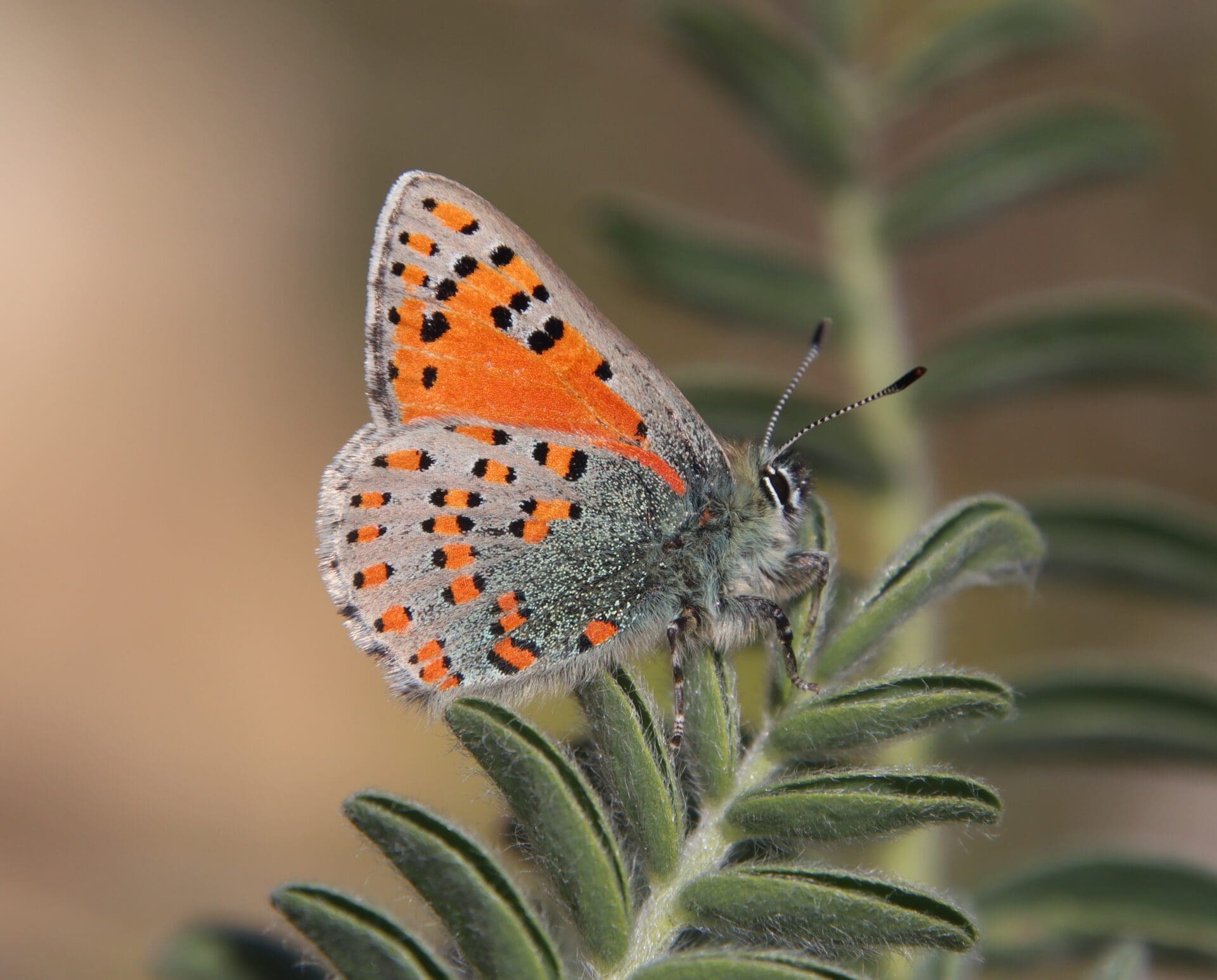
Among the species in danger of extinction: the roseate swallowtail, the wattled wagtail, the pearly speckled wagtail, the serrated nymph, and the willow grey.
The causes: accelerated development, pesticides, grazing, fires and climate change
The harm to butterflies stems from a number of serious factors:
- Habitat loss due to construction and infrastructure
- Conversion of open areas to intensive agriculture
- Extensive use of pesticides
- Uncontrolled grazing
- Invading species
- Fires and light pollution
- Climate change – warming, drying, and seasonal disruption
Dr. Dotan Rotem from the Israel Nature and Parks Authority: "The harm to butterflies is a warning sign of broader harm to nature. They are bioindicators of the health of the ecosystem."
Sensitive Habitats – Key to Conservation
The species most at risk of extinction are often those with restricted distributions, small populations, or those that depend on unique habitats, such as:
- High mountains
- Natural tea areas
- Wet habitats
Continued damage to these areas creates isolated and particularly sensitive populations.
Israel is warming up – and the butterflies are disappearing
Climate warming in Israel is faster than the global average. Many butterfly species are at the southern limit of their distribution, which increases their vulnerability.
In Israel, approximately 18 square kilometers of natural areas are cleared every year, one of the highest rates in the developed world.
Wake-up call: Saving butterflies is saving all of nature
Dr. Rotem concludes: "Conserving butterflies is not just about preserving beauty and color, but about the stability and health of the ecosystems on which we all depend."
The Red Book: A Scientific and Applied Tool for Conservation
The Red Book is based on a long-term monitoring program, extensive data collection, and professional assessments.
It is intended to serve as a tool for setting conservation priorities, guiding planning policy, and managing open spaces.
Israel Peer, Manager and Information Systems Architect – National Butterfly Monitoring Program in Israel
The butterfly chapter of the State of Israel's Red Book is the product of many years of collecting and documenting citizen science observations of butterflies by hundreds of volunteers and butterfly monitoring communities. The approximately quarter of a million observation data that Israel Peer provided to the researchers at the Natural History Museum for the Red Book analysis work are the highlight of the citizen science project "National Butterfly Monitoring Program."
This is the life's work of Israel Peer, who founded, developed, financed, and still manages today all the information systems, applications, and databases. Systems thanks to which the great and wonderful enterprise in the country has survived and thrived today.
The publication is guilty of ignoring the multi-year project and its achievements, the contributions of volunteers, and the enormous research and effort invested by the researchers of the Marg in collaboration with the extended scientific team of the monitoring program and the association's experts.