


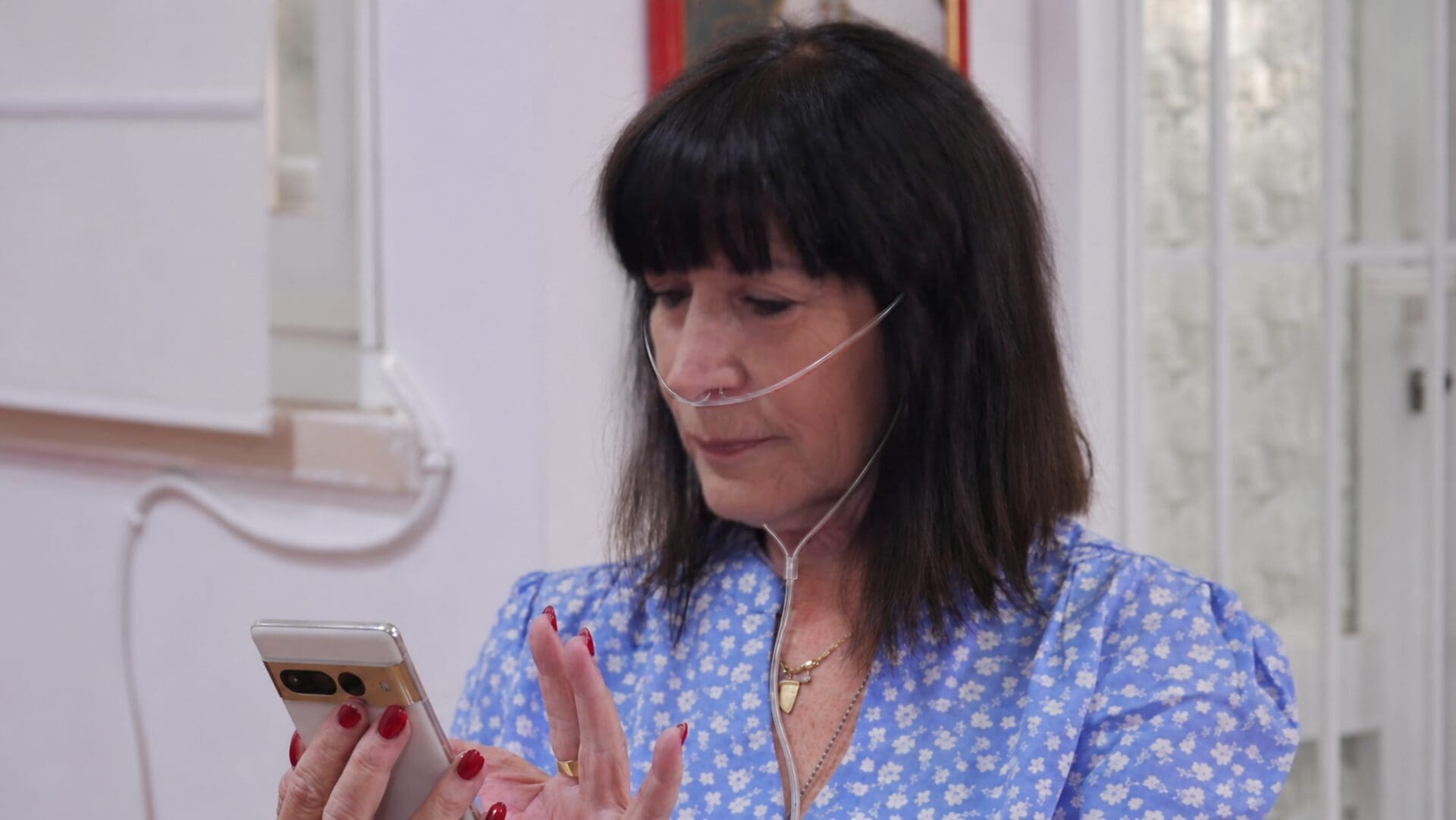
New research in Haifa will examine how a smart app can help patients continue the rehabilitation process from home, improve practice persistence, and strengthen the treatment continuum.
The healthcare system continues to adopt digital solutions in order to improve the quality of care and accessibility for patients. An innovative pilot is now underway by Clalit Haifa and Western Galilee District, in collaboration with ActiveLungs and the district's Research and Innovation Center, which will examine the integration of a smart app into the pulmonary rehabilitation process. The project is designed to allow patients to continue personalized practice at home, alongside the professional guidance provided at rehabilitation centers.
Advanced Pulmonary Rehabilitation: From the Medical Center to the Home
The pilot is expected to begin in the coming weeks at Clalit's rehabilitation center at the Grand Canyon in Haifa and will focus on patients after hospitalization or following a worsening of their respiratory condition. The study will examine the possibility of integrating a digital application as an integral part of the rehabilitation process.
The goal is to create therapeutic continuity between the sessions at the rehabilitation center and the patients' daily lives, and to allow them to continue practicing outside of the therapeutic setting.
A personalized plan for each patient
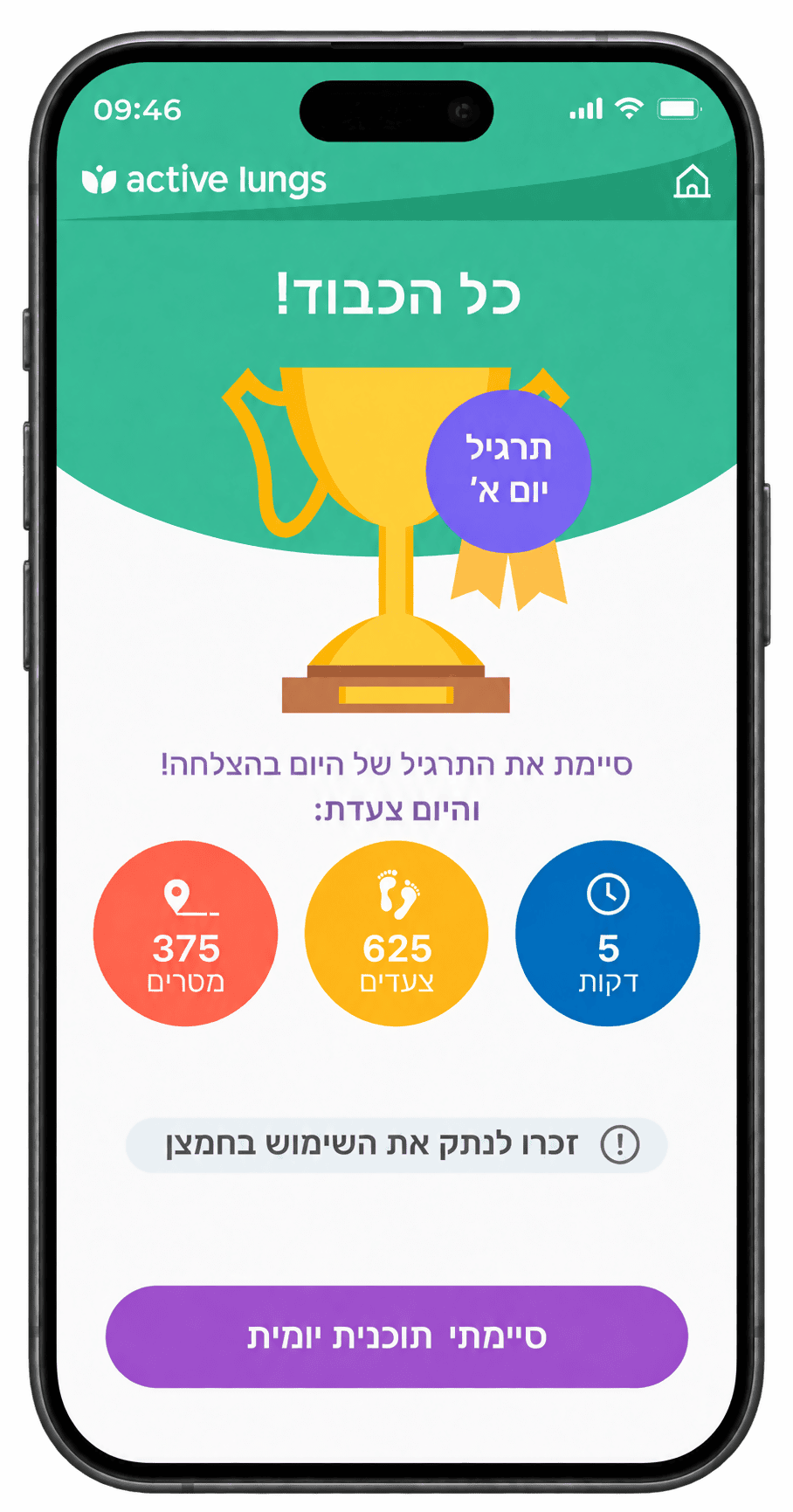
The app developed by ActiveLungs offers a personalized rehabilitation program based on each patient's medical condition and abilities.
The program includes:
- Daily practice of about 20 minutes.
- Breathing exercises and strengthening of the respiratory muscles.
- Questionnaires for monitoring symptoms and early identification of changes in health status.
- Tracking personal metrics such as saturation, pulse, and blood pressure.
- Reminders, alerts, and content that encourage persistence in the process.
By combining digital tools with professional guidance, the researchers want to examine whether it is possible to improve patient engagement and make it easier for them to manage their health condition over time.
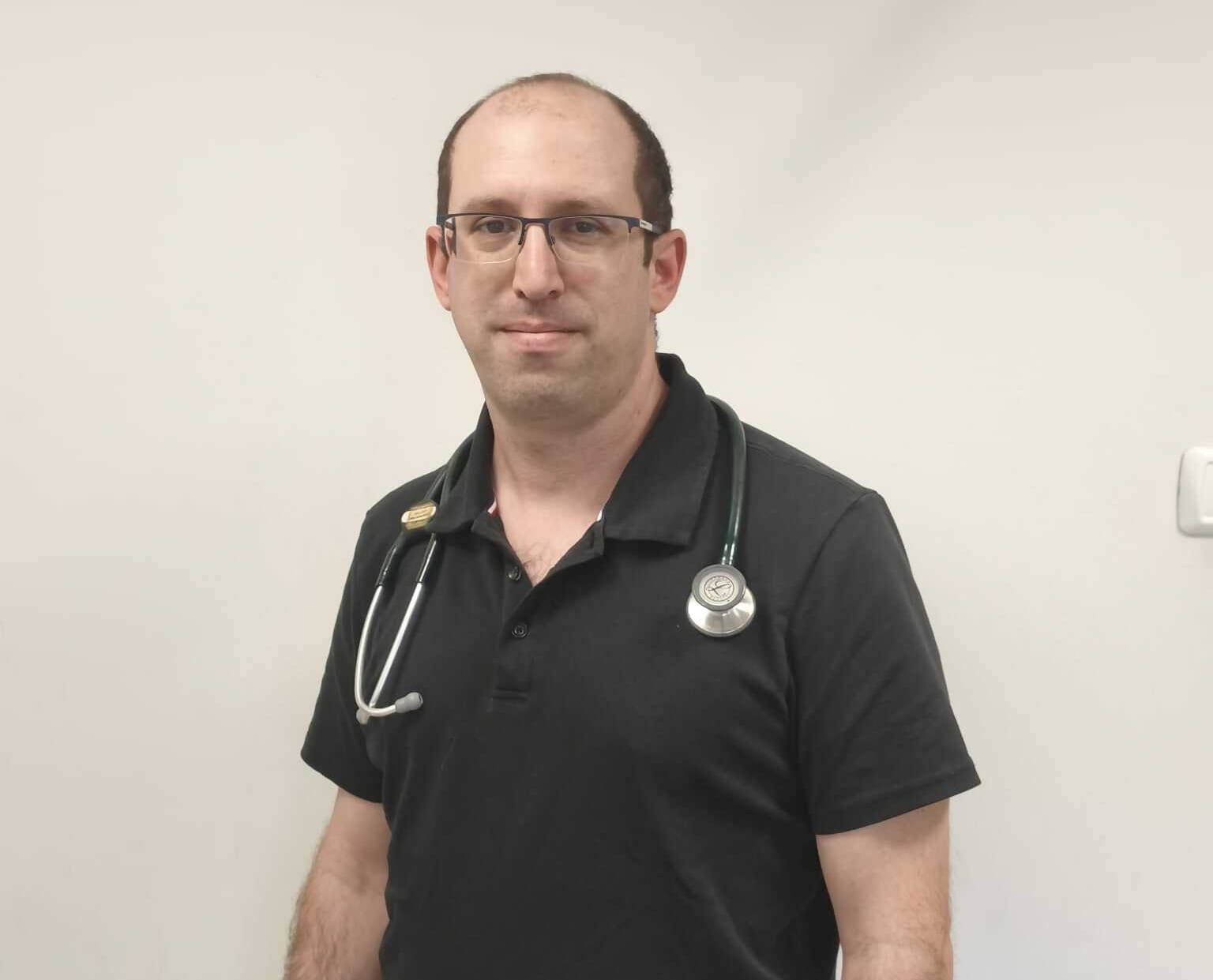
"Innovation should provide a real solution for patients"
Dr. Michael Hauser, Director of the Research and Innovation Center at Klalit Haifa District and Western Galilee, explains that the pilot combines a real medical need with applied innovation in the community.
According to him, the purpose of the study is to examine whether using a digital tool can strengthen the patient's commitment to the rehabilitation process, assist with persistence in practice, and enable therapeutic continuity even in the periods between meetings with professionals.
"The innovation we are looking for is one that connects to clinical work and provides real value to patients," he said.

The challenge: maintaining a consistent practice over time
Prof. Yochai Adir, Director of the Regional Pulmonary Unit at Clalit Haifa District and Western Galilee, Stresses that one of the key challenges in pulmonary rehabilitation is persistence after the end of hospitalization or the initial program.
According to him, a combination of independent practice at home alongside professional monitoring may provide patients with additional tools for coping with their illness and strengthen their sense of partnership in the therapeutic process.
The research will systematically examine the possible effects of the new model on patients and rehabilitation outcomes.
Strengthening the patient's sense of competence
Keren Katzenel, Director of the Physiotherapy Service at Clalit, Haifa District and Western Galilee, explains that the main goal of the rehabilitation process is to allow patients to take an active part in managing their health condition.
According to her, the app connects the professional guidance provided at the rehabilitation center with independent practice at home, thereby helping to strengthen the sense of competence and perseverance over time.
A vision of more connected care
In general, the pilot is seen as part of a broader process of examining innovative technologies that can be integrated into medical care in the community.
Through a combination of professional rehabilitation, medical monitoring, and digital solutions, the district seeks to examine a new treatment model that may empower patients, improve the treatment experience, and support the continuity of rehabilitation even outside the walls of the medical center.
"Make pulmonary rehabilitation accessible even to those who cannot come to the institute"
Ohad Ohana, Founder and CEO of ActiveLungs, says that the idea for the app was born from his years of work in the field of pulmonary rehabilitation.
"From working with patients, we realized that there are many who do not come to the rehabilitation centers or stop participating along the way. We developed ActiveLungs to allow them to receive professional guidance from home as well," he said.
He said the app provides a personalized daily plan, helping patients understand their health condition, learn breathing techniques, and maintain a practice routine that supports the rehabilitation process over time.
Looking ahead
The new pilot may provide important insights into the integration of digital technologies into community pulmonary rehabilitation processes. If proven effective, it could serve as a new model for integrating professional medical care, remote monitoring, and patient empowerment, while expanding access to rehabilitation services beyond the traditional treatment setting.