


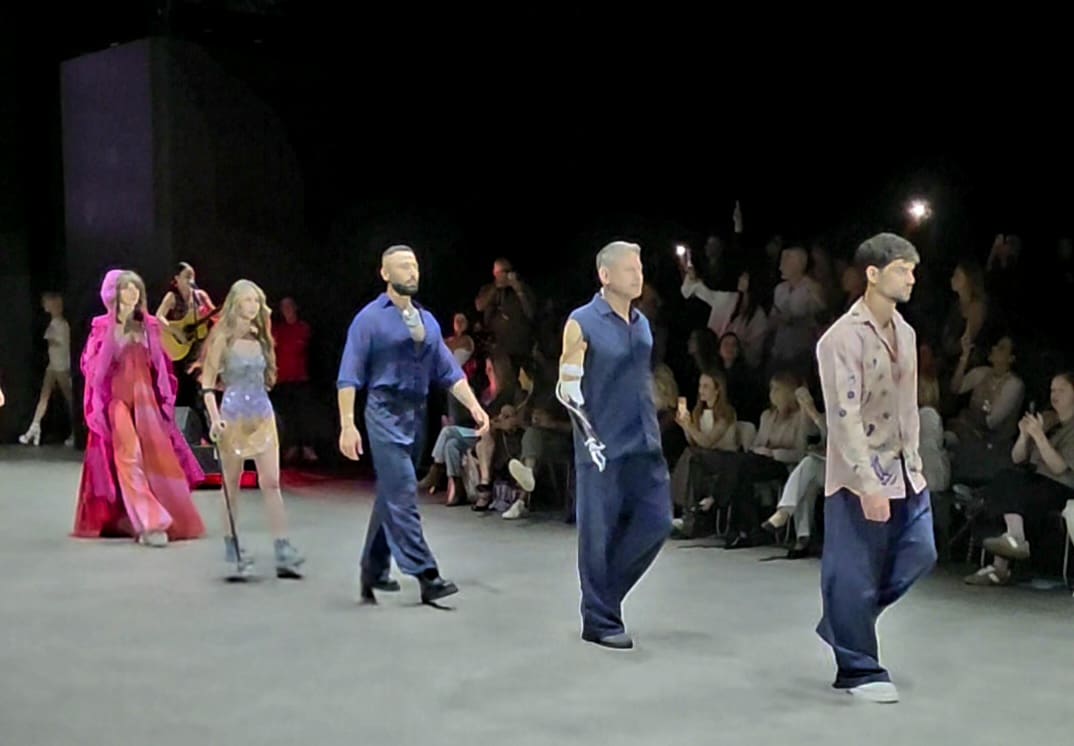
I came to Tel Aviv Fashion Week with my love for clothes, cuts, and the way people choose to present themselves. I left one show thrilled and moved. The participation of disabled IDF soldiers on the runway made me think about the connection between clothing and self-confidence, about presence, and the possibility of the fashion world reaching a variety of populations.
In the "Fragments" exhibition by designer Golan Elbaz Friedman, design, personal stories, and Israeli reality came together. The clothes and the people who wore them invited thought about the place each person has in the world of fashion, and the listening required to tailor a garment to a person. As a stylist, I found in this encounter a meaning that also touches on working with people and the choices we make with our wardrobe every day.
Tel Aviv Fashion Week
Israel Canada Fashion Week Tel Aviv took place from November 8 to 12, 2026, at the Kremnitsky 7 complex, initiated by producer Moti Reip. The program included a gala evening and 28 shows, under the title "Pioneering Women." Alongside veteran designers and young creators, it provided space for connections between fashion, culture, and society, including a tribute to Pini Leitersdorf and women's sports involvement.
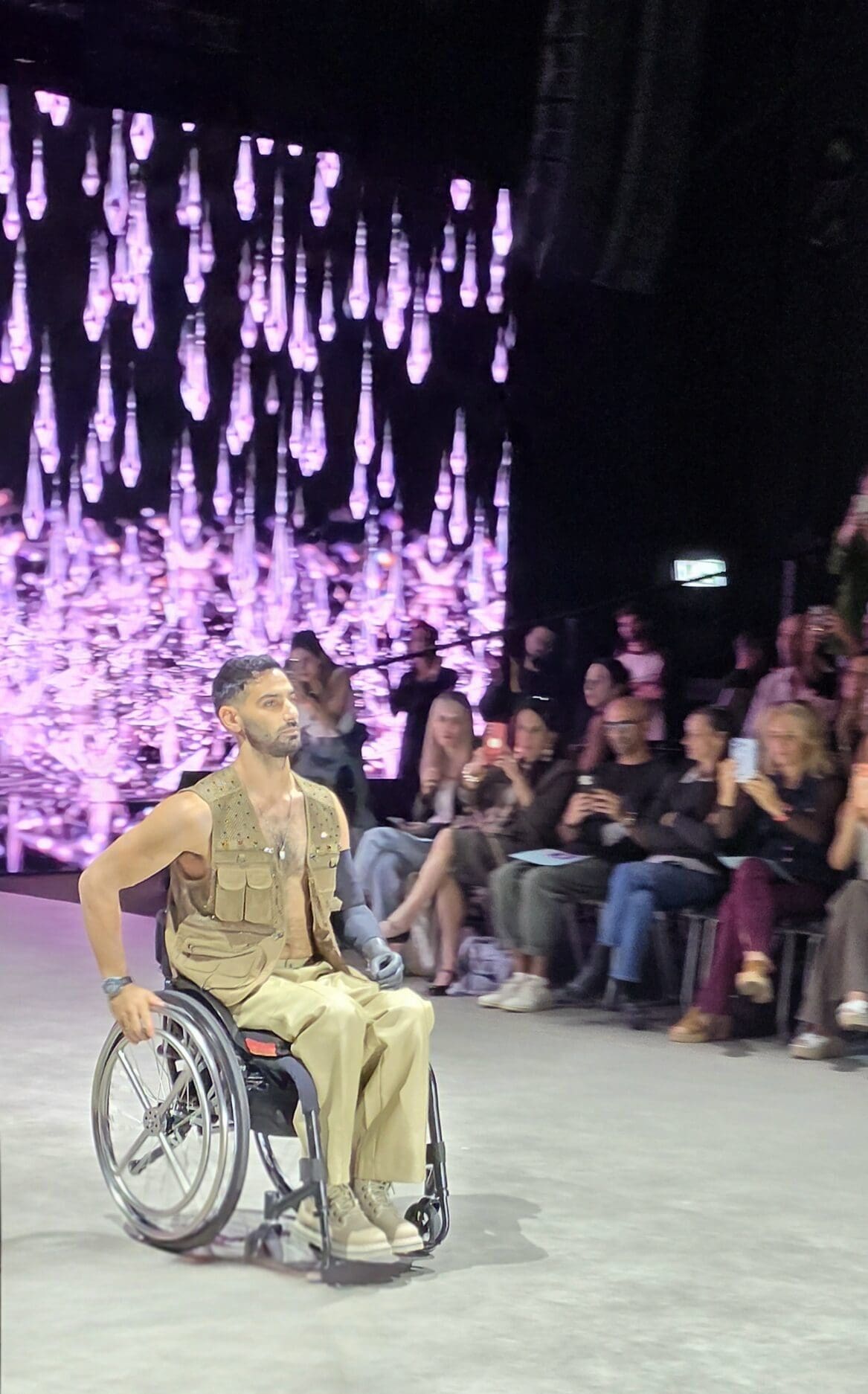
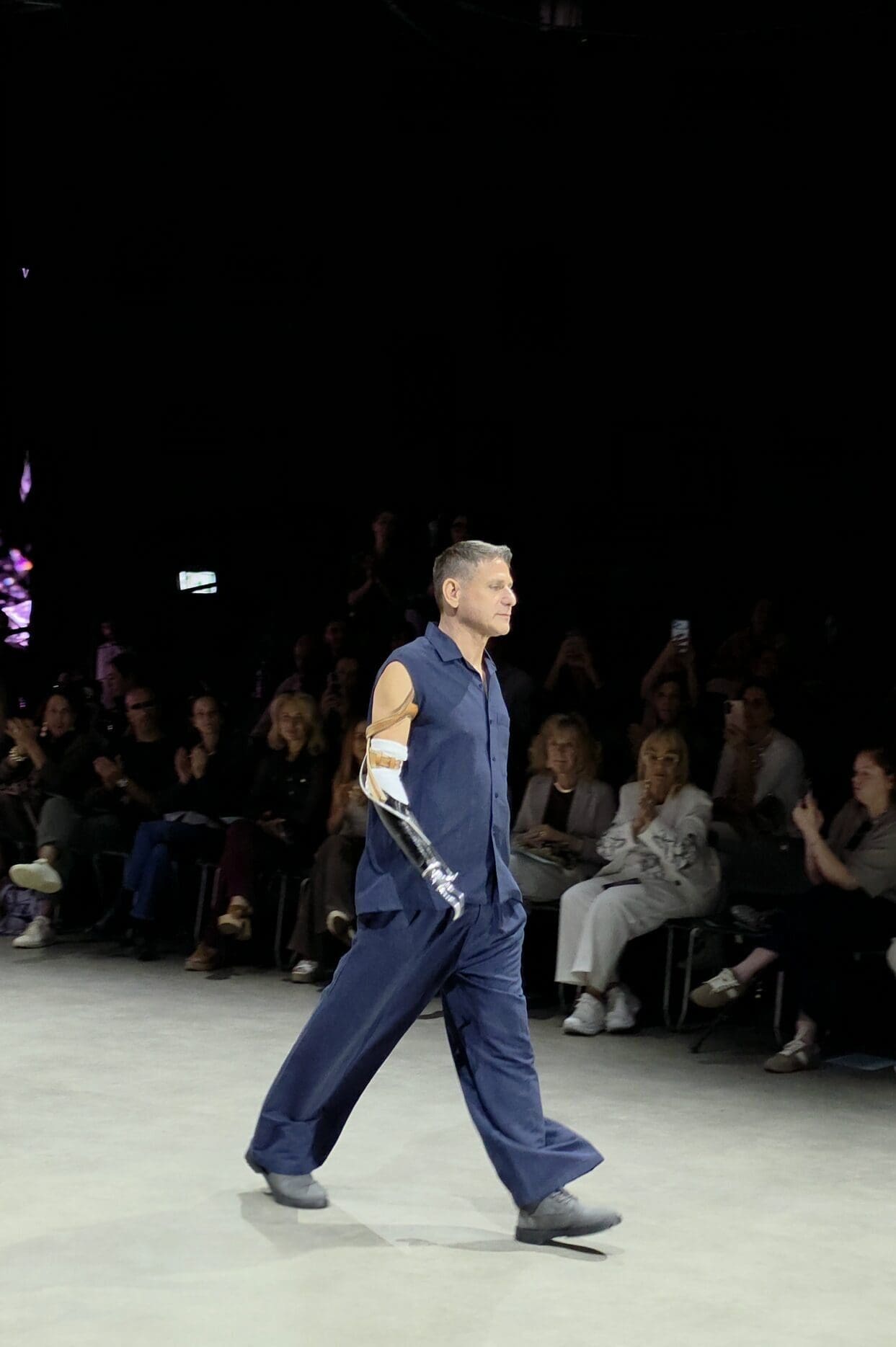
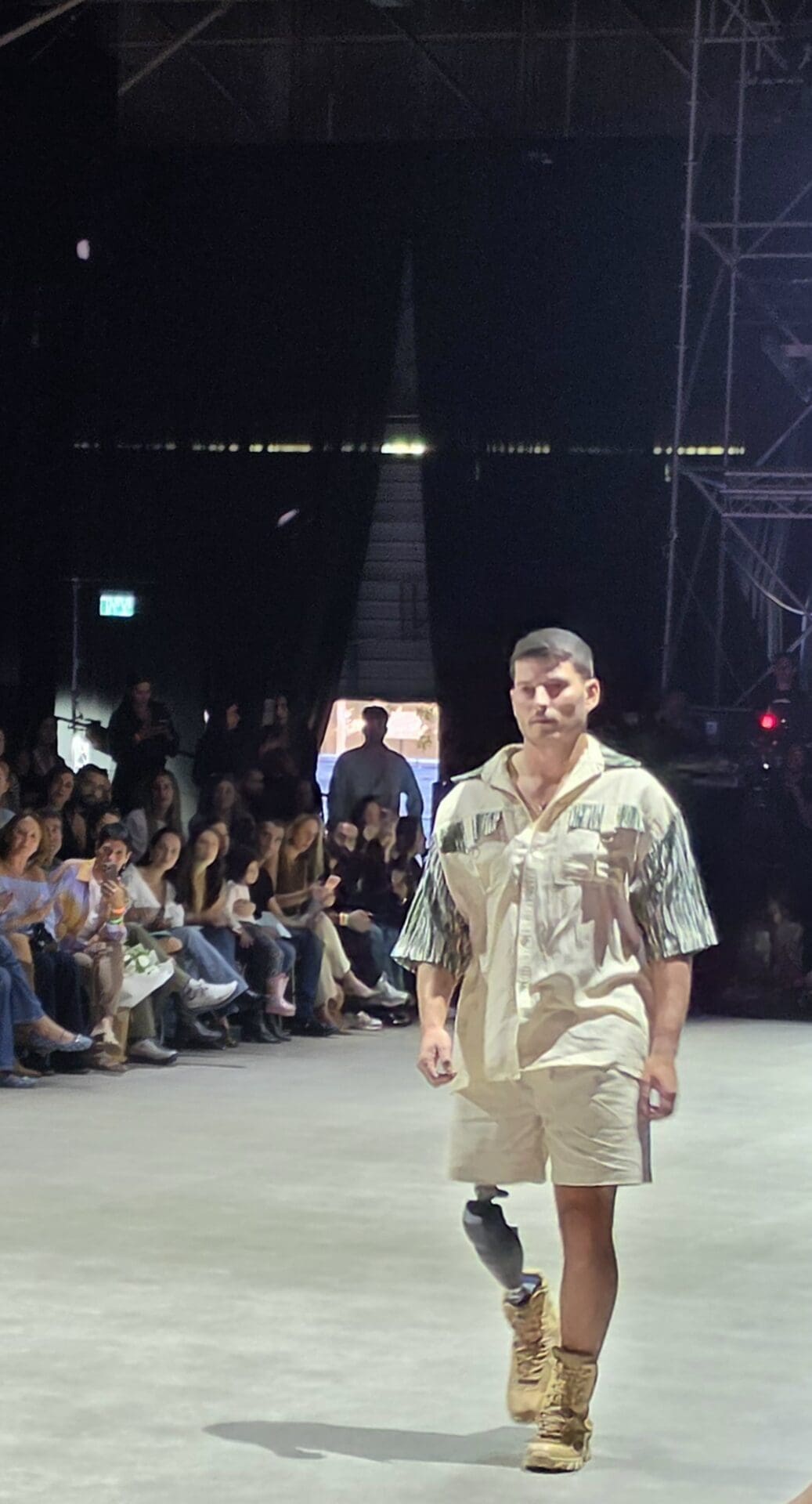
Among the various displays was a unique display that took place on November 11th called the "Shards" display by designer Golan Elbaz Friedman. The display was organized in cooperation with the IDF Disabled Organization and the Ministry of Defense, in preparation for the Day of Honor for the Wounded in Israeli Forces and Victims of Hostile Actions. Wounded IDF and security forces personnel participated alongside professional models, including participants with prosthetics and in wheelchairs. The guests of honor at the display were The First Lady, the wife of the president Michal Herzog and the wife of the Chief of Staff, Mrs. Orna Zamir.
The story behind the name "Shards"
In an interview with NewRivista magazine, he said Elbaz Friedman Because the inspiration for the collection began with shards of glass that he saw outside the studio during the war. The sight led him to consider the possibility of combining scattered parts and creating something new from them. He translated the idea into handmade work, using materials and crystals that he broke and reassembled with tissue. The subject also has personal meaning for him. In the same interview, he spoke about a serious spinal injury and the rehabilitation process he underwent. According to him, this experience sharpened his sensitivity to the way the environment views a person who has been injured. In working on the display, personal adjustments were made to the cuts and sewing, listening to the needs of the participants and their feelings inside the garment.
The language and expression of clothing
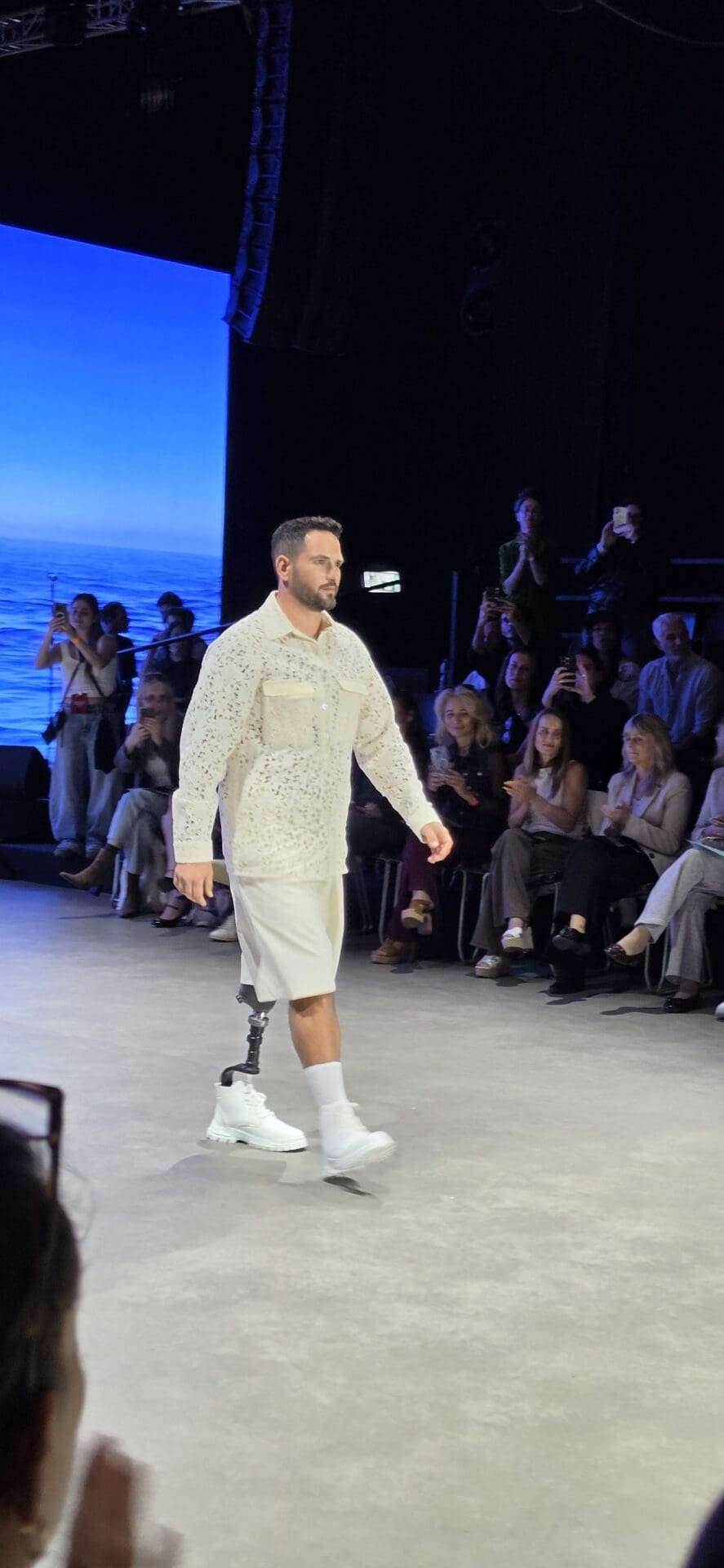
In one of the opening looks, a participant appeared with a prosthesis, in a semi-transparent white shirt decorated with mirrors and crystals, with tailored Bermuda shorts and white sneakers. The combination of familiar items and rich decorative work created a look that could be read as both elegance and ease. Later, shiny fabrics, voluminous cuts and bright colors were seen, alongside sculpted evening models. The transition between textures, colors and silhouettes gave the idea of the collection a visual expression. In my opinion, this is one of the strengths of fashion design: the possibility of conveying a feeling through the way a fabric is placed on a body, reflects light or moves in space. At the end, Ninet Taib appeared and performed "Just Don't Let the Wind Fall." The choice of song connected to the theme of the show and the story she wanted to tell.
Personal space and use within clothing
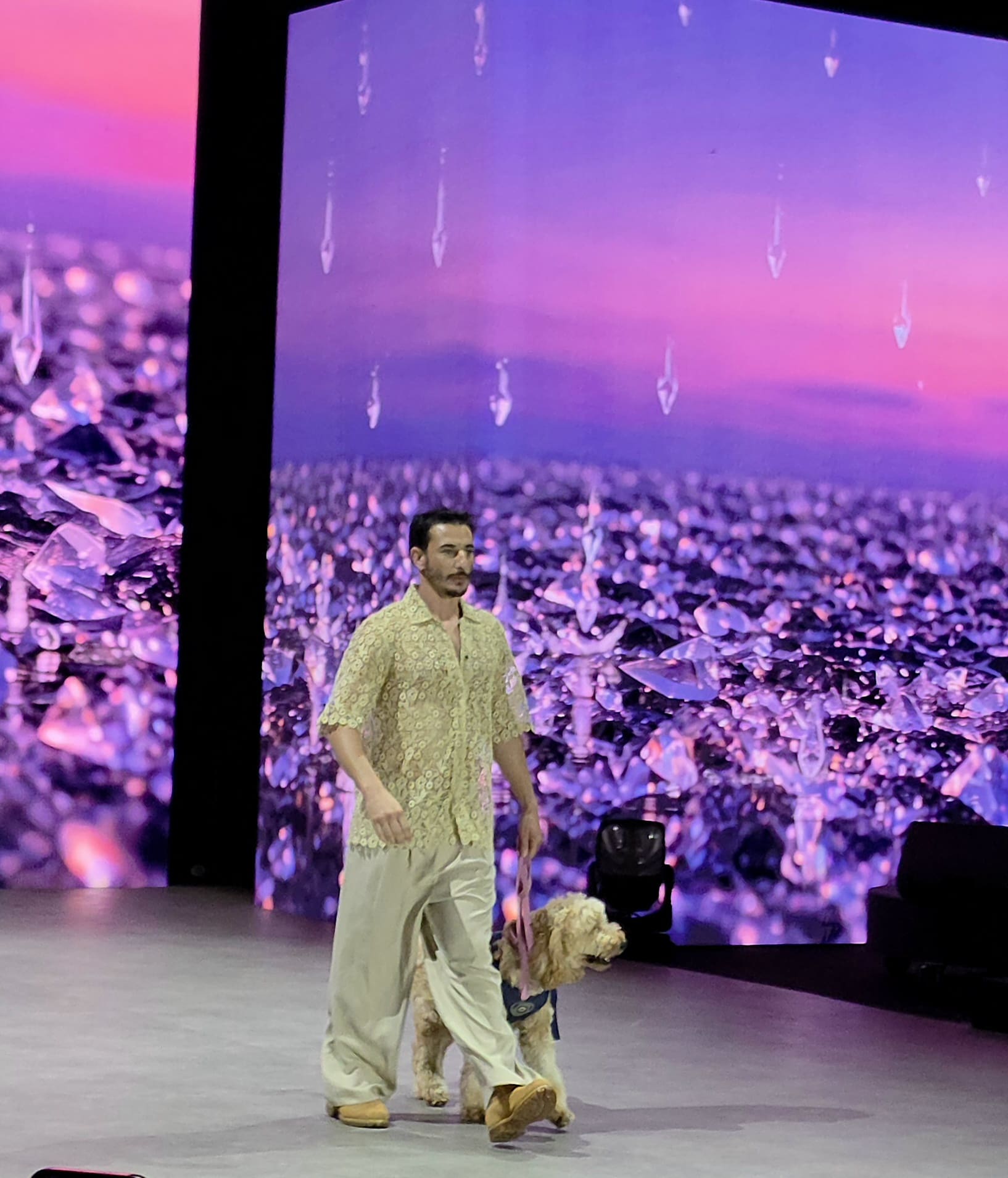
This experience led me to think about the responsibility of those who deal with clothing. A picture of a garment can be spectacular, but the real encounter begins when a person wears it. That's when comfort, movement, personal taste, and the feeling one wants to bring to the world come into play. In my opinion, a diverse representation on a runway should also provoke thought about everyday life: how a figure feels when sitting, how easy an item is to put on and take off, and whether it allows for comfortable movement. These are practical questions that should be incorporated into clothing design and personal guidance in choosing them. Along with meeting these needs, there is also full room for a desire for color, elegance, and enjoyment of clothing.
The thought I took with me as a stylist
As a stylist, I believe that getting to know the person is the starting point for building a wardrobe. You need to understand their lifestyle, their preferences, and what gives them a sense of comfort and security. From there, you can choose cuts, fabrics, and combinations that suit them, and also allow room for experimentation and change. With personal guidance, this listening is expressed in practical choices: the feel of the fabric on the body, freedom of movement, compatibility with the daily routine, and the possibility of combining favorite items with new choices. This is how a personal style develops that takes into account the person, their desires, and their needs.
Our reality in all its aspects…
Thank you Ronen for bringing us this exciting article 🙏
Very exciting. Our heroes will win.
To great success.