


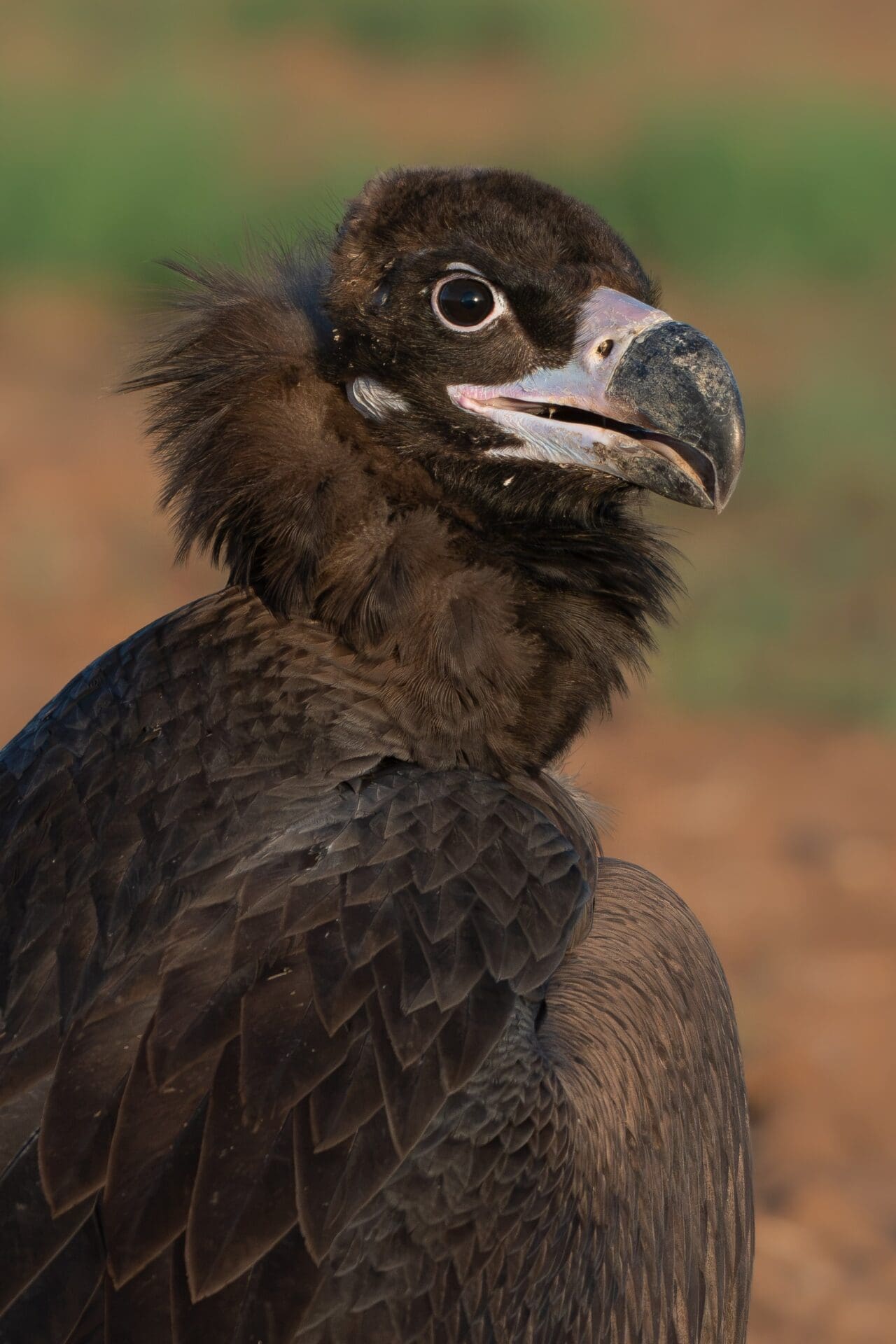
(Hai Fa – Haifa and the surrounding area news corporation) – An extraordinary rescue operation in the Harod Valley ended successfully after a young black-eared owl, one of the rarest birds observed in Israel, was located in a weak state and transferred for medical treatment at the Wildlife Hospital of the Nature and Parks Authority and the Safari in Ramat Gan. The complex operation was made possible thanks to the cooperation between volunteers from the "Hibulens" organization, ecologists and professionals, who worked for days to save the rare bird.
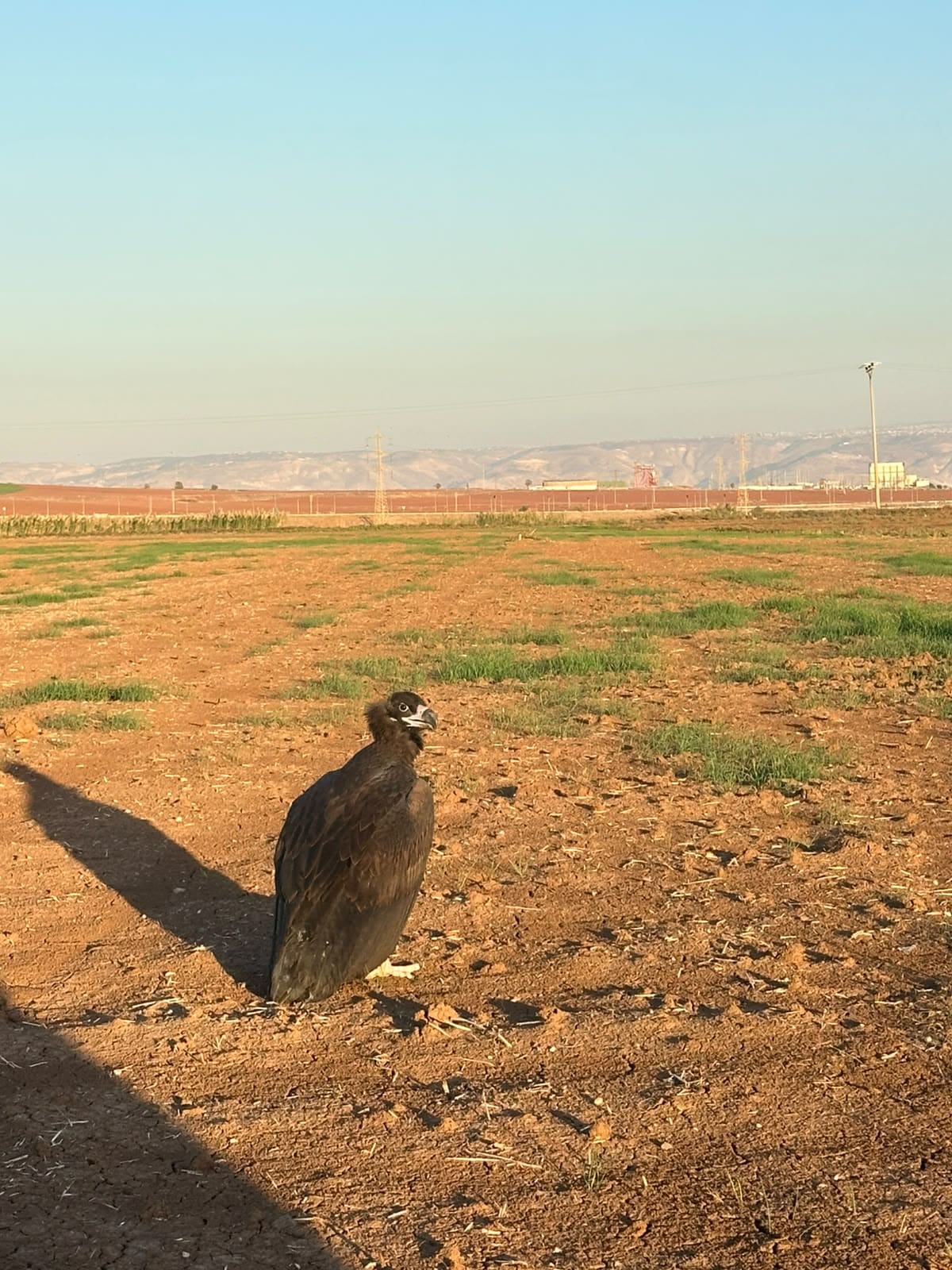
Birdwatching reports led to the discovery of the rare bird
The incident began after reports accumulated over the week among birdwatching groups about a young black-eared owl being observed in the Harod Valley. In the distributed recordings, the owl was seen resting on the ground in an agricultural area, and sometimes even surrounded by people who approached it.
When a photo taken from close range was posted on social media, concerned birders turned toTsukit Raviv, volunteer in the Israel Nature and Parks Authority's breeding programRaviv identified the area near the Nir David fish ponds, entered the area with the assistance of the fisheries manager, and was able to locate the osprey. Already at this stage, the suspicion arose that it was a bird in distress that needed treatment.
A long chase until a successful capture
Following the report, Itamar Donitza, Jonathan Ben Simon, an ecologist and volunteer at the Hibulens network, and Assaf Uzan, an eagle researcher from Tel Aviv University, were recruited for the mission.
The rescue team tracked the owl for hours. Each time they approached it, it managed to take off a short distance and land again a few dozen meters away. Only with the onset of darkness and the last light of day was Jonathan Ben-Simon able to capture it and transport it safely for treatment.
Ben Simon said: "She was still able to fly short distances, but it was already clear in the field that she needed veterinary care. We followed her until I was able to reach her and catch her in order to transport her for treatment."
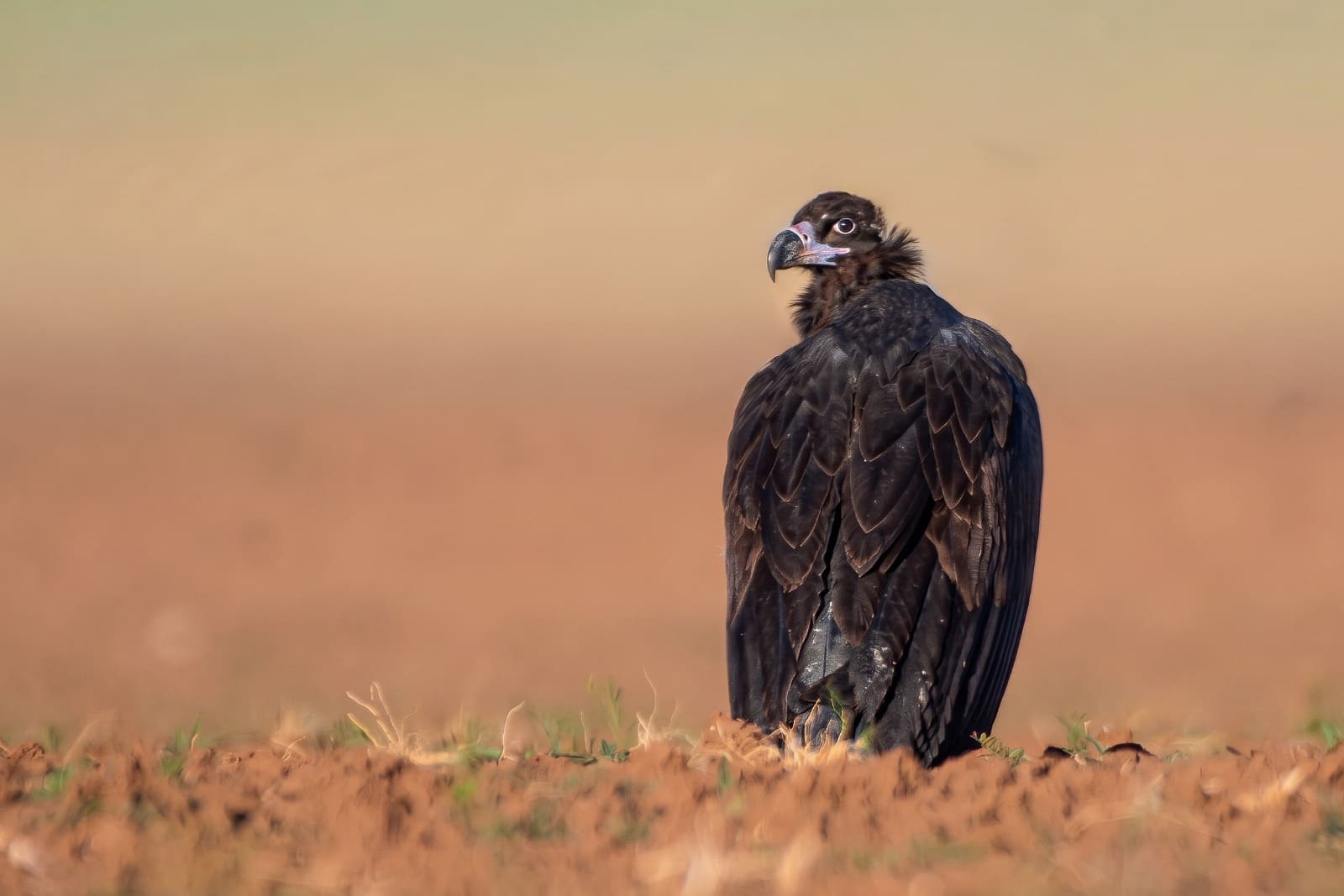
On the way to treatment together with an eagle, a pelican, a stork and a hedgehog
After being captured, the owl was transferred to the wildlife hospital, where it was joined on the same trip by four other animals that needed treatment: a hawk eagle, a pelican, a black stork, and a hedgehog.
Tsukit Raviv said excitedly: "It was only when we caught her that we saw how thin she was and how good it was that we persisted. Her foot was the size of my palm. It's special to see such a rare bird up close, and it took me a few days to digest the experience."
Her condition has improved significantly.
At the wildlife hospital, the owl was given emergency treatment that included warming, fluid infusions, and supportive care. To the delight of the medical team, laboratory tests showed no signs of poisoning.
Ruthie Shaviro, veterinarian at the Wildlife Hospital, said that since her arrival there has been a significant improvement in her condition. According to her, the singer is already standing on her own, eating with appetite, alert, cleaning herself and has even gained considerable weight.
"She is already feeling much better. We will continue to accompany and care for her with dedication, hoping that she will soon be strong enough to return to the wild."", she said.
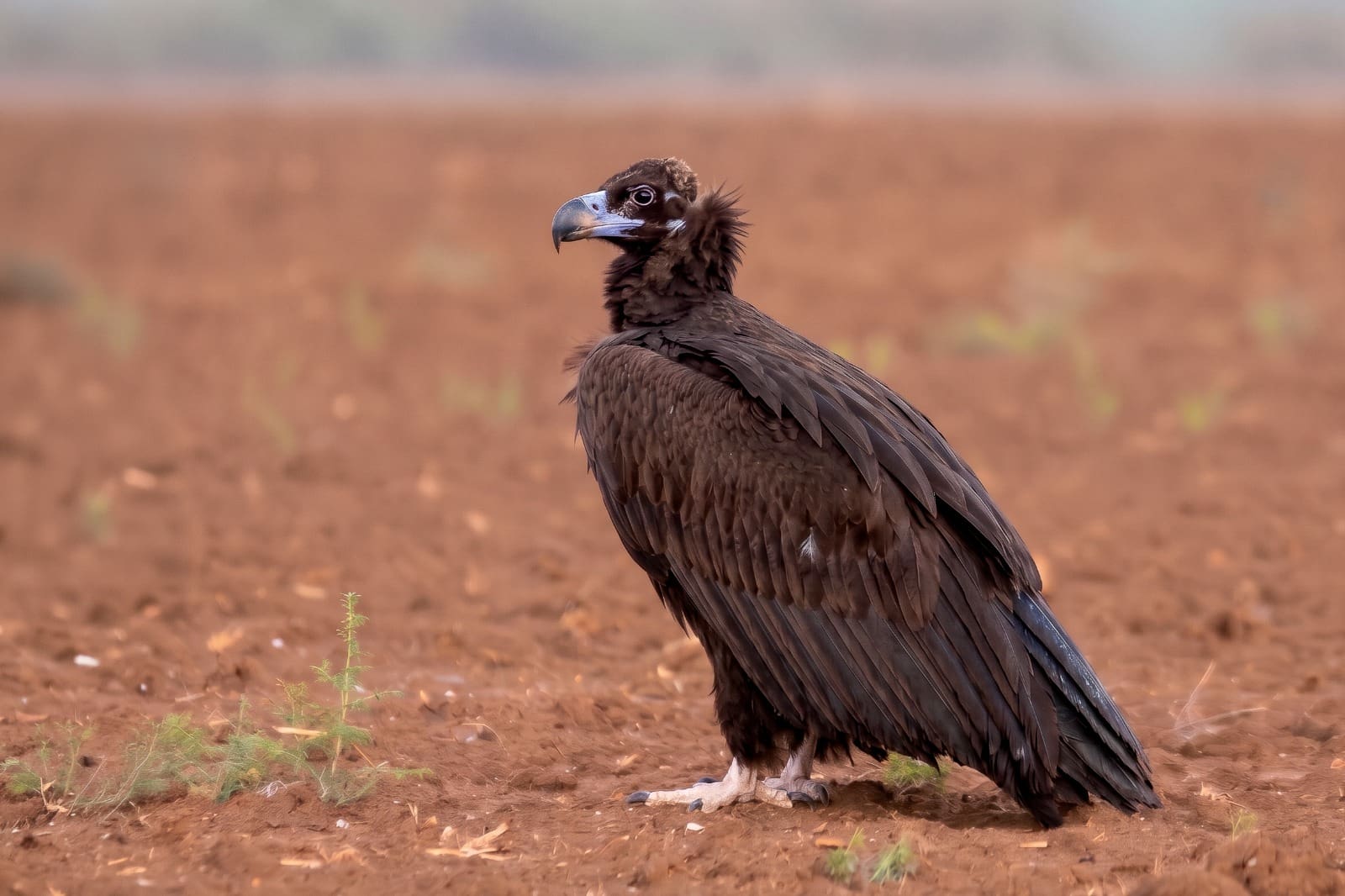
One of the largest birds of prey in the world
The black vulture is considered one of the largest birds of prey in the world, with a wingspan that can reach about three meters. It feeds mainly on carrion, similar to the biblical eagle, and its natural distribution extends from southern Europe to central Asia.
In the past, the black-throated plover also nested in Israel, mainly in the Galilee region, but today it is an extremely rare species in the country, with only a few individuals observed here from time to time, mainly in the winter season.
"Hibulans" volunteers on the rescue front
The Nature and Parks Authority notes that the "Hibulness" network consists of volunteers from all over the country, who assist in transporting injured or sick wild animals for treatment at the wildlife hospital. The network also operates transit stations that allow for the provision of primary care until the animals reach the designated medical center.
The Nature and Parks Authority reminds the public that in the event of an encounter with an injured or distressed wild animal, one should avoid unnecessary contact or approach and contact the Nature and Parks Authority hotline at *3639 for professional instructions.