


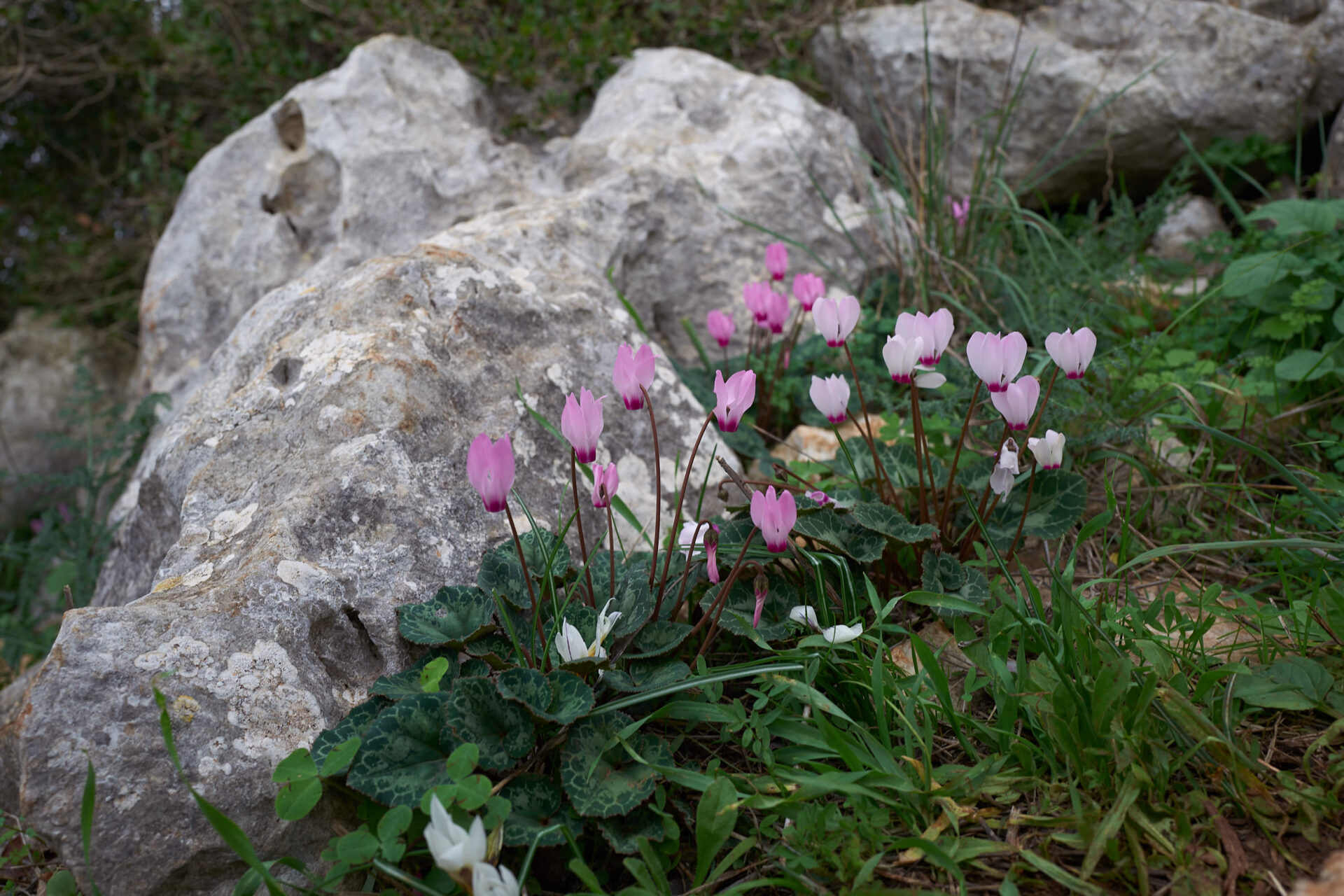
There are "brave" flowers that bloom in the depths of winter and overcome the harsh conditions posed by the weather. What are the disadvantages and advantages of blooming in winter and how are the flowers adapted to the conditions of this season?
Every nature lover knows that most of the flowering in Israel occurs in spring, which is a favorable period for flowering. The winter season is characterized by rain, hail, low temperatures, and strong winds. These factors may damage the delicate flower organs. In addition, winter weather conditions are not favorable for the activity of insects that prefer more comfortable temperatures, and therefore they are less common and their activity is limited, compared to spring and towards the beginning of summer. Nevertheless, there are "brave" flowers that bloom in the depths of winter and overcome the difficult conditions posed by the weather.
The main damage to a flower's delicate organs may be caused by raindrops. Rainwater may damage the vitality of the pollen grains and also wash them away from the stamens, even if they have already reached the stigmas of the appropriate flower. Rainwater may dilute the nectar and reduce its quality. In addition, torrential rain, hail, and strong winds may damage the delicate organs of the flower.
If winter conditions are so unfavorable, then why is it worth blooming in the fall and winter at all? There is a hypothesis that during this season, when there are few pollinators, there is less competition between flowers for pollination services, so it is assumed that blooming during this season may increase the chances of visiting the flower. Another argument holds that since few plants bloom during this season, there is a chance that a certain insect will repeatedly visit the same species of plant and less pollen will be wasted as a result of visiting the "wrong" flower. Despite the great temptation of both of these hypotheses, they have never been proven in reality.
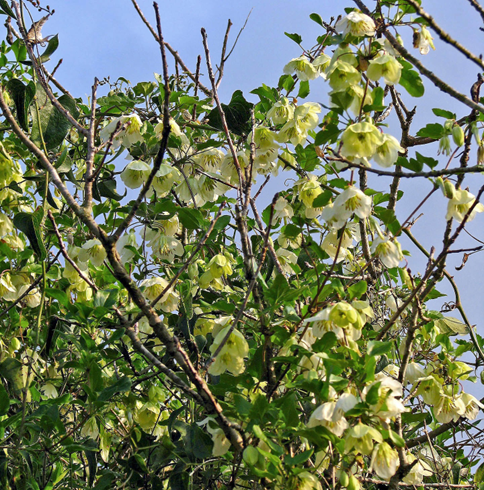
Most flowers stand upright or slightly tilted so that the flower parts are visible and exposed to the eyes of visiting insects and thus to rain and wind. Some of the most prominent winter flowers are inverted: the opening of the corolla faces downwards, as in: clematis, clematis of the forest, clematis of Lebanon and common cyclamen. Although according to folk legend, the clematis bowed its head as a sign of mourning for the destruction of the house, in reality the ripe stamens are protected within the downward-facing flower tube and the edges of the perianth are turned upwards. The clematis flower is constructed like an inverted umbrella, thus protecting the pollen grains both from damage to their vitality and from being washed out of the flower. The balanced and/or downward-tilted position of narcissus, species of hummingbirds and hyacinths also prevents the possible penetration of rainwater into the flower cavity.
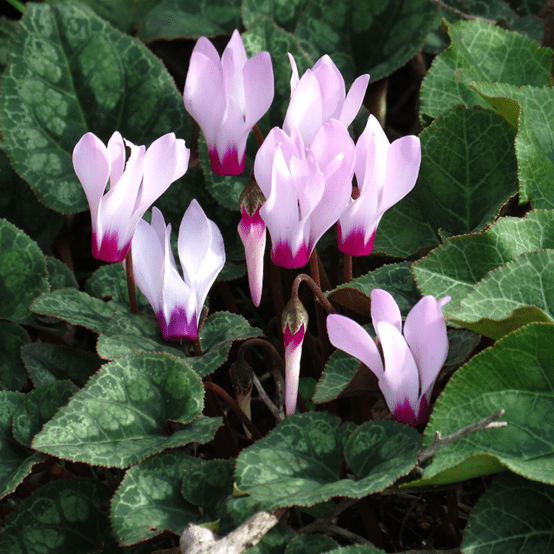
Some flowers, such as winter crocus, common anemone, and summer crocus, close on cloudy days and open when the sun comes out again. In crocus and crocus, this has been shown to be a response to rising temperatures. Other flower species simply do not open on cloudy days. The lupine inflorescence is a kind of tube covered with a canopy that prevents rainwater from entering the flowers.
The duration of the single flower's bloom and a long flowering season may compensate for both the low activity of insects in this season and for flowers (or their parts) that are damaged. Many winter flowers excel in the long lifespan of the single flower (an anemone flower may last as long as two weeks, and that of the shooting star, over a week) compared to the average duration of one to three days for most flowers that appear in other seasons of the year. Also, sometimes, a small number of flowers appear at the same time on a single plant, thus spreading the bloom over a long period of time.
In flowers with a long flowering period and multiple stamens (such as common anemone and common almond), the maturation of the stamens and stigmas is gradual, so even if some of them are damaged, there is still a chance of ensuring the reproductive chances of the individual flower.
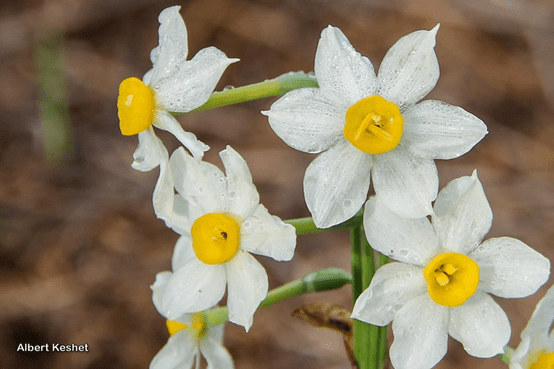
The flowers of the common daffodil are balanced or inclined downwards. In the centre of the flower is the yellow corolla that protects the reproductive organs. This corolla, as well as the bracts of the daffodil, are coated with a water-repellent oily substance. Raindrops that fall on the flower condense as a result of contact with the oily surface and fall downwards, thus reducing the chances of wetting the reproductive organs.
For medical purposes, open flowers are exposed to wetting and dilution of the nectar found at the bottom of the flower. Thin nectar may not be suitable for its purpose, bees preferring nectar rich in sugar. The cusps (nectar-secreting glands) are located at the base of the flower and above them (on the stamens), a dense bouquet of water-repellent hairs. Even if the flower gets wet and filled with rainwater, most of it does not reach the nectar. The bees insert their tongues inside through these hairs and enjoy the concentrated nectar at the bottom.
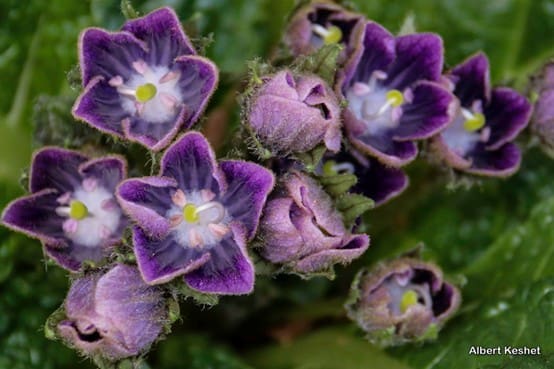
The pollen grains of most plant species explode upon contact with rainwater and are thus no longer suitable for pollination and fertilization. Experiments have found that pollen grains of species that bloom on rainy days do not explode in rainwater and are suitable for pollination after drying. In some species, pollen grains actually germinate in rainwater to a considerable extent, while in narcissus and crocus their germination is even encouraged.
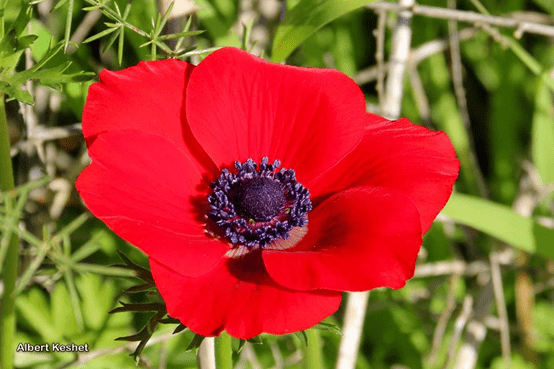
Low temperatures may affect both insect activity and the germination of pollen grains that have reached the stigma. In common anemone, it has been found that the flowers follow the sun and the velvety surface of the corolla acts as a concave mirror, concentrating the radiation to the center of the flower. On bright winter days, temperatures up to 10 degrees higher than the surrounding area were measured in the center of the flower (where the scars are located, whose dark black-purple color absorbs radiation). At first, we thought that heating the center of the flower provided more favorable conditions for the activity of the insects (which depend on heat for their activity; most of them are inactive below 20 degrees), but we soon realized that they are rare at this time of year and do not benefit from the "home heating" that prevails in anemone flowers on bright, cold days.
When the conditions for the germination of anemone pollen grains were examined, it was found that the optimal temperature is 25 degrees, a temperature that is extremely rare in this cold season of the year. Therefore, it is reasonable to assume that heating the flower accelerates the germination of pollen grains that have reached the scar, thereby reducing the chances of their being washed away. As a result of heating the scars, pollen grains that have reached the scar (especially those that are mostly spread by the wind and not necessarily by insects) will be able to germinate more quickly between rains and not be washed away by the next rain.
Various mechanisms have been found in flower species that help flowers overcome rain damage and injury to the flowers. Sometimes the adaptations are in the structure of the flower or inflorescence and sometimes in the mechanisms of pollen grain germination or flower position. Each species of flower has its own unique combination of features that ensure that it survives the winter safely, that is, creates seeds for the next generation.
Did the article interest you?
Fascinating information. My wisdom.