

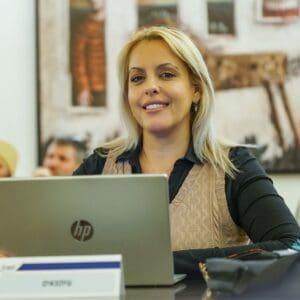
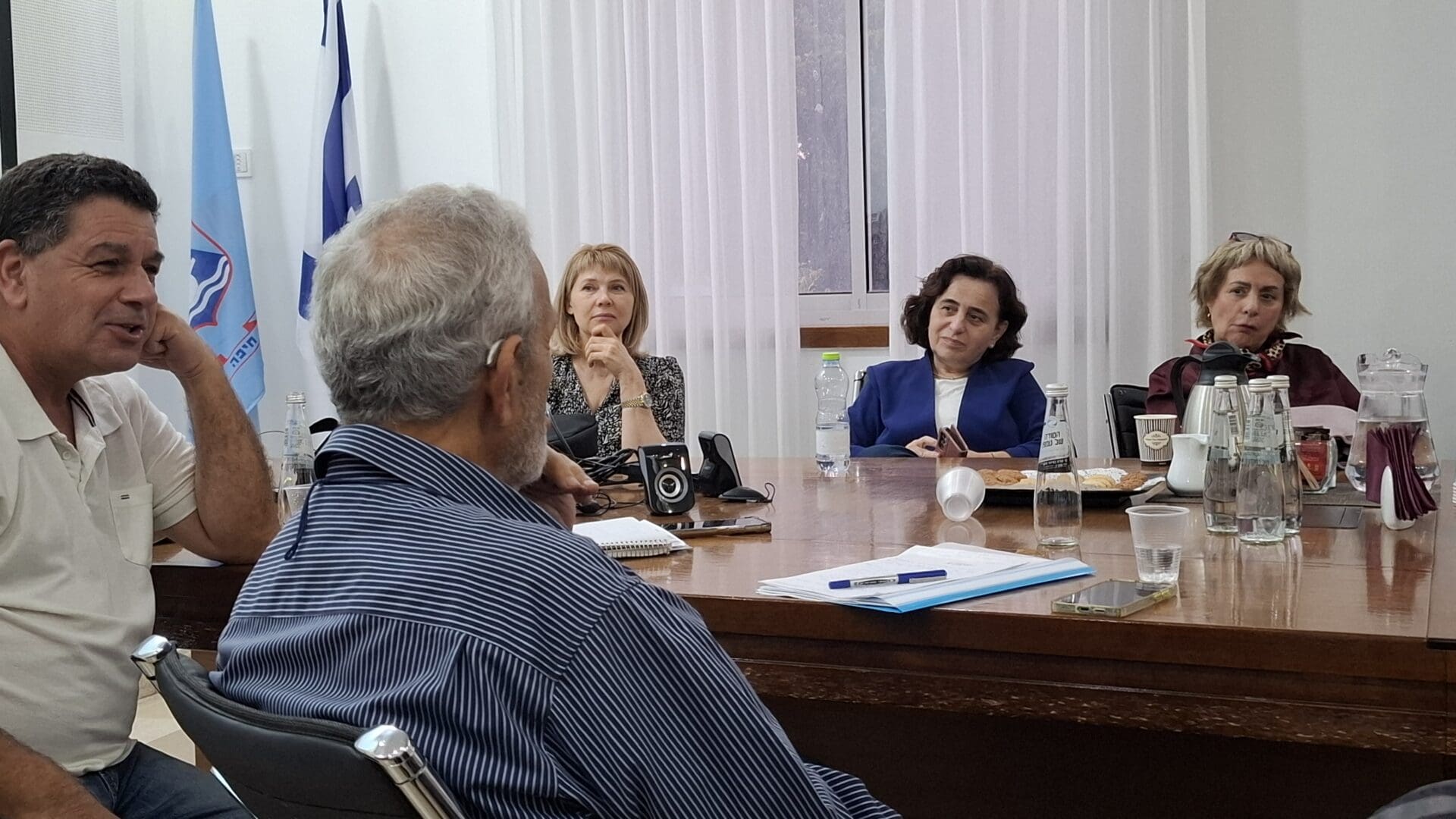
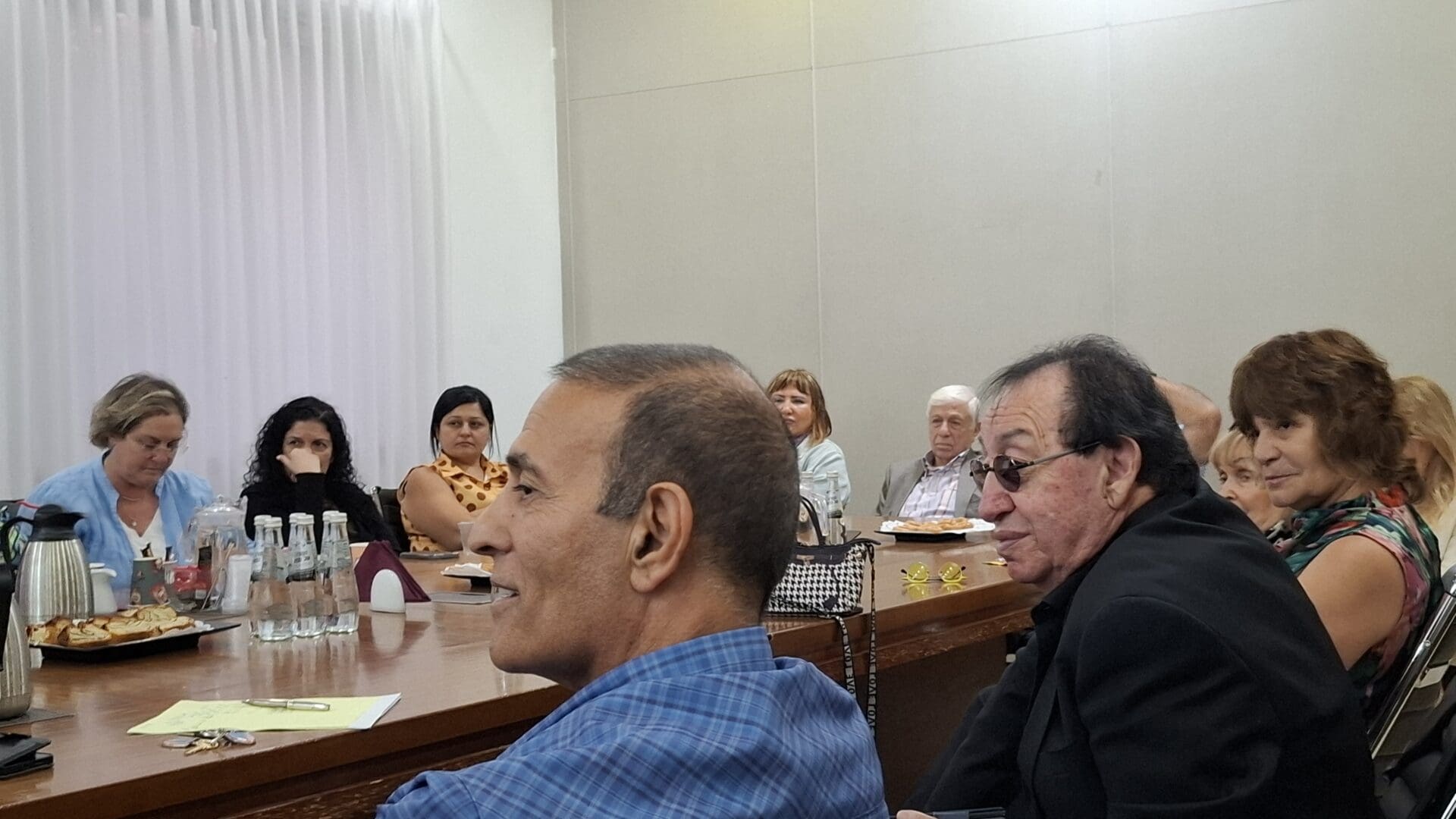
(haipo) The Haifa Municipality Health Committee, headed by City Council member Israel Savyon, held a special discussion on the subject of post-traumatic stress disorder last Tuesday (10/20/26), with the participation of representatives from the health system, the IDF Disabled Organization, the National Insurance Institute, and social organizations.
The Haifa Municipal Health Committee held a discussion that dealt with one of the most painful and least visible wounds of war, post-traumatic stress disorder. Representatives of the health system, the Rehabilitation Branch, the IDF Disabled Organization, and the "Choose for Life" program presented the scope of the struggle, the difficulties that accompany the wounded and their families, and the need to turn support for them from words to actions. Alongside the demand for the adaptation of public services, a clear call emerged: not to leave those affected by the war to face it anew every day, alone.
The war does not necessarily end when the shooting stops, when the soldier returns home, or when the physical injury heals. For those dealing with post-traumatic stress disorder, the battle may continue inside the house, on the road, in line at the supermarket, and even in moments that should be routine and simple. A sudden noise, crowding, or a sense of threat may instantly bring the person back to the experience from which they were trying to escape.
This is the transparent wound of war. A wound that cannot always be seen from the outside, but it can affect all areas of life, the sense of security, family ties, and the ability to return to routine.
Against this backdrop, the Haifa Municipal Health Committee held a discussion on post-trauma and the coping of disabled IDF soldiers and combat casualties, with the aim of meeting the needs, connecting the care providers, and promoting more tailored medical, rehabilitation, and community responses.
The discussion was attended by Alon Ben Yosef, director of the post-trauma department at the Warrior's Home, Col. (res.) Eitan Matmon, chairman of the IDF Disabled Organization in the Haifa and Northern Districts, Yifat Herman, director of the National Insurance Institute in Haifa, Brigadier General (res.) Yishai Ramati, former president of Rotary Haifa and chairman of the "Choosing Life" program, and other representatives from the fields of health, rehabilitation, and the community.
The invisible injury and the struggle that begins at home
One of the main messages that emerged from the discussion was that post-traumatic stress disorder is not limited to difficult memories from the past. It may manifest itself in re-experiencing the traumatic event, avoiding certain places and situations, changes in emotion and thinking, and increased alertness, which makes it difficult for a person to feel safe even when the danger has passed.
For those who have experienced combat, the way home is not always obvious. The road can become a scene of threat, a crowded place a source of anxiety, and an everyday action like shopping at the supermarket a real mental challenge.
Behind the behavior that sometimes appears to others as impatience, withdrawal, or irritability, there may be deep distress. The person does not necessarily choose to distance themselves, to lash out, or to avoid, sometimes they are trying to cope with a world that no longer feels safe for them.
Alongside the familiar symptoms, moral distress is also discussed, which is related to, among other things, guilt, shame and difficult feelings surrounding events that the person has experienced or been involved in. This damage may place a great burden on mental coping, and in some cases may also be associated with an increased risk of suicide. This emphasizes the importance of early identification, professional guidance and appropriate intervention.
Today, trauma-focused therapies exist, including EMDR, prolonged exposure (PE), and cognitive processing therapy (CPT). However, alongside professional treatment, an environment that is accommodating, recognizes distress, and does not add to it is also required.
"Since October 7, we have received thousands of wounded and the need is enormous."
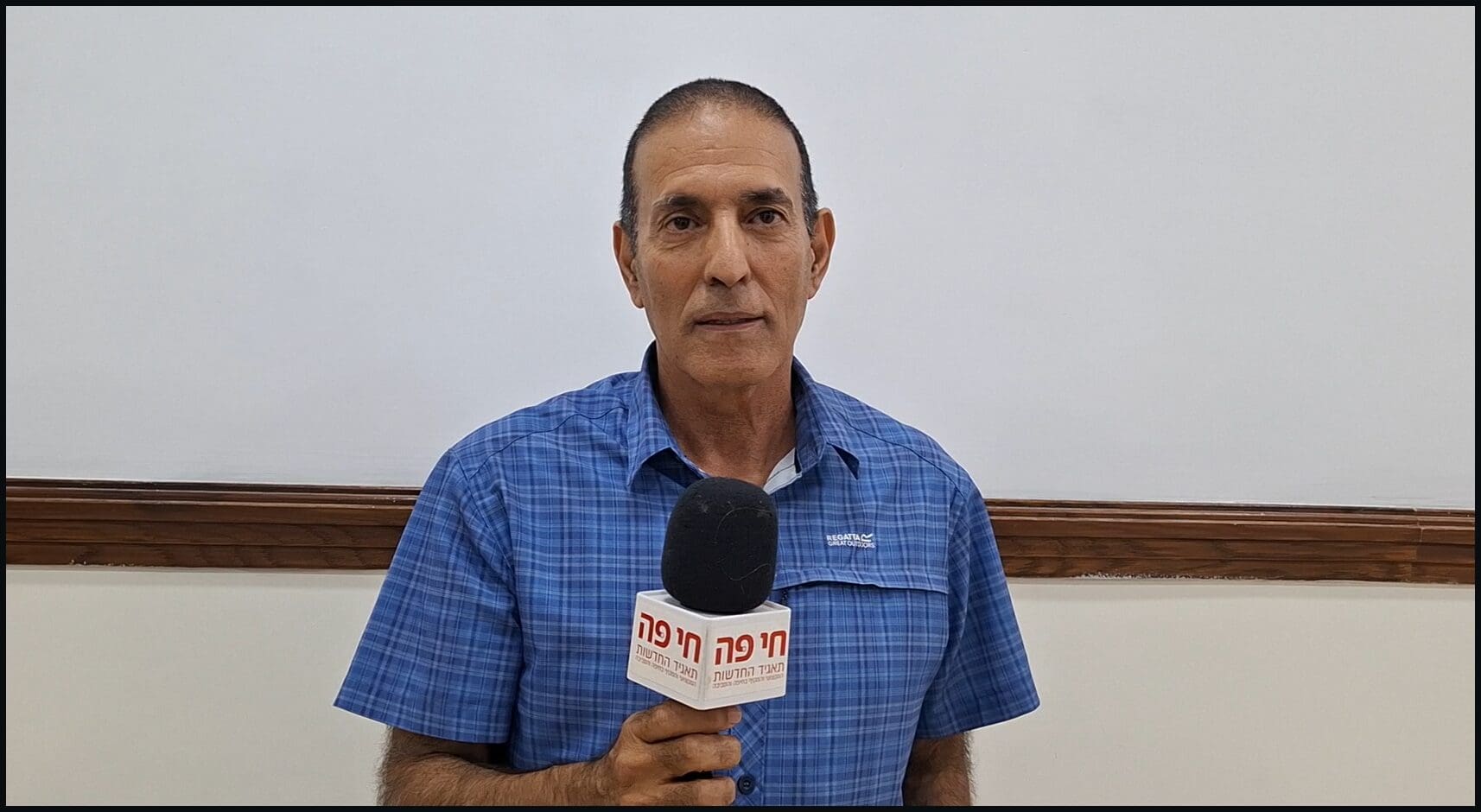
Col. (Res.) Eitan Matmon, Chairman of the IDF Disabled Organization in the Haifa and Northern Districts, He addressed the scope of the challenge and the need to strengthen cooperation between the bodies involved in rehabilitation.
During the discussion, data was presented on the scope of needs in the Rehabilitation Division and in the district: approximately 42,500 people dealing with mental health and post-trauma together, 18,744 members of an organization in the Haifa and Northern Districts, 5,242 wounded in the Iron Sword War in the Northern District, and 2,366 members of an organization in the city of Haifa. The data was presented in the form of slides during the discussion. The numbers are not just statistics. Behind them are people, families, and entire circles that are required to relearn how to live with the injury.
Matmon emphasized the importance of connecting professional groups and promoting joint solutions to improve service and response to the wounded in the district. The meaning is clear: no body can provide all the answers alone. Joint work is required between the health system, the Rehabilitation Division, the IDF Disabled Organization, local authorities, the National Insurance Institute, and civil society organizations so that the wounded person is not forced to become the treatment coordinator of his own life.
Not only to treat the injured person, but to adapt the system to them
One of the key issues raised in the discussion concerned the adaptation of public services to people dealing with post-traumatic stress disorder. Hospital emergency rooms, long waits, noise, overcrowding, uncertainty, and meeting many people can be particularly difficult experiences for them. A system designed to provide treatment may intensify the sense of distress if it is not adapted.
During the discussion, a request was raised to promote a joint team and a pilot to adjust the response in the emergency room, while addressing the identification of distress and suicidal risk, reducing stimuli, allowing for waiting in a quieter environment, providing early explanation before tests, allowing for the option of choosing a companion, and creating a continuum of care between the hospital, the War Home, and the community. The message is not a request for a special benefit, but a demand for a system that understands the patient in front of it.
Accessibility of medical services does not end with a ramp or an elevator. Sometimes it begins with lowering the voice, a simple explanation, waiting in a quiet place and understanding that the person's reaction is not necessarily directed towards the environment, but rather stems from distress. At the same time, additional needs were presented, including expanding emotional support for families, strengthening the rehabilitation continuum in the community, assistance with employment, exercising rights, developing digital infrastructure and examining diseases associated with post-traumatic stress disorder.
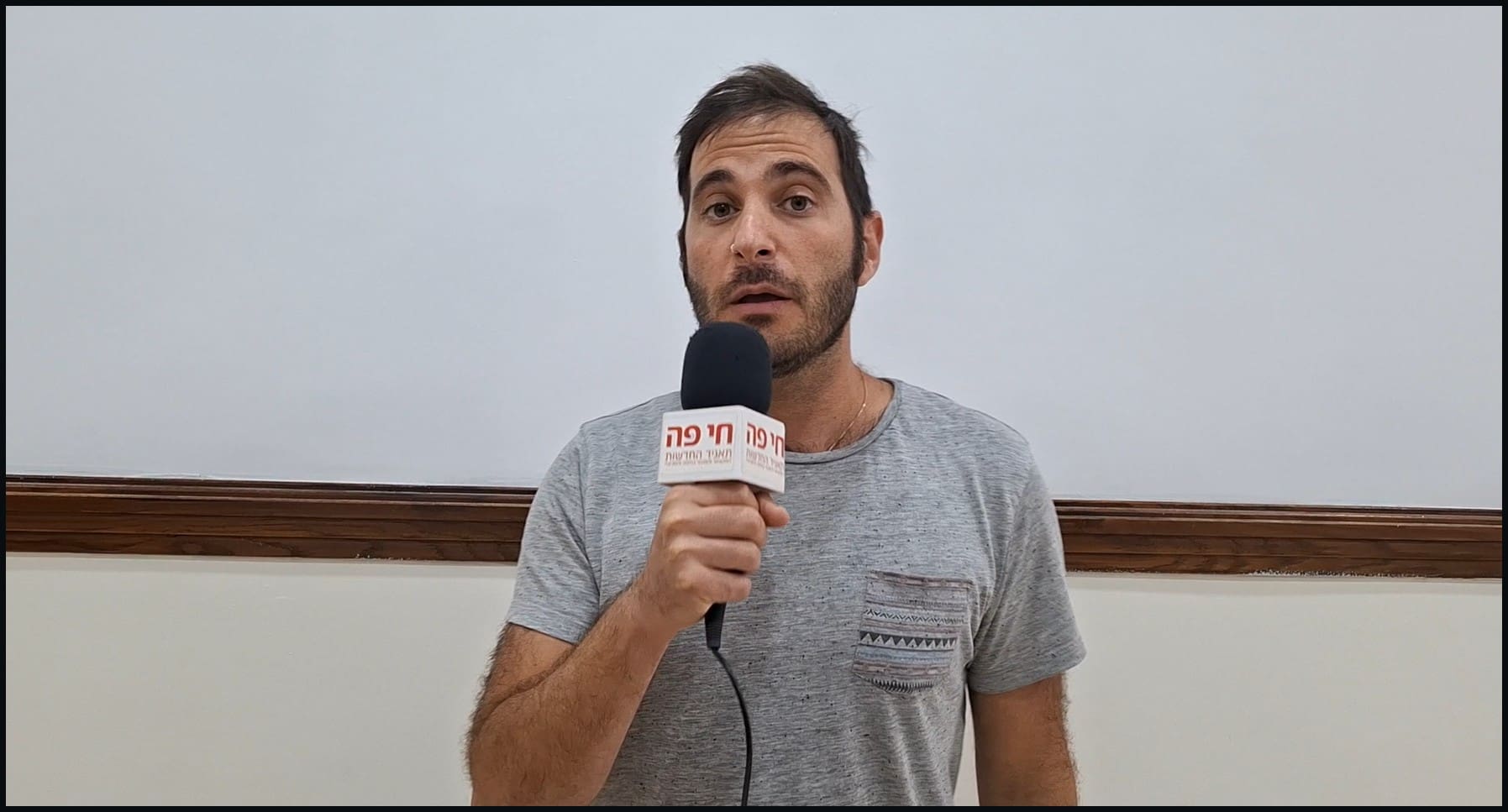
"The mission is ours all"
Alon Ben Yosef, Director of the Post Trauma Department at the Warrior's Home, sought to broaden the perspective. The burden of coping cannot be placed solely on those who were injured. According to him, since the beginning of the Iron Sword War, thousands more have been injured in the Haifa area, and the need to adapt public systems to the new reality is growing.
"Even if the injury is hidden or obvious, the person dealing with post-traumatic stress disorder often feels that their mission is to recover and get well. But it is our mission as a society to help them recover and not to burden them with all this coping," was the main message in his words.
Ben Yosef emphasized that sometimes it is the simplest gestures that can change an encounter: asking a person who appears to be in distress if everything is okay, approaching with a smile, speaking calmly and not immediately reacting angrily to a nervous or agitated person. This is no substitute for professional treatment, but it is a reminder of the human responsibility that rests on all of us. We will not always know who is standing in front of us and what they have been through. We will not always see the injury. Precisely for this reason, a society that responds with sensitivity, patience and respect is needed.
"Choosing Life": From the Sea to the Road Back to the Community
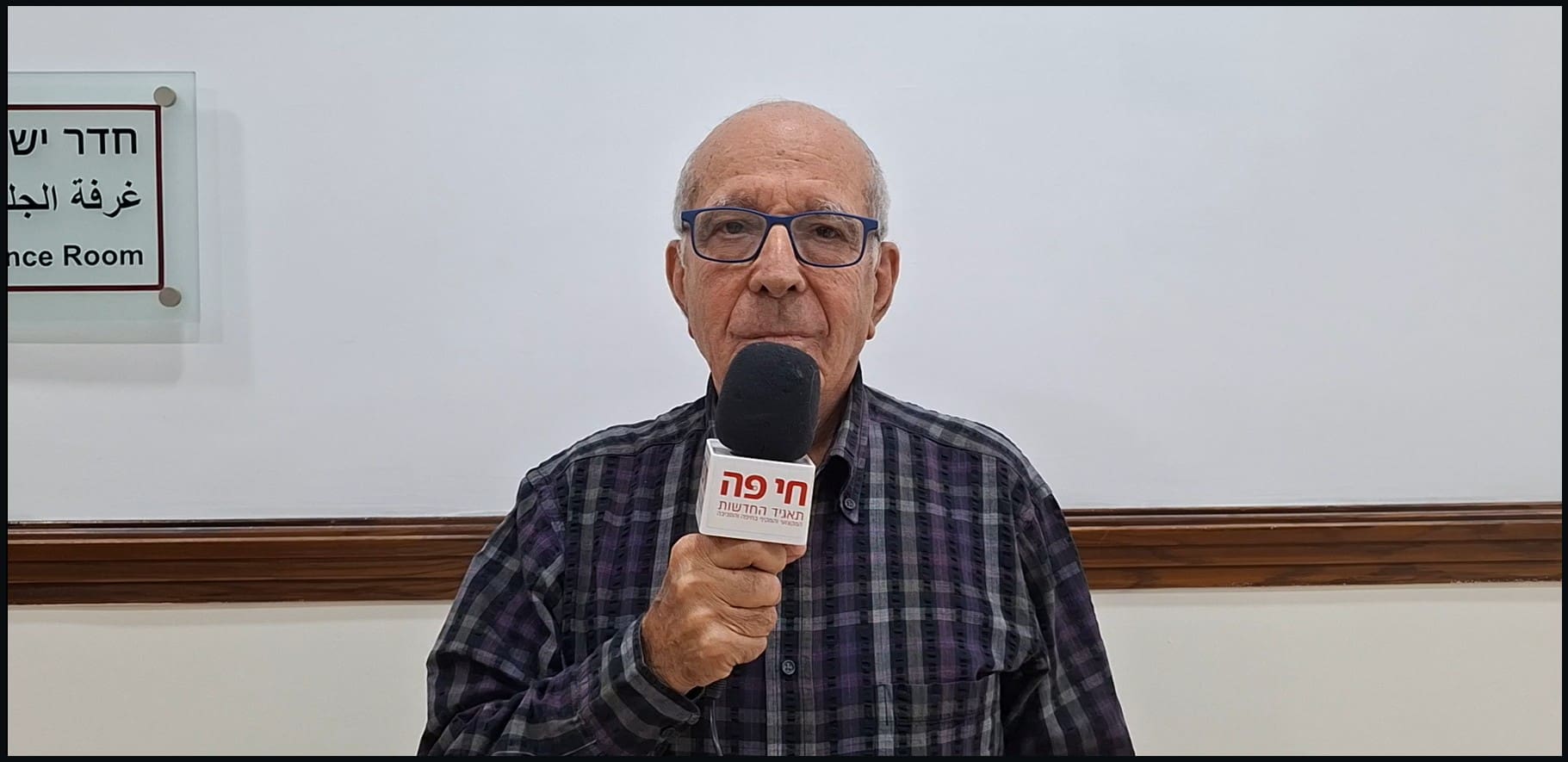
One of the solutions presented in the discussion is the "Choose Life" program, initiated by Rotary Haifa and led by Brigadier General (Res.) Yishai Ramati, former president of Rotary Haifa and chairman of the program.
The program is designed for combat casualties dealing with post-traumatic stress disorder and combines a challenging cruise, group therapy, and family support. Participants embark on a weekly three-hour cruise, accompanied by a certified cruise guide and a therapeutic professional. During the cruise, they are assigned roles, tackle joint tasks, learn to work as a team, and participate in a group processing of the experience.
"We take the participants on a cruise every week, give them different roles during the cruise, and at the end we sit together and summarize the experience. We see the changes and try, alongside the activities with the families, to help them return to normal life in the community," explained Ramati.
The sea, in this context, is much more than an open landscape. It allows for a departure from routine, gradual coping with challenges, an experience of competence and belonging to a group in which everyone is required to contribute and be a part. The program does not focus only on those who have been affected, but also on their families. Couples often carry a heavy emotional burden, deal with changes in home life and try to support the person they love, even when they themselves need support.
Therefore, the program also includes support groups for families and joint social activities. Among the accompanying activities presented: meetings for families and children, activities for the wives of fighters, guidance for professional and academic studies, and integration into the community.
According to the data presented, 88 program participants took part in the support groups between the summer of 2024 and March 2026, and during 2026, an expansion of the activity was planned to a total of 122 participants. This is the program data as presented in the discussion, and not data from a clinical evaluation of the effectiveness of the treatment.
The program seeks to continue to expand, increase the number of participants, establish the administrative infrastructure, mobilize resources, deepen family integration, and develop study and employment paths for program graduates. Among the partners presented are the Ministry of Defense, the Rehabilitation Division, the Haifa Rotary Club Foundation, the 578 Sailing Club and School, the Center for Social Research at the University of Haifa, and the IDF Disabled Organization.
One of the goals presented is the opening of an academic course of study at Gordon College in Haifa, with the assistance of a Rotary donation. The move expresses a broad concept of rehabilitation. Not only to help the person cope with the injury, but also to open up new possibilities for learning, employment, independence and belonging.
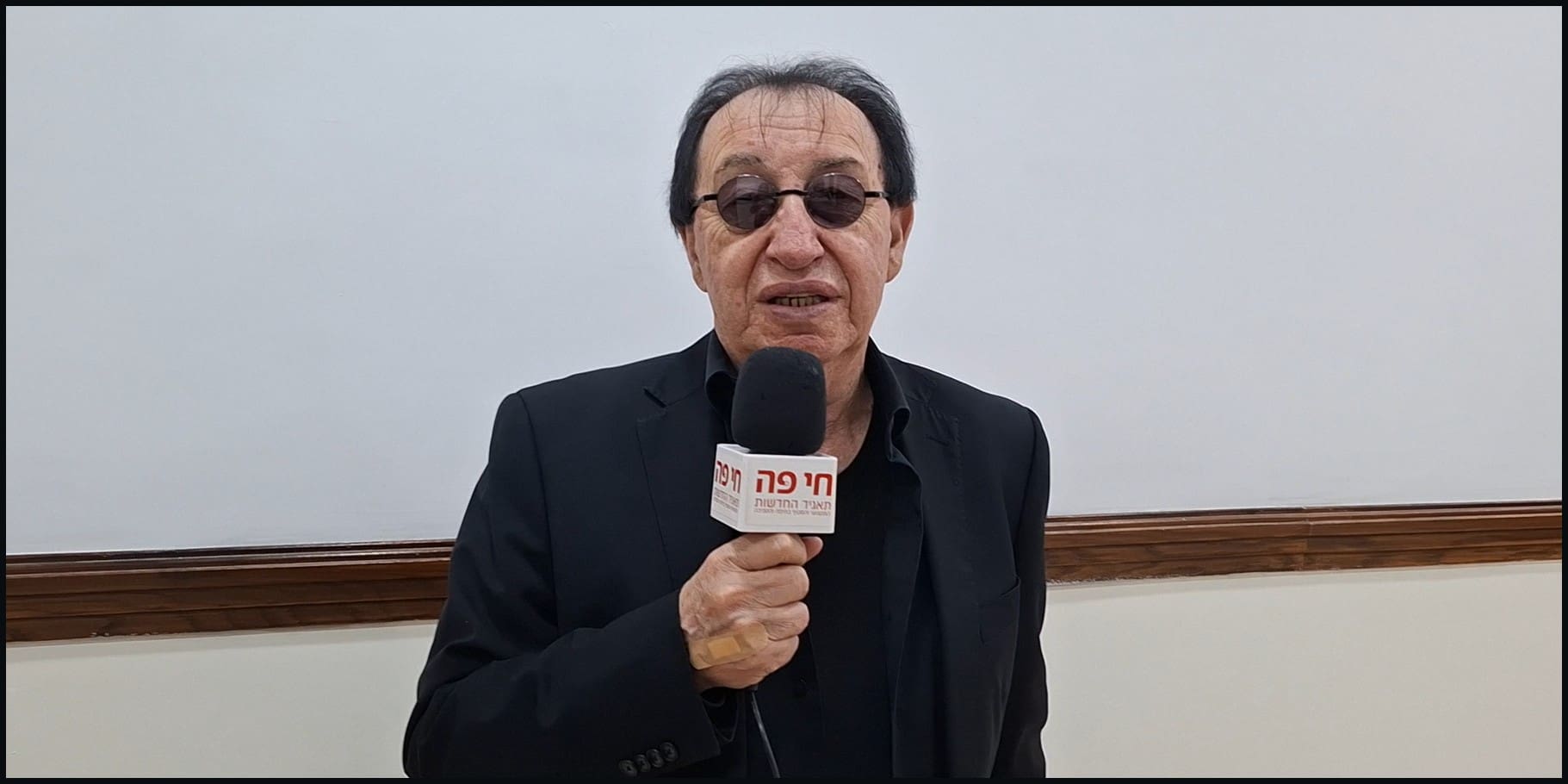
Medicine, community and volunteerism — a partnership that must continue
The chairman of the municipal health committee, Israel Savyon, the senior citizens portfolio holder and chairman of MILV, emphasized the importance of substantive public discussions and the possibility they create for collaboration and resource mobilization.
According to him, the Health Committee seeks to promote engagement in medical and public health issues also within the framework of activities intended for senior citizens, including lectures and meetings within the framework of the Gamlaida and on Friday mornings.
The connection between health, community, and volunteerism is especially important in dealing with post-trauma. Treatment does not end in the professional's room, and rehabilitation does not end the day the person is released from the hospital. It continues at home, at work, in meeting friends, and in the ability to participate in community life again.
This is also where the city's ability is tested: Do public services know how to identify distress? Are there support pathways for families? Can a person dealing with post-traumatic stress disorder receive treatment without feeling like they are required to fight the system again?
Don't leave them alone in the second act.
The discussion in the Haifa Municipal Health Committee brought to light a truth that cannot be ignored: The psychological damage of war is not a private matter for the soldier or warrior who has returned home. It affects the family, the community, the health system, and society as a whole.
Resources, professionals, tailored treatments, rehabilitation frameworks, family support, and cooperation between agencies are required. But a basic understanding is also required: a person dealing with post-traumatic stress disorder does not need to prove to the environment that he is suffering in order to gain patience, and he does not need to struggle alone to receive the response he deserves.
The message that emerged from the discussion is clear and concise: the responsibility for rehabilitation does not lie solely with the injured. It also lies with the systems that are supposed to care for them and with the society to which they seek to return. Because behind every number there is a person. Behind every injury there is a family. And behind every attempt to return to life there is a struggle that sometimes no one sees.
The war left wounds that are not always visible. Now it is up to all of us to ensure that no one is left alone in the face of pain, and that those who chose to protect life will also have a society to stand by their side on the way back to them.