


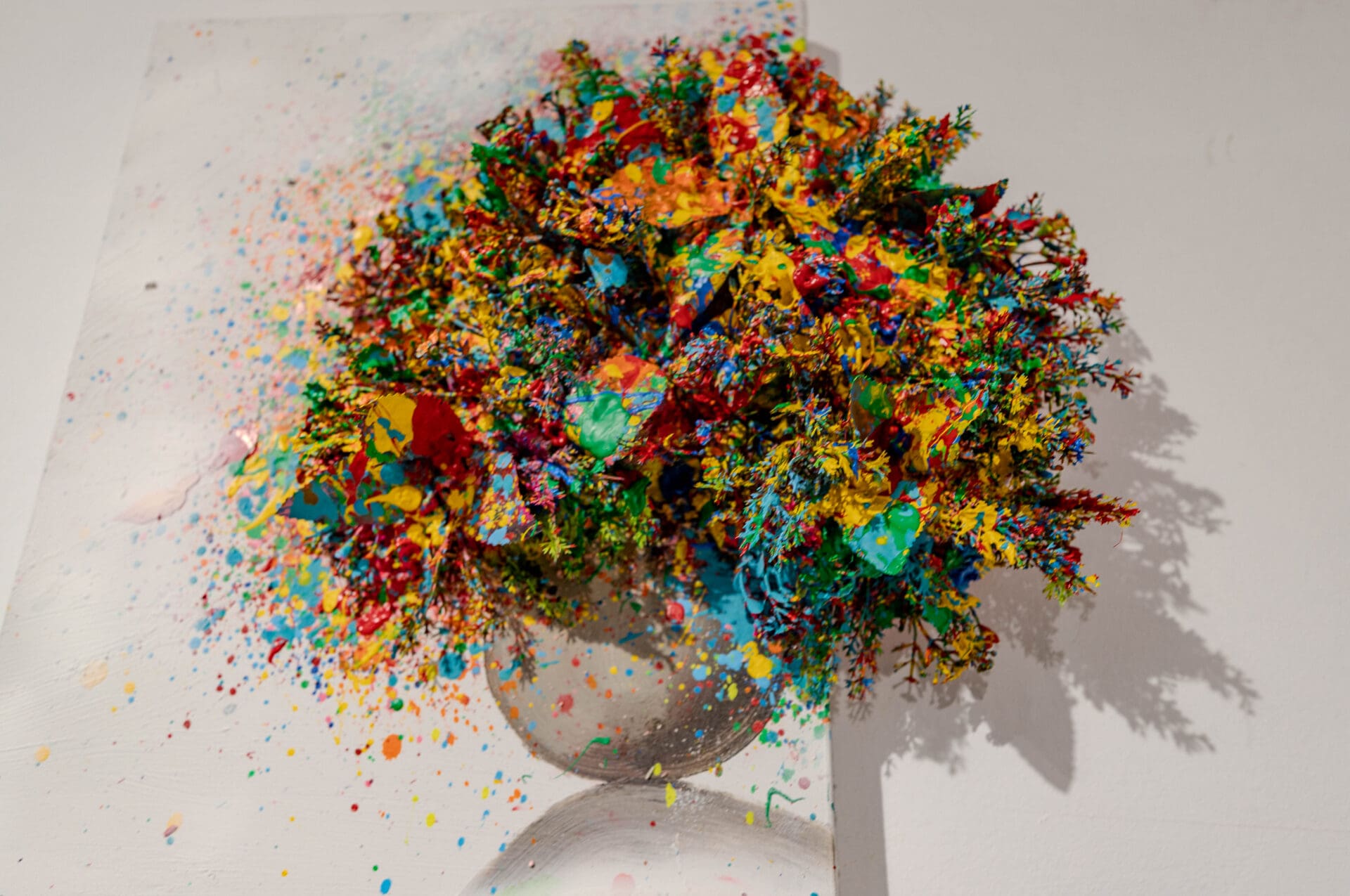
The House of Paints by artist Sam Halabi in Daliyat al-Karmel has long been a tourist attraction. The story of the artist, who transformed his childhood home into a spectacular representation of color, tells a lot. Recently, following a visit to the place, I found myself reflecting less on the story of the house and more on color itself, what it does for us, why we need it so much, and what it reveals about the way we look at the world.
You enter a house and immediately something changes. The eye has difficulty remaining indifferent. The walls are no longer walls, the floor is not just a floor, objects cease to be objects and the entire space seems for a moment like a painting that you can enter. The color does not sit on things from the outside, as decoration. It takes over them and forces us to look at them anew, differently.
Color doesn't change the world, but the way we see it.
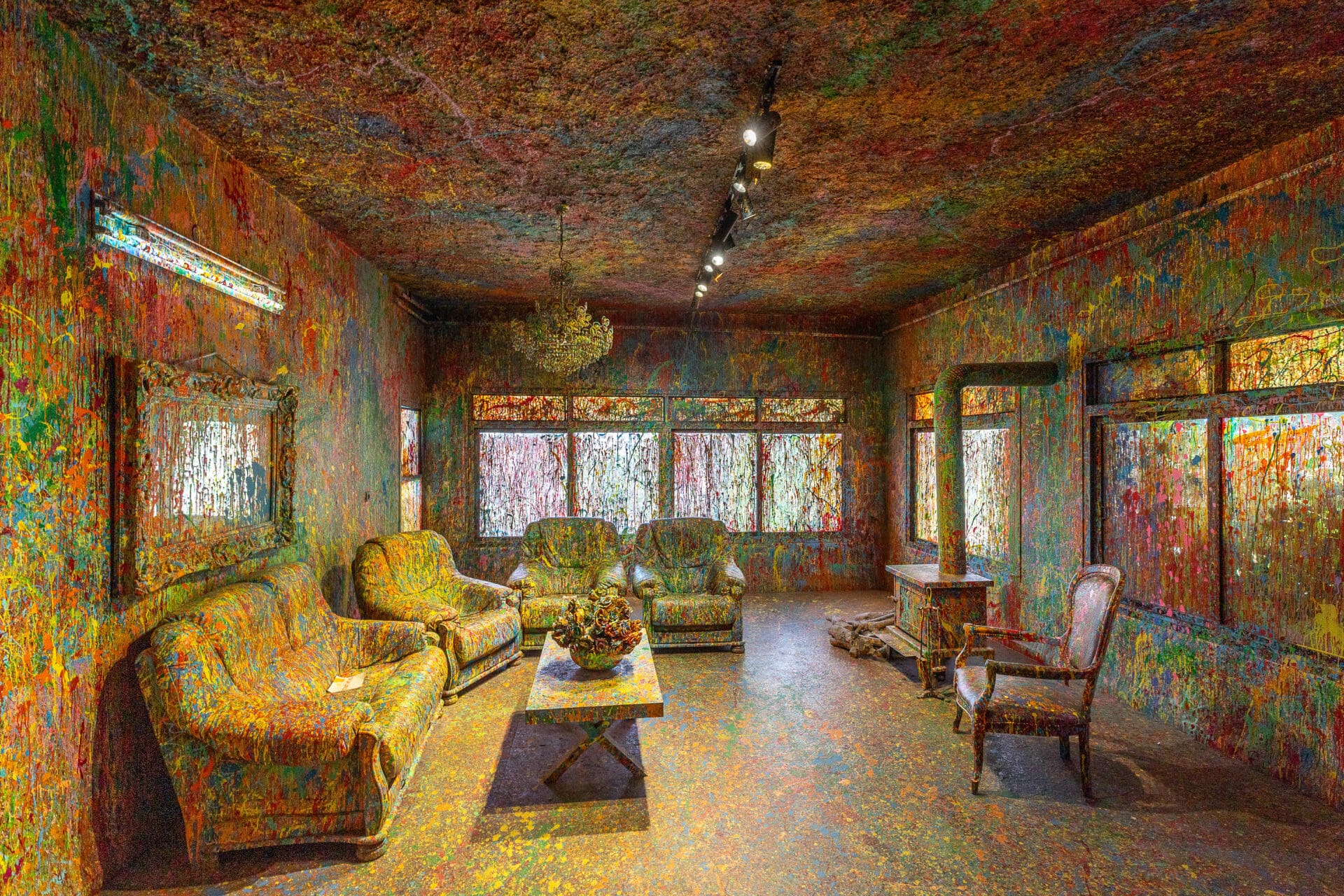
We are used to thinking of color as a property of things. The sea is blue, the leaves are green, the earth is brown, and the sky is blue and sometimes gray. But color is not really there as we see it. It is born in the encounter between light, matter, and our eye. Color is both a physical phenomenon and an internal experience. We not only see color, we also interpret it, feel it, and remember it.
There are colors that immediately take us back to a certain place, a certain person, a time that is no longer there. A certain blue can be the sea of childhood. Yellow can be a wall in grandma's house. Green can be a path we haven't walked in years. Sometimes we can remember a color better than the memory of the painted object itself.
Different cultures have given color a meaning that goes far beyond aesthetics. And in the East, and especially in Japan, this attitude takes on a special depth. Japanese aesthetics are not in a hurry to fill every space. They know how to leave room for emptiness, for silence, for shadow, for matter as it is. Beauty does not have to be shiny, new, or perfect, quite the opposite.
The concept of wabi-sabi also finds beauty in what passes, in what is worn, in what is asymmetrical, and in what bears the signs of time. A bowl that has been broken and repaired is not necessarily less beautiful than a whole bowl. Old wood does not need polishing to be impressive. The wrinkle is not a defect to be hidden, but evidence that time has passed here.
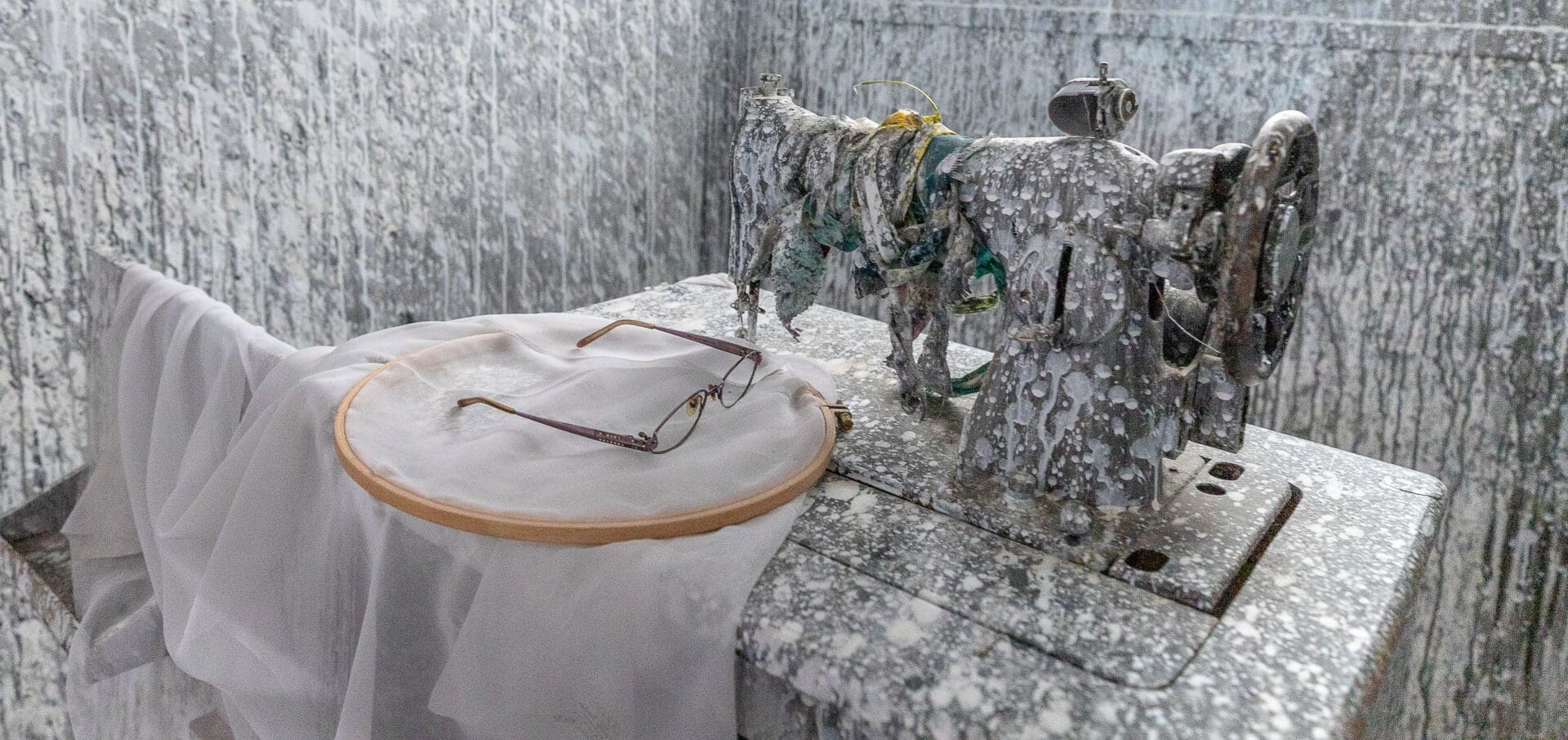
Paradoxically, Sam Halabi's House of Colors actually reminded me of Japanese tranquility.
Because in the face of all this abundance of color, the understanding sharpens that color is not just what is added, it is also what is subtracted. A strong color gets its power from the colors around it, from gray, from white, from shadow. Red needs silence to be red. Blue needs a horizon. Even the most beautiful sunset is beautiful, in part, because it lasts only a few minutes. Beauty needs a limit.
When we look deep into nature, we discover that the green of the leaves needs the warmth of the earth, the blue of the sky needs the white of the clouds, and the most colorful flower needs the space that allows it to stand out. Nature knows something that we have forgotten, Not everything has to compete for attention..
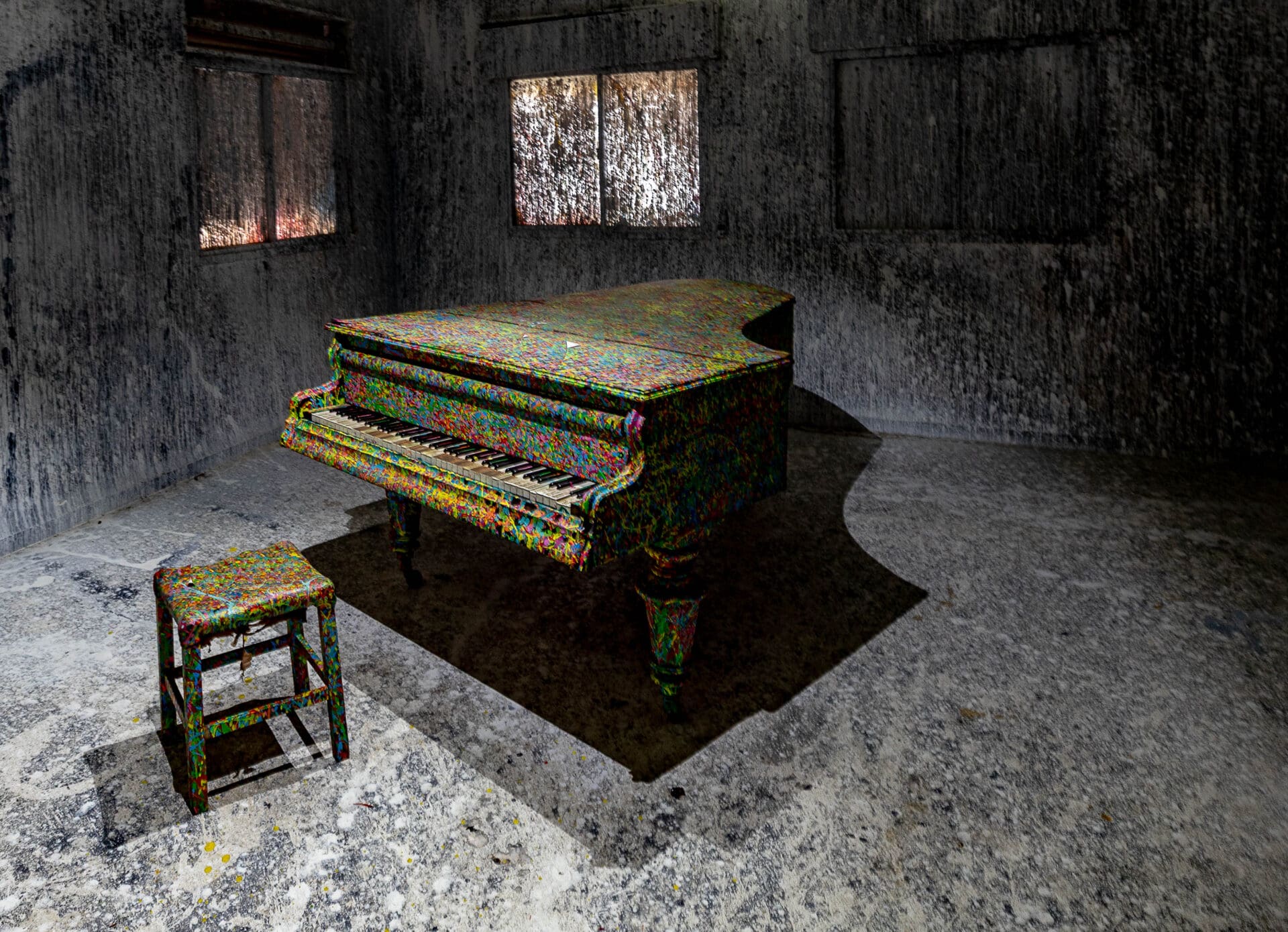
The visit to the House of Colors sharpened the distinction that we live in a world that seeks to color everything. The house, the body, the street, the online profile, the opinions, the identity. Everything has to be sharp, clear, prominent. Everything has to attract the eye. As if if we are not colorful enough, the world will not notice us.
When you think about it a little more, in depth, the point falls. It is precisely the multitude of colors that makes us lose the ability to see. When everything screams, nothing screams anymore. When everything stands out, nothing stands out.
One of the reasons we take so many photos is that we know that the color will fade, that the light will change, that the sea will look different tomorrow, that the face in front of us will change, and that we ourselves will not always look the way we look now. Photography is a small attempt to stop what cannot be stopped. In the words of Roland Barthes " That was then and that was there."
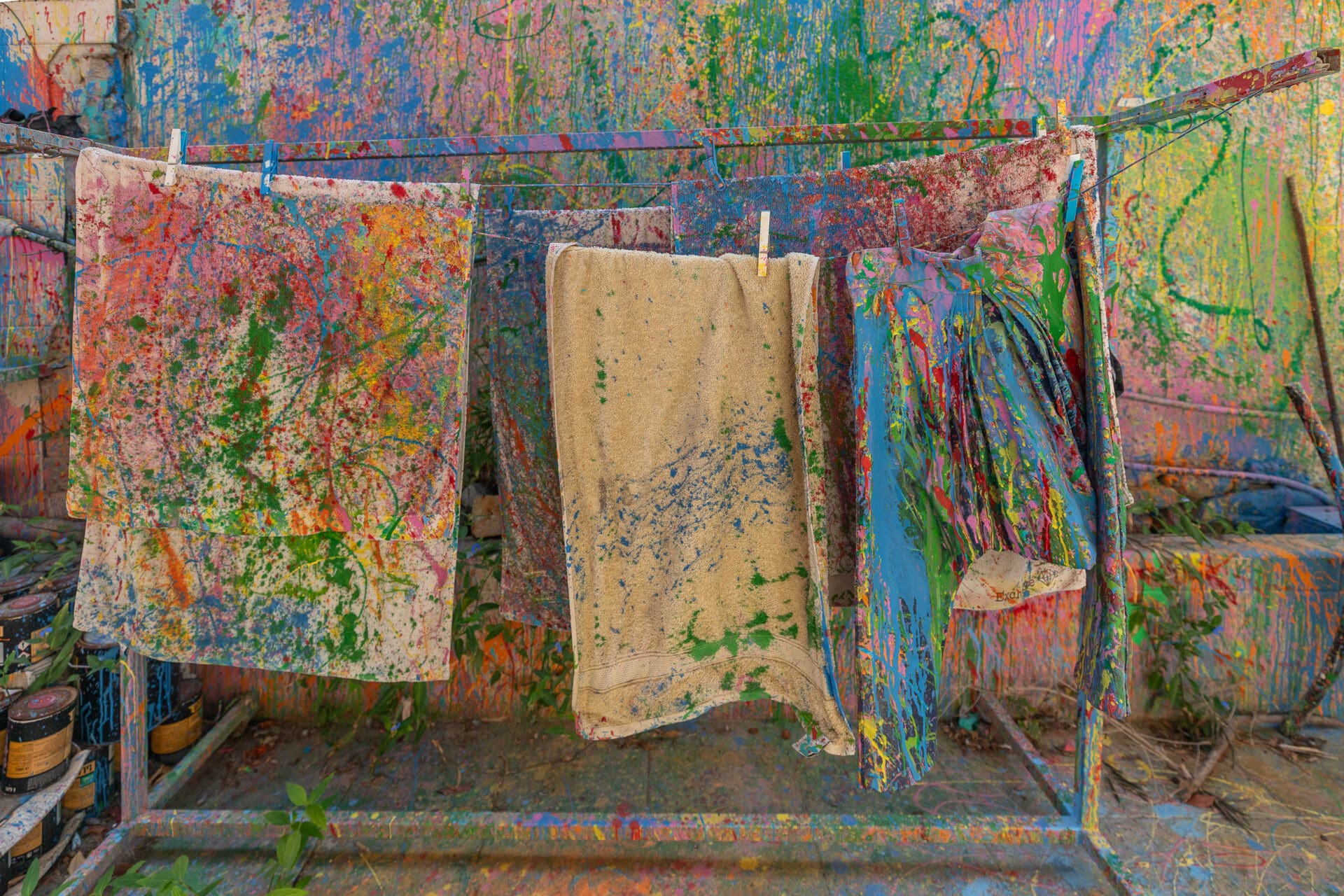
And this thought accompanies me as I leave the house of colors.
Color is one of the ways we manage the distance between us and the world. Sometimes we need color to get closer to it, to feel it, to wake up, and sometimes we need at least a little color to see something that was there all along. Because in the end, the question is not what color we like, but how much color we can handle.
And so in life, as in painting, not every area needs to be painted. We need to leave room for shadow, for emptiness, for silence, for things that don't ask anything of us. Because sometimes it's precisely the space that remains white that allows all the other colors to be seen.
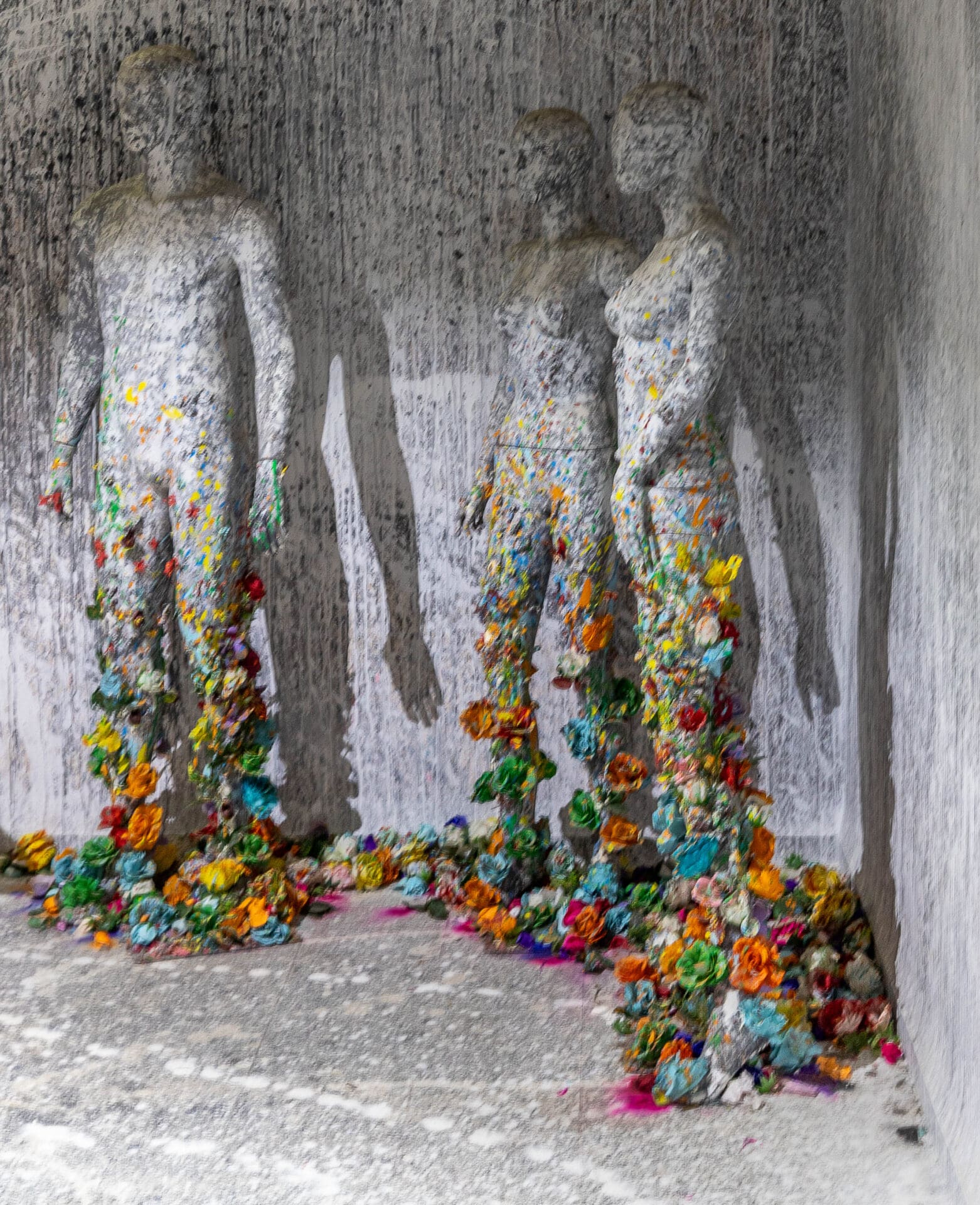
Extraordinary talent
Thanks for the article
Artist's exhibition on 5-9-26
In Ein Hod