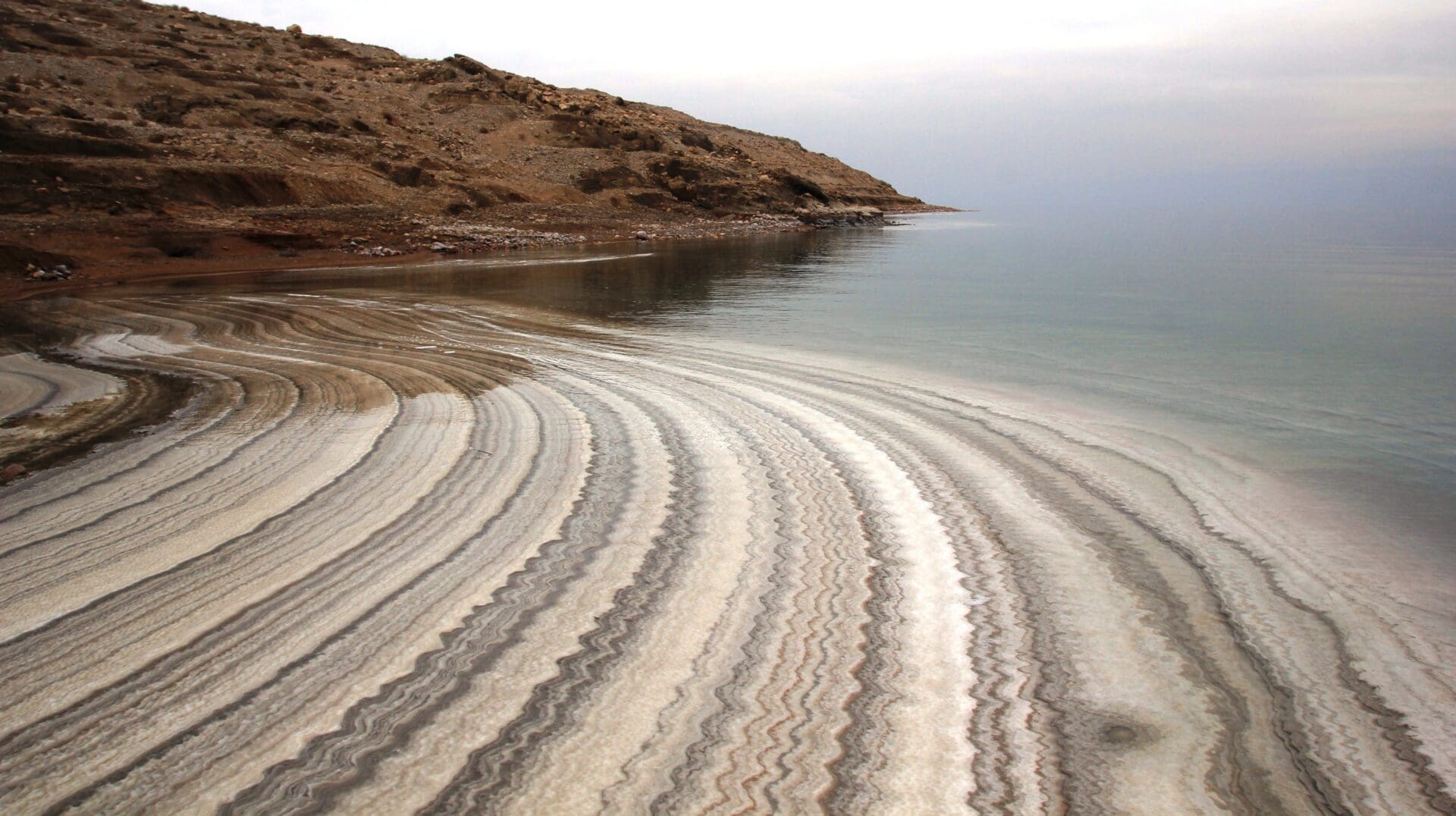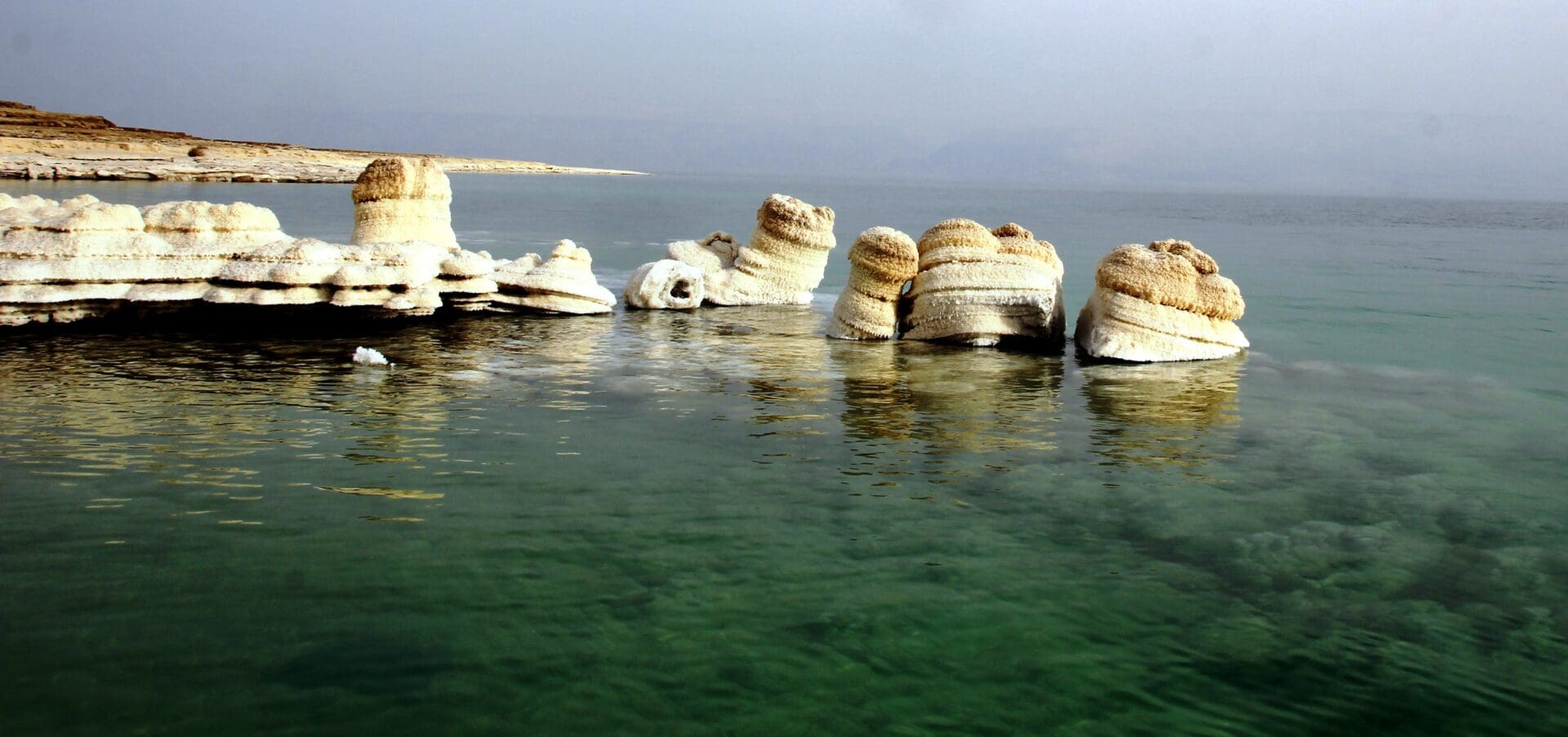
The distance from Haifa to Sodom is less than three hundred kilometers, but the Dead Sea should be close to the hearts of all of us.
Once, when we were traveling to Ein Gedi or Eilat, the Dead Sea touched the edge of Highway 90. In the meantime, the road, which suffered from collapse and flooding, has been moved many times, especially in the Ein Gedi area, and the Dead Sea is drying up. How much is it drying up? The following graph explains this well:
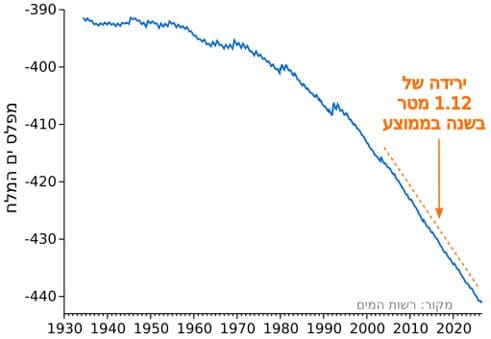
It can be seen that until the 1970s the extent of the drying up was relatively moderate and since then, for more than fifty years, the pace has accelerated. The reasons are known, the main one being the diversion of fresh water (Jordan, Sea of Galilee) for domestic and agricultural use. The national carrier, the Jordanian carrier and local water plants on both sides of the border have reduced the amount of fresh water reaching the Dead Sea to one percent, just one, of the past.
The second reason is the extraction of potash and minerals. The Israeli and Jordanian process includes evaporation ponds that increase the rate of water loss. The entire southern basin is evaporation ponds, the Dead Sea no longer exists there.
A side effect of increased evaporation is sinkholes. Entire tourist sites have been destroyed, and there is now a risk of future collapse for the Ein Bokek hotels and the entire industry around the Dead Sea.
Adding water to the sea is possible through the "Seas Canal" project, which is being proposed from time to time. In the past, there was talk of a canal from the Mediterranean Sea, but the Jordanians opposed a solution that would increase their dependence on Israel, so a solution of a canal/conveyor from the Gulf of Eilat was proposed. About eight years ago, an inter-ministerial committee was established on the subject, but as of today, eight years later, the committee has yet to submit its recommendations.
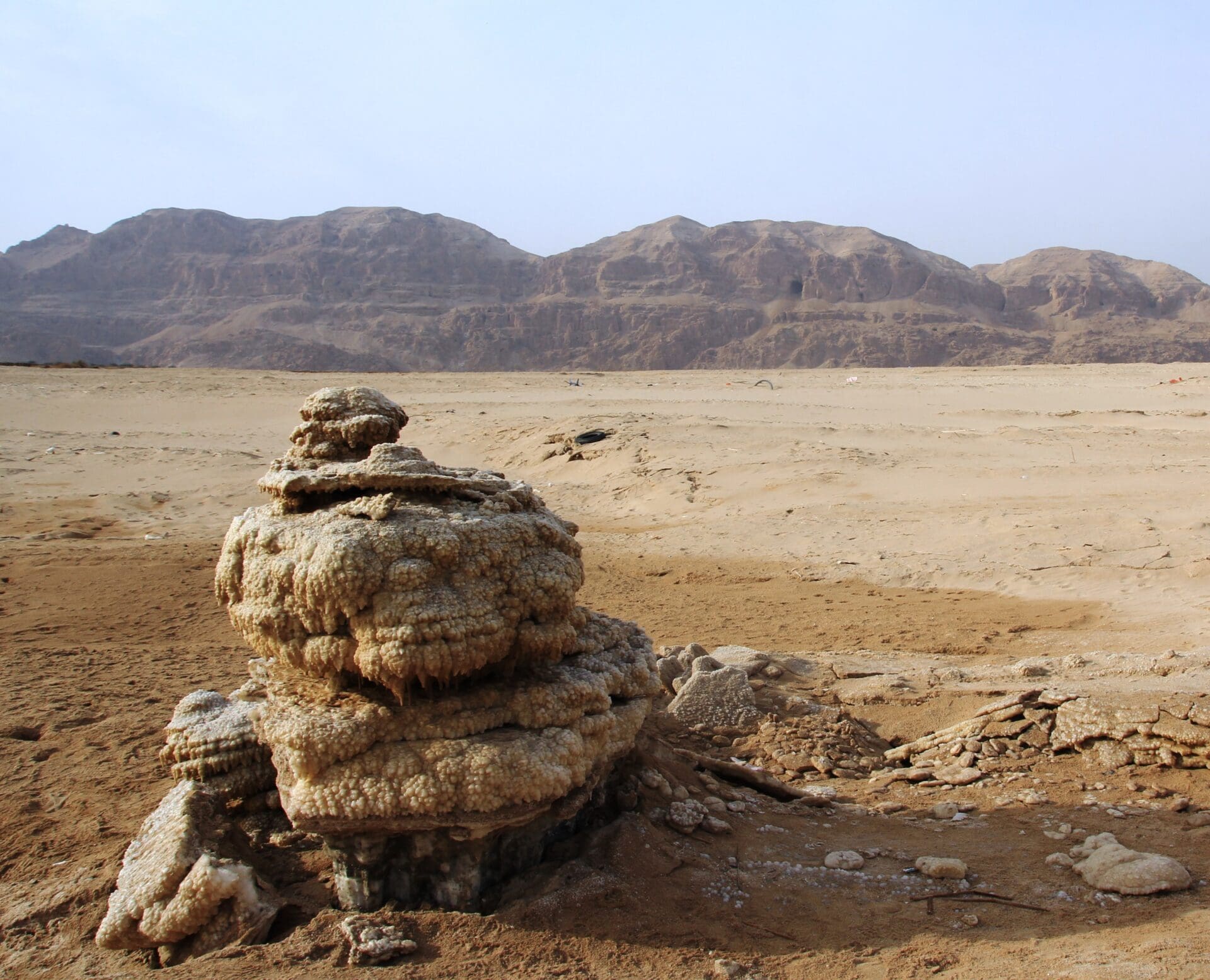
The mining concession in the Dead Sea is set to expire in four years. Environmental terms and conditions must be added to the renewal terms, and here too, sufficient work has not yet been done to secure the future of the Dead Sea.
In my lifetime, the sea level has dropped by more than forty-five meters, the equivalent of a fifteen-story building. In the last hundred years, the sea's area has shrunk from one thousand square kilometers to about six hundred and fifty square kilometers today.
The Dead Sea does not disappear quietly. Where there was once water, it leaves behind sinkholes. As of today, their number is estimated at around six thousand.
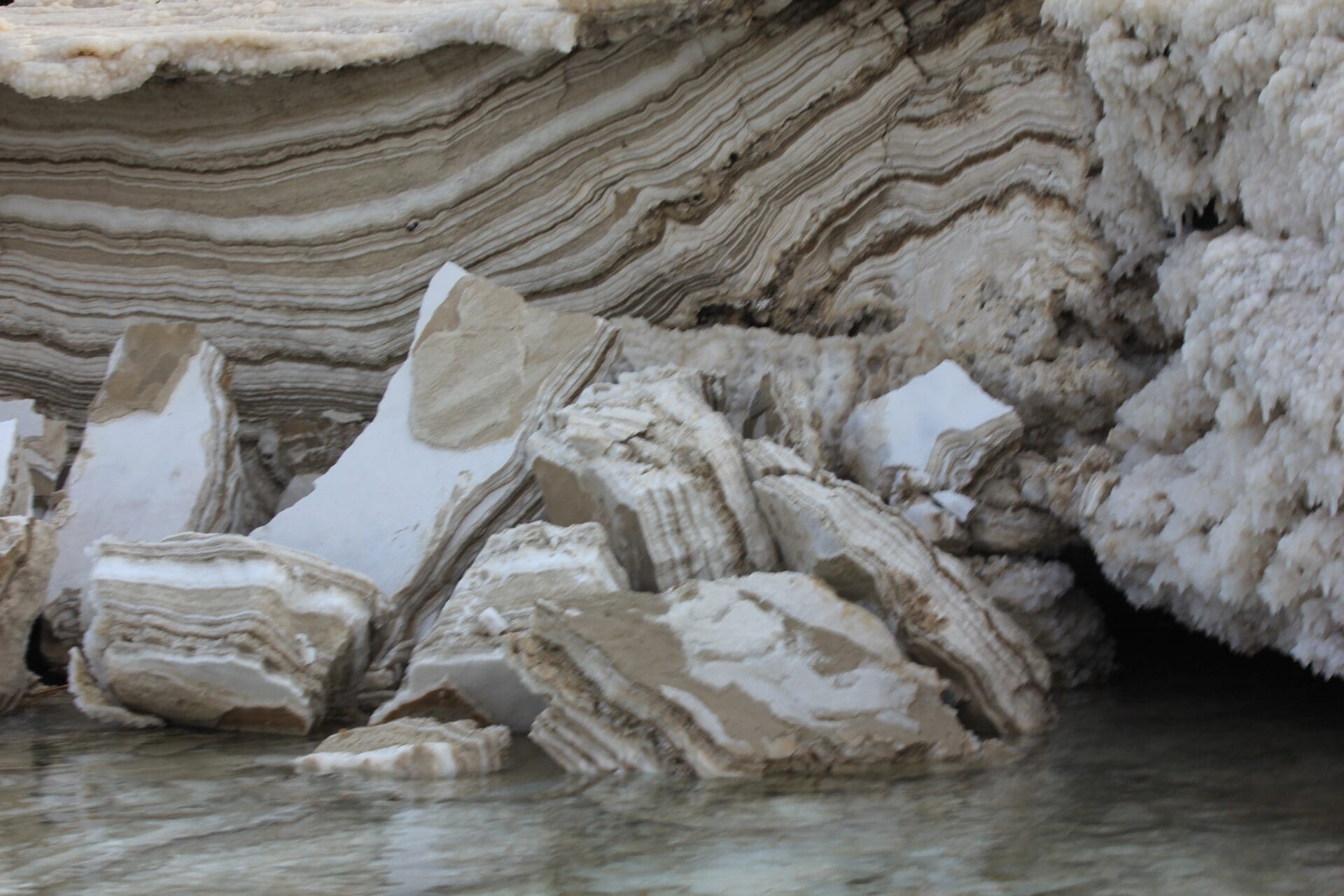
The Dead Sea does not belong to our generation, it was here long before there were countries, borders, roads, hotels and industrial plants. People have called it by its name for thousands of years. It appears in our earliest stories. It is part of the landscape of this place, like the desert, Masada and the Jordan, but we are the ones who see it receding, see it disappearing and can prevent it.
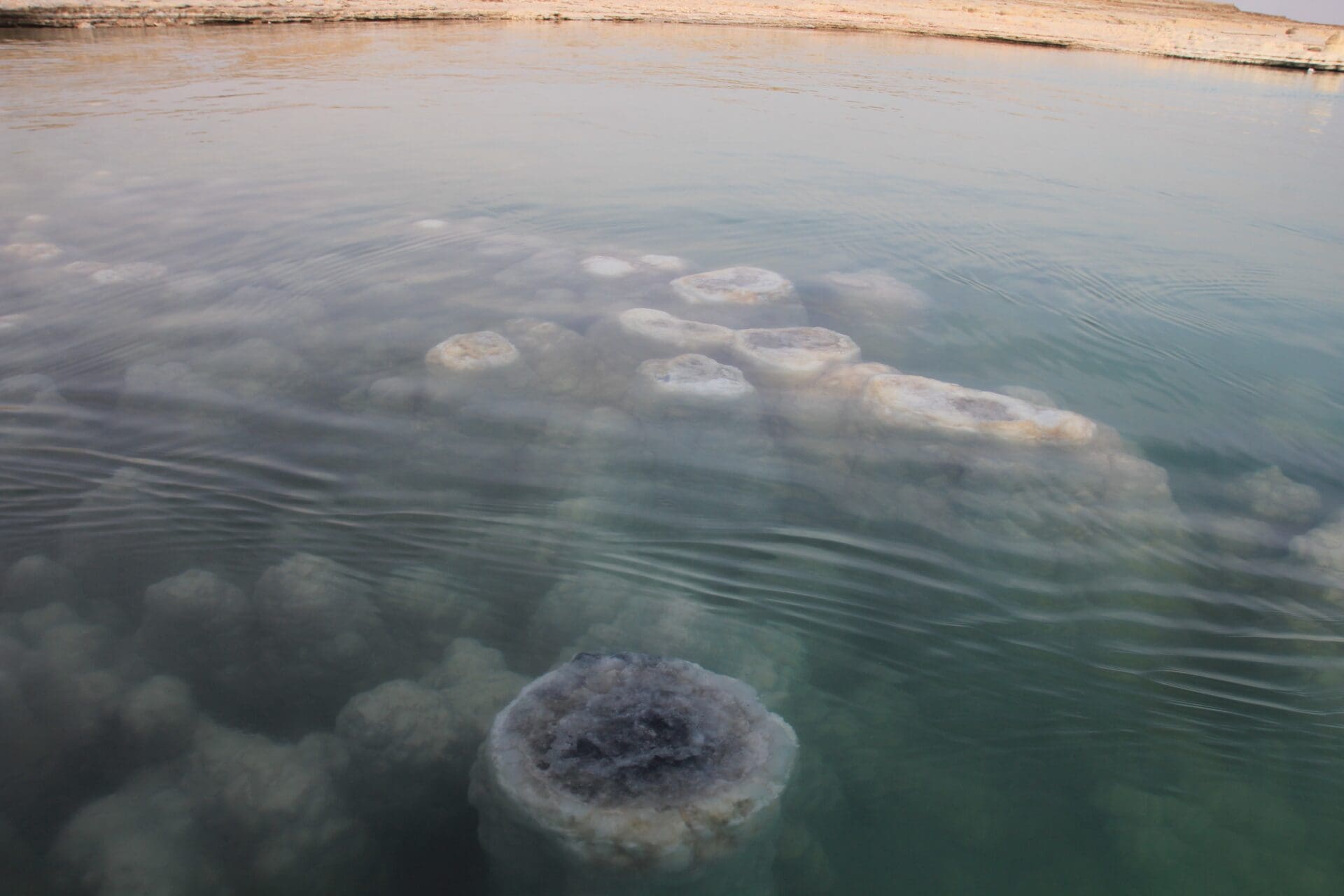
And when the water recedes, it doesn't just leave a beach behind, it leaves sinkholes. It moves the road away from the water line, it changes the landscape, the desert, and it hurts tourism, and eventually the Dead Sea will be spoken of in the past tense. And this is not fate, this is a man-made drying plant.
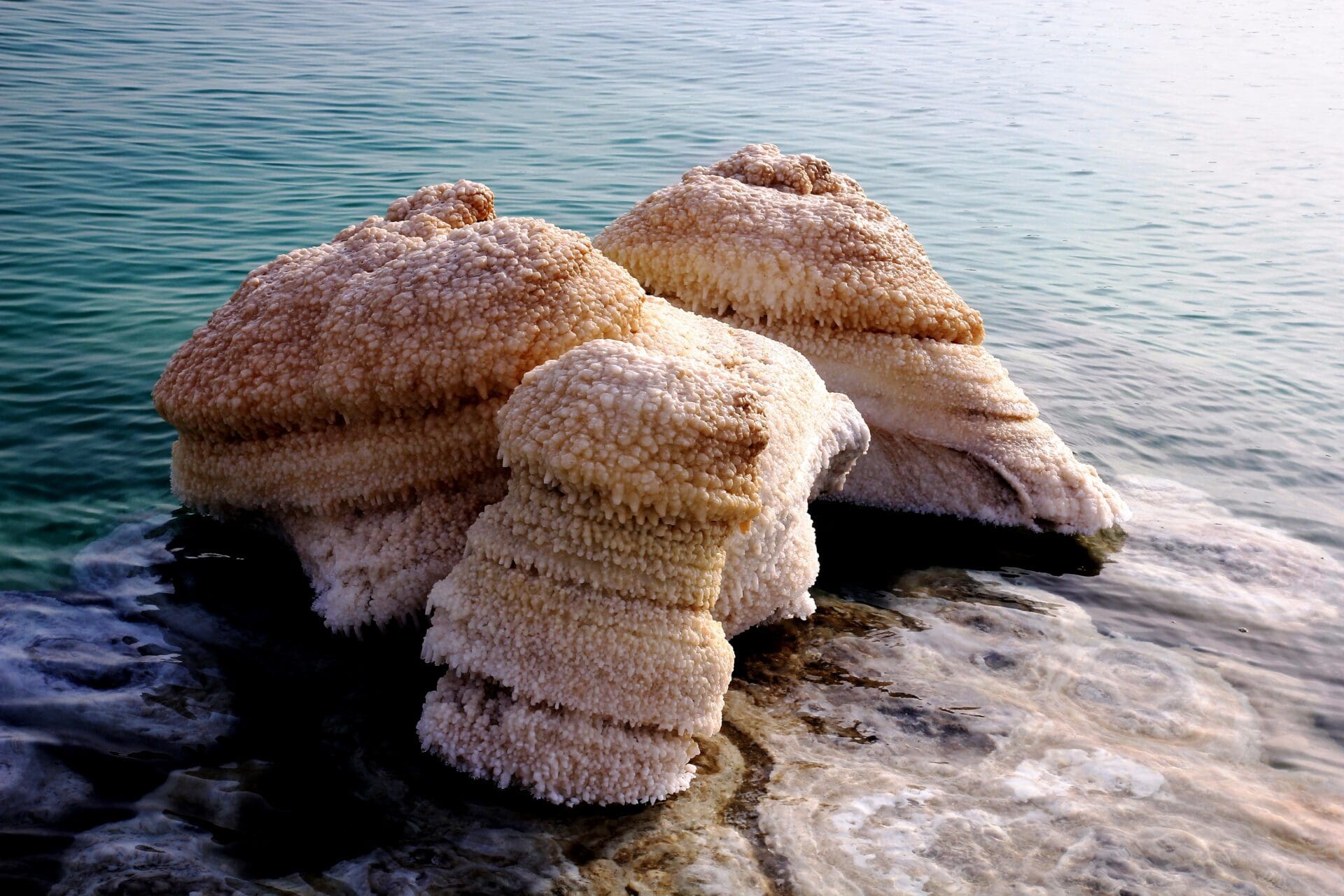
On the eve of the 2026 elections, I looked back ten years to find out how much the fate of the Dead Sea preoccupies members of the government and the Knesset.
MK Mickey Rosenthal raised the issue in 2017-2018 in the Finance Committee, and MKs Eitan Broshi and Moshe Gafni also raised the issue, mainly in the context of the end of the concession in 2030 and setting conditions for its renewal.
Minister Tamar Zandberg said in 2022 that "stabilizing the level and restoring the Dead Sea is the first and most important action," but her successor, Minister Idit Silman, did not adopt the statement and the activity required to implement it.
Naama Lazimi in 2024 and Alon Shuster in 2026 also sought to raise the priority of treating the Dead Sea, but MK Limor Son Har-Malech moved the discussion to the purely economic side of the concession.
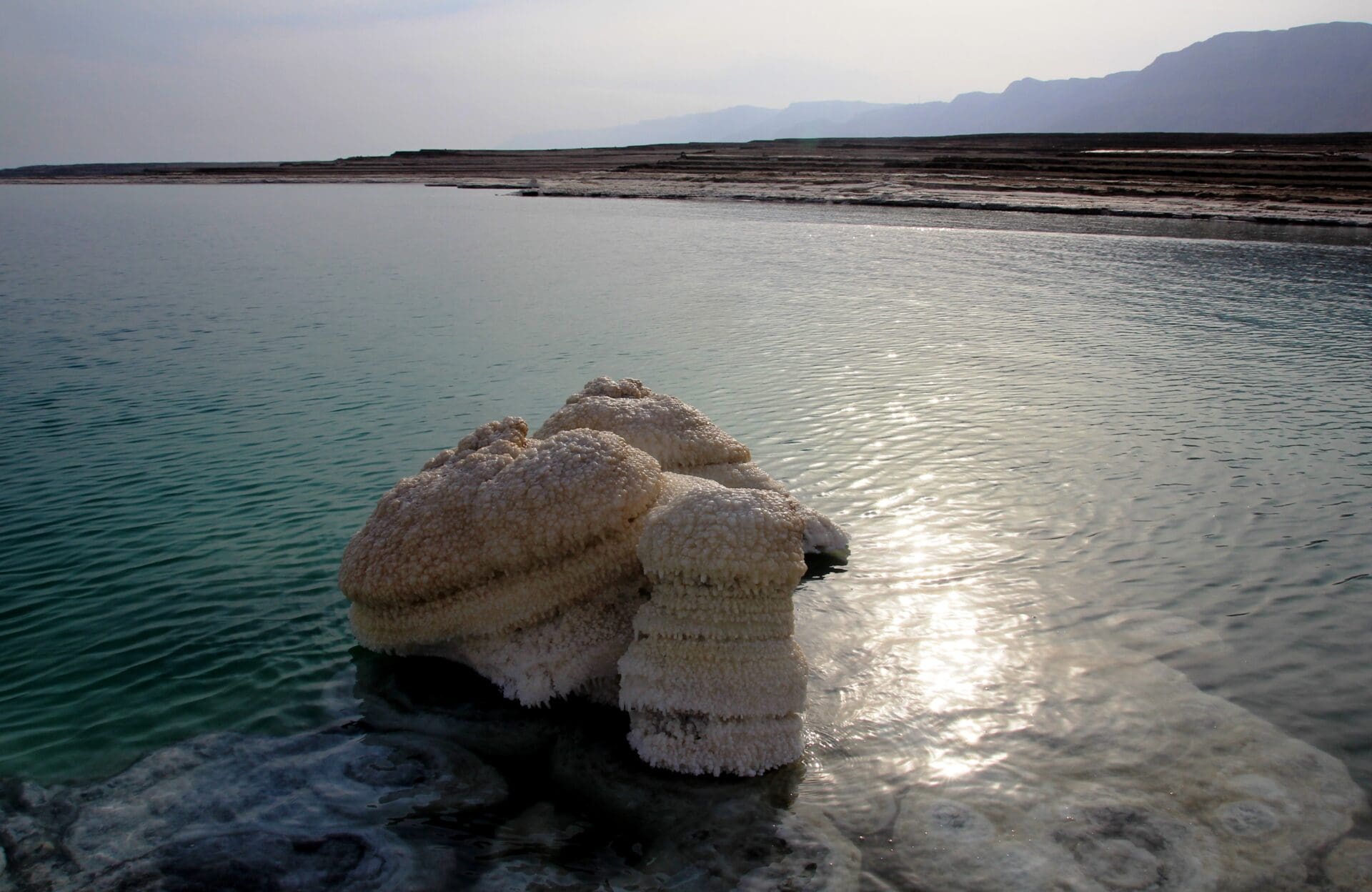
The Dead Sea is gone and it doesn't seem to bother the decision makers. What else will disappear? What was ours that won't be left for our children and grandchildren?