


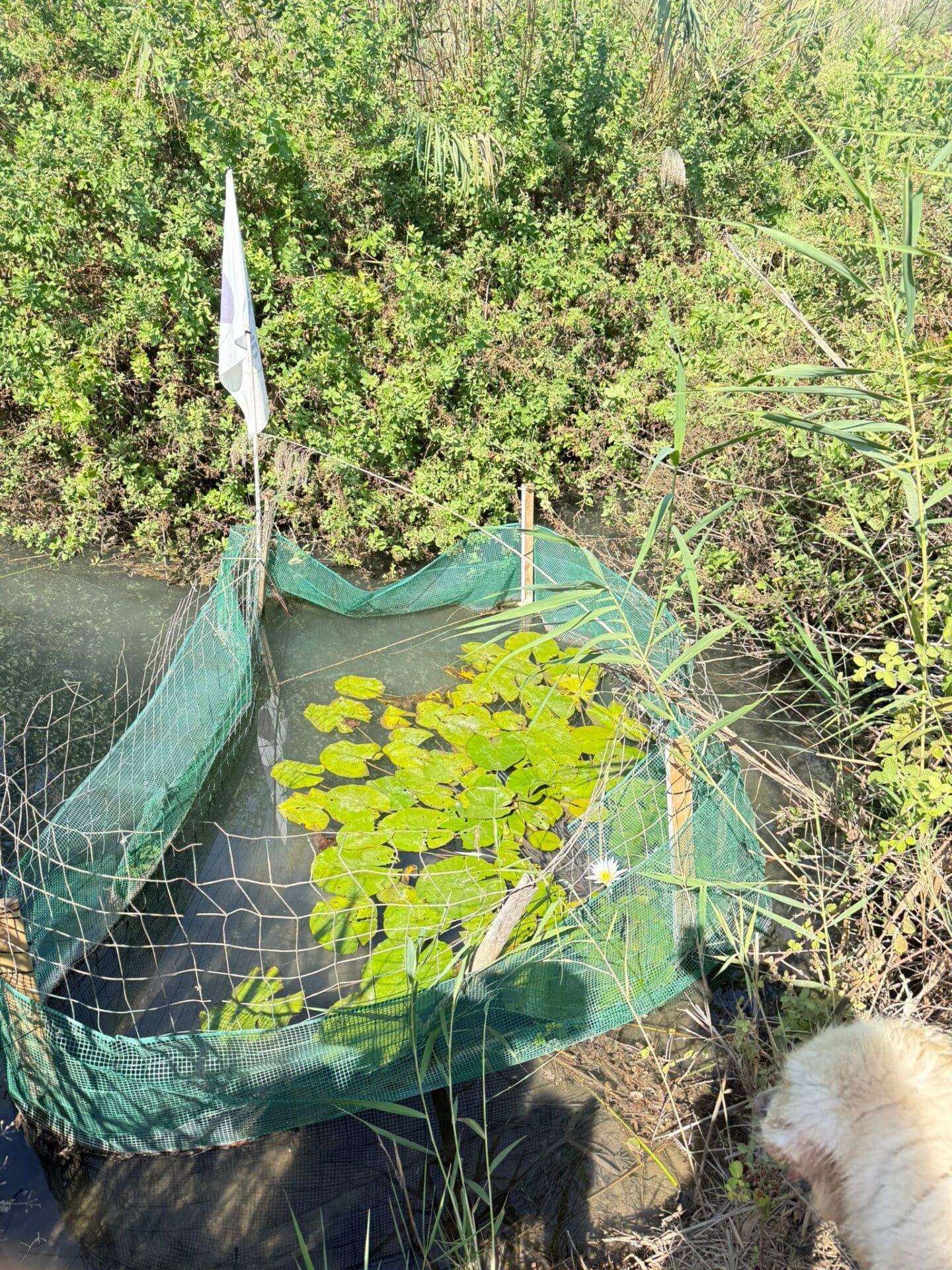
(haipo) In a tour of the Saadia Stream in Haifa by City Council member Sally Abed and environmental activists, along with Deputy Mayor Faher Bayadsa, the natural and ecological values of the stream were presented, along with concerns about harming it as part of development plans in the Gulf region. Bayadsa announced that he will work to advance the budgets immediately and will be a partner in a long-term effort to preserve the stream.
"A rare natural resource in the heart of the city"
The tour of the Saadia Stream took place last week at the initiative of City Council member Sally Abed and activists who have been working for the preservation of the stream over the years. During the tour, the activists presented the history of the Saadia Stream, its unique characteristics and ecological value, as well as the natural restoration it has undergone in recent years, despite environmental hazards and pressures.
According to the activists, the stream has struggled over the years with sewage discharges, construction waste dumping, and a lack of adequate conservation efforts. Despite this, they claim, nature has managed to recover in parts of it and restore life and biodiversity to it. Now, they say, the stream faces a new danger, this time within the framework of the future planning of the bay area.

City Council Member, Sally Abed She told Haifa that after years of struggle, during which the stream was able to recover largely on its own, it now faces “real risk.” She said the municipality is not including the stream in the proposed plan for the restoration of Haifa Bay, even though she claims there is a planning alternative that could combine development of the area with preservation of the stream and its surroundings.
Abed claims that instead of adopting a new and sustainable plan, an old plan that is about 15 years old is being promoted, which she claims could lead to significant expenses and the relocation of the stream's route to an area closer to the road, while harming the existing natural areas around it.
"It's not just a river, it's an asset for the entire city."
During the tour, the activists presented to the Deputy Mayor the situation on the ground and the potential they see in preserving the stream as an urban nature site and as a focus for environmental education.
According to Abed, there are already budgets approved for educational activities for schools in the stream, including tours and introductions to the natural environment, as well as budgets intended to improve the landscape in the area. According to her, some of the budgets have not yet been implemented. Abed says that precisely at a time when there is growing awareness of the importance of natural areas within the city, it is important to make a clear decision to preserve the Saadia Stream and allow it to become an environmental, educational and public resource for Haifa residents.

"The first phase has been completed but there has been no significant progress since then"
Eric Drobort, activists in the struggle for peaceL., previously told the newspaper that this is an ambitious plan that is intended to be implemented in four stages, with the aim of gradually regulating the flow of water in the river to the sea. According to him, the first stage of the plan has been completed, but since then, according to the river activists, there has been no significant progress in the subsequent stages. At the same time, according to the information provided, a budget of hundreds of thousands of shekels designated for environmental education activities in the river has not yet been fully utilized.
In the conversation, Drobort also referred to the recent tour and the meeting with the deputy mayor, saying: "We held a tour of the rare natural resource. I presented the obstacles and challenges here and the planning that the municipality is promoting. It was very evident that Fakhr understands the potential and the damage that could be caused by promoting the current and existing plan, and understood the need to preserve the stream for the benefit of the city, the children, the residents and future generations."
According to him, Bayadessa also expressed a desire to work to promote the issue and to ensure that the public, and in particular residents of the Arab sector in Haifa, become familiar with the stream and its importance. Drobort added that he was favorably impressed by the meeting, but he qualified it: "I hope and expect that this is not political spin."
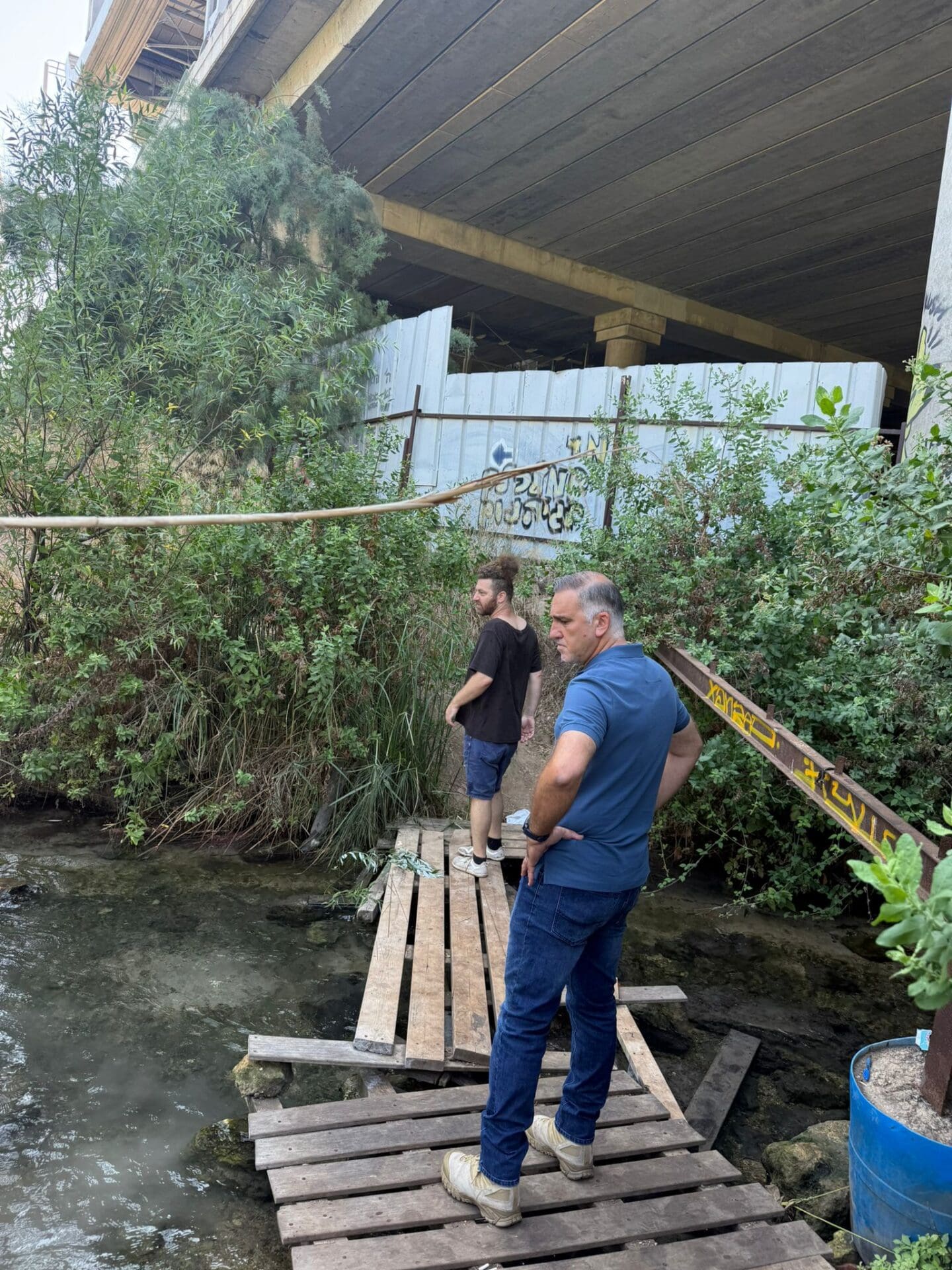
Deputy Mayor Fahr Bayadsi said in a conversation with Cheif: "My participation in the tour of Nahal Saadia is part of a broad concept of urban responsibility and quality of life. Just as we are committed every day to infrastructure, roads and streets, schools, community centers, community centers, and the daily needs of residents, at the same time we are also committed to preserving urban nature. One does not come at the expense of the other, but complements the other."
Haifa is blessed with extraordinary urban nature - sea, mountains, valleys, streams, springs and entire ecosystems. Our responsibility is to preserve these assets, but also to make them accessible and allow the public to get to know them and enjoy them.
I believe that conservation begins with connection and familiarity. The more children, young people and families get to know nature, walk in it and learn about it, the stronger their sense of belonging and responsibility to protect it will be. Therefore, it is important to me that urban nature be integrated into educational and community activities, in schools, community centers and community centers, and be accessible to all residents of Haifa, Arabs and Jews alike.
The tour is also an opportunity to listen to the activists and people who accompany the Saadia Stream and care for its future. I see them as important partners. Haifa needs to know how to develop and respond to the needs of the residents, and at the same time preserve the streams, springs, wadis and ecological balance. A child who knows nature and connects with it will also be someone who will protect it tomorrow. This is the way to connect education, community, belonging and responsibility and ensure that Haifa's natural assets are preserved for future generations."
Between Gulf Restoration and Nature Conservation
Saadia Stream therefore stands at a significant crossroads: on the one hand, the Haifa Bay area is expected to undergo significant development and change processes in the coming years; on the other hand, environmental activists seek to ensure that renewal and development do not come at the expense of one of the rare natural resources remaining in the area.
It now remains to be seen whether the field visit and the willingness to advance the budgets will become practical steps and whether it will be possible to formulate a solution that will enable the development of the bay while preserving the Saadia Stream and its surroundings.
For the stream activists, the question is not only what the area will look like in a few years, but also whether future generations will be able to recognize the Saadia Stream as a living and accessible natural space in the heart of Haifa.
The key is in the hands of Deputy Mayor Sarit Golan.
The current urban plan proposes the elimination of the stream. There is an immediate need for a small change in the allocation and balance table plan, so that the stream area is removed from the development plan.
It's not a complicated move, but you just have to decide to do it.
Additionally, it would be interesting to check who the members of the planning team were who created such a glitch and try not to work with them again.
Saadia Stream One of the streams that traders used to pass with carts with horses from Beirut and Damascus to the port of Haifa, they would stop at a check post to let their horses drink and graze. The stream has 6 springs active all year round, over 6 million cubic meters of water. The place is teeming with rare animals and plants. There is also a 100-meter-long female hewn in the mountain from which they drew water for the water tower for the residents of Neve Sha'anan. Walking in a cave in the water, there are rare animals inside. Entry is prohibited due to lack of maintenance and fear of the cave collapsing. Lots of attractions like the mill. But they prefer buildings to a little nature