


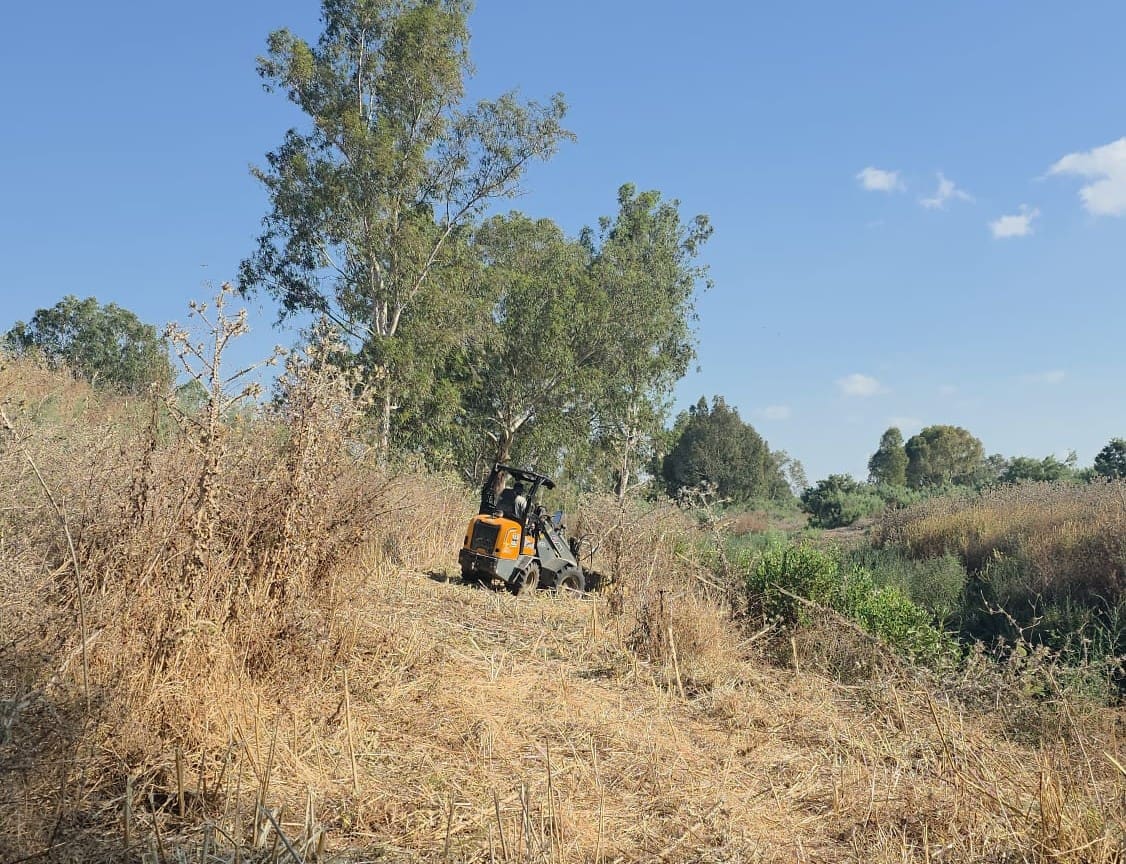
(haipo) The Kishon River Authority this week launched a large-scale ecological restoration operation that includes an aggressive fight against invasive and invasive plants that have taken over the river banks. The work is focused on the Iri Yagur Bridge area and will later expand down the river towards Brichot Nesher, with the aim of preparing the area for the planting of thousands of local wild plants in collaboration with the Harduf Nursery.
Invasive species from around the world threaten the ecosystem ◄ Watch
The complex field work includes the removal and thinning of dry vegetation and targeted treatment of invasive and invasive species that threaten the Kishon River's ecosystem. The Authority has identified the main "list of opponents" against which the fight is being waged: blue-green sedge, which arrived from Australia and interferes with the growth of local vegetation; a native Parkinsonia from South America, which is characterized by sharp thorns and crowdes out other species; common castor oil, which arrived from Africa, is considered a highly toxic plant and quickly takes over stream channels; and alongside them, two local species that have gone out of balance: the river sedge and the square sedge, which have spread aggressively, suffocating other sensitive species and changing the water regime in the stream.
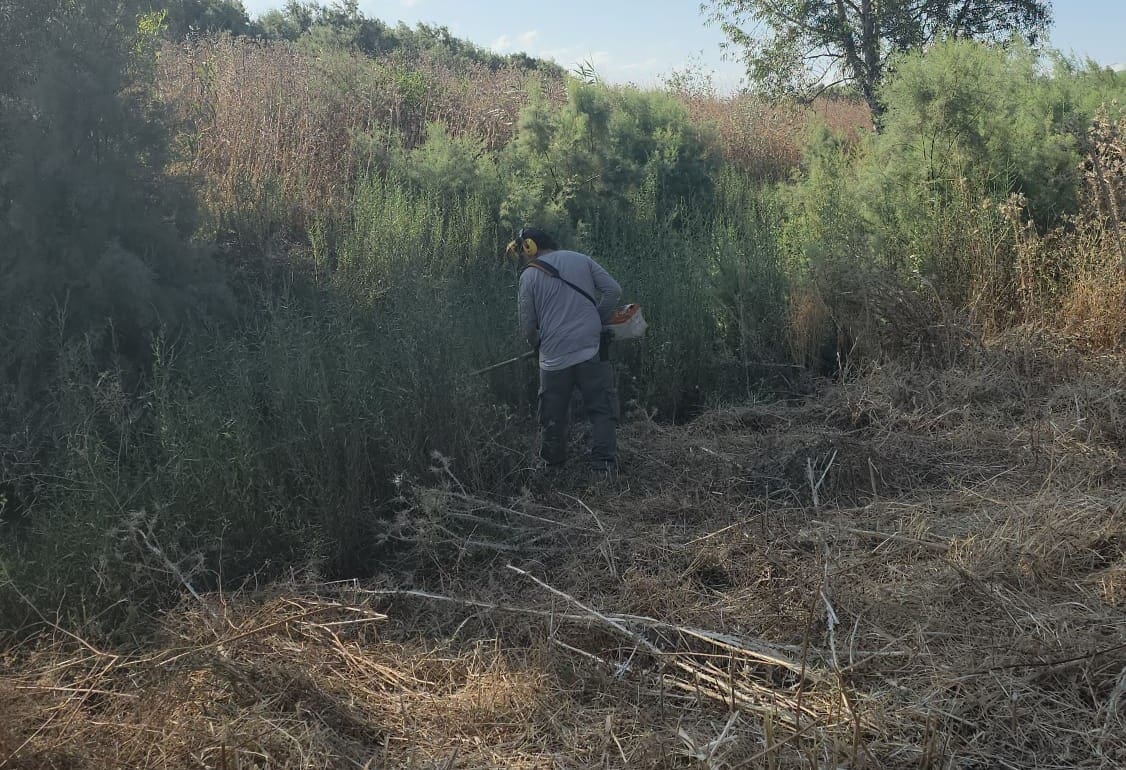
Planting native wild plants to strengthen banks and restore habitats
The goal of the work is to clear space and allow for optimal absorption of local wild plants, which are expected to strengthen the stability of the banks, prevent soil erosion, diversify and restore natural habitats, filter pollutants, and help increase the unique biodiversity of the Kishon region.
Sharon Nissim, CEO of the Kishon River Authority, said that "the work we are currently carrying out in the field is a significant and critical step on the way to a healthy, clean and life-rich stream. Ecological restoration is not a one-time thing, but a planned, in-depth process. Removing invasive species and preparing the soil are the foundation that will allow the local vegetation to thrive again." Nissim added that "the completion of this step constitutes a significant milestone in the Kishon River Authority's extensive restoration plan, which is constantly working to restore nature to the area for the benefit of the environmental system and the residents of the area, and each such step brings us one step closer to the vision of a green, vibrant Kishon that is accessible to the public."