


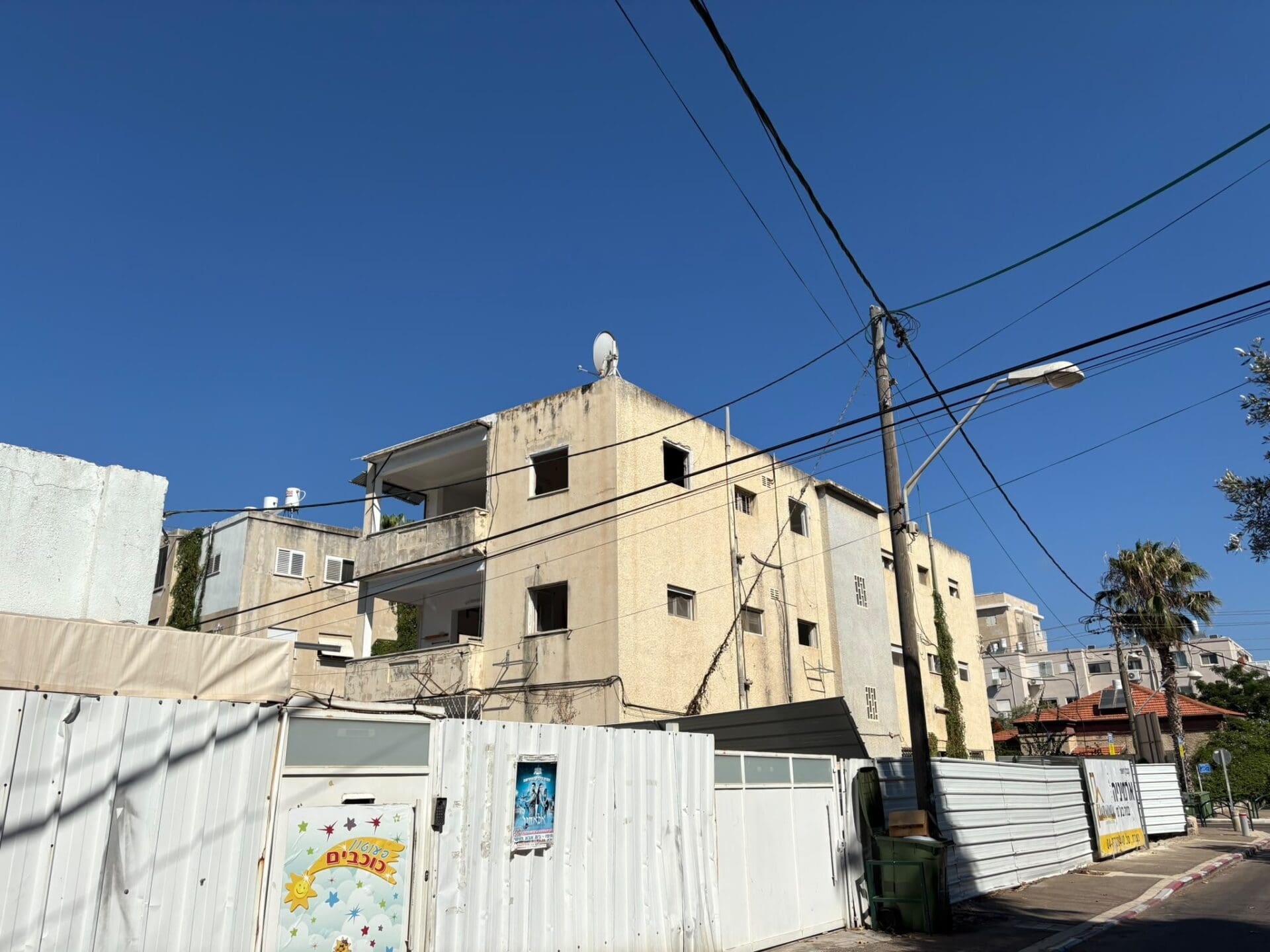
As I walked this week through the streets leading to the sea in Bat Galim, I came across an unusual sight: a diverse group of people sitting around a table laden with delicacies and drinks, alongside white plastic chairs. For a moment I thought it was a shiva. It even occurred to me to go over and offer my condolences. Except that this time the table wasn't set up in a yard, but on the sidewalk, on a street corner.
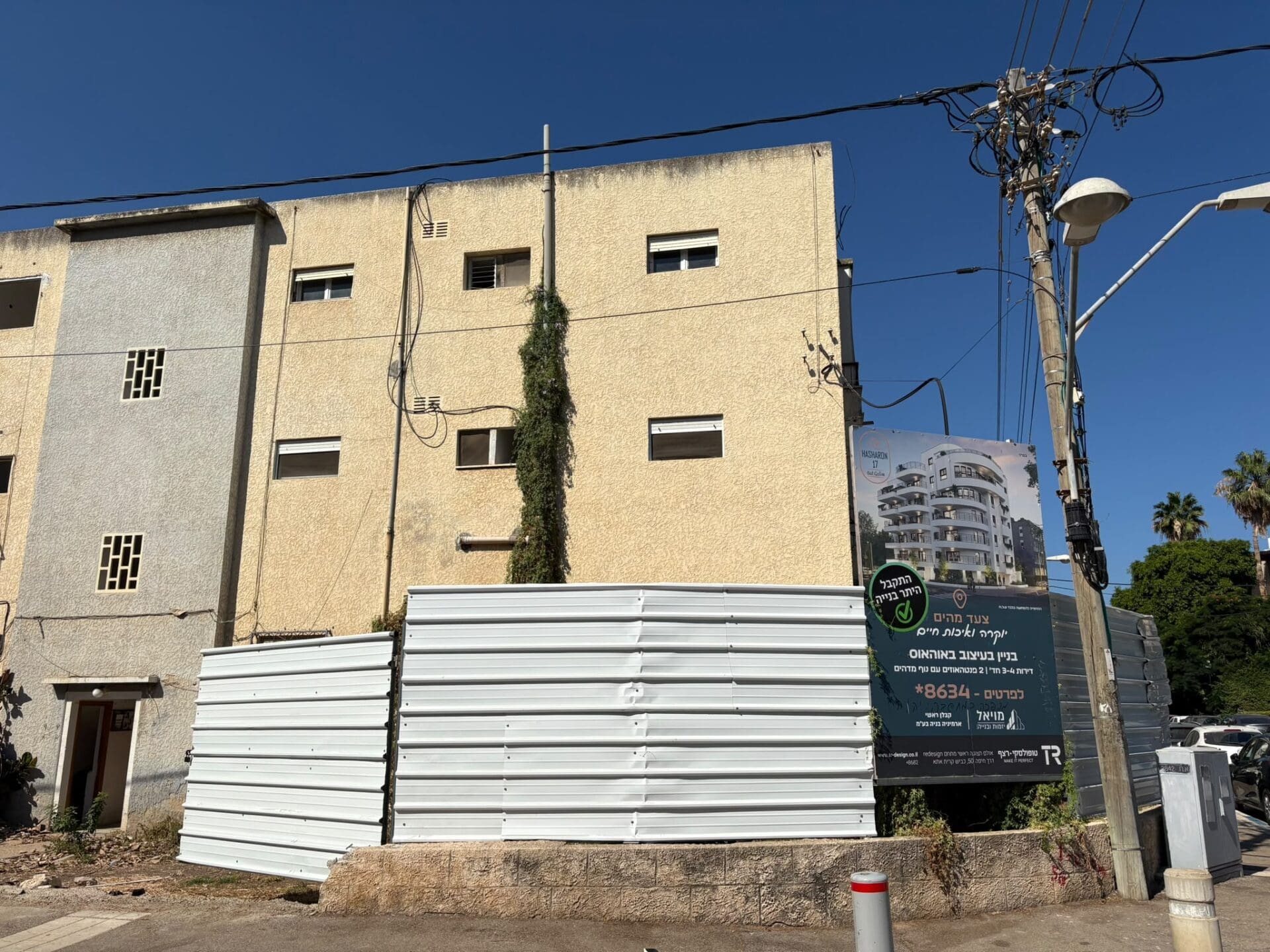
When I asked what the gathering was about, I received a surprising answer: Everyone is waiting for the demolition of the building across the street.
I continued on my way, but something made me turn back. I had a feeling that I was about to miss a spectacle that was almost impossible to take my eyes off, One of those moments when a person uses immense force to erase an entire building from the landscape ◄ Watch
This is how this article was born – almost by accident.
This case is just one example of dozens of houses in the Bat Galim neighborhood that have been demolished and rebuilt in recent years. Developers from all over the country have discovered the neighborhood, and the momentum of renewal is felt on almost every street.
Unlike many other projects in the neighborhood of well-known developers, this time it is a new developer in Bat Galim, a company Entrepreneurship and construction, which came from the suburbs and is carrying out its first project here.
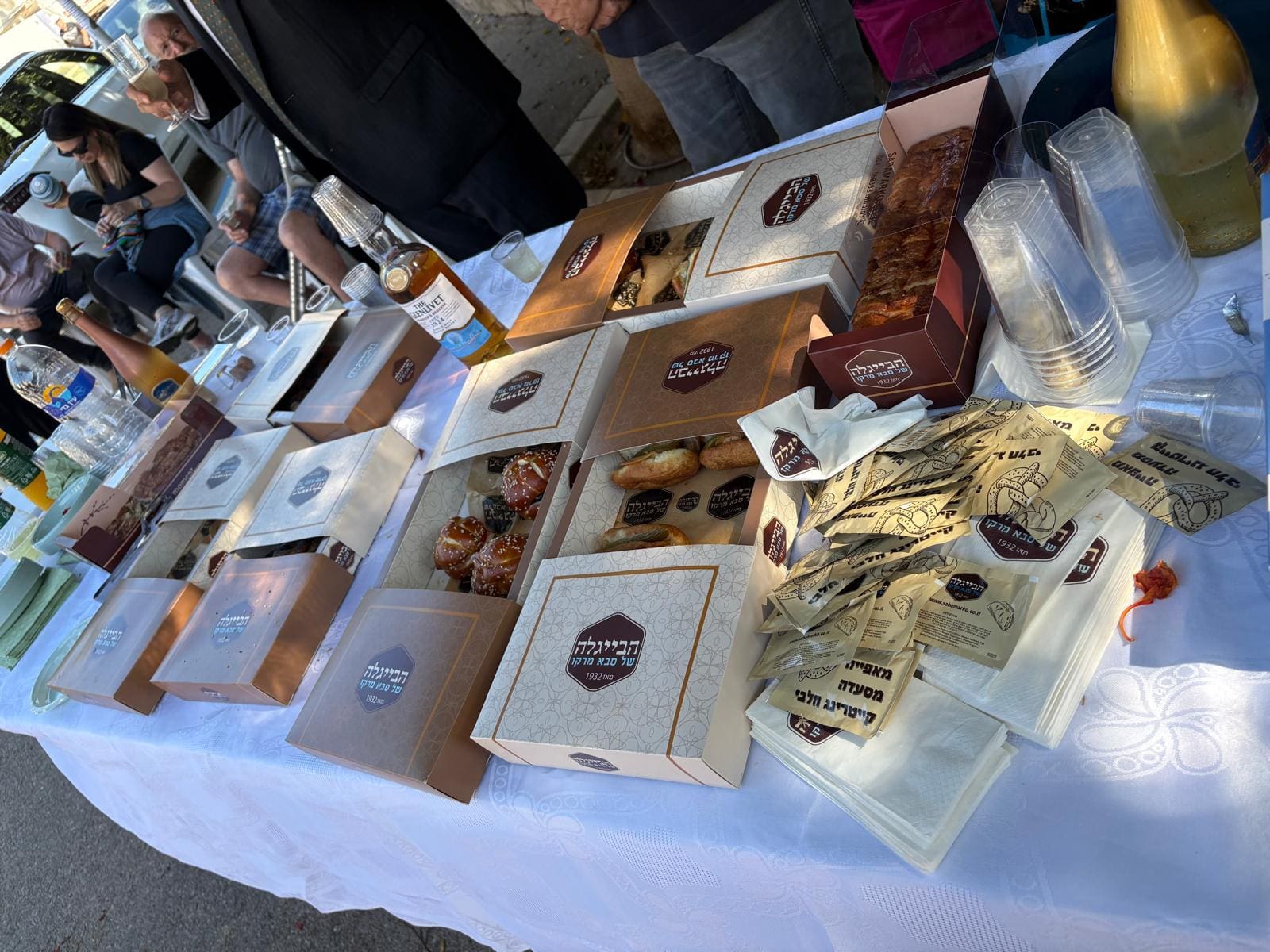
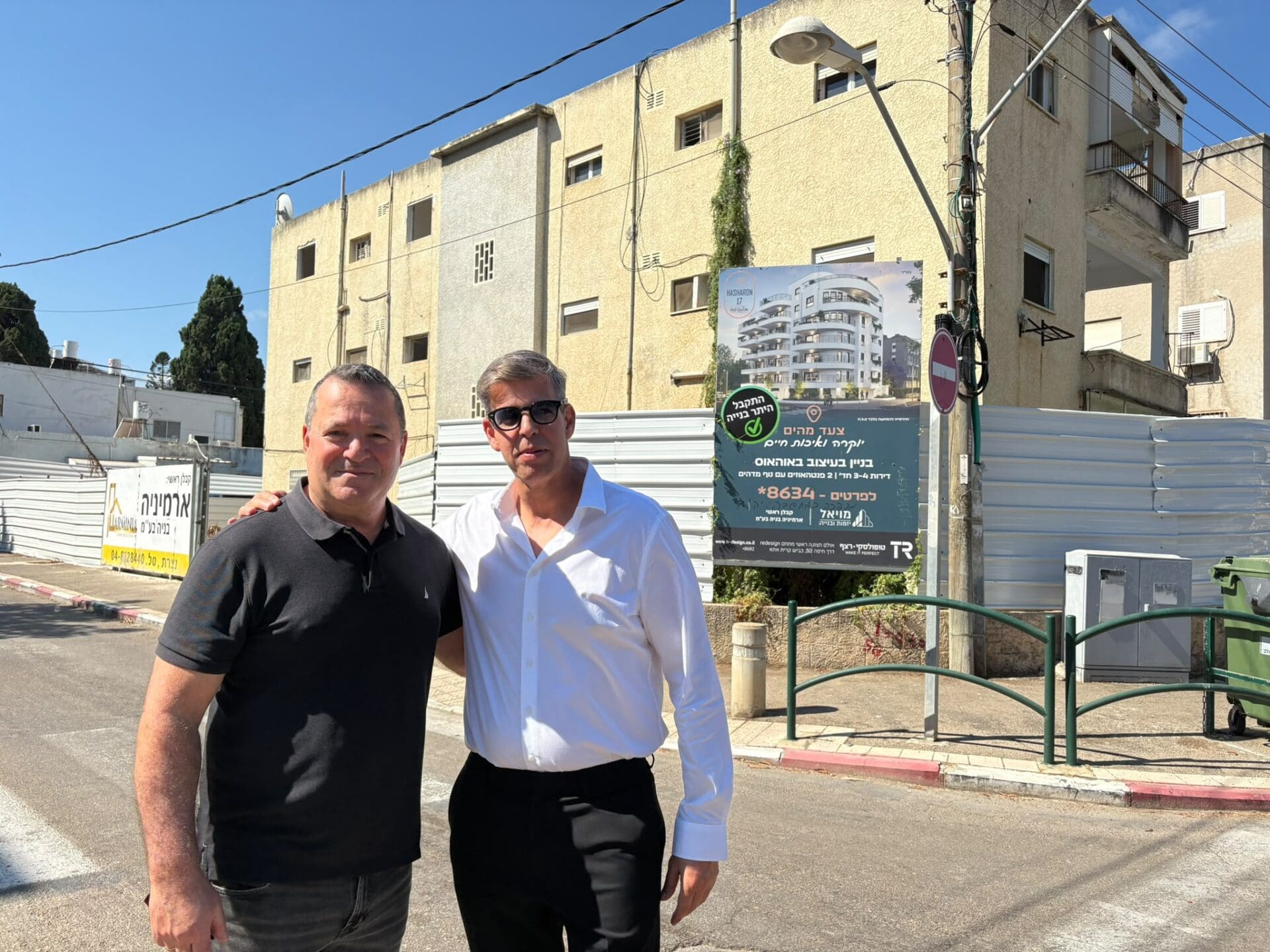
To the developer's credit, it can be said that the architectural character of the neighborhood has been preserved. Instead of a tall tower, a six-story building is planned, in the Bauhaus style, with rounded lines, which, according to the simulations, is expected to blend well into the street. The developer has even committed to investing in burying the electrical cables along the entire street to the building, a significant investment that, he says, indicates the importance he attaches to the aesthetics of the environment.
The building on the corner of 17 Hasharon Street and 10 Nahliali Street has been there since the 1930s. Six apartments, each measuring approximately 80 square meters, will be replaced by 17 apartments of various sizes, including two penthouses, with each apartment having a balcony.
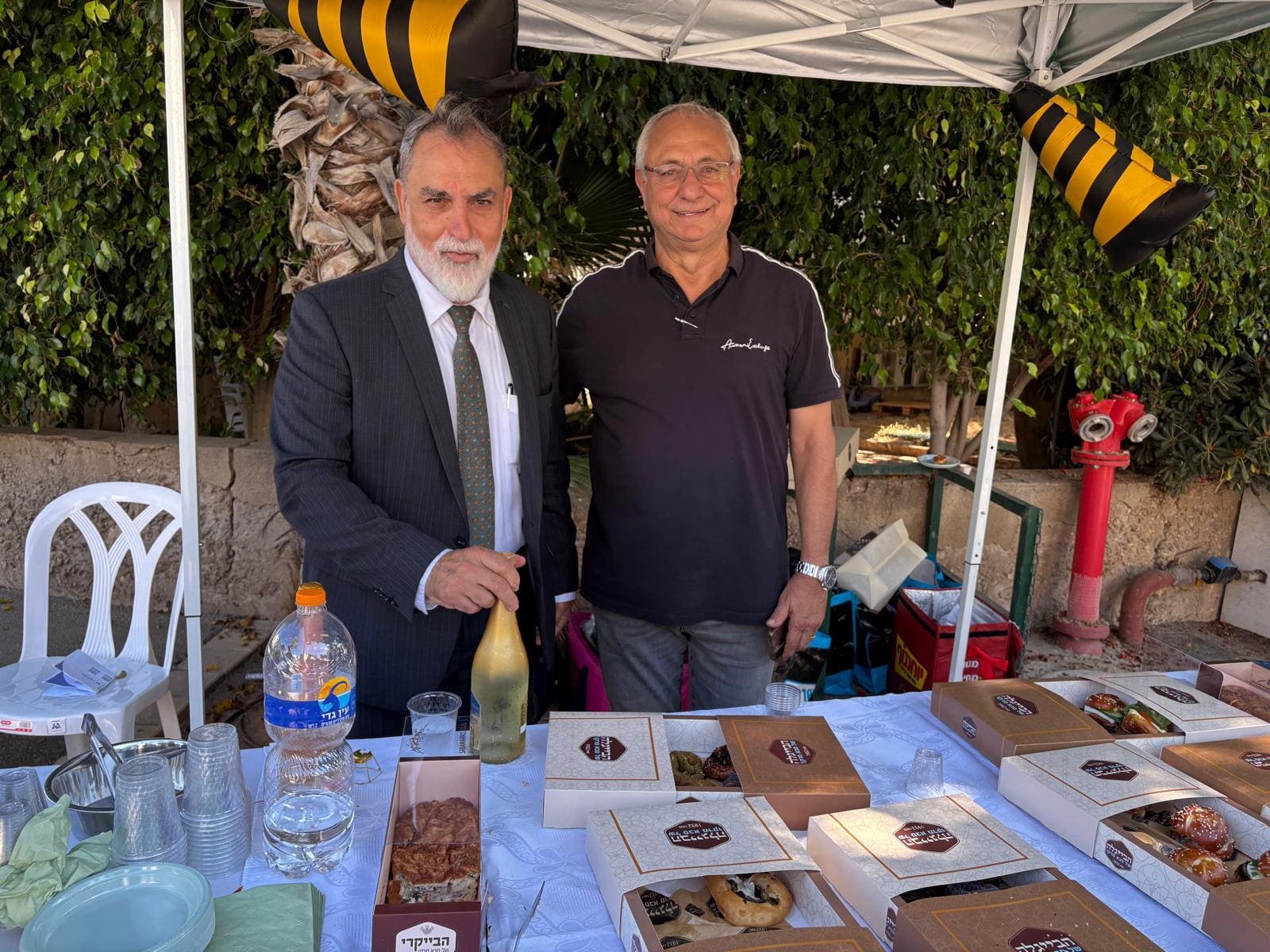
The event was attended by developer Yosef Moyal, the company that provides the service, attorneys Eyal Peer and Gil Landau, and even a rabbi, Rabbi Shimon Tanji of Marsassim, who accompanies Moyal on all of his projects. The apartment owners, some of whom grew up in the building as children, as well as a buyer of an apartment in the new project, which is scheduled to be completed in about three years, gathered around them.
After speeches and toasts, the moment arrived for which everyone gathered.
A huge crawler excavator, equipped with a heavy rock hammer, maneuvered between the trucks parked at nearby construction sites, at least two more on Nachalieli Street, and entered the lot with surprising ease. For a moment, it seemed as if its massive arm was about to hit the cars parked on the narrow street or the power cable that almost touched its arm.
Then the first blow was heard – the bulldozer began hitting the building, and the demolition began ◄ Watch
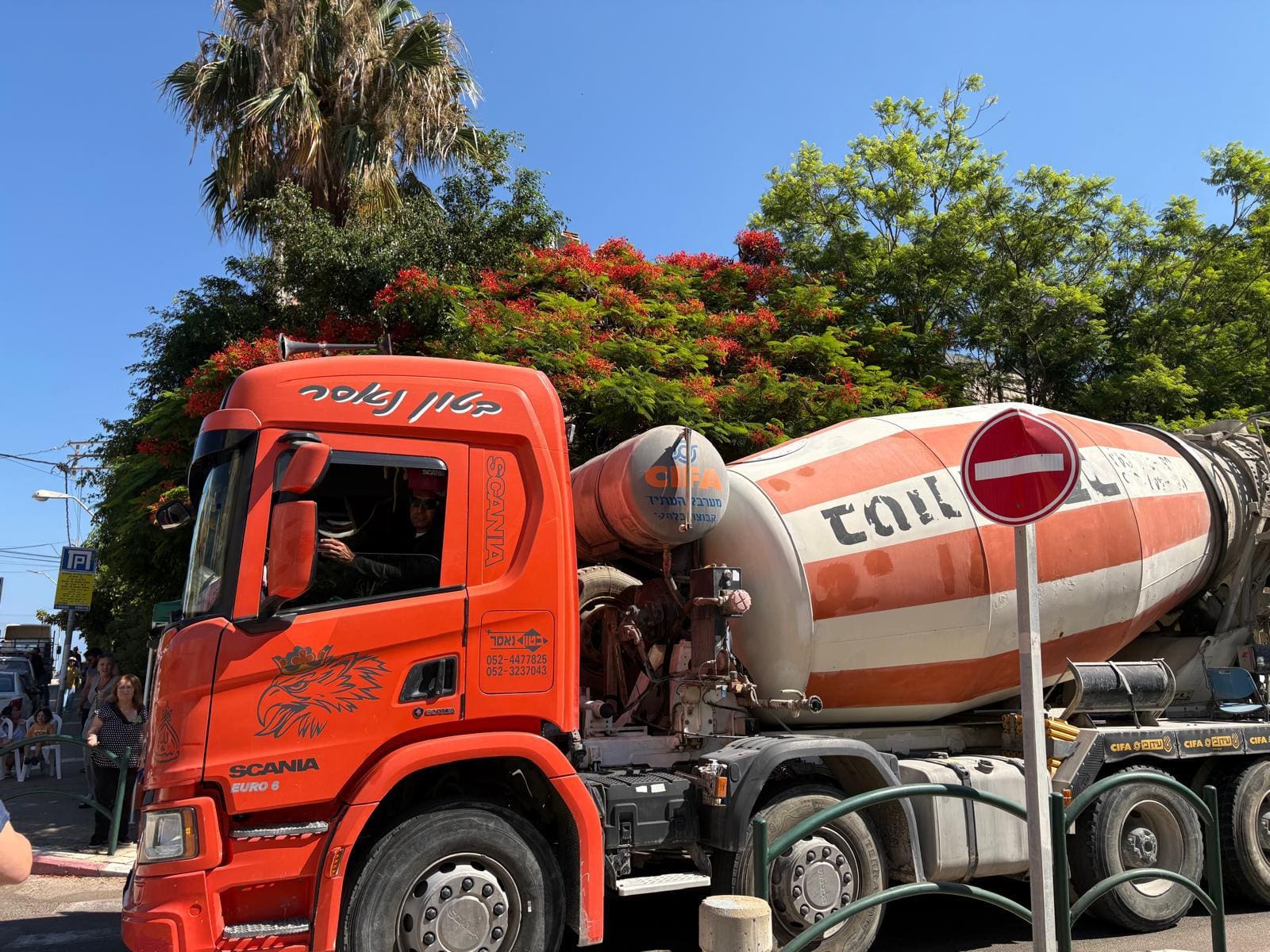
Along with the excitement came the dust and traffic jams. What was not seen was a city representative or police officer to help direct drivers. Nahalieli Street is a one-way street leading to the sea and Aharon Rosenfeld Promenade, and all other entrances to the area are dead ends. Drivers entering from the corner of Nahalel-Nahlieli Street found themselves trapped in a maze of tools, trucks and blockages.
The dust was also significant. Only after residents complained were water hoses brought in to wet the demolition and reduce the amount of dust in the air.
The apartment owners said that the project began on January 24, 2019. Only now, on July 12, 2026, after receiving all the permits, could demolition begin. Seven years of planning, coordination, and permits are evidence of the long-term commitment required of a project in Israel.
Traffic chaos ► Watch
Compared to us
In Germany, where I lived for many years, it is customary to celebrate the completion of the building's frame and the erection of the roof in a ceremony called topping out ceremony – The celebration of the roof. In other European countries, the term is commonly used Topping Out, indicating the completion of the roof construction.
In Israel, on the other hand, it seems that sometimes the celebration begins precisely at the moment of destruction.
There is something about this that is reminiscent of the exit celebrations of high-tech companies: we have finally managed to say goodbye to what we have been working on for years, now the financial return will arrive and we can move on to the next project.
The sadness of parting with the old is mixed with hope for what will come in its place.
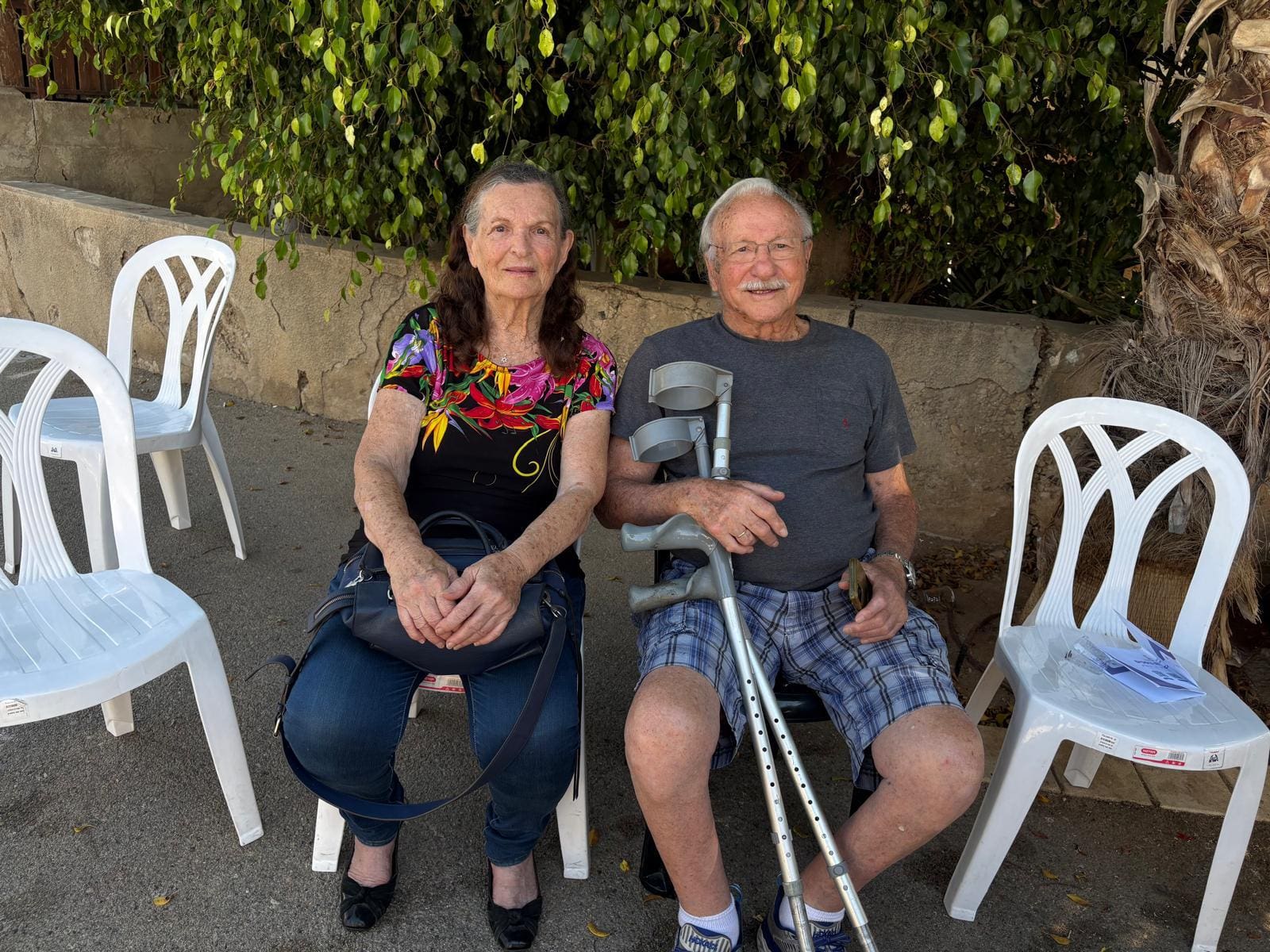
Hanna Skoretzky and her husband Eli Landau, chairwoman of the Haifa Pensioners' Lobby and owners of an apartment in the building, summarizing the feelings as follows: "The feelings about the demolition are difficult, but it is demolition for the purpose of construction, so there is a lot of hope for the new house that will be built."
Hanna's parents came to live in the building in 1935. Her mother was a housewife, and her father initially worked odd jobs, until he established a factory to produce salted fish for Karda and even imported salted fish from Turkey and the Netherlands.
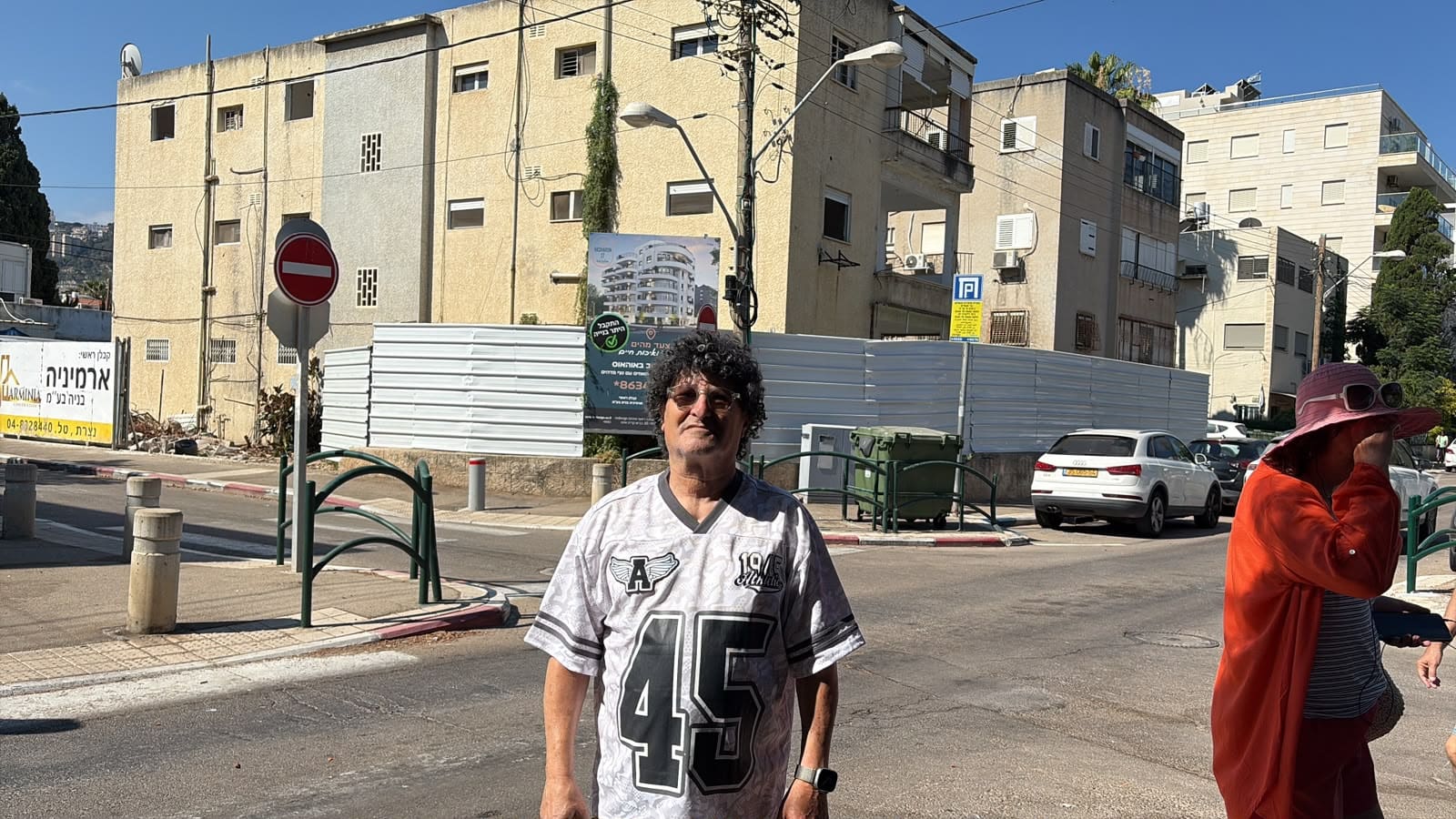
is also Ofer Zamir Zussman grew up in the building, Next door to the church. His father, Chaim Zussman, served as cantor of Bat Galim from the 1960s to the 1980s. Ofer says he was happy to get a larger apartment, which includes a balcony and parking.
However, not all residents of the neighborhood are celebrating.
Lori, a resident of the neighborhood, describes the price that residents pay for the construction boom: "We pay an outrageous price to live near the sea, but the noise, the dirt, the endless workers who walk around and even stay overnight at construction sites, all of this makes life difficult. The chairman of our building advised us to close the windows because they are demolishing a building and the direction of the wind brings all the dust to us. Besides, they uprooted a fig tree and a palm tree in my neighborhood in a project on Hashaf Street, which makes me very sad."
The construction boom in Bat Galim – between renewal and loss
This incident is not unusual. It reflects the new reality of Bat Galim, a neighborhood that was once considered quiet and sleepy, and is now in the midst of an unprecedented wave of urban renewal. On almost every street, you can see a demolished building, a newly constructed skeleton, or residents waiting to be evacuated.
On the one hand, renewal brings with it safe and modern buildings, larger apartments, basements, balconies, parking lots, and new infrastructure. It also attracts a new population and increases property values.
On the other hand, it is a long period of noise, dust, traffic congestion, damage to trees and public spaces, and sometimes a sense of loss of the landscape and the former maritime neighborhood. For many of the veterans, every demolition is also a farewell to memories of decades.
Between a historical past and an urban future
Today's Bat Galim is between two worlds: between its historical and community past and the urban future being built before our eyes. The demolition celebration held this week was much more than a toast before construction work, it symbolized the moment when the neighborhood says goodbye to another chapter in its history, and begins to write a new one. I have every hope that Shabat Galim will not become an alienated urban neighborhood, instead of the communal maritime neighborhood whose residents walk from home to the beach wearing swimsuits and equipped with surfboards.
Did the article interest you?
The Bat Galim neighborhood has gone through many transformations, some of which have been halted. Bat Galim is considered a charming corner with residential buildings, a casino building that stands deserted [it used to have a swimming pool with a diving board for bathers], restaurants, a cable car that connects Bat Galim to Carmel, a beach for surfers, a bathing beach, also a cool ice cream shop, a promenade near the beach for the benefit of its residents and the general public who usually stroll along it mainly on weekends.
As a native of Haifa, I imagine Bat Galim as a special and pleasant neighborhood to live in.
Congratulations!
Now also promote in less attractive areas
Like the Golani Brigade! Kibbutz Galyuyot Yehuda Halevi!
There are no developers, there are building saboteurs who destroy every good plot of land.