



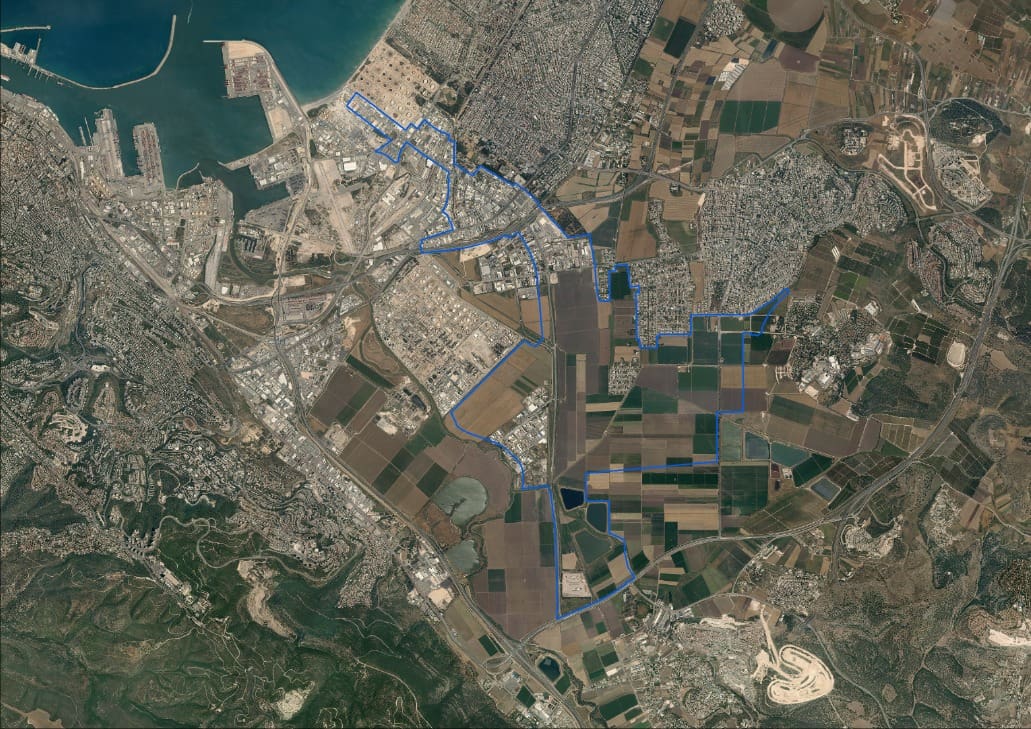
(haipo) The National Planning and Building Council decided today (Tuesday, 7.7.26) to approve the guidelines for an environmental impact assessment of Complex 2 in Haifa Bay, as part of the implementation of TAMA 75. The complex, initiated by the Israel Land Authority, includes approximately 70,000 housing units on an area of approximately 12,400 dunams, and is the second complex out of four that the council is deciding to promote.
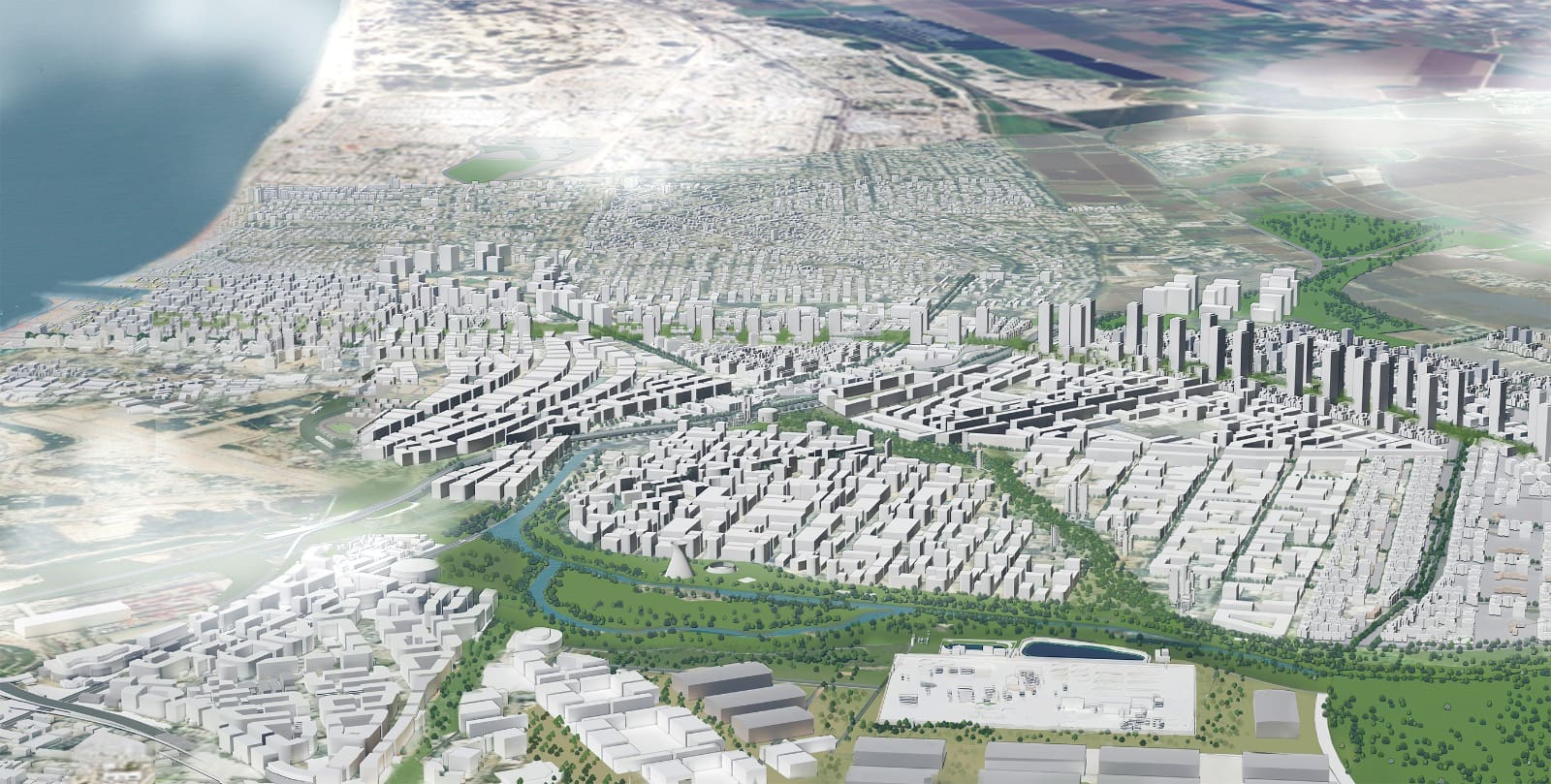
A huge complex that includes tens of thousands of housing units and employment spaces
Complex 2 is one of the main development complexes in the national master plan for Haifa Bay. The complex includes approximately 70,000 housing units, approximately 1,000 hotel rooms, approximately 1.8 million square meters for employment, commerce and crafts, alongside parks, open spaces and solutions for managing runoff, as part of the process of restoring and developing the space. The approved guidelines emphasize the mutual impacts resulting from changing the area to a mixed-use area, as well as the implementation of the development in relation to the cessation of operations of the existing factories on site.
Last month, the National Council approved the guidelines for preparing an environmental review for Complex 1 in TAMA 75, which covers approximately 3,000 dunams and includes over 19,000 housing units, employment and commercial areas, public buildings, parks and open spaces.
"One of the most important planning projects the state is promoting"
Director General of the Planning Administration, Rafi Elmaleh, said that "the restoration of Haifa Bay is one of the most important and significant planning projects that the State of Israel is promoting today. The National Council's decision is another step in removing barriers and streamlining planning procedures, which will allow the plans to be promoted quickly and efficiently, while fully preserving environmental values and the quality of life of the residents." Elmaleh added that "the Planning Administration is committed to continuing to lead the process that will change the face of Haifa Bay in the coming decades."
Senior Director of Planning and Projects at the Israel Land Authority, Einav Ringler, noted that "RAMI is promoting the planning of the development of Haifa Bay in all its aspects and is leading the vision for the development of the bay," and that "the approval of the guidelines for the environmental impact assessment marks significant progress in the planning process."

"A milestone in the historic struggle for the future of the Gulf"
Haifa Mayor Yona Yahav He responded to the approval and said, "This approval is essential in our historic struggle for the future of the bay. For many years we have been fighting to have the polluting factories replaced by a living, vibrant and green urban area, and today this vision is moving forward." Yahav added that "the decision that was made is another significant milestone in realizing the vision of transforming Haifa Bay from an area of polluting industry into a new urban space, one that will combine high-quality residential neighborhoods, advanced employment centers, spacious parks, recreational and commercial areas and a healthier environment."
The mayor emphasized that "this is one of the most important urban and environmental renewal projects promoted in Israel in recent decades," and promised to continue to work resolutely to remove the polluting factories from the bay and ensure that the vision is translated into reality.
The Messiah will come first.
The simulations are absurd.
The State of Israel has no intention of closing the BZN, no intention of closing the 5790 fuel tank farm, no intention of vacating the Dor Chemicals plants, no intention of relocating the dangerous gas storage farm from Haifa Bay that was "temporarily" transferred to Haifa Bay from Galilot for 25 years.
It's all a work in progress. A billion shekels were invested in an infrastructure tunnel and more is being invested in a chemical terminal at the Gulf Port, leading to the infrastructure tunnel to and from the petrochemical plants.
Anyone who thinks that this investment will now be shelved and the factories will be closed is living in illusions sold to them by the illusion marketers, the architectural firms hired to market simulations and ideas to the public as if the processes are about to take place. There is no infrastructural preparation for relocating any of the factories I mentioned at the beginning. And when such starts are made, it will take between a decade and two to relocate them, clear the land and evacuate the area. We are being sold illusions in pita bread.
Close to the power station