


Fewer injections, advanced monitoring technologies, and medications that also offer protection for the heart and kidneys: the world of diabetes care has undergone significant changes in recent years. Carmel Medical Center's diabetes expertise presents medical innovations, research developments, and the effort to provide patients with more precise and personalized care, in the hospital and in the community.
Not just sugar balance: a new generation of treatments
For hundreds of thousands of Israelis living with diabetes, managing the disease involves daily monitoring, testing, medication, and constantly dealing with changes in blood sugar levels. However, medical and technological developments in recent years offer new treatment options that may make coping with the disease easier and reduce the risk of complications.
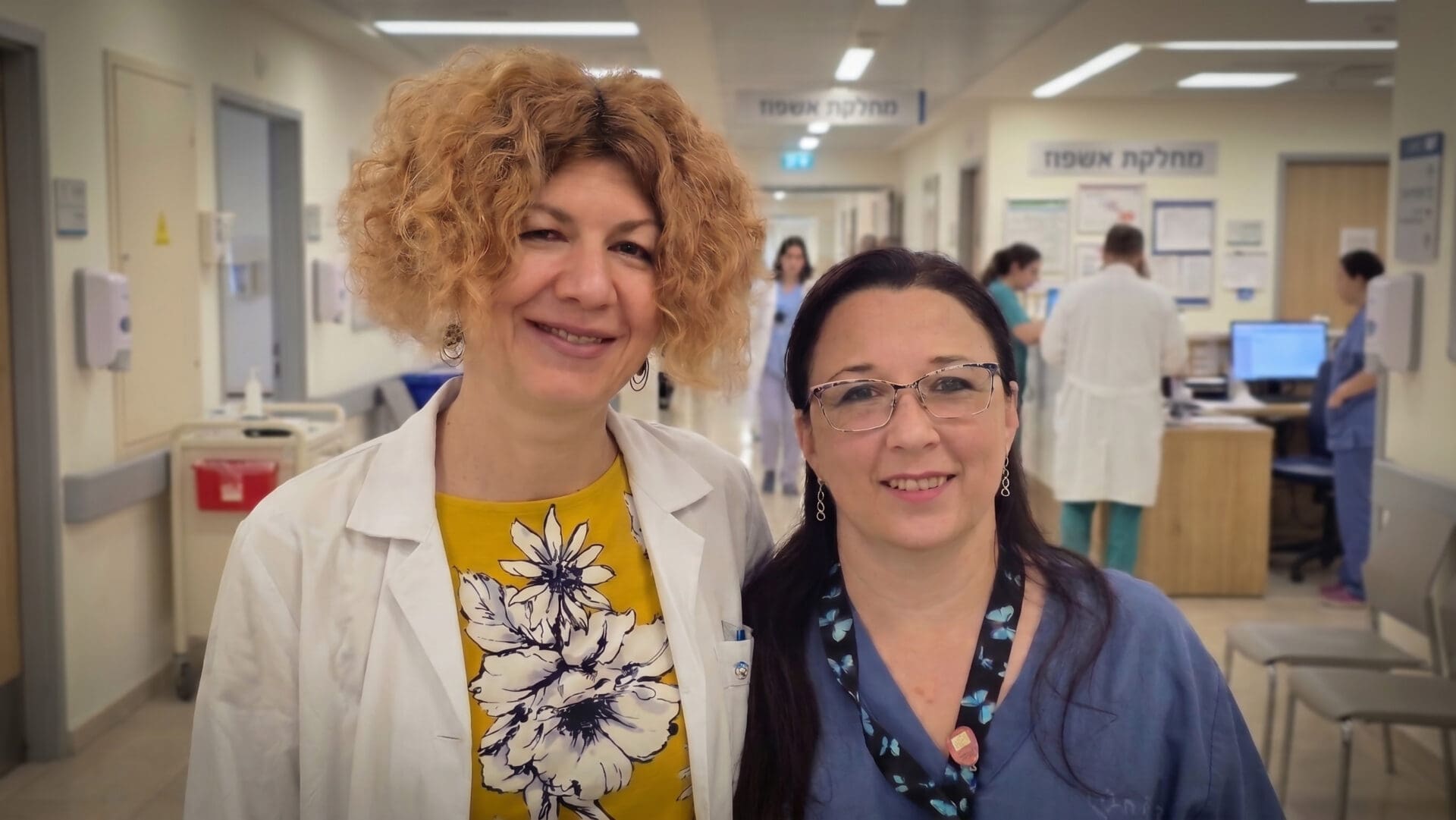
Dr. Michal Gershinsky, Director of the Diabetes Unit at Carmel Medical Center, and Marina Weinberg, Clinical Nurse Specialist in Diabetes, point to a combination of innovative drugs, advanced monitoring systems, and personalized medicine as a central direction in the development of treatment for the disease.
Fewer injections, more treatment options
One of the intriguing developments in the field is long-acting insulin that is given by injection once a week, instead of daily injections. The new treatment, which recently arrived in Israel, may make the daily routine of patients who need insulin easier and reduce the burden associated with daily care. According to information presented by Carmel Expertise, the drug is also expected to be included in Clalit's supplementary insurance.
Another innovation concerns drugs from the GLP-1 family, which have expanded the treatment options for type 2 diabetes. Beyond their effects on blood sugar levels and body weight, some drugs in this family have been found to have benefits in reducing the risk of cardiovascular disease and slowing the decline in kidney function in appropriate populations. They are also used to treat obesity, and in some cases may help deal with fatty liver.
On the way to an artificial pancreas: Technology enters disease management
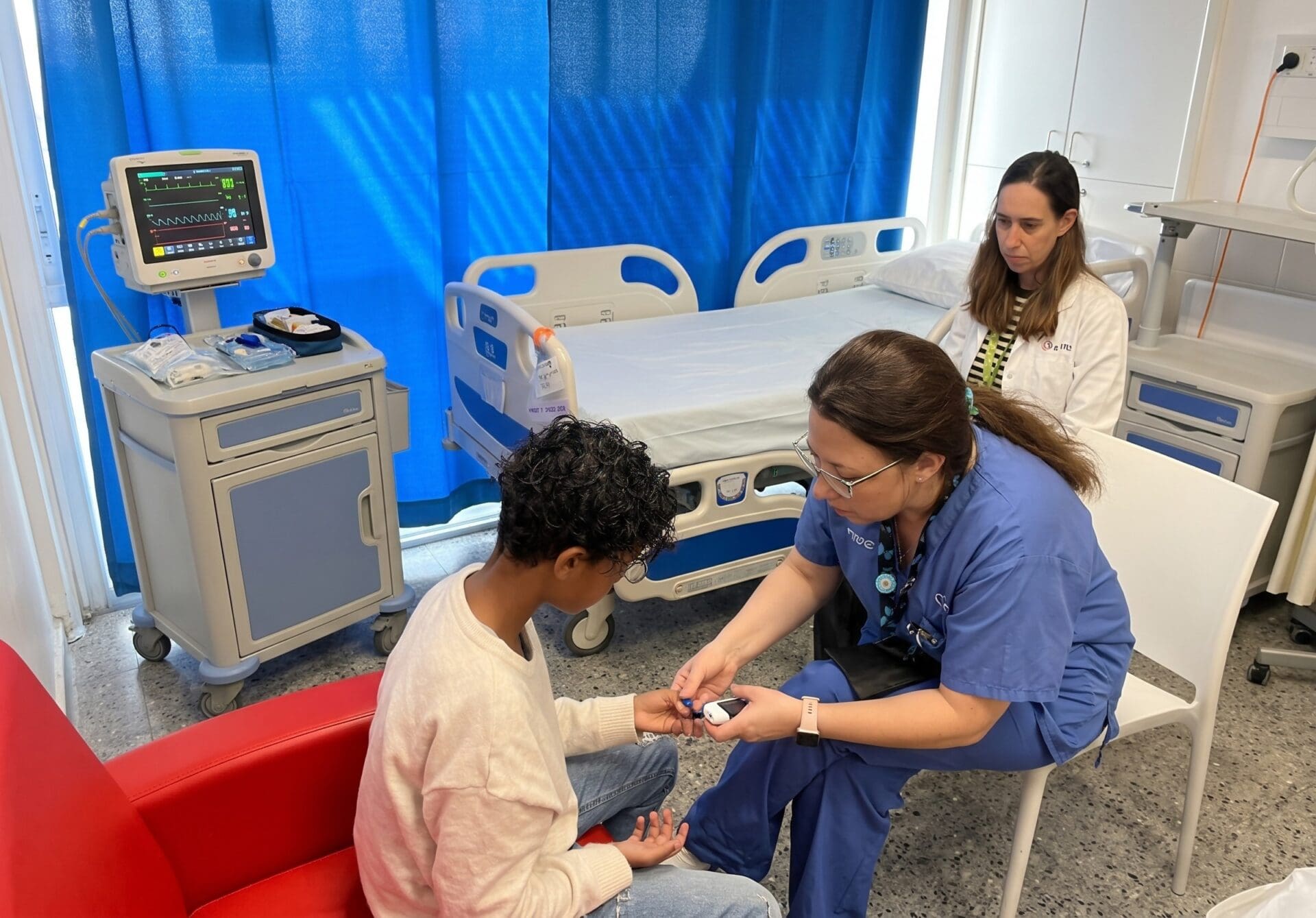
There has also been significant progress in technology. Continuous glucose monitoring (CGM) sensors allow for monitoring changes in glucose levels throughout the day, without the need for frequent prick tests. Advanced systems can identify trends and provide alerts when glucose levels approach abnormal values.
At the same time, integrated systems called “artificial pancreases” connect the monitoring sensor to an insulin pump. Using algorithms that analyze sugar data, the system automatically adjusts insulin delivery to the patient’s needs. The technology does not completely replace patient involvement, but it could significantly facilitate disease management and improve balance.
The research also focuses on preventing type 1 diabetes.
Another research front is trying to stop or slow down the autoimmune process that underlies type 1 diabetes, also known as juvenile diabetes. Innovative biological treatments are being tested with the aim of delaying the onset of the disease or slowing its progression in the early stages, and preserving as much as possible the activity of the pancreatic cells that produce insulin.
In addition, scientific research is exploring future possibilities for growing pancreatic cells in the laboratory and transplanting them, in the hope of developing additional therapeutic solutions for people living with type 1 diabetes in the future.
Treatment begins upon admission to the emergency room.
Carmel Medical Center emphasizes that diabetes treatment is not limited to monitoring blood sugar levels, but also requires special attention to complex medical conditions and hospitalizations due to other illnesses.
Dr. Gershinsky and Marina Weinberg explain that hospitalization following an infection, cardiac event, or surgery may lead to significant changes in blood sugar levels, partly due to the body's response to stressful situations. In these situations, close monitoring and adjustment of drug treatment are required.
According to them, professional intervention from the emergency room admission stage, along with precise balance during hospitalization, may help prevent complications, shorten the duration of hospitalization, and enable a safer return home.
Training for medical teams and treatment of sensitive populations
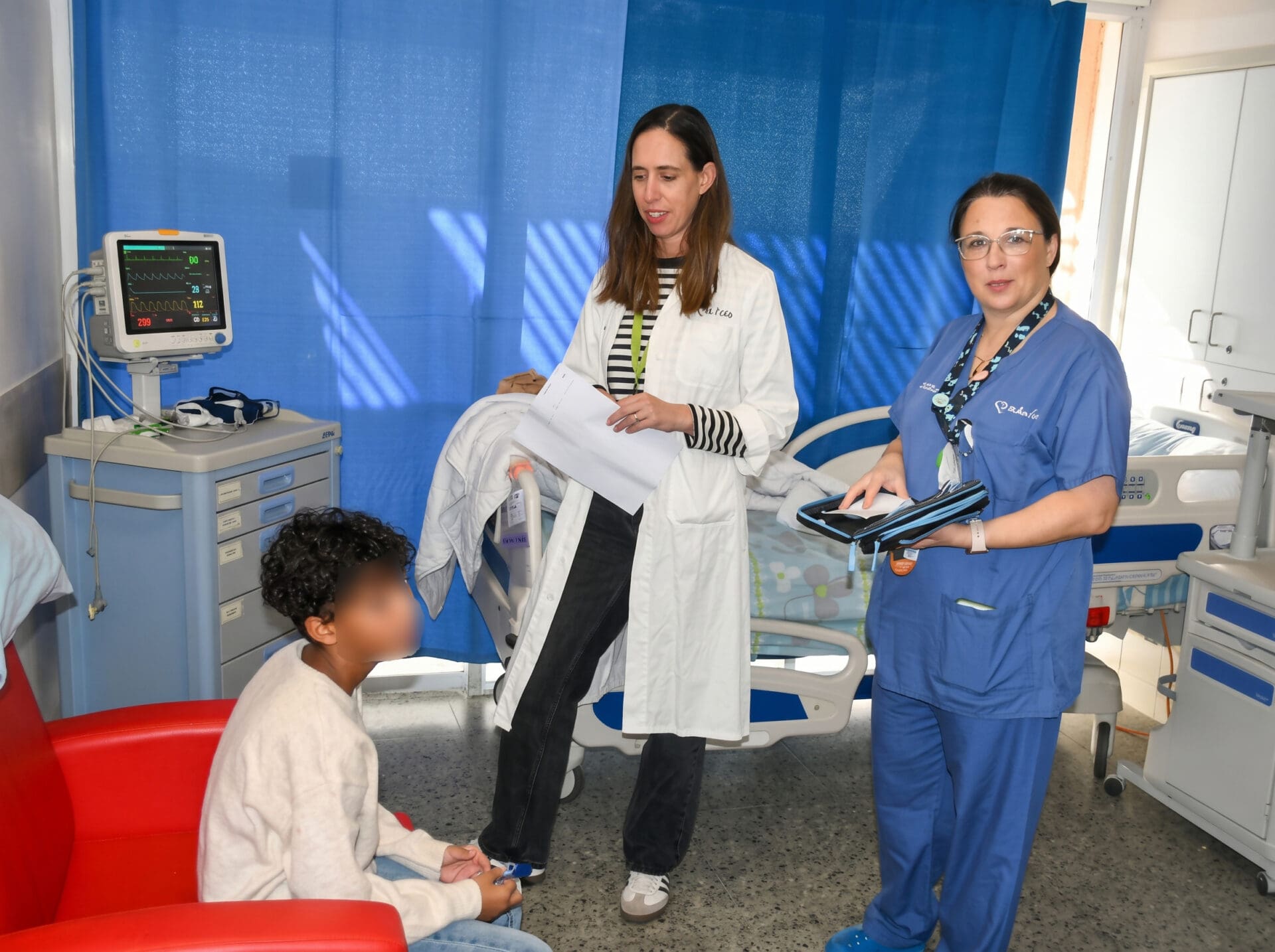
On the occasion of International Diabetes Awareness Month, the Carmel Diabetes Unit led a process to assimilate knowledge and update treatment standards among the hospital's medical teams. As part of the activity, training and simulation workshops were held, focusing on managing diabetes in complex situations and populations that require special attention, including pregnant women, children, and patients in the surgical departments.
The unit also promotes quality research to improve care in the various departments. One project is being carried out in the orthopedic department and focuses on preventing an increase in blood sugar levels among patients receiving steroid treatment.
The unit's activities are led by Dr. Gershinsky and Marina Weinberg, who recently received a certificate of excellence from the CEO of Clalit, in recognition of her contribution to advancing the field of diabetes.
From hospitalization to home: a treatment continuum that accompanies the patient
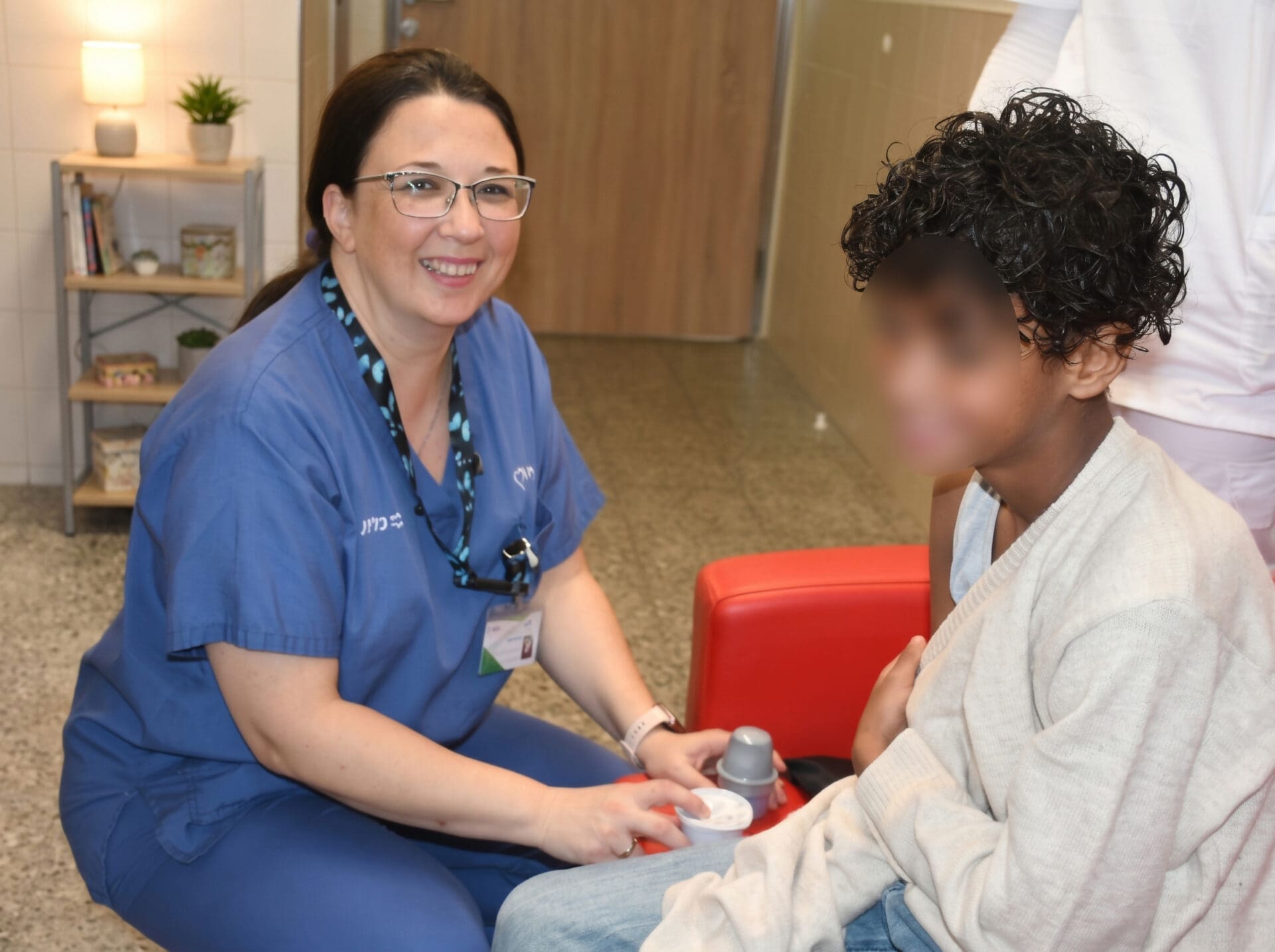
Alongside medical and technological advances, the Carmel Diabetes Unit emphasizes the importance of personal support and continuity of care. As part of this approach, Weinberg initiated the distribution of personalized, designed bags to children dealing with type 1 diabetes, who are required to carry medical equipment with them as part of their daily routine.
Another project operated by the unit is "Inpatient-community continuum of care", designed to ensure an orderly and safe transition of complex patients from the hospital to continued care in the community. Upon discharge, patients receive a personalized action plan and follow-up in a multidisciplinary clinic, with the aim of improving diabetes control and reducing the risk of readmissions.
"The combination of technology and new drugs with a medical team that is committed to learning, research, and humanity is what makes it possible to provide patients with advanced treatment tailored to their needs," conclude Dr. Gershinsky and Marina Weinberg.