


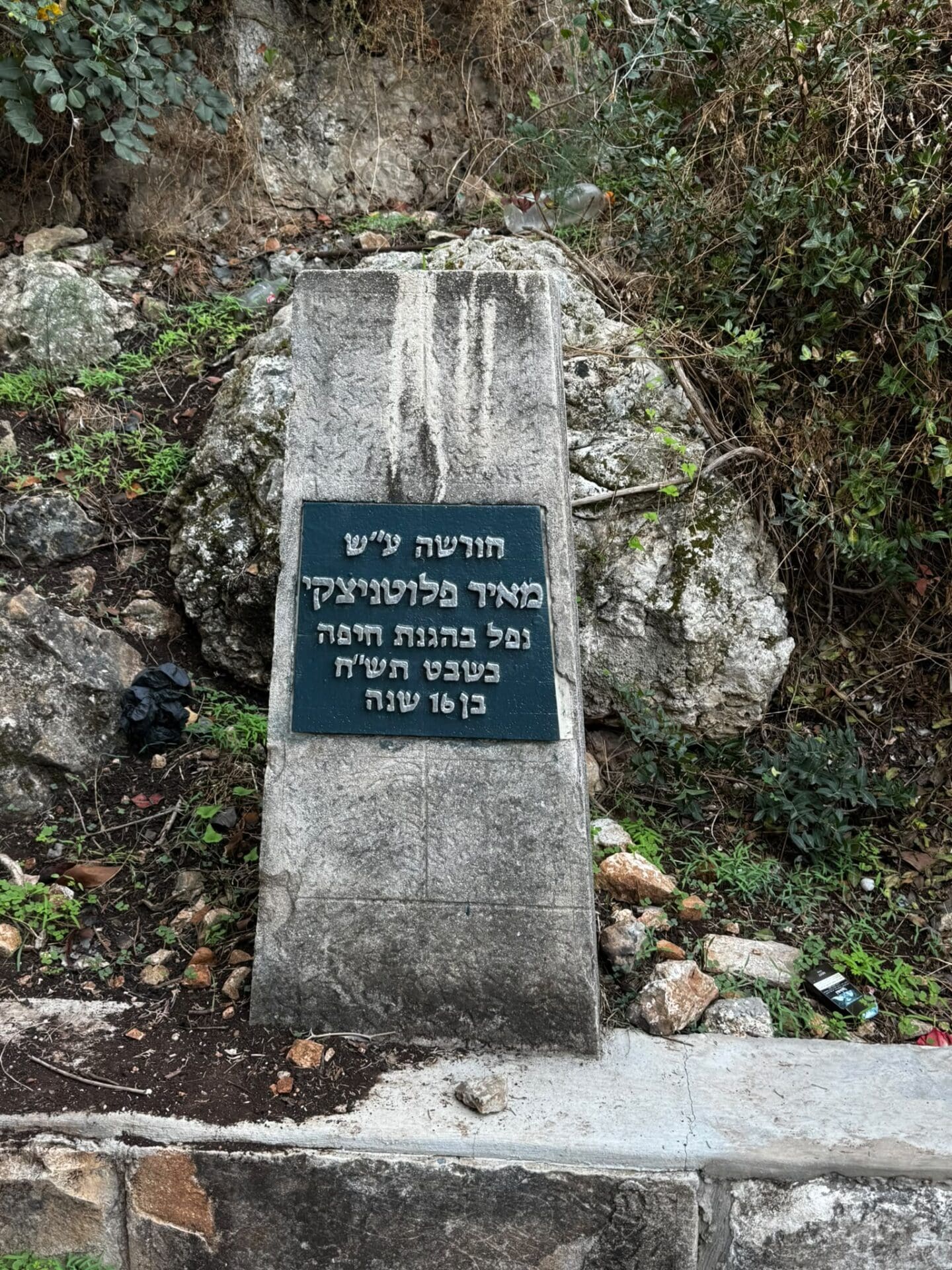
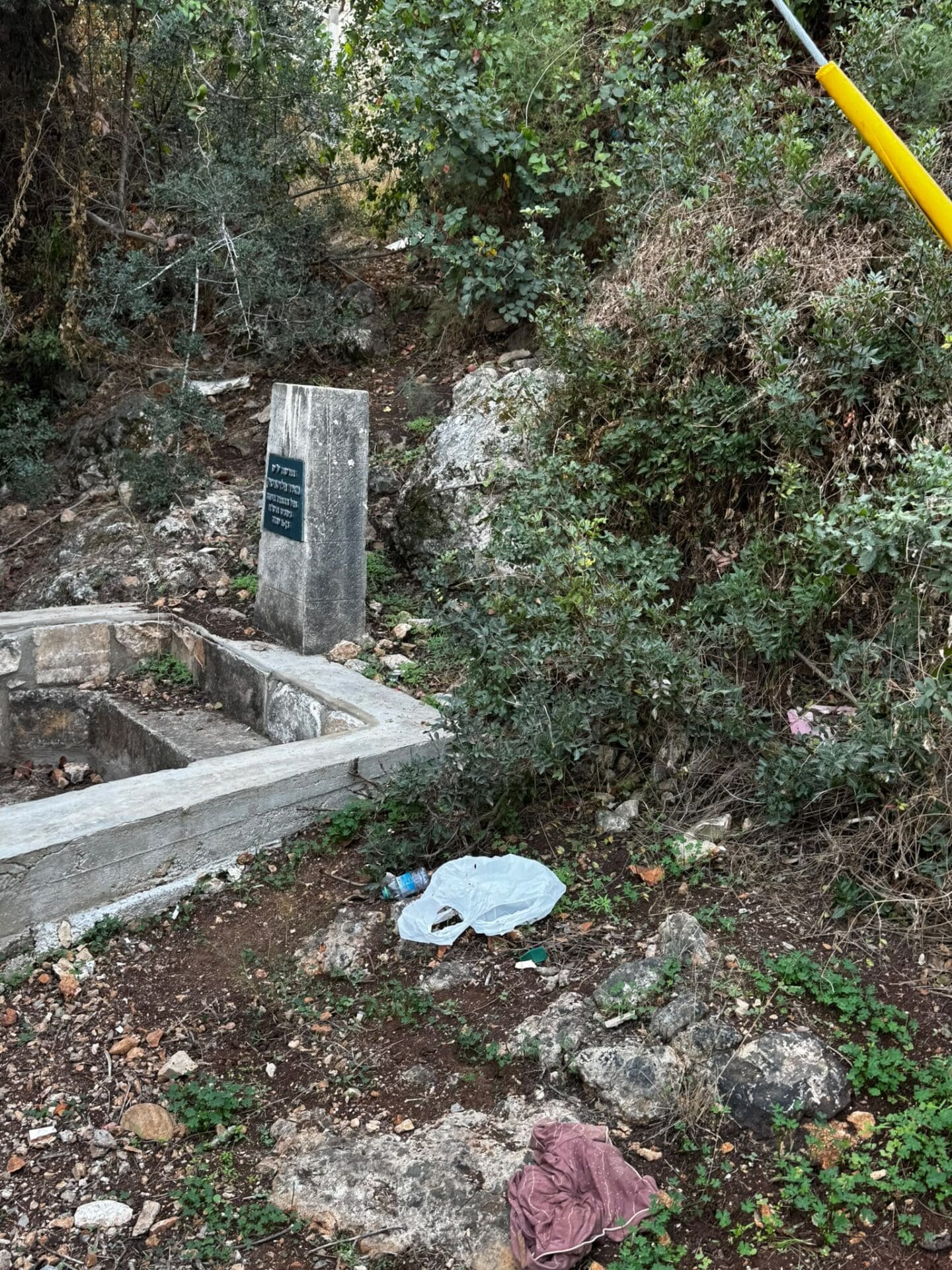
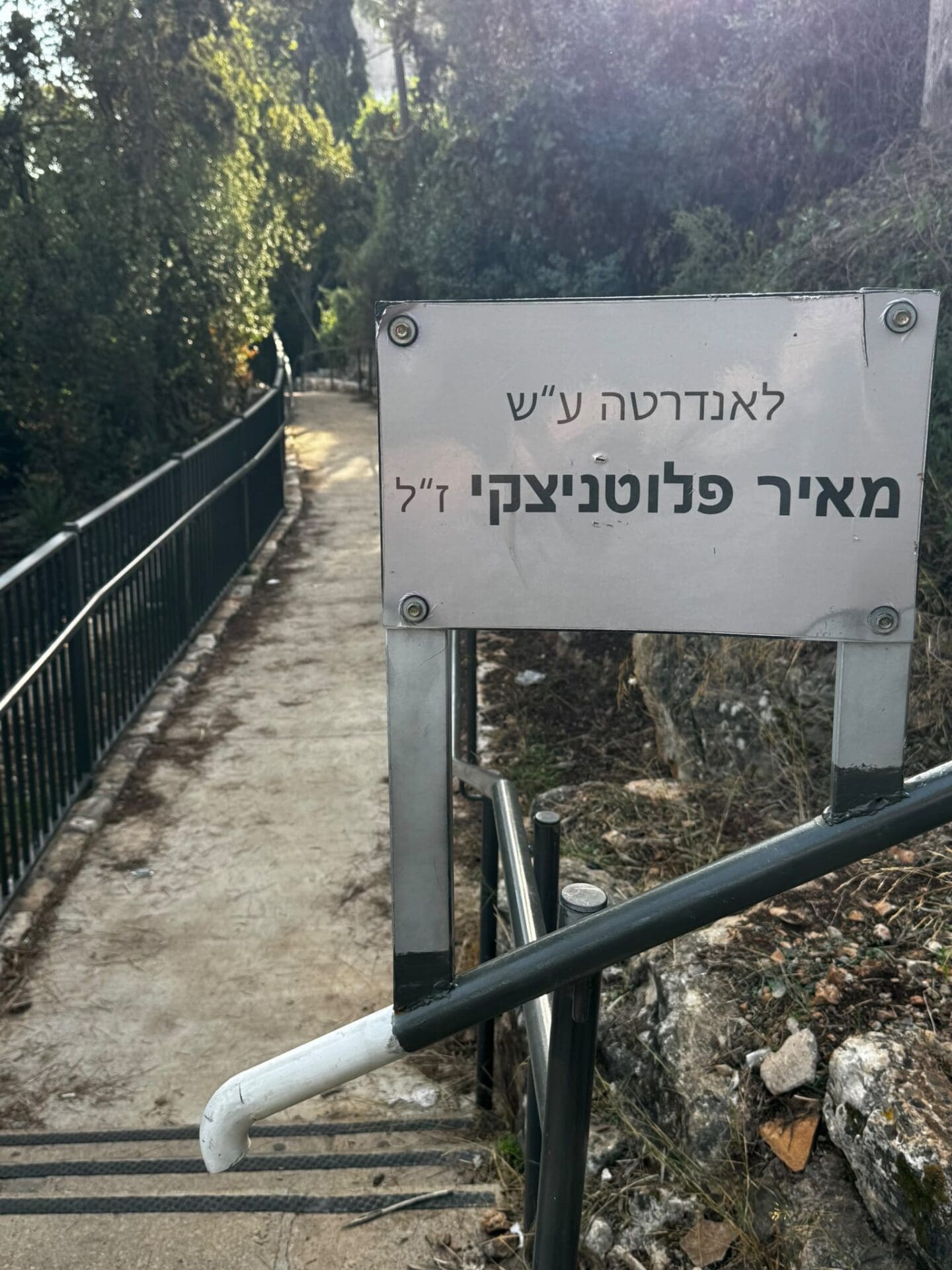
(haipo) The monument and grove commemorating the late Meir Plotnitzky in the Neve Sha'anan neighborhood in Haifa are in a state of neglect and dirt. A place intended to commemorate a young boy who fell in the War of Independence and pass on his story to future generations, deserves respectful treatment, cleanliness, and ongoing care.
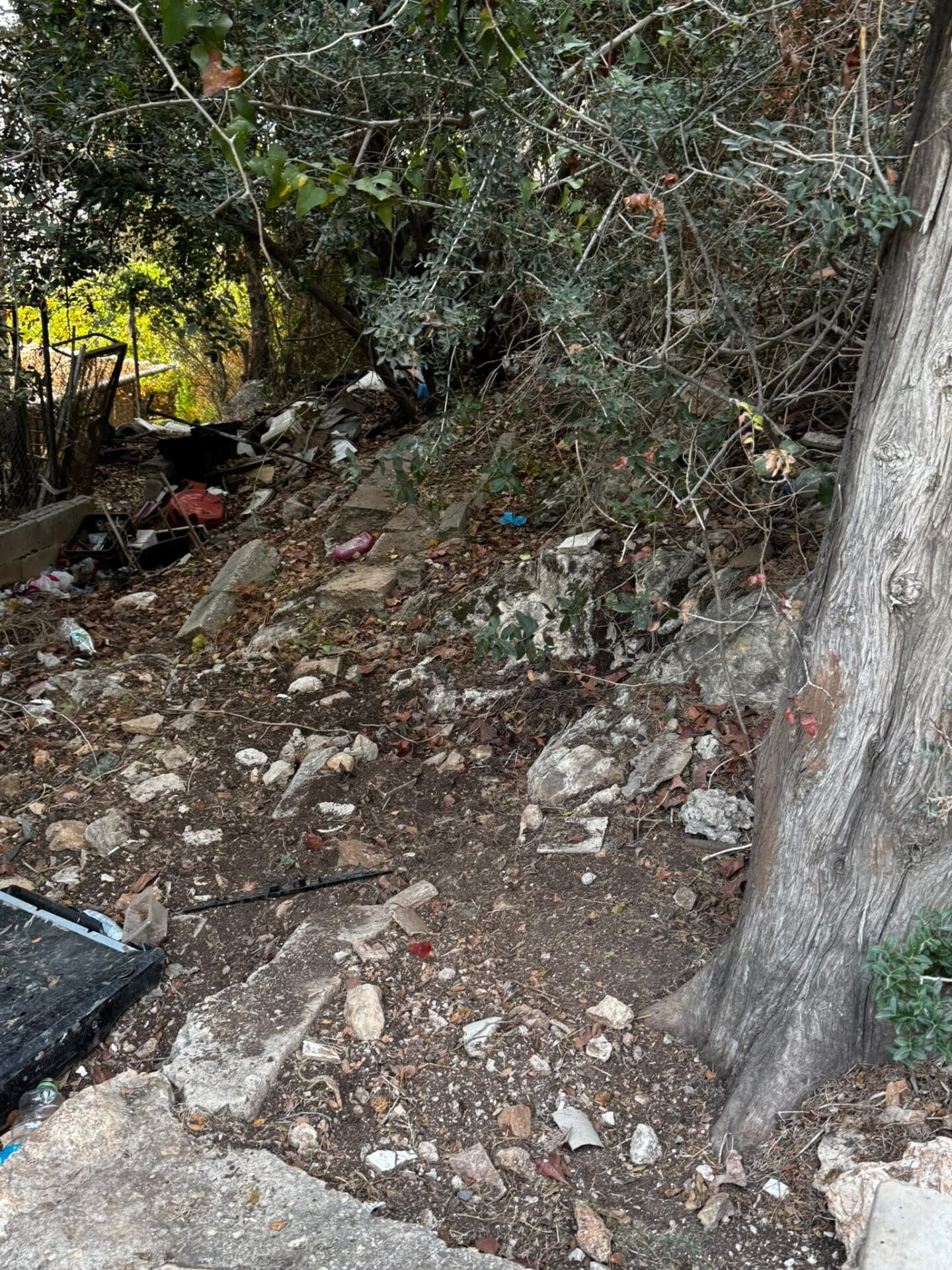
The modest monument and grove erected to commemorate the late Meir Plotnitzky are neglected and dirty. The surroundings of the monument, which should be a dignified and quiet place for communion and remembrance, are not properly maintained. Behind the monument is the story of a young boy, only 16-17 years old, who was a fighter in the Haganah and fell at the beginning of the War of Independence, in January 1948, in the area of the Roshmia Bridge in Haifa.
Plotnitzky was killed while trying to place a warning sign designed to safely direct traffic towards the Neve Sha'anan neighborhood. He was a young man who worked for the safety of the road and the community, and fell while fulfilling his mission. His memory is commemorated at several memorial sites in Haifa, including the monument and grove at Tel Amal, the Boys' Garden, and the 22nd Battalion Bridge.
Monuments are much more than a stone, a commemorative plaque, or a piece of public space. They are part of our historical and national memory. They tell the story of people, warriors, and fallen soldiers, who sacrificed their lives for the country, the city, and the community. They allow younger generations to learn about history, learn about acts of heroism, understand the price paid, and maintain the connection between the past and the present.
Therefore, the responsibility for maintaining the memorial sites does not end on the day the monument is erected or at the annual memorial ceremony. It requires care throughout the year: ongoing cleaning, waste removal, pruning and nurturing of vegetation, maintenance of trails, restoration of hazards, and protection of the site's environment.
When a monument is neglected, dirty, and surrounded by debris, it is not only an environmental or aesthetic hazard. It also harms the dignity of those being commemorated and the ethical and historical significance of the place.
Memory cannot exist only in ceremonies and memorial days. It must also be expressed in everyday life.
The residents expect the Haifa Municipality and the responsible parties to act as soon as possible to thoroughly clean the grove, to care for the monument and its surroundings, and to ensure ongoing maintenance, so that the place will once again be a dignified, clean, and well-kept memorial site.
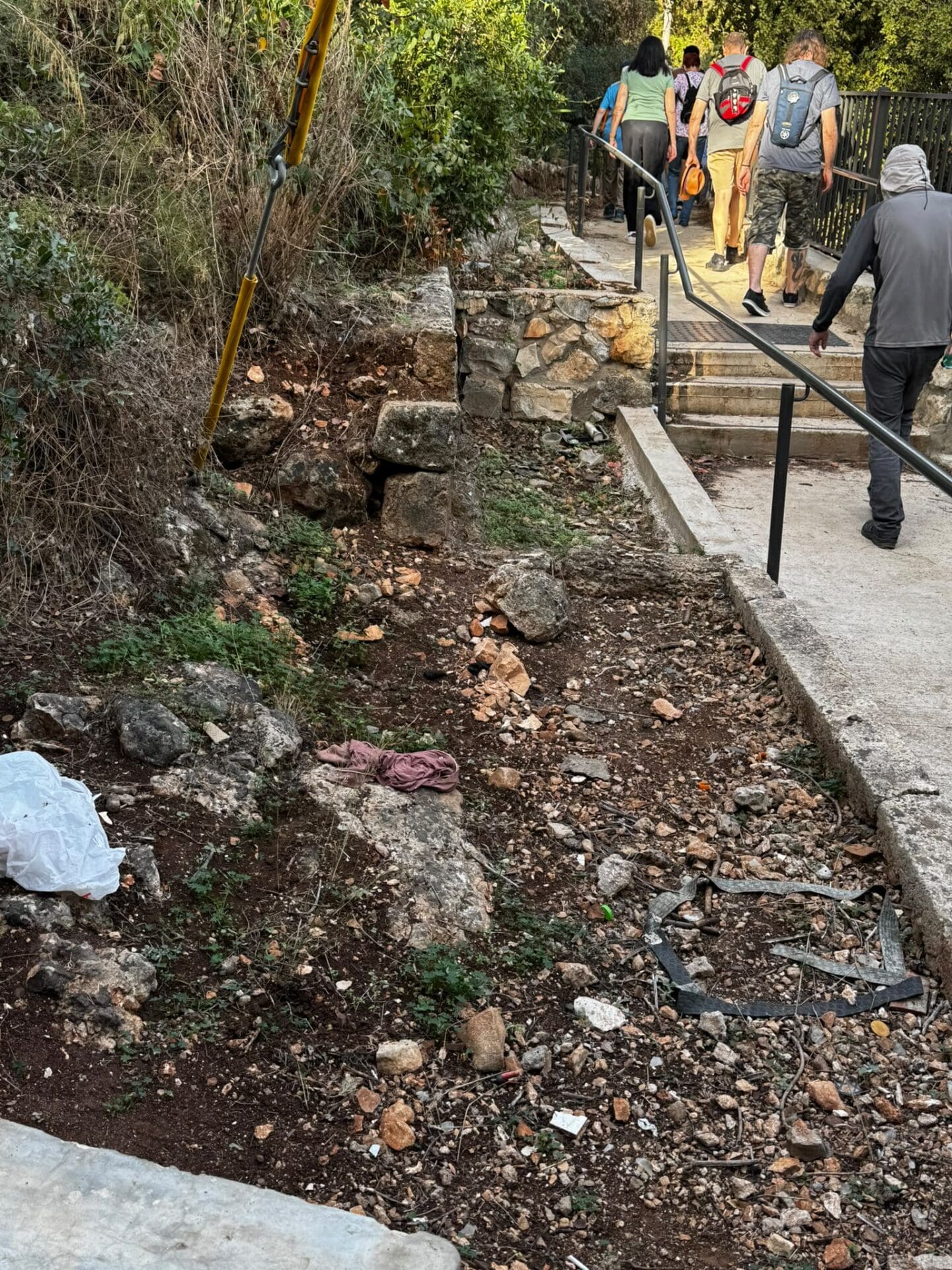
The Haifa Municipality gave a response"The claim is unclear, as the monument is regularly maintained, and the sign at the site was recently renewed, as can also be seen in the attached photographs, which indicate the condition of the monument, which is located in a grove of natural and authentic character, including natural vegetation. The photographs show three plastic bags that were blown away by the wind, and they were also removed from the site. The municipality will continue to ensure the maintenance of the site and to keep it clean on an ongoing basis."
About the energies in the oldest cemeteries, no one visits there, it is impossible to identify who is unclean, as o, the letters are erased, a terrible shame and disgrace, abroad, the Jews would organize to come and take care of them, here in our country, another neglected cemetery, there is no value for all the
Waffles