



(Haipo) – The Finance Committee in the Haifa Municipality approved (yesterday, Sunday, September 7, 2026) a budget of approximately 3 million shekels for the restoration and development of the old market in Wadi Nisnas and the commercial center in the old Halisa neighborhood.
The approval comes after professional fieldwork tours with the municipality's professional teams and residents. The budget is part of an overall vision and professional work plan to support businesses, to rehabilitate and develop the old market in Wadi Nisnas and the commercial center in the Halisa neighborhood, and to invest in the city's Arab and mixed neighborhoods.
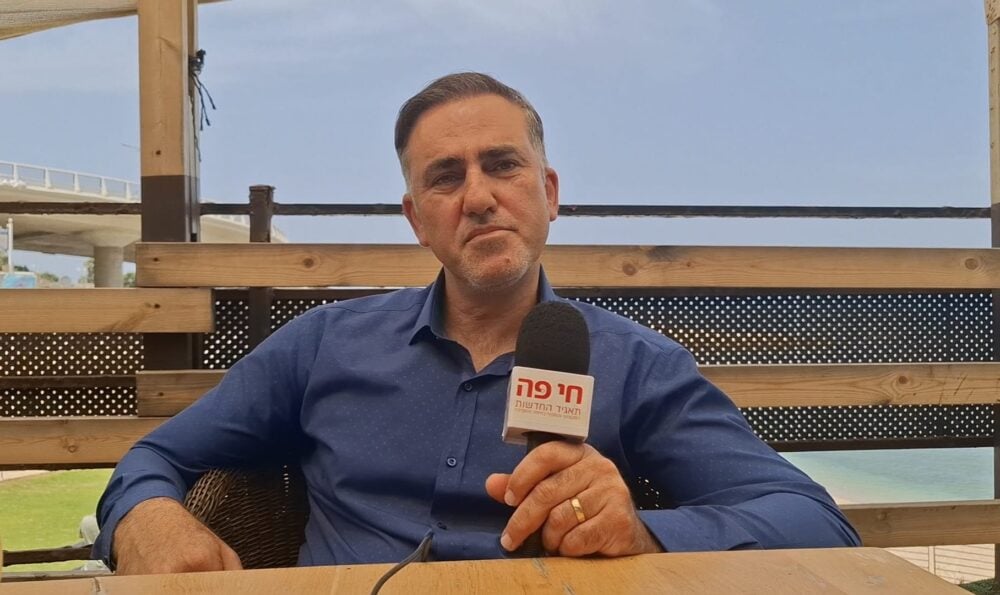
Deputy Mayor of Haifa, Fakhr Bayadsi, He worked hard to promote the issue and secure the budget, while connecting the needs that emerged from the field with organized work plans, turning the plans into budgets, and the budgets into tangible projects that actually reach the field, he told the people.
From a perspective of strengthening, developing, and preserving the city's historic markets and commercial centers, we are promoting a total investment of approximately 3 million shekels in the Wadi Nisnas market and the old commercial center in Halissa, including infrastructure and layering work, with the aim of creating a more pleasant, accessible, and inviting space, while preserving the identity, heritage, and unique character of each place.
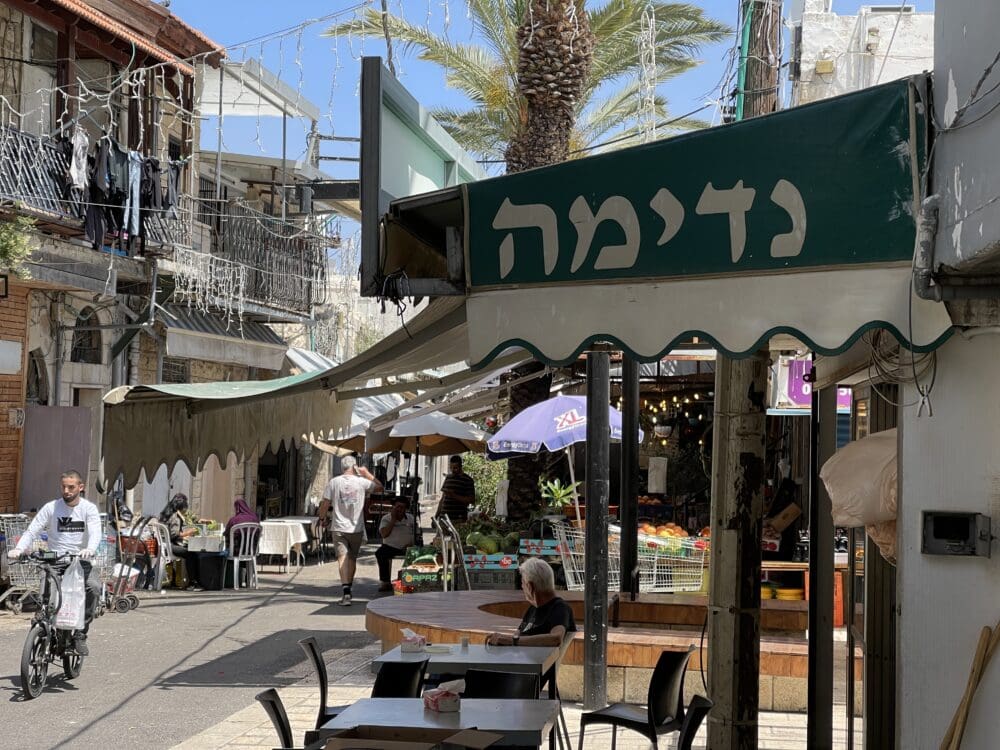
A historic market that attracts thousands of visitors
Wadi Nisnas Market is much more than a commercial center. It is a historic market that attracts thousands of visitors, and at the same time is located in the heart of a vibrant residential neighborhood. Says Bayadsi, the connection between commerce and livelihood, residents and visitors, history, culture and art is the uniqueness of the place and one that we want to preserve.
The planning includes, among other things, upgrading business facades, adapted awnings and signage, lighting and shading, improving infrastructure and asphalt layering, accessibility, regulating the display of merchandise and nurturing the public space, along with strengthening local art and heritage. All of this with sensitivity and in cooperation with residents and business owners.
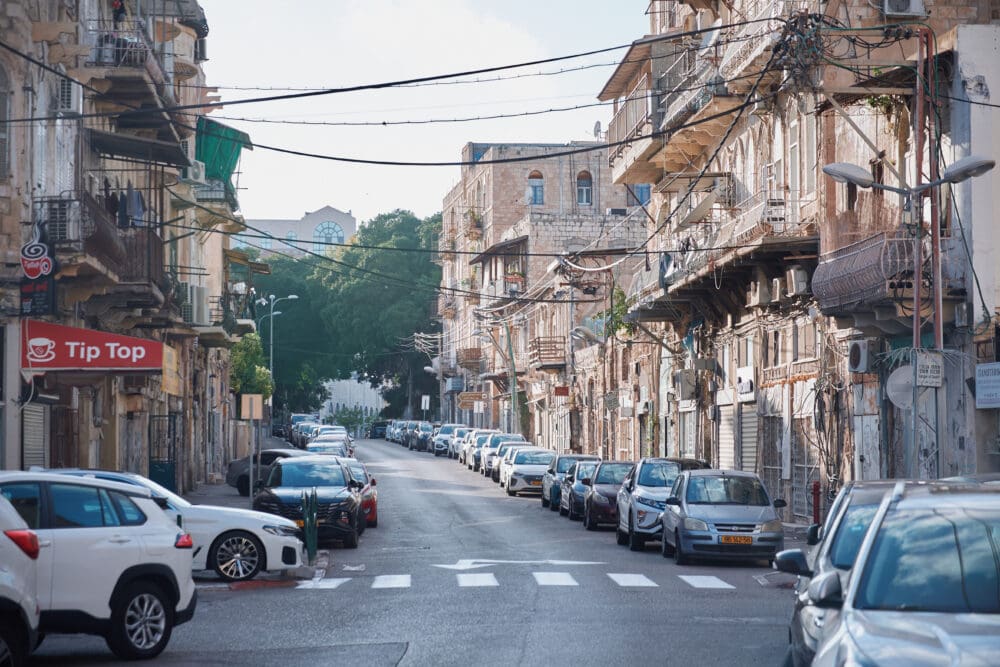
The same concept guides us in the old commercial center at the entrance to the Halisa neighborhood: improving the facades and signage, lighting, landscaping, infrastructure and accessibility, along with examining short-term parking solutions that will help businesses and visitors. The goal is to strengthen businesses and livelihoods, attract visitors and improve the quality of the space for residents, without harming the historical and community character.
These are historic commercial centers located in the midst of residential neighborhoods, so the development must be done with balance, sensitivity, and respect for the place. The planning teams and architects are already working on the plans, and upon completion of the planning, the intention is to move quickly to implementation, with the goal of starting work within the next two months.
I would like to thank the Mayor, Mr. Yona Yahav, who is leading and supporting the process, the Deputy Mayor and Chair of the Finance Committee, Sophie Nakash, and all the professional teams in the Haifa Municipality, who have held field tours and working meetings with us over the past few months, examined the needs, and are working with us to advance the planning and implementation.
This is joint work that connects needs that arise from the field, professional planning, and budgets with the aim of strengthening businesses, preserving heritage, and improving the quality of life in neighborhoods.

For the Wadi alone, you need 300 million and parking for 500 cars. Stop bluffing us with bombastic headlines.
During the holidays, there are many concerts and performances in churches and in the Wadi squares, and the crowding and parking are very problematic. Why are there no shuttles from the parking lots in the area?
They give money to Arabs under the guise of upgrading the market.
Who needs a market in the 21st century?
What is sold at this market that you can't find in a grocery store or supermarket?
Are all the city's problems over that only a marginal market upgrade requires the allocation of funds?