


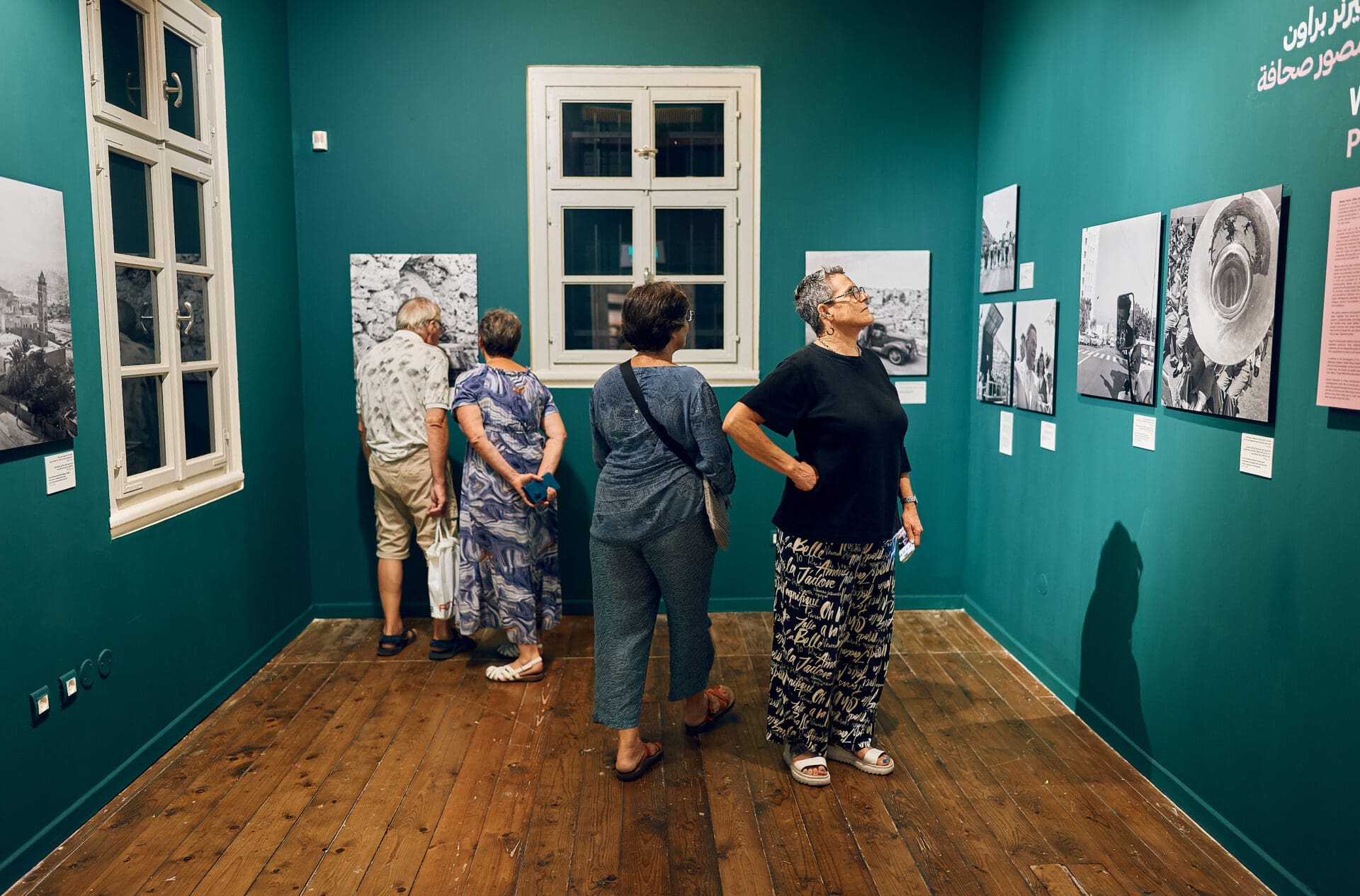
A new exhibition at the Haifa City Museum presents the images selected by the people behind the camera in our most dramatic moments, combining rare documentation of the city from a century ago with contemporary field photographs.
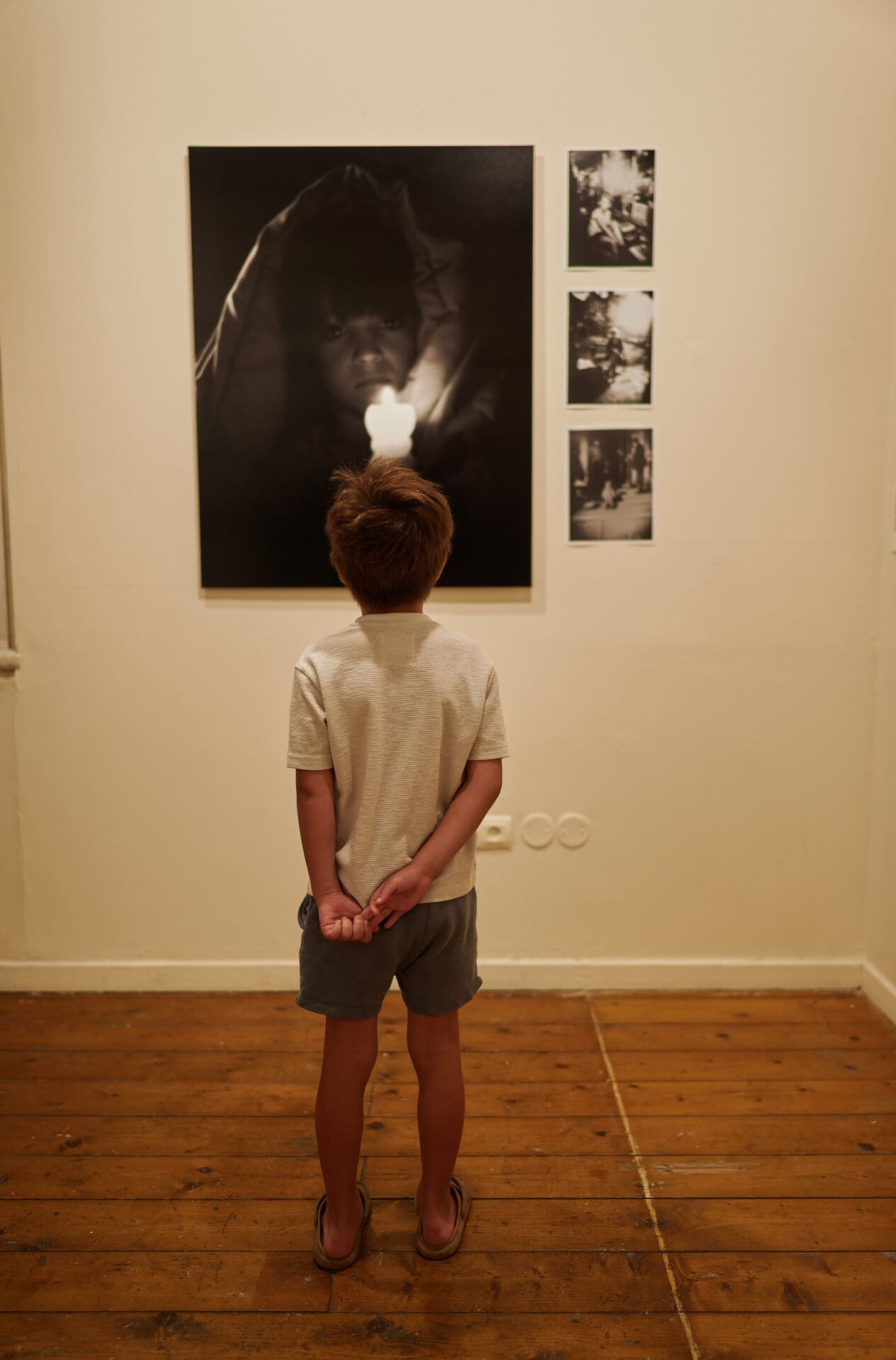
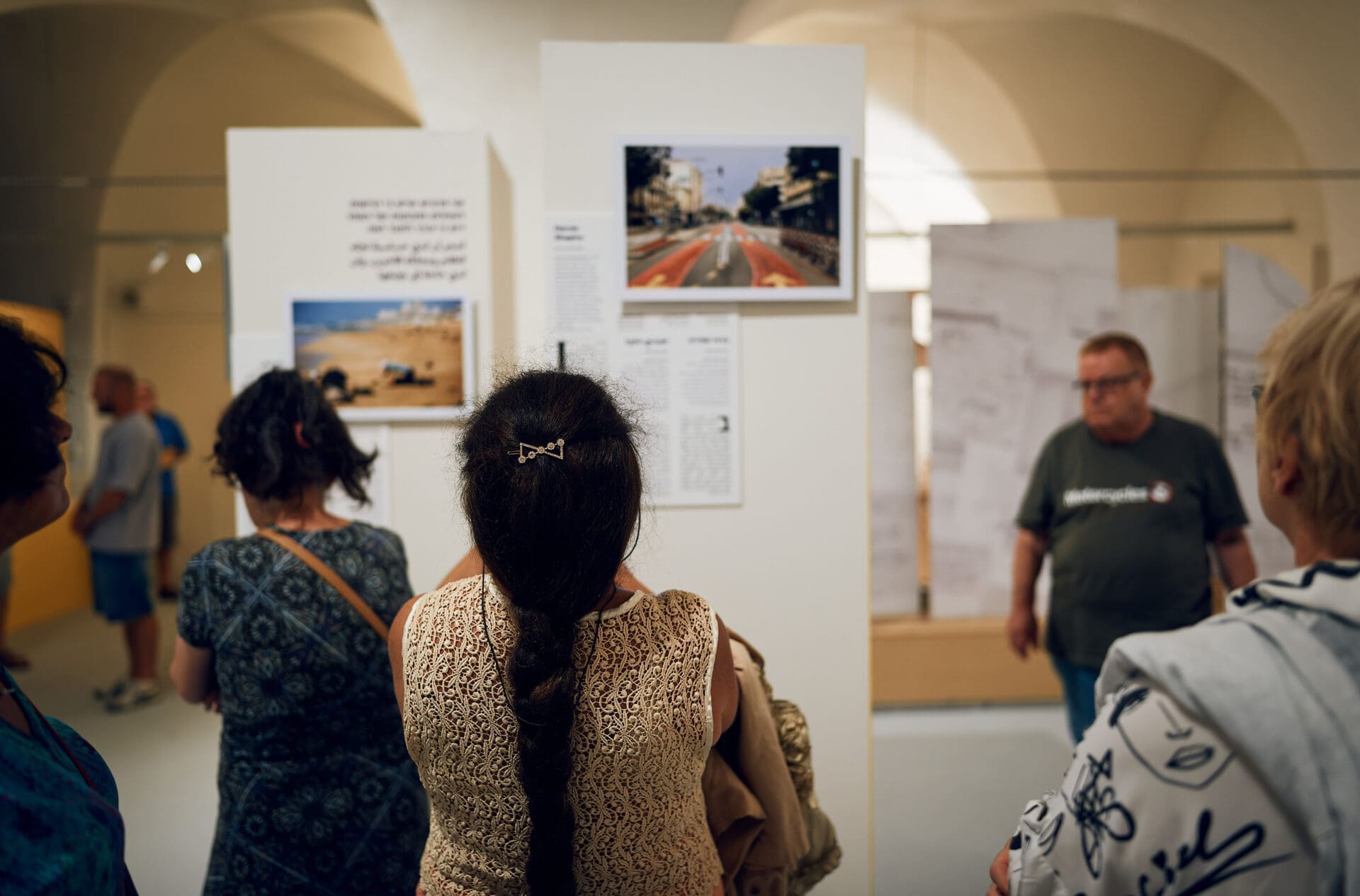
While we all flee from danger zones, there are people who run right there with a camera in their hand. Photojournalists are always the first to arrive at any scene: sometimes just minutes after an explosion or a serious accident, and at other times amidst celebrations and great joy. A new exhibition at the Haifa City Museum gives them the stage: it presents the photographs they took in the field and selected themselves, and brings the stories of those who document our lives here in the north.
Press Photographers Exhibition "Appearance: On Photography and Truth" On display at the Haifa City Museum starting today, September 3, 2026. The exhibition brings together contemporary and exciting field photographs by 12 leading photographers and rare historical documentation of the city from the 1920s, and provides a courageous glimpse into the dilemmas behind the frame.
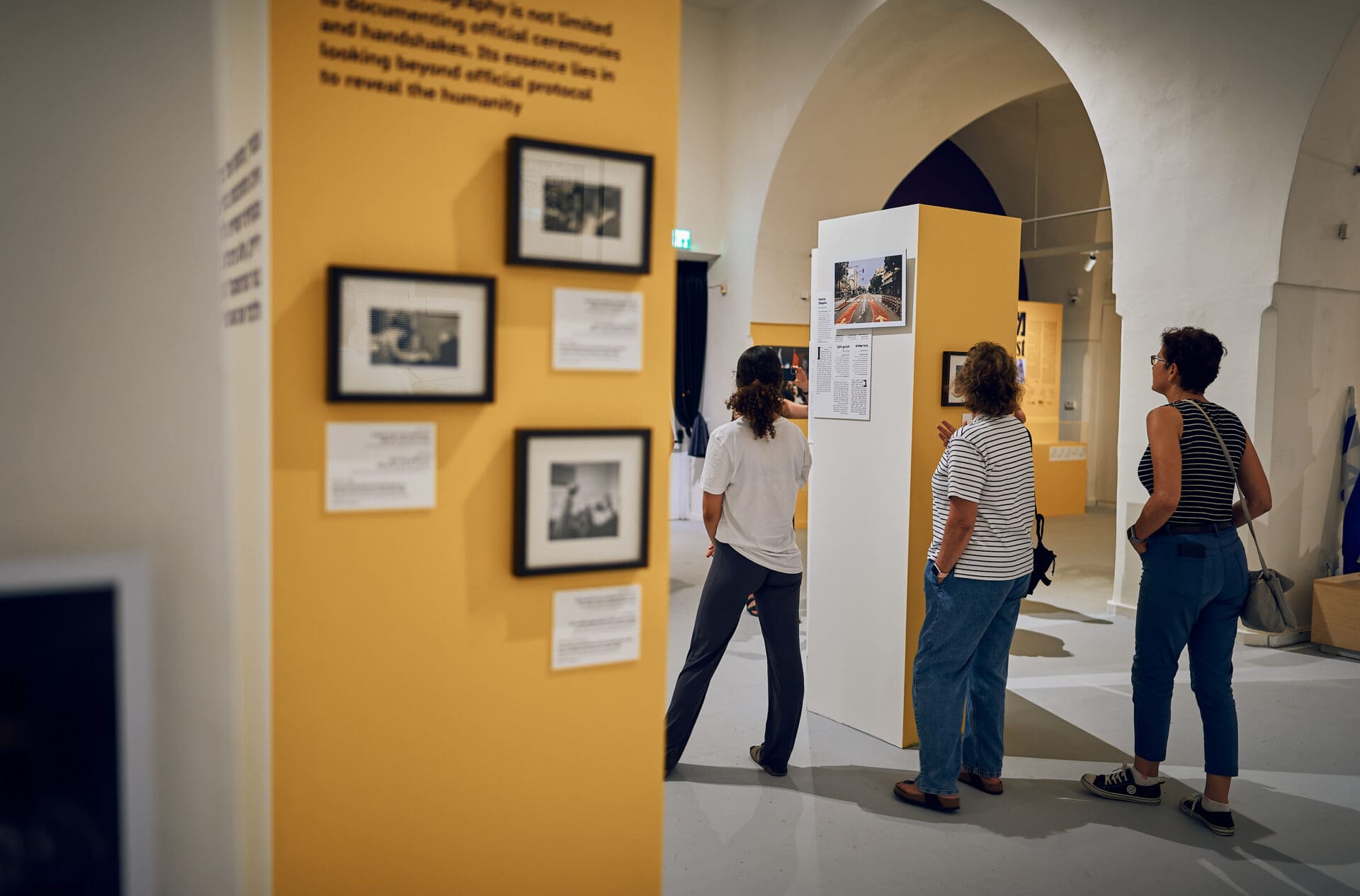
Haifa of the past meets Haifa of today
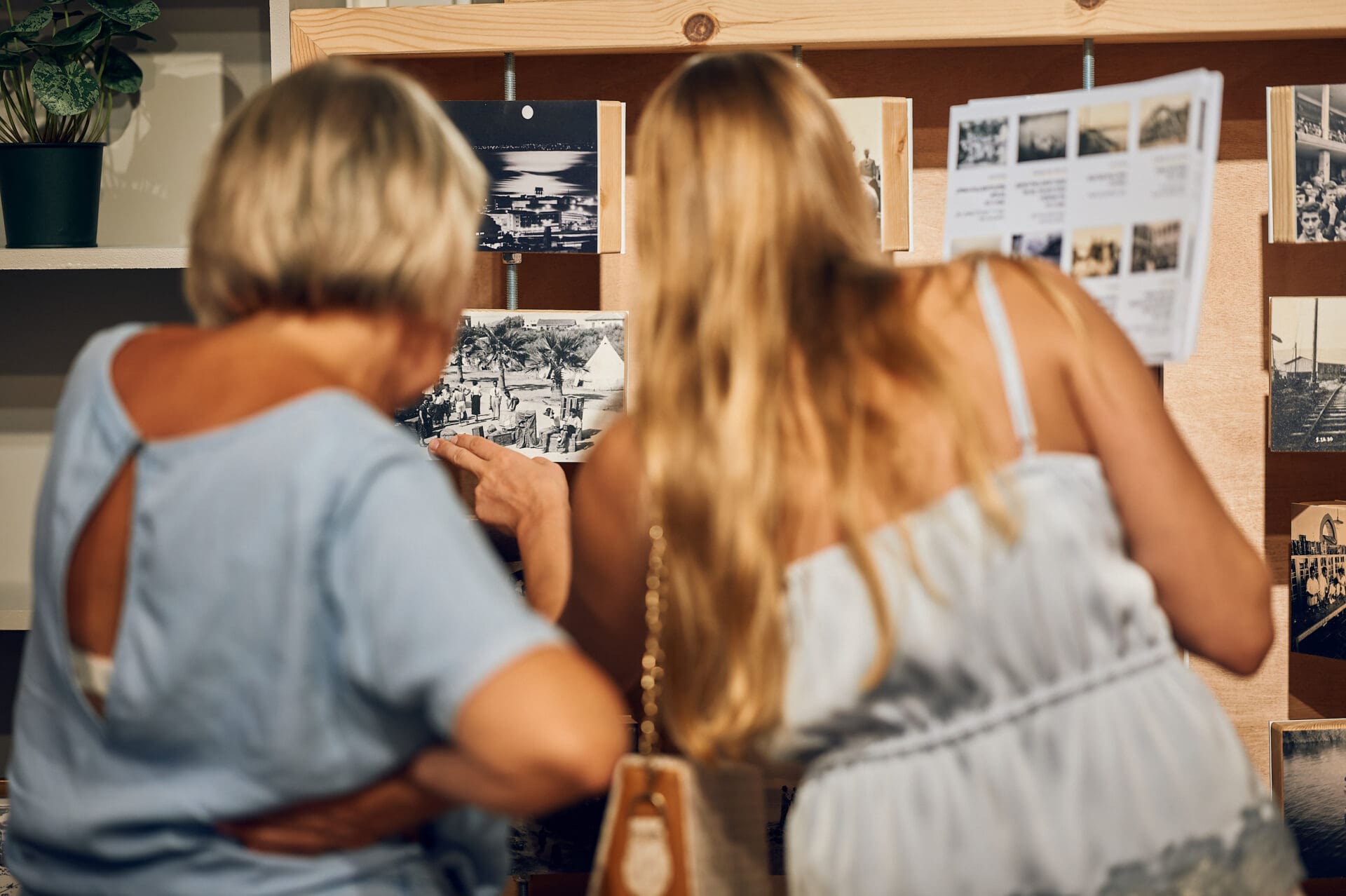
For a century, the Middle East has attracted photographers from all over the world, and Haifa has always been a central part of this story. The exhibition presents a true treasure from the archives of the city museum: rare press photos from the 1920s, including works by the veteran photographer Werner Brown, alongside works by contemporary photographers covering the North in recent years. This encounter shows how the city has changed, but also how the camera's eye remains a tool that tells a human story.
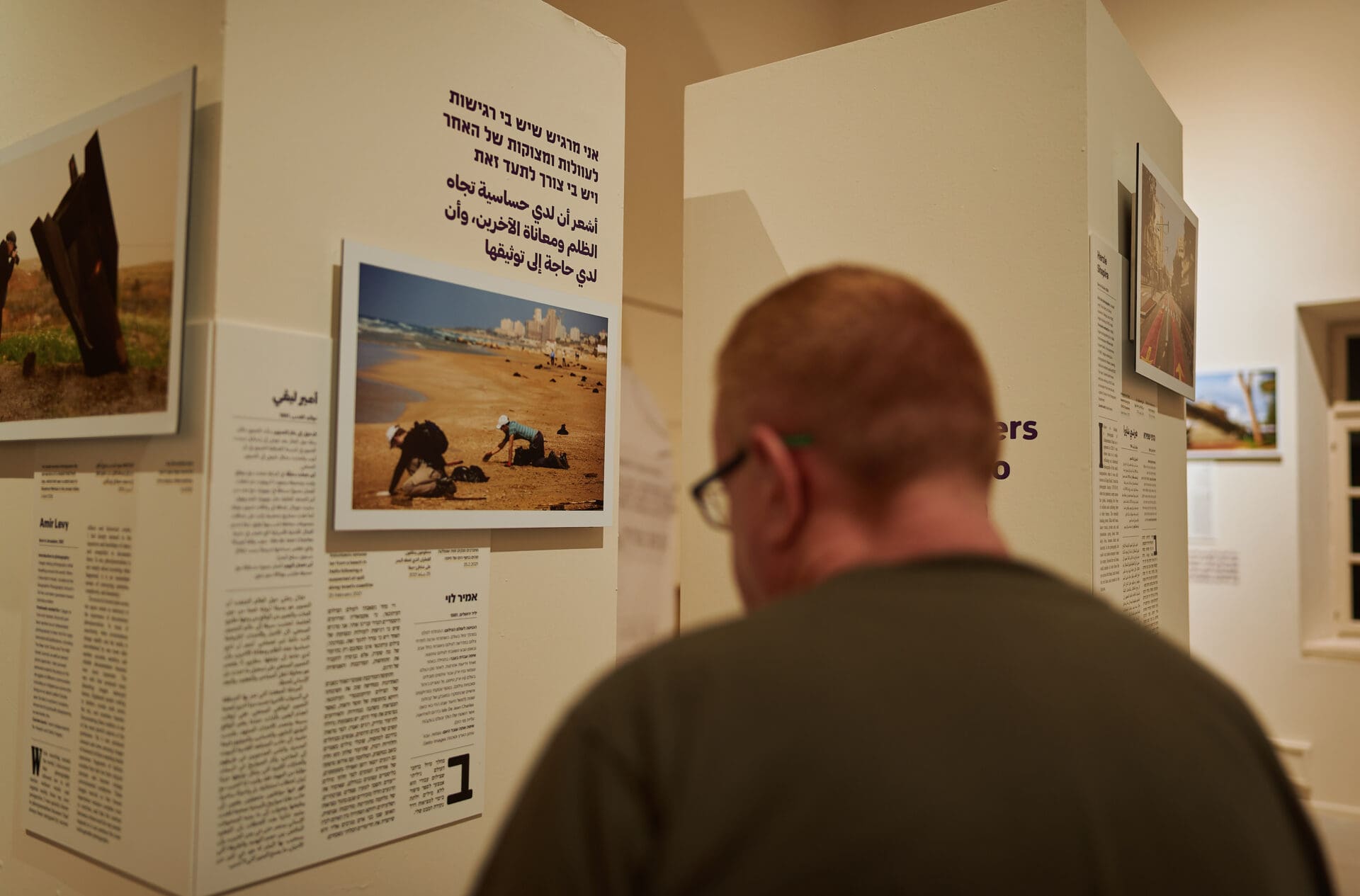
Decide in a split second: what goes into the frame and what stays out
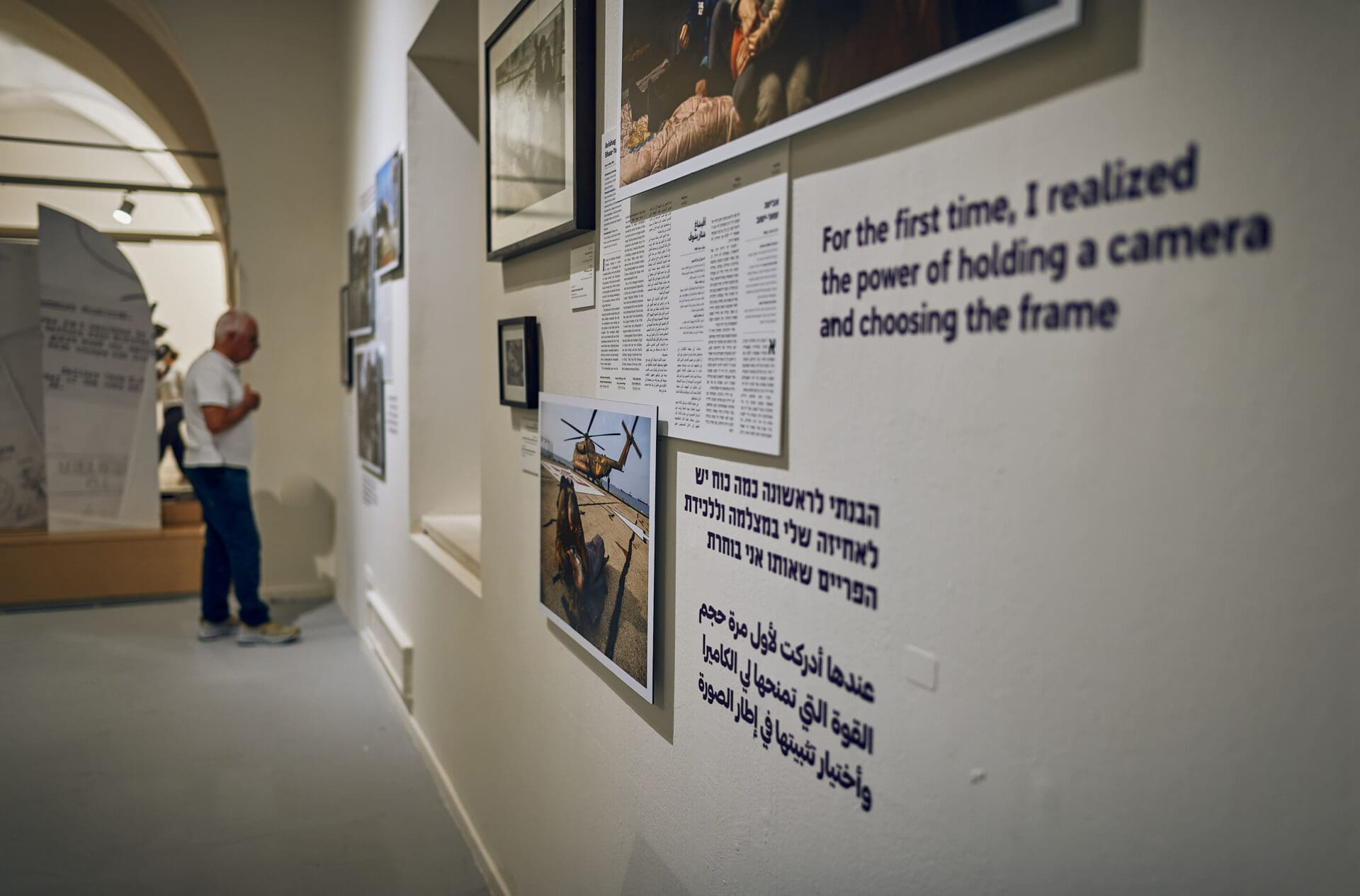
The photos in the exhibition are the work of the photographers, who themselves selected their personal works from the field. This selection gives a real glimpse into what they are going through: not just the dry news that they see on the news website, but the fear, pain, and sights that do not leave them even after they put down the camera and return home. In a moment of utter chaos, the photographer has one second to decide: where to stand, what to include in the picture, and what to let go. Our memory sometimes blurs over time, but photography remains a permanent witness.
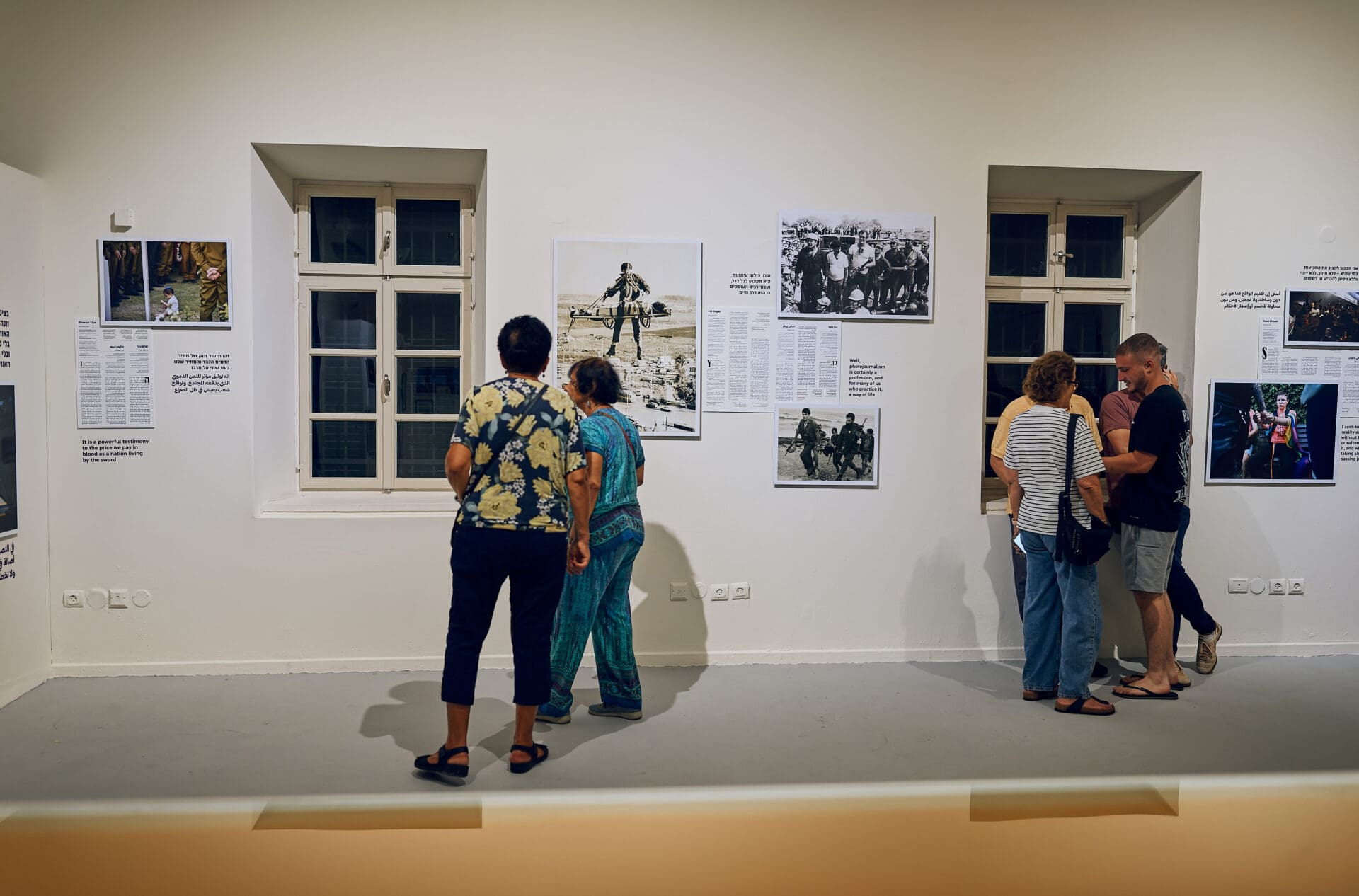
When everyone has a camera in their pocket: What is photojournalism worth today?
The second part of the exhibition raises a question that concerns us all: Today, when anyone with a mobile phone can take a photo and upload it online within a second, why do we still need professional photojournalists? And can a single photo even show the whole truth? The exhibition invites visitors to rethink what we see on screens every day, and the difference between another casual photo and documentation that tells a real story.
Who is behind the lens?
The exhibition (in the exhibition cluster "Appearance: On Photography and Truth", curated by Yifat Ashkenazi and with professional advice from Lior El Hai) features 12 leading photojournalists: Avisag Shear Yashov, Oren Ziv, Ilya Yaffimovich, Elad Gershgorn, Amir Levy, Gil Nehushtan, Herzi Shapira, Zvi Ruger, Shahar Azran, Shir Toram, Sharon Tsur and Rami Shlush. Alongside them, video works by artists Oded Hirsch and Ronen Zenn are also on display..
There were crowds of people, the city thirsted for culture, and the museums were small. Mena Katz has been closed for years. The shell of the Mother Garden is literally crumbling. The Haifa Museum of Art is in an old building at the edge of Hadar and deserves a respectable structure. The Artists' House was closed this year.
Why is there a good investment in new buildings in Tel Aviv, Jerusalem, and Herzliya, and in Haifa, you feel like everything is falling into place? Father Khushi had a vision that Haifa would be Israel's cultural city. It is important to understand that culture is an urban economic engine. It is not just a luxury. It is a vital necessity, and also an economic driver like tourism and cafes or galleries and artist studios or classes or craft stores. You cannot have urban renewal in Tama 38 without cultural renewal.
All the photographs – pictures, that someone, sometime once presented and most of them have already seen it. I present things, that do not exist in the world!!! Come and see!………….