Four Exhibitions, Four Worlds • New Exhibition Season at the Haifa Museum of Art | Opening 01.08.26

The year 1922 – Many historical events have disappeared, forgotten, but not this one

Our tireless friend Mickey Gottschalk revealed the incident that occurred...

Bauhaus Week in Haifa and the Connection Between Ata and Meskit

Ahead of the Haifa Bauhaus Week, which will take place between November 8 and 15...

Flower of the Week • Canadian summer

The Carmel presents us with flowers in all seasons of the year. In this column we will represent...

"The Twin Palaces" – Luxury of the Past on the Way to Talpiot Market 

On Yechiel Street, which climbs from the lower city towards the market complex...

Under the Radar: Mysterious Beetle Mortality at Tel Shikmona

Every time I go out into the field, my eyes are fixed on the ground, as if...

Explosive sounds will be heard from Raphael's David Institute due to a planned and controlled experiment

Raphael was delivered to the mouth - News Corporation: Today (Tuesday, 10/13/26)...

Bauhaus Week in Haifa and the Connection Between Ata and Meskit

Ahead of the Haifa Bauhaus Week, which will take place between November 8 and 15...

"The Twin Palaces" – Luxury of the Past on the Way to Talpiot Market 

On Yechiel Street, which climbs from the lower city towards the market complex...

Dania residents demand safety: Fight over crosswalks renews after girl's accident

(Live here) – The struggle of the residents of the Danya neighborhood in Haifa...

Serious car accident on Tovim Street in Haifa – four injured

(Live here) – A serious car accident occurred on Tovim Street...

On August 1, 2026, a new, rich and diverse exhibition season will open at the Haifa Museum of Art, which will include: Four new exhibitions alongside the permanent exhibition "The Surface: Art of the Land from the Museum Collection""Visitors will enjoy an audio guide in four languages ​​– Hebrew, Arabic, English and Russian, which will accompany the museum experience. The new season presents a fascinating encounter between contemporary art, cultural memory, personal journey and material exploration.

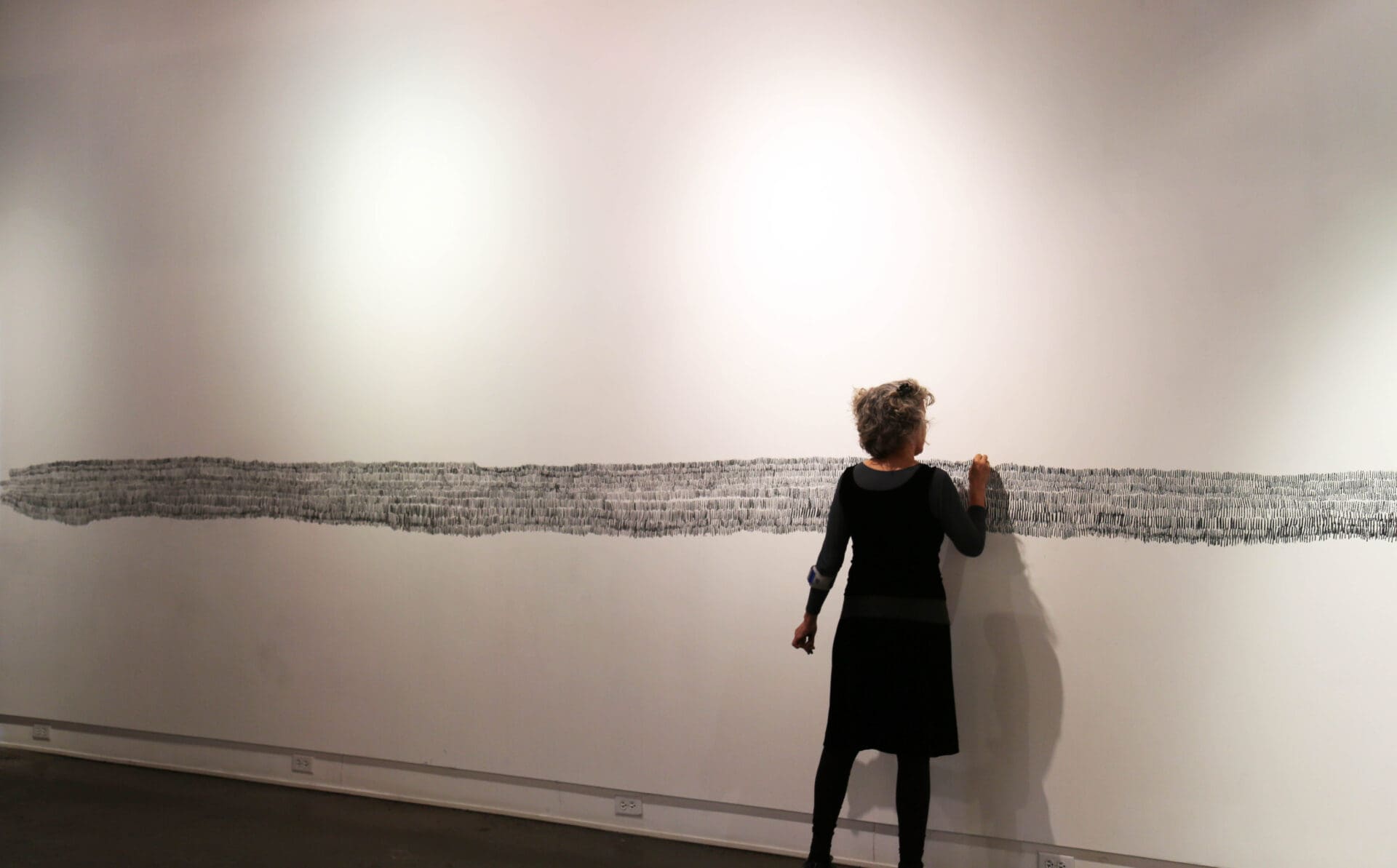
Cross the lines – from line to line
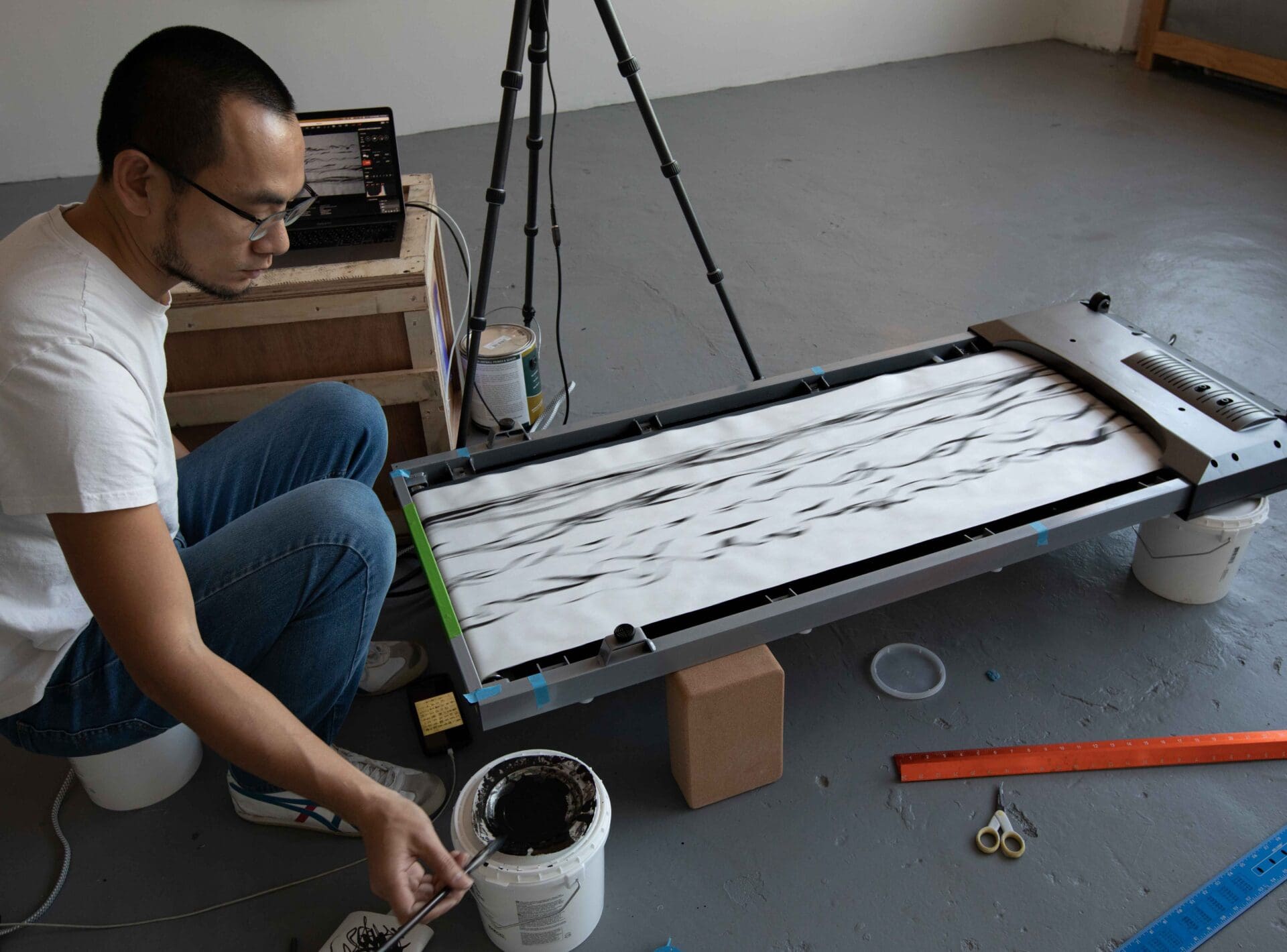
Wu Qi-zong, Calligraphy Study 001, 2022, (Photo: Courtesy of the artist)

curator: Dr. Etty Glass Gisis Assistant Curator: Adi Lam
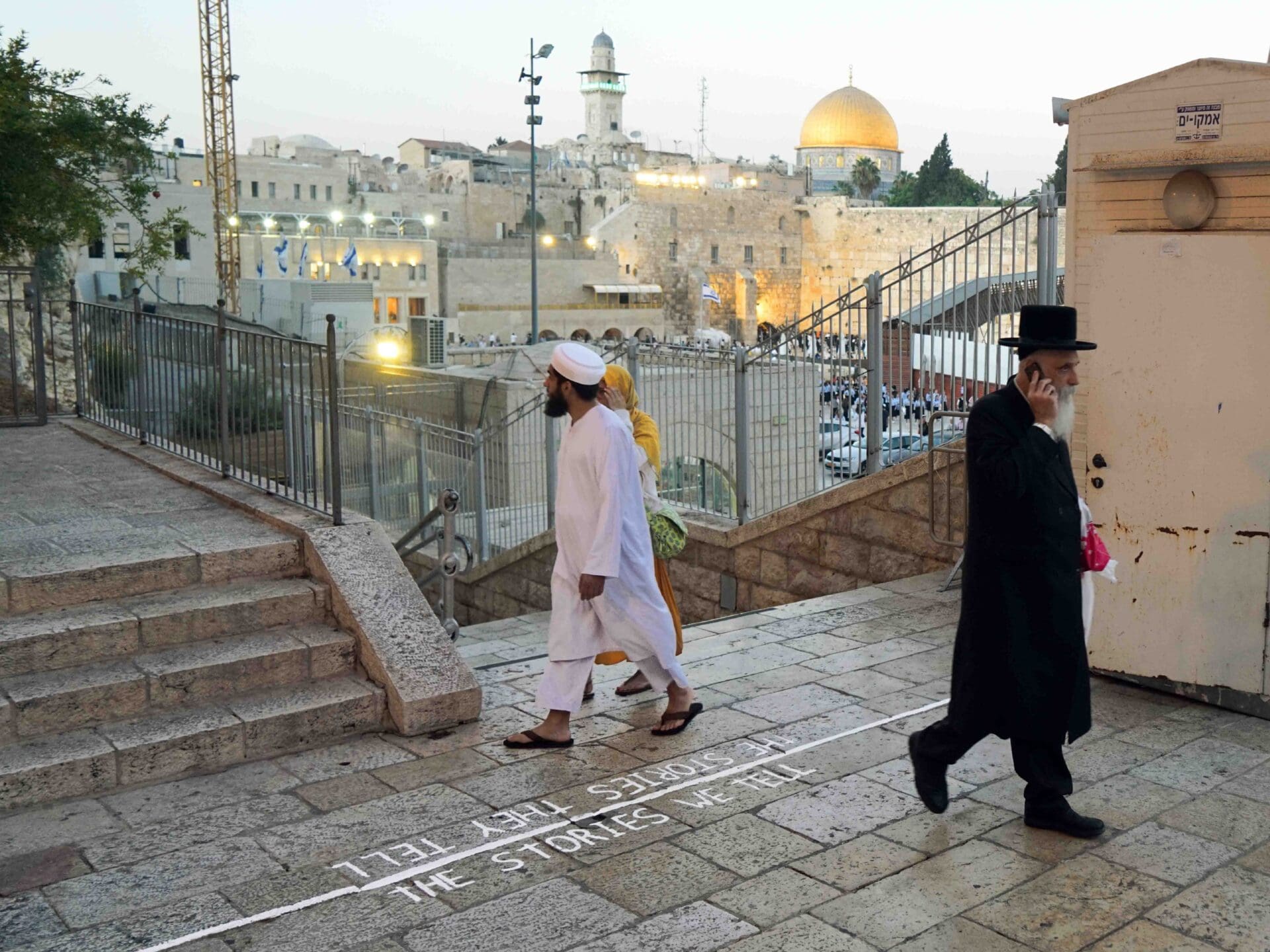
Adam Yekutieli, Our Stories - Their Stories, Jerusalem, 2019, (Photo: Courtesy of the artist)
Adam Yekutieli, Our Stories – Their Stories, Jerusalem, 2019, (Photo: Courtesy of the artist)

The main exhibition of the season unfolds across the museum’s upper and lower floors, a visual journey around the action of the line – physical and imaginary, drawn or drawn like a thread. 44 Israeli and international artists present works in which the line becomes language, memory, body and story.

The line appears as a basic human action: drawing, gesture, movement. The exhibition is divided into metaphors of lines and threads, a time line, a horizon line, the thread of memory, body lines, and more, creating a multilayered web of meanings.
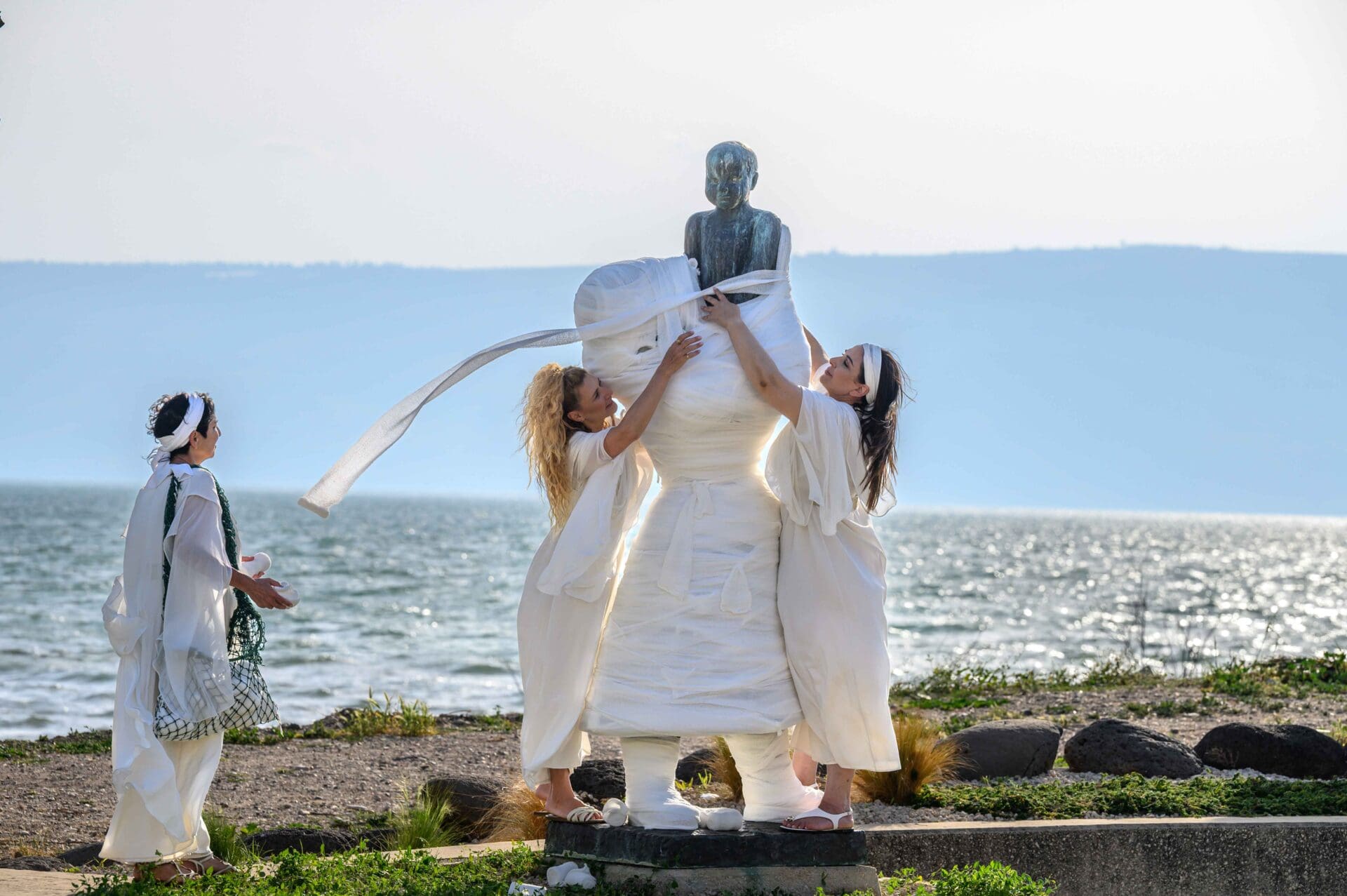
Ariane Litman, In the Eye of the Storm, Journey Around the Sea of ​​Galilee, 2025, (Photo: Gal Mosenzon)

Dr. Glass Gysis explains: "The uniqueness of the exhibition lies in the dialogue between line and thread through artistic actions of drawing, writing, painting, embroidery and knitting. The line separates from the substrate and becomes thread, and the thread applied to the substrate becomes a line."

In the gallery for the whole family, visitors will be invited to create their own: add fabric lines to a large grid and build a shared landscape image, or create images using colored rubber bands on nails.

The exhibition was produced with the support of the Shusterman Israel Foundation and the Taiwan Mission in Israel.

Mana Katz: Music after the War
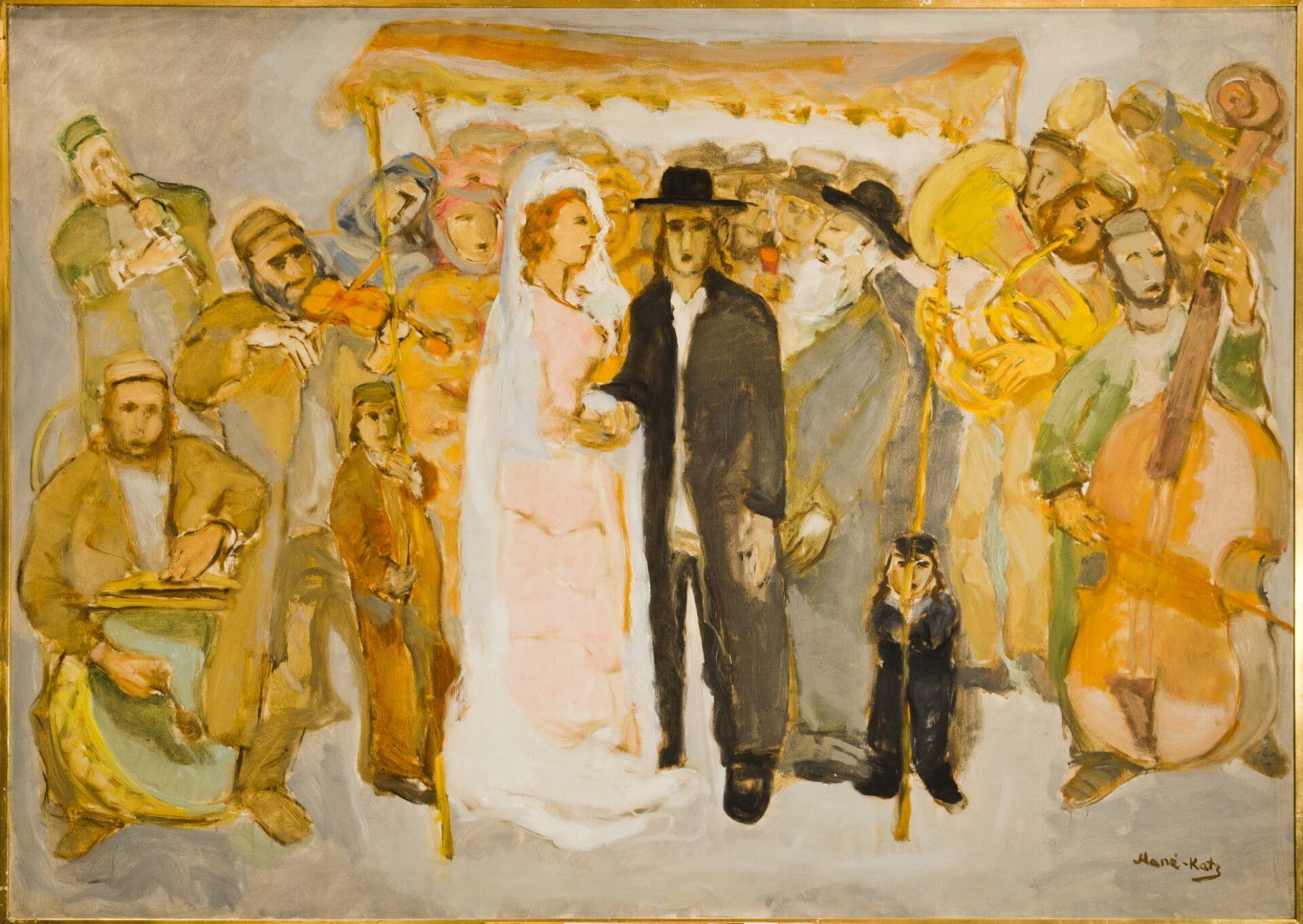
Mana Katz, Under the Canopy, 1956, (Photo by Haifa Museums)

curator: Ran Hillel, Director of Haifa Museum Collections
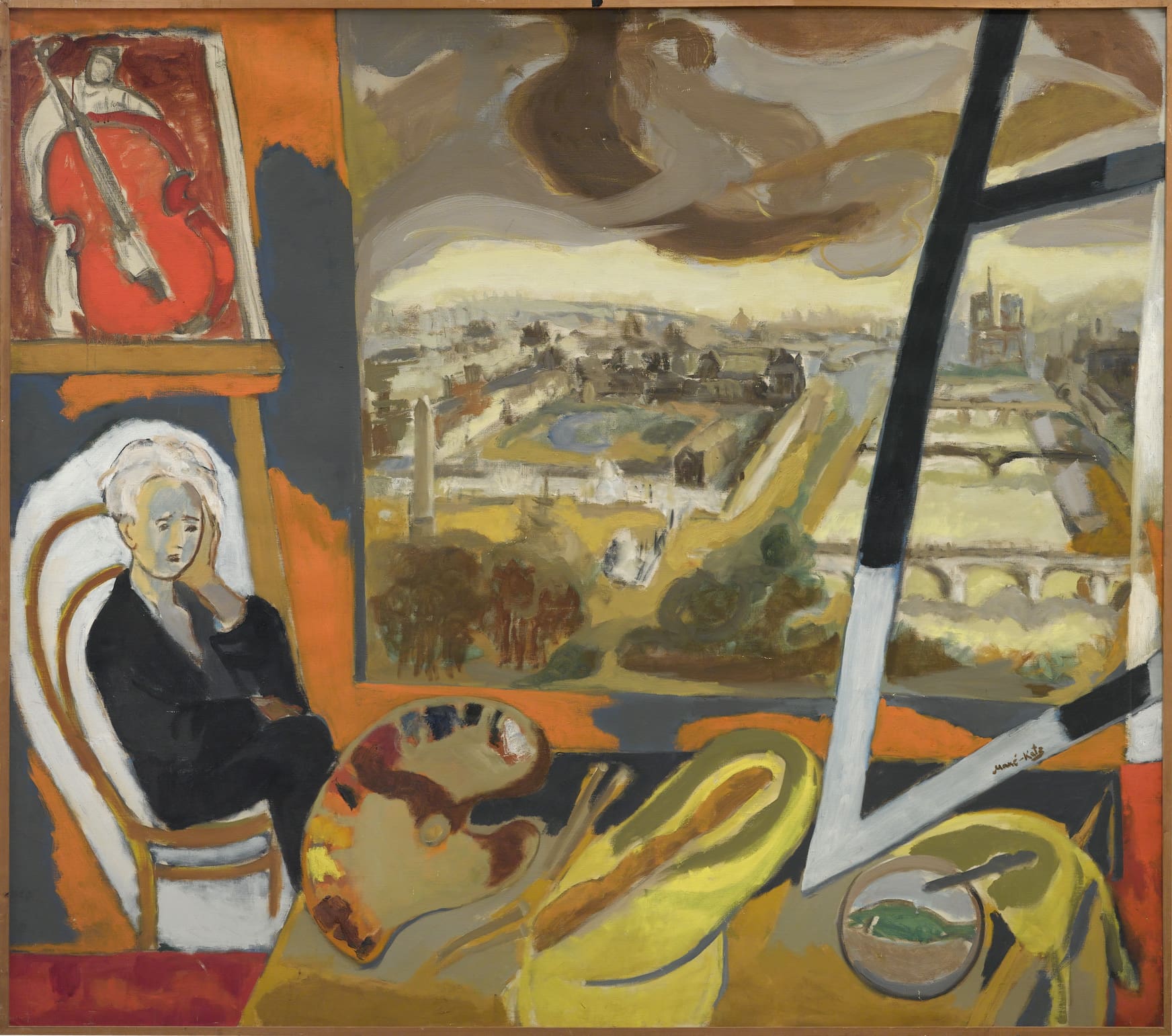
Mana Katz, Adam Bacharach, 1954, (Photo by Haifa Museums)

Mane Katz, a Parisian School artist who lived and worked in Haifa, repeatedly returned to the world of music in his work: klezmer players, weddings, portraits of musicians, and biblical scenes. The exhibition presents works from the Mane Katz Museum collection, approximately 1,300 works received by the city from part of his estate.

Most of the works were created after World War II and express the artist's desire to preserve the world of music and communities that have disappeared. They emphasize the role of music in Jewish cultural memory.
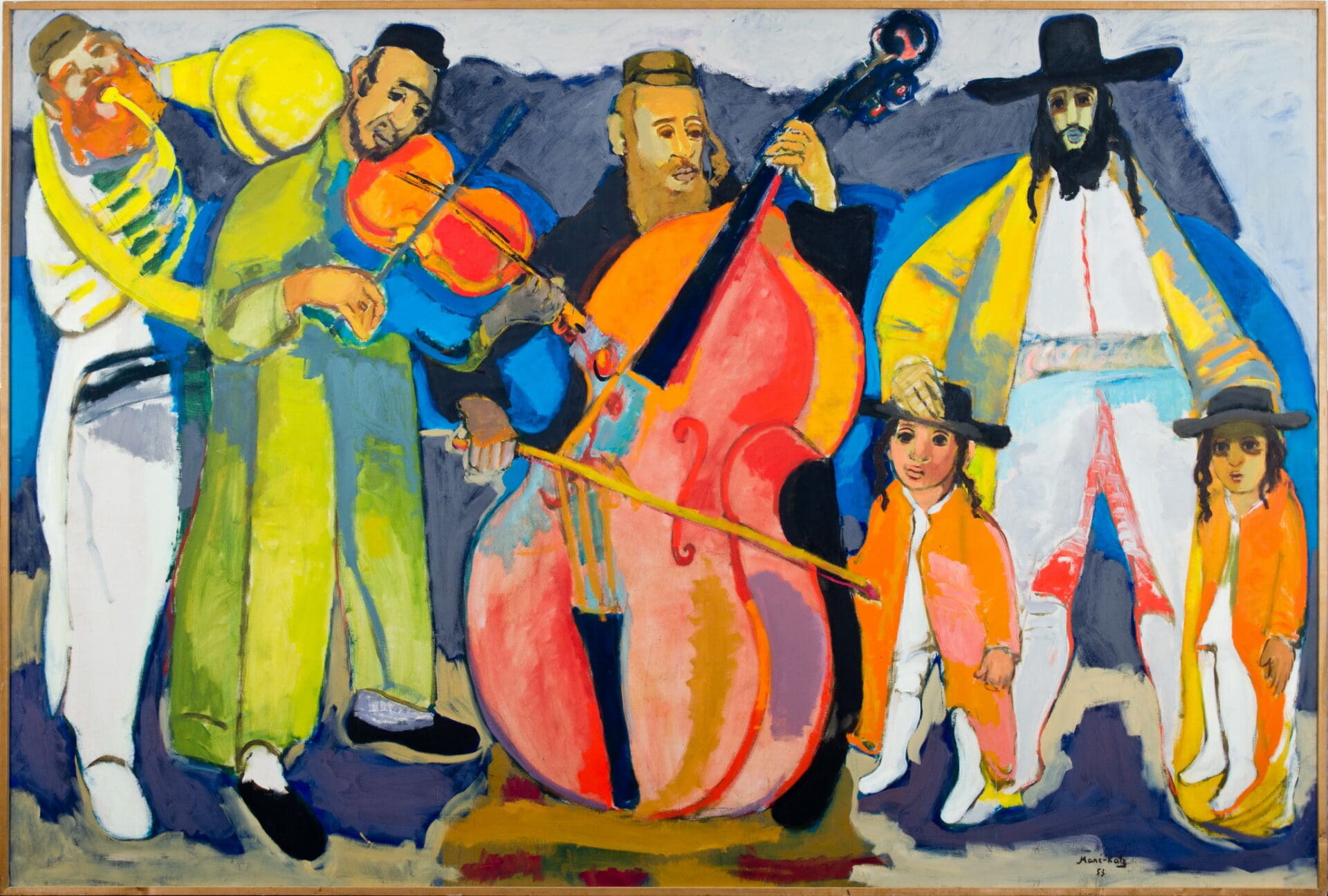
Mana Katz, Klezmer Group, 1953, (Photo by Haifa Museums)

Ran Hillel Indicates: "The museum is closed due to lack of accessibility, but we continue to preserve the collection. The works in the exhibition have undergone extensive restoration thanks to a generous donation from the Shusterman Israel Foundation. We hope to find a solution that will allow the museum to reopen."

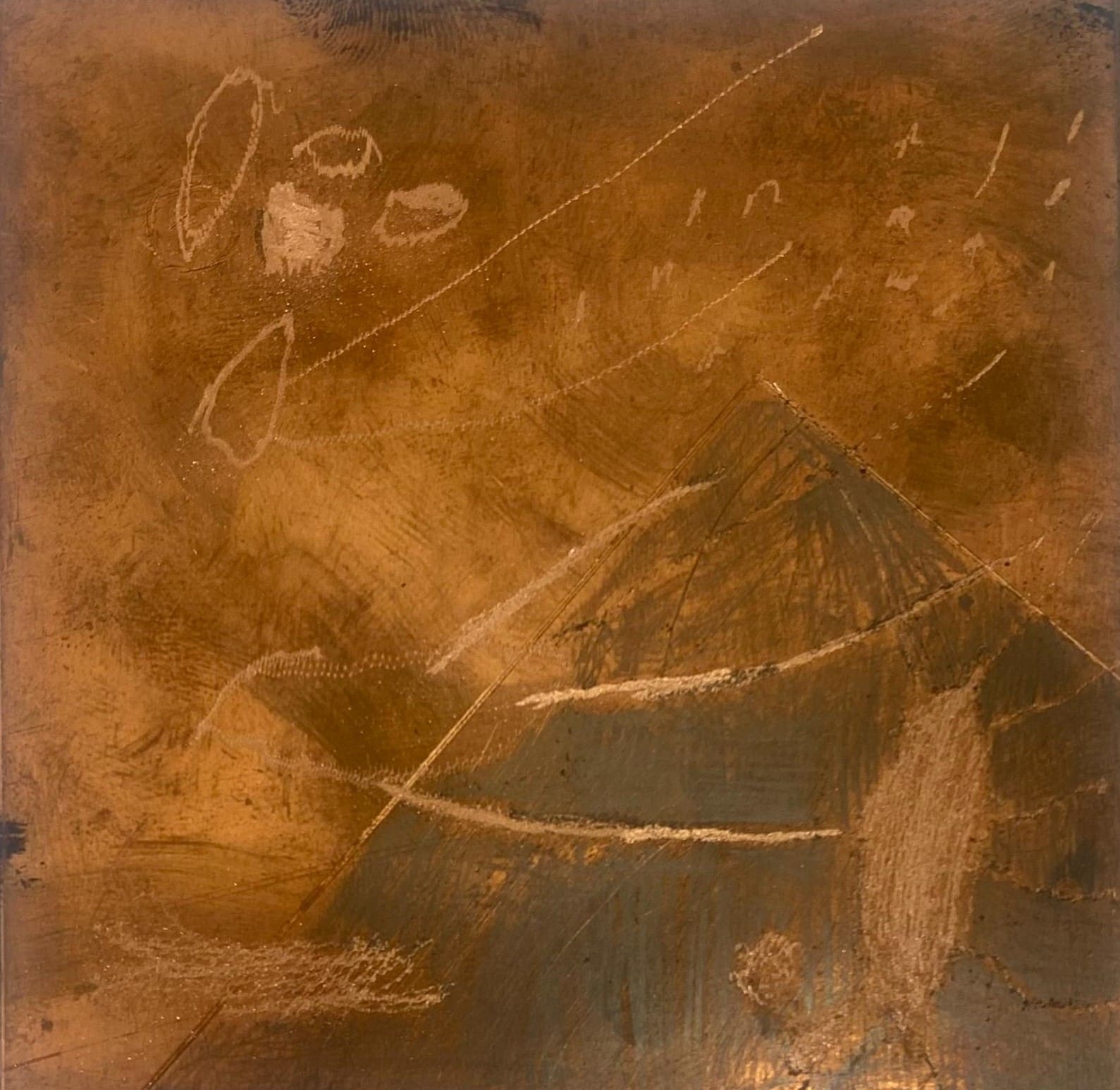
Eti Levi: A feat
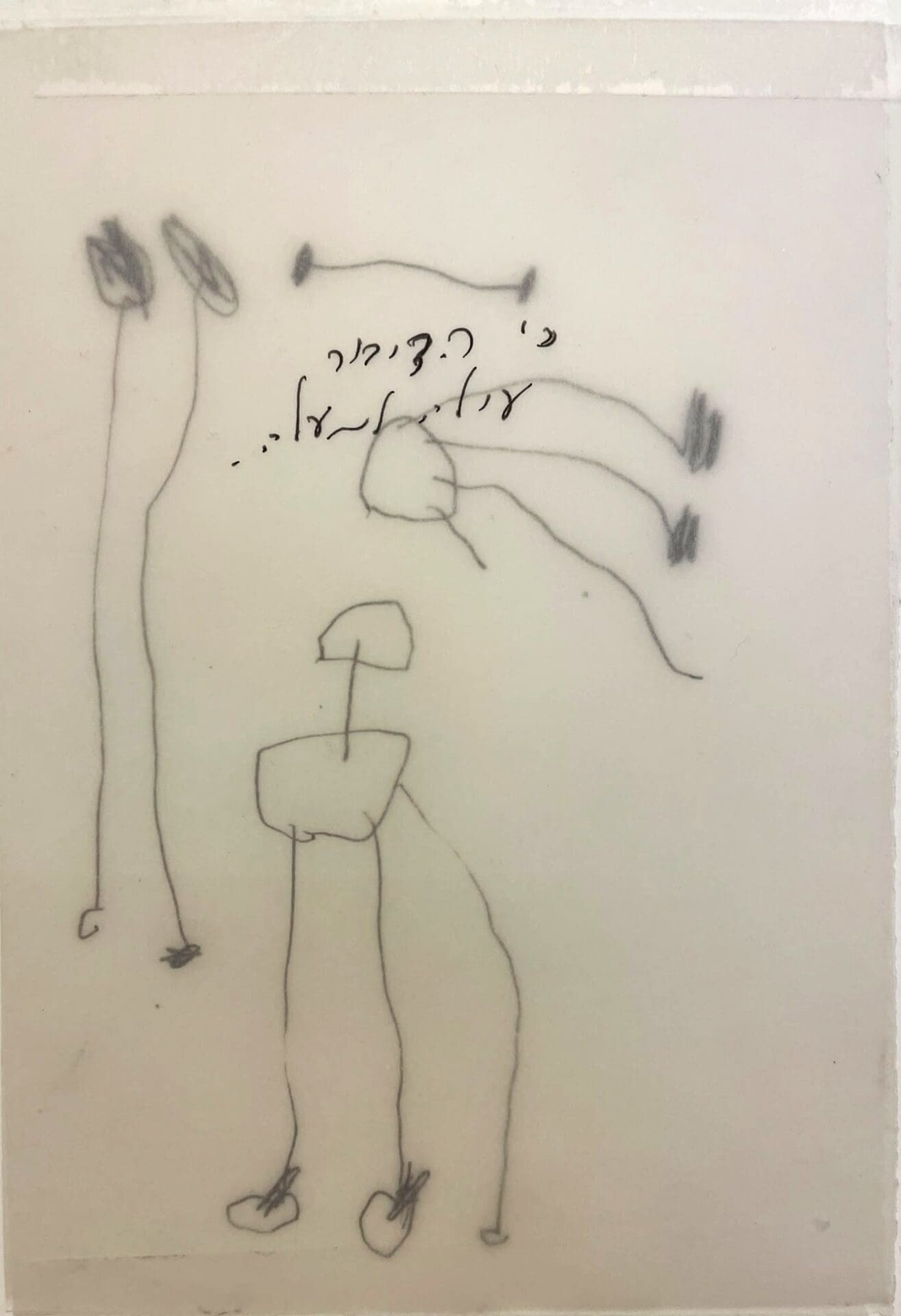
Eti Levy, The Organs of Speech (Because Speech Ascends), 2026, (Photo: Courtesy of the artist)

curator: Adi Lam

Eti Levy, The Appearance of the Letter, 2023-2026, (Photo: Courtesy of the artist)

Etty Levy's first solo museum exhibition explores the Hebrew language in its original state and the concept of transcendence in Jewish mystical texts. The exhibition space becomes a transitional space between physical movement and conscious change.

A central starting point is a series "Dreams" (1896) by Odilon Redon, which is in the museum's collection. Levy combines writing, drawing, erasing and engraving alongside the use of voice. At the center of the exhibition is a monochord – an ancient musical instrument built to the dimensions of her body, with which she plays the words "My lips shall be opened, and my mouth shall speak".

The exhibition invites visitors to let go of the need for immediate interpretation and experience the material and sound before they become meaning.

Produced with the assistance of the Lottery Council for Culture and the Arts.

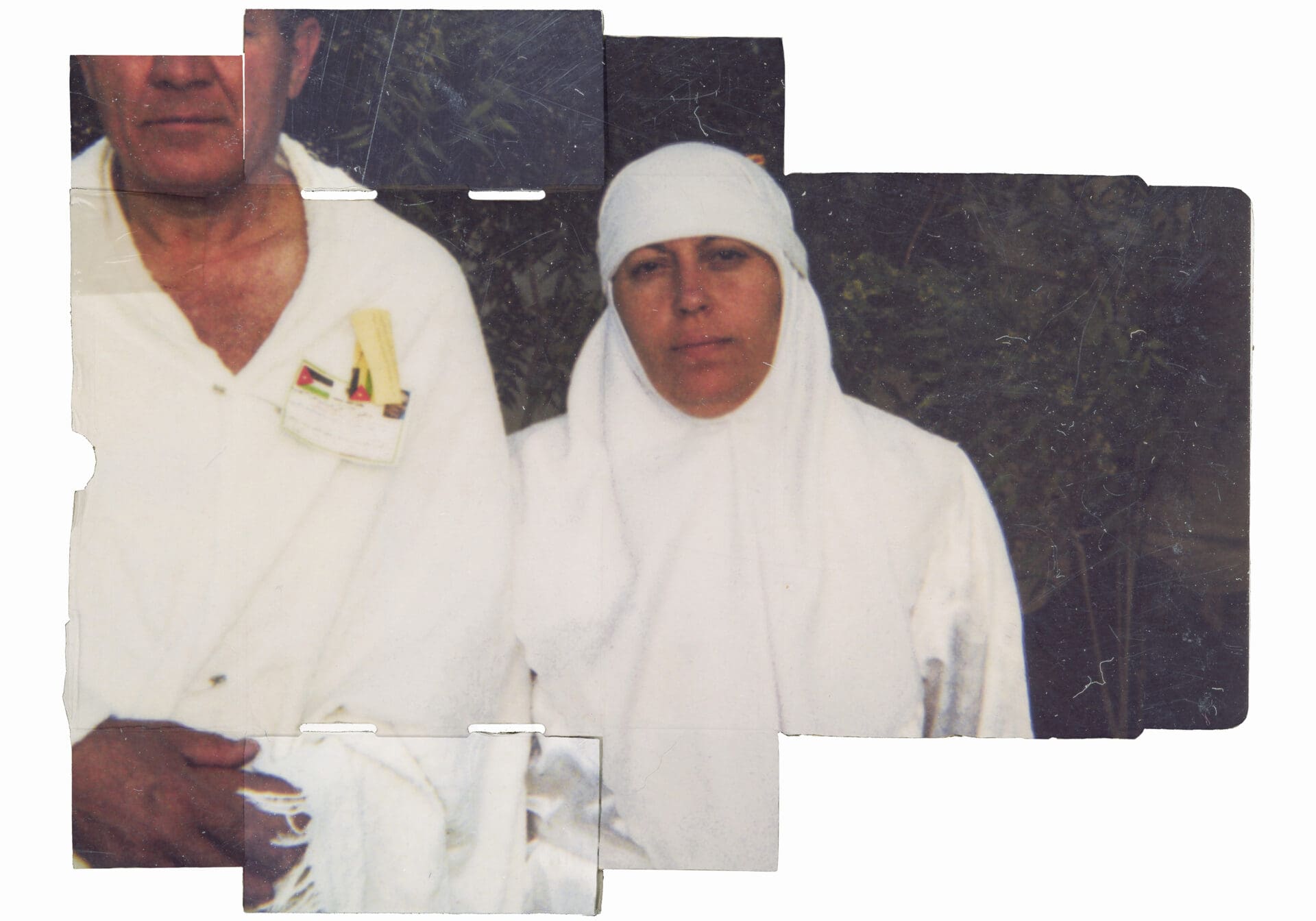
Liane Sharkia: Theta
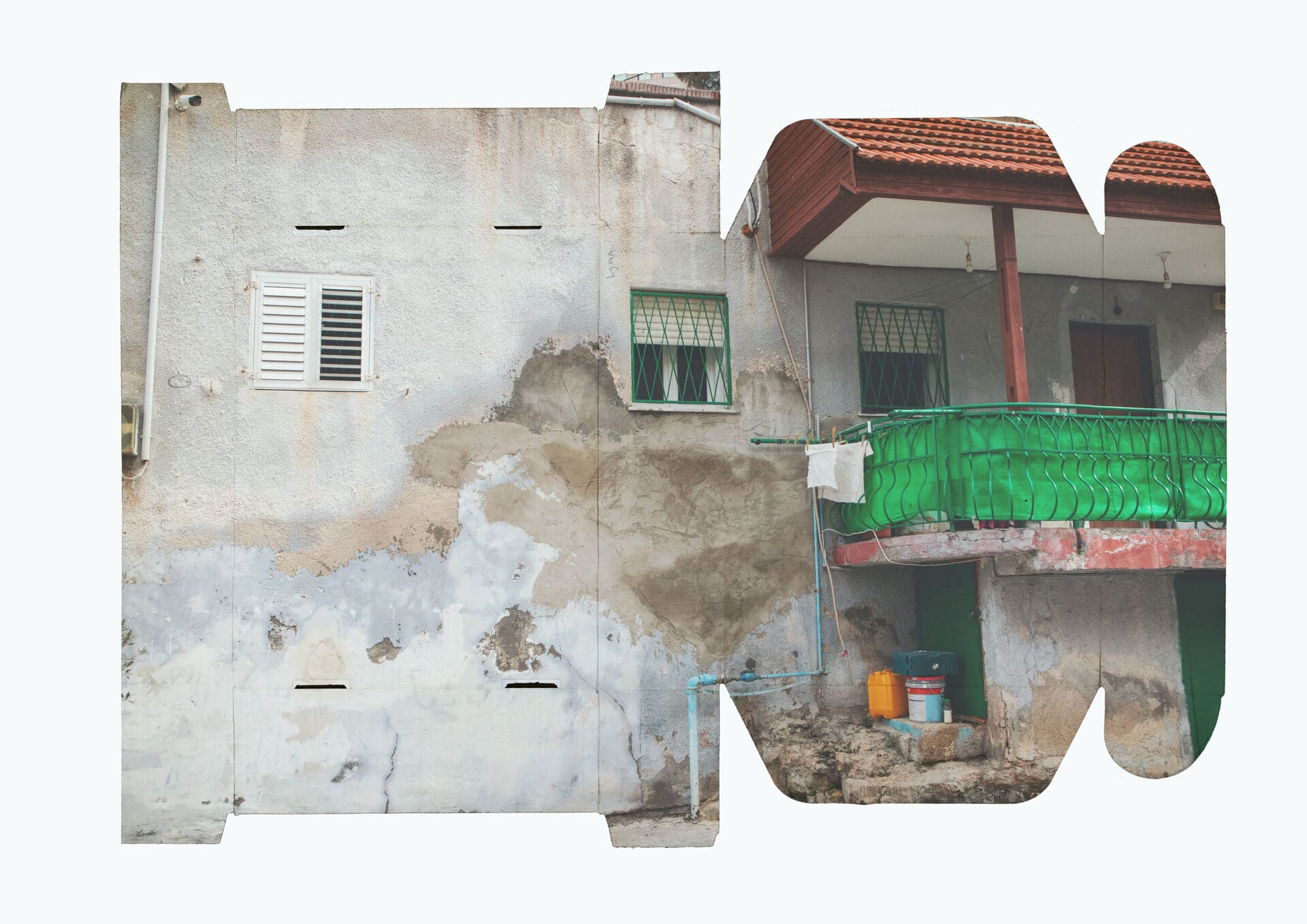
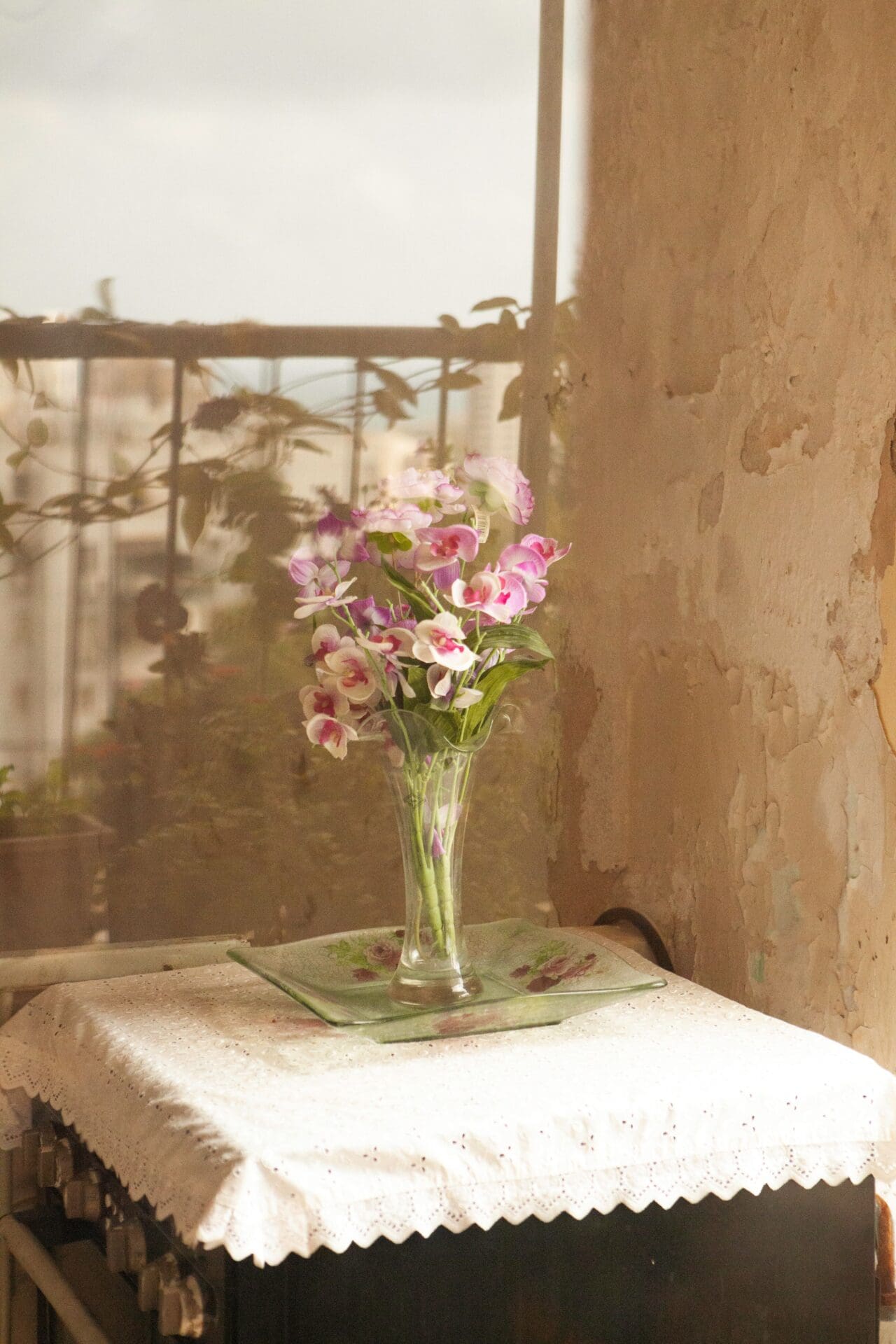
Liane Sharkia, Hoadi, 2026, (Photo: Courtesy of the artist)

curator: Adi Lam

Liane Sharkia, Tita, 2026, (Photo: Courtesy of the artist)

A personal and moving exhibition that explores Liane Sharkia's journey into the memories of her grandmother Samia, a Haifa native who left for the village of Jat following her marriage. Sharkia uses photography, cutting, and assembly techniques to reconstruct fragmented memories and transform them into a multi-layered installation.

The works range from longing to nostalgia, and raise questions about identity, belonging, and fate: What life would Samia have had if she had stayed in Haifa? What life would Sharqiya herself have had if she had grown up in the city?
Liane Sharkia, House for Five Generations, 31 Stella Maris St., Haifa, 2026, (Photo: Courtesy of the artist)

Sharkia is an artist of the "Incubator for Art Place", the flagship project of the Haifa Museums. The exhibition was made possible thanks to the support of the Daniel Howard Foundation and the Edmond de Rothschild Center.

Exhibition closing: January 2, 2027

The new exhibition season at the Haifa Museum of Art offers a rich, multicultural, and multisensory experience, combining contemporary art, personal and collective memory, and an encounter with rare works from the museum's collections. It is an opportunity to dive into different worlds of creation and rediscover the connection between art, place, and identity.

Did the article interest you?

Contact the Hai system here: At watsap • By email

Haifa museums
Haifa museums
Haifa Museums - is a public benefit company (PLC) that was established on February 23, 1976. Haifa Museums include the municipal museums spread throughout the city of Haifa: the Haifa Museum of Art, and the Center for the Arts, the Tikotin Museum of Japanese Art, the National Maritime Museum, the City Museum, The Mana Katz Museum and the Herman Struck Museum and the History Museum. For more information: 04-8383554

More articles from the same reporter

Leave a comment

Please enter your comment!
Please enter your name here

All the articles are alive

Maccabi Haifa doesn't stop: 2:1 away win over Maccabi Petah Tikva • The Greens are temporarily in first place in the Premier League  

As part of the seventh round of the "Winner" League, the Maccabi Haifa team hosted the Shlomo Insurance Stadium tonight (Saturday night, 10/17/2026) for an intriguing game on the Maccabi Petah Tikva field. The Greens...

Accident in Kiryat Ata and work accident in Haifa: Four injured evacuated to Rambam

(Hai Pa) – A busy day for rescue forces in the Haifa area: A worker was injured while working on Halutzi Hataisai Street in Haifa and was taken to Rambam Hospital in moderate condition, and...

Wake-up call: Those who choose to stay home on Election Day are giving power to others

Imagine an apartment building with 100 eligible voters. On election day, 60 of the residents go to the polls and fulfill their civic duty, while 40 residents remain...

The year 1922 – Many historical events have disappeared, forgotten, but not this one

Our tireless friend Mickey Gottschalk revealed the incident that occurred in 1922. The commander of a company from the British artillery stationed in Jenin decided to practice crossing the Jordan River...

Bauhaus Week in Haifa and the Connection Between Ata and Meskit

In preparation for the Haifa Bauhaus Week, which will take place from November 8 to 15, 2026, we can look at Hadar's buildings and ask: How did ideas that came from Europe take on a local form here?...