


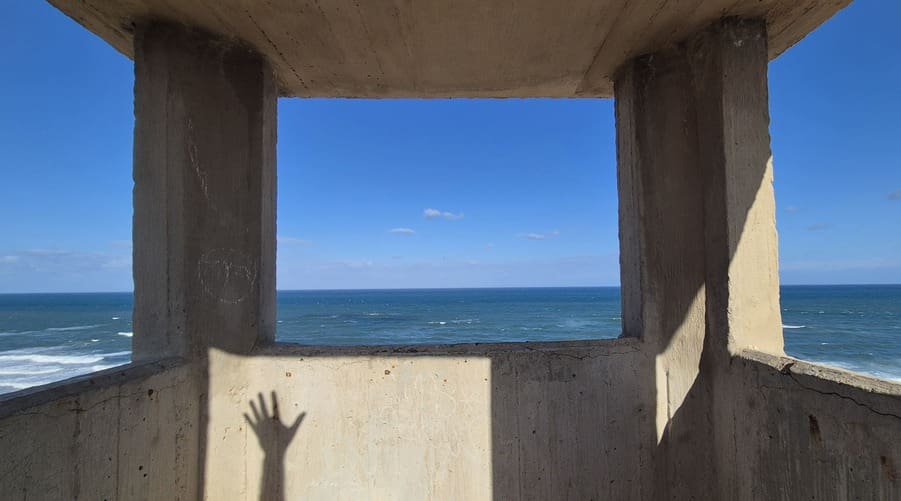
What happens to our trust in photography in an age when everyone holds a camera, and artificial intelligence can produce images that look completely real? A new exhibition cluster opening at the Haifa City Museum on September 3, 2026, will focus on the work of photojournalists, Haifa's visual memory, and the tension between documentation, interpretation, and reality.
On Thursday, 3.9.26, A new exhibition cluster will open at the Haifa City Museum. "Appearance: On Photography and Truth", curated by Yifat Ashkenazi, museum curator.
The cluster includes five exhibitions dealing with photojournalism, memory, archives, and questions raised by the increasing use of artificial intelligence technologies. The exhibitions feature photographers and artists, many of whom are from Haifa or have ties to Haifa and the north.
The cluster was established with the assistance of the Brown Photography Foundation, the Werner and Anat Brown Legacy Foundation, and the Haifa Cultural Foundation. The exhibitions will be accompanied by audio guides in four languages: Hebrew, Arabic, English, and Russian.
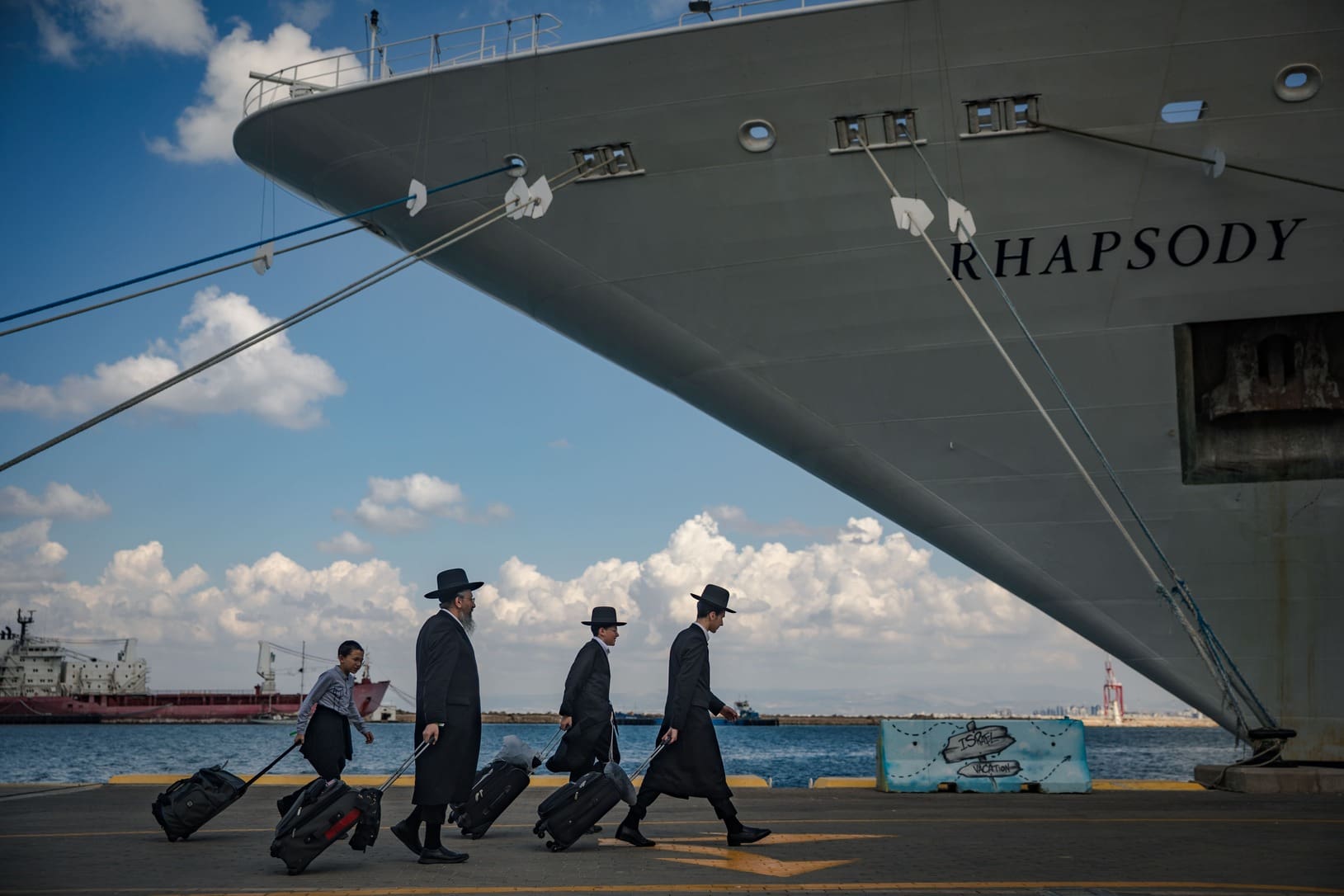
When the photographer advances precisely to the center of the event
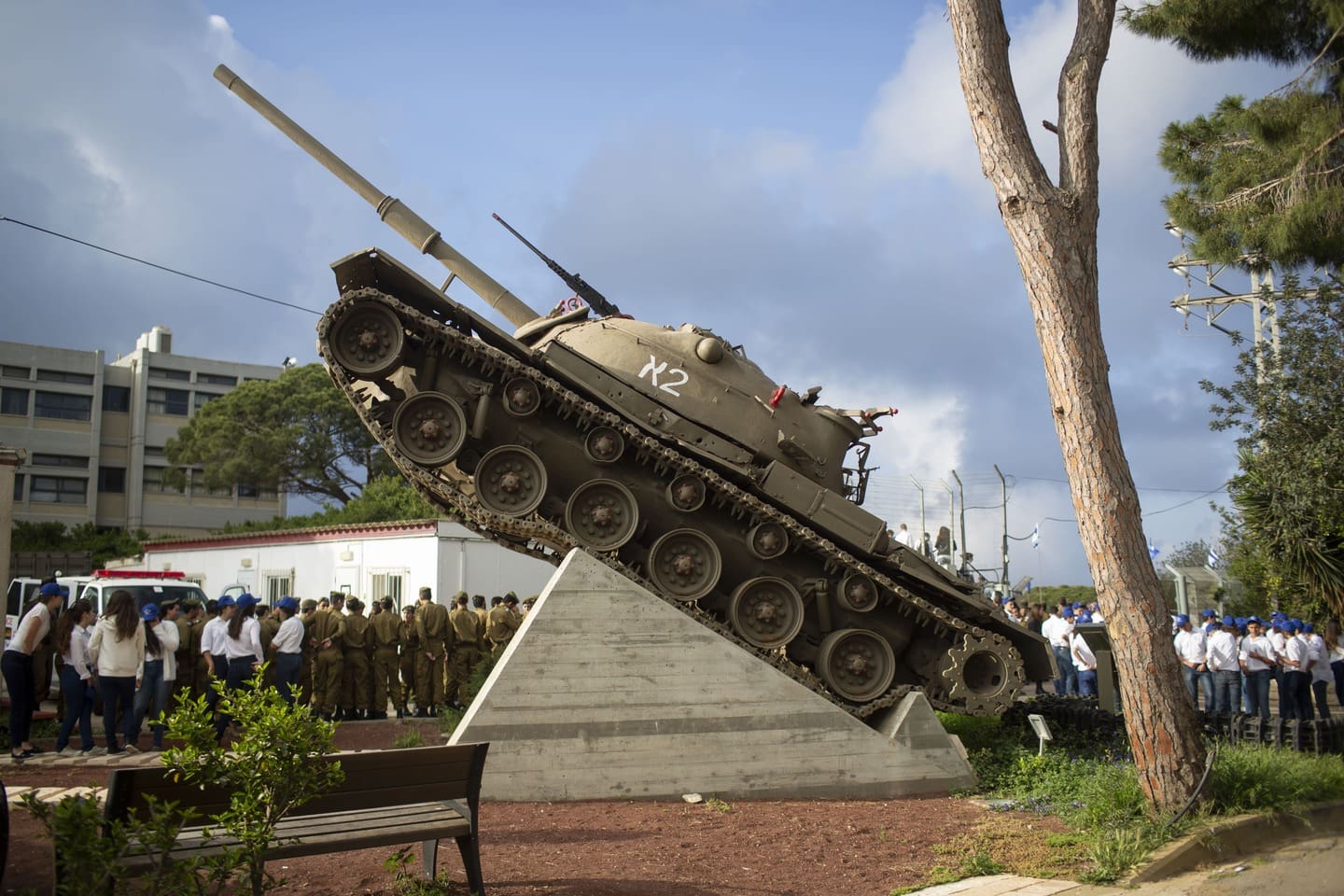
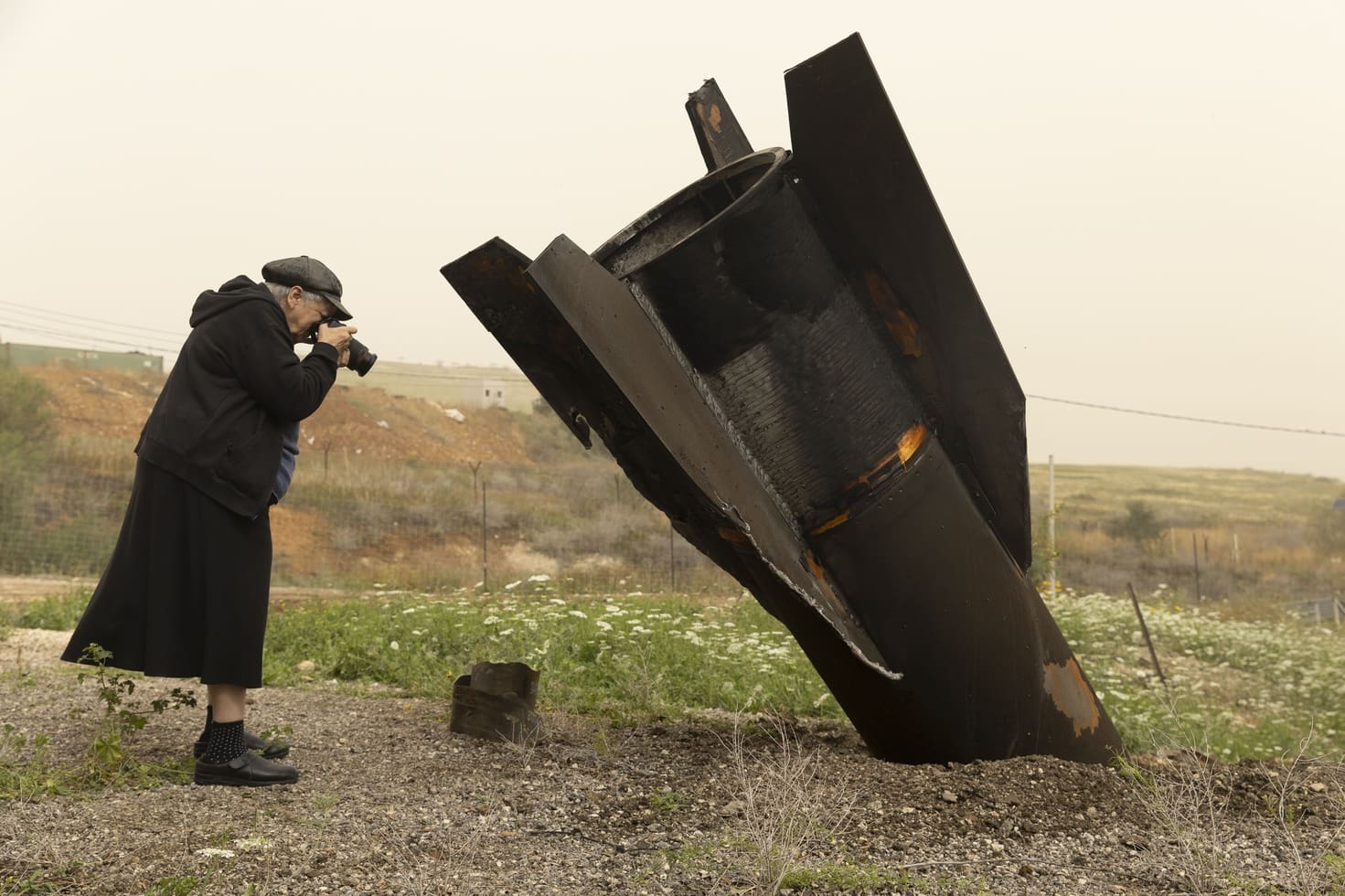
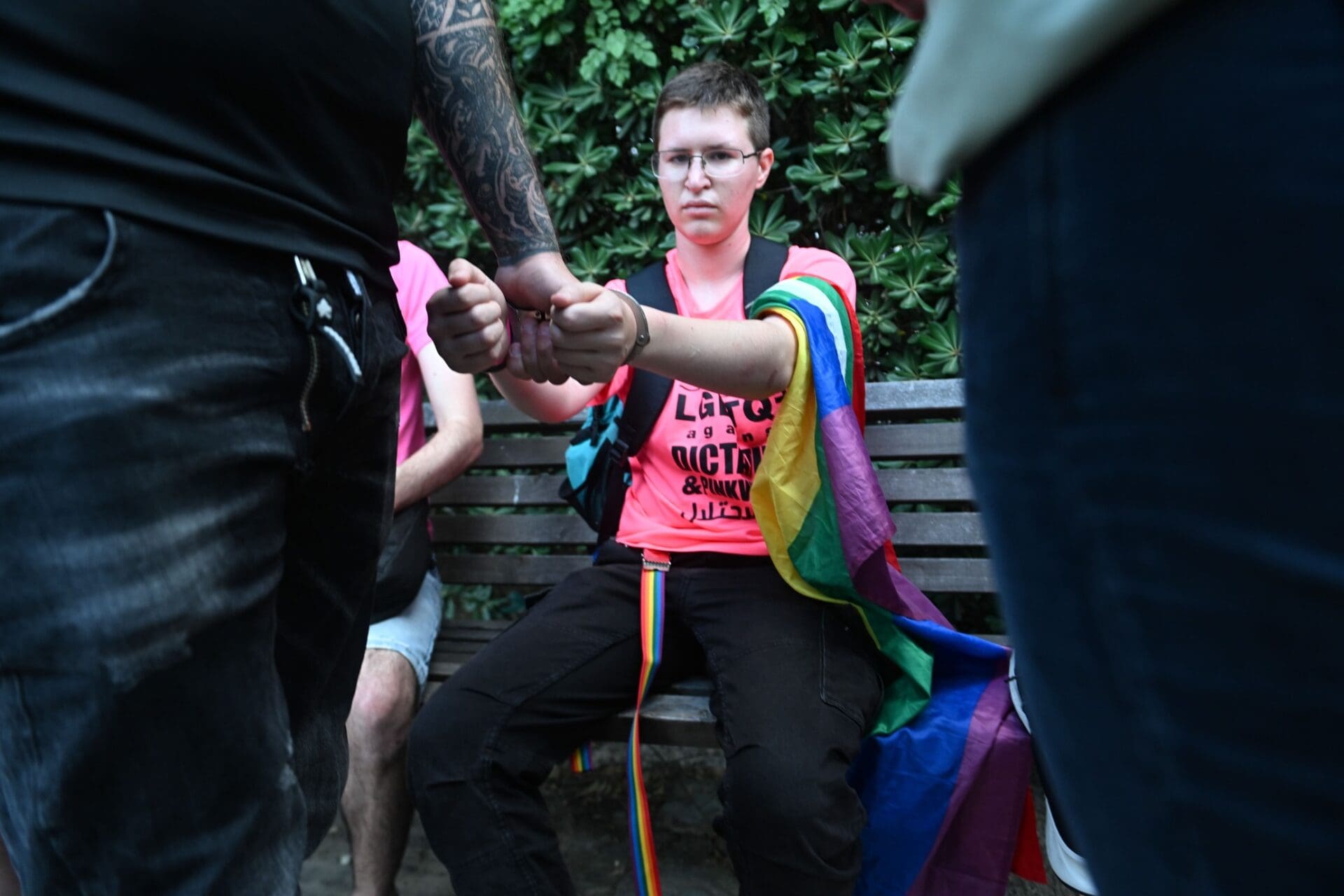
The main exhibition, "Appearance: On Photography and Truth", seeks to introduce visitors to the world of photojournalists, those who are on the ground in moments of crisis and sometimes move precisely toward the epicenter of the event to document it.
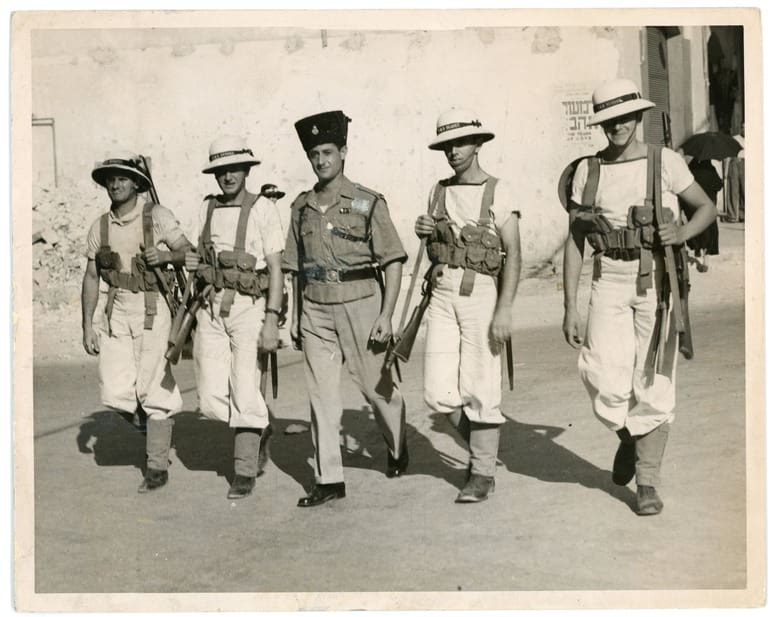
The Haifa City Museum's collection contains press photographs dating back to the 20s. Alongside them, photographs by contemporary press photographers will be displayed, focusing mainly on events that have taken place in recent years in the northern region.
The encounter between historical and contemporary photography allows us to examine the choices the photographer makes in real time, the boundary between documentation and interpretation, and the power of a single photograph to transform a fleeting moment into historical testimony.
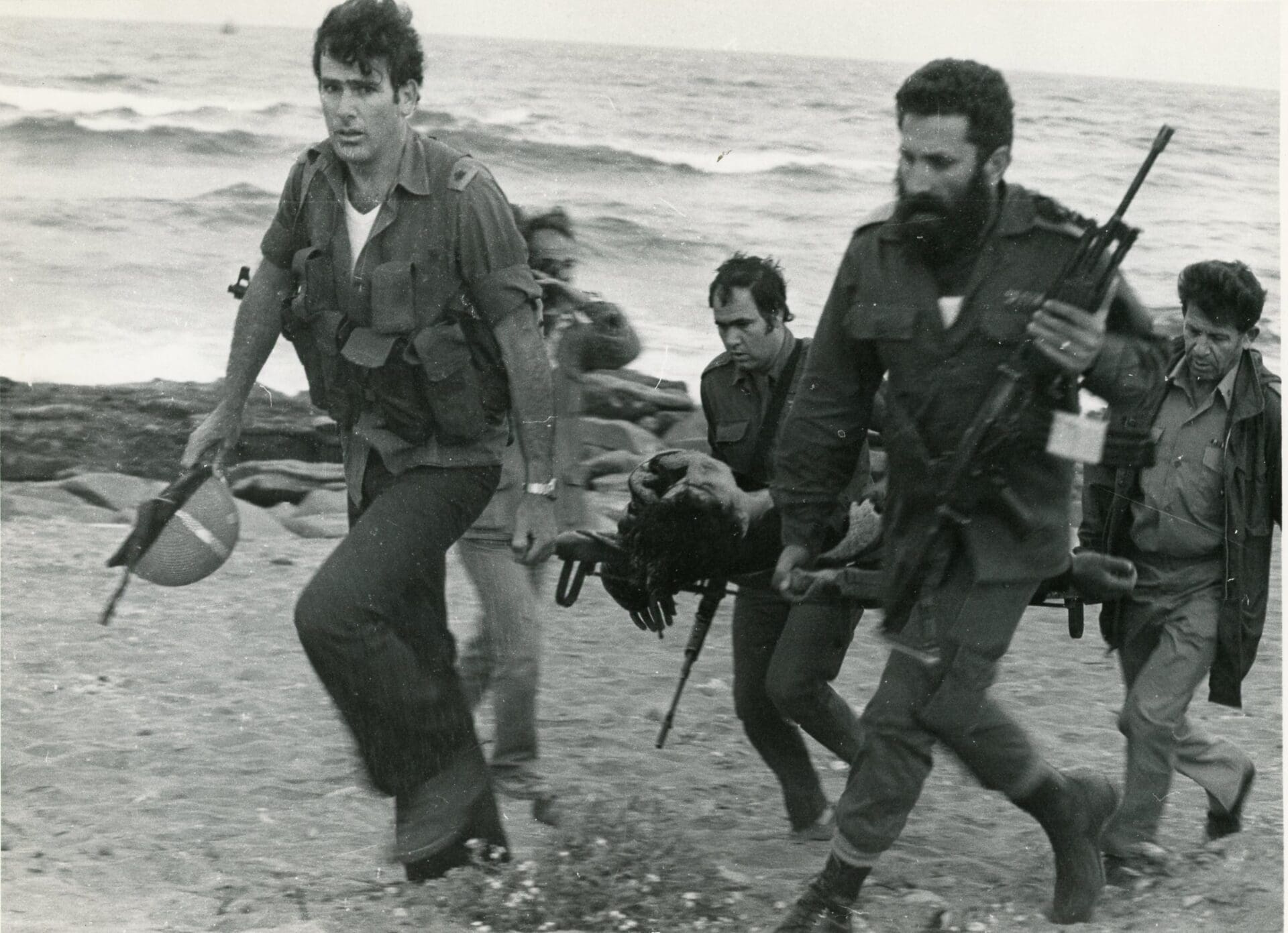
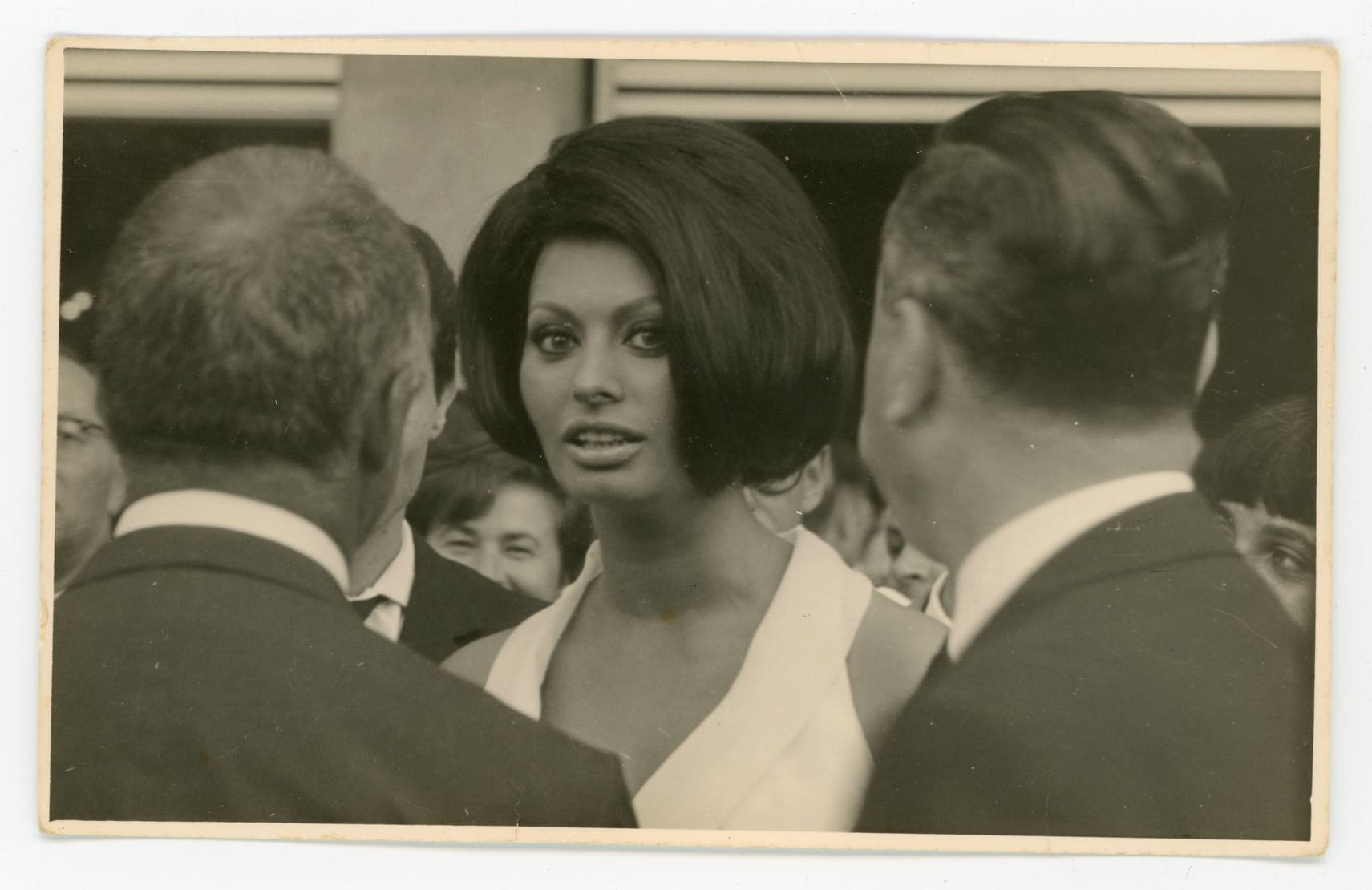
Can one photograph tell the whole truth?
The exhibition raises questions that have become particularly relevant in recent years: Does an event that was not photographed still have the same presence in public memory? Can a single image contain the entirety of reality? And what is the role of the photojournalist in an era where the line between real photography, processing, and artificial imagery is becoming increasingly blurred?
The photographs in the exhibition were selected by the photographers themselves. Alongside the documented events, they also reveal the photographers' personal perspectives and the professional and human dilemmas involved in their work.
Among the participants: Avisag Shaar-Yishuv, Oren Ziv, Ilya Yaffimovich, Elad Gershgorn, Amir Levy, Gil Nehushtan, Herzi Shapira, Zvi Ruger, Shahar Azran, Shir Toram, Sharon Tzur and Rami Shlush.
The professional consultant for the exhibition is Lior El-Hai.
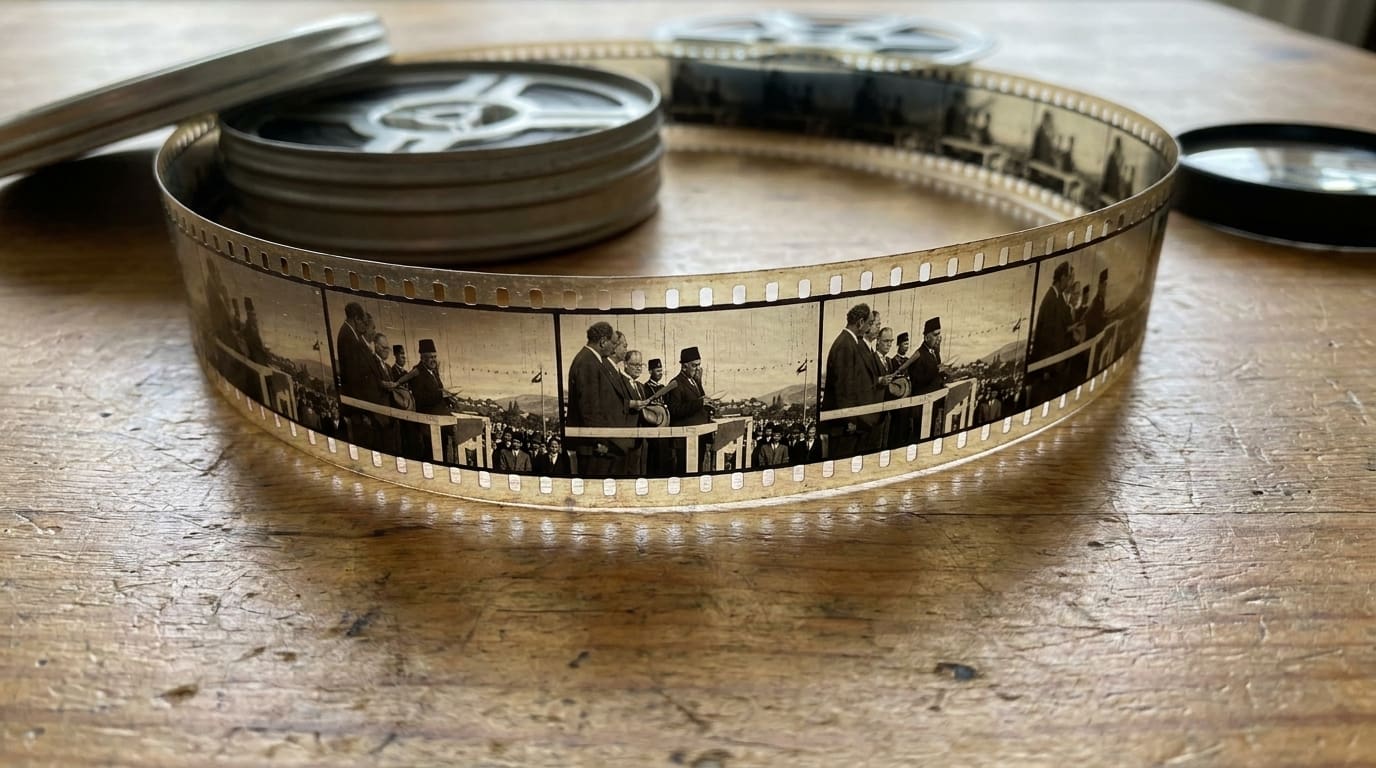
"8 Seconds": When Artificial Intelligence Continues the Photography
In the solo exhibition "8 seconds" Artist and photographer Oded Hirsch examines the question of how far one can continue to trust a photographed image as evidence of reality.
Hirsch uses existing still photographs, animates them, and transforms them into eight-second videos, creating visual sequences that depict events that appear real, even though they have never been recorded in this way.
The works seek to reexamine the trust we place not only in photography itself, but also in archives and museums that have served for years as institutions that preserve and verify visual memory.
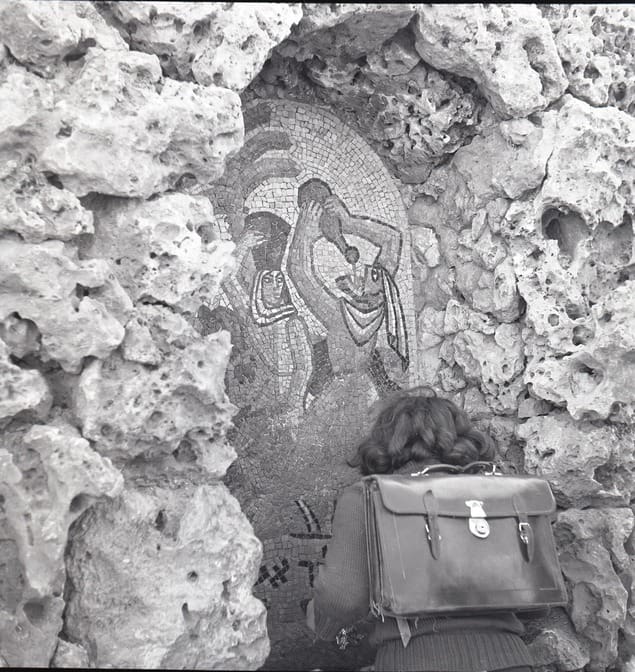
Werner Braun: Haifa through the lens of a photojournalist
Another exhibition is dedicated to photographer Werner Braun, who was born in Nuremberg in 1918 and immigrated to Israel in 1946.
A year later, he founded "Photo Brown" in Jerusalem and subsequently worked for decades as a freelance photojournalist. During the War of Independence, he documented the fighting in Jerusalem, and over the years he continued to document the State of Israel, its wars, landscapes, residents, and key moments in its history.
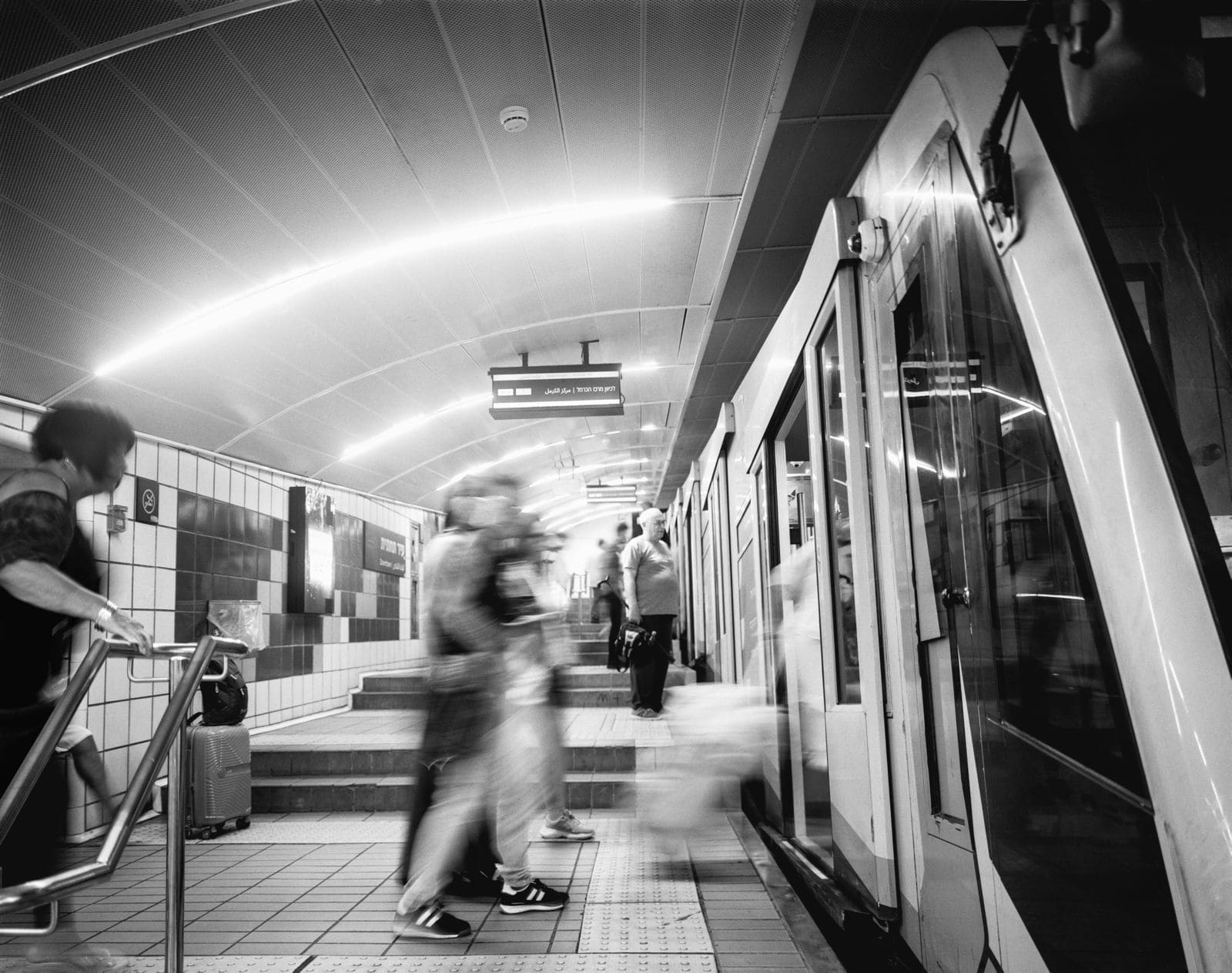
The exhibition will feature photographs of Haifa taken by Brown over the years, including documentation of the streets, the industrial space, the city's residents, and daily life.
"The Landscape Remembers": A Connection Between the Archive and Family Memory
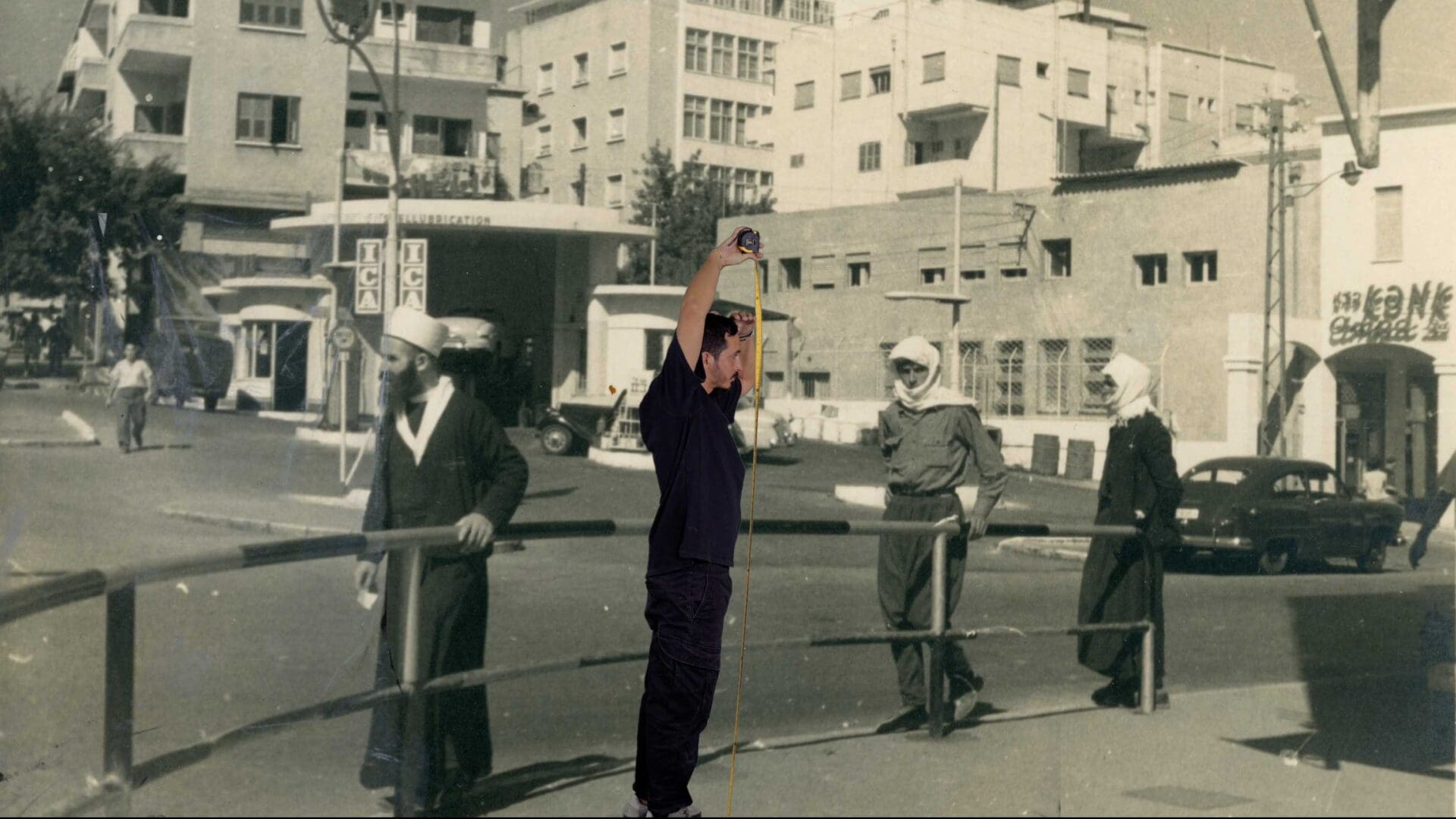
Solo exhibition of artist and photographer Ronen Zen, "The landscape remembers", was born from an encounter with the historical photography collection of the Haifa City Museum.
At the center of the exhibition are photographs from the 30s showing Druze figures in the urban area of Haifa. The photographs evoked memories for Zen of his grandfather, who moved from Syria to Haifa for work and later settled in Israel and started a family.
Using a green screen technique, Zen inserts his character into the historical photographs. An interactive system will also allow visitors to integrate into the images and become part of the archive.
Female students return to the Haifa of old
At the exhibition "The Lonely Frame" Works created as part of the courses "The Contemporary Technological Image", directed by Oded Hirsch, and "The Lonely Frame: Large Format Photography", directed by Yaakov Israel, in the Department of Photography and Cinema at the School of Design at the University of Haifa, are on display.
The students selected historical photographs from the museum's collection and followed them into the urban space. Using large-format analog cameras, they searched for the perspectives that appeared in the old photographs and examined how the landscape, the people, and the city had changed.
Later, generative artificial intelligence tools were also incorporated, through which realities were built around the photographs.
News and imagination.
"We need to rethink the trust we place in photography"
Yifat Ashkenazi, curator of the Haifa City Museum, explains that the entire thread deals with the changing relationship between photography and truth: ""Photography has always been related to our attempt to capture reality, to preserve a moment and give it meaning. The main exhibition in the current cluster focuses on the power of photojournalists and their courageous and complex work, in correspondence with press photographs from the City Museum's collection."
According to her, technological developments now require a reexamination of the way we relate to images: "Precisely today, when it is possible to produce images that appear completely real even without any event having occurred, we are required to rethink our relationship with photography and the trust we place in it."
Ashkenazi adds that the exhibitions seek to engage with the tension between image and reality, between documentation and interpretation, and between what we see and what we believe happened.
Children can also become photojournalists.
Alongside the exhibitions, the museum will feature an interactive children's room, where games and activities related to the world of photography will be offered.
The children will be able to experiment with the role of photojournalists, choose an image and write an article about it, as well as learn about concepts from the world of photography such as focus, zoom in and zoom out.
In another room, it will be possible to create a camera and film strip inspired by the world of analog photography.
The activities will be open to the public during museum hours.
Visitor information
Opening of the exhibitions: Thursday, 3.9.26
Exhibition Lockdown: 27.5.27
Haifa City Museum: 11 Ben-Gurion Boulevard, Haifa
שעות פתיחה:
Sunday, Tuesday, Wednesday and Saturday: 10:00-16:00
Thursday: 10: 00-18: 00
Friday: 10: 00-14: 00