


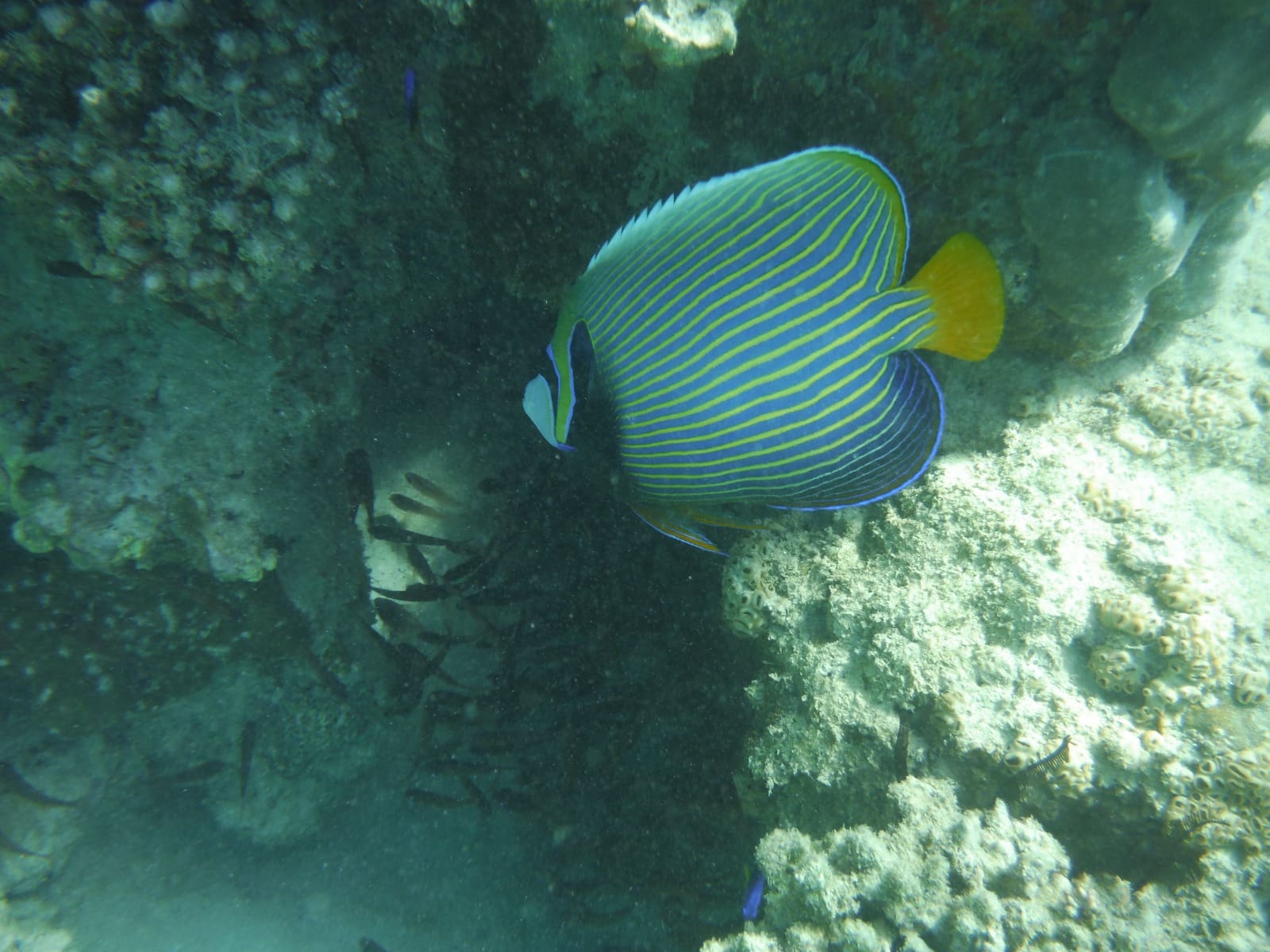
In recent days, I have been receiving more and more reports from the field about the appearance of new invasive species, some known, some not yet officially identified, and some simply not made public. Climate change, the warming of the Mediterranean Sea, and the increase in the movement of goods and travelers are creating a reality in which foreign animals are appearing with greater frequency, sometimes without us noticing. Some are harmful, some are spectacularly beautiful, but all are changing our ecosystem.
Climate change is reaching us
Once again, we are talking about climate change and its unpleasant consequences. Some phenomena are visible to the eye: floods, torrential rains, blizzards and fires. Others are felt in the body: unusual heat that hits you the moment you step outside, or extreme cold that comes in waves. All of these affect animals, plants and the delicate balance of ecosystems in Israel.
On land – the pests that are easy to see
On land, it's easy for us to spot relatively large pests: wild boars that come into residential neighborhoods, jackals that invade urban areas, or perhaps it's more accurate to say that we've invaded their territory. These are easy to see, and they're just part of the bigger picture of climate change and the expansion of species into new areas.
But alongside the large mammals, there are also harmful insects that are harder to spot: the fire ant, for example, continues to spread at an alarming rate. Others, flying or crawling, appear in the field but are difficult to spot, and some have not yet been officially documented.
Invasive species in the sea: tropicalization is coming to our shores
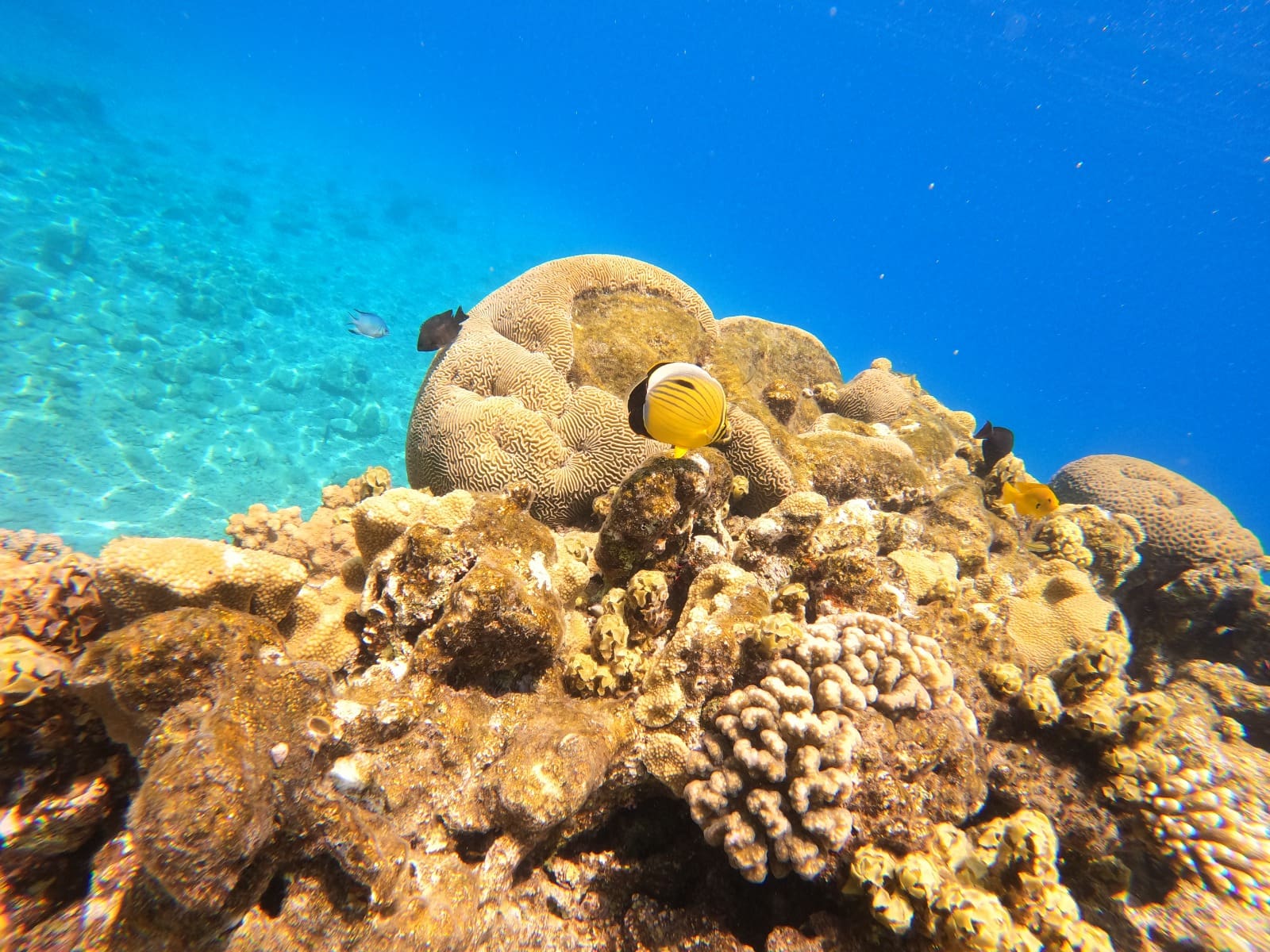
The Mediterranean Sea is warming at an extremely rapid rate, allowing Red Sea species to penetrate north. Already today, fish that were until recently endemic to the Red Sea, such as emperors, butterflyfish, and more, have been spotted on beaches like Sidna Ali and Atlit. Some are beautiful and harmless, but others, such as the lionfish (Zahron), may harm the ecosystem and even bathers.
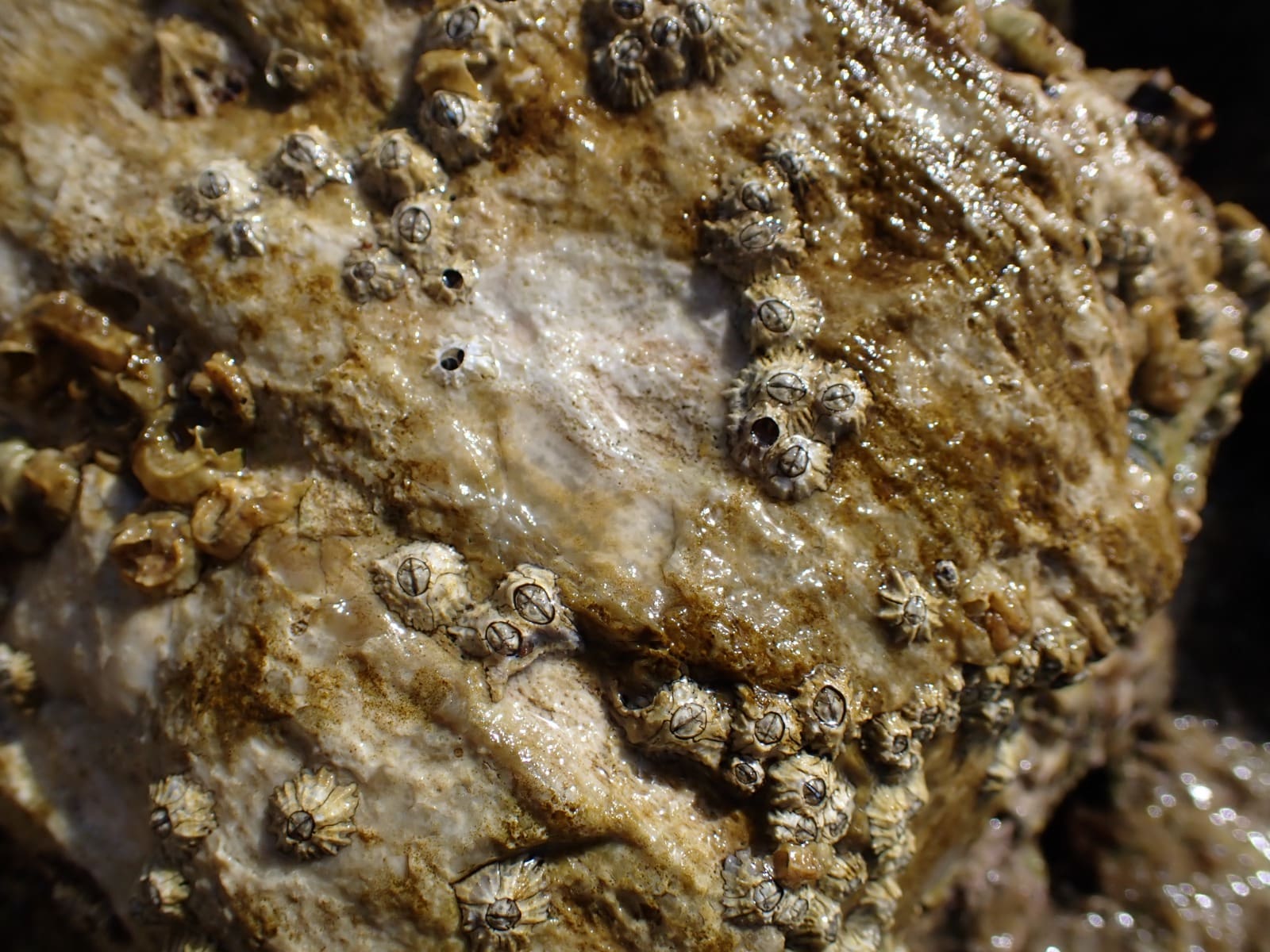
There are also species that have not yet been officially identified. I often receive inquiries about animals that seem "foreign," and only molecular testing can confirm their identity. This was the case with the Yeshiv crab, which I was asked to send for testing, a new species to us, which feeds on plankton and will integrate into the food web, but still constitutes evidence of a change taking place below the surface of the water.
Also in plants and butterflies – new invaders
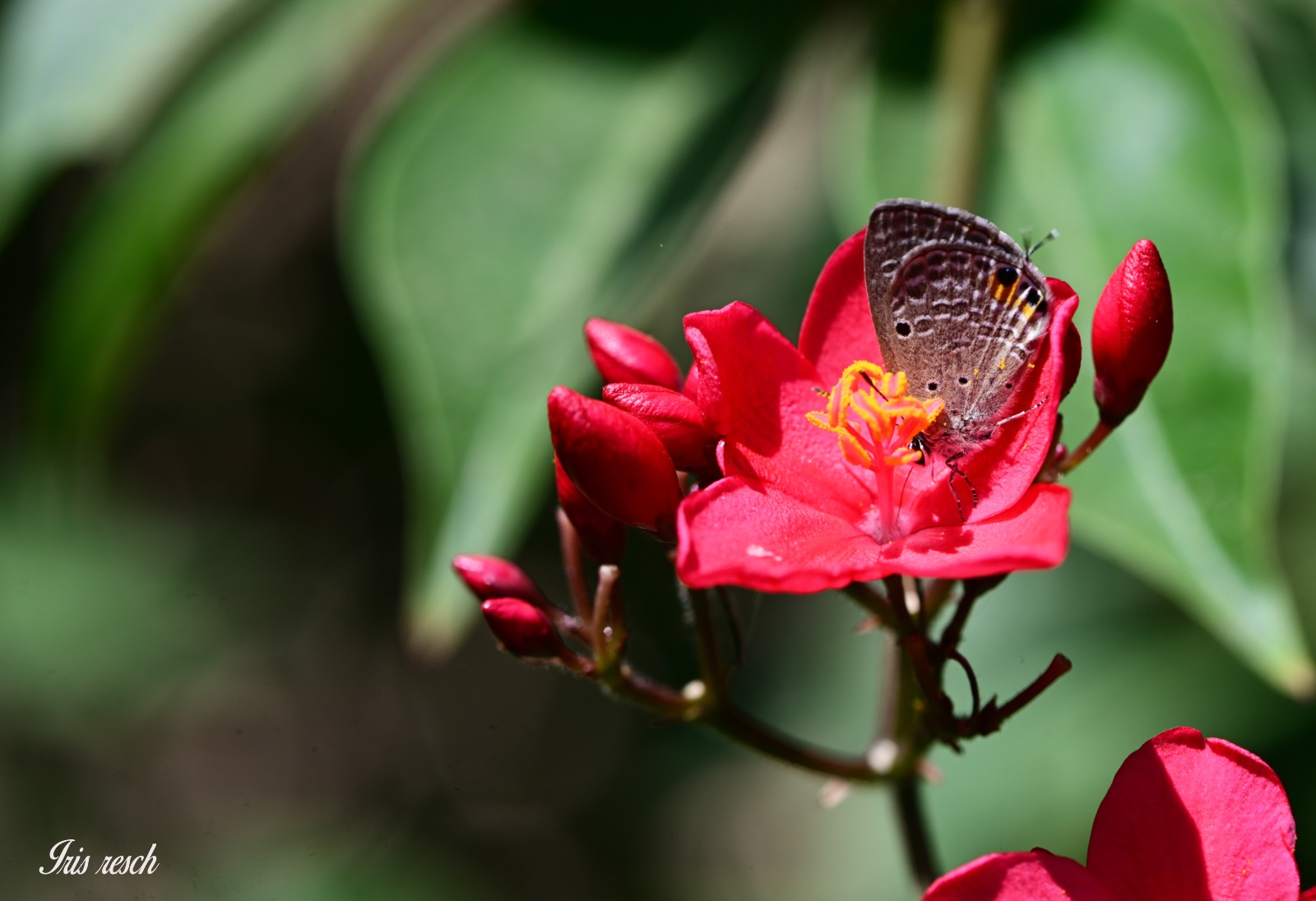
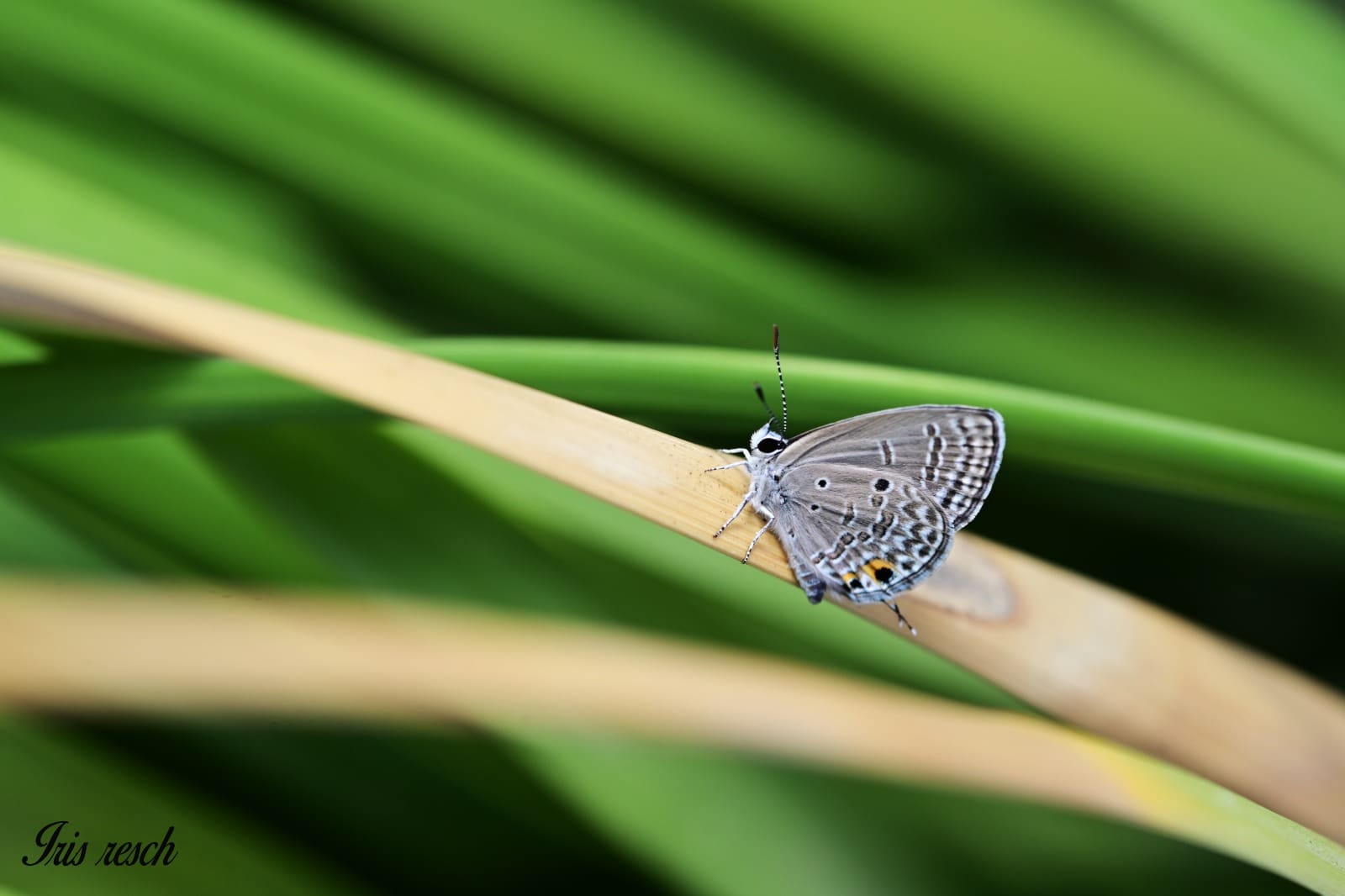
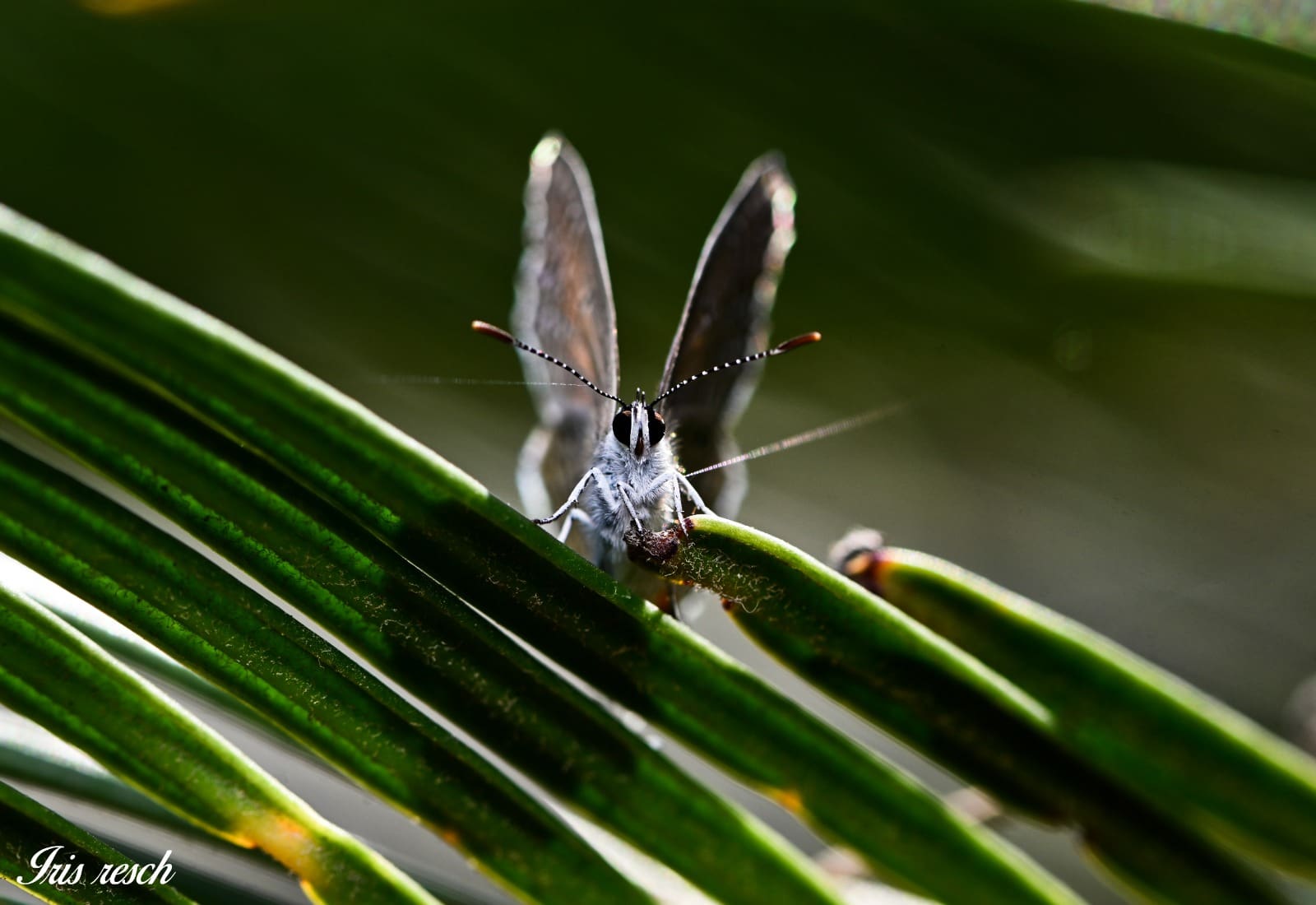
One of the most prominent species is a small, beautiful bluish butterfly that attacks young leaves and causes damage to plants. Botanists in the south of the country already confirm that there is currently no effective solution to this pest, and it continues to spread.
The challenge of identification – and the importance of reports from the field
The main problem in identifying invasive species is The burden of proof: A clear photograph or capture of the animal. Many of the reports I receive come from people who know the sea or the area well, but without documentation it is difficult to confirm the findings.
Therefore, I call on the public: If you encounter an animal that seems foreign to you, report it. Good photography can be the difference between scientific documentation and an invasive species that goes undetected in time.
Looking ahead
The ecological reality in Israel is changing rapidly. Some invasive species will add color and interest, others will cause damage, but all require surveillance, monitoring, and vigilance. With the warming of the sea and land, there is no doubt that the coming years will be particularly interesting in terms of biodiversity.
Have a nice summer and take care of the environment.
Dear Moti Mendelsohn, thank you for all the amazing articles and photos you share. ❤️❤️❤️
First, in the section that asks if you liked the article, there is one mark, a no.
Strange….what's wrong?
A perfect article with spectacular photographs, fascinating and full of knowledge and sensitivity to nature.
With all of the above creatures being considered invaders, only one species is a harmful and cruel invader!!!
The person who caused all the damage.
As a nature cleaner, I understand how many people pollute with their waste and they are considered an invasive species in my eyes, with their barbecues and the unusual and jarring music.
You mentioned the invasive species in the Mediterranean Sea. Why are you or are you not declaring the Abu Nafha as an invasive fish? Zahoron Yes Abu Nafha No
If you follow the articles, you will see that a whole article was dedicated to Abu Nafha.
You forgot to mention the wines and spirits.
Hello Ruth
Thank you for your comment, I didn't forget, I intentionally didn't mention them to focus the focus on something positive, immigration for a change.
Shabbat Shalom and thank you very much.
And again, who is responsible for the fact that the deserts arrived?
Of course, people who brutally smuggled them in bottles and they escaped.
So the sparrows don't invade, they were invaded by the cruel man.
As for the classifications, don't worry, everything that happens depends on us.
I know you well and dispel the myths. It's like saying that Thais eat cats and dogs in Israel.
Lies and lies, brother. I have been a professional fisherman for 50 years and all the invasive species come from water that is filled in ships. (Ziborit water). Filled with sand and poured into the harbor with all the eggs of the invasive species. We need a law to poison Ziborit water
I am sorry to see that my lord chooses to use invalid and offensive expressions such as "lies and falsehoods," while your response mainly indicates a basic lack of understanding - both in marine ecological research and in international maritime regulation.
First, your statement that "all invasive species come from the waters of the Ziborit" is fundamentally wrong and does not hold water scientifically. In the marine research literature worldwide and in Israel, it is widely agreed that the main and most significant factor in the introduction of alien species into the eastern Mediterranean is the Lepsic migration - an independent and intensive passage of animals from the Red Sea through the Suez Canal. This process has been significantly accelerated in recent years due to water warming and climate change - issues that were detailed in the article in detail.
Second, your strong claim that "a law is needed" ignores legal and regulatory vectors that have existed for years. The global shipping industry is subject to the International Maritime Organization's (IMO) Ballast Water Management Convention (BWM). The convention completely prohibits the discharge of untreated ballast water near the coast (and requires a distance of at least 50 nautical miles / about 93 km from the coast). Furthermore, most of the modern merchant fleet is currently obligated to the D-2 standard, which requires the operation of purification, filtration and UV disinfection systems in ballast tanks even before they are discharged.
Ballast water is indeed a recognized vector in the world, but presenting it as the sole factor while canceling decades of in-depth ecological and research processes is populist superficiality. It is recommended that the gentleman enrich his knowledge in the field of regulation and marine ecology before he rushes to cancel research work in the field.
To tell a lie and a falsehood is extremely extreme, maybe to say, I don't agree with you, for example...?
This borders on slander.
There is a possibility that what you say is also true, but in my opinion, as a fisherman, you should take care of your own safety, nets, fishing lines, hooks, lead, and other necessities.
Death at sea is caused in most cases by invading fishermen.