


A phone call I received yesterday morning from a veteran swimming instructor ended with a warning to the bathing and diving public. Liran Dan, director of the "Cool Ones" swimming group, was injured early this morning by a stingray while entering the water at Dado Beach in Haifa. The injury, which initially seemed relatively minor, ultimately led to evacuation to Rambam Hospital and prolonged medical treatment. The incident illustrates how important it is to know the marine animals that live near Israel's coast and what to do in the event of an injury.
Injury during a routine morning swim
Yesterday morning, around 06:30 AM, I received a call from Iran Dan, a swimming instructor and director of the "Cool" swimming group. He said that during a routine entry into the sea at Dado Beach, when the water reached ankle-deep, he inadvertently stepped on a batai, also known as a scaly winged seahorse.
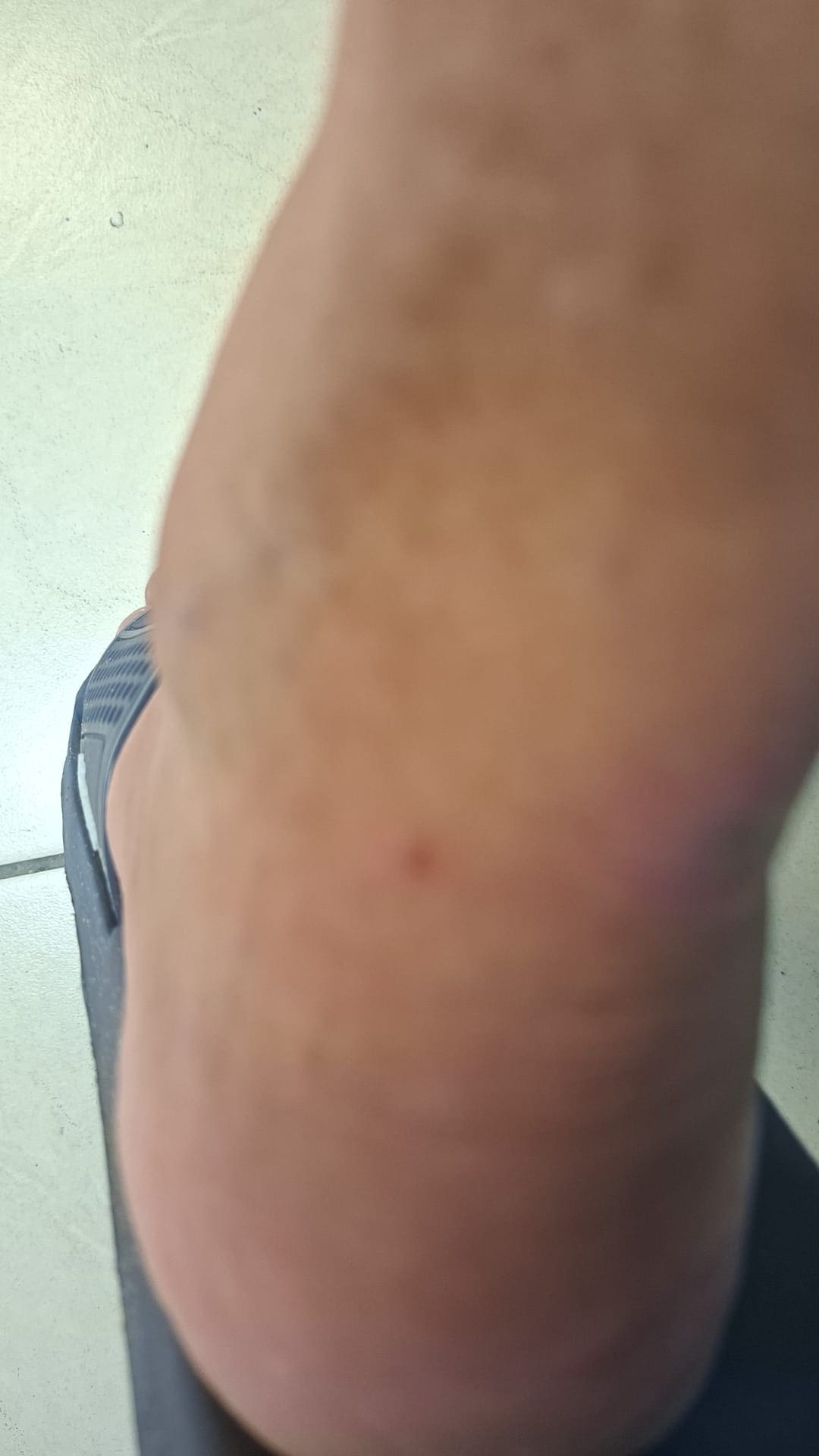
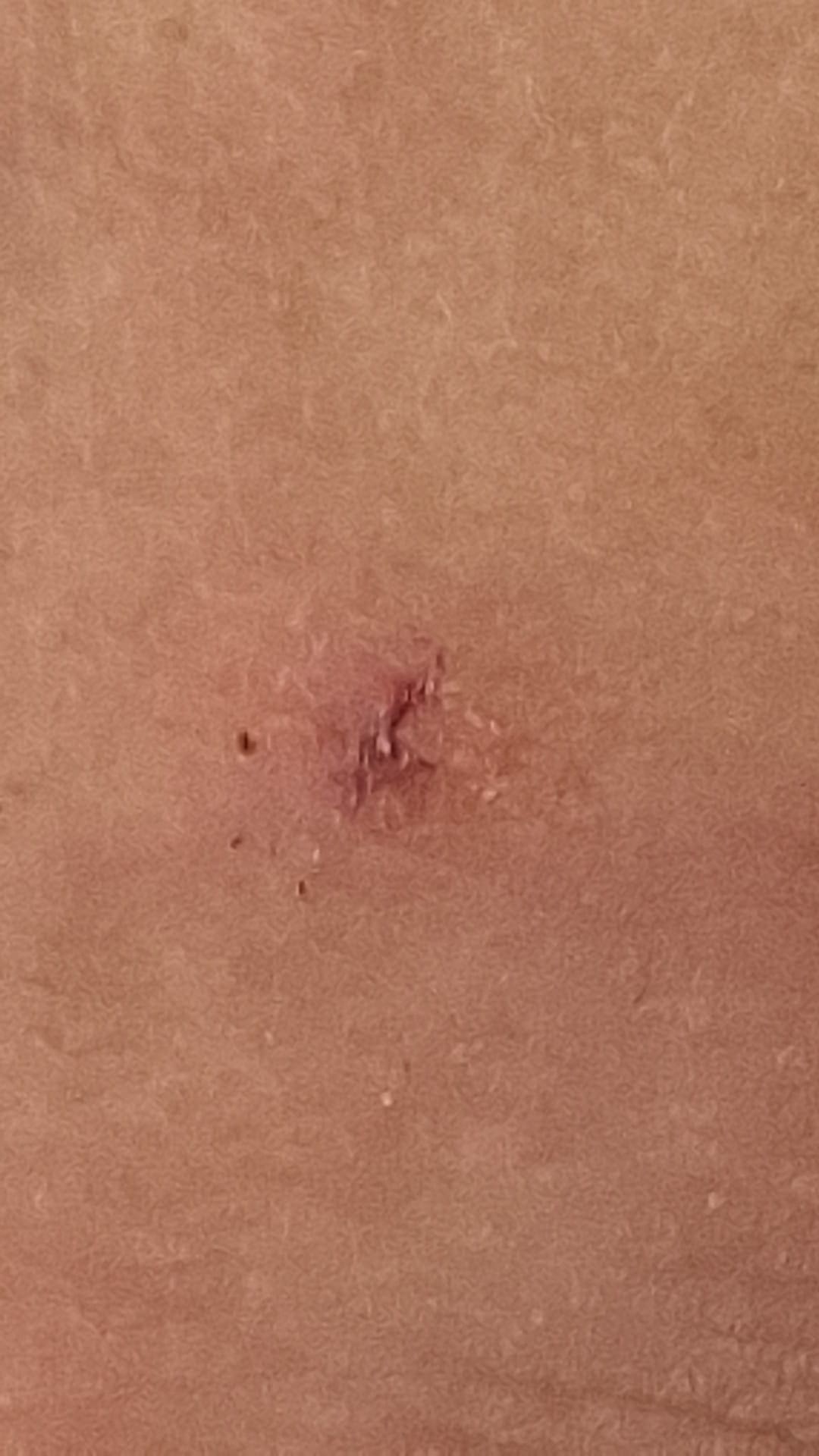
Liran sent me a photo of the injury, which looked like a typical stab wound. After I recognized the type of injury and understood the circumstances of the incident, I recommended that he seek immediate medical attention, even though the pain he described at the time was only a 4 out of 10.
Rapid treatment and follow-up at Rambam Hospital
As someone who has been involved in the marine field for many years and serves, among other things, as a consultant to the information department at the National Poison Information Institute, I explained to Liran that the venom of marine animals, with the exception of stingrays, is usually neutralized through heat treatment.
After visiting the Lin Clinic and receiving a referral to the emergency room, Liran arrived at Rambam Hospital. There he underwent a series of tests that included soaking his foot in hot water, blood tests, an EKG, and an ultrasound examination intended to rule out the presence of a thorn remaining in the body or tissue remnants containing venom.
Liran remained under observation for about six hours, after which he was released home with a recommendation for five days of rest and pain medication.

Do we really have to see a doctor?
The answer is unequivocal: yes.
Over the years, I have encountered cases where seemingly minor injuries have resulted in significant complications. There have been cases of severe infections, long-term injuries, and even damage that has led to limitations in walking. In some cases, late or inappropriate treatment has worsened the condition and made recovery difficult.

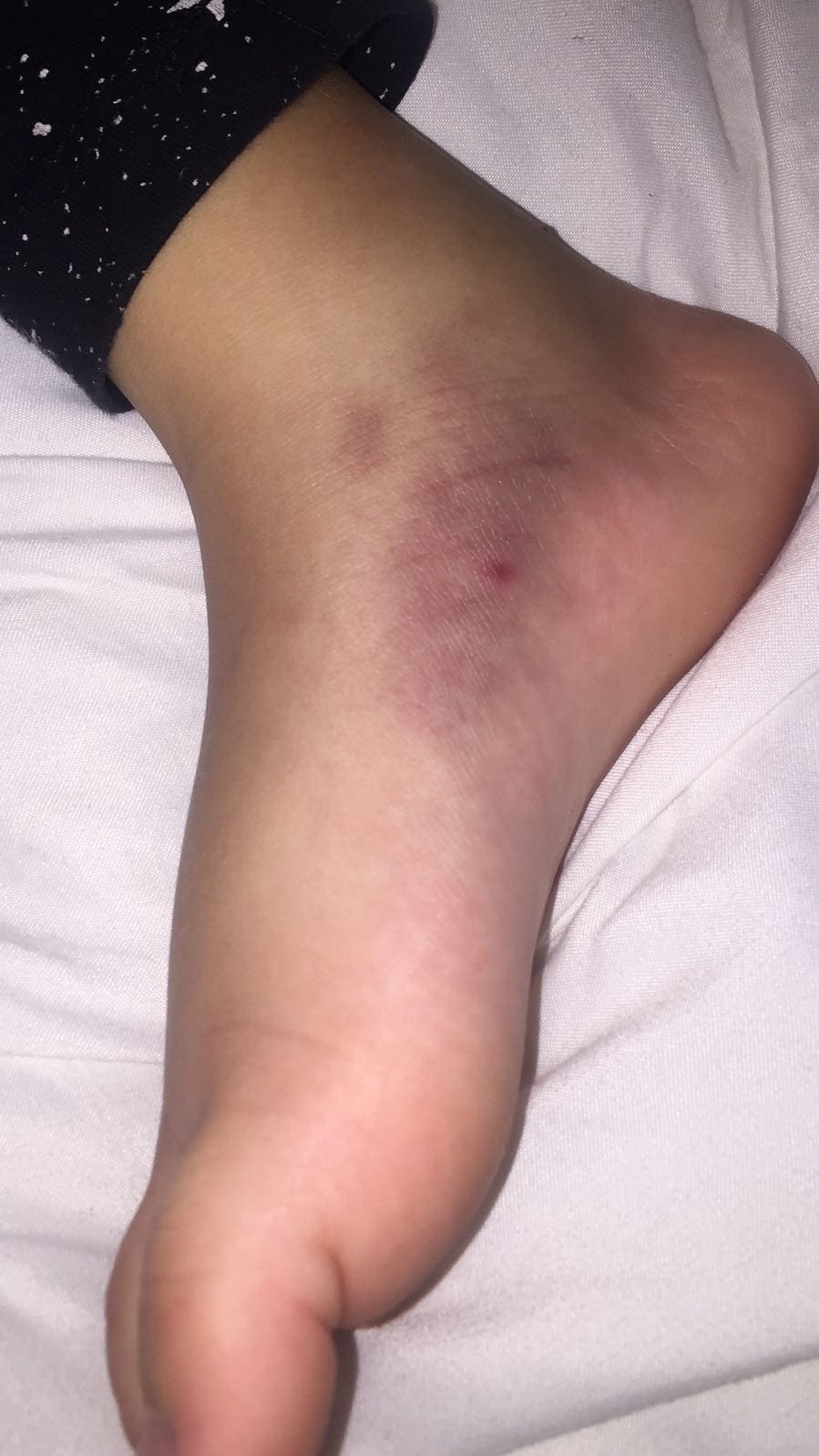
This is precisely why any injury from a stingray, stingray, or other venomous fish requires a professional medical examination, even when the initial pain is not unusual.
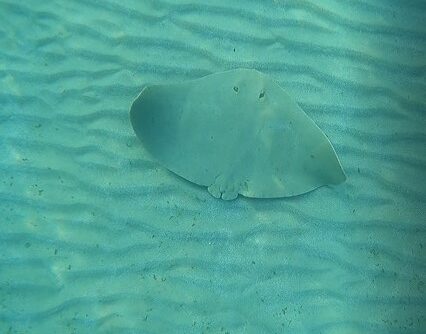
Betas breed along the coasts
What happened yesterday is not an entirely unusual case. In recent years, I have been receiving more and more reports of the presence of betas in shallow coastal areas, mainly in Haifa, the Krayot, in the center of the country and in the south.
Betas usually stay on sandy bottoms, sometimes only a few centimeters deep, perfectly camouflaged. In some cases, they are very difficult to spot even when they are right under the feet of bathers.
In Haifa, their presence was observed, among other things, at Dado Beach, Student Beach, and the Krayot area.
They don't attack, they defend.
It is important to emphasize: bettas are not aggressive animals.
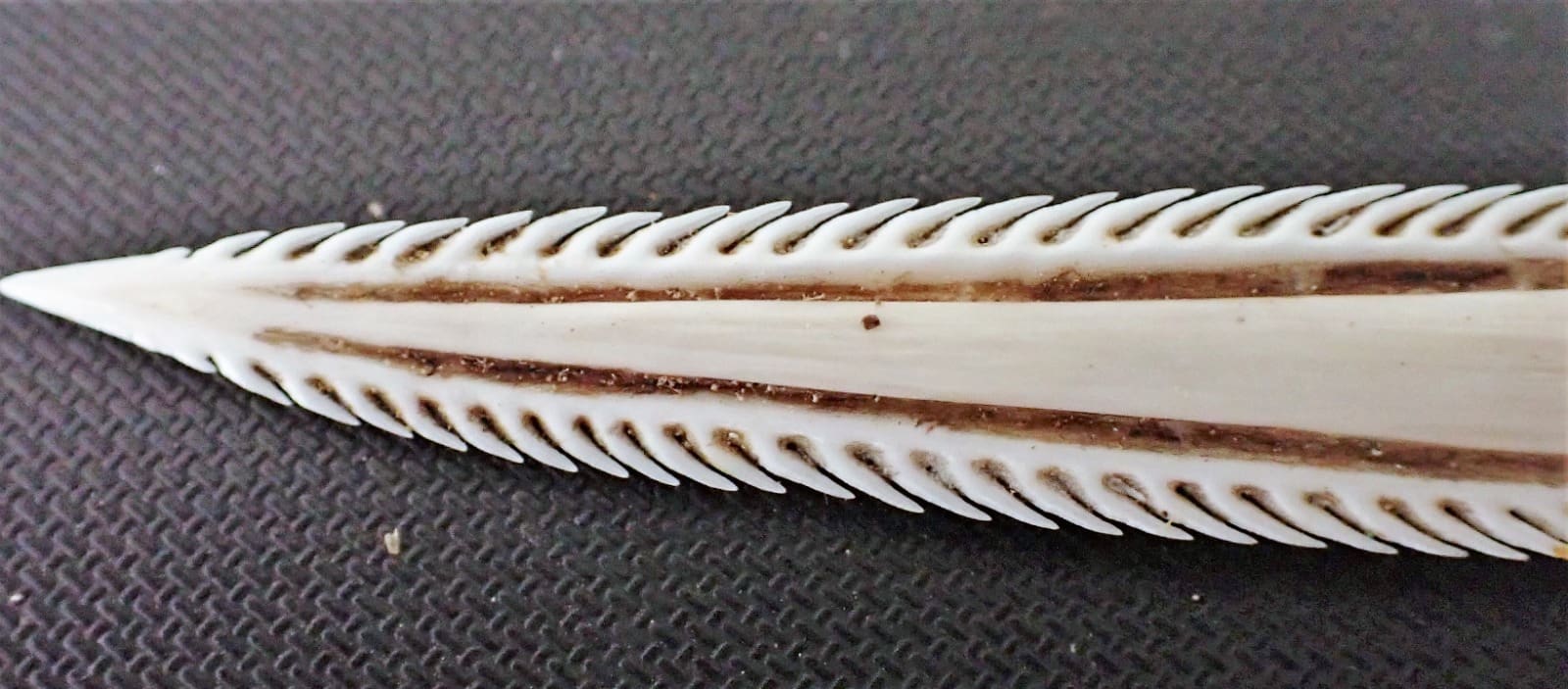
When an injury occurs, it is usually caused by a person stepping on the fish or getting too close to it. In such a situation, the betta activates a natural defense mechanism using the venomous spine on its tail.
The venom remains active long after the animal's death, so it is forbidden to touch fish that have washed ashore or that appear dead.
Special warning for underwater photographers
I often hear from underwater photographers, especially beginners, the phrase: "I got closer because they look so cute."
Indeed, these are spectacular and intriguing animals, but getting too close can cause them to feel threatened and defend themselves. Today, there are advanced photographic means that allow you to take close-up photos without disturbing the animals and endangering yourself.
So what do we do? Continue to enjoy the sea
There is no reason to avoid bathing or swimming in the sea. The public can and should continue to enjoy Israel's beaches, but it is important to act with caution and awareness.
It is recommended to enter the water slowly, look closely at the bottom, and make slight movement and noise when entering the water, as taught in diving courses. This simple action can significantly reduce the risk of an unexpected encounter with a battai hiding in the sand.
Reported concentrations of dangerous animals
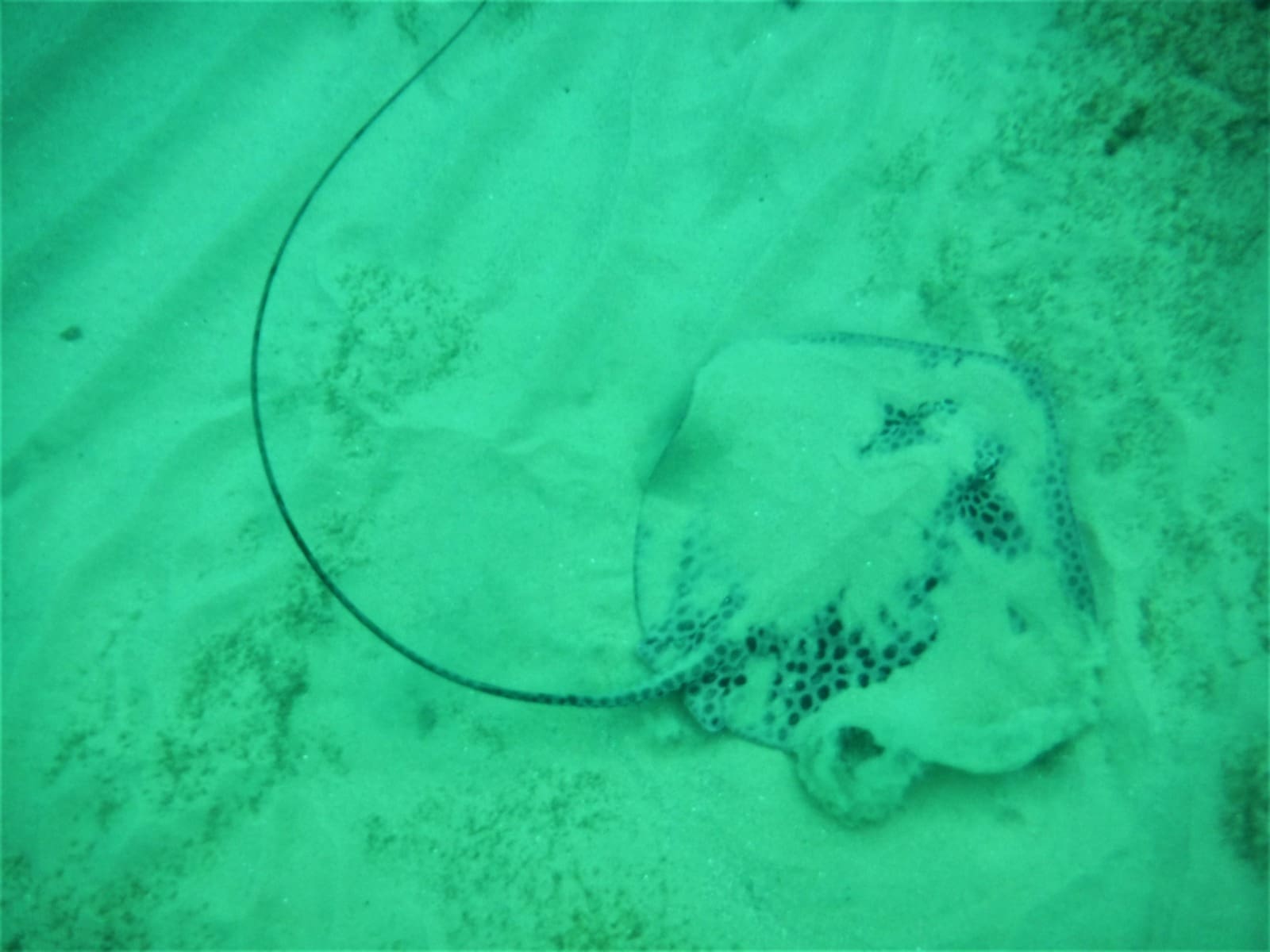
The bettas and sharks in Israel are legally protected animals and are important to the marine ecosystem. Along with protecting them, it is also important to maintain public safety.
I call on bathers, swimmers, and fishermen to report unusual concentrations of poisonous or dangerous animals near the beaches, so that the public can be updated in real time and further harm can be prevented.
Remember: In the event of an injury from a beta fish, stingray, or other venomous fish, do not rely on self-treatment. Seek medical attention as soon as possible. Safety at sea begins with awareness, caution, and proper response.
Can we really spare us the close-up photos of Liran Dan's limbs? Do you believe he was injured?
It's enough to create a sensation from every small damage to the beaches. It's enough to scare the public. There are 100 times more injuries when driving on Israeli roads.
Fortunately, apart from the zahoron that invaded the Mediterranean Sea, there is still no avnon, a poisonous and dangerous fish found on the shores of Eilat. Its damage is very bad, so it is mandatory to enter a rocky beach there wearing sandals or any other protection.
😍It is no longer possible to enjoy swimming in the great sea as before... when close to the "beach" there are sometimes "jellyfish" and sometimes "feces" and "sewage water", etc.
Also in ✨️Tel Aviv! Also in ✨️"Haifa"! In ✨️"Eilat" = "Abu Nafha" and the like…;
In the "Kinneret" - in addition to everything known: years of drying and the "shoreline" moving away; water pollution by unknown factors also in the "northern streams"...;
In the ✨️"Dead Sea" – dehydration and baldness…;
What will we talk about? What will we tell? We will continue to wait patiently for the "improvement plan"!!!😭
Hello, Lolly.
Things exist even without writing about them.
There's not much to do.
But regarding the sea, at least the water situation is good in most areas.
The very fact that there are so many betas,
Meaning…cleaner water than before.
Who would have thought that there would be so many fish, including the fish in the article, in the Krayot near Haifa?
Let's hope that the Knesset will improve, but regarding the sea... the invaders are already here and today... and I emphasize today there is nothing we can do.
Thank you